




3 Michelin Keys · La Liste Top Hotels · Mr & Mrs Smith Seal of Approval
Aman's founding property on Phuket's west coast, Amanpuri occupies a former coconut plantation on a sheltered headland above Pansea Beach. Architect Ed Tuttle's Ayutthaya-inspired design across 40 pavilions and 44 villas set the template for a brand that now spans four continents. Recognised with Michelin's 3 Keys award in 2024 and Tatler Asia's Best Resort in both 2024 and 2025, it remains the benchmark against which Phuket's ultra-luxury tier is measured.

Pearl is the En Primeur Club membership app, where members save venues, book tables and use the concierge.
Where the Aman Blueprint Was Written
Phuket's premium resort market has diversified considerably since the early 1990s, with design-forward properties such as Keemala, Rosewood Phuket, and InterContinental Phuket Resort each staking out distinct positions along the island's western coastline. Amanpuri sits apart from all of them not because of scale or amenity count, but because it authored the category those properties now compete within. Opened in 1988 on a sheltered headland above Pansea Beach, it was the property that established the low-density, architecture-led, service-intensive model that the broader Aman group would replicate across more than thirty countries.
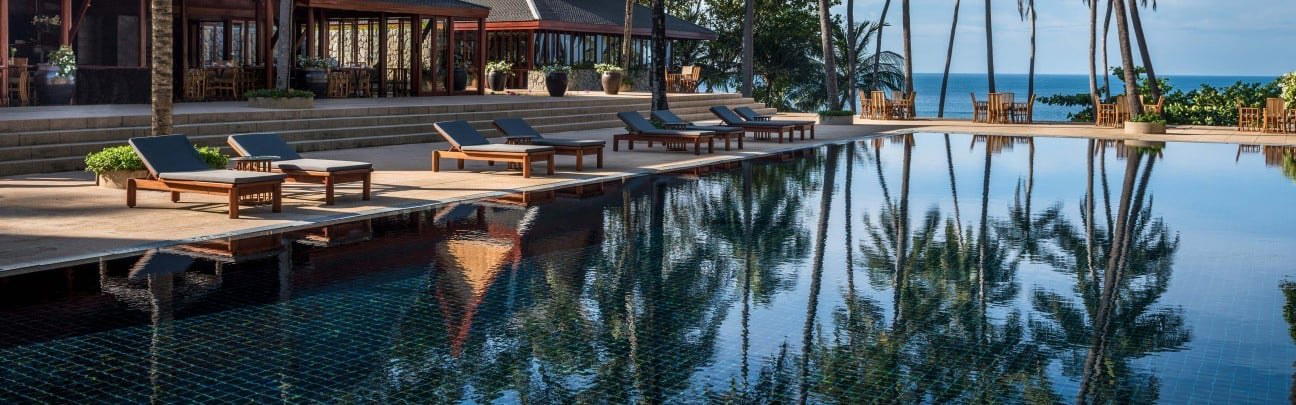
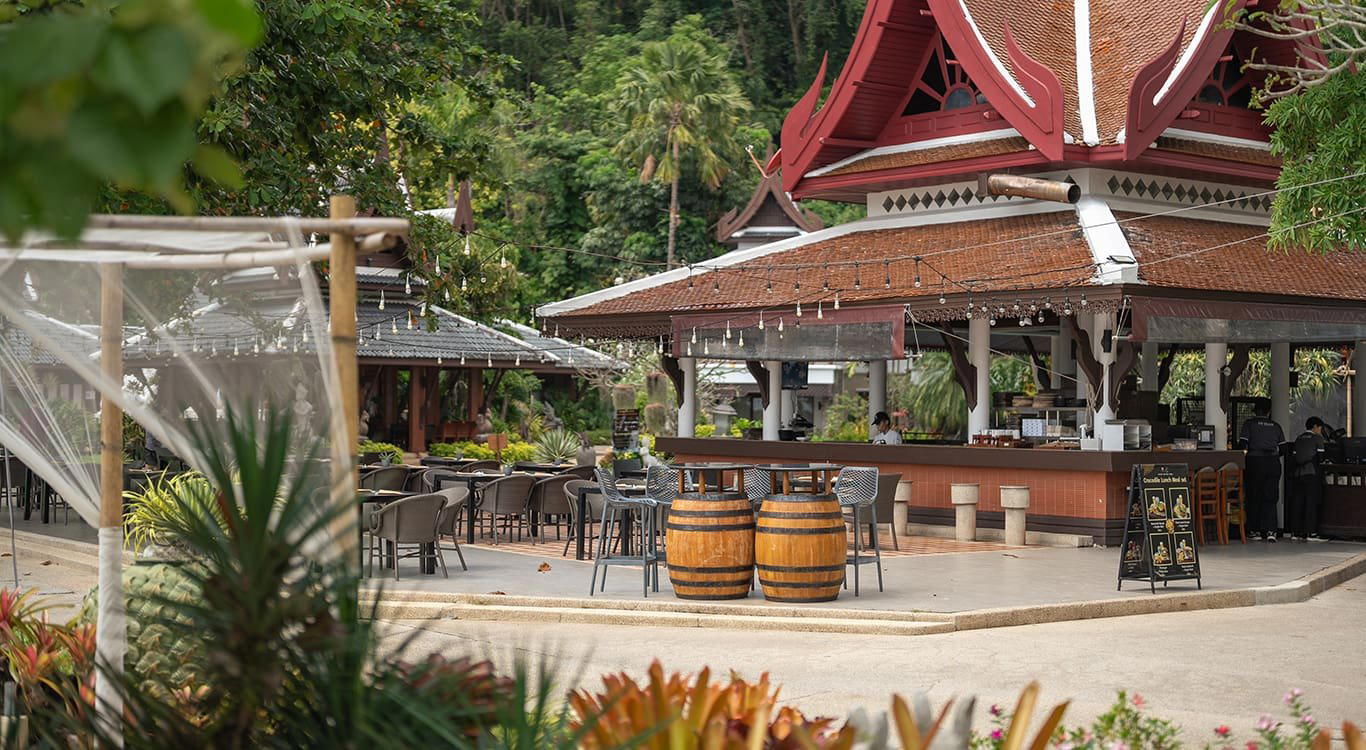
American architect Ed Tuttle drew directly from the Ayutthaya period, Thailand's ancient capital and its most self-assured architectural era, to produce a resort language that was neither pastiche nor export-grade tropical. The steep-pitched sala rooflines, the black granite pools set flush against timber decks, the pavilions positioned to read as separate structures rather than hotel rooms in disguise: these were considered decisions made in a period when most luxury resort design was oriented toward maximum visual spectacle. The result is a property that reads as quieter, more internal, and more formally resolved than almost anything built since.
The Architecture in Detail
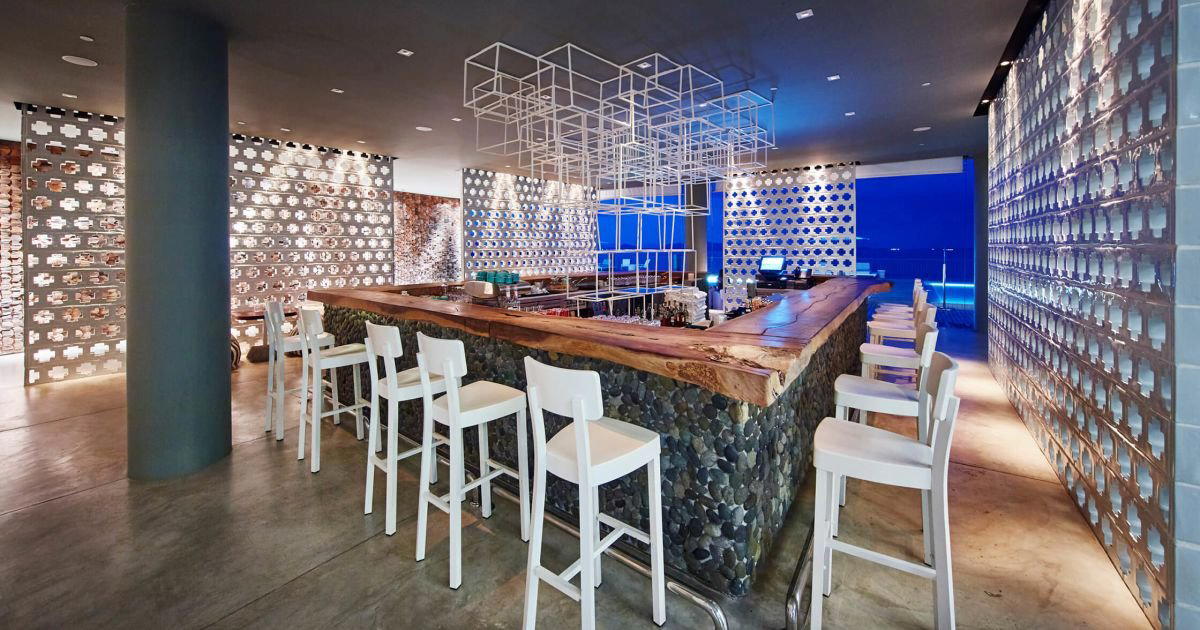
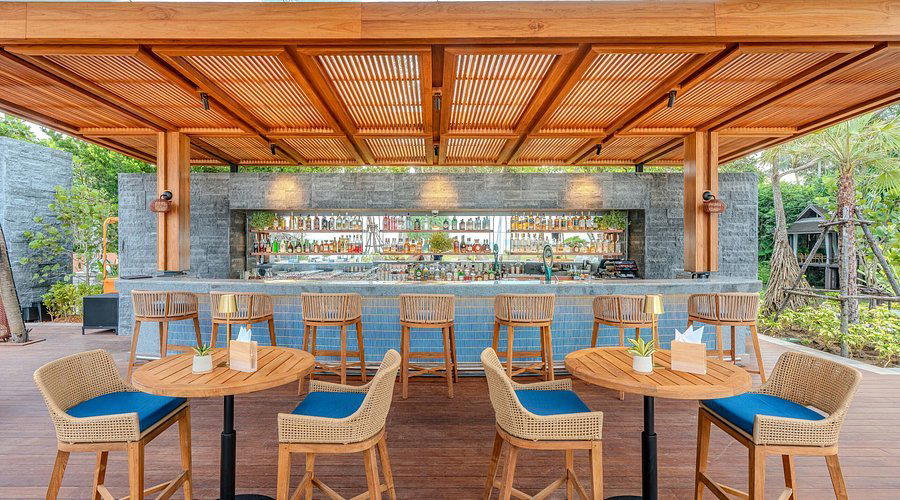
Tuttle's site planning on the coconut plantation hillside is as much the design as any individual structure. The 40 pavilions and 44 private villas are distributed across the terrain in a manner that preserves sightlines and acoustic separation between units, so that the standard guest experience is one of apparent solitude even at meaningful occupancy. The 27-metre pool, tiled in midnight blue, occupies the resort's social centre without dominating it, the surrounding dining terraces and bar are set at elevations and orientations that make the pool a reference point rather than an attraction to crowd around.
The pavilions themselves maintain a disciplined material palette: hardwood floors, low-slung platform beds, clean architectural lines offset by selective use of Thai art and antique elements. Bathrooms are separated into distinct zones with both bath and shower, a configuration that at the time of opening was more common to Japanese ryokan than tropical resort design. The private villas carry the same vocabulary at larger scale, from two-bedroom configurations to nine-bedroom compounds, each with private pool, outdoor dining pavilion, and resident staff including a live-in cook.
Dining Across Multiple Registers
The food programme at Amanpuri operates across five distinct venues, which is unusual even within the ultra-luxury segment and reflects a deliberate positioning against the mono-restaurant resort model common at comparably priced properties. Buabok focuses on Thai cooking with the kind of regional specificity that requires trained cooks rather than generic Southeast Asian menus. Arva draws on Italy's cucina semplice tradition, direct, ingredient-driven Southern Italian cooking that travels better than more elaborately sauced northern preparations. Nama presents Japanese dining in a format described as its purest expression, a claim supported by the general Aman approach of sourcing specialist kitchen talent rather than adapting an existing team.
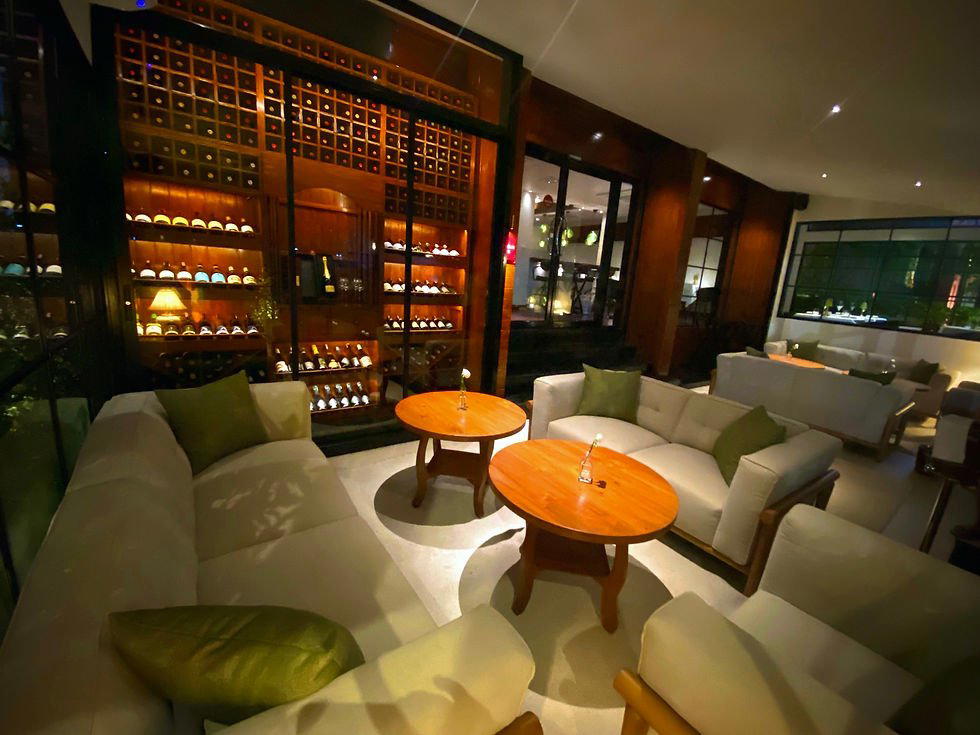
Walk-in wine room holding over 300 varieties from named international producers adds a level of cellar depth uncommon in resort F&B;, where list breadth typically matters more than provenance depth. The Lounge runs Phuket-inspired cocktails alongside street-food formats, and the Beach Terrace operates a live grill and wood-fired pizza oven on a seasonal basis for international lunch service. This combination of a serious cellaring approach with a genuinely multi-format dining spread is one of the harder things to replicate in Phuket's competitive resort market, where most properties manage one or two dining venues with conviction and treat the rest as amenity checkboxes.
Wellness at Institutional Scale
Amanpuri Holistic Wellness Centre carries additional weight as the Aman group's first property to integrate a certified medical team alongside its traditional healing and alternative therapy practitioners. This positions the wellness offer differently from spa-heavy properties like Anantara Koh Yao Yai Resort and Villas or Anantara Layan Phuket Resort, where the offer is treatment-led rather than diagnostic. At Amanpuri, services extend into integrative medicine, anti-ageing protocols, sports medicine, and aesthetic medicine, supported by what the property describes as top-line diagnostic equipment. For guests treating the stay as a structured health intervention rather than a relaxation visit, this depth of clinical support within a resort setting remains rare in Thailand and in the broader Asia-Pacific market.
Adjacent Eco-Beach Discovery Centre, with its nature museum, craft centre, and daily cultural programming, and the Hot Spot hub with its climbing wall, half-pipe, recording studio, and screening room, extend the resort's reach toward multigenerational groups and long-stay guests who need a breadth of engagement beyond pool and spa. Phuket is served by frequent domestic and regional flights, with the airport approximately 30 kilometres from the property, a drive of around 30 minutes. Guests staying three nights or more receive complimentary private airport transfers.
Recognition and Competitive Positioning
Amanpuri's awards record over the past two years places it at the upper tier of the Asia-Pacific resort market. Michelin awarded 3 Keys in 2024, its highest hotel designation. Tatler Asia named it Leading Resort in both 2024 and 2025 within its Asia-Pacific rankings. La Liste placed the property at 99 points in its 2026 Leading Hotels assessment. These are not awards given to the same category of resort: La Liste and Tatler weight different criteria, and holding leading positions across both signals a property performing across multiple evaluation frameworks simultaneously.
Within Phuket specifically, this recognition separates Amanpuri from the broader luxury tier, properties including Andara Resort and Villas and Avista Grande Phuket Karon operate credibly at the premium end, but at a different peer level. Internationally, Amanpuri belongs to the same reference group as Mandarin Oriental Bangkok, Four Seasons Resort Chiang Mai, and Phulay Bay, A Ritz-Carlton Reserve in Krabi, Thailand's properties that have maintained sustained critical recognition rather than brief peaks driven by novelty. For those exploring other Aman properties, both Aman New York and Aman Venice share the same design-led, low-density philosophy in very different urban contexts.
Rates from approximately $1,600 per night position Amanpuri at the absolute ceiling of the Phuket market and in line with comparable Aman properties globally. The 84-key inventory, 40 pavilions plus 44 villas, keeps the property in a scale bracket where the guest-to-staff ratio remains a meaningful operational fact rather than a marketing figure. See our full Phuket hotels and restaurants guide for comparable properties across the island's other price tiers and coastal zones.
Planning Your Stay
Phuket's high season runs from November through April, when the Andaman coast operates under dry, calm conditions. The west coast, where Amanpuri sits, experiences the most direct exposure to the southwest monsoon between May and October, which reduces beach usability though the resort's inland facilities and villa infrastructure remain fully operational year-round. Properties on the east coast, such as Anantara Mai Khao Phuket Villas, offer a different seasonal profile for guests whose timing is fixed outside the dry window. For comparable Andaman coast experiences beyond Phuket, Six Senses Yao Noi in Phang Nga and Pimalai Resort and Spa in Koh Lanta both operate in the same bay system with different design and programming priorities.
Quick Comparison
Comparable venues nearby, for context on price, style, and recognition.
| Venue | Cuisine | Price | Awards | Notes |
|---|---|---|---|---|
| AmanpuriThis venue (the venue you are viewing) | Tropical luxury resort designed as a temple-like sanctuary with polished walkways through coconut palm groves, blending Thai architectural aesthetics with contemporary sophistication. | $1,000–1,500 | 3 Michelin Keys · La Liste Top Hotels | Not listed |
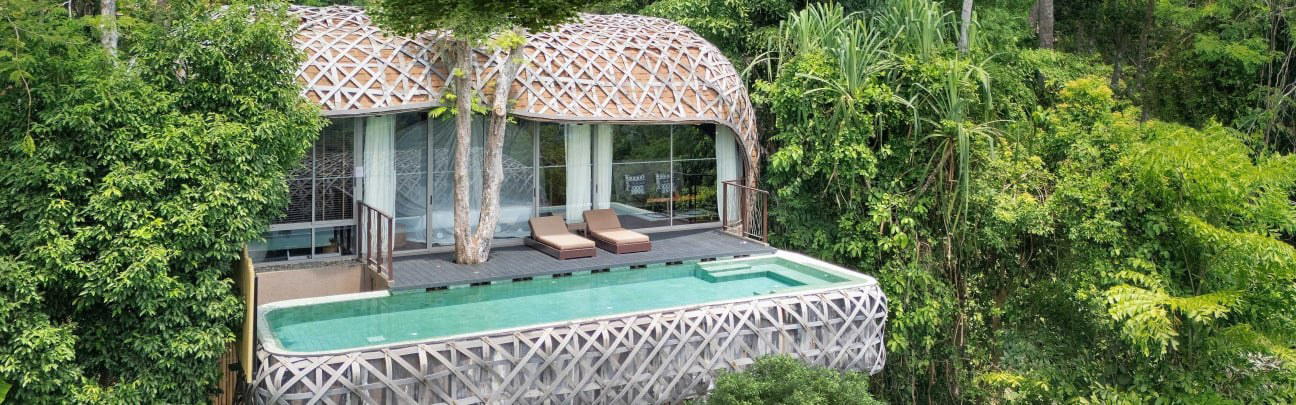
| Keemala | Nature-inspired luxury jungle resort with distinctive hillside villas | Not listed | 2 Michelin Keys · Mr & Mrs Smith Seal of Approval | Kathu |
| InterContinental Phuket Resort | Modern Thai luxury resort seamlessly integrated into natural landscape with beachfront and hillside wings. | $300–500 | 2 Michelin Keys · Virtuoso Luxury Hotel Partner | Kathu |
| Rosewood Phuket | secluded beachfront resort with pavilions and villas | Not listed | 2 Michelin Keys · Michelin Guide New Hotels New Hotel | Kathu |
| The Pavilions Phuket | Hilltop luxury resort with private pool villas and suites | $200–300 | 1 Michelin Key | Thalang |
| The Racha | Eco-chic luxury all-villa resort in harmony with tropical island nature | Not listed | 1 Michelin Key · Mr & Mrs Smith Seal of Approval | Mueang Phuket |
Recognition history
Dated appearances from independent guides and award organizations, with the underlying list record or original source where available.
Michelin 3 Keys
Michelin
La Liste Top Hotels
La Liste
Mr & Mrs Smith Seal of Approval
Mr & Mrs Smith
Virtuoso Luxury Hotel Partner
Virtuoso
Tatler Best Resort
Tatler
Full recognition history (11 entries)
Michelin 3 Keys
Michelin
Tatler Listed in Best Hotels Asia-Pacific
Tatler
Tatler Best Hotels Thailand - Best Resort
Tatler
Michelin 3 Keys
Michelin
Tatler Best Resort
Tatler
Tatler Best Asia: Best Resort
Tatler
Continue exploring
More in Phuket
Hotels in Phuket
All hotels in Phuket →
Bars in Phuket
All bars in Phuket →
Details
- Romantic
- Scenic
- Elegant
- Sophisticated
- Quiet
- Honeymoon
- Romantic Getaway
- Wellness Retreat
- Anniversary
- Celebration
- Beachfront
- Private Villa
- Butler Service
- Destination Spa
- Panoramic View
- Private Dining
- Infinity Pool
- Garden
- Terrace
- Wi Fi
- Pool
- Spa
- Fitness Center
- Room Service
- Concierge
- Valet Parking
- Beach Access
- Restaurant
- Bar
- Tennis Court
- Waterfront
- Garden
- Elevator
- Accessible Restroom
- Accessible Parking
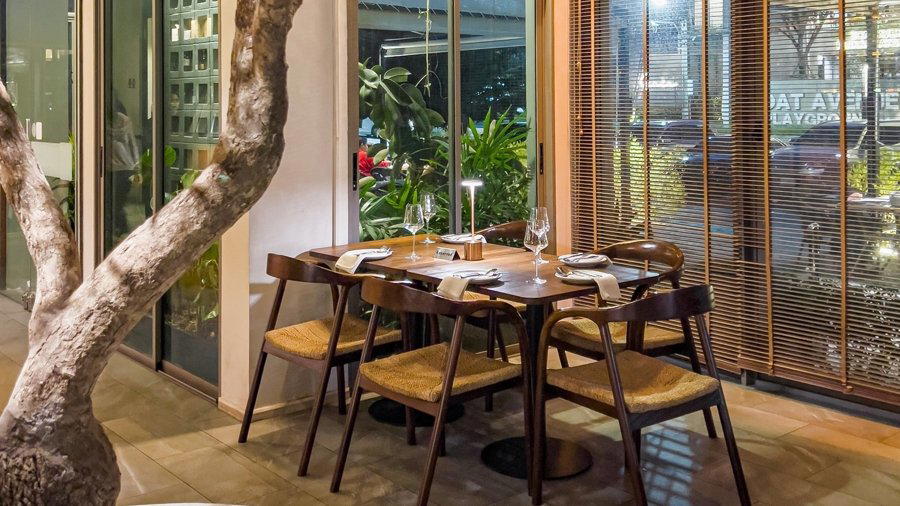
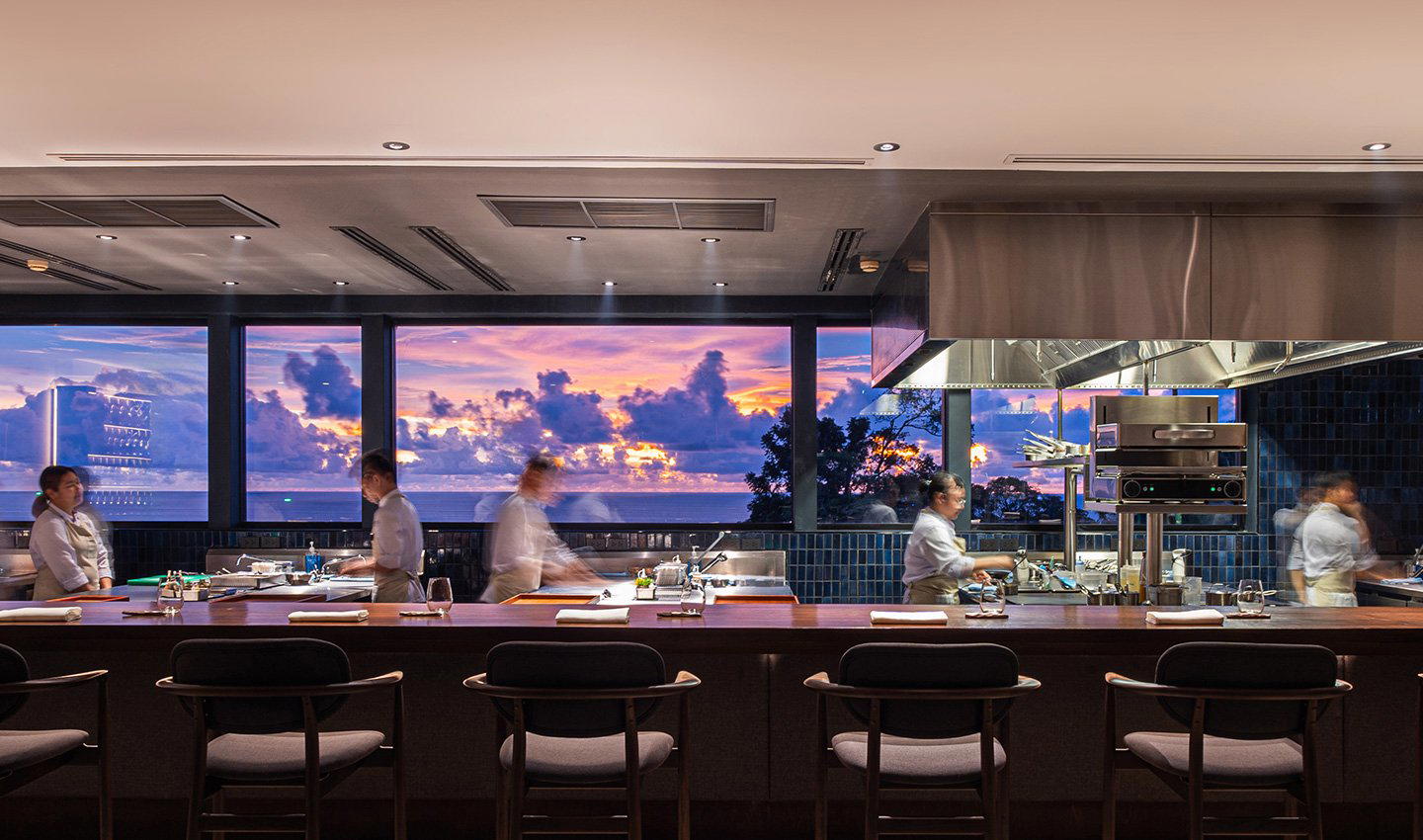
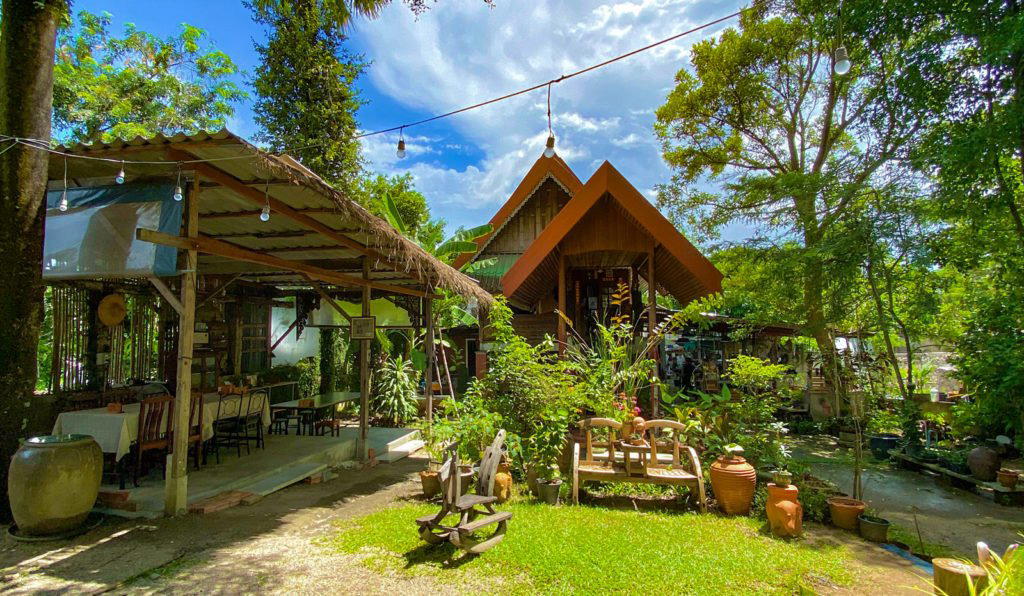
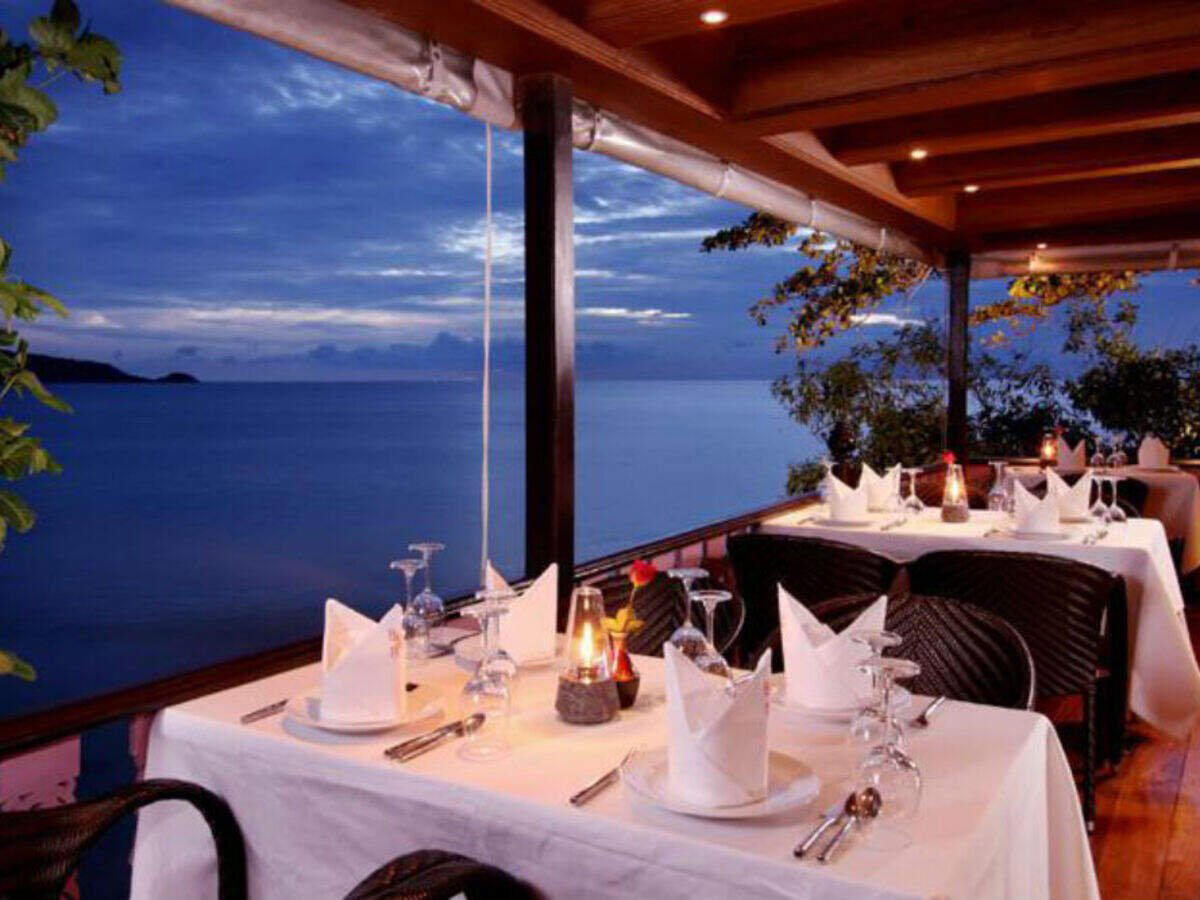
Serene and sophisticated with natural tropical surroundings, soft ambient lighting in open-air pavilions, traditional Thai music performances, and peaceful ocean views creating an atmosphere of tranquility and refined luxury.