

2 Michelin Keys · Small Luxury Hotels of the World Member
On Ba Kan Tiang Beach, one of Koh Lanta's quieter stretches of coastline, Pimalai Resort and Spa positions itself in the smaller, design-restrained tier of Thai island luxury.

Pearl is the En Primeur Club membership app, where members save venues, book tables and use the concierge.
Where the Forest Meets the Shoreline
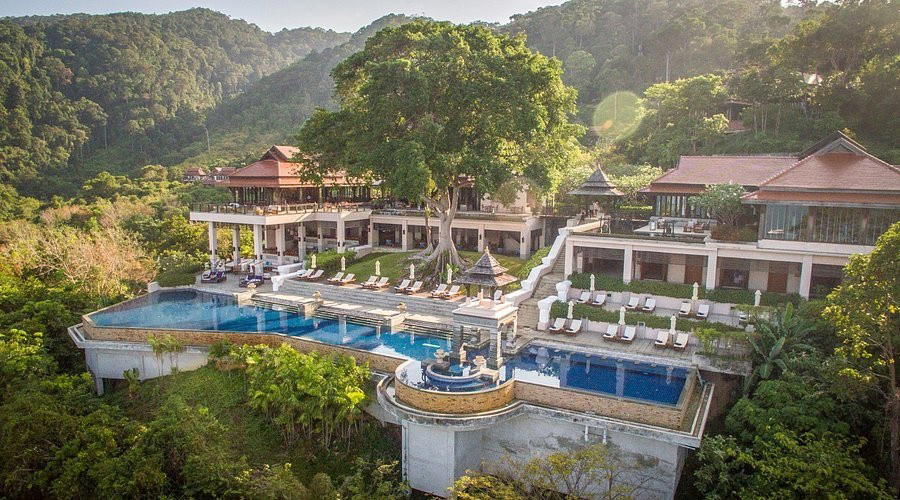
Approaching Ba Kan Tiang Beach from the water, the treeline arrives before the buildings do. That sequencing is deliberate: Pimalai Resort and Spa was designed so that the surrounding tropical forest and the sweep of the beach carry more visual weight than any structural statement. Full-length windows face outward, wraparound terraces and balconies extend into the canopy and sea air, and the 121 rooms, suites, and villas sit low enough in the landscape to feel absorbed by it rather than imposed upon it. In a category where Thai resorts often compete on architectural showmanship, the restraint here reads as a considered position, not a gap.
Thailand's premium island accommodation has divided, over the past decade, between large-footprint international hotel group properties and smaller, more site-responsive alternatives. Properties like Amanpuri in Phuket or Six Senses Yao Noi in Phang Nga represent one end of that spectrum, where design philosophy and environmental integration are the primary identity markers. Pimalai occupies a similar position on Koh Lanta, where the island's character leans quieter and less commercialised than Phuket or Koh Samui, and the resort's design language matches that register.
The Architecture of Restraint
The design logic across the property is consistent rather than dramatic. A warm, contemporary interpretation of Thai vernacular runs through the materials and detailing: natural tones, timber accents, and spatial generosity across all room categories. Even the standard rooms offer enough floor area and proximity to the beach to avoid any sense of compromise. The more significant architectural move is at the villa level, where private pools integrate into terrace structures that position guests within the landscape rather than above it. This approach, common across the leading site-sensitive Andaman properties, rewards visitors who treat the resort as a retreat rather than a base for external activity.
Two infinity pools anchor the central resort area, framing views out to the Andaman Sea and structuring daily movement through the property in a way that pulls guests toward the water repeatedly without any explicit invitation to do so. The placement is direct resort architecture, but executed with an attention to sightlines that makes the difference between a pool that feels incidental and one that organises the guest experience.
For reference, the Michelin Guide awarded Pimalai 2 Keys in 2024, a recognition within Michelin's hotel assessment framework that signals quality across accommodation, dining, and overall experience. At a rack rate starting around $376 per night, the property positions itself below the ceiling of ultra-luxury Andaman competitors like Phulay Bay, A Ritz-Carlton Reserve in Krabi or Soneva Kiri in Trat, while retaining a clear identity within the premium tier.
Dining as Environment
Four restaurants and three bars give Pimalai a dining infrastructure that exceeds what most 121-key properties carry. In the Andaman island resort market, this breadth typically signals an intention to keep guests on-property across multiple meals rather than routing them to external options. The food program centres on Thai cuisine built around fresh seafood, which on Koh Lanta means access to daily catch from the surrounding waters. Cookery classes supplement the restaurant offer, an addition that has become standard at resorts positioning themselves as culturally engaged rather than purely recreational.
This approach to dining, anchoring the food program in local ingredients and providing structured access to the cooking traditions behind them, mirrors what properties like Four Seasons Resort Chiang Mai have established as a model for Thai resort dining at the premium level. The logic holds regardless of geography: guests arriving at an island resort after significant travel effort are more likely to engage with culinary programming when it connects to a specific place than when it defaults to international hotel fare.
What Else the Property Carries
The activity infrastructure extends beyond the dining program. A PADI dive centre places Pimalai within the small category of resorts that treat underwater access as a primary offering rather than a peripheral amenity. The waters around Koh Lanta sit within a marine national park corridor, and the island has historically attracted divers interested in sites that see less traffic than those around Koh Phi Phi or the Similan Islands. A spa rounds out the wellness offering, and tennis courts provide an option for guests who want structured physical activity without leaving the property. For comparison, the wellness-heavy positioning of properties like Anantara Rasananda Koh Phangan Villas or Aleenta Resort and Spa in Pranburi makes a clear case that Andaman and Gulf resorts have converged on a similar activity menu; what differentiates them is the quality of execution and the surrounding environment, not the category list.
Getting Here and Planning Logistics
The geography of Koh Lanta requires a transfer by water, which shapes the arrival experience in a way that functions as a natural decompression from mainland travel. From Krabi Airport, the journey runs approximately 50 minutes by road to Baan Huahin pier, where Pimalai maintains a private jetty and convenience station adjacent to the public pier. The boat transfer then takes roughly one hour during the high season, which runs from November through April. Travelers arriving during the green season, May through October, should expect a slightly longer crossing. From Phuket Airport, the total transfer extends to around three hours; from Trang Airport, approximately 90 minutes to the pier. The airport choice matters and should be factored into overall itinerary planning, particularly for travelers positioning Pimalai as part of a wider southern Thailand circuit that might include Anantara Layan Phuket Resort or Devasom Khao Lak Beach Resort and Villas.
High season window is the clear recommendation for a first visit. Ba Kan Tiang Beach reads differently in flat-sea conditions, and the dive center operates on a fuller schedule when visibility underwater is at its peak. Those with flexibility on dates and a preference for lower occupancy may find the shoulder months around October and May offer a workable compromise between weather and crowd levels. For broader context on Koh Lanta's dining and accommodation scene, our full Koh Lanta restaurants guide maps the island's options across categories.
Where Pimalai Sits in the Broader Picture
Across Thailand's premium resort market, from the Mandarin Oriental Bangkok and Grand Hyatt Erawan Bangkok at the city-hotel end, through to island properties like Samujana Villas in Koh Samui and Anantara Golden Triangle in Chiang Rai, the common thread in the most compelling properties is a coherent relationship between design and environment. Pimalai's case rests on exactly that: a resort where the designers made the productive decision to treat the forest and beach as the primary architectural material, and everything else as secondary. The 2024 Michelin 2 Keys recognition formalises what the property's guest reviews have been indicating for longer: that the operation holds together across the dimensions that matter, from accommodation quality to dining depth to the natural setting that frames both.
Comparable Spots, Quickly
Comparable venues nearby, for context on price, style, and recognition.
| Venue | Cuisine | Price | Awards | Notes |
|---|---|---|---|---|
| Pimalai Resort & SpaThis venue (the venue you are viewing) | Luxurious Thai beach resort blending natural seclusion with five-star comforts | $200–300 | 2 Michelin Keys · Small Luxury Hotels of the World Member | Not listed |
| Banyan Tree Krabi | luxury beachfront all-pool villa resort | Not listed | 2 Michelin Keys · La Liste Top Hotels | Tub Kaek Beach |
| Rosewood Phuket | secluded beachfront resort with pavilions and villas | Not listed | 2 Michelin Keys · Michelin Guide New Hotels New Hotel | Kathu |
| Six Senses Yao Noi | rustic luxe treehouse villas polished on stilts blending seamlessly with tropical plantation estate | $750–1,000 | 2 Michelin Keys · La Liste Top Hotels | Koh Yao Noi |
| Belmond Napasai | Secluded tropical beachfront resort with private villas cascading down a hillside amid lush gardens. | $500–750 | 2 Michelin Keys · La Liste Top Hotels | Mae Nam |
| Six Senses Hideaway Samui | Secluded cliffside luxury resort with private villas | Not listed | 2 Michelin Keys · La Liste Top Hotels | Choeng Mon Beach |
Recognition history
Dated appearances from independent guides and award organizations, with the underlying list record or original source where available.
Michelin 2 Keys
Michelin
Small Luxury Hotels of the World Member
Small Luxury Hotels of the World
Full recognition history (4 entries)
Michelin 2 Keys
Michelin
Michelin 2 Keys
Michelin
Continue exploring
More in Koh Lanta
Hotels in Koh Lanta
All hotels in Koh Lanta →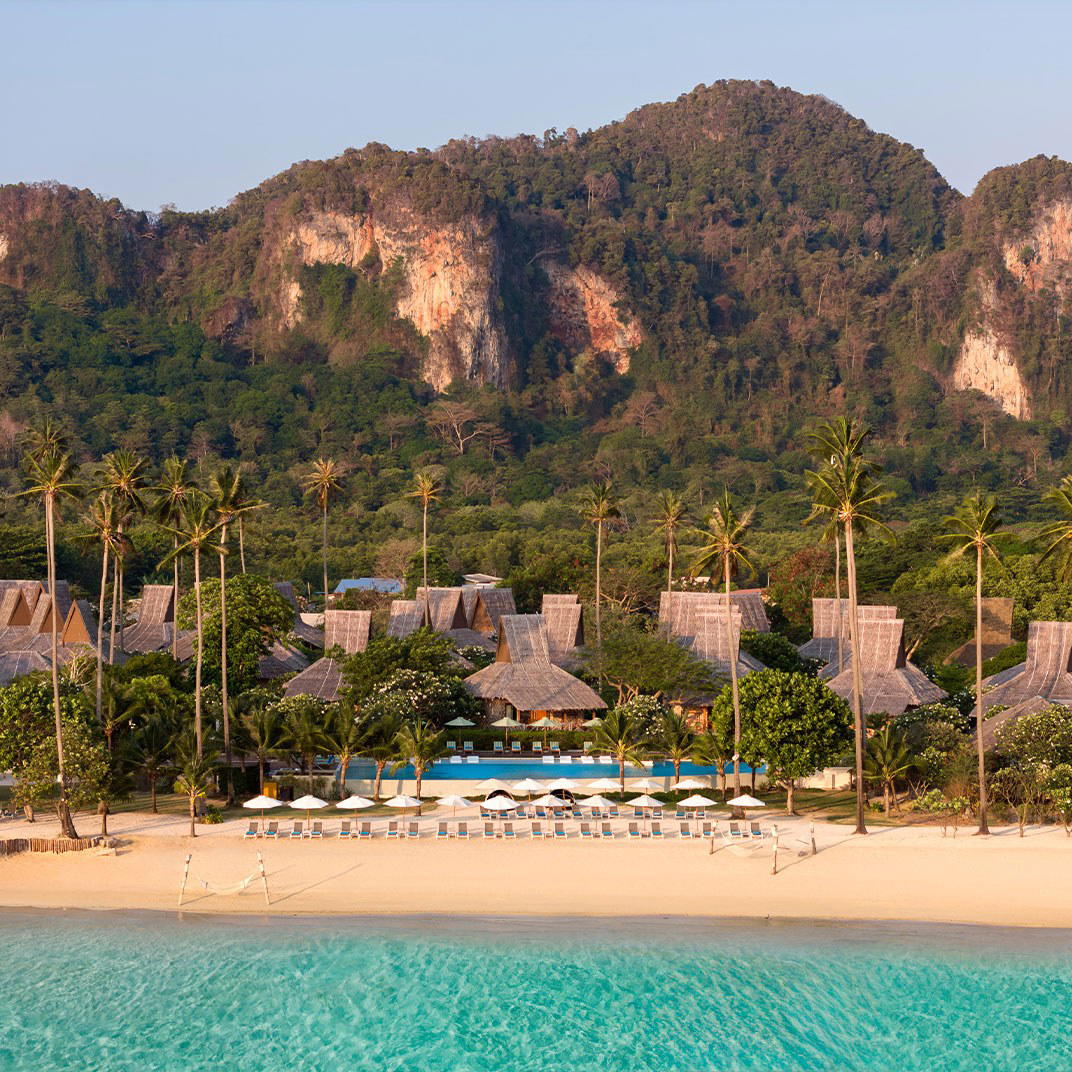
Restaurants in Koh Lanta
All restaurants in Koh Lanta →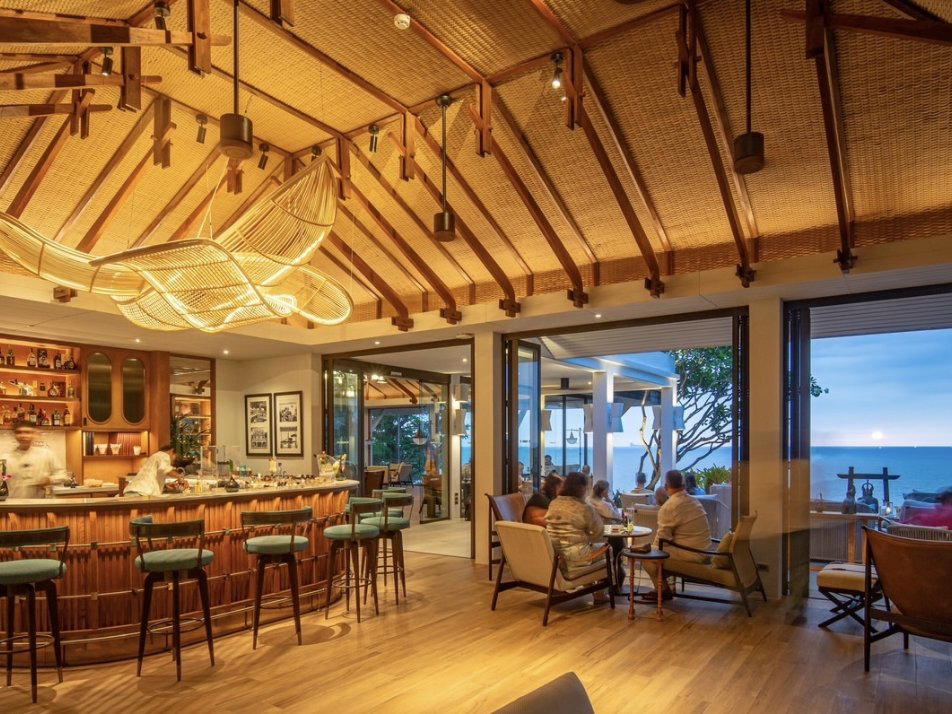
Details
- Romantic
- Quiet
- Elegant
- Scenic
- Intimate
- Sophisticated
- Ornate
- Honeymoon
- Romantic Getaway
- Wellness Retreat
- Anniversary
- Weekend Escape
- Beachfront
- Infinity Pool
- Private Villa
- Destination Spa
- Panoramic View
- Wi Fi
- Pool
- Spa
- Fitness Center
- Room Service
- Concierge
- Tennis Court
- Beach Access
- Kids Club
- Bicycle Rental
- Waterfront
- Garden
- Step Free Entrance
Serene and tranquil atmosphere with natural lighting from open-air designs, lush greenery, waterfalls, and ocean breezes creating a peaceful jungle-beach paradise.