
On the steep western shore of Lake Como, the Mandarin Oriental Lago di Como occupies a cluster of 19th-century villas in Blevio, a village that resists the celebrity circuit of Cernobbio and Bellagio. Selected by the Michelin Guide Hotels 2025, the property sits inside a comparable set defined by architectural restraint and lake-facing seclusion rather than grand-hotel scale.
 Discover on Pearl
Pearl is the En Primeur Club membership app — saves, bookings, and concierge access live there. Same editors, same standards.
- Address
- Via E. Caronti, 69, 22020 Blevio CO, Italy
- Phone
- +39 031 32511
- Website
- mandarinoriental.com
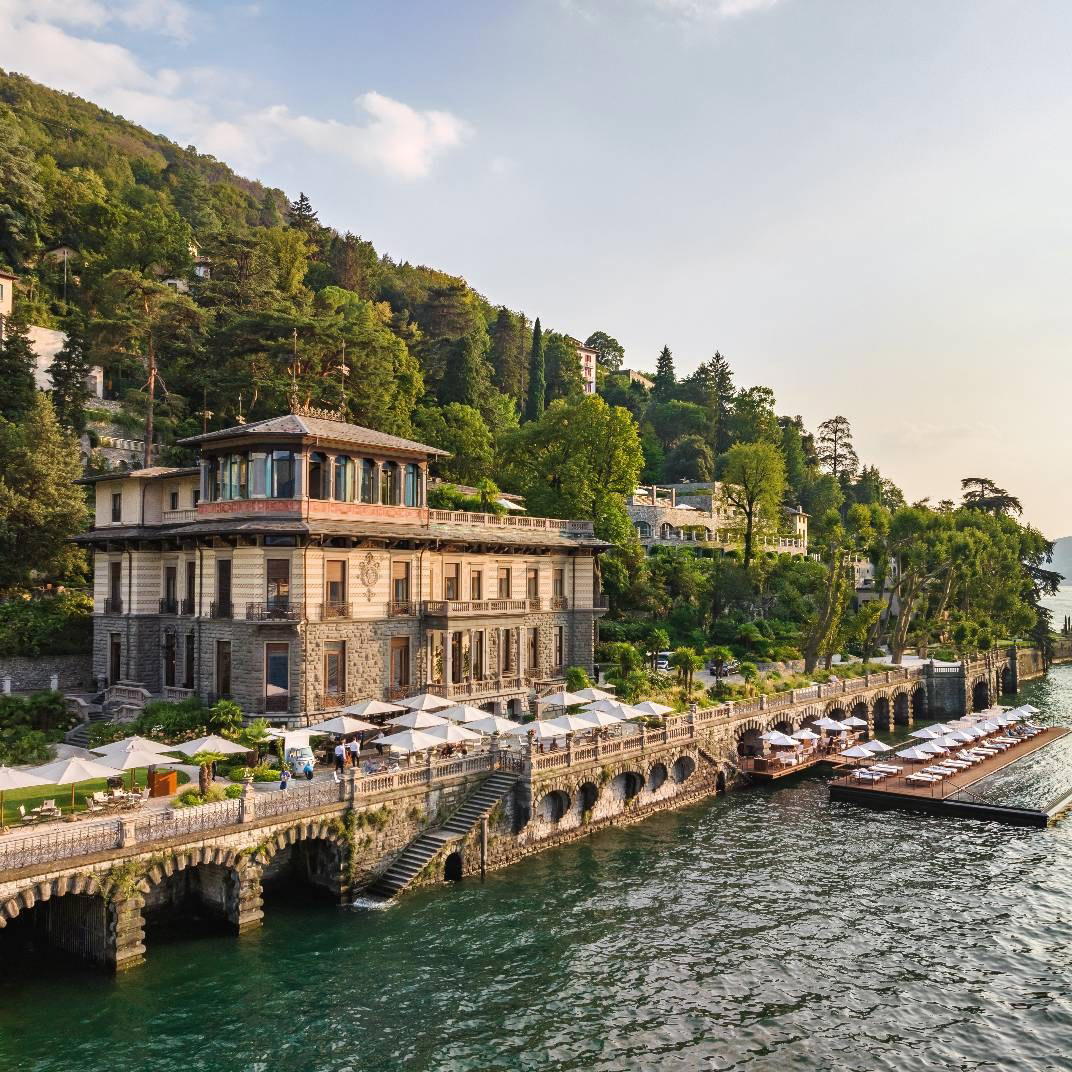
A Shore Apart: Blevio and the Western Lake Como Tradition
Lake Como has always sorted itself by shoreline. The central basin, Cernobbio, Tremezzo, Bellagio, carries the weight of grand hotel history, the long terraced facades, the boat landings designed for maximum visibility. The villages further up the western arm operate differently: smaller road access, steeper terrain, fewer rooms in total circulation, and a guest profile that actively prefers anonymity over arrival spectacle. Blevio belongs to that quieter register, a village of around 700 residents set into the hillside roughly 4 kilometres north of Como city along the western shore. The Mandarin Oriental chose this location deliberately, and the choice communicates something about the property before a guest sets foot inside.
The Michelin Guide Hotels 2025 awarded the property its Selected distinction, placing it in a curated tier that covers Italian lake properties across a range of formats. That recognition matters less as a quality signal, Michelin Selected covers a wide bracket, than as a positioning marker: the Guide's editors are identifying this as the kind of property worth orienting a visit around, rather than simply a comfortable base. For a fuller picture of what the lake's accommodation landscape looks like at this level, Passalacqua in Moltrasio and Il Sereno in Torno form the natural reference points, both Michelin-distinguished, both committed to small-scale, design-led approaches on the same western and eastern shores.
Architecture as Argument
The property occupies a set of 19th-century villas, Villa Roccabruna and Villa La Roda among them, that were not built for hotel use. This matters architecturally. Villa conversions on Como operate under constraints that purpose-built hotels do not face: irregular room configurations, protected facades, gardens that were designed for private enjoyment at a different scale. What looks like a limitation from an operational standpoint produces, when handled well, spaces that feel inhabited rather than installed. The rooms read as rooms rather than hospitality product. The gardens carry the proportional logic of domestic rather than resort design.
Villa model positions this property against a broader trend in Italian luxury hospitality, where the most discussed recent openings have tended toward either large-scale restoration (the Four Seasons Hotel Firenze in Florence occupies a Renaissance palazzo complex) or entirely new-build construction. The Mandarin Oriental Lago di Como sits in neither category. It is a conversion of existing 19th-century fabric into a contemporary hotel programme, which places it in conversation with properties like Castello di Reschio in Lisciano Niccone, another project that treats historic architectural material as the primary design medium rather than a backdrop. The comparison is not about equivalence of category; it is about a shared editorial position on what luxury means when the existing structure is allowed to lead.
Lake-facing orientation is not incidental on Como, it is the central architectural decision. How rooms relate to the water, which terraces hold the main view angles, where the pool is positioned relative to the natural drop of the terrain: these choices define the spatial experience more than interior specification does. The Blevio site, positioned on a hillside rather than a flat lakefront, means that the relationship between building and water is vertical as much as horizontal. Terraces step down rather than extend outward, which produces a different visual geometry than the long, low waterfront terraces of properties further south.
Placing the Property in Its Competitive Set
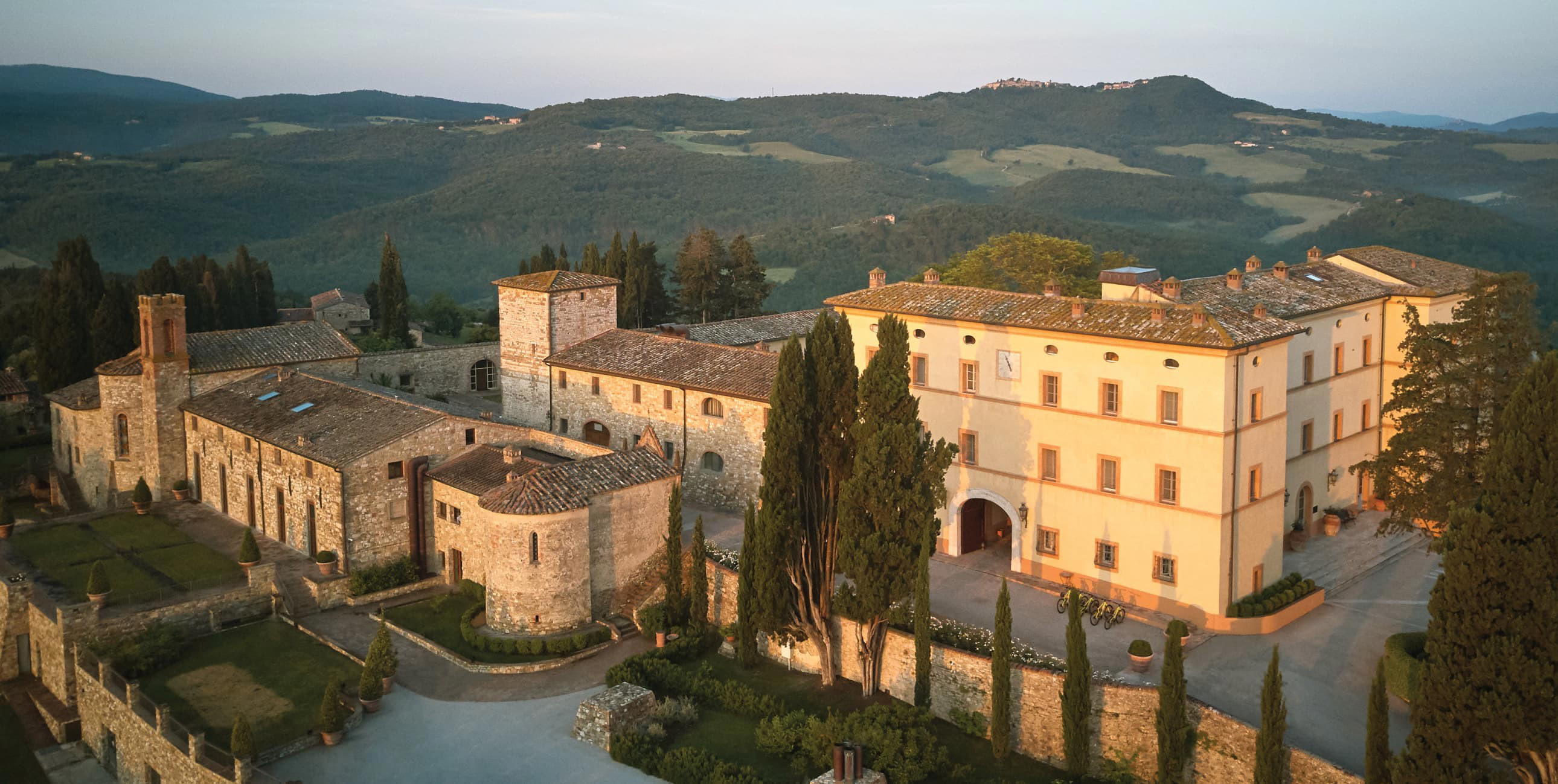
Italy's premium hotel market has consolidated around a handful of formats. The international brand-managed palazzo (of which Bulgari Hotel Roma in Rome is the Roman example) sits at one end. The owner-operated, historically rooted rural retreat, Rosewood Castiglion Del Bosco in Montalcino, Borgo San Felice Resort in Castelnuovo Berardenga, occupies another. The Mandarin Oriental Lago di Como is a brand-managed property, which brings with it a predictable service architecture and a global loyalty infrastructure, but the physical setting and the villa format push it toward the experiential character of the latter group.
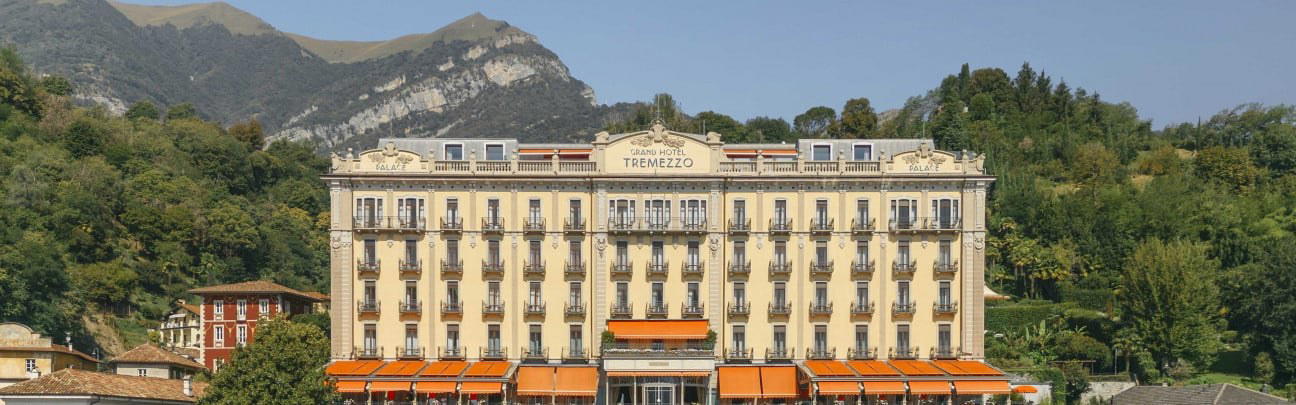
For guests comparing Lake Como options specifically, the relevant comparable set is tight. Grand Hotel Tremezzo in Tremezzo represents the grand Belle Époque tradition on the opposite shore. Passalacqua in Moltrasio, also Michelin-recognised, operates with a smaller key count and a deliberately private character. The Mandarin Oriental occupies a middle position: larger operational infrastructure than Passalacqua, more architecturally specific than a standard international luxury hotel, and in a village location that removes it from the higher-traffic zones of the central lake.
Beyond Como, the property belongs to a wider Italian conversation about historic villa conversion. Aman Venice in Venice applies similar logic to a Venetian palazzo, the brand manages the guest experience, the historic fabric provides the spatial identity. Casa Maria Luigia in Modena does it at smaller scale in Emilia-Romagna. In each case the question is the same: how much does the architectural inheritance shape what a stay actually feels like, and how much does the brand overlay flatten it? On Como, the terrain answers part of that question before any interior decision is made.
Practical Orientation
Blevio sits approximately 4 kilometres north of Como city on the western shore, reachable by car or by lake taxi from Como. The village has no ferry landing with regular service comparable to the main lake stops, which makes private boat or road transfer the practical default for guests arriving from Milan (roughly an hour by car or fast train to Como San Giovanni, then onward by taxi or transfer). The road along this stretch of the western shore is narrow in places, which reinforces the sense of separation from the main tourist infrastructure without adding meaningful journey time from Como city.
Guests calibrating Italy's broader luxury hotel circuit against this stay will find useful comparisons in the coastal register, Borgo Santandrea in Amalfi Coast, Il San Pietro di Positano in Positano, JK Place Capri in Capri, where the design-led, terrain-responsive approach to historic or natural settings produces a comparable experiential logic in a very different geography. The lake version trades heat and salt air for altitude and cool water, but the underlying premise, that the physical setting should do most of the work, connects these properties more than their regions separate them.
How It Stacks Up
Comparable venues nearby, for context on price, style, and recognition.
| Venue | Cuisine | Price | Awards | Notes |
|---|---|---|---|---|
| Mandarin Oriental, Lago di ComoThis venue — the venue you are viewing | 19th-century neoclassical villa with modern luxury extensions | $$$$ | 5-Star | |
| Villa Làrio Lake Como | Exclusive all-suite luxury property blending historical villa charm with modern suites in lush gardens. | $$$$ | Michelin 1 Key | Pognana Lario |
| SINA Bernini Bristol, Autograph Collection | Iconic 150-year-old luxury hotel reinterpreting Baroque luxury with contemporary twist. | $$$$ | 5-Star | Piazza Barberini |
| The Carlton | Modern homage to a legendary name with midcentury roots, blending heritage and contemporary design through references to Milanese design giants and 1930s rationalist architecture. | $$$$ | 5-Star | Quadrilatero della Moda (Fashion District) |
| Eight Venezia | Historic Venetian palazzo transformed into a luxury boutique hotel | $$$$ | 5-Star | Castello |
| Villa Paola | Restored 16th-century convent blending historic charm with modern luxury | $$$$ | 5-Star | Contrada Paola |
Continue exploring
More in Blevio
Hotels in Blevio
Browse all →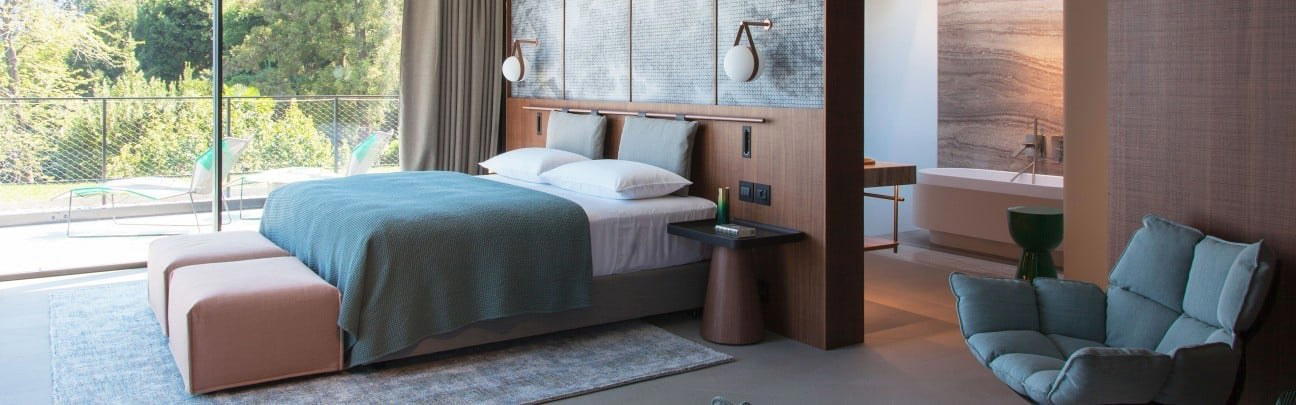
Bars in Blevio
Browse all →
Restaurants in Blevio
Browse all →



At a Glance
- Romantic
- Elegant
- Sophisticated
- Scenic
- Opulent
- Honeymoon
- Romantic Getaway
- Wellness Retreat
- Anniversary
- Infinity Pool
- Panoramic View
- Waterfront
- Private Villa
- Spa
- Pool
- Fitness Center
- Room Service
- Concierge
- Wifi
- Restaurant
- Bar
- Waterfront
- Mountain
- Garden
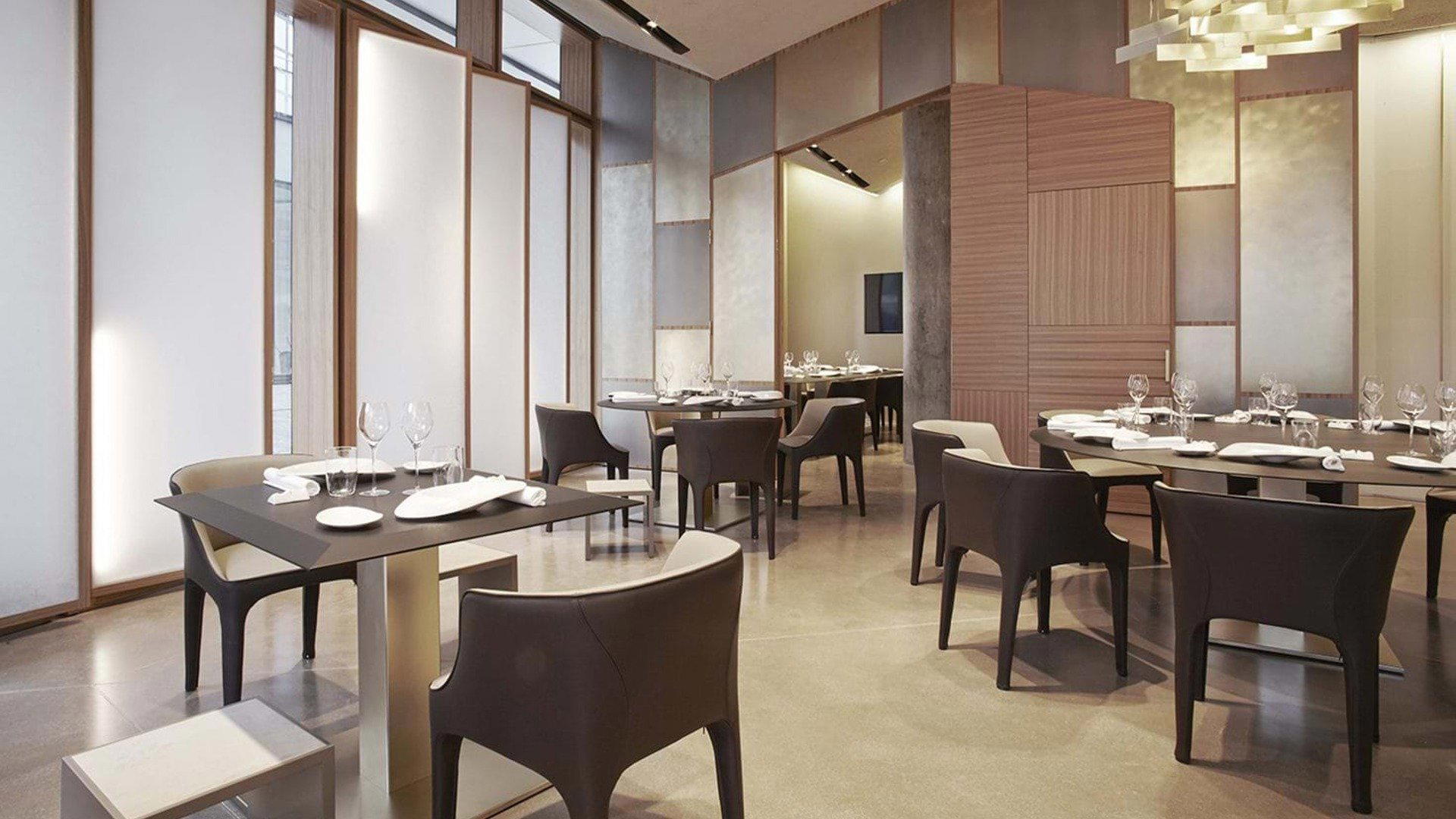
Calm and elegant with natural light, tone-on-tone colors, dark wood accents, and serene lakeside views creating a luxurious, understated atmosphere.