
The Carlton occupies a considered position in Milan's upper-tier hotel scene, drawing guests who want proximity to the city's fashion and design districts without the corporate footprint of the larger international names. Its address places it within reach of the Quadrilatero della Moda and the creative corridors of Brera, making it a natural base for those with business in both worlds. Milan's more informed long-stay visitors have long treated it as a reliable alternative to the grander palazzo properties.
Pearl is the En Primeur Club membership app — saves, bookings, and concierge access live there. Same editors, same standards.
- Address
- Via Senato, 5, 20121 Milano MI, Italy
- Directions
- Get directions
 Saves & bookings on Pearl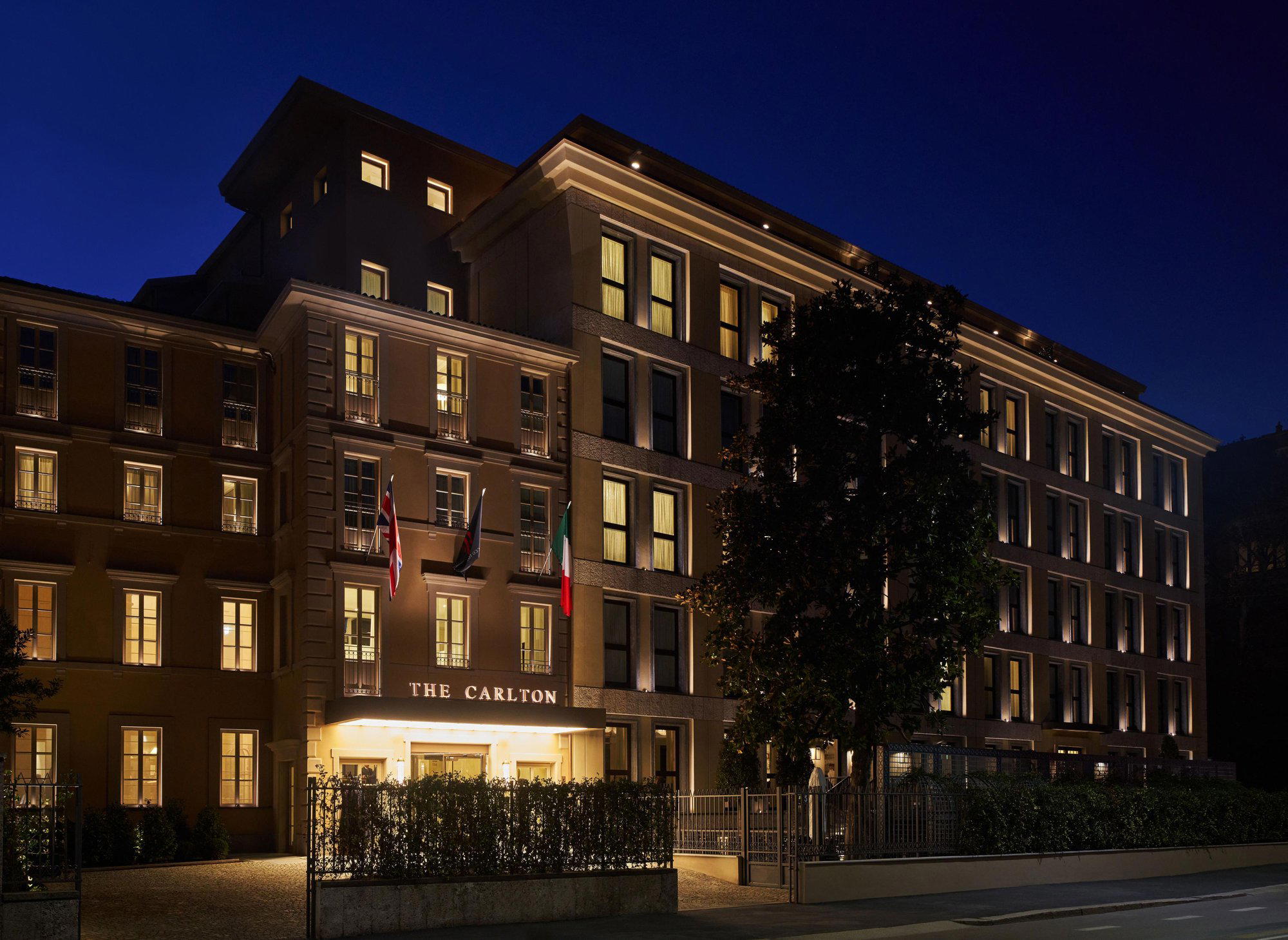
A Milan Address That Does the Work Before You Arrive
In a city where location is a credential in itself, the address a hotel carries says as much as its room count or lobby design. Milan's premium accommodation tier has consolidated around a handful of neighbourhoods: the Quadrilatero della Moda for fashion-week proximity and retail access, Brera for design-led atmosphere, and the area around the Duomo and Galleria Vittorio Emanuele II for those who want the city's symbolic centre within walking distance. The Carlton sits within this geography, placing guests in reach of all three reference points without the isolating scale of the city's larger convention-oriented properties.
That positioning matters in Milan more than in most Italian cities. Unlike Rome, where visitors often base themselves in one neighbourhood and radiate outward, Milan rewards hotels that give guests efficient access to multiple districts, the showrooms of Via della Spiga, the galleries and aperitivo bars of Brera, the trade-fair venues that make this city Europe's most active exhibition calendar.
Where The Carlton Sits in Milan's Hotel Hierarchy
Milan's upper-tier hotel market has developed along two distinct tracks over the past decade. On one side sit the flagship international properties: the Bvlgari Hotel Milan, the Mandarin Oriental Milan, and the Hotel Principe di Savoia, Dorchester Collection, properties that compete on brand recognition, destination restaurants, and the kind of amenity depth that justifies rates at stronger examples from the market. On the other side sit the more contained alternatives: the Portrait Milano, with its Ferragamo lineage and apartment-style format, or the Grand Hotel et de Milan, whose 19th-century fabric and operatic associations give it a different kind of cultural authority.
The Carlton operates in the space between these poles. It is neither a brand-led international flagship nor a historic palazzo with a century of accumulated narrative. That middle position has its own logic in Milan: guests who find the largest properties impersonal, and who prefer a hotel that functions as a base rather than a destination, often gravitate toward properties at this tier. The city's fashion and design industry generates a particular kind of traveller, frequent, schedule-driven, relationship-focused, who values reliability and location over spectacle. That cohort tends to return to the same address across multiple trips, and hotels at this level of the market often build loyalty through consistency rather than novelty.
The Milan Context: Why the City Rewards Careful Hotel Selection
Milan operates on a calendar that compresses demand into specific windows with unusual intensity. The twice-yearly fashion weeks, February/March for women's autumn/winter, September for spring/summer, and the Salone del Mobile in April push occupancy across the premium tier to levels that make last-minute booking at any serious address close to impossible. Outside those peaks, the city's trade-fair schedule at Fiera Milano and the steady flow of design, food, and finance business maintains pressure on the better-located properties year-round.
That calendar dynamic has a direct effect on what a Milan hotel needs to deliver. Fashion-week guests need proximity to venues in Brera and along the Navigli, reliable breakfast service at early hours, and the kind of front-desk competence that handles itinerary changes without friction. Salone guests need storage solutions for sample materials, restaurant recommendations that reflect how the city actually eats during that week rather than generic tourist-facing suggestions, and a quieter environment at the end of dense show schedules. The hotels that perform well across both peaks tend to be the ones with operational consistency rather than the ones that rotate concepts and staff.
Italy's broader luxury hotel scene has its own reference points worth holding in mind when assessing Milan specifically. The intimacy of Passalacqua on Lake Como, the countryside depth of Castello di Reschio in Umbria, or the coastline positioning of Borgo Santandrea on the Amalfi Coast represent a different kind of Italian hospitality entirely, experience-led, landscape-dependent, unhurried. Milan asks something different of its hotels: urban efficiency, business-ready infrastructure, and the capacity to disappear when the city itself is the programme. The Vico Milano and the design-conscious 3Rooms 10 Corso Como interpret that brief in more experimental ways; the hotel represents a more conventional answer to the same question.
Planning a Stay: What to Know Before Booking
Any visit to Milan benefits from timing awareness. Arriving during fashion week or Salone without accommodation confirmed weeks in advance is a reliable way to find yourself priced out of the neighbourhoods that matter most. The periods immediately surrounding those events, the days before and after peak arrival, tend to offer better rate structures and easier restaurant access, while still allowing proximity to the relevant professional activity. Aman Venice or Four Seasons Hotel Firenze as natural extensions of a longer trip.
At-a-Glance Comparison
Comparable venues nearby, for context on price, style, and recognition.
| Venue | Cuisine | Price | Awards | Notes |
|---|---|---|---|---|
| The CarltonThis venue — the venue you are viewing | Modern homage to a well-known name with midcentury roots, blending heritage and contemporary design through references to Milanese design giants and 1930s rationalist architecture. | $$$$ | 5-Star | Not listed |
| Casa Baglioni Milan | Luxury boutique hotel inspired by 1960s Milan with Italian craftsmanship. | $$$$ | 5-Star | Brera |
| Rocco Forte House, Via Manzoni, Milano | 19th-century palazzo with private apartments | $$$$ | 5-Star | Duomo |
| The Westin Palace, Milan | Modern sanctuary blending classical architecture with 21st-century Milanese design in the heart of Porta Nuova. | $$$$ | 5-Star | Stazione Centrale - Ponte Seveso |
| Room Mate Giulia | Contemporary boutique blending traditional materials with modern design | $$$$ | 4-Star | Duomo |
| ME Milan Il Duca | Cosmopolitan design hotel blending modernity with sophisticated Italian elegance. | $$$$ | 5-Star | Stazione Centrale - Ponte Seveso |
Recognition history
Dated appearances from independent guides and award organizations, with the underlying list record or original source where available.
Town & Country Hotel Awards
Town & Country
Continue exploring
More in Milan
Hotels in Milan
Browse all →
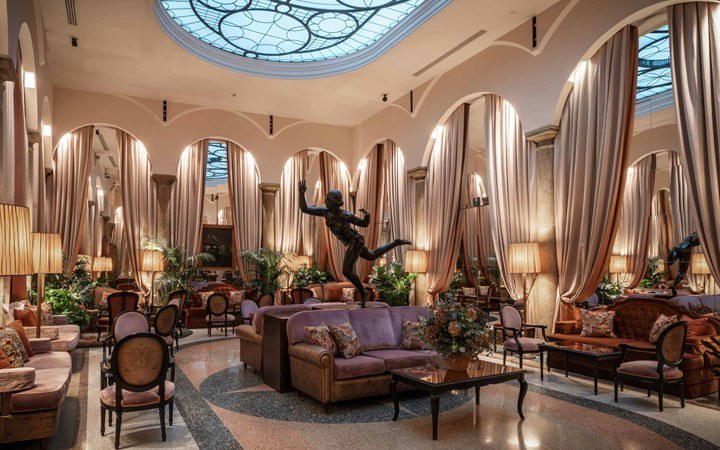
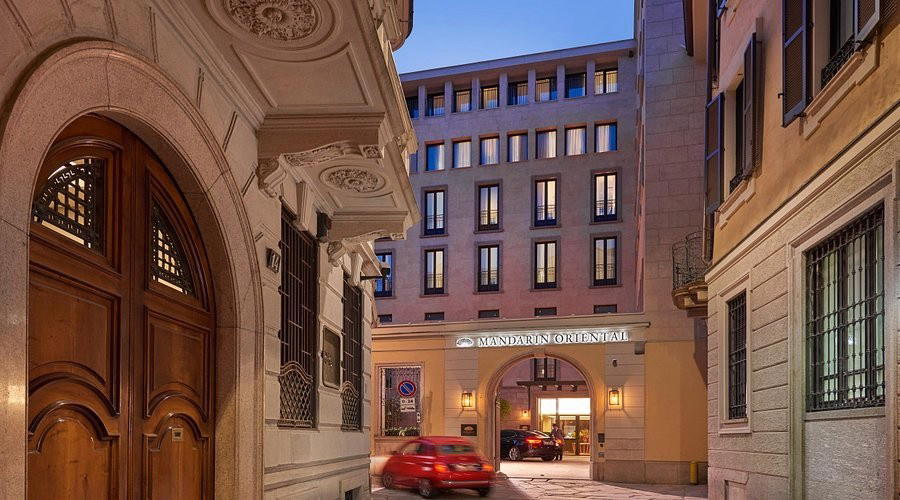
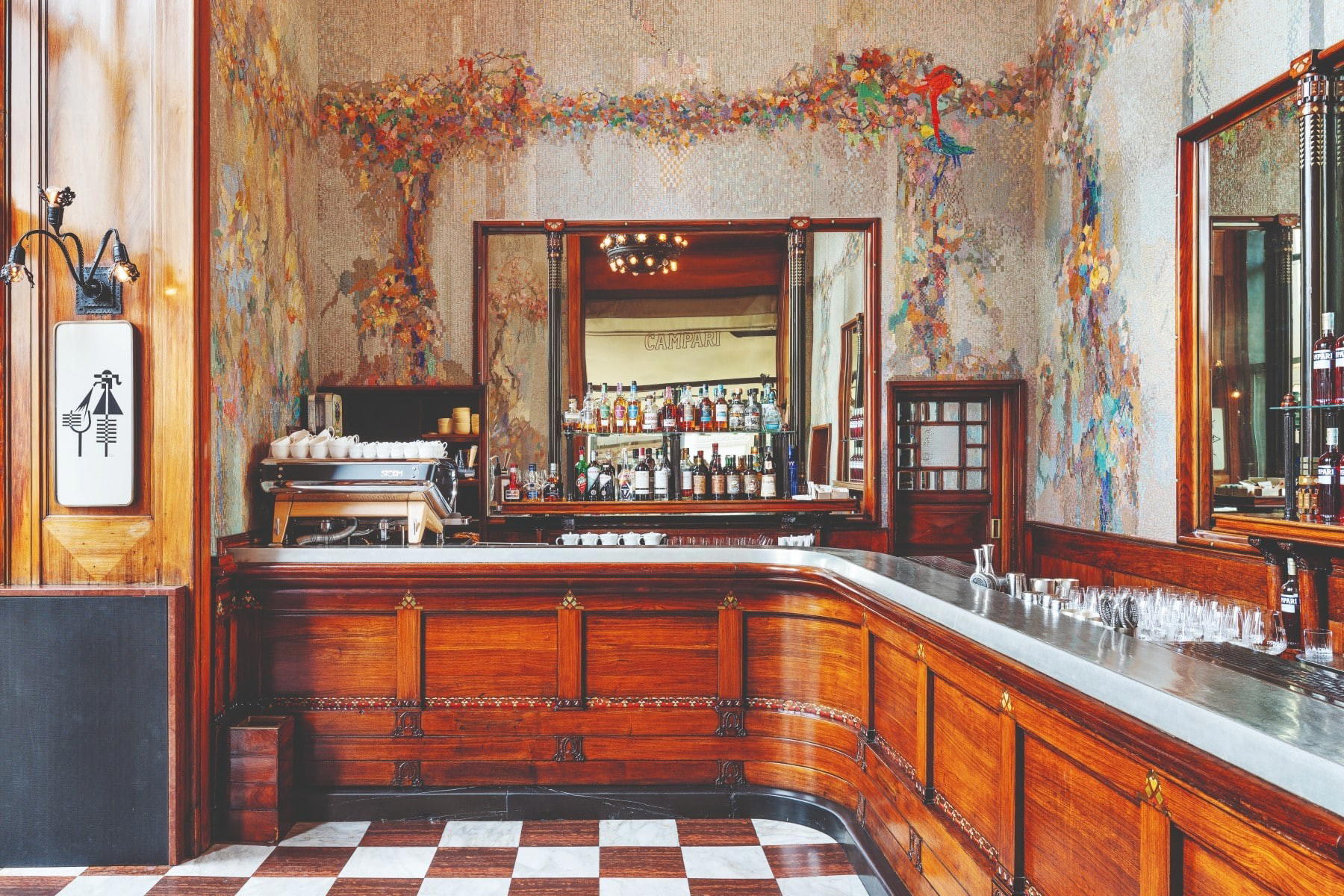
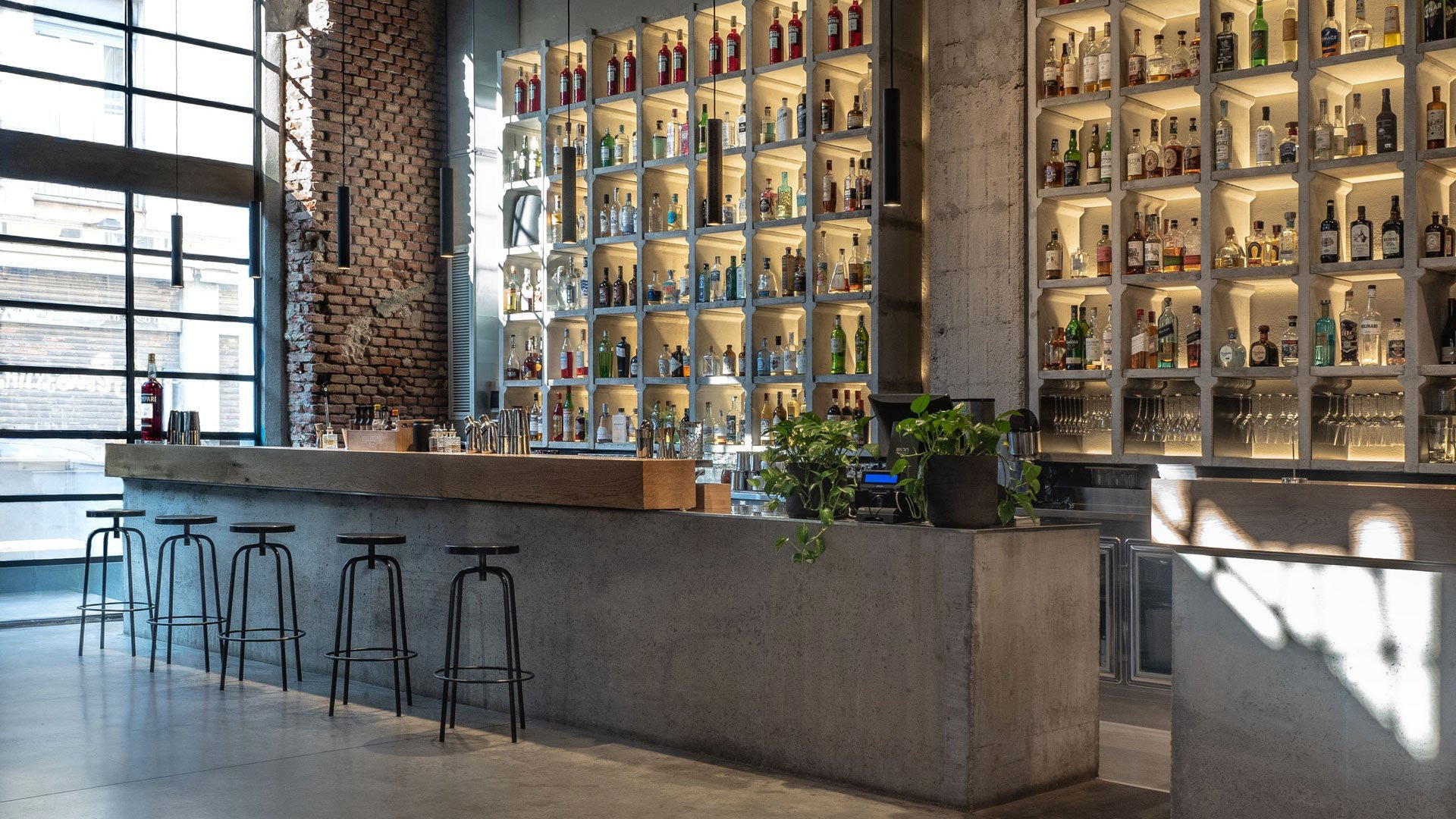
Bars in Milan
Browse all →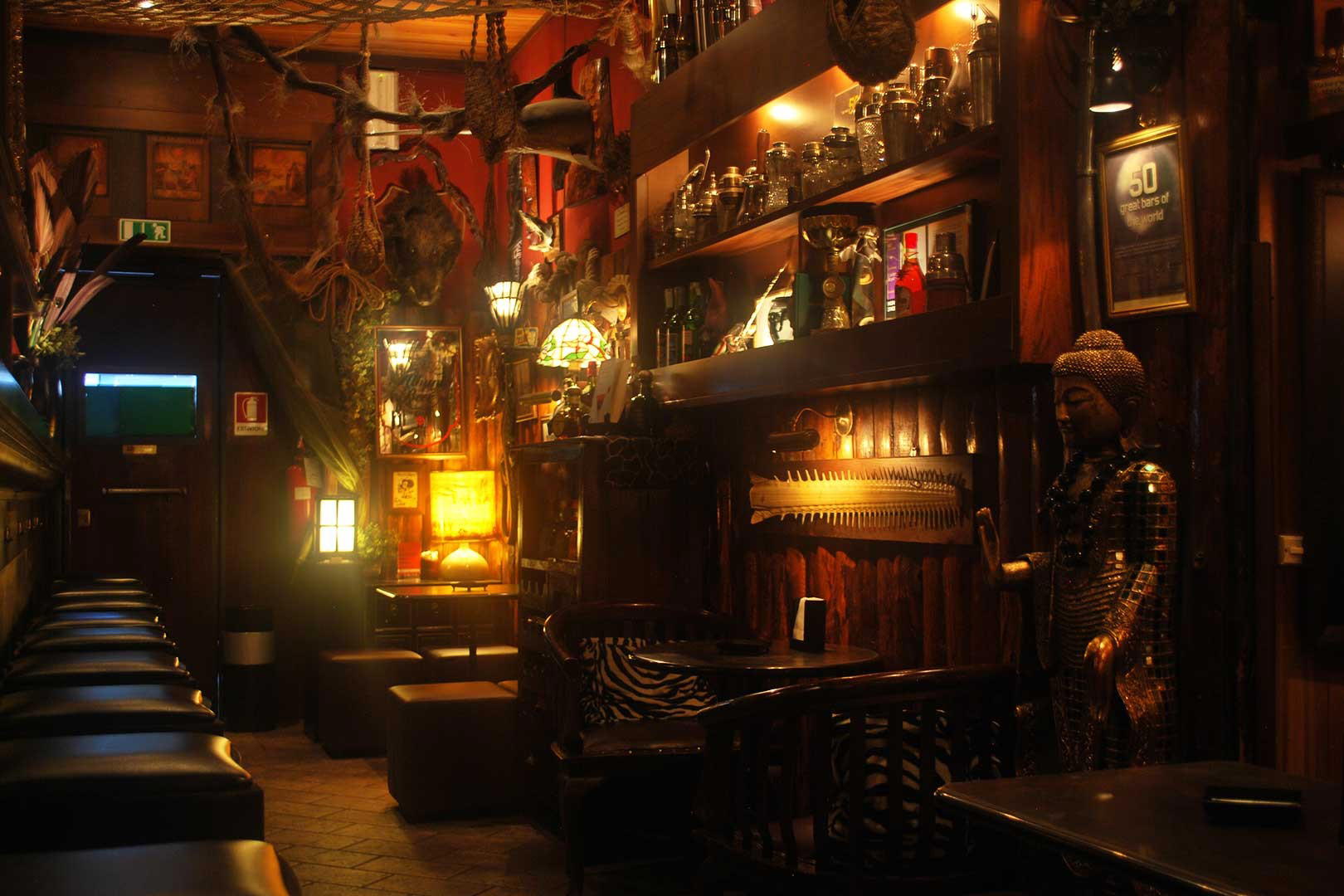
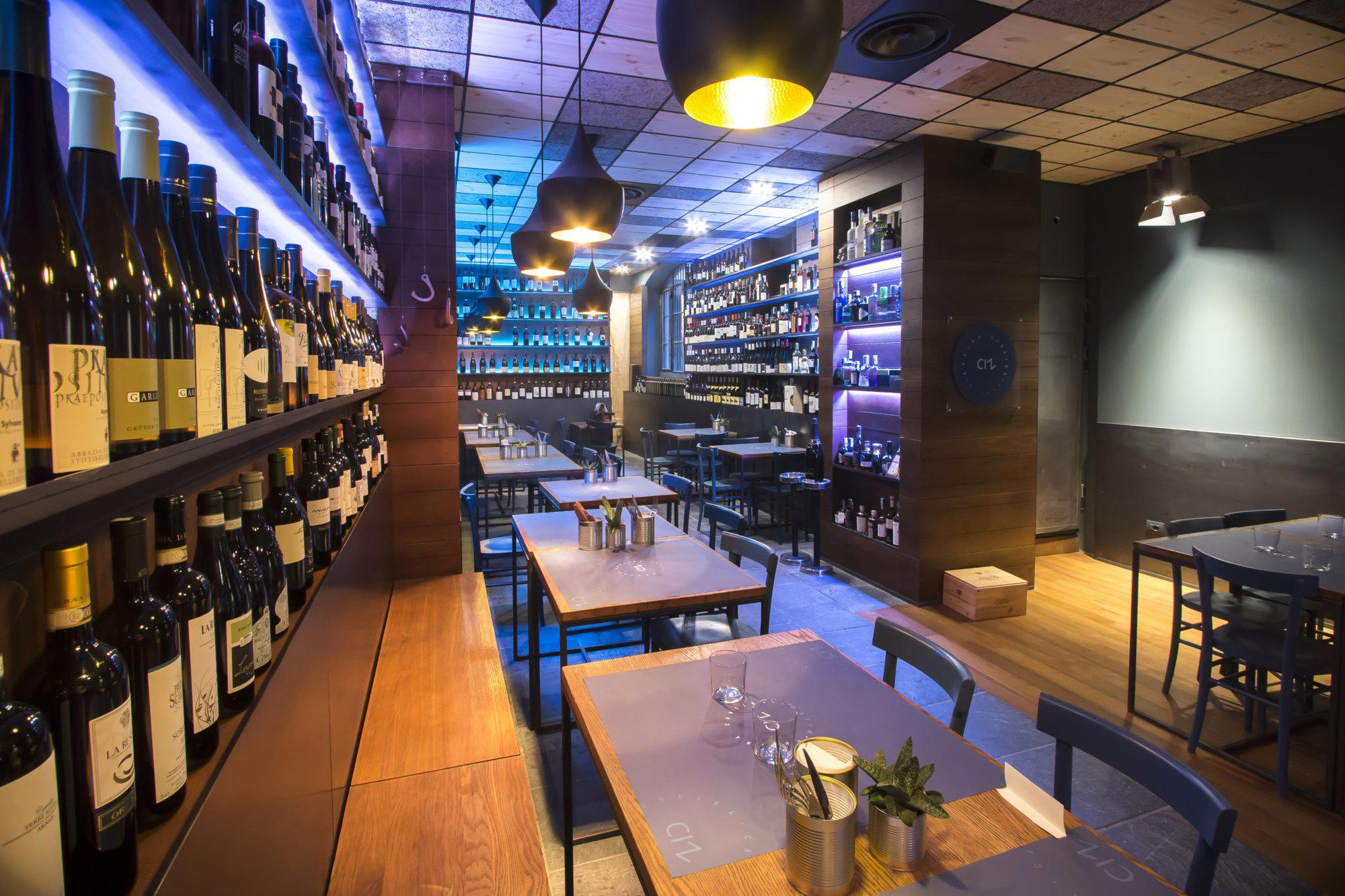
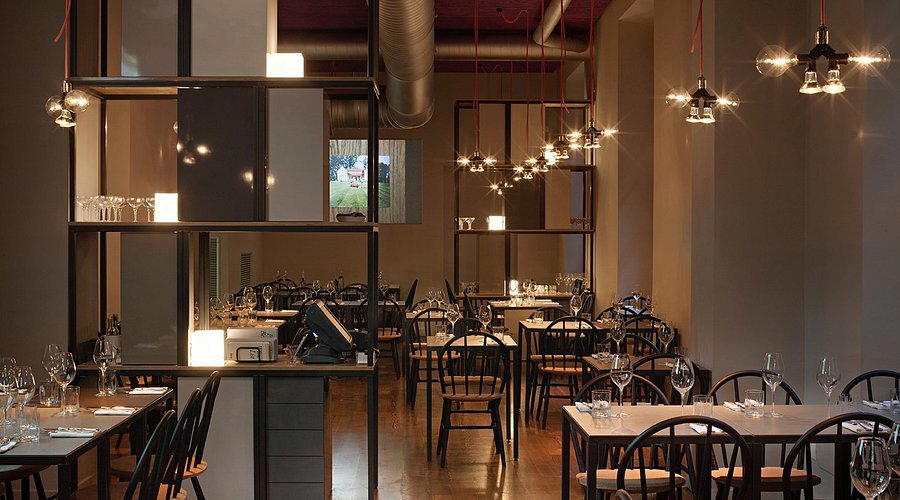
Restaurants in Milan
Browse all →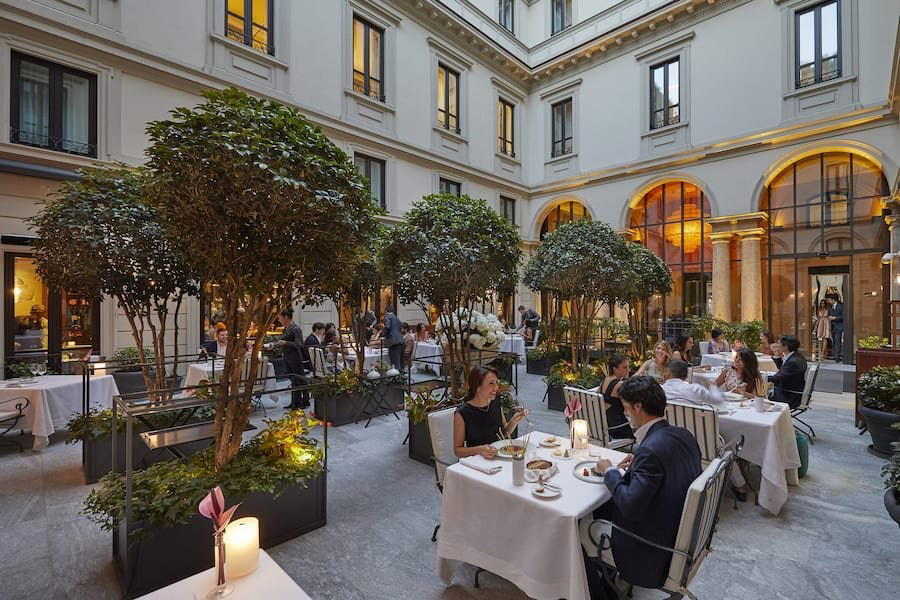
Wineries in Milan
Browse all →
At a Glance
- Elegant
- Sophisticated
- Modern
- Intimate
- Romantic Getaway
- Business Trip
- Weekend Escape
- Celebration
- Terrace
- Design Destination
- Historic Building
- Panoramic View
- Private Dining
- Spa
- Fitness Center
- Concierge
- Room Service
- Bar
- Street Scene
- Spa
- Fitness Center
- Concierge
- Room Service
- Bar
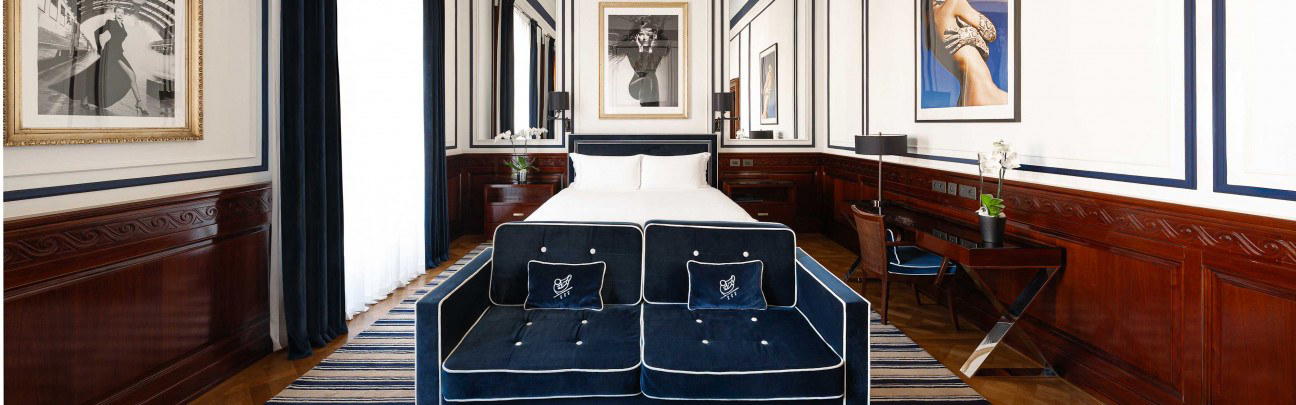
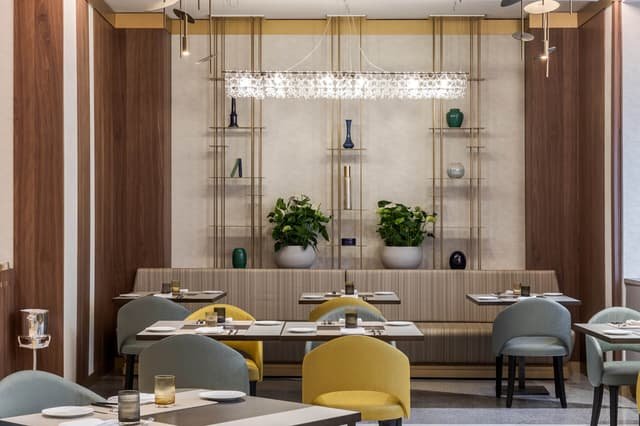
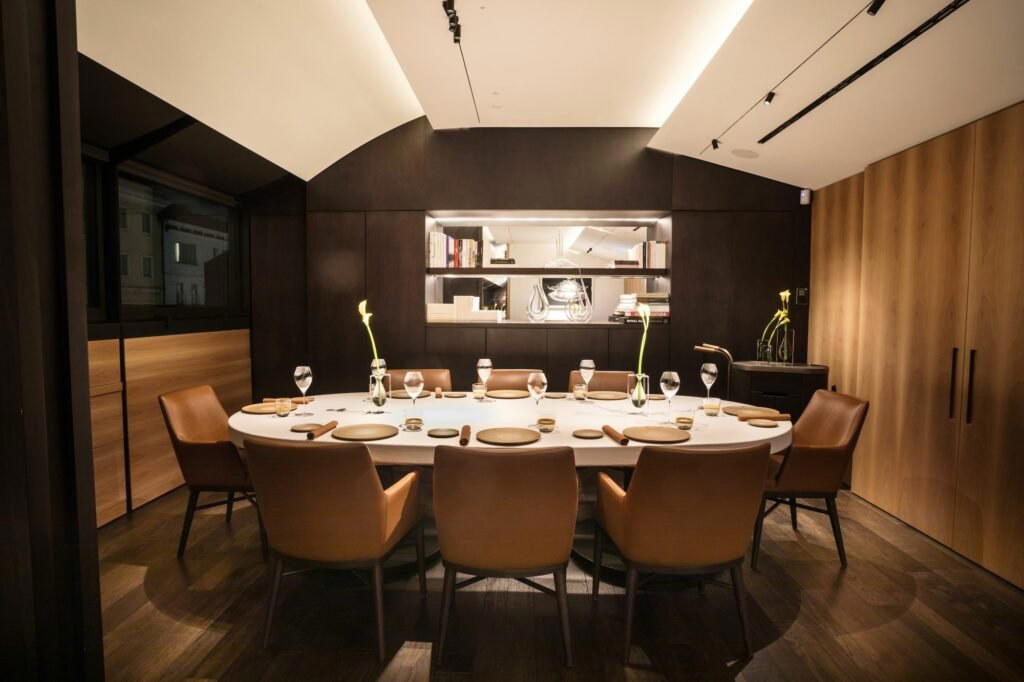
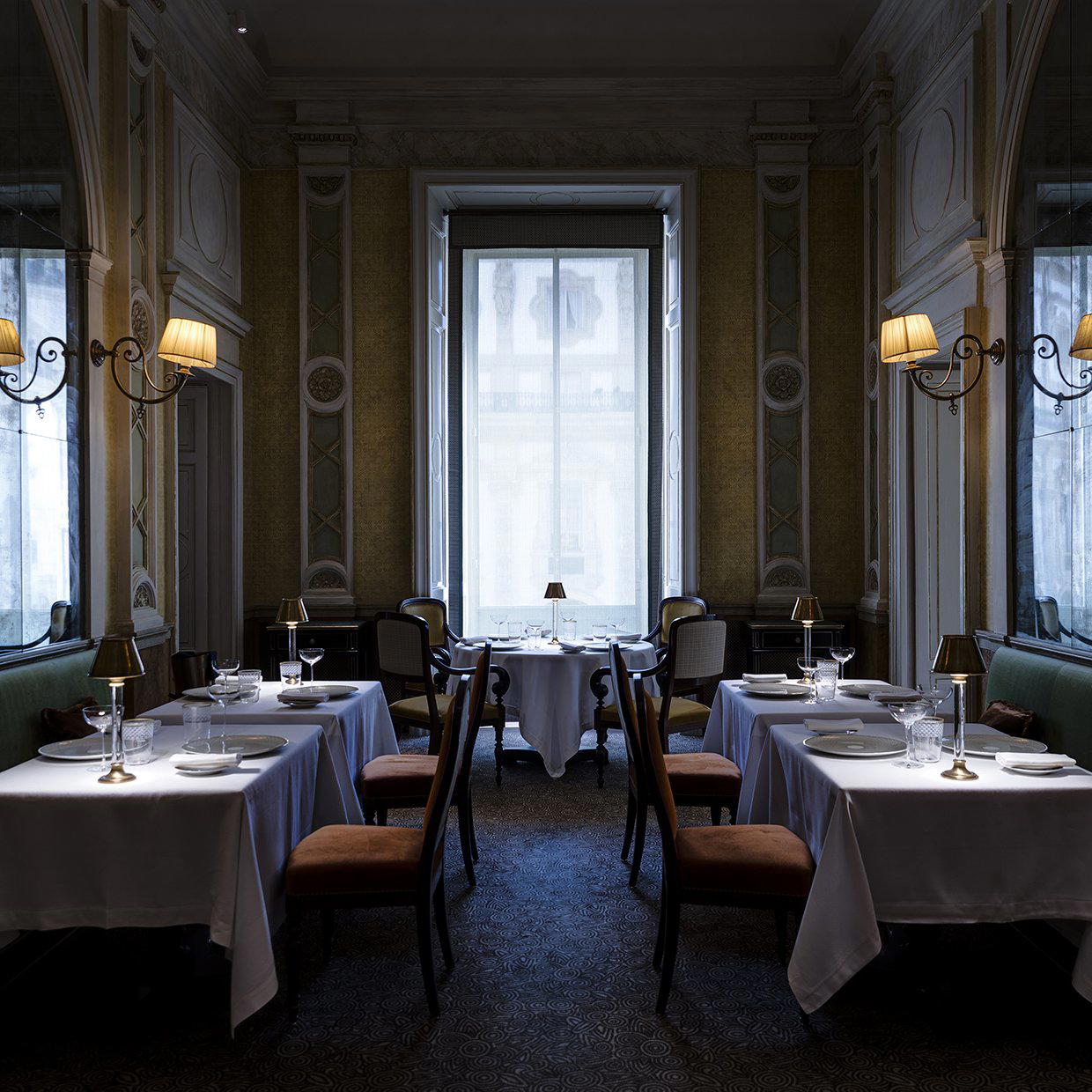
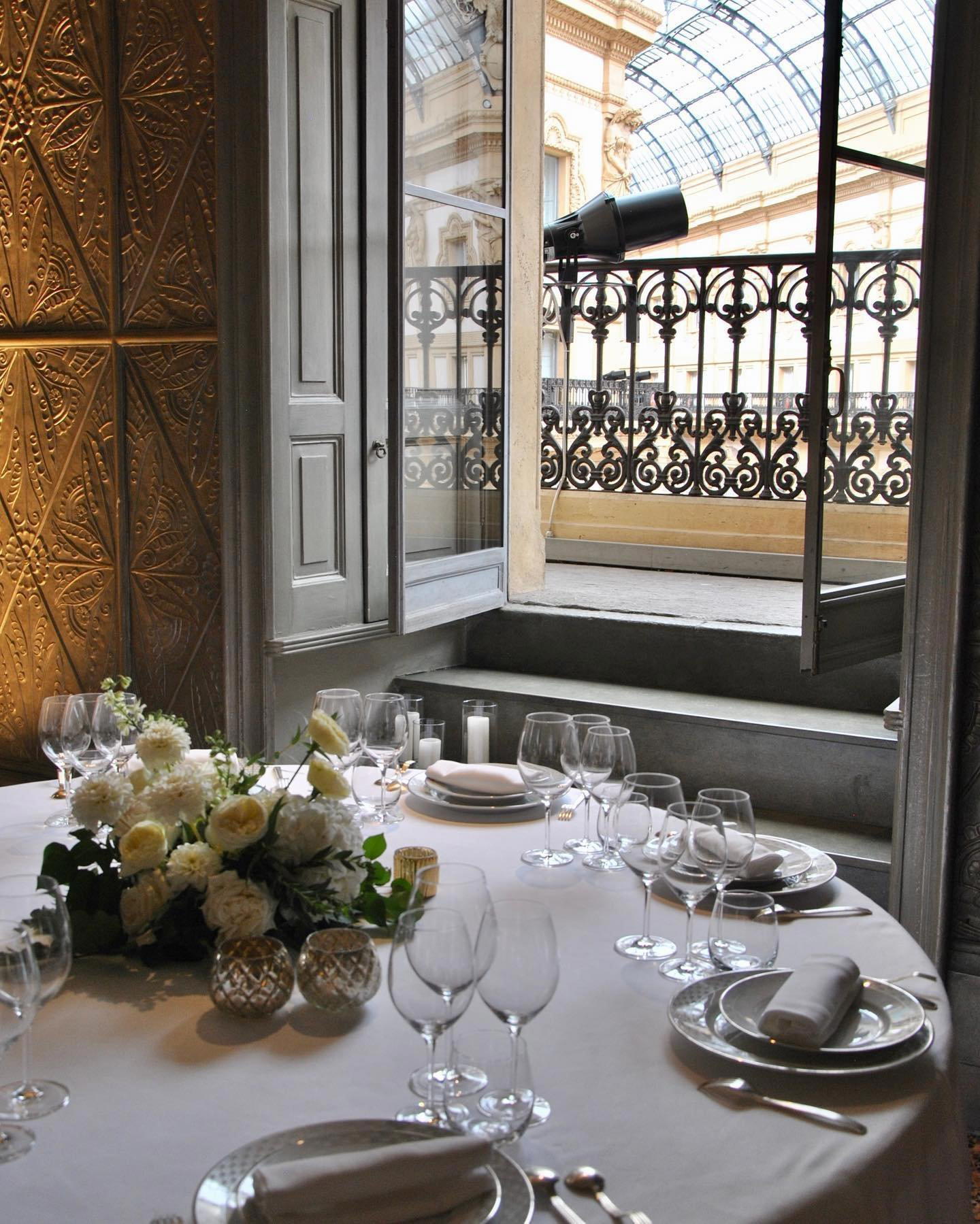
Calm and cultivated interior with neutral hues punctuated by striking contemporary artworks, gilded mirrors, and textured fabrics that blend heritage with modern design.