Mandarin Oriental Conservatorium, Amsterdam

Occupying a former 19th-century conservatory building on Paulus Potterstraat, steps from the Rijksmuseum and Van Gogh Museum, the Mandarin Oriental Conservatorium sits at the intersection of Amsterdam's museum district heritage and contemporary luxury hospitality. The property brings the Mandarin Oriental group's international positioning into a building whose architectural bones predate the modern hotel market by more than a century.
Pearl is the En Primeur Club membership app — saves, bookings, and concierge access live there. Same editors, same standards.
- Address
- Paulus Potterstraat 50, 1071 DB Amsterdam, Netherlands
- Phone
- +31 20 570 0000
- Website
- mandarinoriental.com
- Directions
- Get directions
 Saves & bookings on Pearl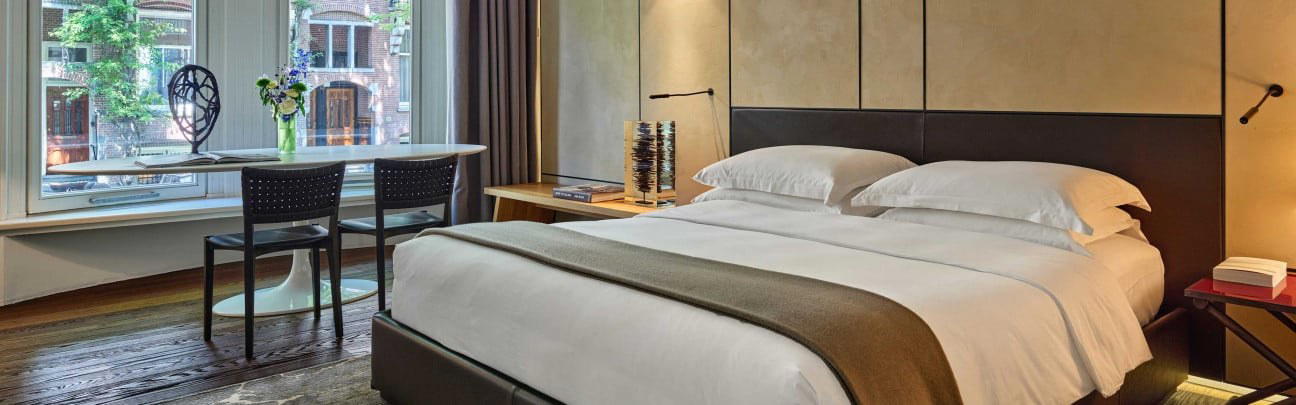
A Building That Predates the Brand
Mandarin Oriental Conservatorium, Amsterdam is a five-star hotel in Amsterdam's Museumkwartier on Paulus Potterstraat, near the Rijksmuseum. It runs quietly through the Museumkwartier, flanked by the rear gardens of the Rijksmuseum on one side and the Van Gogh Museum a short walk north, its residential scale a deliberate counterpoint to the tourist density a few hundred metres away. The building at number 50 has a different kind of weight to the glass-and-steel hotels that proliferate closer to Schiphol or the ring roads. Its facade belongs to the late 19th century, when Amsterdam was in the middle of a civic building boom and the Museumkwartier was being constructed around a new idea: that a city could organise its cultural institutions into a single, walkable district. The structure was built as a music conservatory, which explains both its proportions and the acoustic quality of its interior spaces, ceilings designed to carry sound rather than trap it.
That heritage is not incidental to the hotel's identity. In Amsterdam's upper tier of accommodation, the split between buildings with genuine historic provenance and those that simulate it has widened. Properties like De L'Europe Amsterdam and Canal House draw their authority partly from the physical record of their buildings. The Conservatorium sits inside that tradition, though its position in the Museumkwartier rather than along the Herengracht canal belt gives it a distinct neighbourhood character.
The Museumkwartier as a Hospitality Context
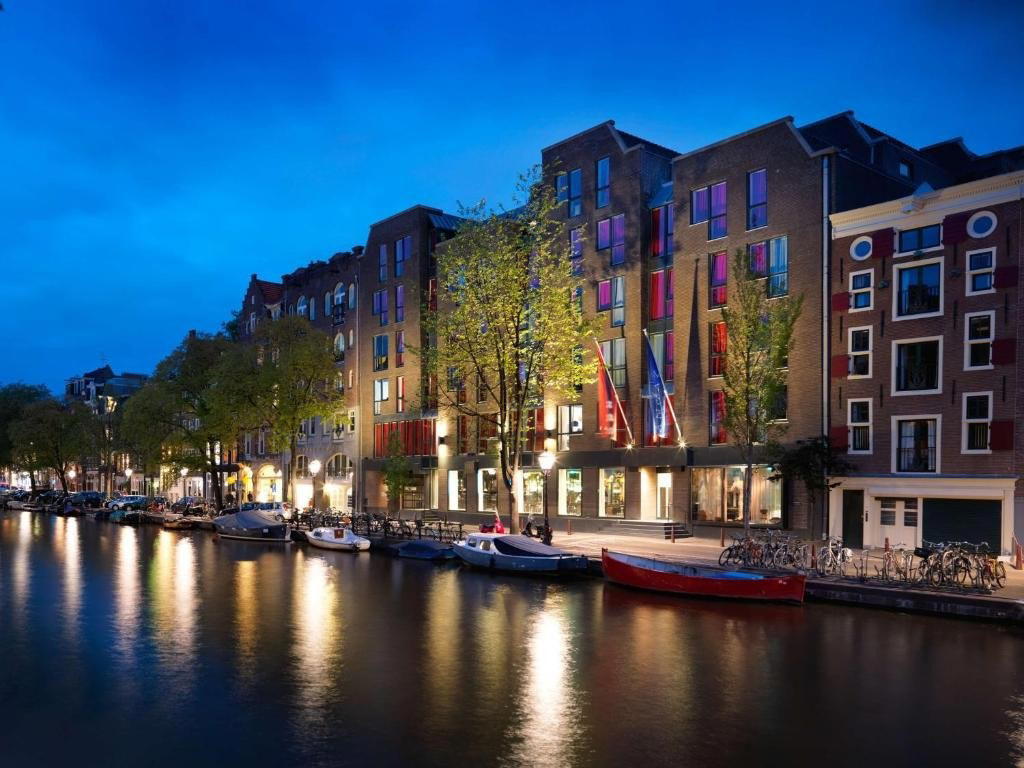
Amsterdam's luxury hotel market has concentrated in two geographical clusters. The canal belt, where properties such as Andaz Amsterdam Prinsengracht, Décor Canal House, and Breitner House operate, rewards guests who want the canal-view experience and proximity to the Jordaan and Nine Streets. The Museumkwartier cluster, anchored by the Vondelpark and the museum strip, rewards those who place cultural access above canal aesthetics. The Conservatorium is especially significant property in that second cluster, and its address on Paulus Potterstraat means the Rijksmuseum is close by.
The neighbourhood character changes by time of day in ways that matter for how a hotel functions. Morning brings museum queues and cycling commuters; by mid-afternoon, the streets around the Concertgebouw fill with pre-concert foot traffic; evenings are genuinely quiet, the restaurant and bar scene concentrated on the nearby Van Baerlestraat and Cornelis Schuytstraat rather than spilling across the whole district. For guests who prefer a quieter evening rhythm, this is a clear advantage.
How the Conversion Defines the Experience
Adaptive reuse of historic institutional buildings into hotels has become one of the defining architectural moves in European luxury hospitality over the past two decades. Former courthouses, banks, railway stations, and schools have all been converted, with varying degrees of fidelity to the original structure. What distinguishes music-school conversions specifically is the spatial legacy: practice rooms become suites, performance halls become lobby or event spaces, and the proportions throughout tend toward generosity rather than efficiency. The Conservatorium's original function as a place for musical instruction and performance shaped its floor plans in ways that a purpose-built hotel would not replicate, and that spatial legacy carries forward into the guest experience.
The Mandarin Oriental brand brought five-star service standards into a locally specific architectural frame. That combination, a globally recognised brand operating inside a building with deep local provenance, is a different proposition from either a locally independent historic hotel or a brand-new international property. It sits alongside properties like Aman Venice, where brand standards and building history are in close dialogue.
Placing It in Amsterdam's Broader Tier
Amsterdam's five-star segment has expanded and differentiated. The Conservatorium sits at the upper end of that tier by price positioning and brand affiliation, with rates starting from about $532 per night. Comparable properties in Amsterdam include the Waldorf Astoria Amsterdam on the Herengracht and the InterContinental Amstel, both of which operate on canal-facing sites with their own historic narratives. The Museumkwartier location is neither better nor worse than the canal belt for all guest types, but it is more specific in what it delivers: museum proximity, neighbourhood quiet, and a building that reads as civic and cultural rather than mercantile, which the canal houses of the Waldorf Astoria and others inevitably evoke.
For travellers comparing options across the Netherlands more broadly, the contrast with heritage properties in other Dutch cities is instructive. Château Neercanne in Maastricht and Château St. Gerlach in Valkenburg aan de Geul represent the southern Dutch approach to historic property conversion, rooted in Burgundian influence and wine-country aesthetics. The Conservatorium operates in a different register entirely: metropolitan, culturally dense, and anchored to a city that has been a centre of European art and commerce continuously since the 17th century. Those planning a wider Dutch itinerary might also consider Posthoorn in Monnickendam or De Librije in Zwolle for contrast, while travellers arriving through the airport have the option of citizenM Schiphol Airport as a transit solution before moving into the city.
Planning a Stay
The Museumkwartier rewards advance planning. The Rijksmuseum and Van Gogh Museum both operate timed-entry ticketing, and weekend queues without pre-booking can stretch the better part of an afternoon. Staying on Paulus Potterstraat gives guests the option of early-morning arrival at the Rijksmuseum before tour groups from further hotels have made their way across the city, a logistical advantage that the canal-belt properties cannot offer as readily. The Concertgebouw, one of the world's most acoustically regarded concert halls, is a short walk from the hotel entrance, making the Conservatorium a natural base for guests attending evening performances. Booking concert tickets in parallel with hotel reservations is advisable during the main season.
Travellers who want design-led, lower-key Amsterdam alternatives should look at De Pijp Boutique Hotel or Conscious Hotel Amsterdam City (The Tire Station) for a different price tier and neighbourhood character.
Comparable Options
Comparable venues nearby, for context on price, style, and recognition.
| Venue | Cuisine | Price | Notes |
|---|---|---|---|
| Mandarin Oriental Conservatorium, AmsterdamThis venue — the venue you are viewing | Luxury lifestyle palace blending heritage and contemporary design | $$$$ | Not listed |
| Hotel 717 | Luxury boutique in monumental 19th-century canal house with 17th-century backhouse. | $$$$ | Spiegelbuurt |
| The College Hotel Amsterdam, Autograph Collection | Historic boutique hotel in renovated 19th-century school building. | $$$$ | Duivelseiland |
| Andaz Amsterdam Prinsengracht | Luxury canal-side boutique in historic building | $$$$ | Leidsegracht Noord |
| Park Centraal Amsterdam | Modern urban boutique in historic setting | $$$ | P.C. Hooftbuurt |
| Sir Albert Hotel | Former diamond factory transformed into a stylish urban boutique hotel. | $$$$ | Hercules Seghersbuurt |
Recognition history
Dated appearances from independent guides and award organizations, with the underlying list record or original source where available.
Mr & Mrs Smith Smith Seal of Approval
Mr & Mrs Smith
Michelin Selected
Michelin
Continue exploring
More in Amsterdam
Hotels in Amsterdam
Browse all →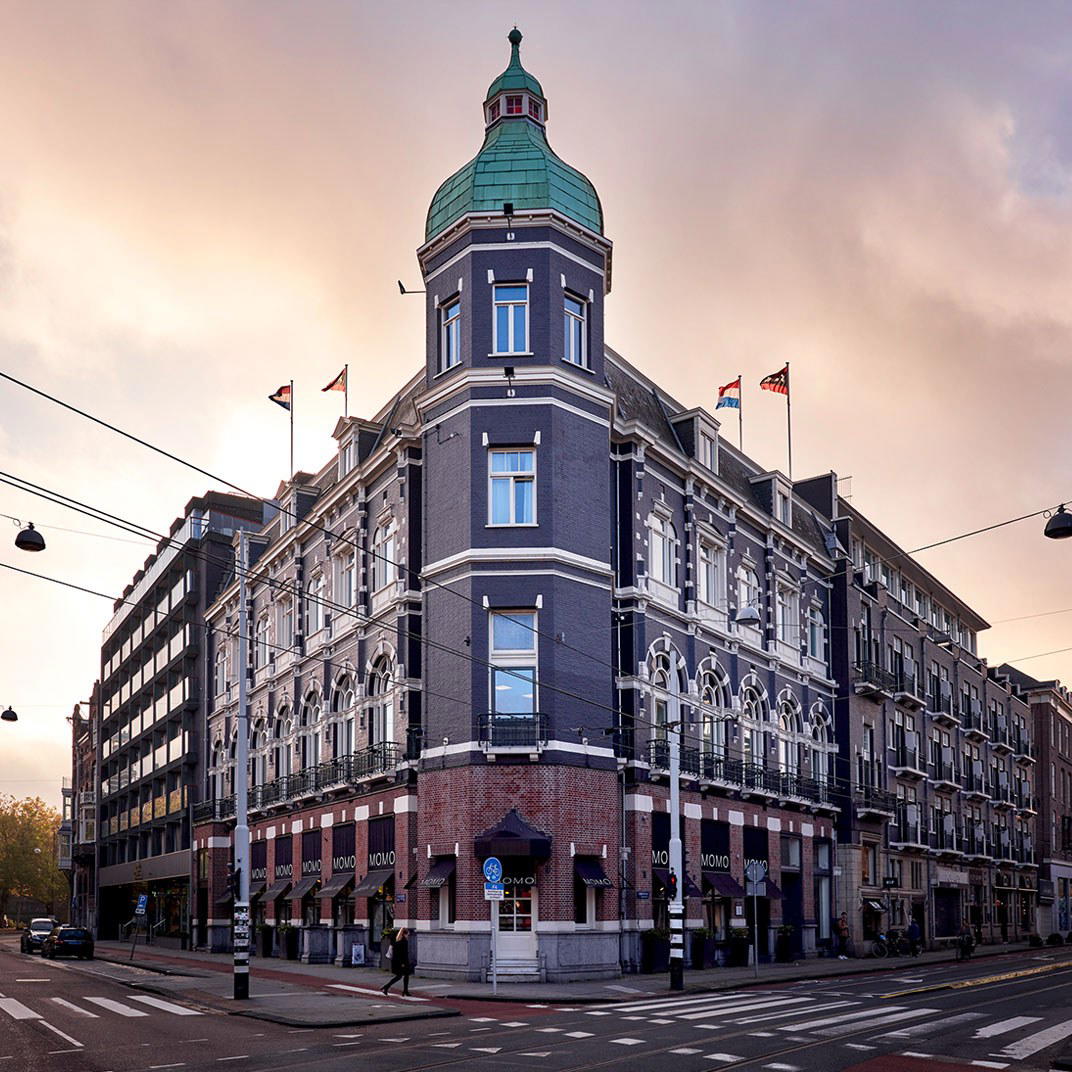
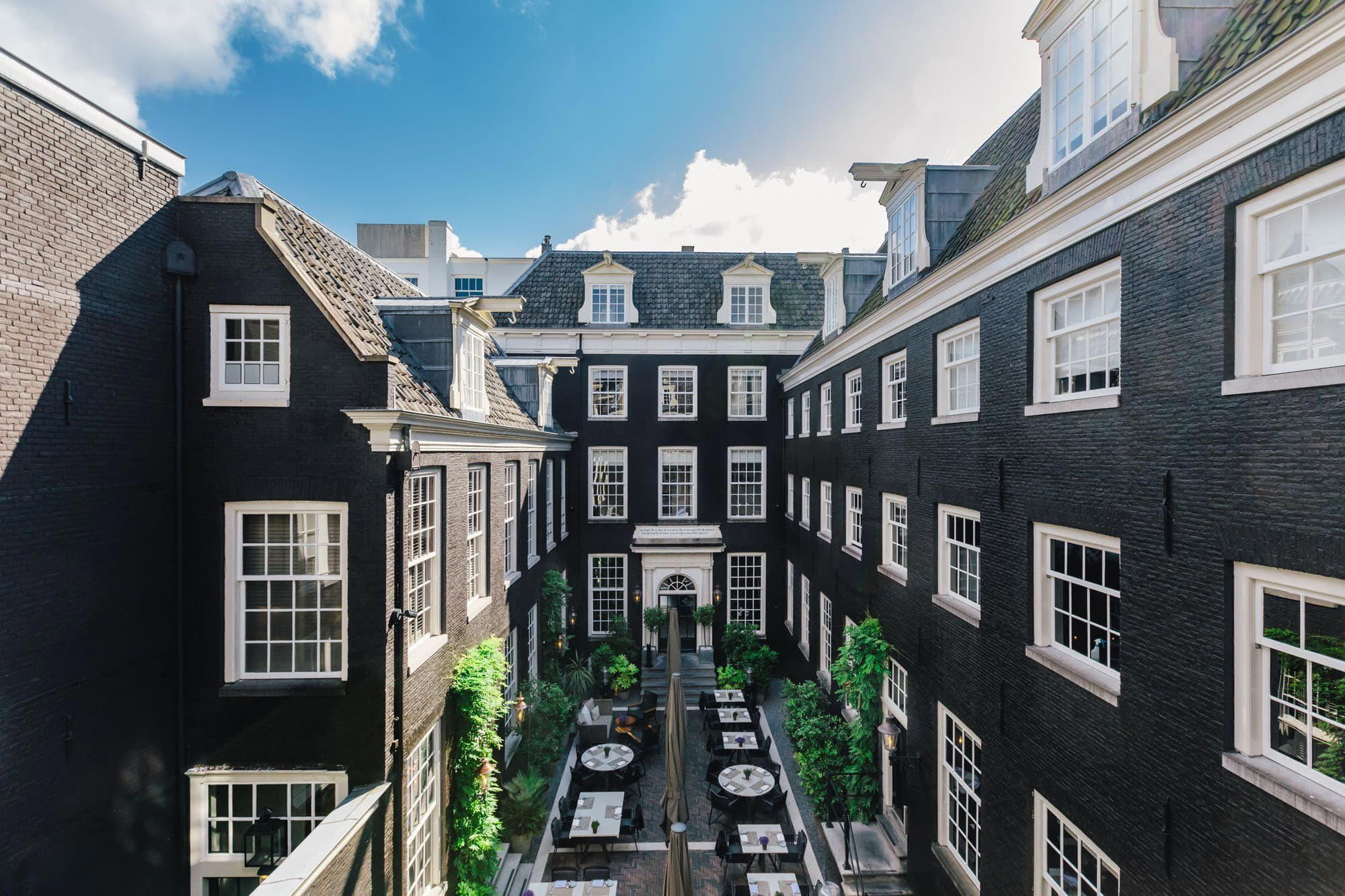
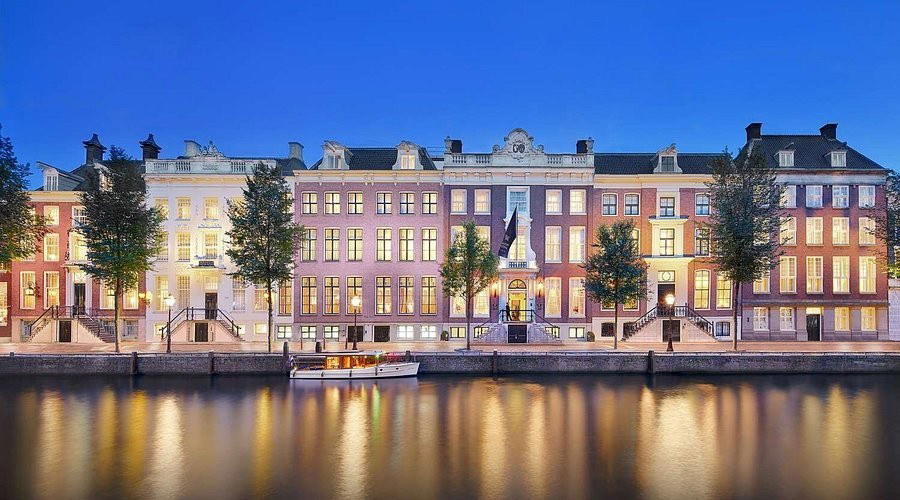
Bars in Amsterdam
Browse all →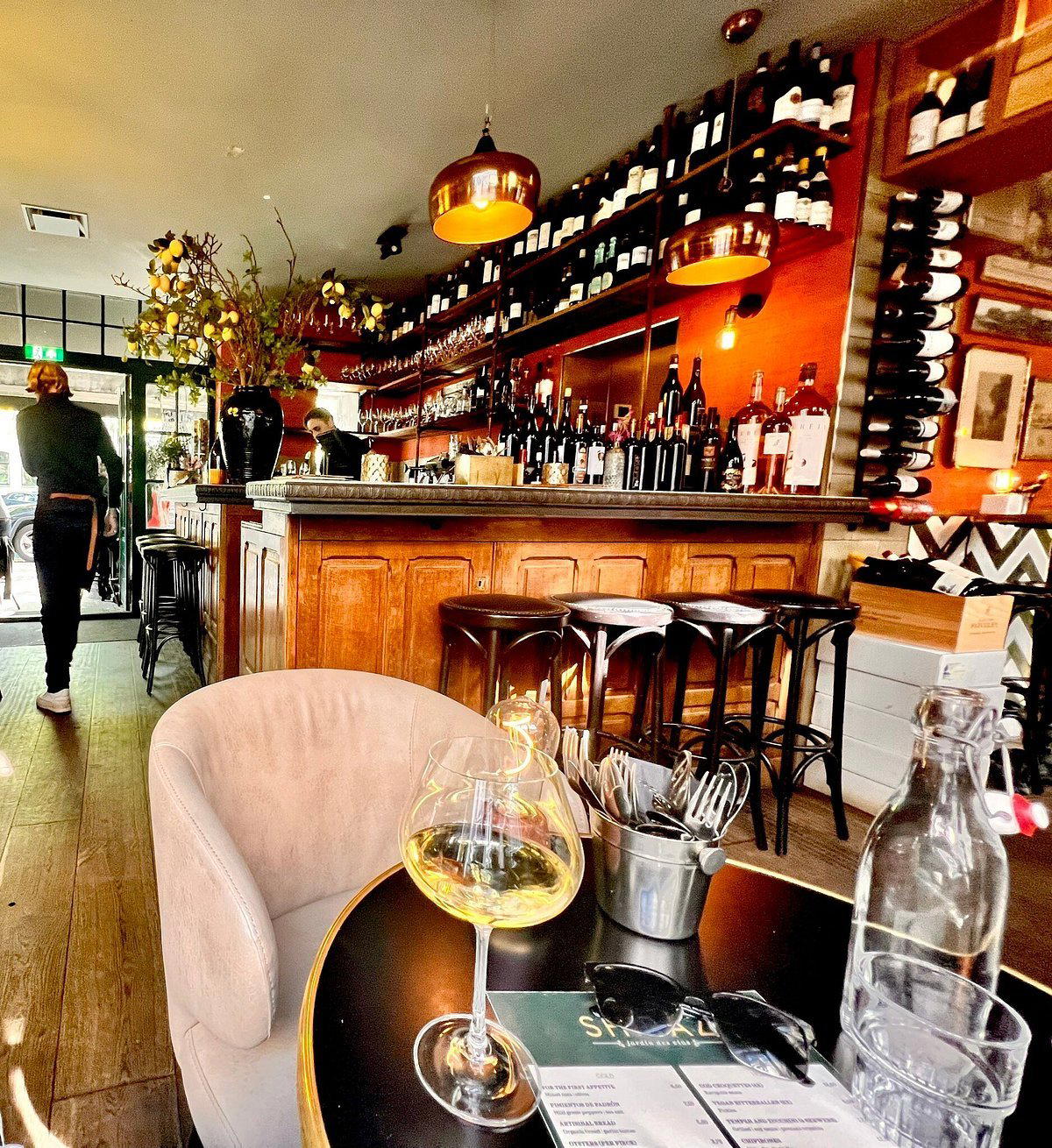
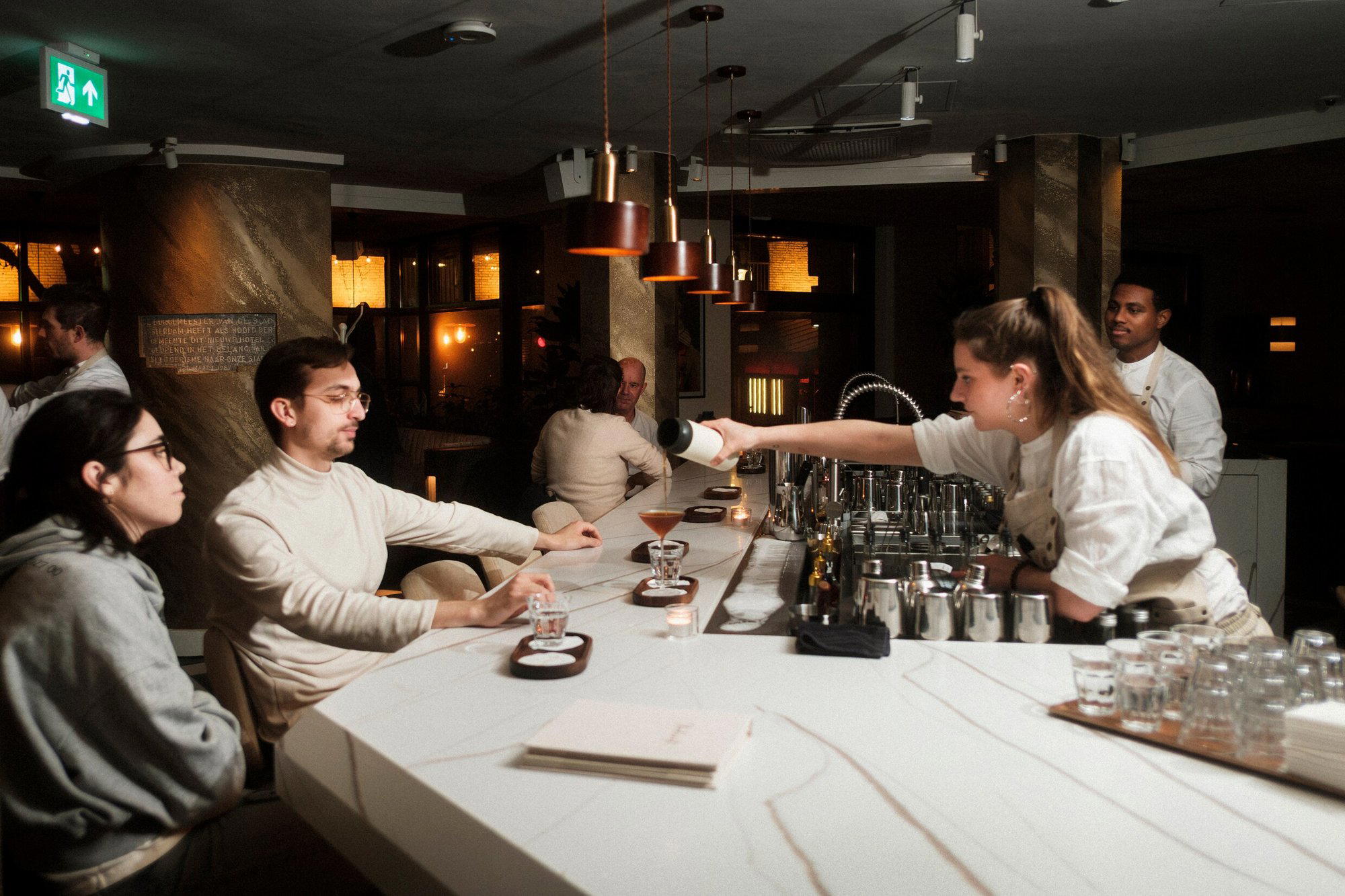
Restaurants in Amsterdam
Browse all →
Wineries in Amsterdam
Browse all →
At a Glance
- Elegant
- Sophisticated
- Modern
- Ornate
- Romantic Getaway
- Business Trip
- Anniversary
- Historic Building
- Design Destination
- Terrace
- Pool
- Spa
- Fitness Center
- Room Service
- Concierge
- Wi Fi
- Street Scene
- Pool
- Spa
- Fitness Center
- Room Service
- Concierge
- Wi Fi
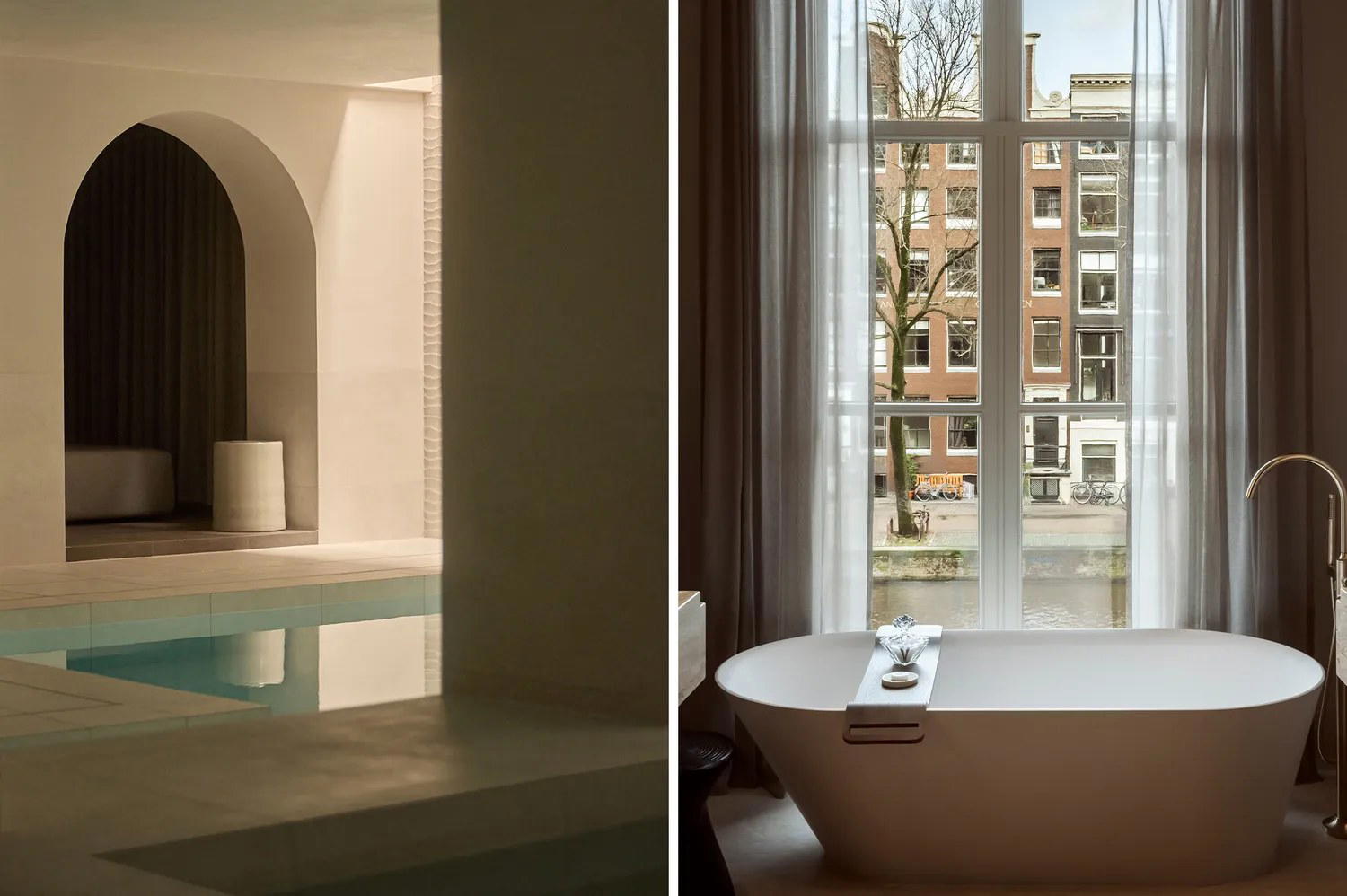
Serene retreat with understated elegance, warm natural tones, and a sense of calm blending historic grandeur and modern minimalism.