Sir Albert Hotel



Michelin Selected · Mr & Mrs Smith Seal of Approval · Design Hotels Member
Occupying a converted 19th-century diamond factory on Albert Cuypstraat, Sir Albert Hotel places guests at the centre of De Pijp, Amsterdam's most culturally layered neighbourhood. The industrial bones of the original building frame a setting that reads as genuinely local rather than generically boutique, with the Albert Cuyp Market directly outside and the neighbourhood's diverse dining scene within walking distance.

Pearl is the En Primeur Club membership app, where members save venues, book tables and use the concierge.
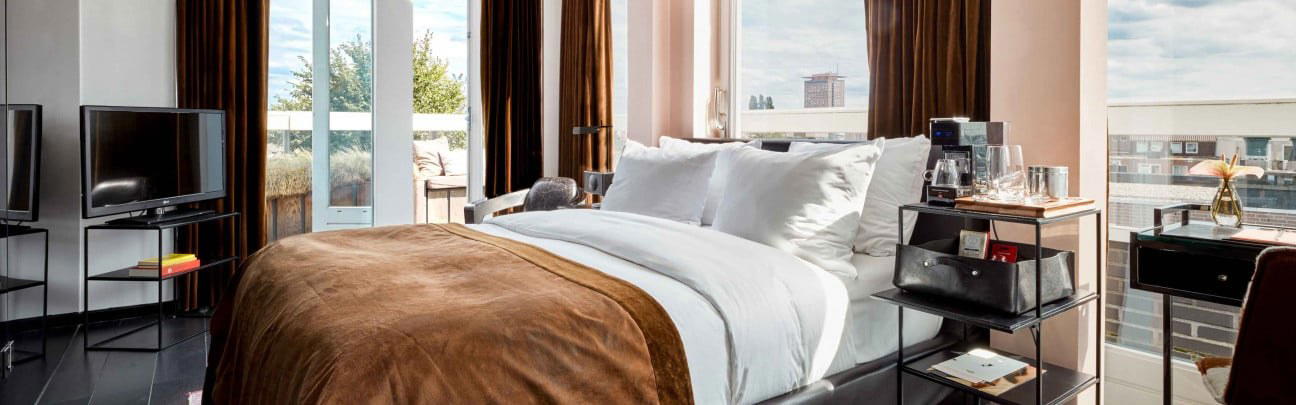
A Diamond Factory Repurposed for De Pijp's Creative Present
Amsterdam's hotel stock has long concentrated around the canal ring and Dam Square, where 17th-century architecture and tourist infrastructure overlap. The city's more interesting accommodation story over the past decade has played out further south, in neighbourhoods where the buildings carry a different kind of history. De Pijp is the clearest example: a working-class district built in the late 19th century that absorbed successive waves of immigration, became the city's most densely populated borough, and gradually attracted the restaurants, independent shops, and cultural institutions that now define its character. Sir Albert Hotel, at Albert Cuypstraat 2-6, occupies a former diamond factory from that same 19th-century period, which places it inside a neighbourhood narrative rather than outside it.
The diamond industry was central to Amsterdam's economic identity for centuries, and the large factory buildings it left behind have become some of the city's most compelling adaptive reuse projects. Brick bones, high ceilings, and industrial proportions translate well into hospitality spaces that feel genuinely scaled rather than artificially grand. For guests staying here, the building itself is a form of orientation: it tells you something true about where the city's wealth came from and how the neighbourhood has evolved since.
Albert Cuyp and the Culture of the Street Market
The hotel's address on Albert Cuypstraat is not incidental. The Albert Cuyp Market runs daily (Monday through Saturday) along this street and is one of the largest street markets in the Netherlands, drawing vendors selling fresh produce, street food, fabrics, and household goods to a customer base that reflects De Pijp's demographic mix. Markets of this kind function as social infrastructure: they set the pace of the neighbourhood and attract foot traffic that sustains the surrounding cafés, bodegas, and restaurants. Staying adjacent to that activity means arriving into the market's rhythm immediately, which is a different orientation than checking into a canal-side hotel where the street life is more performative.
This matters for how guests experience Amsterdam. The canal ring neighborhoods offer a curated version of the city, and properties like Canal House, Décor Canal House, and Andaz Amsterdam Prinsengracht deliver that version with considerable polish. De Pijp offers something more unscripted: a neighbourhood where daily life and visitor experience overlap without one consuming the other.
Where Sir Albert Sits in Amsterdam's Boutique Hotel Tier
Amsterdam's boutique hotel sector has grown considerably, and properties now span a wide range from design-led canal houses to neighbourhood-anchored conversions. Sir Albert belongs to the conversion category, where the building's original purpose is part of the editorial identity. This places it in a different competitive register than, say, Conservatorium, which converted a music school into a high-specification hotel with a stronger emphasis on interior finish and amenity depth, or De L'Europe Amsterdam, which operates at the formal, canal-facing end of the market.
For guests choosing between Amsterdam's design-driven independents and international flag properties, the Sir Albert proposition is essentially about location logic: it prioritises access to the city's most culturally active residential neighbourhood over proximity to the major museums or canal ring landmarks, though tram access makes those easy to reach regardless.
De Pijp as a Dining and Drinking Neighbourhood
The area around the hotel concentrates a disproportionate number of Amsterdam's independent restaurants, particularly those working with immigrant and fusion traditions that reflect the neighbourhood's demographic history. Surinamese, Indonesian, Turkish, and Moroccan food traditions have all shaped De Pijp's eating culture, producing a restaurant density and diversity that the canal ring cannot match. For guests using the hotel as a base for eating through the city, this is one of the more productive locations in Amsterdam.
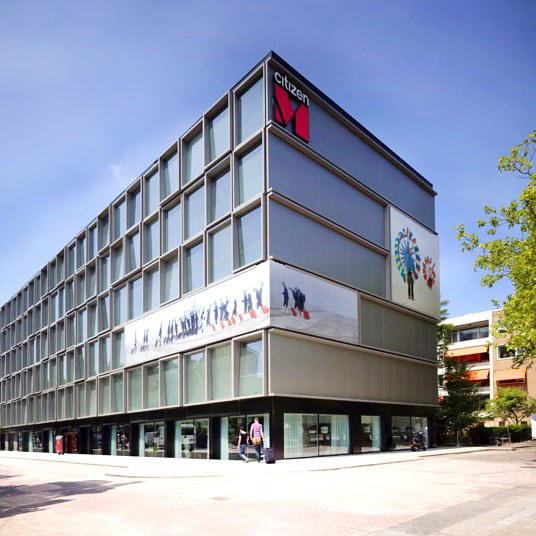
The broader Dutch dining scene has also matured considerably, with restaurants in cities across the Netherlands earning serious recognition. Visitors combining Amsterdam with wider Dutch itineraries might consider that properties like De Librije in Zwolle and Château Neercanne in Maastricht anchor quite different kinds of food-driven trips, while closer to Amsterdam, Inntel Hotels Amsterdam Zaandam and citizenM Schiphol Airport serve the logistics end of the market for short layovers or airport-adjacent stays. For guests arriving by train and looking at Rotterdam as a day trip, citizenM Rotterdam operates in a comparable design-led register.
For the full Amsterdam picture, our Amsterdam restaurants and hotels guide maps the city's dining and accommodation tiers neighbourhood by neighbourhood.
Practical Orientation
The hotel sits at the northern edge of De Pijp, within a few minutes' walk of the Heineken Experience and the Rijksmuseum. Tram lines connecting De Pijp to the canal ring and Amsterdam Centraal run nearby, making the location logistically convenient despite sitting outside the traditional tourist core. The Albert Cuyp Market is at its most active on weekday mornings and Saturday, when the street fills from early in the day. Guests planning to explore the market should factor that rhythm into their schedule, particularly in spring and summer when the crowds are densest and the street food offer is at its broadest.
Guests looking at other neighbourhood-anchored options in the Netherlands might find Posthoorn in Monnickendam, Bij Jef in Den Hoorn, or Central Park Voorburg useful for extending a Dutch itinerary into smaller towns with distinct local character. Those seeking design-led properties in smaller Dutch cities should also consider 2L de Blend Hotel in Utrecht, De Plesman Hotel The Hague, or the countryside setting of Landgoed Hotel Het Roode Koper in Leuvenum. For those pairing a Dutch trip with time in Belgium or further afield, Château St. Gerlach in Valkenburg aan de Geul and Grand Hotel Huis ter Duin in Noordwijk aan Zee represent two distinct directions: historic estate luxury versus North Sea coastal. At the international comparison end, Aman New York, The Fifth Avenue Hotel, and Aman Venice all operate in the conversion-with-heritage category, where industrial or civic buildings have been repositioned as premium accommodation, the same logic, applied at a different price point, that defines Sir Albert's De Pijp proposition.
City Peers
Comparable venues nearby, for context on price, style, and recognition.
| Venue | Cuisine | Price | Awards | Notes |
|---|---|---|---|---|
| Sir Albert HotelThis venue (the venue you are viewing) | Former diamond factory transformed into a stylish urban boutique hotel. | Not listed | Michelin Selected · Mr & Mrs Smith Seal of Approval | Not listed |
| The Pavilions Amsterdam, The Toren | 17th-century canal house boutique | $200–300 | Michelin Selected | Jordaan |
| Pestana Amsterdam Riverside | Historic luxury hotel blending Neo-Renaissance architecture with contemporary annexes | $200–300 | Michelin Selected | Willibrordusbuurt |
| Park Centraal Amsterdam, part of Sircle Collection | Historic flatiron building reimagined with modern Dutch design. | $200–300 | Michelin Selected · Preferred Hotels Member | P.C. Hooftbuurt |
| Hotel JL No76 | Contemporary boutique hotel blending 18th-century Dutch architecture with modern design sensibilities and artistic curation. | $1–100 | Michelin Selected | P.C. Hooftbuurt |
| The July – Boat & Co | Waterfront aparthotel with luxury hotel services and apartment-style accommodations | $100–200 | World Luxury Hotel Awards WLHA Country Winner | Houthavens West |
Recognition history
Dated appearances from independent guides and award organizations, with the underlying list record or original source where available.
Michelin Selected
Michelin
Design Hotels Member
Design Hotels
Mr & Mrs Smith Seal of Approval
Mr & Mrs Smith
Continue exploring
More in Amsterdam
Hotels in Amsterdam
All hotels in Amsterdam →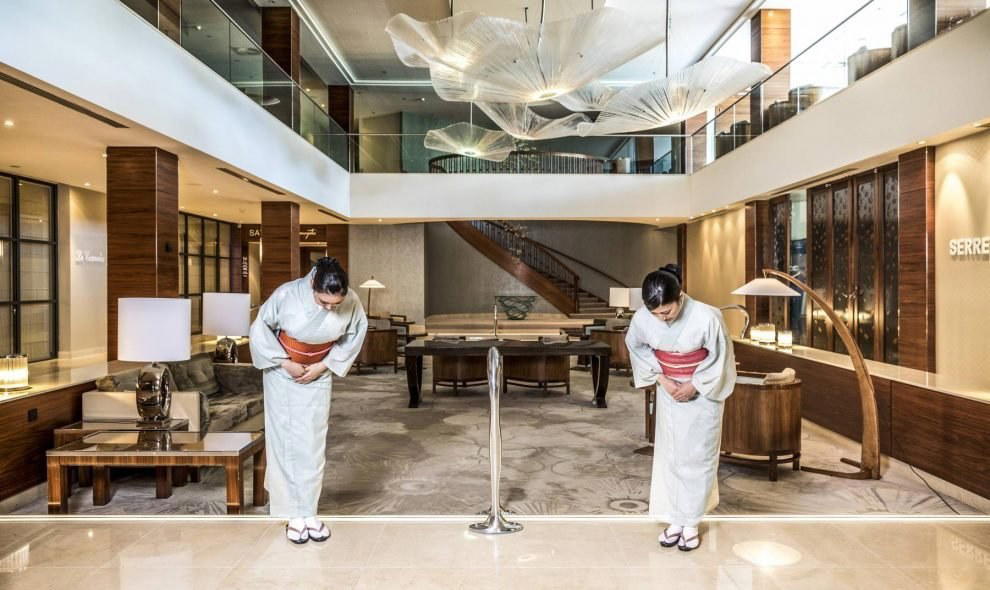
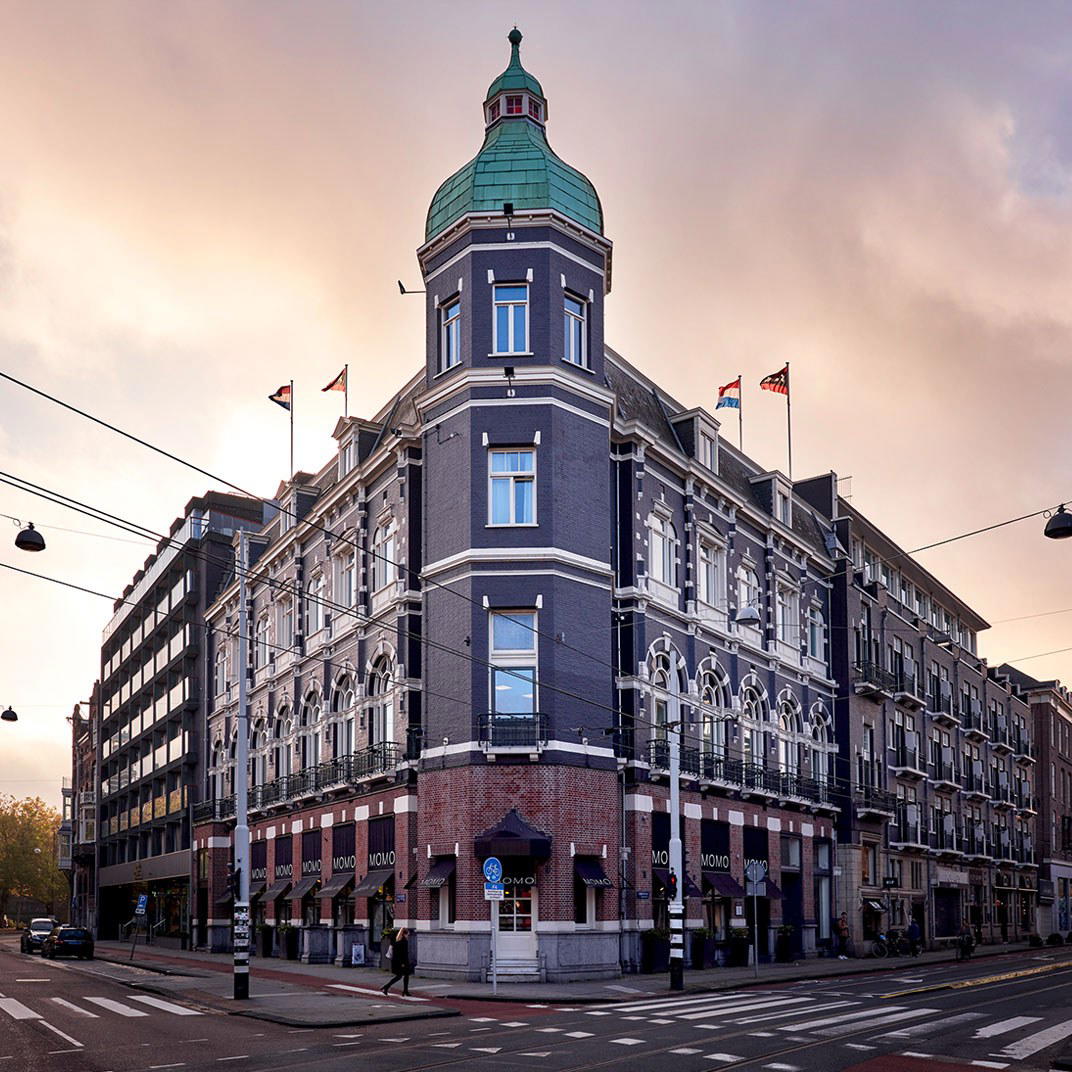
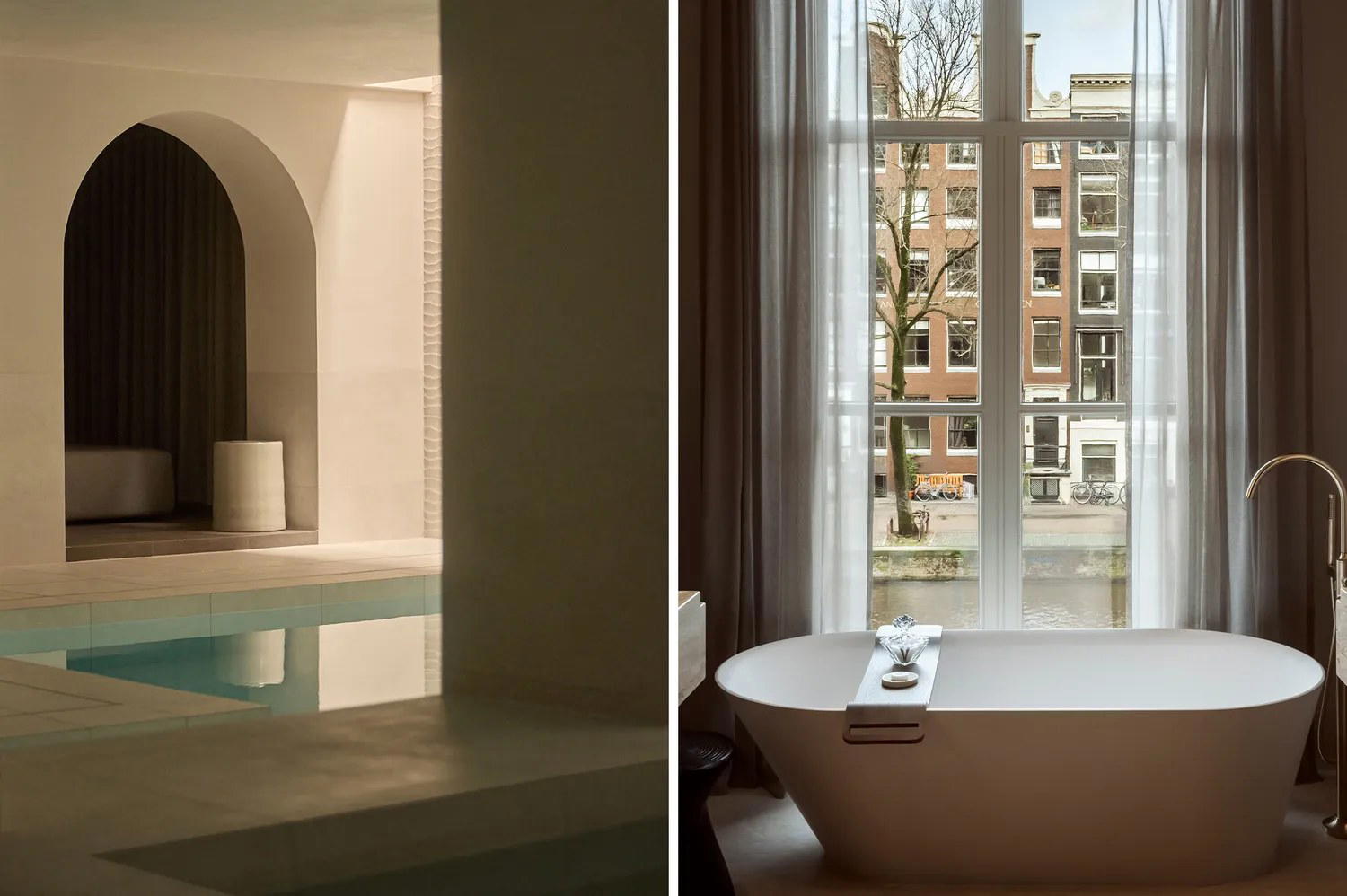
Bars in Amsterdam
All bars in Amsterdam →
Restaurants in Amsterdam
All restaurants in Amsterdam →
Wineries in Amsterdam
All wineries in Amsterdam →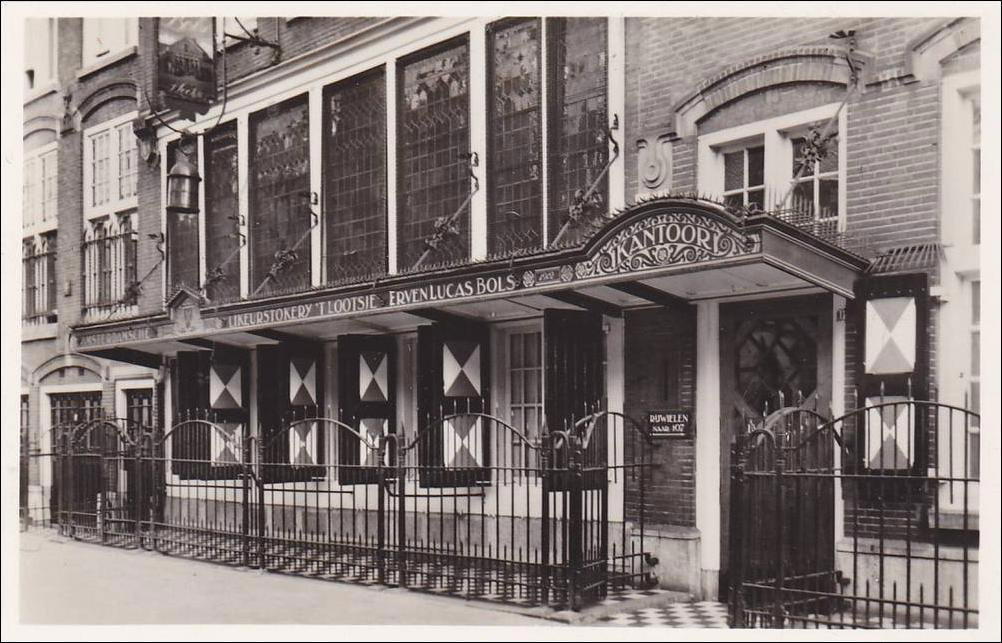
Details
- Elegant
- Modern
- Cozy
- Sophisticated
- Trendy
- Romantic Getaway
- Weekend Escape
- Terrace
- Historic Building
- Design Destination
- Wi Fi
- Restaurant
- Room Service
- Concierge
- Bicycle Rental
- Street Scene
- Waterfront
- Elevator
Cozy lobby with fireplace and library, stylish and modern rooms with comfortable beds; guests describe it as welcoming, quiet, and elegantly designed.