Lloyd Hotel
Lloyd Hotel occupies a converted 1921 emigration building on Amsterdam's Eastern Docklands waterfront, operating as a cultural hotel where room categories run from one to five stars under one roof. The property's architecture and arts programming connect it firmly to Amsterdam's creative scene, making it a reference point for travellers who want a base with a distinct cultural identity rather than a conventional hospitality formula.
Pearl is the En Primeur Club membership app — saves, bookings, and concierge access live there. Same editors, same standards.
- Address
- Oostelijke Handelskade 34, 1019 BN Amsterdam, Netherlands
- Phone
- +31 20 561 3636
- Website
- lloydhotel.com
- Directions
- Get directions
 Saves & bookings on Pearl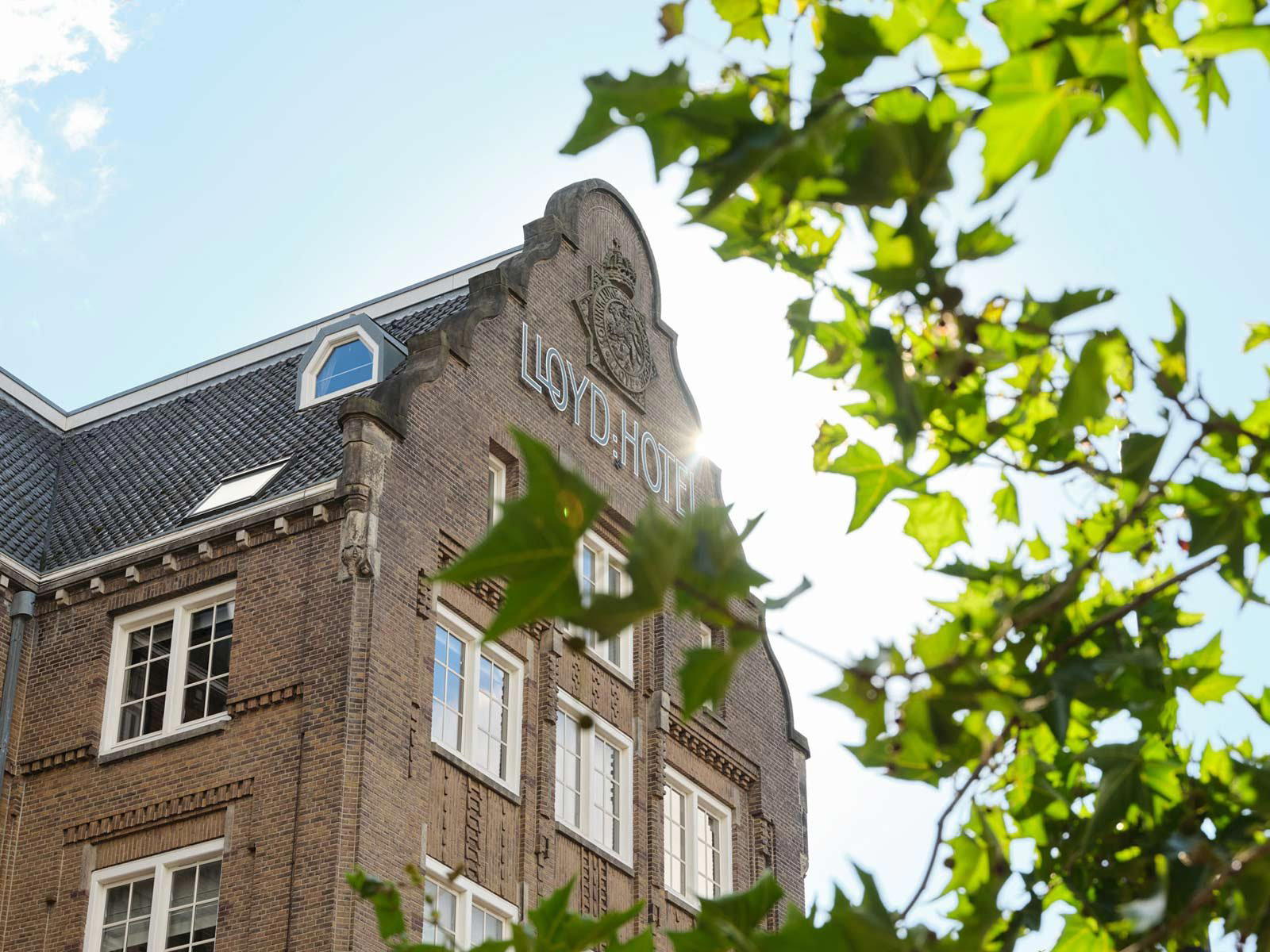
A Waterfront Building That Predates Tourism
The Eastern Docklands of Amsterdam tell a different story than the canal belt. Oostelijke Handelskade was built for industry and transit, not for pleasure, and the Lloyd Hotel at number 34 carries that lineage into the present. The 1921 building was constructed to house emigrants awaiting passage to the Americas, then served as a detention centre and artists' studio complex before its conversion into a hotel. It is now a 4-star hotel with 117 rooms. That layered institutional history is written into the architecture: the long corridors, the oversized windows, the sense of scale that no boutique conversion could manufacture from scratch.
In Amsterdam's broader hotel market, properties tend to cluster around either the canal belt's heritage charm or the southern business district's corporate efficiency. The Eastern Docklands sit apart from both, and the Lloyd occupies a distinct position in the city. Properties like Canal House, Breitner House, and Décor Canal House represent the canal belt's intimately scaled, design-led segment. The Lloyd operates on a different logic: institutional scale with a cultural program layered on leading.
The Five-Star Format That Isn't What You Think
The Lloyd's defining structural decision is its tiered room system, which runs from one-star to five-star accommodation within a single building. This is not a gimmick. It reflects a deliberate choice to make cultural hospitality accessible across price points, which positions the property differently from how premium hotels conventionally compete. At the five-star end, rooms are designed by Dutch artists and designers, each distinct in layout and material palette. At the one-star end, the experience is stripped to essentials, but the building, the service culture, and the cultural programming remain constant across all tiers.
This architecture of access is unusual in the European context, where most design-led hotels concentrate design investment in a narrow band of room categories and pad the rest with standardised finishes. The Lloyd's approach means that the room itself functions more like an editorial choice than a booking default. Guests select a category based on how much they want the room to be part of the experience, rather than simply chasing the highest specification available at their price point.
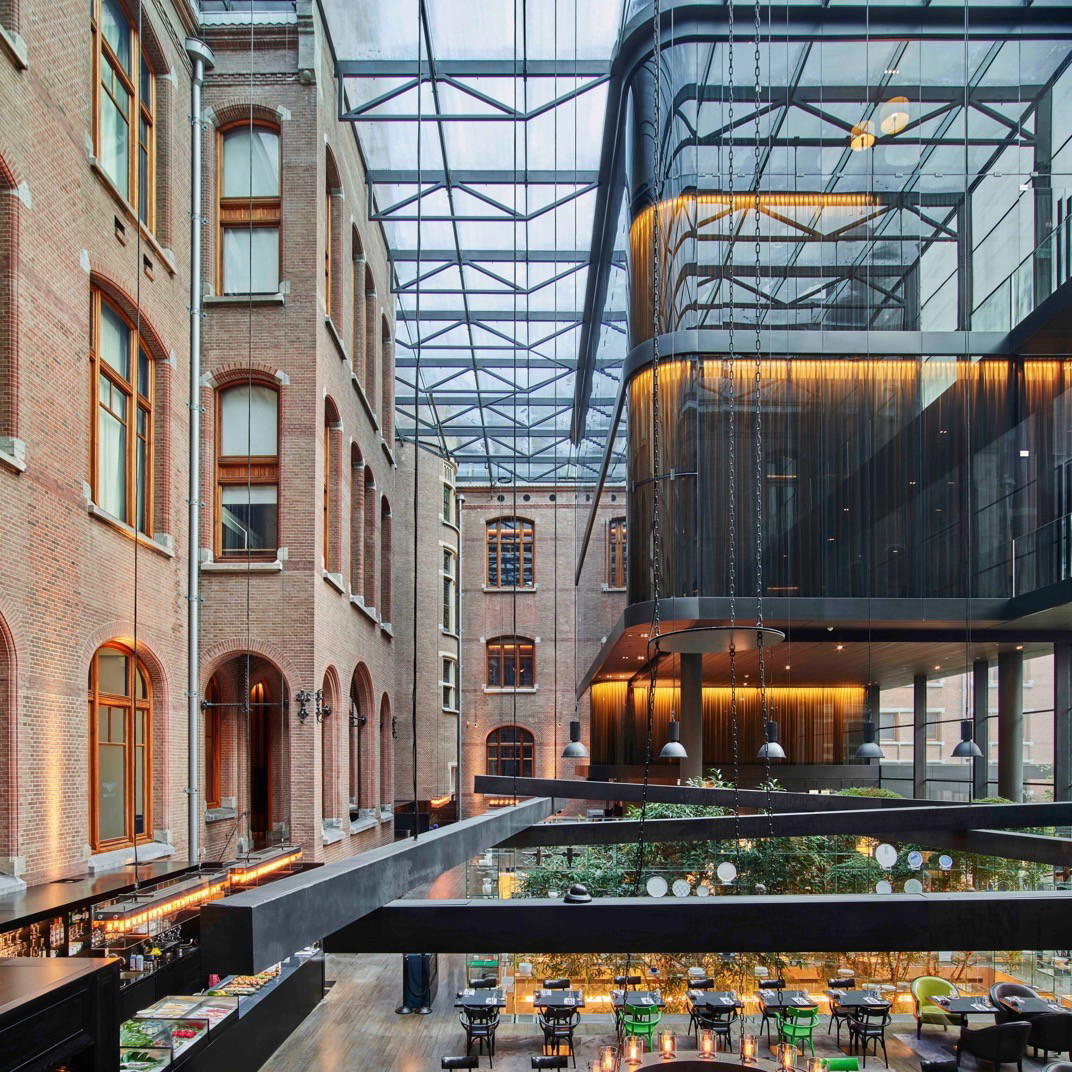
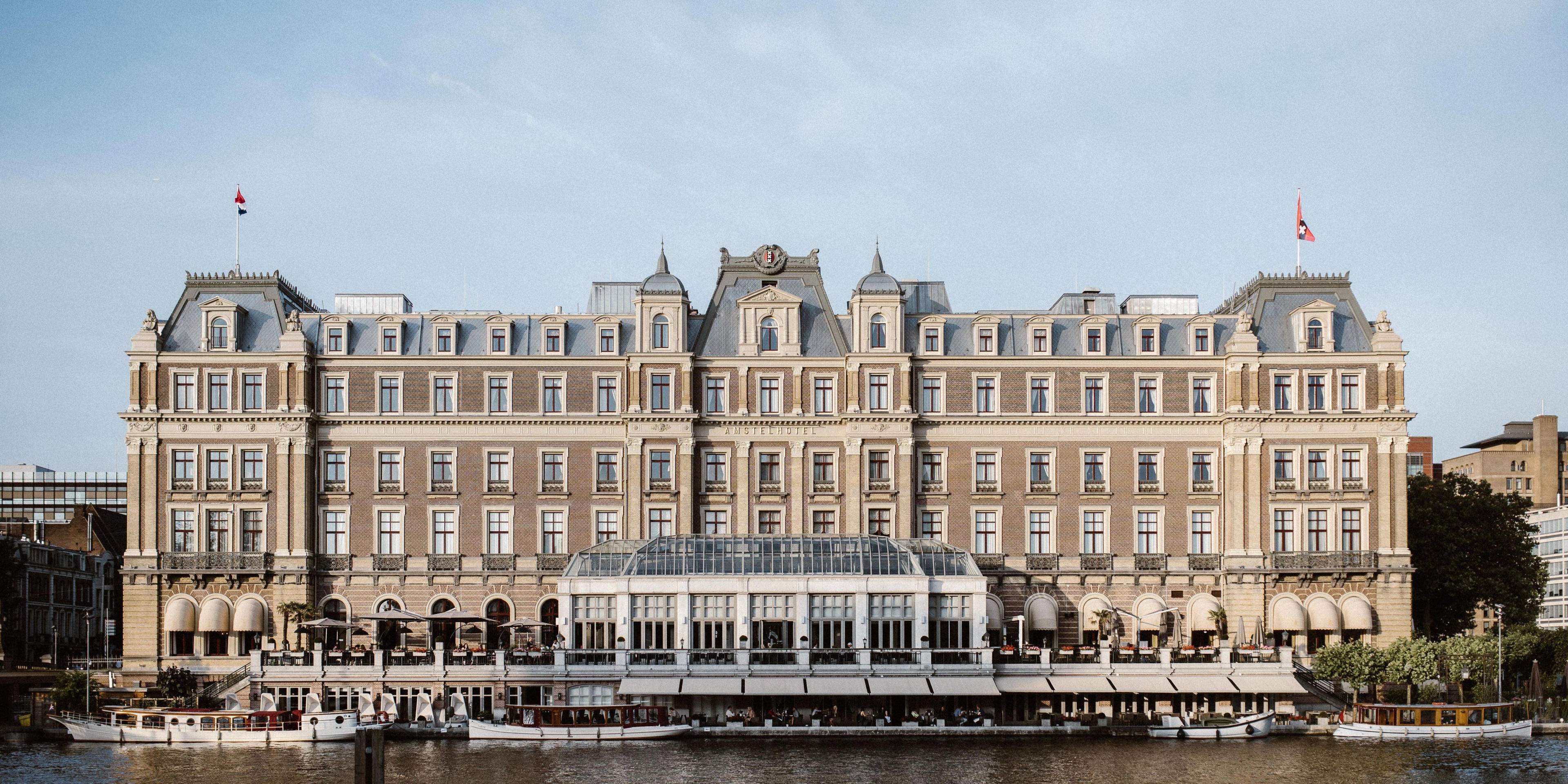
For context on what the premium end of the Amsterdam hotel market looks like, the Conservatorium and De L'Europe Amsterdam represent conventional luxury at the canal belt's upper tier, while the Andaz Amsterdam Prinsengracht occupies a design-hotel position with a major international brand behind it. The Lloyd competes on a different logic.
Location as Programming
Oostelijke Handelskade is a ten-to-fifteen minute tram or bus ride from Centraal Station, and the journey across the IJ waterfront gives a clear sense of why this part of Amsterdam developed a creative identity. The Eastern Docklands attracted architecture practices, design studios, and cultural organisations precisely because the buildings were large, cheap by Amsterdam standards, and sufficiently removed from tourist circuits to allow actual work to happen. The Lloyd sits within that ecology rather than adjacent to it.
The neighbourhood's dining scene operates on similar logic. A number of independent restaurants and cafes have opened along the waterfront over the past decade, none of which follow the tourist-facing model of the Leidseplein or Rembrandtplein areas. For a broader orientation to Amsterdam's food and hotel landscape, the EP Club Amsterdam guide maps the city's distinct dining and accommodation zones.
Travellers based elsewhere in the Netherlands may find the Eastern Docklands a useful entry point. The Lloyd's location is easily reachable from Schiphol, and for those combining Amsterdam with other Dutch destinations, connections to Utrecht, Rotterdam, and the coastal towns are direct from Centraal. Options like citizenM Schiphol Airport and citizenM Rotterdam serve transit-focused stays at either end of such a trip, while more destination-driven properties in the region include Château Neercanne in Maastricht and Château St. Gerlach in Valkenburg aan de Geul for the southern provinces.
Cultural Hotel as a Category
The term 'cultural hotel' gets applied loosely across the industry, often to properties that hang local art in corridors and call it programming. The Lloyd operates as a functioning cultural institution: it has hosted residencies, exhibitions, and public events since its 2004 opening as a hotel, and its RIBA-recognised library serves as a working reference space rather than a decorative installation. This gives it a different relationship to its neighbourhood than a conventional hotel maintains.
Internationally, a handful of properties have built comparable models, though each with different structural logic. Aman New York and The Fifth Avenue Hotel both programme cultural experiences, but within a luxury-first framework where the cultural layer is additive rather than foundational. At the Lloyd, the cultural program is the primary offer; the accommodation is how it sustains itself.
Within Amsterdam specifically, the contrast is instructive. Properties like De Pijp Boutique Hotel and Conscious Hotel Amsterdam City pursue distinct identities through neighbourhood positioning and sustainability commitments respectively, but neither carries the depth of institutional programming that the Lloyd has accumulated over two decades of operation. For smaller, quieter properties oriented toward personal stays rather than cultural programming, Bij Jef in Den Hoorn and Posthoorn in Monnickendam represent a different kind of Dutch hospitality altogether.
Planning a Stay
The Lloyd is located at Oostelijke Handelskade 34, 1019 BN Amsterdam. Tram and bus connections from Centraal Station take roughly ten to fifteen minutes. Because room categories vary significantly in specification and price, the booking decision at the Lloyd is more consequential than at a standard hotel: a one-star room is a genuinely different experience from a five-star suite, not merely a smaller version of the same thing. Travellers who want the room itself to be part of the cultural experience should book toward the upper end of the tier system; those using the hotel primarily as a base for exploring the city can access the building, programming, and neighbourhood at a lower price point.
In Context: Similar Options
Comparable venues nearby, for context on price, style, and recognition.
| Venue | Cuisine | Price | Awards | Notes |
|---|---|---|---|---|
| Lloyd HotelThis venue — the venue you are viewing | Historic landmark reimagined as a cultural embassy with distinctive artist-designed rooms. | $$ | 4-Star | Not listed |
| Hotel V Nesplein | Contemporary design hotel in a converted office building with quirky mid-century industrial aesthetic and Dutch character. | $$$ | 4-Star | Nes e.o. |
| Leonardo Eden Hotel Amsterdam City Center | Modern hotel in historic industrial building | $$$ | 4-Star | Rembrandtpleinbuurt |
| Conscious Hotel Amsterdam City (The Tire Station) | Eco-sexy sustainable design in a repurposed historic tire station. | $$ | 4-Star | Vondelparkbuurt West |
| Sir Albert Hotel, part of Sircle Collection | Boutique hotel in a converted 19th-century diamond factory | $$$$ | 4-Star | Hercules Seghersbuurt |
| Hotel Pontsteiger | Contemporary waterfront boutique | $$$ | 4-Star | Houthavens West |
Continue exploring
More in Amsterdam
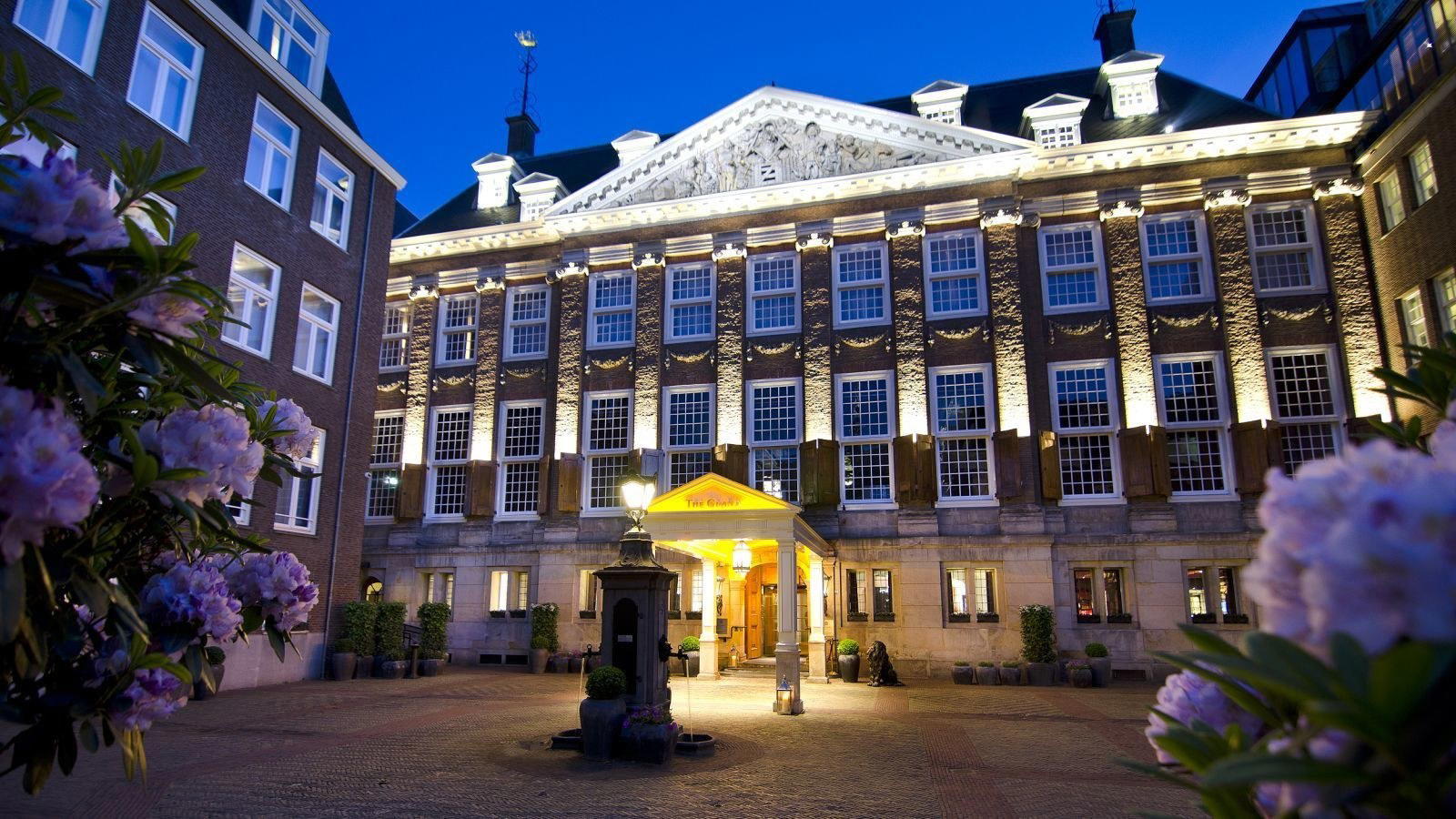
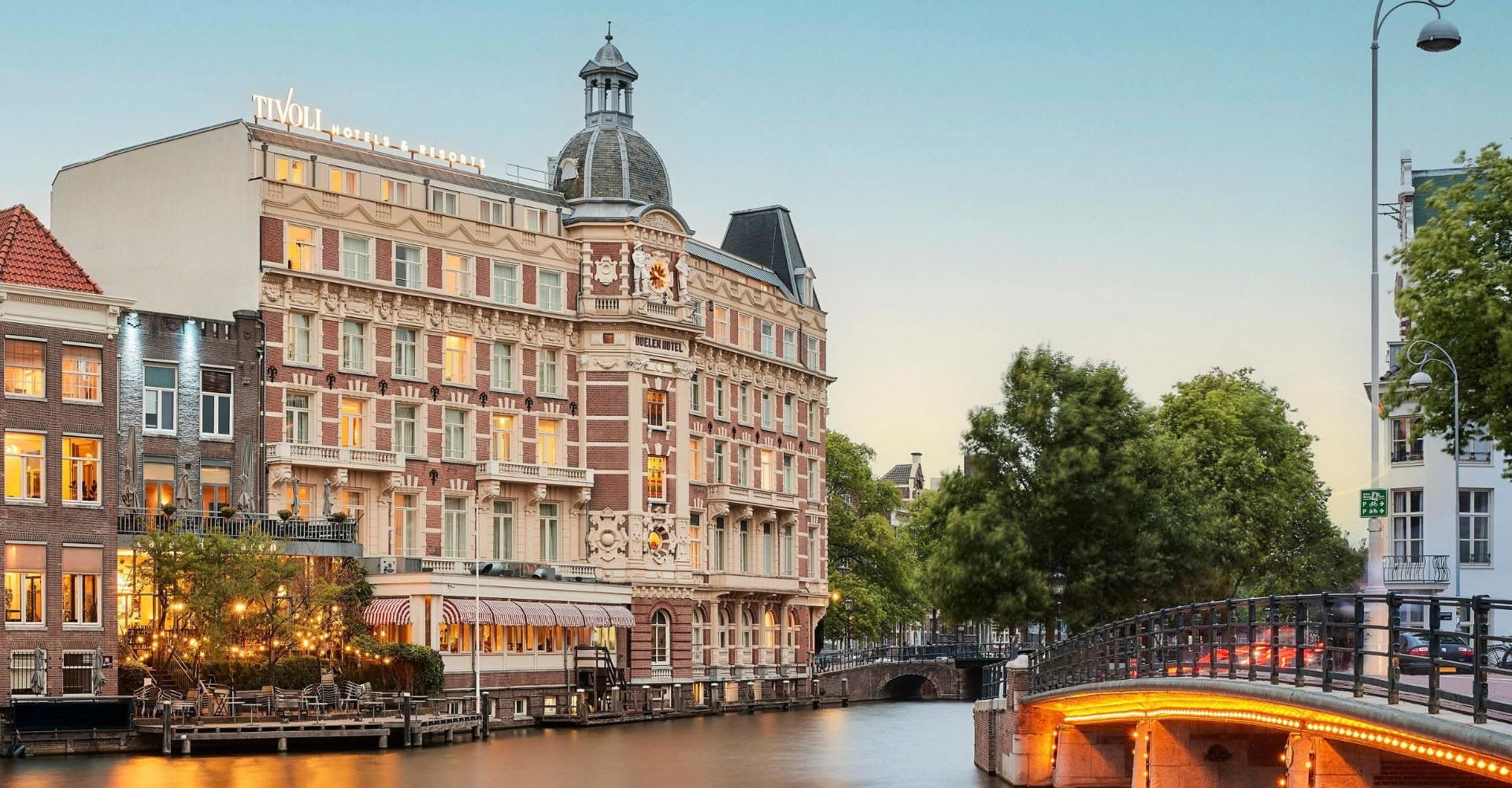
Hotels in Amsterdam
Browse all →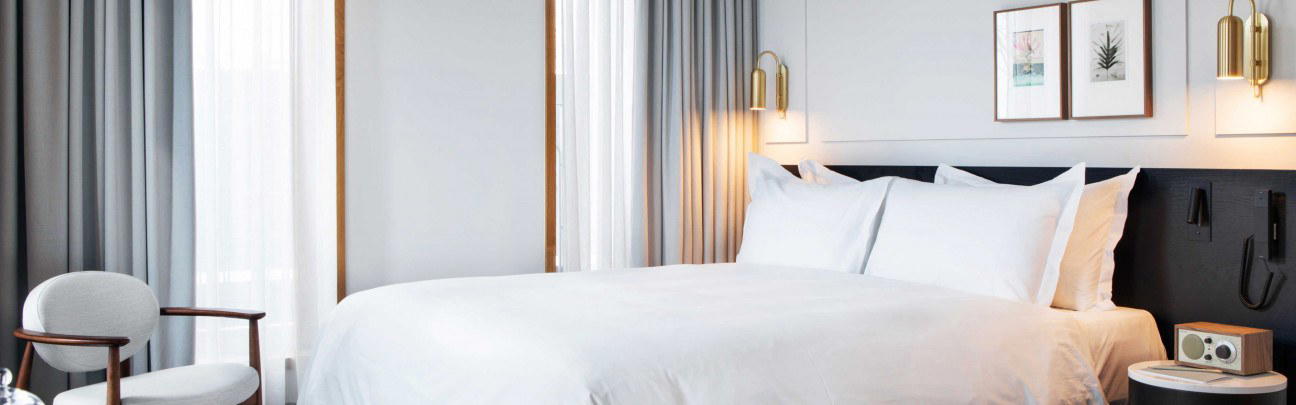
Bars in Amsterdam
Browse all →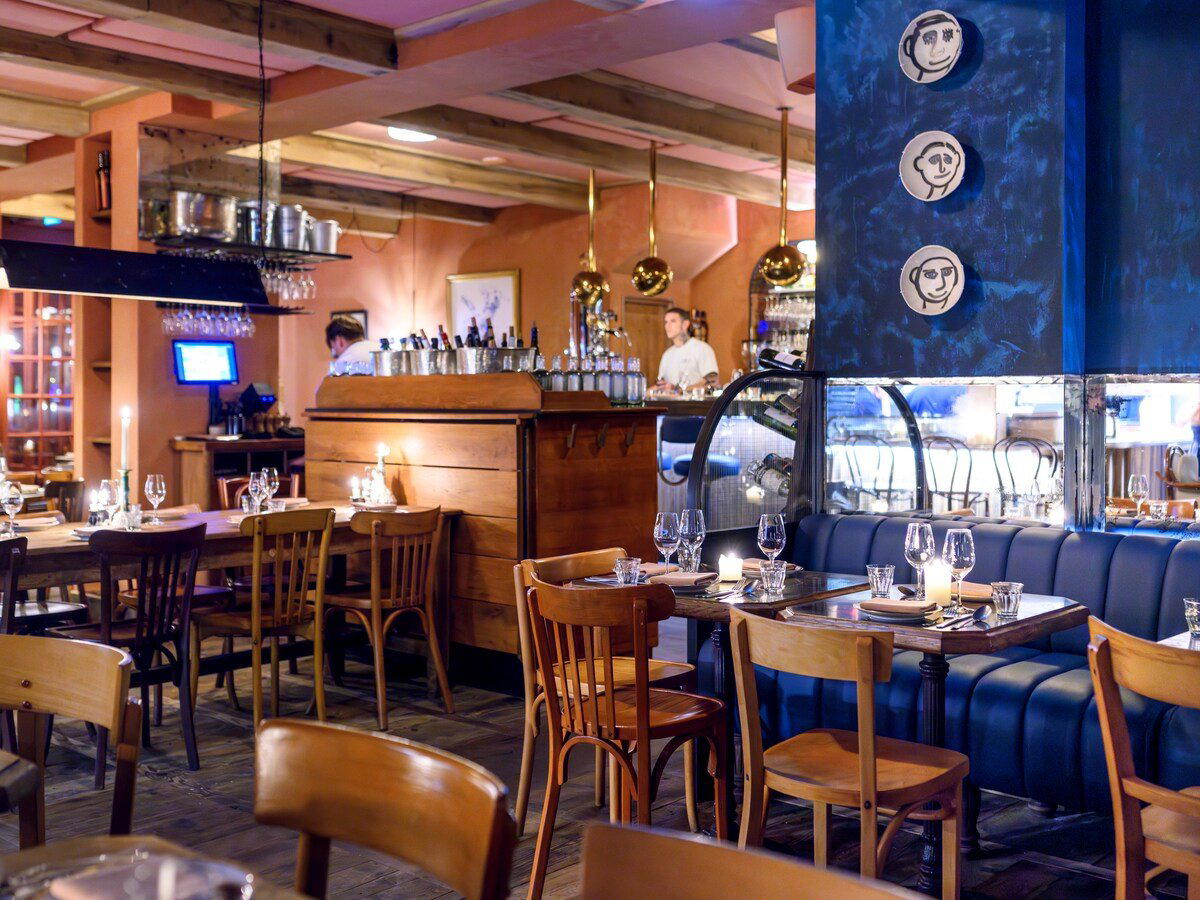
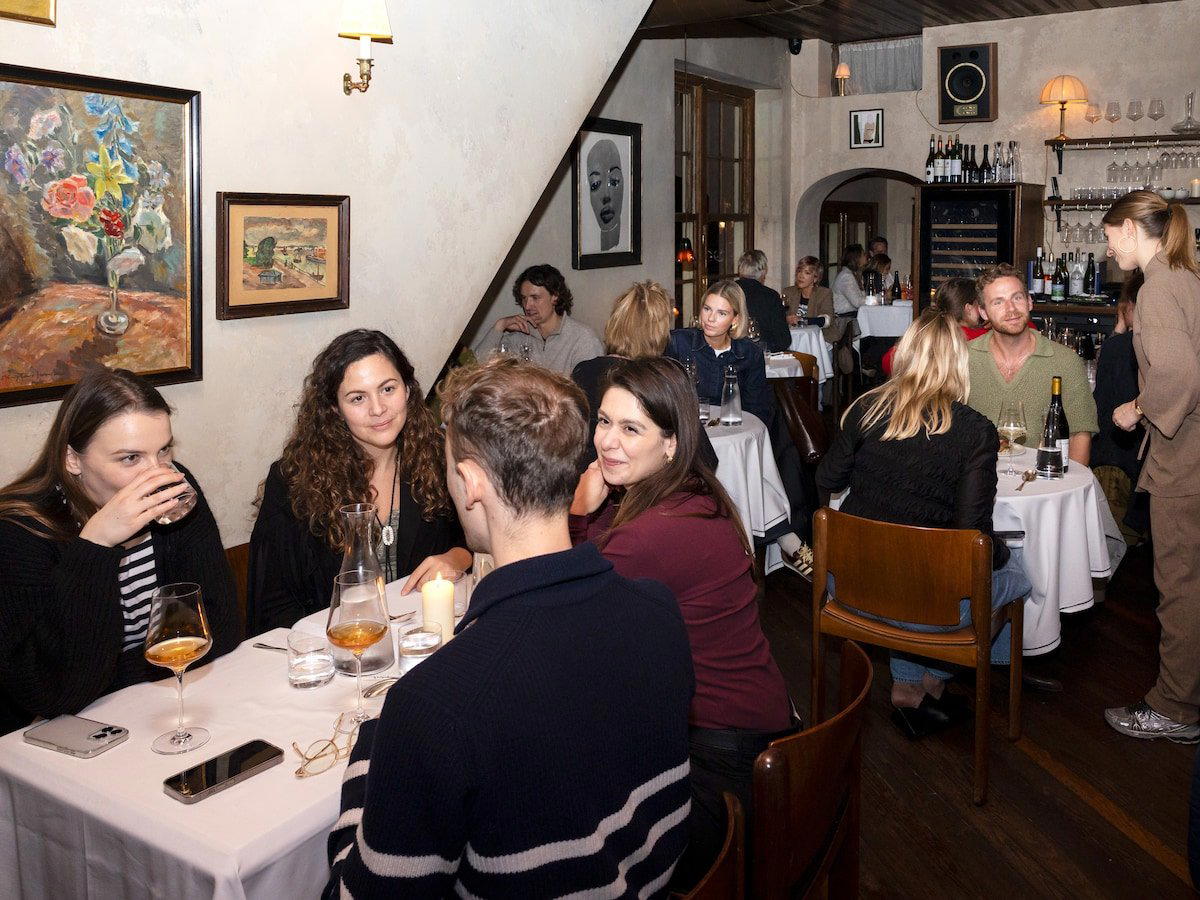
Restaurants in Amsterdam
Browse all →
Wineries in Amsterdam
Browse all →
At a Glance
- Modern
- Trendy
- Industrial
- Whimsical
- Weekend Escape
- Business Trip
- Historic Building
- Design Destination
- Waterfront
- Wi Fi
- Restaurant
- Bar
- Business Center
- Waterfront
- Skyline
- Wi Fi
- Restaurant
- Bar
- Business Center
Eclectic mix of institutional heritage and contemporary design with bold art, warm tones, and welcoming public spaces.