Auditorium Bar
A Lecture Hall Repurposed for Serious Drinking Amsterdam's bar scene has spent the past decade sorting itself into two broad categories: the heritage brown cafés that anchor neighbourhood drinking culture, and a newer wave of technically ambitious cocktail rooms that benchmark themselves against international programme standards. Auditorium Bar, occupying a former lecture hall at Mauritskade 57 in the eastern city, sits in that second category while carrying something the newer-build bars cannot manufacture: genuine architectural weight. High ceilings, the residual geometry of a room designed for attention and acoustics, and a setting that feels earned rather than designed for Instagram — these are the structural facts that define the experience before a single drink arrives. Mauritskade runs along the Singelgracht canal in the Oost district, close enough to the city centre to draw a broad crowd but far enough removed from the Leidseplein-Rembrandtplein axis to avoid the tourist-bar gravity that pulls certain venues toward simpler, higher-volume formats. That positioning matters. Bars in this part of Amsterdam tend to hold a more local, considered clientele, and the programmes that succeed here do so on depth rather than foot traffic. For context on how Amsterdam's cocktail culture has developed across the city's different quarters, see our full Amsterdam restaurants and bars guide. The Cocktail Programme: Technique in a Grand Room Amsterdam's technically ambitious cocktail tier has been shaped significantly by a handful of venues that arrived early and set the bar for what a serious programme looks like in this city. Door 74 on Reguliersdwarsstraat established that a small, reservations-only format could sustain a world-class cocktail reputation over many years. Tales & Spirits extended that logic into a slightly more accessible format without sacrificing programme integrity. Auditorium Bar enters this conversation with a distinct spatial proposition: the cocktail programme has room, literally, to breathe. The relationship between physical environment and drink style is not incidental in serious bar culture. Venues that operate in compressed, counter-focused spaces tend toward precise, minimalist drink formats — each element justifiable, nothing extraneous. Larger, more theatrical rooms sometimes run the opposite risk, letting the space do the work while the drinks become secondary. The test for Auditorium Bar is whether the programme matches the architecture's authority, or whether the setting outperforms what's in the glass. Where Auditorium Bar Sits in the Amsterdam Bar Conversation Placing any bar accurately in Amsterdam's current scene requires acknowledging that the city's cocktail culture has genuine range. At one end, venues like Advocatuur demonstrate how a legal-district address and a specific aesthetic identity can build a loyal professional crowd. At another register, Amsterdam Roest operates in a post-industrial repurposing format where the setting is as much the point as the drinks programme. Auditorium Bar's former-lecture-hall identity places it in a third category: venues where the adaptive reuse is institutional rather than industrial, and where the historical use of the space (education, public gathering, structured attention) creates a particular kind of atmosphere that purpose-built bars rarely replicate. This is a reasonable parallel to how the Dutch bar scene outside Amsterdam handles venue identity. Restobar Fiftyeight in Nijmegen and Marius Wijncafé in The Hague both demonstrate that the Netherlands has developed a strong secondary-city bar culture where setting and programme quality are treated with the same seriousness as in Amsterdam. Internationally, Café La Trova in Miami offers a useful comparison point for how a distinctive cultural or architectural identity can anchor a cocktail programme with genuine credibility. The point in each case is the same: the physical context is not decoration, it is part of the argument the venue is making. Planning Your Visit Mauritskade 57 is accessible by tram along the eastern canal belt, and the address is direct to reach from the city centre without the congestion that affects bars closer to the main squares. Amsterdam's more serious cocktail venues tend to peak on Thursday through Saturday evenings; weekend nights at venues with architectural distinction and a following in the local scene fill quickly, and Auditorium Bar's larger-footprint setting does not necessarily translate to easy walk-in availability on busy nights. Arriving earlier in the evening or visiting mid-week gives more flexibility. For comparison reference on what Amsterdam's committed cocktail bars typically charge, Door 74 and Tales & Spirits are the most useful benchmarks. Those exploring the Dutch bar scene more broadly will find useful reference points in Espressobar Kopi Soesoe in Rotterdam, Boode Foodbar in Bathmen, and Het Witte Paard in Etten-Leur, The Wine Bar Helmond in Helmond, all of which point to how the Netherlands has built a geographically distributed bar culture worth tracking beyond the capital. Frequently Asked Questions What's the general vibe of Auditorium Bar?The address, a former lecture hall on Mauritskade in Amsterdam Oost, gives the bar a genuinely distinct atmosphere. High ceilings and institutional architecture create a different register from the city's typical brown cafés or purpose-built cocktail rooms. The crowd tends toward local rather than tourist, and the setting rewards those who engage with it rather than treat it as background.What should I try at Auditorium Bar?The venue's positioning in Amsterdam's technical cocktail tier suggests a programme built around considered technique and flavour clarity. Asking the bar team for their current house signatures is the most reliable approach, bars at this level typically have two or three drinks that define the programme at any given time.What should I know about Auditorium Bar before I go?The bar occupies a former university lecture hall, which is the single most important thing to understand before visiting, it shapes everything from the acoustics to the spatial layout.How far ahead should I plan for Auditorium Bar?If phone and website details are confirmed closer to your visit, booking ahead for weekend evenings is advisable, Amsterdam's architecturally distinctive bars with a serious cocktail following tend to fill on Thursday through Saturday nights even when their scale suggests otherwise. Mid-week visits and early-evening arrivals reduce the need to plan far in advance.What makes Auditorium Bar's setting different from other Amsterdam cocktail bars?The conversion of a former lecture hall on Mauritskade into a bar is relatively uncommon in Amsterdam's adaptive-reuse bar scene, which more frequently draws on industrial or warehouse formats. Institutional buildings, designed for structured public attention and acoustics, produce a different spatial quality: the ceiling height, the proportions, and the original function of the room are all still legible.

Pearl is the En Primeur Club membership app — saves, bookings, and concierge access live there. Same editors, same standards.
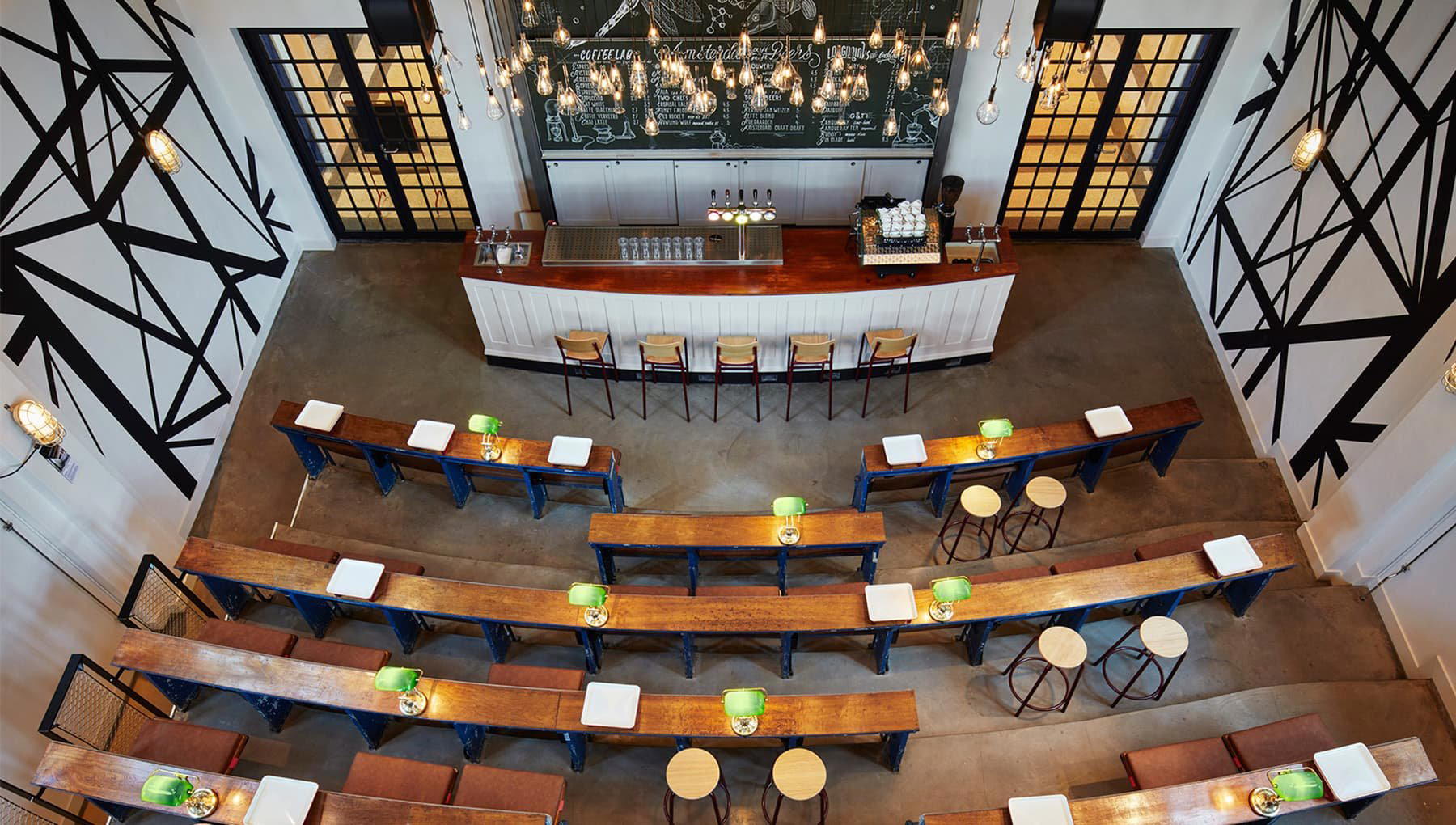
A Lecture Hall Repurposed for Serious Drinking
Amsterdam's bar scene has spent the past decade sorting itself into two broad categories: the heritage brown cafés that anchor neighbourhood drinking culture, and a newer wave of technically ambitious cocktail rooms that benchmark themselves against international programme standards. Auditorium Bar, occupying a former lecture hall at Mauritskade 57 in the eastern city, sits in that second category while carrying something the newer-build bars cannot manufacture: genuine architectural weight. High ceilings, the residual geometry of a room designed for attention and acoustics, and a setting that feels earned rather than designed for Instagram — these are the structural facts that define the experience before a single drink arrives.
Mauritskade runs along the Singelgracht canal in the Oost district, close enough to the city centre to draw a broad crowd but far enough removed from the Leidseplein-Rembrandtplein axis to avoid the tourist-bar gravity that pulls certain venues toward simpler, higher-volume formats. That positioning matters. Bars in this part of Amsterdam tend to hold a more local, considered clientele, and the programmes that succeed here do so on depth rather than foot traffic. For context on how Amsterdam's cocktail culture has developed across the city's different quarters, see our full Amsterdam restaurants and bars guide.
The Cocktail Programme: Technique in a Grand Room
Amsterdam's technically ambitious cocktail tier has been shaped significantly by a handful of venues that arrived early and set the bar for what a serious programme looks like in this city. Door 74 on Reguliersdwarsstraat established that a small, reservations-only format could sustain a world-class cocktail reputation over many years. Tales & Spirits extended that logic into a slightly more accessible format without sacrificing programme integrity. Auditorium Bar enters this conversation with a distinct spatial proposition: the cocktail programme has room, literally, to breathe.
The relationship between physical environment and drink style is not incidental in serious bar culture. Venues that operate in compressed, counter-focused spaces tend toward precise, minimalist drink formats — each element justifiable, nothing extraneous. Larger, more theatrical rooms sometimes run the opposite risk, letting the space do the work while the drinks become secondary. The test for Auditorium Bar is whether the programme matches the architecture's authority, or whether the setting outperforms what's in the glass.
Where Auditorium Bar Sits in the Amsterdam Bar Conversation
Placing any bar accurately in Amsterdam's current scene requires acknowledging that the city's cocktail culture has genuine range. At one end, venues like Advocatuur demonstrate how a legal-district address and a specific aesthetic identity can build a loyal professional crowd. At another register, Amsterdam Roest operates in a post-industrial repurposing format where the setting is as much the point as the drinks programme. Auditorium Bar's former-lecture-hall identity places it in a third category: venues where the adaptive reuse is institutional rather than industrial, and where the historical use of the space (education, public gathering, structured attention) creates a particular kind of atmosphere that purpose-built bars rarely replicate.
This is a reasonable parallel to how the Dutch bar scene outside Amsterdam handles venue identity. Restobar Fiftyeight in Nijmegen and Marius Wijncafé in The Hague both demonstrate that the Netherlands has developed a strong secondary-city bar culture where setting and programme quality are treated with the same seriousness as in Amsterdam. Internationally, Café La Trova in Miami offers a useful comparison point for how a distinctive cultural or architectural identity can anchor a cocktail programme with genuine credibility. The point in each case is the same: the physical context is not decoration, it is part of the argument the venue is making.
Planning Your Visit
Mauritskade 57 is accessible by tram along the eastern canal belt, and the address is direct to reach from the city centre without the congestion that affects bars closer to the main squares. Amsterdam's more serious cocktail venues tend to peak on Thursday through Saturday evenings; weekend nights at venues with architectural distinction and a following in the local scene fill quickly, and Auditorium Bar's larger-footprint setting does not necessarily translate to easy walk-in availability on busy nights. Arriving earlier in the evening or visiting mid-week gives more flexibility.
For comparison reference on what Amsterdam's committed cocktail bars typically charge, Door 74 and Tales & Spirits are the most useful benchmarks.
Those exploring the Dutch bar scene more broadly will find useful reference points in Espressobar Kopi Soesoe in Rotterdam, Boode Foodbar in Bathmen, and Het Witte Paard in Etten-Leur, The Wine Bar Helmond in Helmond, all of which point to how the Netherlands has built a geographically distributed bar culture worth tracking beyond the capital.
Continue exploring
More in Amsterdam
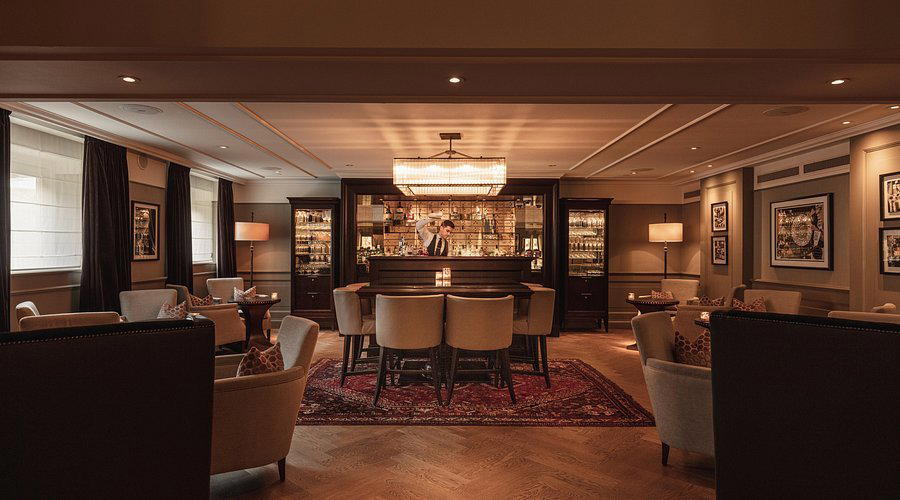
Bars in Amsterdam
All bars in Amsterdam →
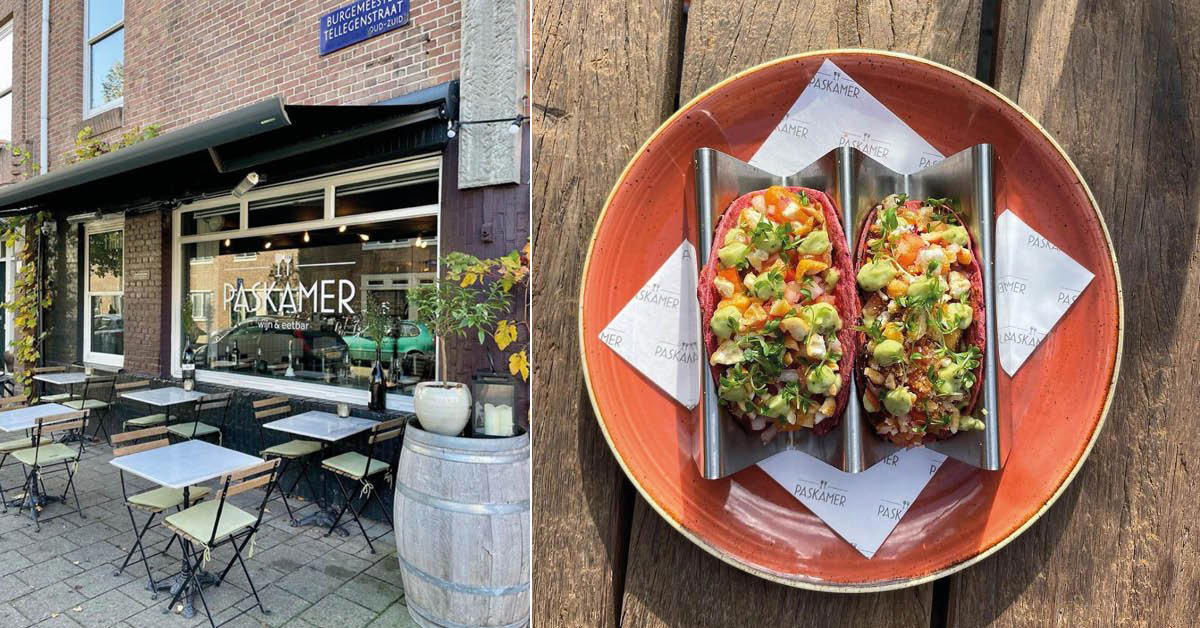
Restaurants in Amsterdam
All restaurants in Amsterdam →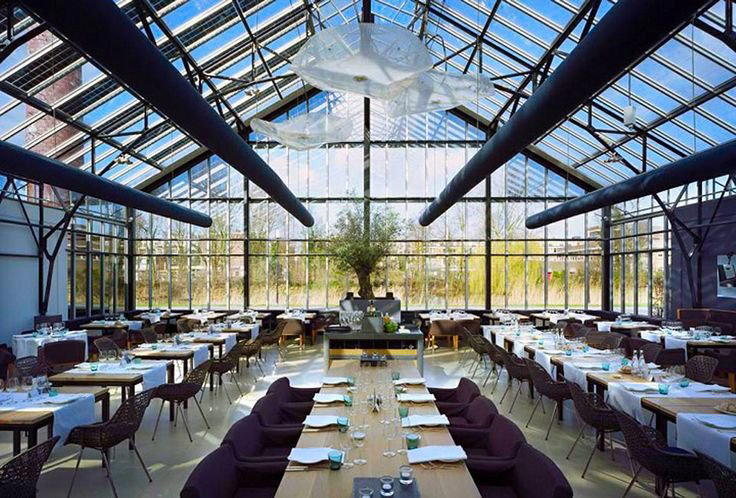
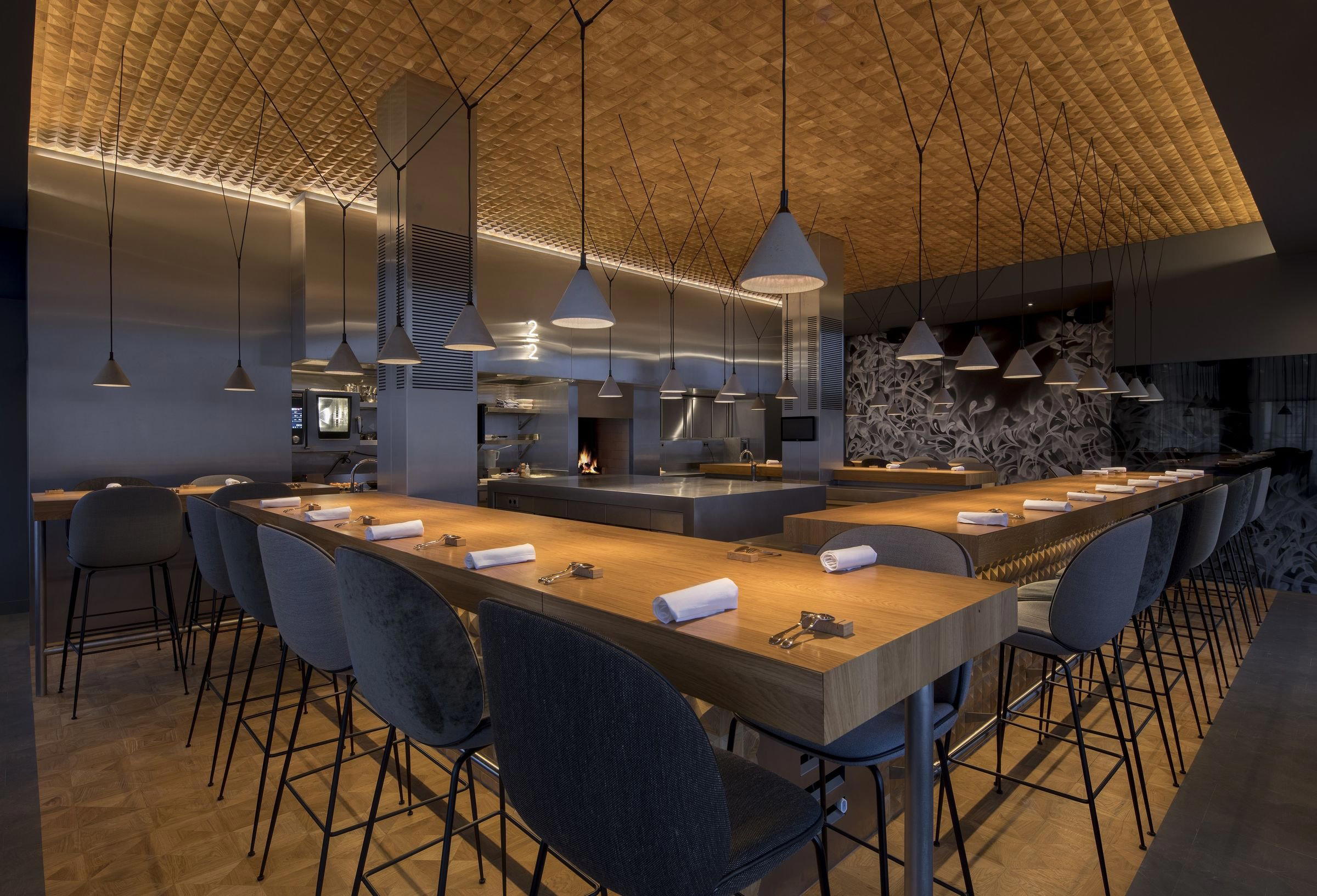
Hotels in Amsterdam
All hotels in Amsterdam →
Wineries in Amsterdam
All wineries in Amsterdam →
Details
- Industrial
- Trendy
- Energetic
- After Work
- Group Outing
- Casual Hangout
- Historic Building
- Design Destination
- Hotel Bar
- Lounge Seating
- Seated Bar
- Craft Cocktails
Industrial chic atmosphere with natural light, tiered seating, and a lively multi-level design.