Texel

Texel sits at the northern tip of the Wadden Sea island of the same name, carrying a 2025 Michelin Selected designation that places it among the Netherlands' recognised addresses for considered stays. The property on Postweg 134 in De Cocksdorp positions guests at the quietest, most remote corner of the island, where dune landscape and sea light define the experience as much as the building itself.
Pearl is the En Primeur Club membership app — saves, bookings, and concierge access live there. Same editors, same standards.
- Address
- Postweg 134, De Cocksdorp, Netherlands
- Phone
- +31 222 311 237
 Saves & bookings on Pearl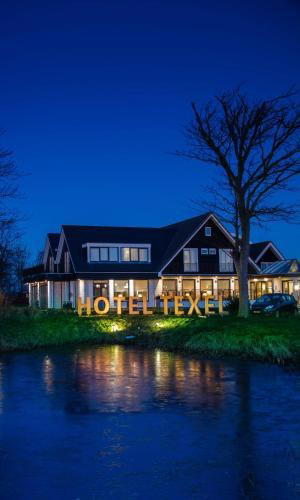
At the Edge of the Island
De Cocksdorp occupies the northern headland of Texel, the largest of the Dutch Wadden Islands, and the approach along Postweg tells you immediately what kind of stay this will be. The road narrows, the dunes close in on either side, and the horizon opens only when you reach the water's edge. This is the least developed corner of an island that already sits outside the rhythms of mainland Dutch tourism, and that geographical fact shapes everything about a stay at Texel on Postweg 134. Properties that seek Michelin recognition in rural or coastal settings are typically evaluated in part on how well they use their surroundings, and at this address the surroundings do significant work.
The Dutch coast has developed two distinct accommodation typologies over the past decade. The first is the resort model — facilities-heavy properties designed to keep guests on-site through weather and season. The second, smaller category prioritises connection to place over self-sufficiency: fewer amenities, more considered design, and a stronger argument that the point of being here is being here. For a comparable design-conscious coastal property further down the Dutch coastline, De Blanke Leading in Cadzand-Bad offers an instructive comparison; both sit on the edge of protected natural zones where the environment is the primary draw.
Architecture in a Dune Setting
Building in the dune belt of the Wadden Islands comes with constraints that are, paradoxically, design advantages. Conservation rules limit height, ground coverage, and materials, which tends to push architects toward horizontal proportions, natural textures, and a vocabulary that reads as indigenous to the landscape. The most successful coastal properties on Texel work within those constraints rather than against them, using pitched rooflines and reclaimed or weathered materials that age in step with the surrounding vegetation. This is the design tradition that the Postweg 134 address inhabits.
The Wadden Sea's quality of light — filtered through sea haze and frequently overcast, but punctuated by sharp Nordic clarity when weather clears, rewards interior spaces that frame views deliberately. In properties of this type across the northern Dutch coast, the logic tends toward deep window reveals, muted interior palettes, and an absence of the kind of decorative gestures that would compete with what is visible outside. The building's position at the island's tip means north-facing rooms look toward open Wadden Sea, while southern orientations take in the dune corridor running toward the island's more populated centre.
For guests accustomed to the design-led hotel conversation in Dutch cities, MUZE Hotel Utrecht in Utrecht, or the converted canal-house vocabulary of Amsterdam properties, a stay at Texel operates in a different register entirely. The reference points here are Nordic island lodges and Wadden coast vernacular rather than urban boutique conventions. That distinction is worth making before booking: this is not a rural version of a city hotel; it is something with its own spatial logic.
The Island as Context
Texel (the island) draws around one million visitors annually. De Cocksdorp, at the northern end, sits at remove from both. The village has a small harbour orientation toward the Wadden Sea and a character defined by fishing heritage rather than tourism infrastructure. That positioning means the hotel's surrounding neighbourhood is genuinely quiet rather than performatively so.
The Wadden Sea itself was designated a UNESCO World Heritage Site in 2009, which gives the ecological context of a stay here a formal international standing. Tidal flat walking (known locally as wadlopen) is the activity that the landscape enables most distinctively: guided crossings to the sandbanks and tidal flats at low tide have been practised on this coastline for generations and remain one of the few activities in European travel with no direct urban equivalent. A stay at the northern end of Texel places guests within range of the departure points for these crossings without the drive through the island's busier sections.
Seasonality matters on the Wadden coast more than in most Dutch travel contexts. The island's bird migration volumes peak in spring and autumn, when the tidal flats serve as a staging point for shorebirds moving along the East Atlantic Flyway. Summer brings the highest visitor numbers and the most predictable weather. Winter arrivals find a stripped-back version of the island that appeals to a specific kind of traveller: one prepared for horizontal rain and rewarded with complete solitude on the beach walks. Michelin Selected properties in rural Dutch settings tend to perform across all seasons because their appeal is tied to place rather than pool weather.
For guests building a wider Netherlands itinerary around Michelin-recognised stays, the island's relative isolation means the Texel property anchors a coastal chapter rather than a city circuit. Properties like Landgoed Duin en Kruidberg in Santpoort Noord or Landgoed Hotel Het Roode Koper in Leuvenum operate in a comparable estate-and-landscape tradition on the mainland, and pairing one of those with a Texel stay gives a coherent picture of what considered, place-specific accommodation looks like across different Dutch natural zones.
Planning a Stay
Texel island is reached by ferry from Den Helder, with crossings operated by TESO running approximately every hour; the crossing takes around 20 minutes, making the island accessible as a multi-night destination rather than a day trip. From the ferry terminal at 't Horntje, De Cocksdorp is at the island's opposite end, approximately 20 kilometres north. A car is the practical choice for guests staying at the Postweg 134 address, as public transport connections in the northern part of the island are limited, particularly outside summer. Booking directly through the property is advised for guests with specific room preferences; the 2025 Michelin Selected status may increase demand during peak shoulder seasons. For guests arriving via Amsterdam, citizenM Schiphol Airport provides a practical pre-departure overnight before an early train to Den Helder, which runs direct from Amsterdam Centraal in under 90 minutes. Those building a broader Dutch coastal itinerary will find Grand Hotel Huis ter Duin in Noordwijk aan Zee a well-resourced counterpoint further south along the North Sea coast. Our full De Cocksdorp restaurants and stays guide covers the wider village context for those spending more than one night in the area.
Fast Comparison
Comparable venues nearby, for context on price, style, and recognition.
| Venue | Cuisine | Price | Awards | Notes |
|---|---|---|---|---|
| TexelThis venue — the venue you are viewing | Eco-chic boutique design with modern comforts and sustainable practices; stylishly decorated with distinctive aesthetic. | $$$ | 4-Star | Not listed |
| Room Mate Bruno | Contemporary urban boutique hotel with strong emphasis on local maritime heritage storytelling and artistic design | $$$ | 4-Star | Kop van Zuid |
| citizenM Amstel Amsterdam | Affordable design hotel in historic canal ring building | $$$ | 4-Star | Amsterdam City Centre |
| Sir Adam Hotel, part of Sircle Collection | Music-themed urban tower hotel in a creative hub. | $$$ | 4-Star | Amsterdam Noord |
| Mother Goose | Boutique hotel in a historic 14th-century building blending history with modern design. | $$$ | 4-Star | Utrecht City Center |
| Hotel V Fizeaustraat | 70s-inspired design hotel in renovated brutalist office building | $$$ | 4-Star | Tuindorp Amstelstation |
Recognition history
Dated appearances from independent guides and award organizations, with the underlying list record or original source where available.
Michelin Selected
Michelin
At a Glance
- Quiet
- Scenic
- Cozy
- Elegant
- Romantic Getaway
- Family Vacation
- Wellness Retreat
- Weekend Escape
- Garden
- Terrace
- Destination Spa
- Panoramic View
- Wi Fi
- Pool
- Spa
- Fitness Center
- Room Service
- Sauna
- Restaurant
- Bar
- Garden
- Wi Fi
- Pool
- Spa
- Fitness Center
- Room Service
- Sauna
- Restaurant
- Bar
Warm, homely atmosphere with modern design balanced by cosy touches; peaceful garden setting with natural light from patio views.
Know Before You Go
- Getting there
- Postweg 134, De Cocksdorp, Netherlands