IKAL Tulum occupies a distinct position in the Zona Hotelera, where the design-led, low-key end of the Tulum hotel market sits apart from both mass resort formats and bare-bones eco-stays. The property draws guests seeking occasion-worthy privacy in a jungle-to-beach corridor, placing it alongside properties like Azulik and Hotel Esencia in a tier defined by intimacy over scale.
Pearl is the En Primeur Club membership app — saves, bookings, and concierge access live there. Same editors, same standards.
- Address
- Zona Hotelera Tulum, 77780 Tulum, Quintana Roo, Mexico
- Phone
- +52 984 239 0929
- Website
- ikaltulumhotel.com
- Directions
- Get directions
 Saves & bookings on Pearl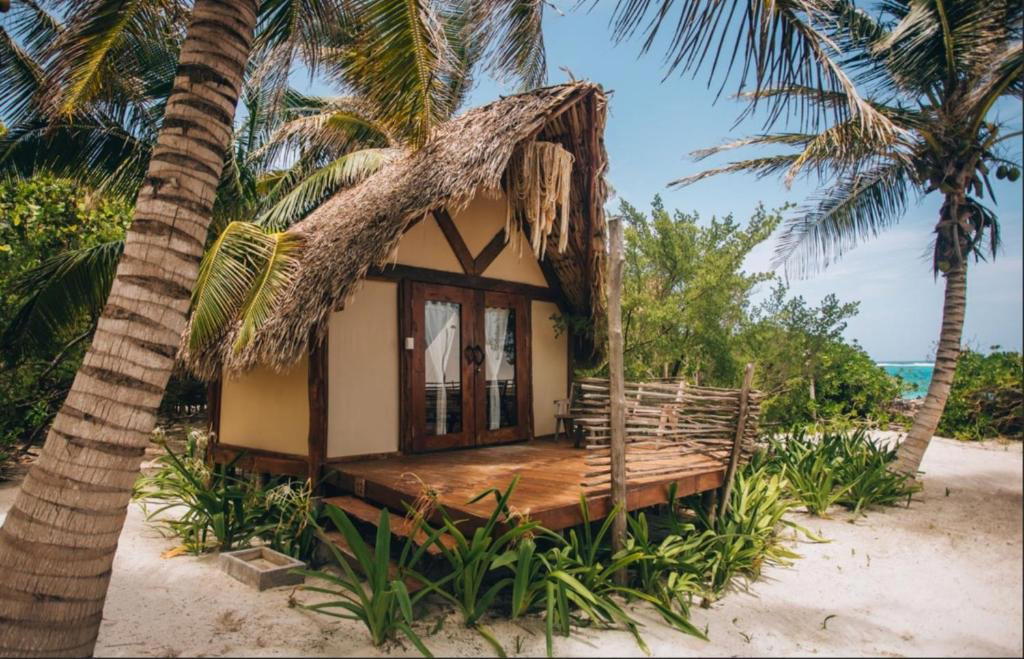
Where the Jungle Meets Occasion in Tulum's Zona Hotelera
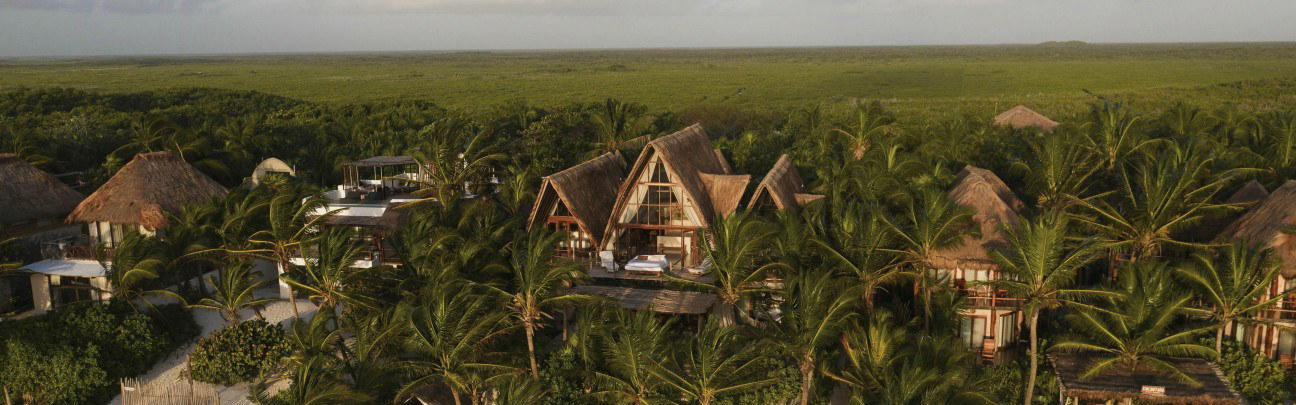
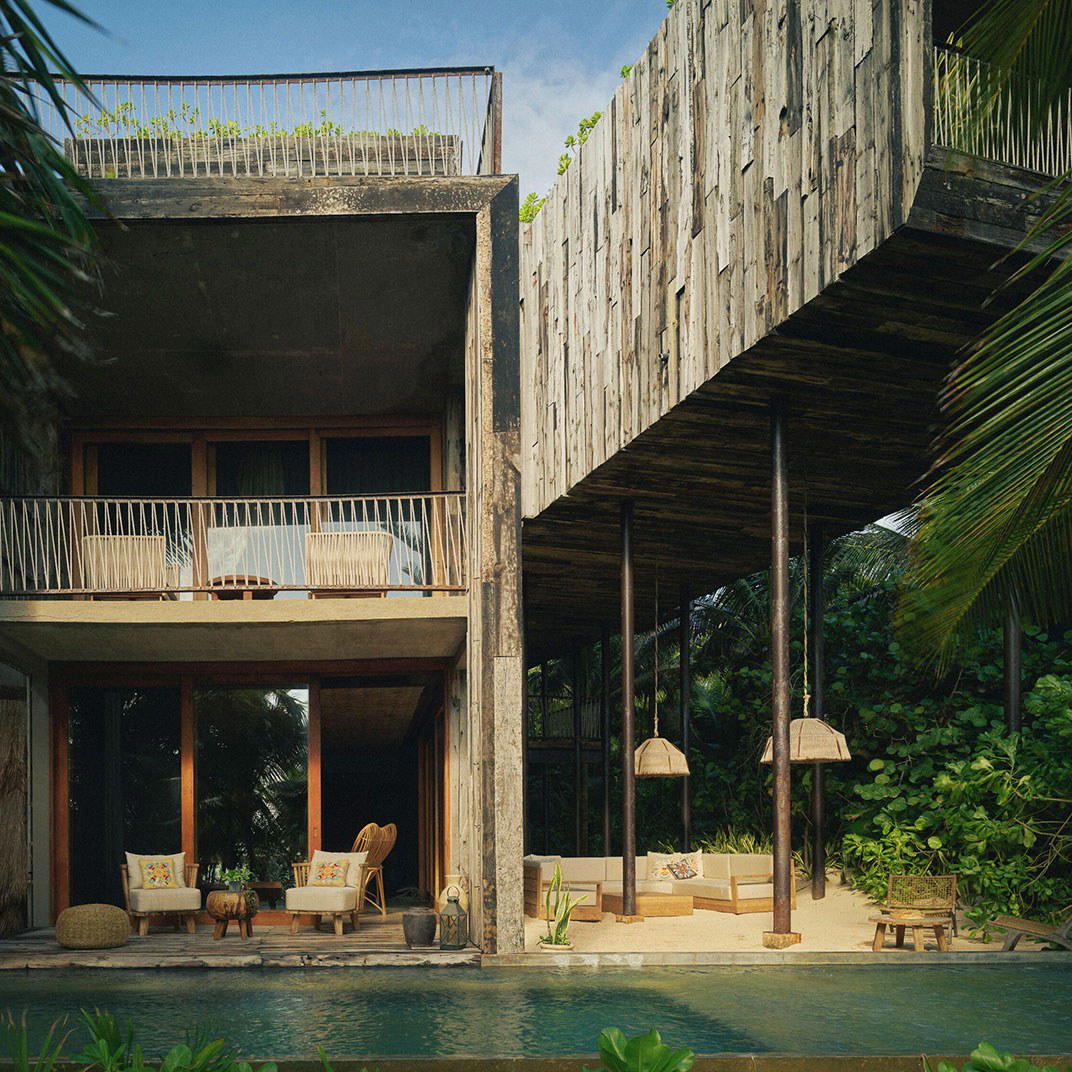
Approaching the Zona Hotelera from the main Tulum road, the shift is immediate: the urban grid dissolves into a narrow coastal strip where Caribbean light cuts through palm canopy and the air carries salt and cenote-cool humidity. This stretch of the Mexican Caribbean coast is known for design-led, low-inventory properties that prize atmosphere over amenity counts. IKAL Tulum Hotel is a 5-star hotel in Tulum, Quintana Roo, Mexico, with 19 rooms and a casual dress code. It operates in that register, positioned in a tier of Tulum hotels defined by limited keys, architectural seriousness, and the kind of stillness that makes the property read as occasion-ready by design rather than by marketing.
Tulum's premium hotel tier has split in a meaningful way. On one side sit larger, better-known international brands; on the other, a cohort of smaller, design-conscious properties that price on intimacy and setting rather than facilities. IKAL belongs to the latter, alongside addresses like Azulik, Hotel Esencia, and Casa Malca, each of which has carved a position through architectural identity and contained scale. What this tier shares is a guest proposition centered on the experience of being somewhere, rather than on the quantity of offerings layered into the property.
The Case for IKAL as a Milestone Stay
Tulum has earned its reputation as a destination for intentional travel, the kind of trip that marks an anniversary, a significant birthday, or a deliberate escape from routine. Within that context, properties in the intimate, design-led tier carry a structural advantage: lower room counts mean fewer competing guests at breakfast, quieter pools, and the sense that the property is oriented toward you rather than processing you. The Zona Hotelera's jungle-beach corridor amplifies this on the sensory level, with dense vegetation buffering each property from its neighbours and the Caribbean providing a consistent low-frequency soundtrack that larger resorts cannot replicate regardless of budget.
For travellers considering IKAL against the broader Riviera Maya market, the relevant comparison set is not the large resort hotels of Playa del Carmen or Cancún but the smaller boutique tier along the coast. Properties like Maroma in Riviera Maya and Etéreo, Auberge Resorts Collection in Punta Maroma operate with comparable intimacy intentions, though they occupy different points on the formality spectrum. IKAL's Tulum address places it inside a distinct cultural moment: the town has become a reference point for a particular kind of design-conscious, semi-wild luxury that remains difficult to replicate in more developed resort corridors.
Tulum's Accommodation Ecology and Where IKAL Sits
Understanding IKAL requires understanding the ecosystem of the Zona Hotelera itself. This coastal strip runs roughly parallel to the archaeological zone and the town centre, with properties ranging from palapa-roofed budget stays to architecturally ambitious boutique hotels drawing international design press. The ecological constraints of the area, including cenote proximity, coastal regulations, and the Sian Ka'an Biosphere Reserve immediately to the south, have historically limited development scale and kept the highest-profile properties at low room counts. That structural reality has shaped what premium Tulum means: not grandeur in a traditional resort sense, but considered materiality, natural integration, and a guest ratio that keeps things calm.
Among the addresses that define this standard, Copal Tulum Hotel, Encantada Tulum, Hotel Bardo, and Bespoke Tulum each represent variations on the same core logic. The differences between them tend to be tonal rather than categorical: degree of architectural intervention, distance from the beach, food and beverage ambition, and the precise calibration of how much rusticity is folded into what is, at the price point, a luxury product. IKAL occupies this territory, where the guest is expected to accept that a certain amount of nature is the point rather than an inconvenience.
For guests extending a Mexico itinerary beyond the Yucatan Peninsula, the wider market offers strong contrasts. One&Only; Mandarina in Riviera Nayarit, Zadun, A Ritz-Carlton Reserve in Los Cabos, and Las Ventanas al Paraíso, A Rosewood Resort in San José del Cabo represent the more formally structured end of Mexican luxury, where service infrastructure is more elaborate and the aesthetic registers as polished rather than raw. Chablé Yucatán in Merida offers another regional comparison: hacienda-format luxury with strong spa credentials, in a quite different landscape. For inland Mexico, Casa de Sierra Nevada, A Belmond Hotel, San Miguel de Allende and Casa Polanco in Mexico City complete a different kind of Mexico trip itinerary.
Planning a Stay at IKAL Tulum
Tulum's Zona Hotelera operates on seasonality in a way that meaningfully affects the experience. The high season runs from December through April, when northern hemisphere visitors arrive in volume and rates across the premium tier increase accordingly. The shoulder months of May and November offer a different calculation: lower rates, occasional rain, and a noticeably quieter property. For anniversary or milestone trips where atmosphere matters as much as weather, the early-to-mid December window before the peak Christmas period can deliver both conditions simultaneously. The rainy-season months bring a different kind of intensity to the jungle corridor, with vegetation at its densest and humidity that makes the ocean a functional counterpoint rather than a backdrop.
Reaching the Zona Hotelera from Cancún International Airport takes approximately ninety minutes to two hours by private transfer, depending on traffic around Playa del Carmen. The Tulum strip itself is best navigated by bike or golf cart for short hops, and most boutique properties in this tier either arrange transfers or can direct guests to reliable local options. Guests arriving at this end of the market should plan accordingly: the Zona Hotelera's appeal is inseparable from its slight remove from conventional convenience, and properties like Amansala Resort, Beachclub & Spa operate on the same understanding.
For travellers comparing Tulum to other destination-hotel formats globally, the relevant comparisons extend beyond Mexico. Xinalani in Quimixto and Las Alamandas in Costalegre represent the Mexican Pacific equivalent of the same design-sensitive, nature-integrated format. Further afield, Aman New York, Aman Venice, and The Fifth Avenue Hotel in New York City demonstrate how the low-key, high-consideration hospitality format translates across different urban and natural contexts. Montage Los Cabos in Cabo San Lucas and Four Seasons Resort Punta Mita in Punta de Mita offer a higher-formality benchmark for those weighing IKAL against more operationally elaborate Mexican resort options. And for those weighing a Oaxacan detour, Casa Silencio in San Pablo Villa de Mitla represents the same restraint-led logic applied to a high-altitude, landlocked context.
A Tight Comparison
Comparable venues nearby, for context on price, style, and recognition.
| Venue | Cuisine | Price | Notes |
|---|---|---|---|
| IKAL Tulum HotelThis venue — the venue you are viewing | Not listed | $$$$ | Not listed |
| Orchid House Tulum | Not listed | $$$$ | Tulum, Boutique jungle or beach retreat with modern luxury villas |
| La Zebra | Not listed | $$$$ | Tulum, barefoot luxury beachfront boutique |
| La Zebra Tulum, a Small Luxury Hotel | Tulum, Beach chic luxury resort | $$$$ | Not listed |
| Una Vida Tulum | Not listed | $$$$ | Tulum City Center, Tropical jungle oasis with indoor-outdoor living. |
| Sana Tulum | Not listed | $$$$ | Tulum, Moroccan riad-style beachfront boutique |
Continue exploring
More in Tulum
Hotels in Tulum
Browse all →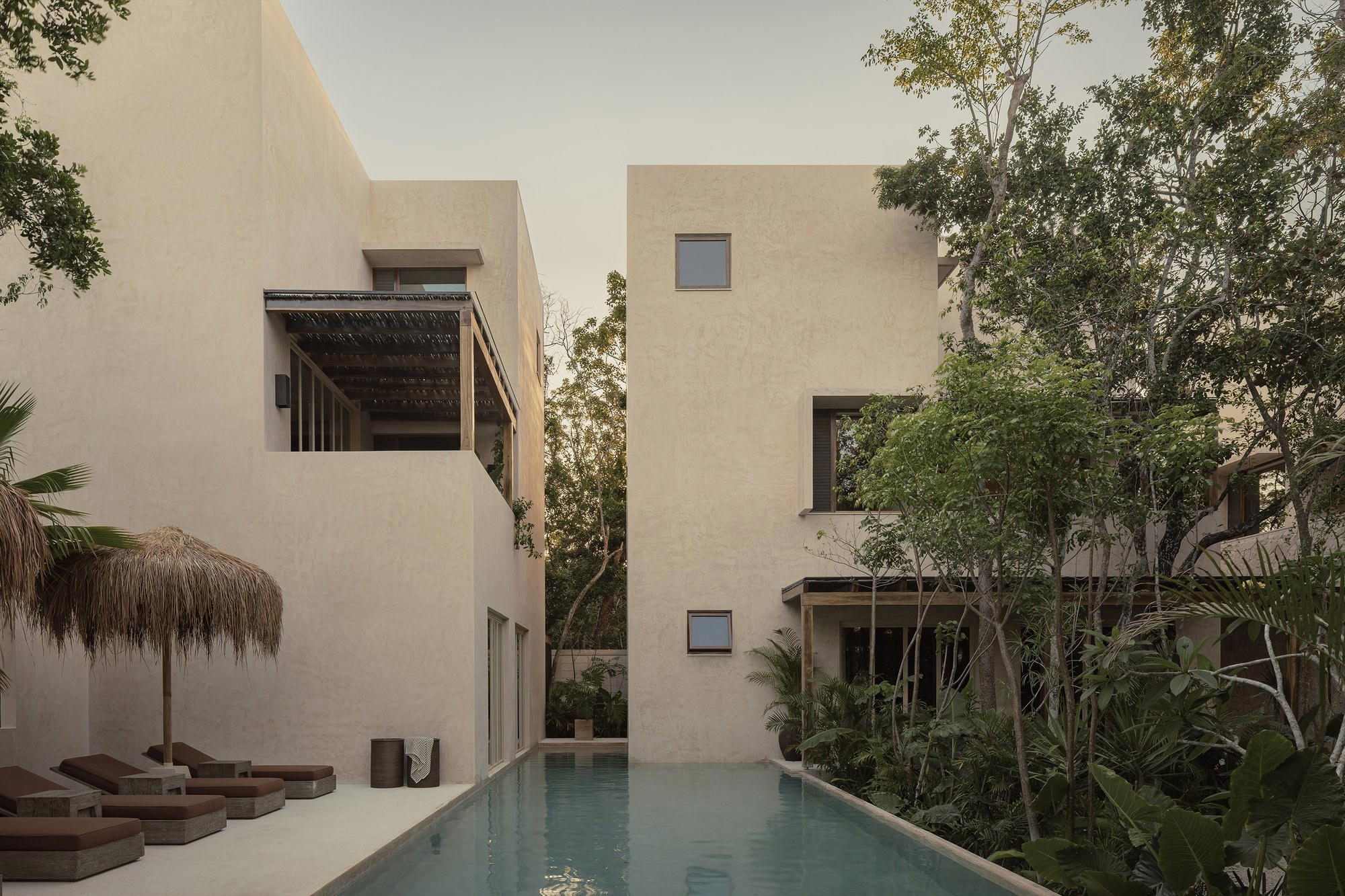
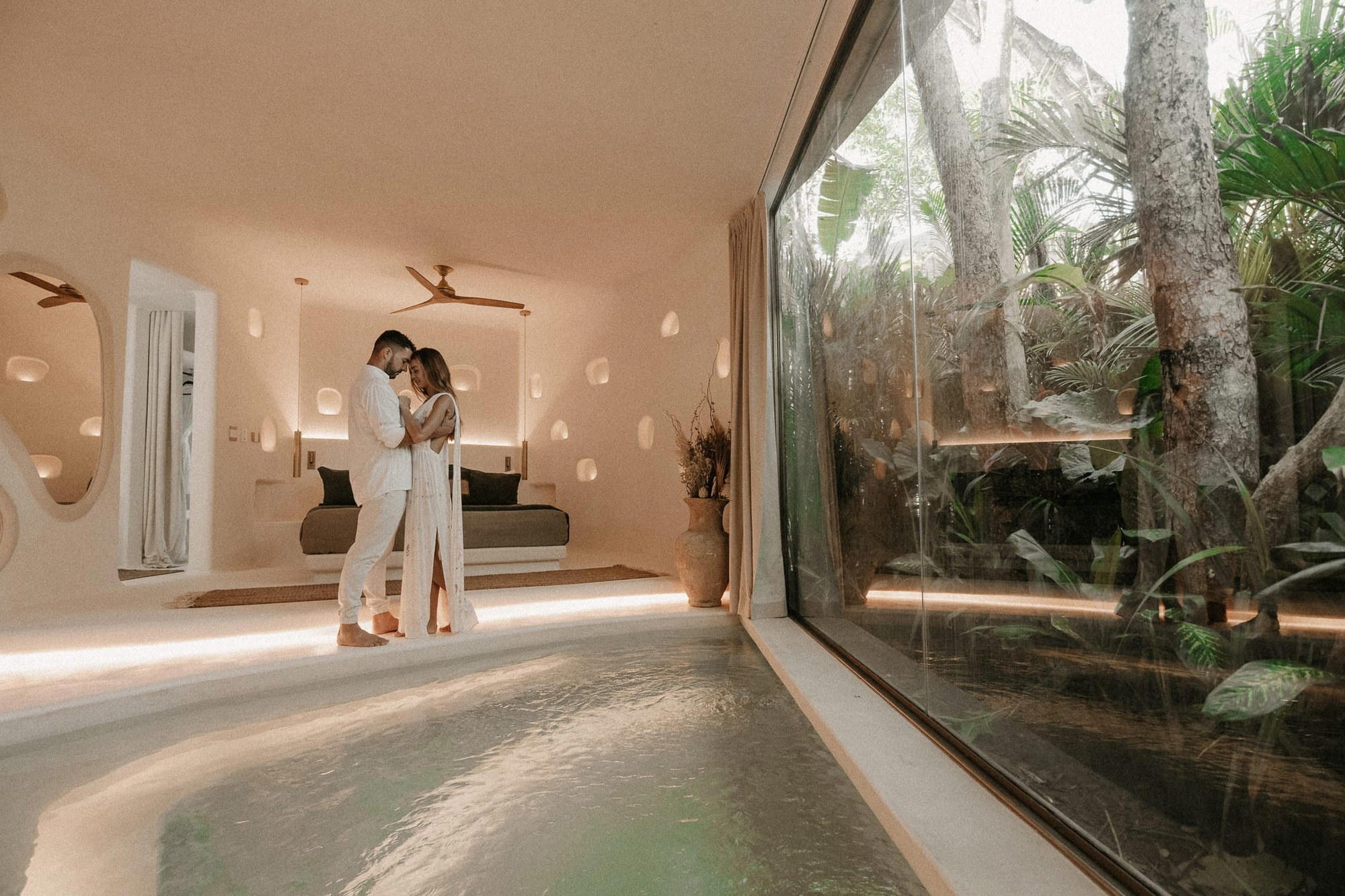
Bars in Tulum
Browse all →
Restaurants in Tulum
Browse all →
At a Glance
- Bohemian
- Rustic
- Intimate
- Scenic
- Romantic Getaway
- Wellness Retreat
- Honeymoon
- Beachfront
- Pool
- Spa
- Beach Access
- Wi Fi
- Concierge
- Restaurant
- Garden
- Pool
- Spa
- Beach Access
- Wi Fi
- Concierge
- Restaurant
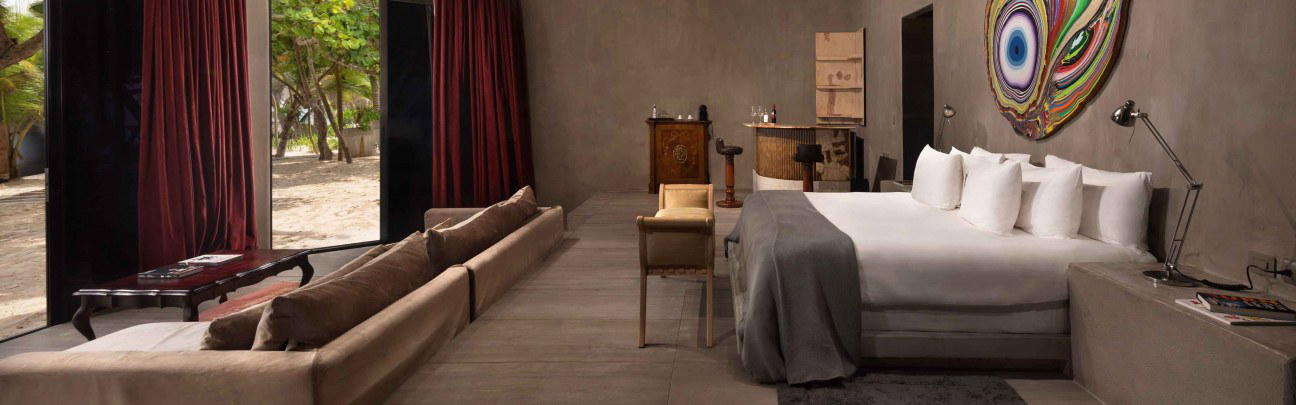
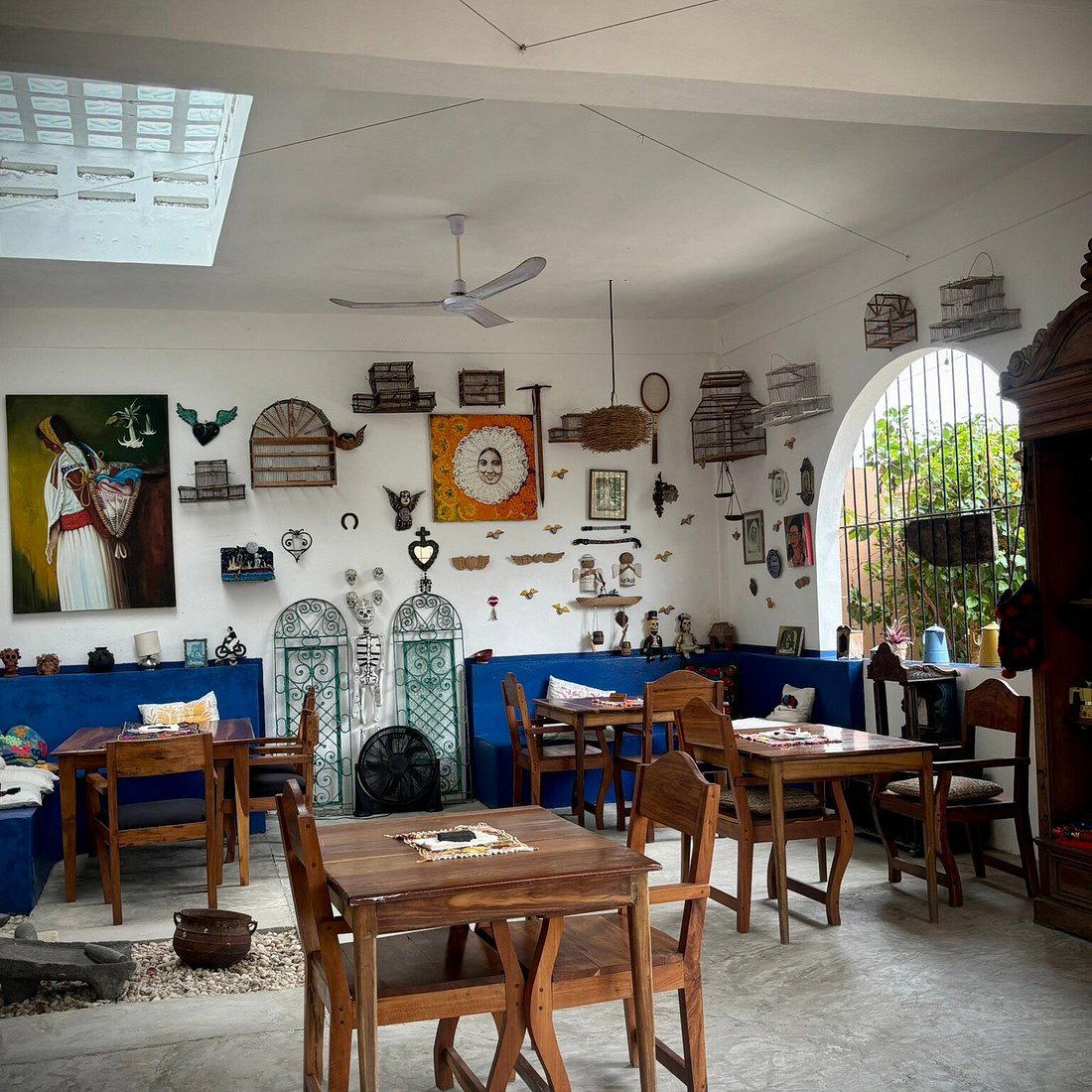
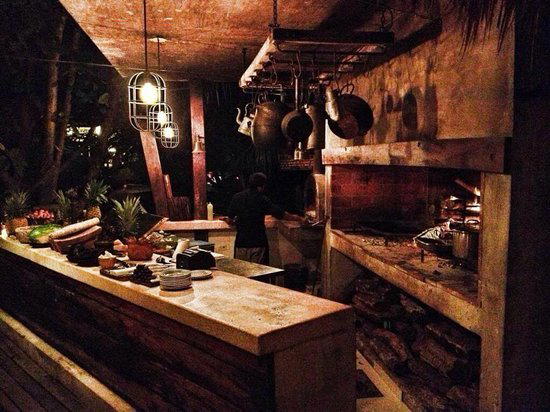
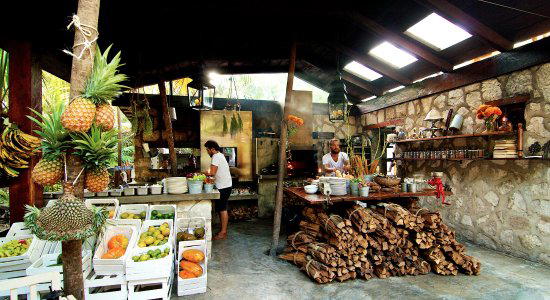
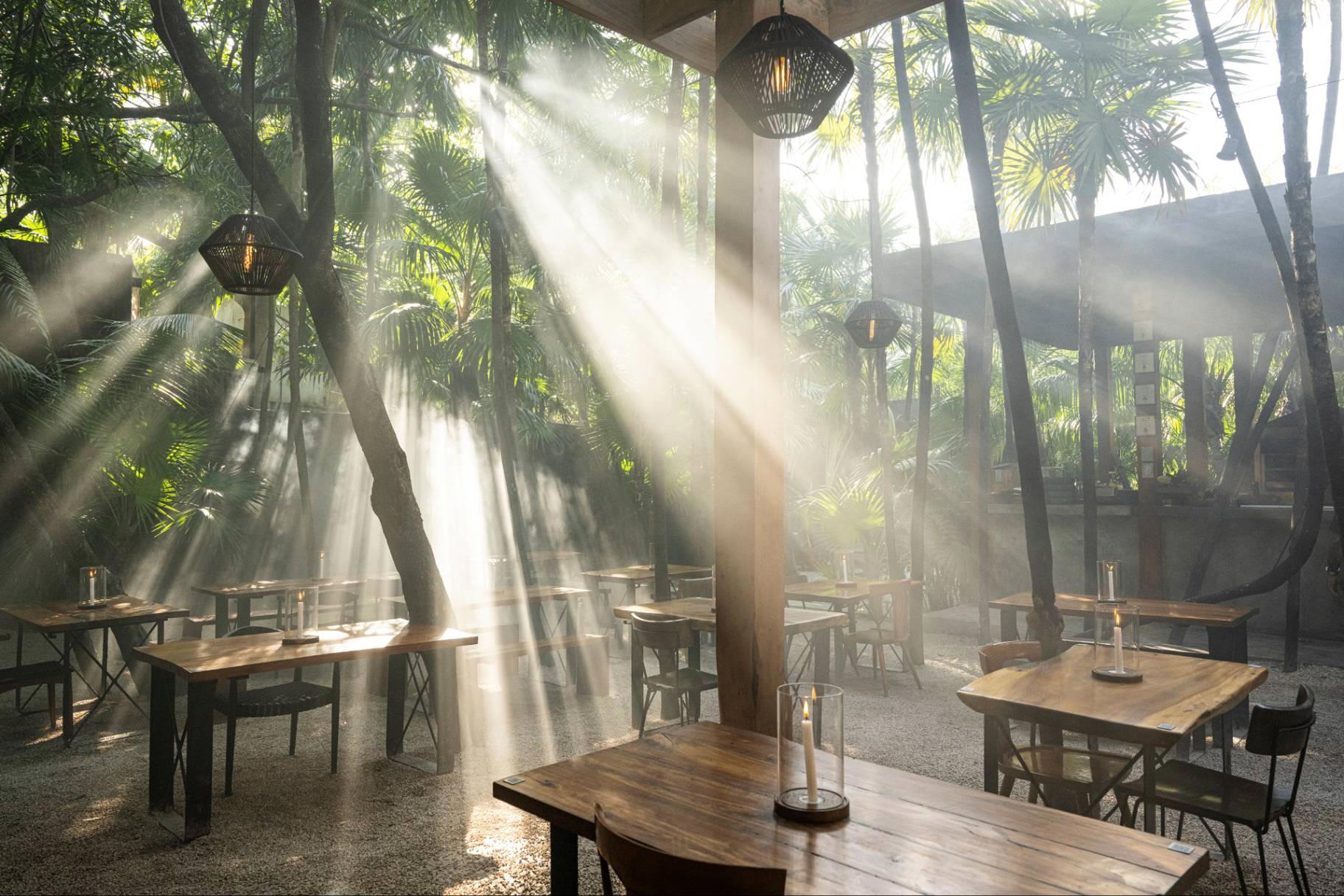
Rustic-chic jungle atmosphere with minimalistic, nature-immersed design, chirping birds, and a calming, secluded vibe.