

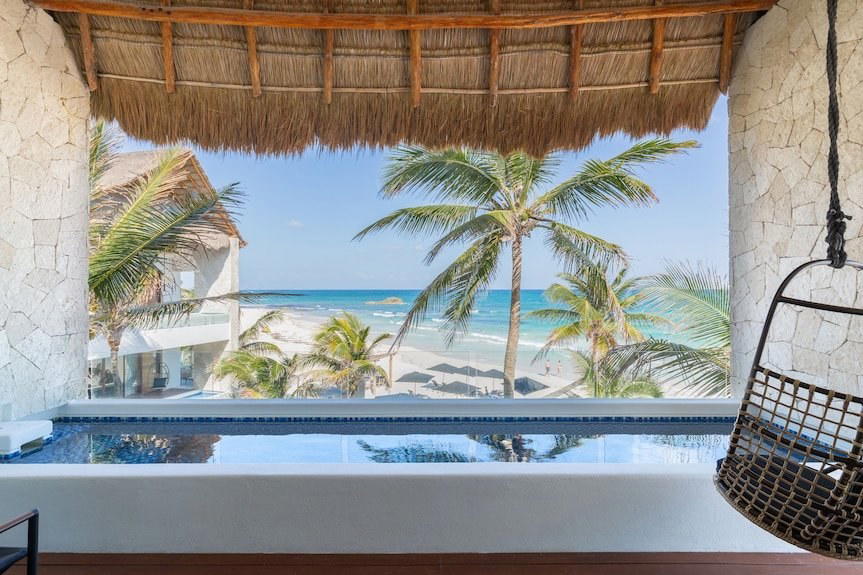
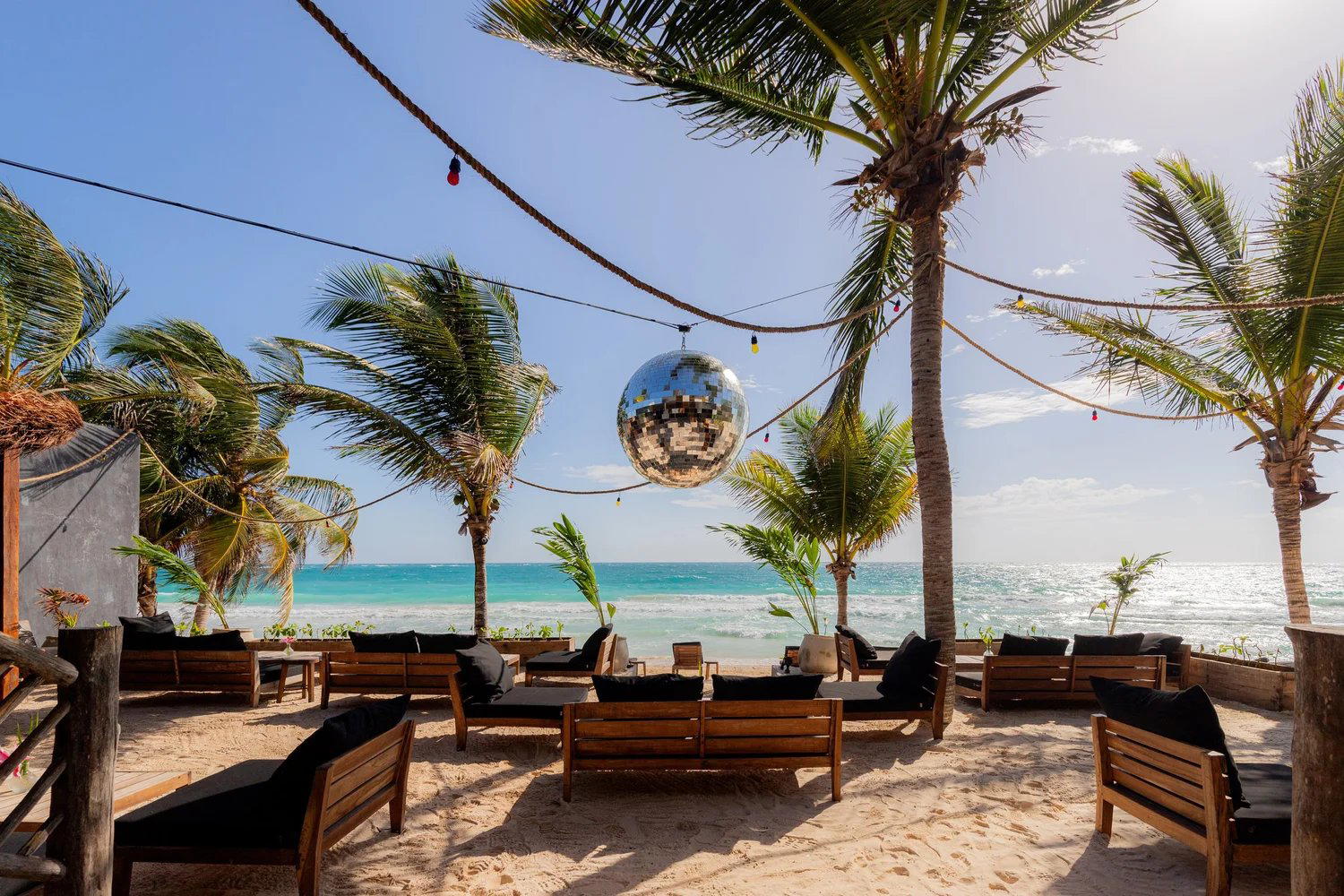
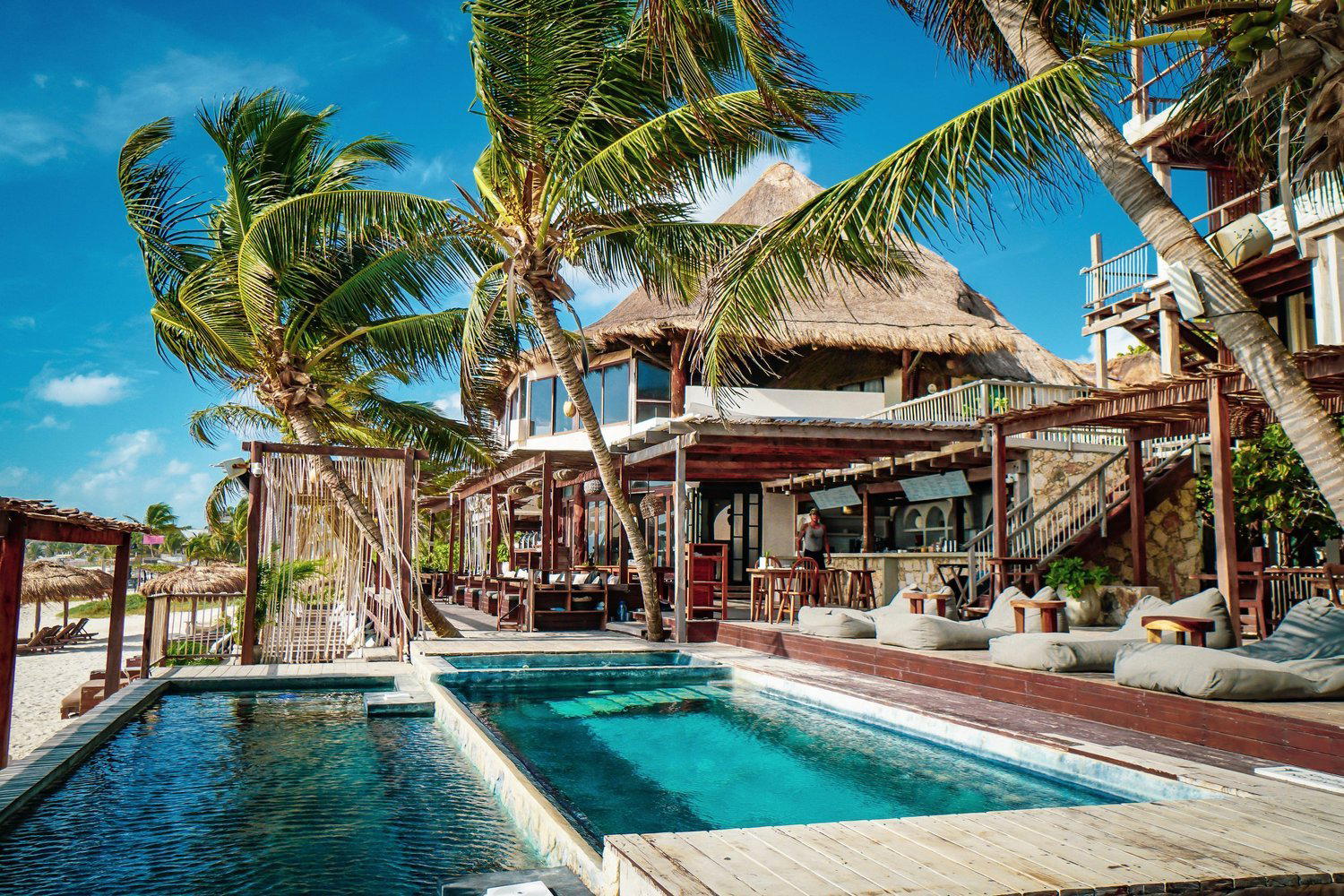
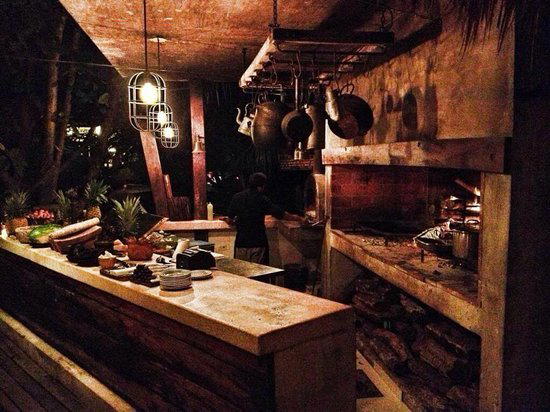
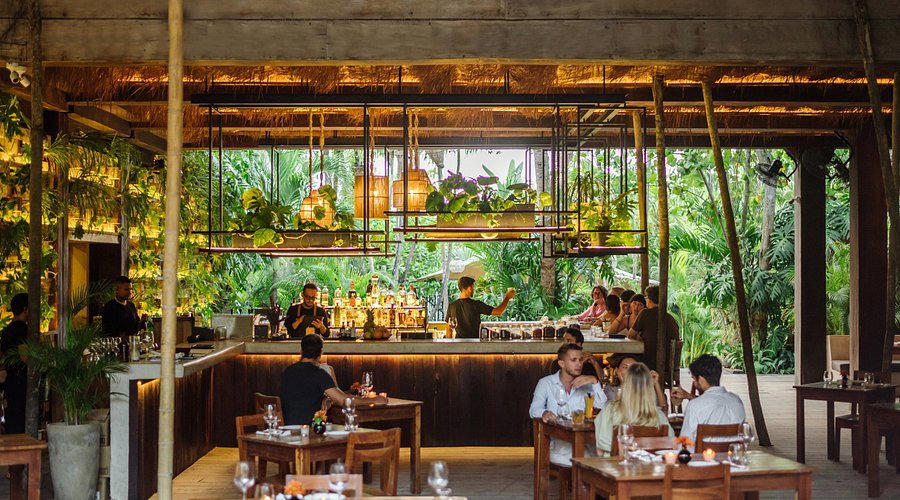
La Zebra sits directly on Tulum's southern hotel zone strip, where the jungle meets the Caribbean, and has earned recognition for its ceviche program among the beach club and dining options along Carr. Tulum-Boca Paila. It occupies the kind of barefoot-luxe position that defines this stretch of coast, where sand-floor dining and serious food share the same real estate.
Pearl is the En Primeur Club membership app — saves, bookings, and concierge access live there. Same editors, same standards.
- Address
- Carr. Tulum-Boca Paila 800, Tulum Beach, Zona Hotelera, 77780 Tulum, Q.R.
- Phone
- +1 303-952-0595
- Website
- lazebratulum.com
- Directions
- Get directions
 Saves & bookings on Pearl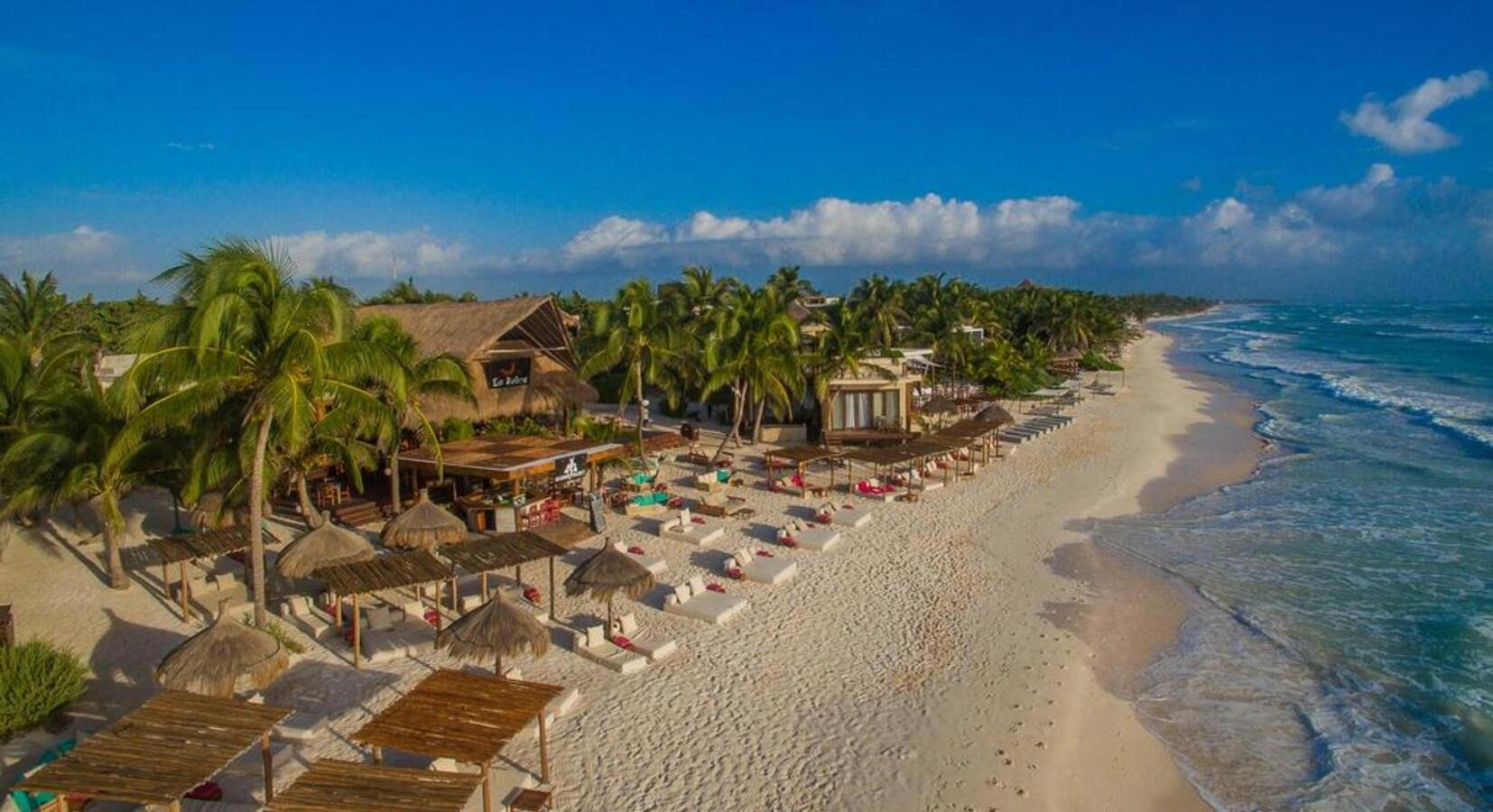
Where the Hotel Zone Ends and the Beach Begins
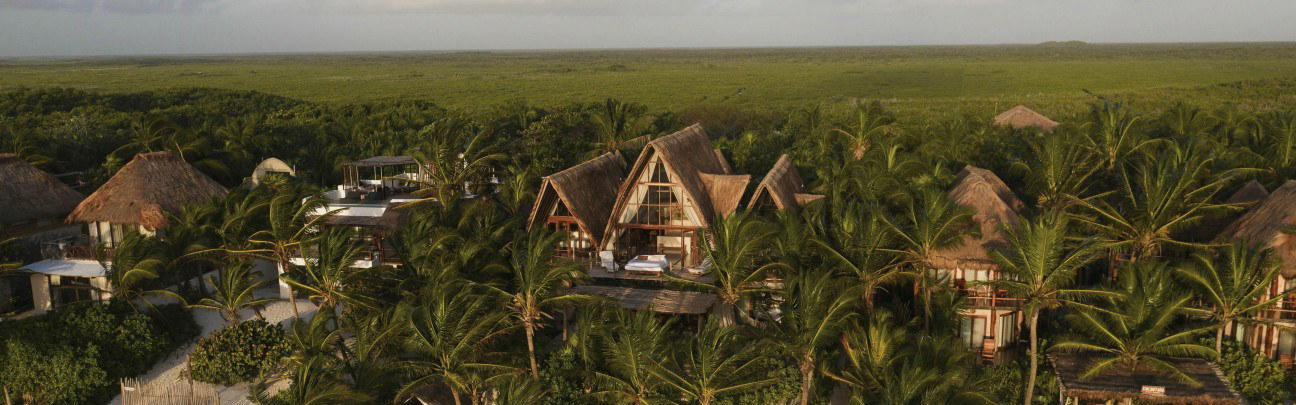
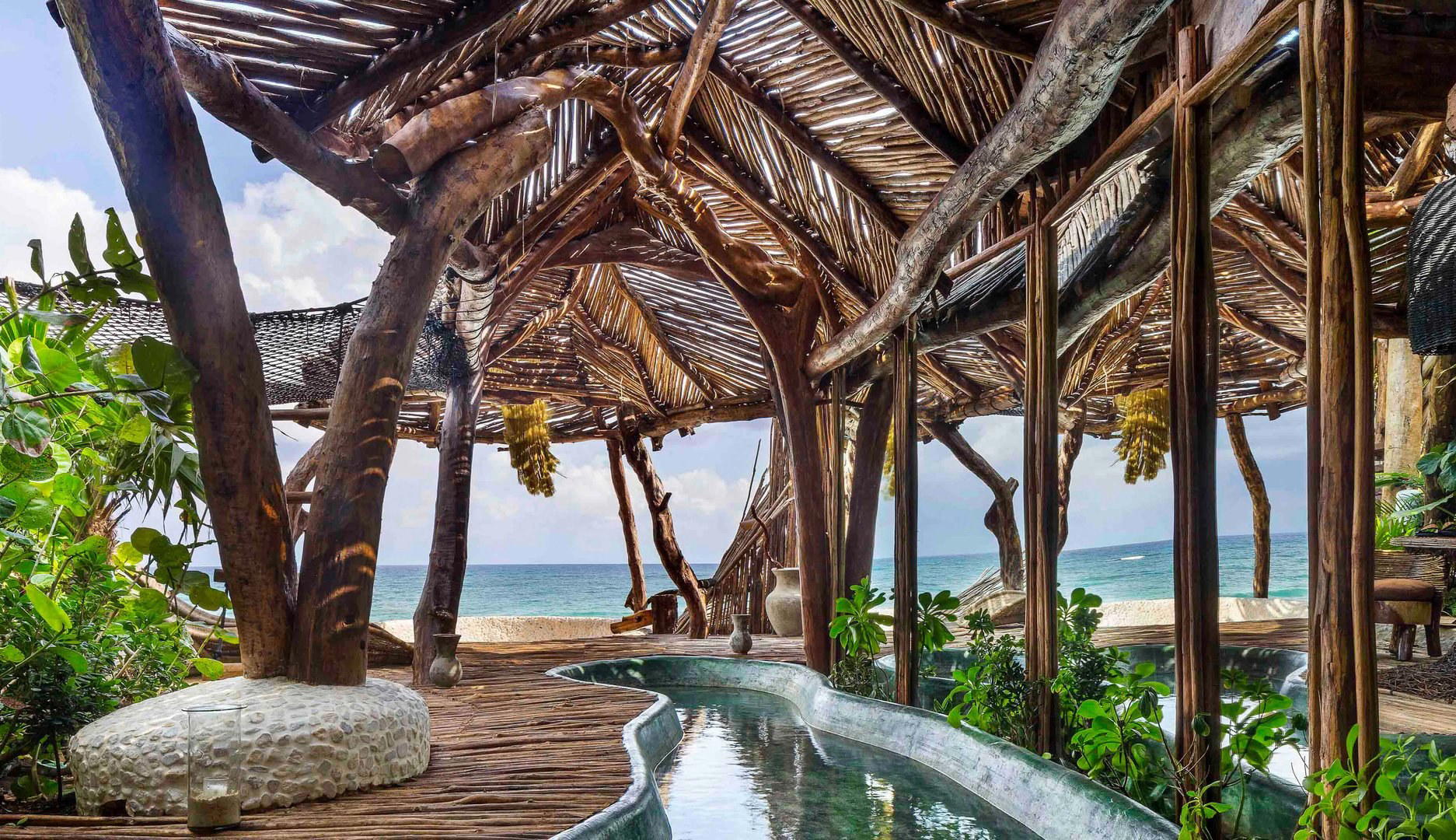
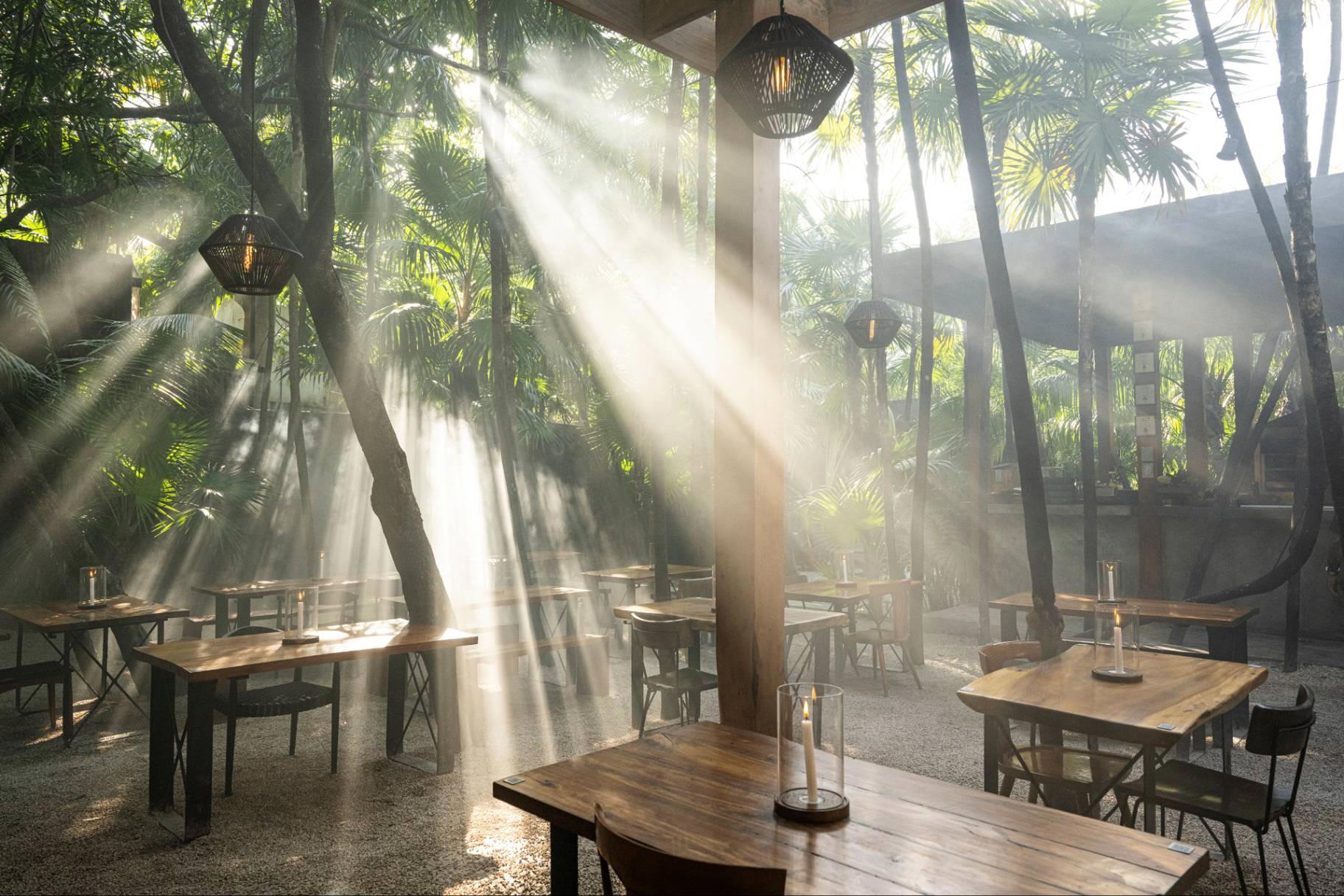
The southern stretch of Carr. Tulum-Boca Paila operates by its own logic. Past the cluster of wellness hotels and concept boutiques that define the northern hotel zone, the road narrows and the properties thin out. This is where La Zebra sits, at address 800 on that same road, at a point where the distinction between restaurant, beach club, and hotel collapses into a single continuum. The Yucatán jungle presses in from the west; the Caribbean opens up to the east. That geography shapes everything about how a meal here feels.
Tulum's hotel zone has always attracted a particular kind of traveler who wants the Caribbean within arm's reach but prefers a smaller, design-conscious property to the resort corridors of Cancún or Playa del Carmen. Along this strip, properties like Azulik, Hotel Esencia, and Casa Malca each stake out a distinct position. La Zebra has built its identity around beach accessibility and food, which in Tulum's context means leaning into the ceviche and coastal Mexican register that this coastline has always done well, rather than chasing the tasting-menu format that some of the zone's higher-end dining rooms have pursued.
The Ceviche Argument
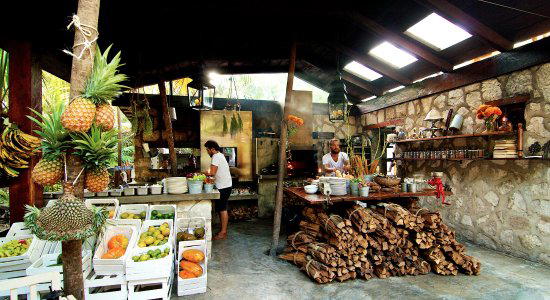
In a destination where food programs often serve as secondary amenities to accommodation or nightlife, La Zebra has separated itself through its ceviche. The Yucatán Peninsula's proximity to the Gulf and the Caribbean means the raw-fish tradition runs deeper here than in Mexico's interior: habanero, citrus, and fresh catch form a culinary vocabulary that predates Tulum's international profile by generations. The hotel's recognition for ceviche places it inside a specific conversation about how beach dining on this coast can carry genuine culinary weight rather than trading purely on atmosphere and location.
That distinction matters in Tulum's current context. The hotel zone has accumulated a significant number of dining rooms aimed at the international visitor who expects global reference points, whether Japanese omakase, Peruvian-inflected ceviches, or Mediterranean spreads. Within that range, a program that draws directly from regional Yucatecan and coastal Mexican traditions occupies a different register, one that connects the location to its actual culinary geography rather than importing a format from elsewhere.
The Hotel Zone Strip and What It Means for a Visit
Understanding where the hotel sits on Carr. Tulum-Boca Paila is useful context before you arrive. The hotel zone runs south from the Tulum ruins, and the character of the strip shifts as you move further from the main pueblo. Properties closer to the ruins cluster around a denser, more trafficked stretch. Address 800 on Boca Paila puts the hotel in a quieter section of the zone, where the beach tends to be less crowded than the stretches immediately adjacent to the more prominent hotels, and where the pace of arrival and departure is less compressed.
Access is primarily by car or taxi from the Tulum pueblo, which sits a few kilometres inland. Travellers based at nearby properties like Encantada Tulum, Copal Tulum Hotel, Hotel Bardo, or Bespoke Tulum are within the same strip and can reach the hotel without returning to the town. For those based at Amansala Resort, the same logic applies.
Seasonal Timing on This Coast
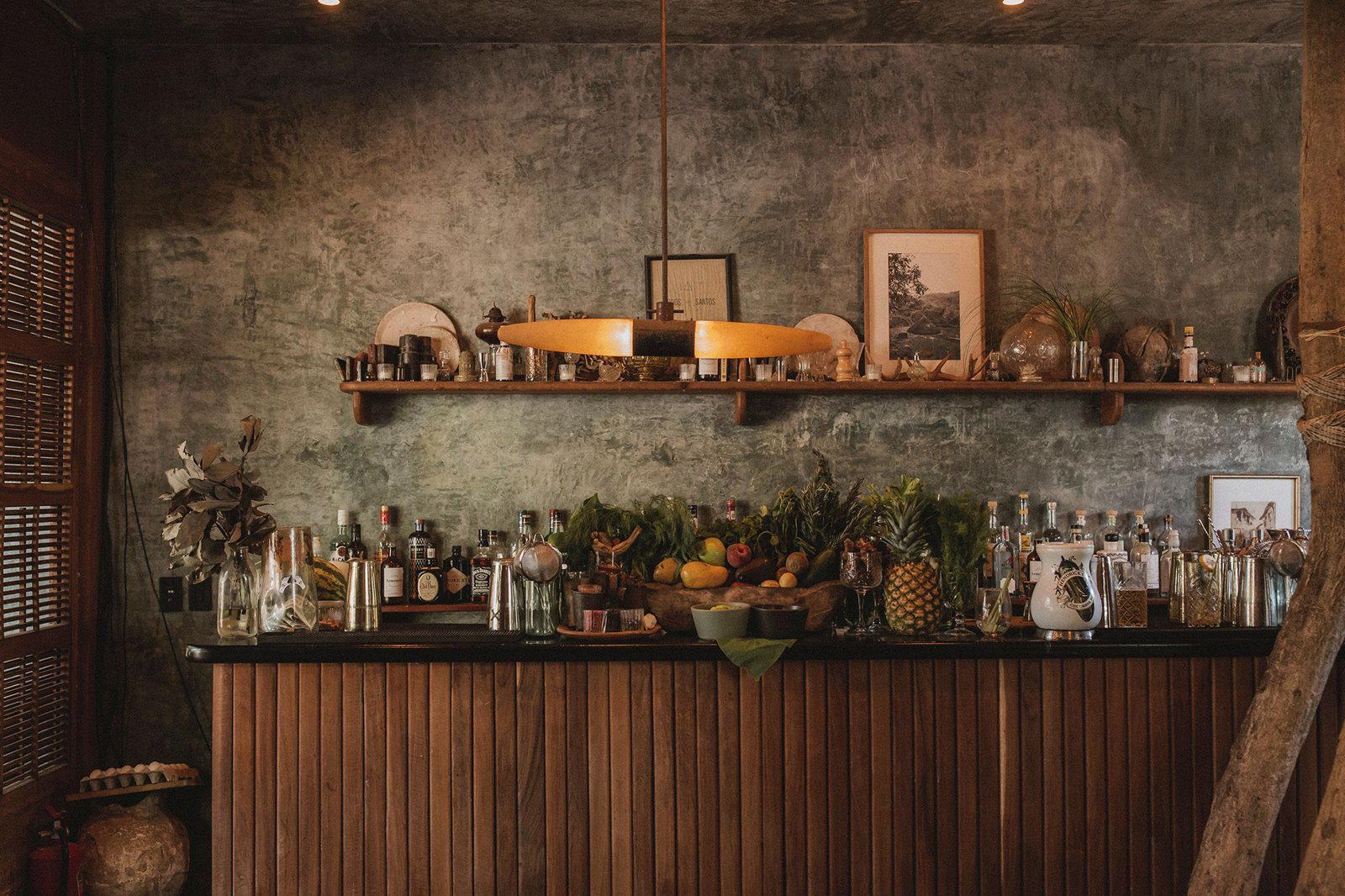
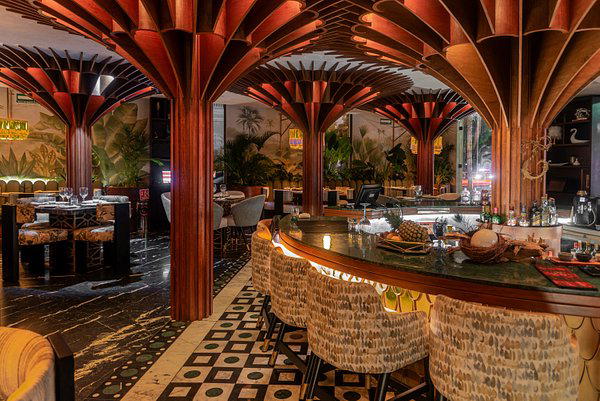
Tulum's peak window runs from late November through March, when the Caribbean side of the Yucatán Peninsula benefits from lower humidity and reduced rainfall. During this period, the hotel zone operates at near-capacity, and beach-facing venues like La Zebra draw visitors who want to spend most of the day close to the water. The late afternoon to early evening window on this stretch tends to produce particularly favorable light conditions, with the sun descending over the jungle rather than directly into sightlines from the beach, which makes the western-facing interior spaces more comfortable than you might expect for a beachfront property at that hour.
The shoulder months of April through May and October through November offer a different calculation: lower occupancy on the strip, more negotiable access to beach space, and the possibility of afternoon rainstorms that clear quickly and leave the air noticeably cooler. For a meal centered on raw preparation and citrus-forward dishes, the cooler dry-season months represent the natural peak for both the food and the setting.
How La Zebra Fits the Broader Mexican Coastal Scene
Tulum is not the only place on Mexico's Pacific and Caribbean coasts developing a serious argument for destination dining. Properties along the Riviera Nayarit, at One&Only; Mandarina and Four Seasons Resort Punta Mita, or further south at Xinalani in Quimixto, have built dining programs that anchor their guest experience. On the Caribbean side, Maroma in Riviera Maya and Etéreo, Auberge Resorts Collection at Punta Maroma represent a higher price tier with correspondingly polished food programs.
The hotel positions itself below that top tier in terms of formality and infrastructure, which is exactly the point. The beach club and hotel-zone format it operates within is less about tasting menus and more about a meal that is paced by the tides and the afternoon heat. Within that format, the ceviche recognition it has earned gives it a culinary credibility that most properties at its positioning level do not maintain. For those building a broader Mexican itinerary across luxury coastal properties, it is worth noting that the Yucatán's culinary conversation extends inland as well, to properties like Chablé Yucatán in Merida, where the regional kitchen operates in a more formal register.
Planning a Visit
The hotel is located at Carr. Tulum-Boca Paila 800, on Tulum Beach in the Zona Hotelera. Reaching it requires ground transport from the Tulum pueblo or from another hotel on the strip.
Similar Picks
Comparable venues nearby, for context on price, style, and recognition.
| Venue | Cuisine | Price | Notes |
|---|---|---|---|
| La ZebraThis venue — the venue you are viewing | barefoot luxury beachfront boutique | $$$$ | Not listed |
| Mezzanine | Luxury boutique beachfront resort emphasizing intimate scale and personalized service with Caribbean elegance. | $$$$ | Tulum |
| Azulik | Eco-conscious treehouse resort integrated with jungle and sea. | $$$$ | Tulum |
| Copal Tulum Hotel | Sustainable luxury boutique aparthotel blending contemporary comfort with jungle-inspired design and wellness-focused hospitality. | $$$$ | Tulum |
| La Valise Tulum | Artisanally-crafted beachfront villas blending jungle and sea. | $$$$ | Tulum |
| Nobu Hotel Tulum | Luxury lifestyle resort with residences and event-oriented amenities. | $$$$ | Riviera Maya |
Recognition history
Dated appearances from independent guides and award organizations, with the underlying list record or original source where available.
Michelin Selected
Michelin
Small Luxury Hotels of the World Member
Small Luxury Hotels of the World
At a Glance
- Bohemian
- Trendy
- Romantic
- Scenic
- Elegant
- Romantic Getaway
- Family Vacation
- Wellness Retreat
- Weekend Escape
- Beachfront
- Infinity Pool
- Private Villa
- Rooftop Pool
- Destination Spa
- Panoramic View
- Wi Fi
- Pool
- Spa
- Room Service
- Concierge
- Beach Access
- Restaurant
- Bar
- Garden
- Waterfront
- Garden
- Wi Fi
- Pool
- Spa
- Room Service
- Concierge
- Beach Access
- Restaurant
- Bar
- Garden
Laidback barefoot beach luxury with lively yet relaxed atmosphere, featuring ocean views, live music on themed nights, and a convivial beach club vibe.