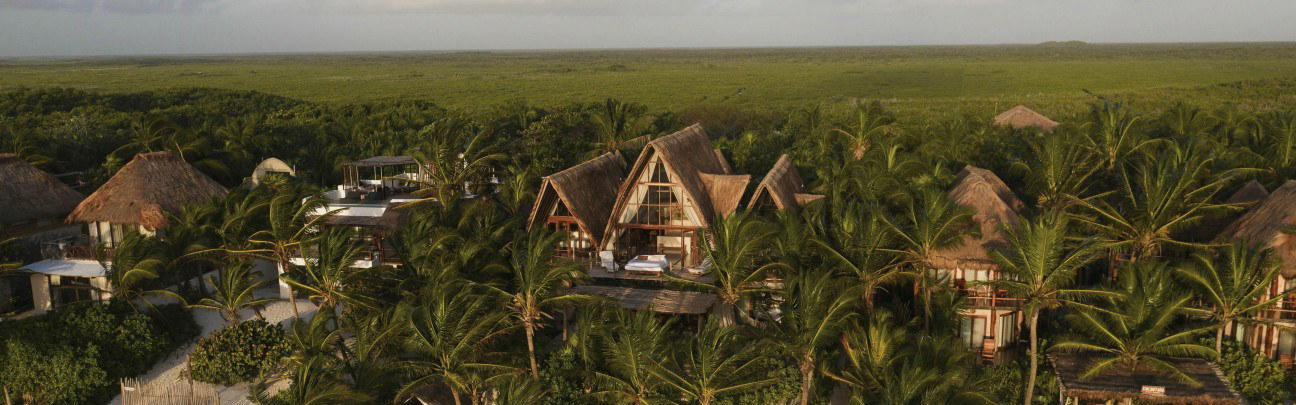
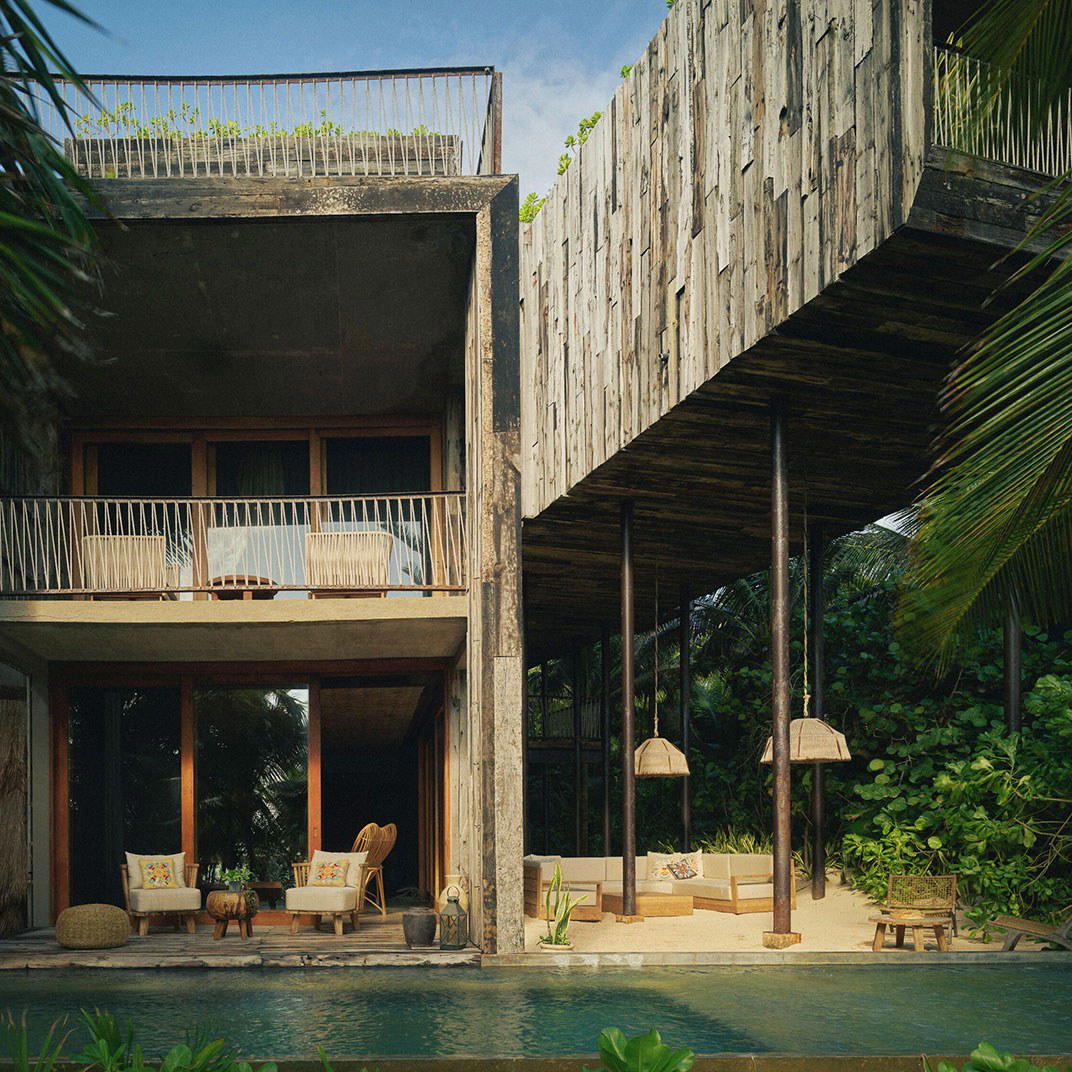
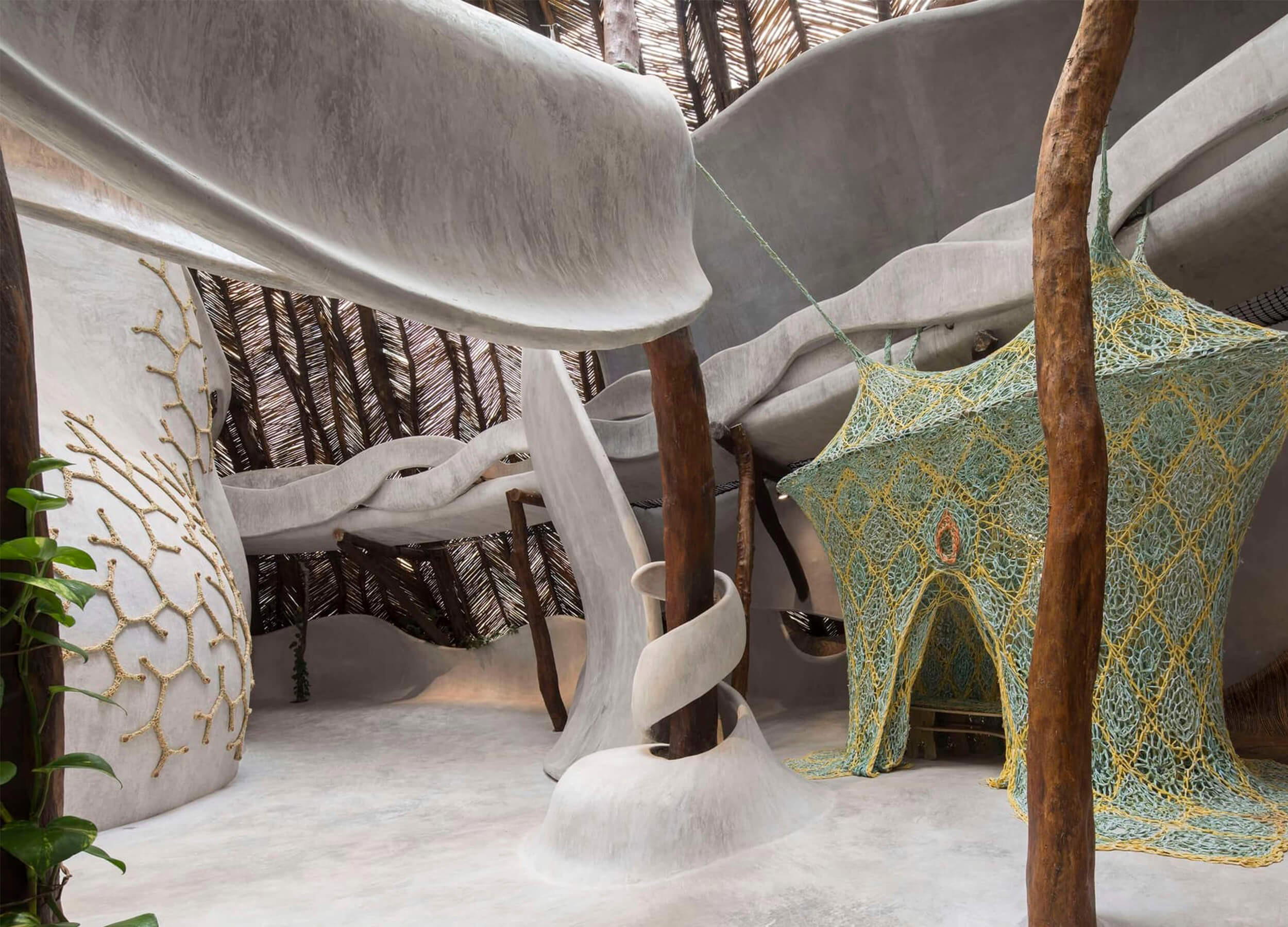
Orchid House Tulum sits within Aldea Zama, the planned residential and hotel district that separates Tulum town from the beach zone. The property joins a Tulum accommodation tier defined by design restraint, environmental sensitivity, and limited keys rather than scale. Guests drawn to the Yucatán Peninsula's slower, jungle-framed pace find a base that positions them close to cenotes, ruins, and the beach road without the noise of the hotel strip.
Pearl is the En Primeur Club membership app — saves, bookings, and concierge access live there. Same editors, same standards.
- Address
- Aldea Zama 77760, 77760 Tulum, Q.R., Mexico
- Phone
- +52 386 900 0553
- Website
- orchidhousehotels.com
- Directions
- Get directions
 Saves & bookings on Pearl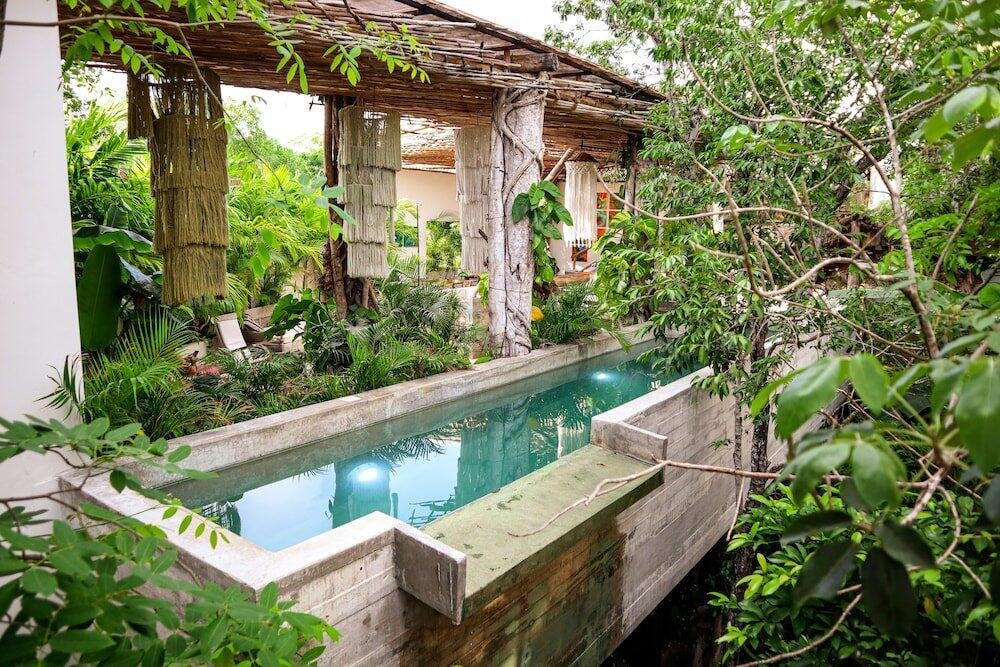
Aldea Zama and the Architecture of Tulum's Middle Ground
Tulum's hospitality has fractured into distinct tiers over the past decade. The beach road south of the ruins concentrates frequently photographed properties, where thatch canopies and ocean-facing terraces command a significant premium and noise from beach clubs carries well into the evening. Further inland, Aldea Zama emerged as a planned district that offers structured streets, easier vehicle access, and proximity to both the town centre and the coastal strip without full immersion in either. Orchid House Tulum sits within this zone, which has attracted a cohort of boutique properties appealing to travellers who want the Tulum aesthetic without the logistical friction of the beachfront corridor. Neighbours in the broader Aldea Zama area include Bespoke Tulum and Encantada Tulum, both of which occupy a similar position in the market: design-conscious, independently operated, and smaller in scale than the resort-style properties that dominate the beachfront.
That inland positioning has practical consequences. The cenotes of the Tulum biosphere reserve are accessible by car or taxi in under thirty minutes from Aldea Zama. The Tulum archaeological zone sits close enough for an early-morning visit before the tour groups arrive. And the town's restaurant scene is walkable or a short ride away.
Sustainability as the Operating Logic of Tulum Luxury
The sustainability conversation in Tulum is not optional for properties that want to hold credibility with the market segment most likely to book them. The destination's ecological context, a fragile cenote system fed by one of the world's largest underground river networks, and a coastline under sustained development pressure, means that environmental positioning has moved from marketing add-on to baseline expectation. Properties in the Aldea Zama area and along the beach road have responded with varying levels of seriousness: some limit single-use plastics, others pursue deeper interventions in water management, waste handling, and construction materials.
The broader pattern in Tulum's premium tier has moved toward natural materials in construction and interiors, low-chemical pool and cenote management, and partnerships with local ecological organisations. Azulik, among the more architecturally distinctive properties on the beach road, has built a public identity around zero-waste and biophilic design principles. Hotel Esencia, further north on the coastal strip, operates within a private nature reserve that shapes its environmental commitments. These cases define the upper register of Tulum's sustainability tier. Orchid House Tulum, positioned in Aldea Zama, operates within this same expectation environment, where guests researching the destination have been conditioned by the broader Tulum conversation to expect responsible practices as a default rather than a differentiator.
Chablé Yucatán near Merida has built its identity around a working hacienda model with agricultural and ecological roots. Etéreo, Auberge Resorts Collection at Punta Maroma uses design language that references the natural systems of the Riviera Maya rather than imposing on them. The trajectory across the region is consistent: environmental credibility has become the entry ticket, not a distinguishing feature.
Tulum's Design-Led Boutique Tier: Where Orchid House Sits
Tulum accommodations separate along two primary axes: beach access and scale. The highest-profile properties on the beach road, places like Casa Malca and Amansala Resort, trade on direct sand access and established reputations built over a decade or more. Inland properties compete differently: on architecture, privacy, vegetation density, pool quality, and the quality of the immediate neighbourhood environment. Aldea Zama's planned infrastructure gives properties there a functional advantage over more remote jungle-road addresses, where unpaved access and distance from services create operational constraints.
The boutique tier that Orchid House occupies is characterised by limited room counts, design coherence, and a guest profile that tends to prioritise considered environments over resort amenities. This is a cohort that shares research habits and booking platforms with properties like Hotel Bardo and Copal Tulum Hotel, where the physical environment is the primary product and food and beverage offerings are secondary but still expected to reflect the same values. Xinalani in Quimixto and Las Alamandas on the Costalegre represent the same model applied to more remote Pacific coast settings: design-led, ecologically aware, and operating well outside the resort-amenity arms race.
Planning Your Stay: Access, Timing, and Positioning
Tulum's nearest international gateway is Cancún International Airport, approximately 130 kilometres north, with transfers typically running ninety minutes to two hours depending on traffic conditions and the season. The Riviera Maya corridor between Cancún and Tulum moves slowly during peak season (December through March) and during the Semana Santa period, so arrival timing matters. A second option is the smaller Felipe Carrillo Puerto airport, though international connectivity there remains limited. Tulum's own airport, under phased development, will eventually reduce transfer times significantly, but at the time of writing that infrastructure remains incomplete.
The dry season, running roughly from November through April, is when demand is highest and advance booking is most consequential. Aldea Zama properties, including those in Orchid House's immediate neighbourhood, fill earlier than visitors sometimes expect because the district's supply is constrained relative to the volume of interest the destination generates. The green season (May through October) brings lower rates, fewer crowds at the cenotes and ruins, and afternoon rains that rarely last more than an hour or two and keep the vegetation at its most intense.
Maroma and further to One&Only; Mandarina in Riviera Nayarit on the Pacific coast. Those planning multi-destination trips across Mexico also compare Tulum stays against properties in Mexico City, San Miguel de Allende, and Los Cabos, where Las Ventanas al Paraíso, Montage Los Cabos, and Zadun, A Ritz-Carlton Reserve anchor a more developed luxury infrastructure.
Price Lens
Comparable venues nearby, for context on price, style, and recognition.
| Venue | Cuisine | Price | Awards | Notes |
|---|---|---|---|---|
| Orchid House TulumThis venue — the venue you are viewing | Not listed | $$$$ | 5-Star | Not listed |
| Una Vida Tulum | Not listed | $$$$ | 5-Star | Tulum City Center, Tropical jungle oasis with indoor-outdoor living. |
| Hotel Bardo | Not listed | $$$$ | 5-Star | Tulum, Contemporary Mexican eco-luxury design seamlessly integrated with Mayan jungle environment, emphasizing spiritual transformation and mindfulness. |
| Casa Malca | Not listed | $$$$ | 5-Star | Tulum, Art-filled beachfront boutique with eclectic luxury suites. |
| Layla Tulum | Tulum, Moroccan riad reimagined in Tulum | $$$$ | 5-Star | Not listed |
| BE Destination Tulum | Not listed | $$$$ | 5-Star | Tulum, Boutique beachfront resort where luxury merges seamlessly with nature. |
Continue exploring
More in Tulum
Hotels in Tulum
Browse all →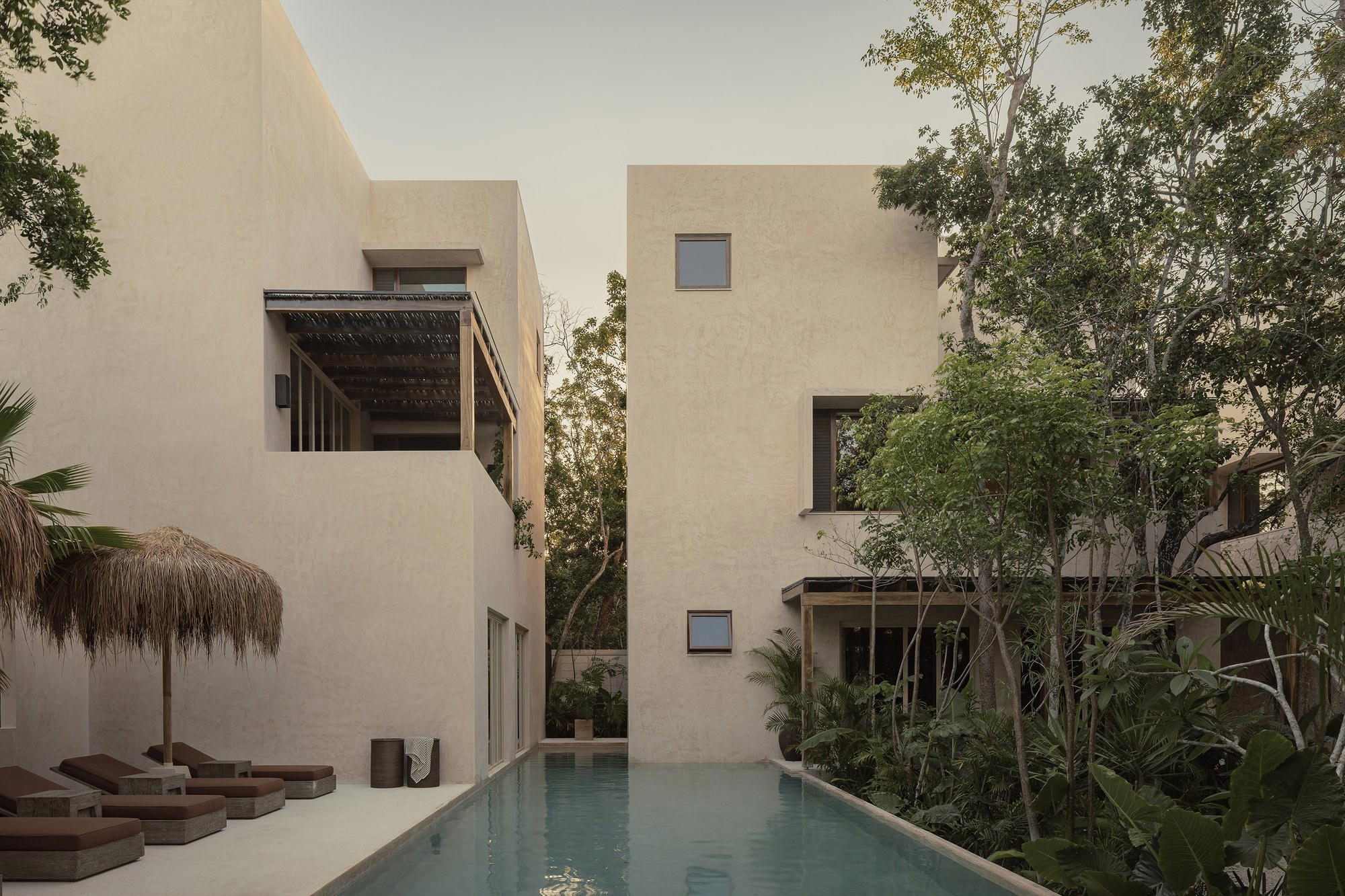
Bars in Tulum
Browse all →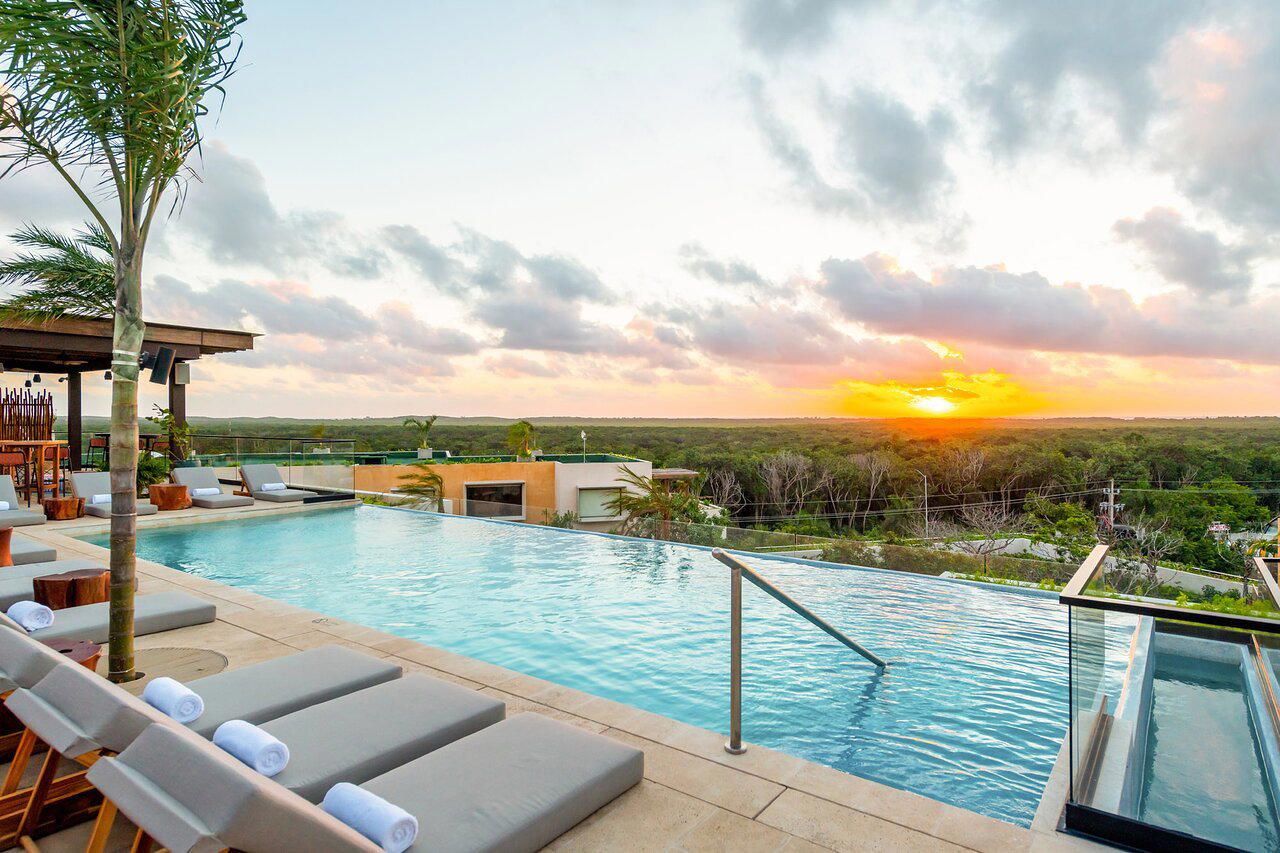
Restaurants in Tulum
Browse all →
At a Glance
- Bohemian
- Romantic
- Intimate
- Trendy
- Romantic Getaway
- Honeymoon
- Wellness Retreat
- Weekend Escape
- Beachfront
- Infinity Pool
- Wi Fi
- Pool
- Spa
- Room Service
- Concierge
- Beach Access
- Garden
- Wi Fi
- Pool
- Spa
- Room Service
- Concierge
- Beach Access
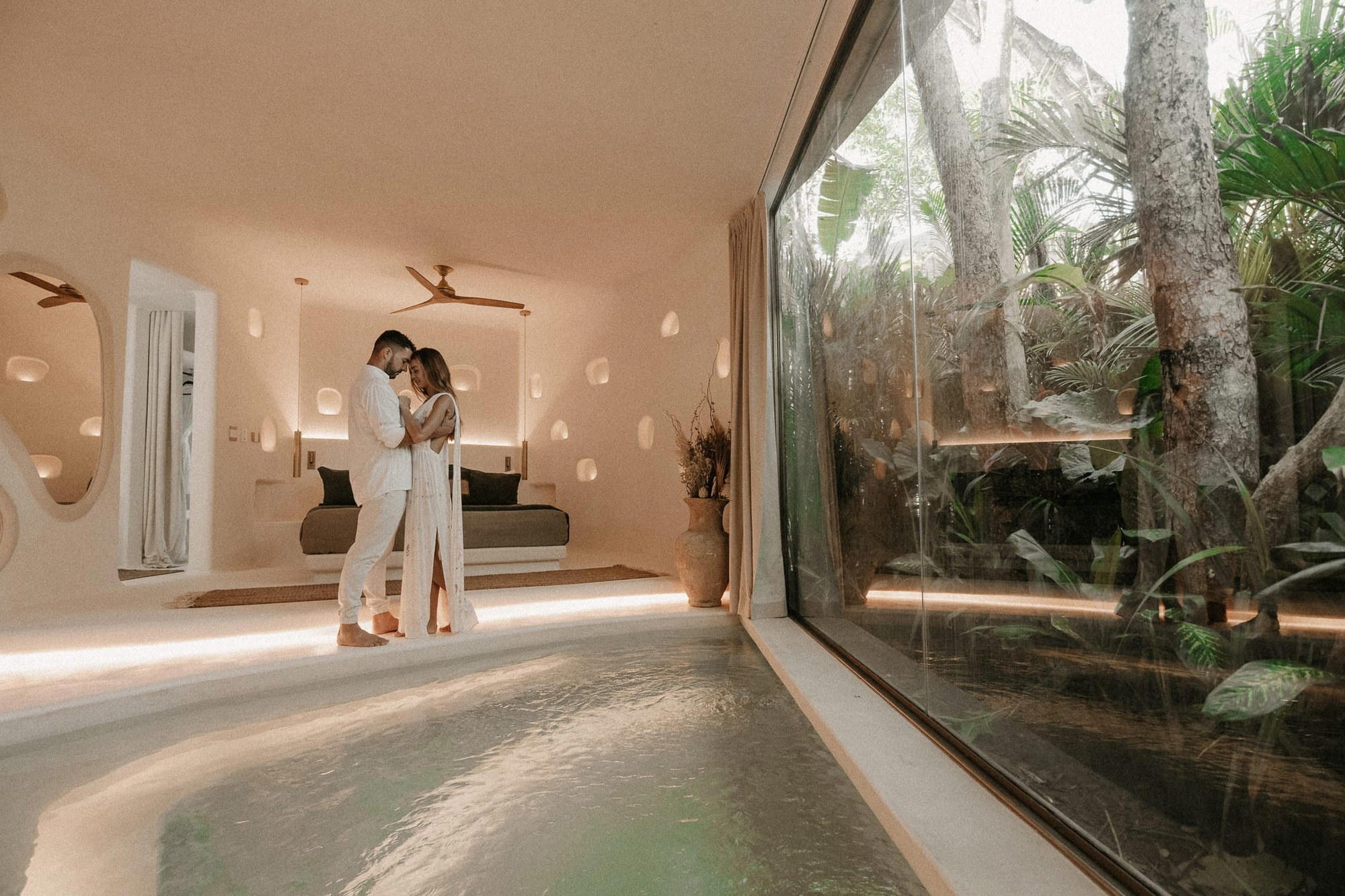
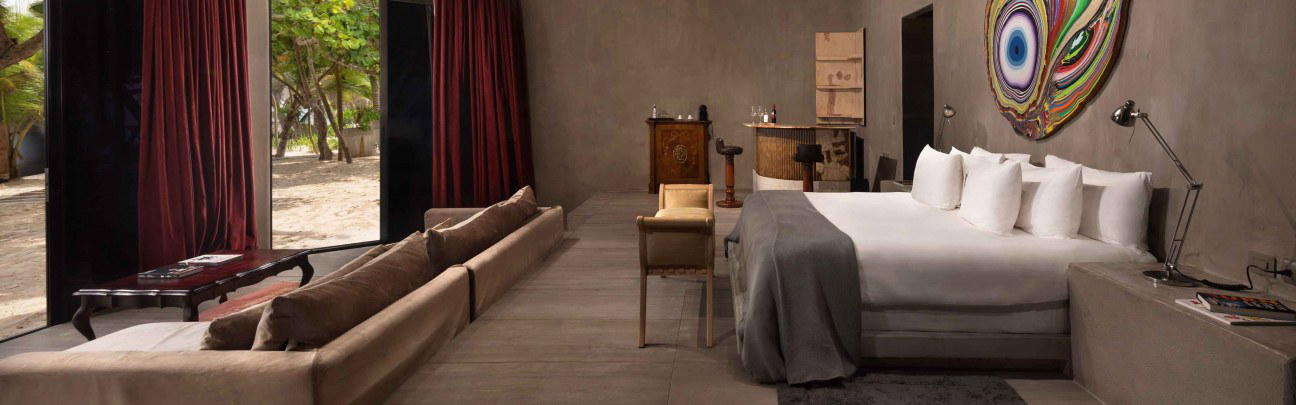
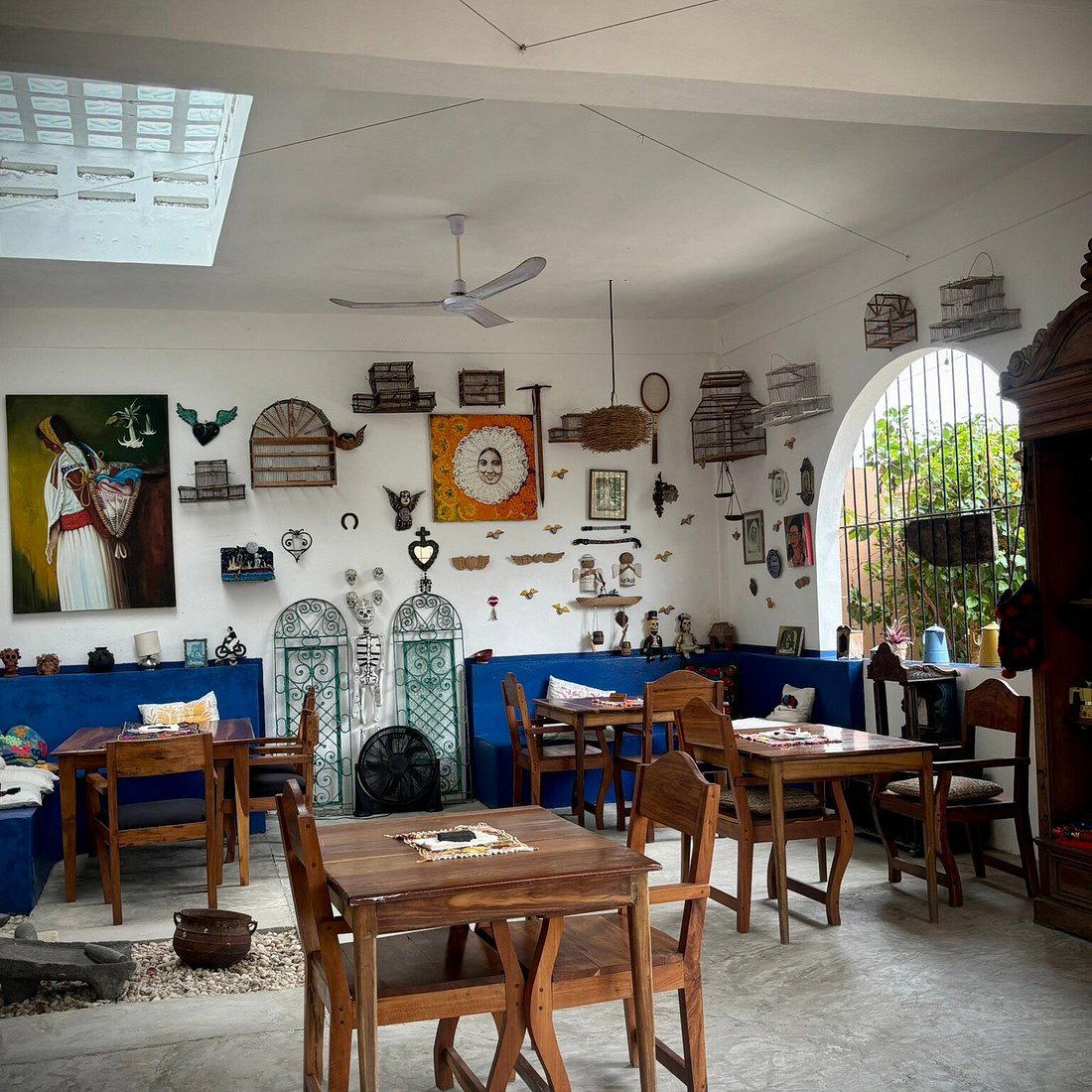
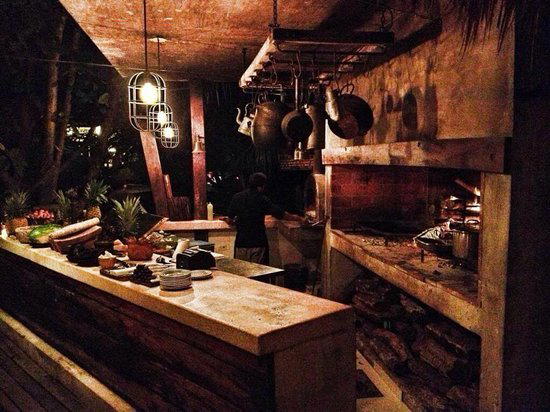
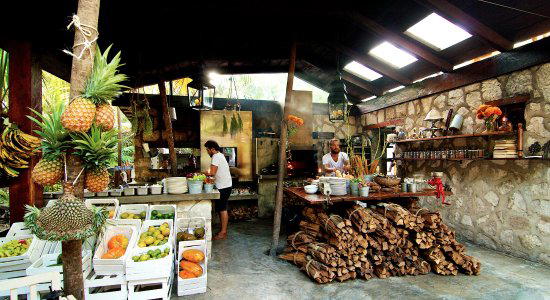
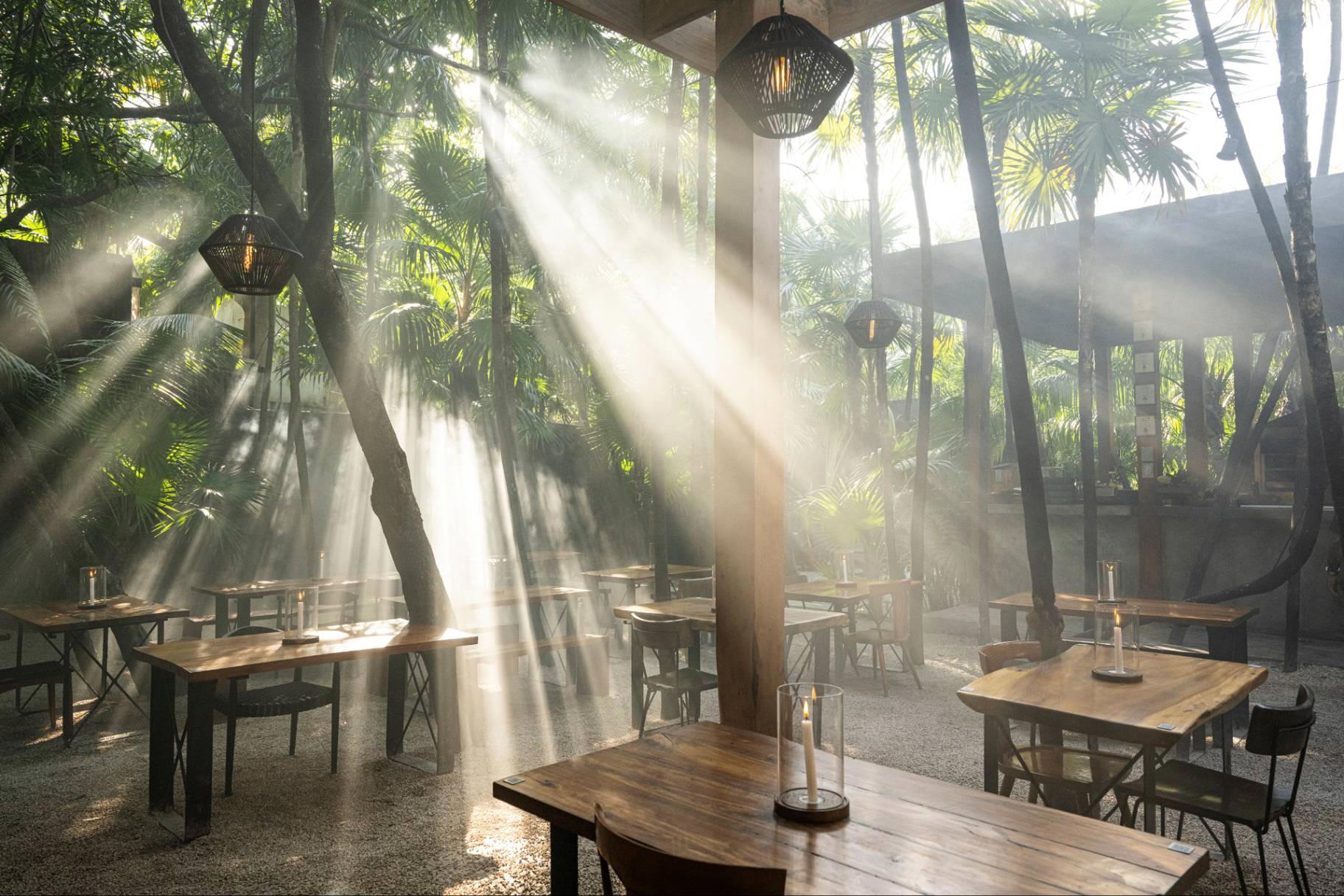
Peaceful and charming bohemian atmosphere with lush jungle surroundings, natural materials, and relaxing poolside vibes.