Where the Zona Hotelera Meets the Glass Tulum's beach road south of town follows a particular logic: the further you travel from the 307 junction toward Boca Paila, the more the venue format shifts from street-level taquería and rooftop bar to open-air beach club, where the structure of a day drink is built into the layout before a single order is placed. Amansala Beach Club sits at km 7.5 on that corridor, at a point where the Caribbean side of the strip is dense with properties that compete less on cuisine than on how well they integrate sea, shade, and something cold in a glass. In this stretch of the Zona Hotelera, a beach club's cocktail program functions as its editorial voice — the thing that distinguishes an afternoon at one property from an identical-looking one fifty metres down the sand. The Beach Club Cocktail Tradition Along the Tulum Strip Across the km 5 to km 10 stretch of Tulum's hotel zone, drink programs have evolved considerably from the aguas frescas and rum-punch defaults that once defined beach clubs across the Yucatán coast. The current tier of Zona Hotelera operations tends to work with Mexican spirits as a baseline — mezcal from Oaxacan producers, tequila blanco as a mixer rather than a shooter, and regional fruit like tamarind, hibiscus (jamaica), and mamey as the flavour architecture rather than the garnish. This approach mirrors what has happened at the more critically discussed end of Tulum's bar scene: venues like Arca and Azulik Uh May have pushed local-ingredient logic into the glass alongside the plate, and that thinking has filtered down into beach club programming across the strip. At beach clubs operating in this format, the drinks tend to be built for a specific consumption context: heat, humidity, an open sky, and a guest who is horizontal rather than perched at a counter. That means longer builds, more ice, lighter alcohol architecture, and a visual language that reads well in natural light. Whether Amansala's program leans toward that restrained, produce-forward style or toward the louder tropical-fruit presentation common at higher-volume beach clubs along the same road is something that shifts with the season and with management decisions that are not fixed in the public record. Placement Within the Tulum Beach Club Tier Tulum's beach club scene occupies a specific tier within Mexican coastal hospitality, above the municipal beach day-trip economy of Cancún and below the ultra-resort model of Los Cabos. The Zona Hotelera properties, Amansala among them, operate in a middle register that attracts a mix of international travellers staying on-property and visitors from Tulum pueblo who make the trip down the coastal road for an afternoon. This dual audience shapes the programming at most km 5-10 venues: the drink list needs to hold its own against what guests have encountered at Casa Jaguar or elsewhere in town, while remaining accessible enough to function as a beach afternoon rather than a seated tasting experience. The comparison set for a beach club at this address is less about fine dining peers and more about the rhythm-and-retreats circuit: properties that attract wellness travellers, yoga retreat guests, and the broader community of visitors who are in Tulum for days rather than hours and who will judge a venue across multiple visits in a single stay. Amansala has historically been associated with that wellness-retreat segment of Tulum tourism, which tends to shape what appears on a drinks menu, lower-sugar builds, fresh juice bases, and a higher likelihood of non-alcoholic alternatives than you would find at the louder party-beach end of the strip. How This Fits the Wider Mexican Bar Scene Tulum's drink culture sits in an interesting position relative to the rest of Mexico's bar geography. The classic agave-focused bar tradition runs through venues like La Capilla in Tequila, a counter that has been pouring the Batanga since the 1940s and represents the deep-roots end of Mexican drinks culture. On the other end of the spectrum, urban cocktail programs in cities like Guadalajara (see El Gallo Altanero) and Oaxaca (see Sabina Sabe) have developed technically ambitious mezcal-led programs that are in conversation with the global bar scene. Tulum beach clubs occupy a different point on that continuum, more experiential than technical, more anchored in setting than in technique, but the leading operations on the strip draw from the same ingredient vocabulary as their urban counterparts. The Latin American coastal bar comparison extends further: venues like Aruba Day Drink in Tijuana show how beach-format drinking can carry genuine craft intent, and the Cuban-American cocktail tradition at Café La Trova in Miami demonstrates that an atmosphere-first venue does not have to sacrifice drink quality to sustain its room. In Tulum, the same argument holds: the leading beach clubs treat the glass as seriously as the scenery. At the other end of the entertainment scale, Coco Bongo in Cancún represents the high-volume, spectacle-led model that Tulum's Zona Hotelera has largely moved away from, the strip's premium properties, including Amansala's segment of it, trade in a quieter, more considered register. For visitors who want to see how the beach club model sits against Tulum's broader food-and-drink offering, Burrito Amor and Bekeb in San Miguel de Allende represent the street-casual and interior-Mexico ends of the Mexican drinks conversation, useful reference points for understanding what makes the Tulum beach format its own distinct category. Our full Tulum restaurants guide maps the wider scene across price tiers and formats. Planning a Visit Amansala Beach Club sits at km 7.5 on the Carr. Tulum-Boca Paila road, in the Zona Hotelera section of Tulum's beach strip. Getting there from Tulum pueblo means either a bicycle ride along the coastal road (the standard local mode of transit on the strip) or a taxi from the town centre. The afternoon timing, roughly from early afternoon through sunset, is when beach clubs along this stretch reach their functional peak, both for the light and for the pace of service. Specific hours, current pricing, and booking requirements are best confirmed directly with the property, as beach club operations in the Zona Hotelera adjust seasonally, with December through March representing the high-traffic period when advance confirmation is worth making. The address, Carr. Tulum-Boca Paila km 7.5, places the venue in the mid-strip zone, past the denser cluster of properties near km 5 and before the quieter reaches approaching Boca Paila. Frequently Asked Questions How would you describe the overall feel of Amansala Beach Club?Amansala sits within the wellness-leaning segment of Tulum's Zona Hotelera, a stretch of the beach road where the atmosphere skews quieter than the party-forward venues closer to the town junction. The km 7.5 address places it in a mid-strip position that attracts guests looking for a slower pace, more in line with the retreat culture Tulum built its reputation on than with the high-volume beach club model further north toward Cancún.What should I try at Amansala Beach Club?As a general orientation: beach clubs in Tulum's Zona Hotelera that operate in the wellness-retreat segment tend to work with fresh juice bases, Mexican spirits, and regional fruit flavours as their drink foundation, which is a reasonable frame for what to expect here. Cross-referencing with the experience at nearby venues like Arca gives useful context for the ingredient vocabulary common across Tulum's higher-consideration drink programs.What should I know about Amansala Beach Club before I go?The km 7.5 address on the Carr. Tulum-Boca Paila road means a taxi or bicycle ride from Tulum pueblo is the standard mode of access, there is no direct walkable route from town. Seasonal variation is significant on the Tulum strip: the December-to-March high season brings higher occupancy across the Zona Hotelera, and confirming hours and any reservation requirements before travelling down the beach road saves a wasted trip. Current pricing is not fixed in the verified public record and should be confirmed directly.Is Amansala Beach Club suitable for a full-day visit rather than just drinks?Beach clubs in Tulum's Zona Hotelera typically structure their programming around a longer day format rather than a quick stop, the km 7.5 stretch of the strip is oriented toward guests who arrive mid-morning and stay through sunset rather than those making a brief visit. Amansala's historical association with the wellness-retreat segment of Tulum tourism suggests a pace and format that supports extended stays. Specific day-pass policies, food availability, and any minimum spend requirements are details that shift seasonally and should be confirmed directly with the property before arrival.

Pearl is the En Primeur Club membership app — saves, bookings, and concierge access live there. Same editors, same standards.
- Address
- Carr. Tulum-Boca Paila km 7.5, Tulum Beach, Zona Hotelera, 77780 Tulum, Q.R., Mexico
- Phone
- +52 984 210 4398
- Website
- instagram.com
- Directions
- Get directions
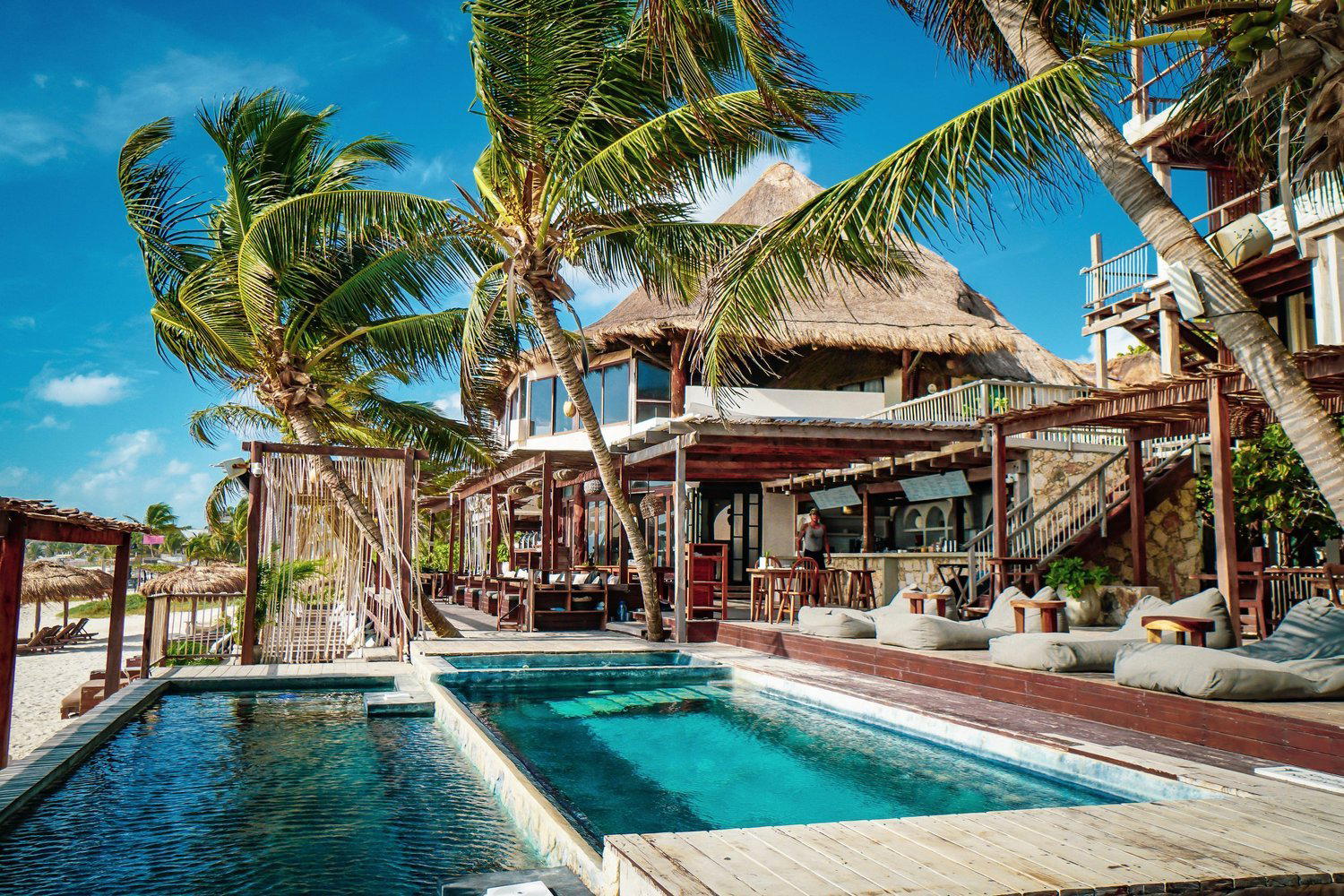
Where the Zona Hotelera Meets the Glass
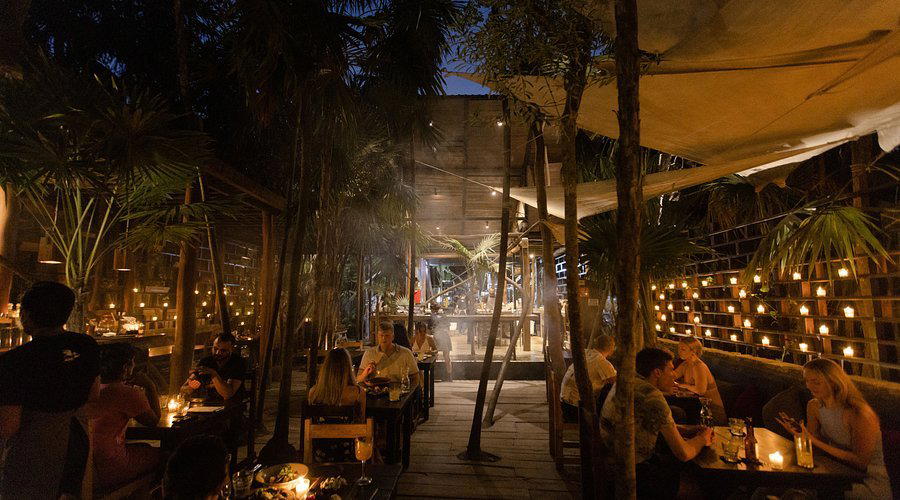
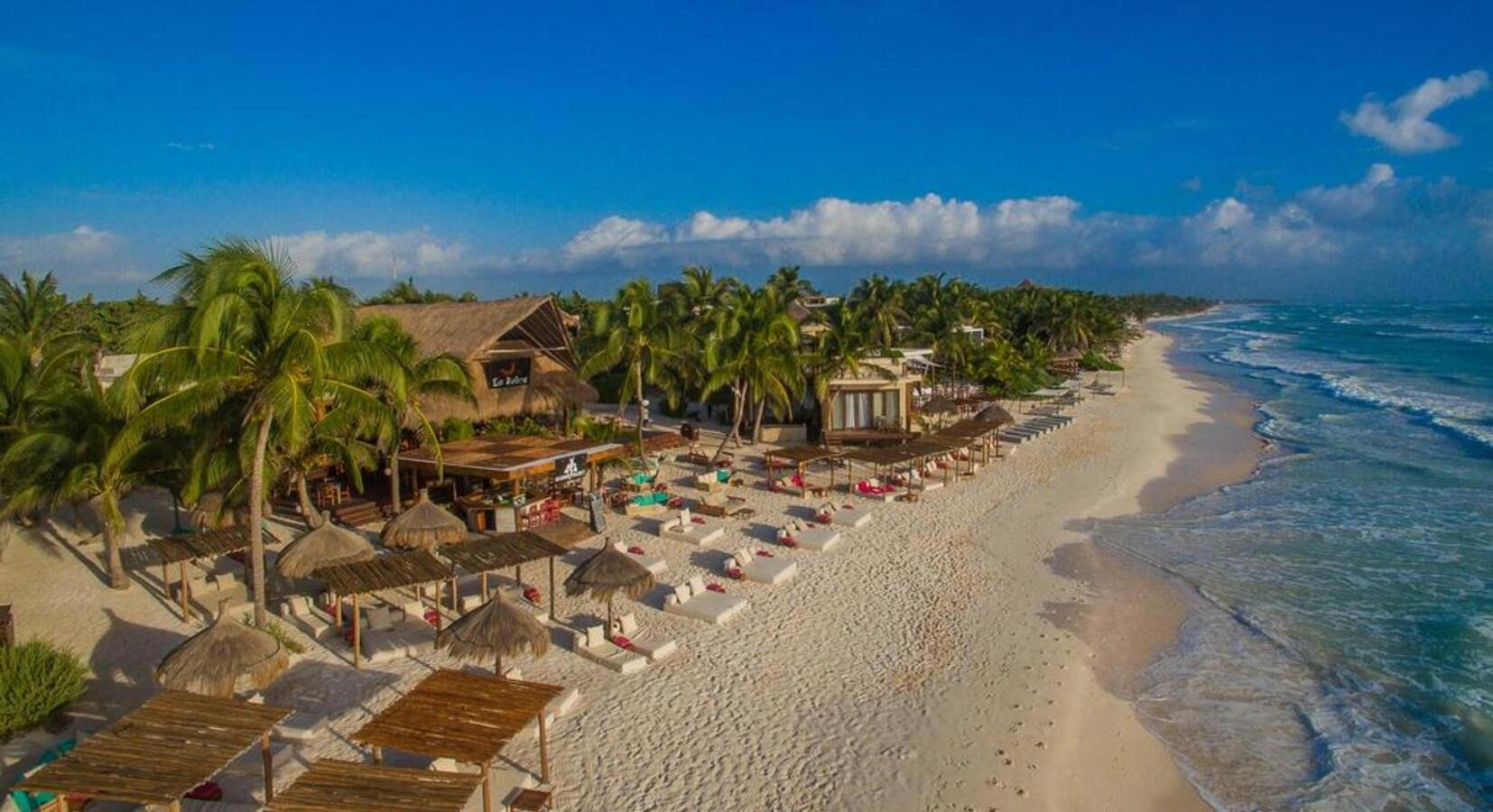
Tulum's beach road south of town follows a particular logic: the further you travel from the 307 junction toward Boca Paila, the more the venue format shifts from street-level taquería and rooftop bar to open-air beach club, where the structure of a day drink is built into the layout before a single order is placed. Amansala Beach Club sits at km 7.5 on that corridor, at a point where the Caribbean side of the strip is dense with properties that compete less on cuisine than on how well they integrate sea, shade, and something cold in a glass. In this stretch of the Zona Hotelera, a beach club's cocktail program functions as its editorial voice — the thing that distinguishes an afternoon at one property from an identical-looking one fifty metres down the sand.
The Beach Club Cocktail Tradition Along the Tulum Strip
Across the km 5 to km 10 stretch of Tulum's hotel zone, drink programs have evolved considerably from the aguas frescas and rum-punch defaults that once defined beach clubs across the Yucatán coast. The current tier of Zona Hotelera operations tends to work with Mexican spirits as a baseline — mezcal from Oaxacan producers, tequila blanco as a mixer rather than a shooter, and regional fruit like tamarind, hibiscus (jamaica), and mamey as the flavour architecture rather than the garnish. This approach mirrors what has happened at the more critically discussed end of Tulum's bar scene: venues like Arca and Azulik Uh May have pushed local-ingredient logic into the glass alongside the plate, and that thinking has filtered down into beach club programming across the strip.
At beach clubs operating in this format, the drinks tend to be built for a specific consumption context: heat, humidity, an open sky, and a guest who is horizontal rather than perched at a counter. That means longer builds, more ice, lighter alcohol architecture, and a visual language that reads well in natural light. Whether Amansala's program leans toward that restrained, produce-forward style or toward the louder tropical-fruit presentation common at higher-volume beach clubs along the same road is something that shifts with the season and with management decisions that are not fixed in the public record.
Placement Within the Tulum Beach Club Tier
Tulum's beach club scene occupies a specific tier within Mexican coastal hospitality, above the municipal beach day-trip economy of Cancún and below the ultra-resort model of Los Cabos. The Zona Hotelera properties, Amansala among them, operate in a middle register that attracts a mix of international travellers staying on-property and visitors from Tulum pueblo who make the trip down the coastal road for an afternoon. This dual audience shapes the programming at most km 5-10 venues: the drink list needs to hold its own against what guests have encountered at Casa Jaguar or elsewhere in town, while remaining accessible enough to function as a beach afternoon rather than a seated tasting experience.
The comparison set for a beach club at this address is less about fine dining peers and more about the rhythm-and-retreats circuit: properties that attract wellness travellers, yoga retreat guests, and the broader community of visitors who are in Tulum for days rather than hours and who will judge a venue across multiple visits in a single stay. Amansala has historically been associated with that wellness-retreat segment of Tulum tourism, which tends to shape what appears on a drinks menu, lower-sugar builds, fresh juice bases, and a higher likelihood of non-alcoholic alternatives than you would find at the louder party-beach end of the strip.
How This Fits the Wider Mexican Bar Scene
Tulum's drink culture sits in an interesting position relative to the rest of Mexico's bar geography. The classic agave-focused bar tradition runs through venues like La Capilla in Tequila, a counter that has been pouring the Batanga since the 1940s and represents the deep-roots end of Mexican drinks culture. On the other end of the spectrum, urban cocktail programs in cities like Guadalajara (see El Gallo Altanero) and Oaxaca (see Sabina Sabe) have developed technically ambitious mezcal-led programs that are in conversation with the global bar scene. Tulum beach clubs occupy a different point on that continuum, more experiential than technical, more anchored in setting than in technique, but the leading operations on the strip draw from the same ingredient vocabulary as their urban counterparts.
The Latin American coastal bar comparison extends further: venues like Aruba Day Drink in Tijuana show how beach-format drinking can carry genuine craft intent, and the Cuban-American cocktail tradition at Café La Trova in Miami demonstrates that an atmosphere-first venue does not have to sacrifice drink quality to sustain its room. In Tulum, the same argument holds: the leading beach clubs treat the glass as seriously as the scenery. At the other end of the entertainment scale, Coco Bongo in Cancún represents the high-volume, spectacle-led model that Tulum's Zona Hotelera has largely moved away from, the strip's premium properties, including Amansala's segment of it, trade in a quieter, more considered register.
For visitors who want to see how the beach club model sits against Tulum's broader food-and-drink offering, Burrito Amor and Bekeb in San Miguel de Allende represent the street-casual and interior-Mexico ends of the Mexican drinks conversation, useful reference points for understanding what makes the Tulum beach format its own distinct category. Our full Tulum restaurants guide maps the wider scene across price tiers and formats.
Planning a Visit
Amansala Beach Club sits at km 7.5 on the Carr. Tulum-Boca Paila road, in the Zona Hotelera section of Tulum's beach strip. Getting there from Tulum pueblo means either a bicycle ride along the coastal road (the standard local mode of transit on the strip) or a taxi from the town centre. The afternoon timing, roughly from early afternoon through sunset, is when beach clubs along this stretch reach their functional peak, both for the light and for the pace of service. Specific hours, current pricing, and booking requirements are best confirmed directly with the property, as beach club operations in the Zona Hotelera adjust seasonally, with December through March representing the high-traffic period when advance confirmation is worth making. The address, Carr. Tulum-Boca Paila km 7.5, places the venue in the mid-strip zone, past the denser cluster of properties near km 5 and before the quieter reaches approaching Boca Paila.
Continue exploring
More in Tulum
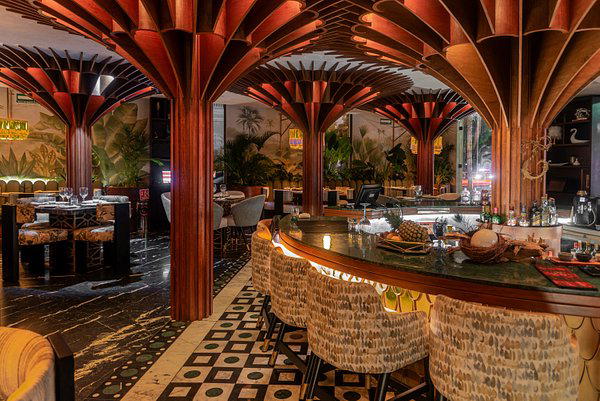
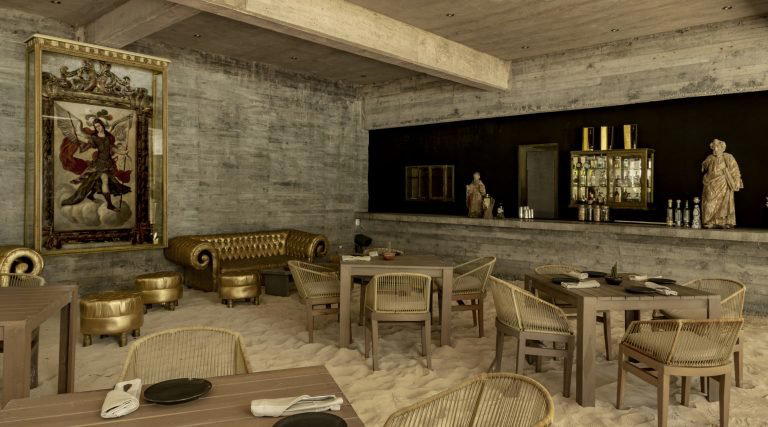
Restaurants in Tulum
Browse all →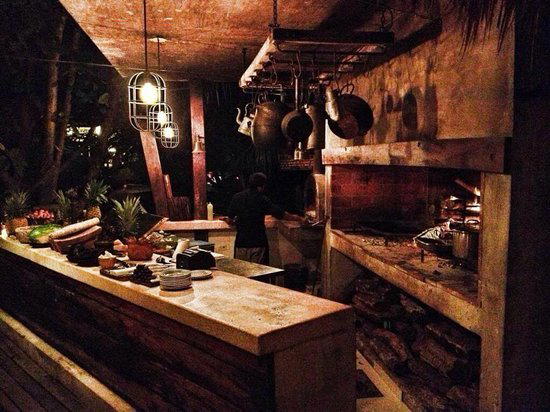
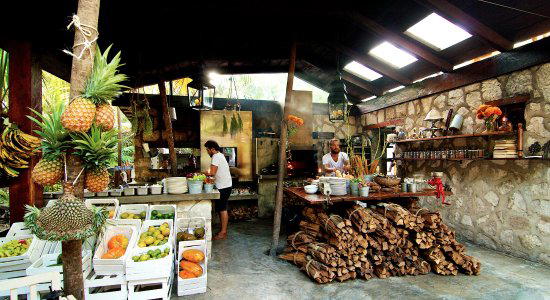

Details
- Scenic
- Bohemian
- Trendy
- Lively
- Casual Hangout
- Group Outing
- Special Occasion
- Date Night
- Waterfront
- Design Destination
- Hotel Bar
- Standalone
- Seated Bar
- Lounge Seating
- Outdoor Terrace
- Craft Cocktails
- Mezcal
- Tequila
- Natural Wine
- Waterfront
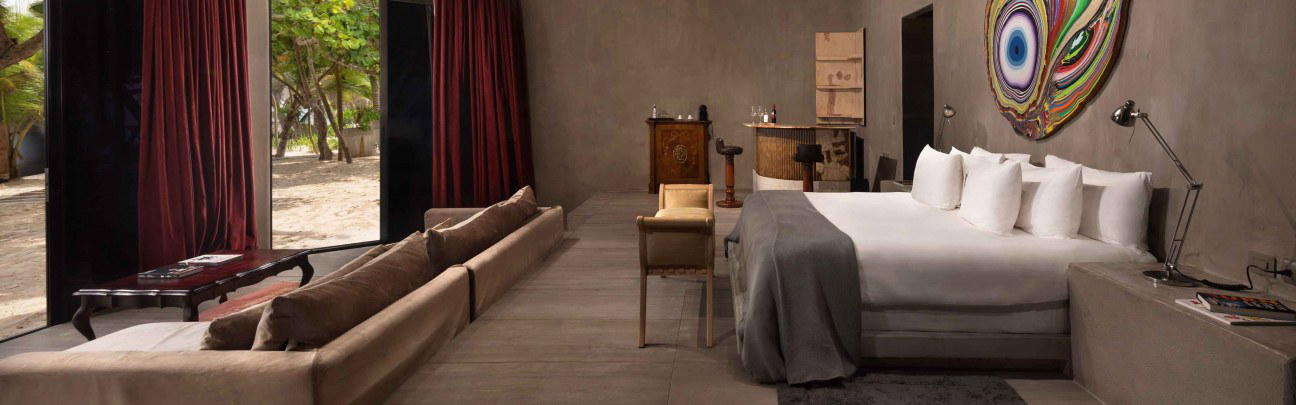
Eco-chic beachfront atmosphere with a chill, upscale, tranquil daytime feel and a livelier afternoon energy.