
Hotel Bardo sits on the edge of Tulum's hotel zone, where the jungle meets the low-rise architectural restraint that defines the area's premium tier. The property operates in a small-keys format that places it closer to boutique design houses than resort-scale operators. For travellers who read Tulum's appeal as a function of atmosphere over amenity count, Bardo is worth understanding in full.
Pearl is the En Primeur Club membership app — saves, bookings, and concierge access live there. Same editors, same standards.
- Address
- esquina con, Rio otate, Rio Basca, 77760 Tulum, Q.R., Mexico
- Phone
- +52 56 1726 6309
- Website
- hotelbardo.mx
- Directions
- Get directions
 Saves & bookings on Pearl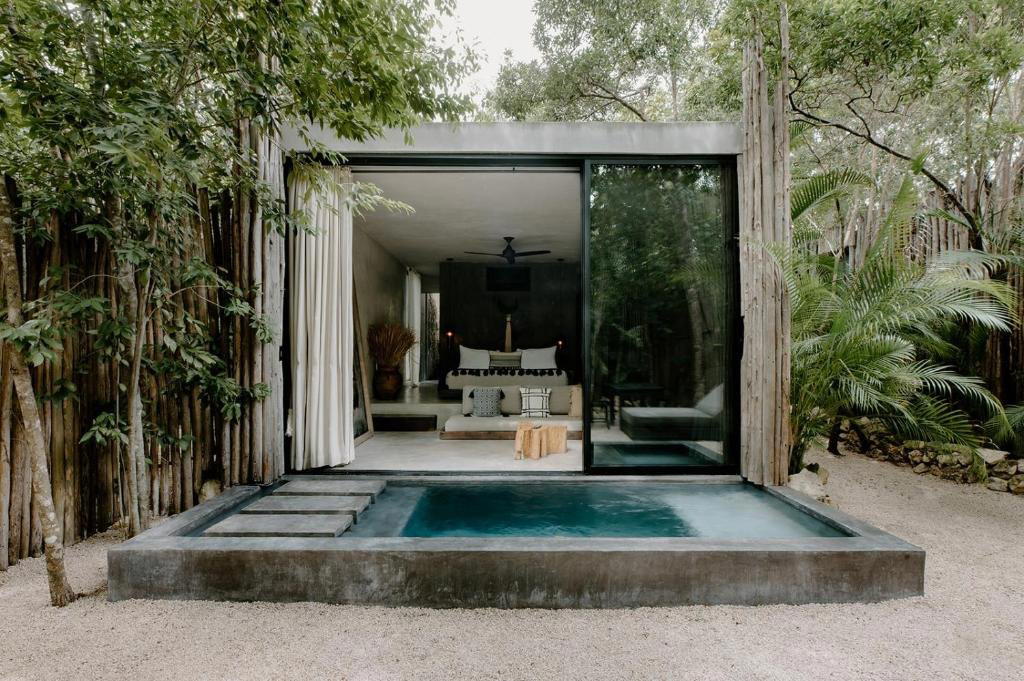
Where Tulum's Boutique Tier Takes Shape
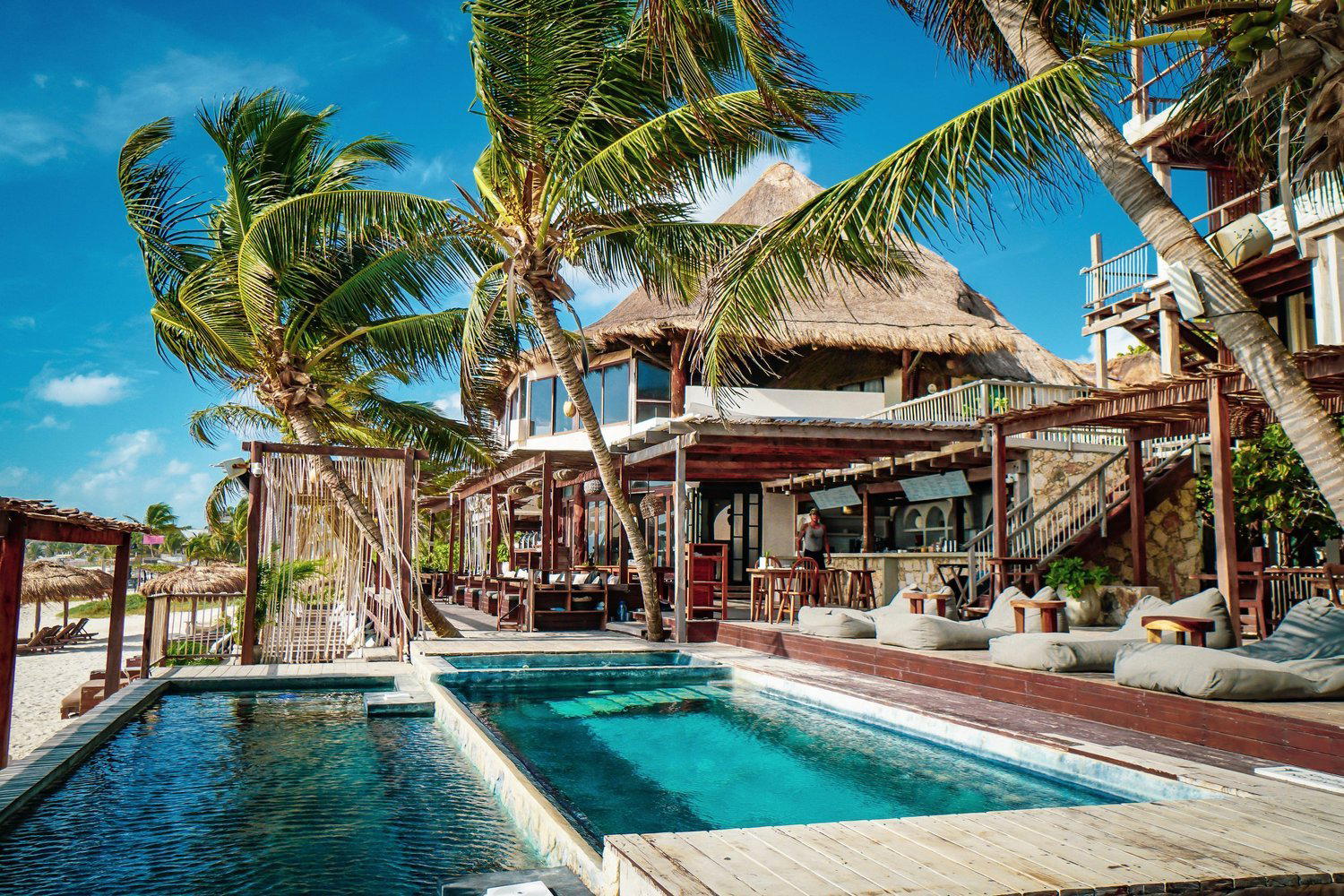
The stretch of road running through Tulum's hotel zone has, over the past decade, separated into two distinct registers. One side carries the all-inclusive momentum of the wider Riviera Maya; the other has produced a cluster of design-led, low-inventory properties that compete on atmosphere, architectural intention, and food and beverage programming rather than pool size or room count. Hotel Bardo, addressed on Rio Basca at the corner of Rio Otate in the 77760 postal zone, sits inside this second category. Its position in Tulum's Quintana Roo corridor places it among properties that treat the jungle and the proximity to the Caribbean as raw material rather than backdrop.
This matters because Tulum's premium boutique tier is not a homogeneous group. Properties like Azulik lean into ceremonial and sensory programming; Hotel Esencia anchors itself in hacienda-scale privacy; Casa Malca trades on a beachfront address with a distinct art-forward interior logic. Bardo occupies its own coordinates in that spread, a property where the dining and bar programme carries a significant share of what defines the guest experience.
The Dining Argument
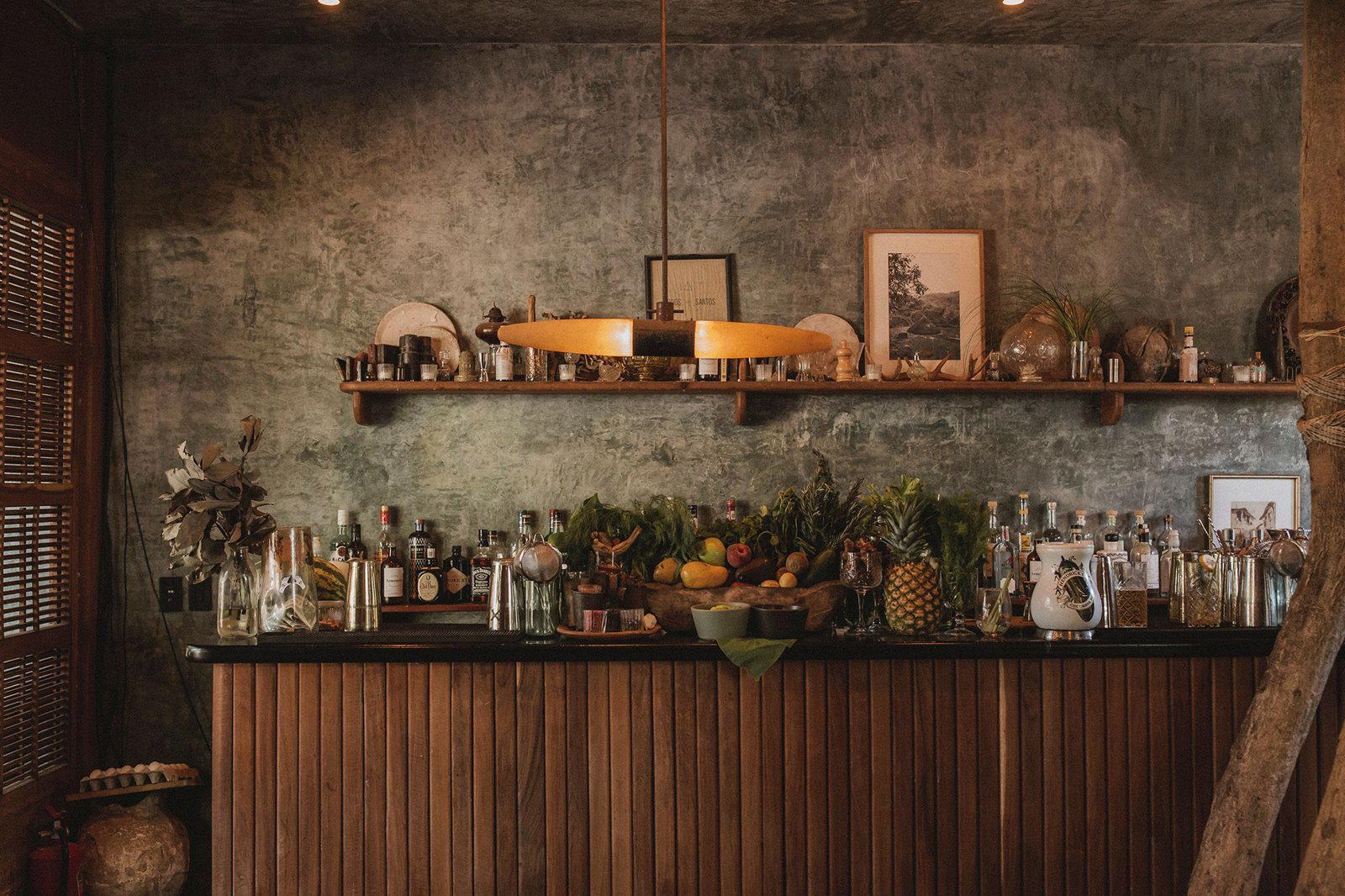
In Tulum's competitive set, food and beverage programming has become a primary differentiator. The town has moved well past the point where a good ceviche and a mezcal list constitute a culinary identity. The properties earning repeat attention now treat their restaurant and bar operations with the same editorial seriousness as their room design, sourcing decisions, format choices, and the relationship between indoor and outdoor service all feed into how a property is perceived at the upper end of the market.
Hotel Bardo's approach to this sits within a broader pattern visible across Tulum's better-performing boutique houses: the dining programme is not an amenity added to the accommodation offer, but a reason to be present in its own right. Travellers passing through Tulum's hotel zone increasingly make venue decisions based on where they want to eat and drink at night, then work backwards to the room choice. A property whose restaurant or bar has its own draw beyond the guest list occupies a structurally stronger position in that decision sequence.
The Architecture of a Tulum Stay
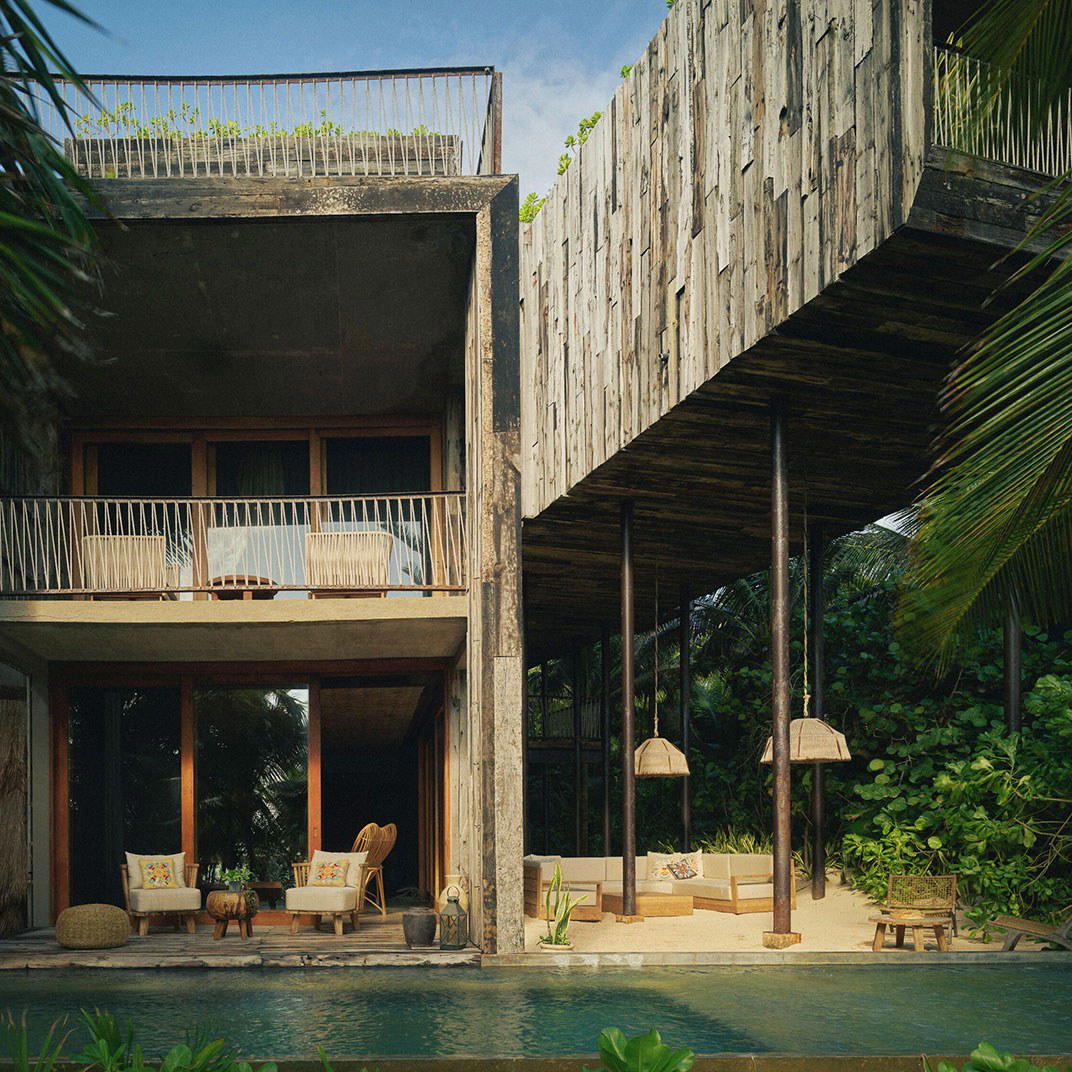
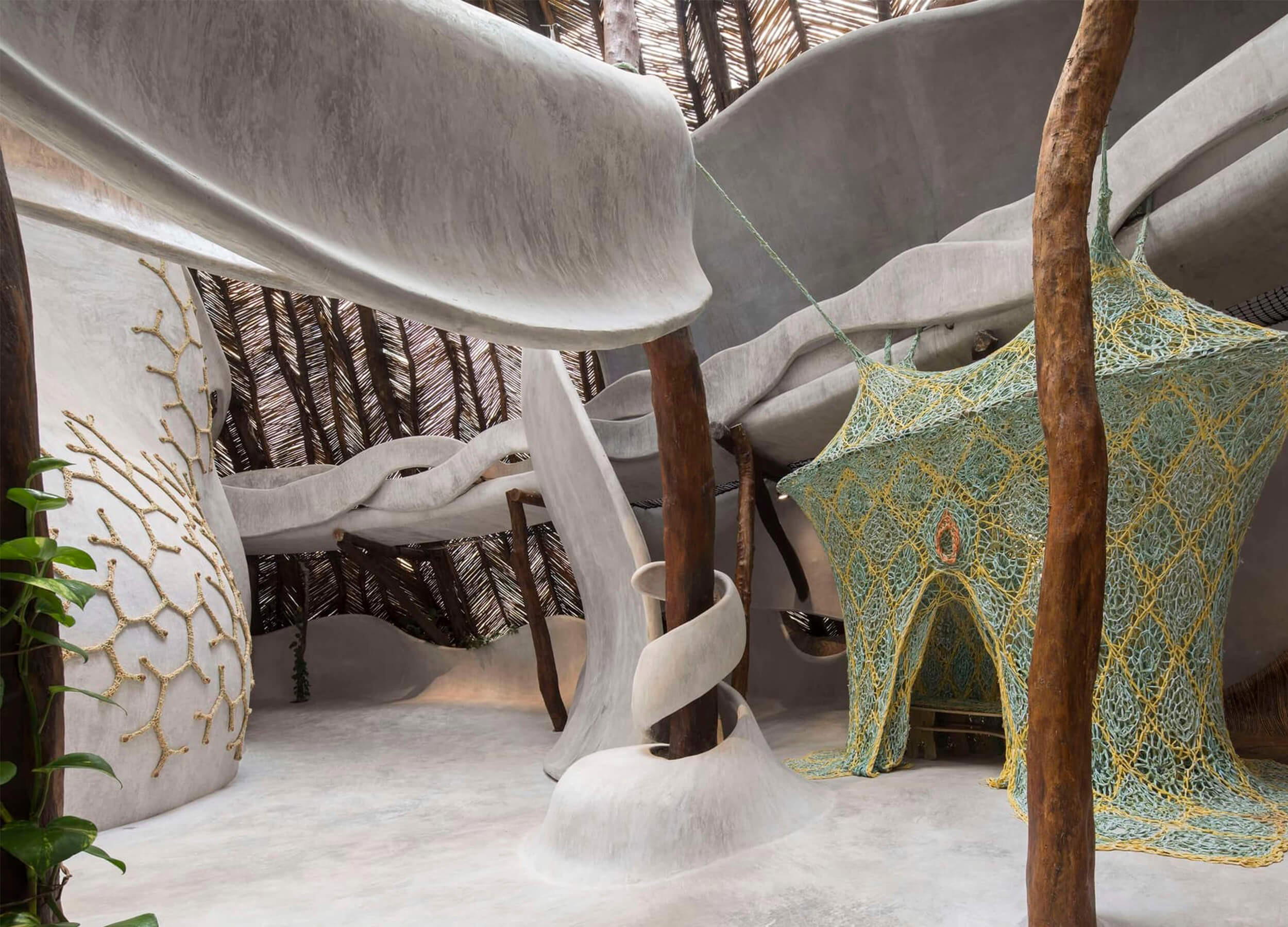
Boutique properties in Tulum's hotel zone have largely converged on a set of design principles: natural materials, limited artificial lighting in social spaces, a preference for open-air or semi-open dining formats, and an architecture that responds to the jungle rather than imposing on it. These choices are not aesthetic accidents, they reflect both the physical constraints of the area (height limits, environmental regulations near the biosphere reserve) and the expectations of a guest cohort that self-selects for a particular kind of sensory environment.
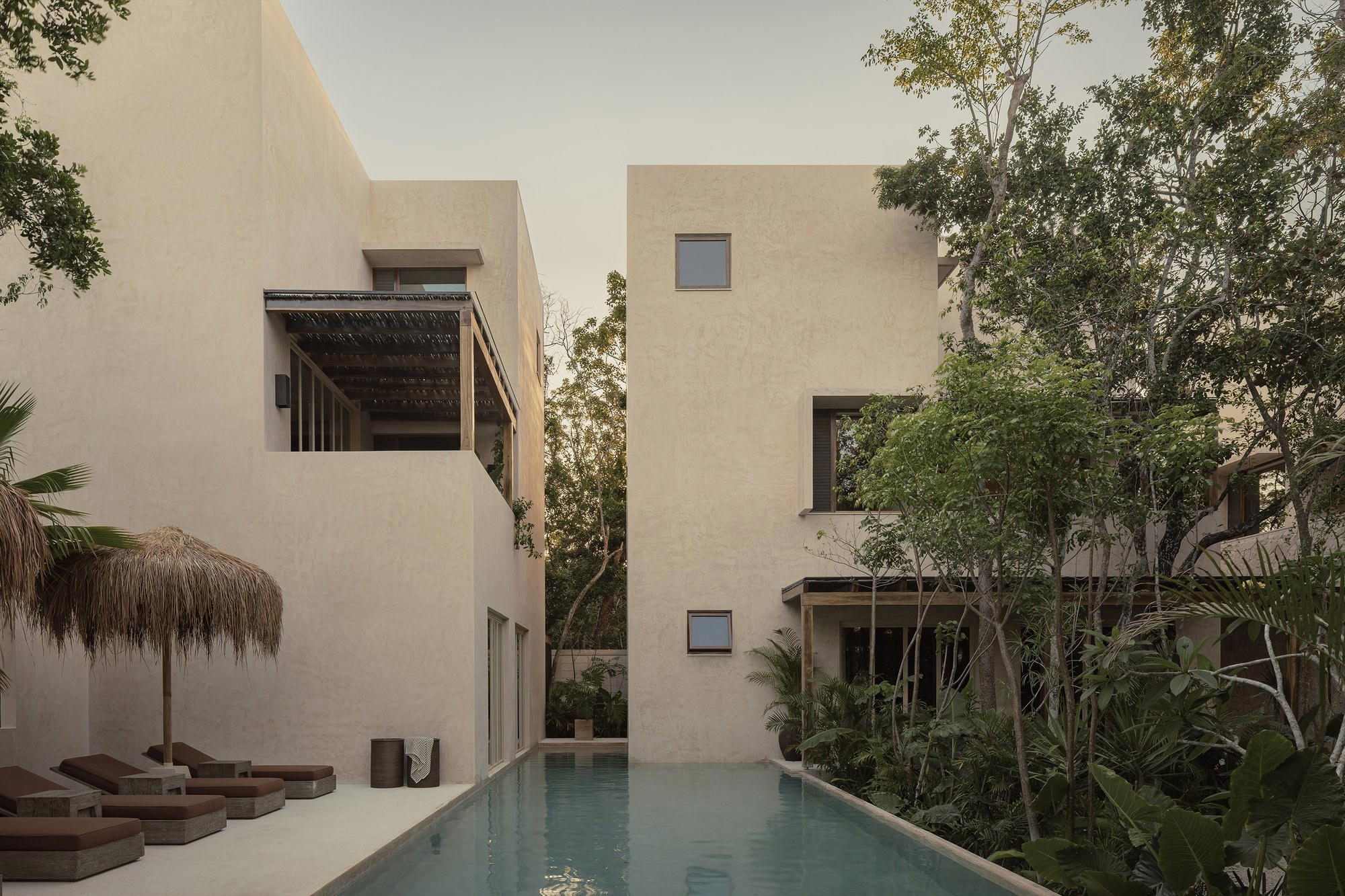
Hotel Bardo operates within this framework. The property's address on the Rio Otate and Rio Basca intersection places it in the inland zone of Tulum's hotel strip, which tends toward a denser, more sheltered atmosphere than the beachfront addresses that carry a premium for sea access. This distinction matters for the traveller making a specific call: beachfront properties like Amansala Resort or Encantada Tulum offer a different relationship with the coast than jungle-side addresses do, and neither is categorically superior, they serve different trip objectives.
Tulum in the Wider Mexican Luxury Context
Understanding where Bardo sits requires some sense of where Tulum sits within Mexico's broader luxury hotel geography. The country now carries a deep roster of high-calibre properties across different coastal and inland environments. One&Only; Mandarina in Riviera Nayarit operates at a scale and infrastructure level that places it in a different competitive bracket entirely. Chablé Yucatán in Merida has built its identity around spa and wellness programming with strong culinary depth. Maroma in Riviera Maya and Etéreo, Auberge Resorts Collection in Punta Maroma represent the Riviera Maya's more resort-formal end.
Tulum's boutique tier, by contrast, tends to attract travellers who specifically want to avoid the resort-formal register. The properties that perform well here, including IKAL Tulum, Bespoke Tulum, and Copal Tulum Hotel, share a design language and a guest expectation that Bardo also speaks to. The differentiator between properties at this level often comes down to which aspects of the experience the property executes with the consistency: room design, F&B; spa, or service tone.
For those comparing across Pacific coast options, Four Seasons Resort Punta Mita and Las Alamandas in Costalegre illustrate how differently Mexico's luxury hotel offer can be framed even within the beach-resort category.
Planning a Stay
Tulum operates on tight inventory during its peak season, which runs broadly from late November through April, with the Christmas and New Year period booking out furthest in advance across the hotel zone. Properties at Bardo's scale tend to fill faster than larger competitors during this window. Travellers targeting February or March in particular should treat booking as a lead-time exercise rather than a last-minute decision. The property's address on Rio Basca gives good access to the main hotel zone strip; getting into and out of Tulum town for restaurants and the archaeological site is manageable by taxi or bike depending on the time of day.
Price Lens
Comparable venues nearby, for context on price, style, and recognition.
| Venue | Cuisine | Price | Awards | Notes |
|---|---|---|---|---|
| Hotel BardoThis venue — the venue you are viewing | Not listed | $$$$ | 5-Star | Not listed |
| Nobu Hotel Tulum | Not listed | $$$$ | 5-Star | Riviera Maya, Luxury lifestyle resort with residences and event-oriented amenities. |
| Copal Tulum Hotel | Not listed | $$$$ | 5-Star | Tulum, Sustainable luxury boutique aparthotel blending contemporary comfort with jungle-inspired design and wellness-focused hospitality. |
| Sana Tulum | Not listed | $$$$ | 5-Star | Tulum, Moroccan riad-style beachfront boutique |
| Layla Tulum | Tulum, Moroccan riad reimagined in Tulum | $$$$ | 5-Star | Not listed |
| Una Vida Tulum | Not listed | $$$$ | 5-Star | Tulum City Center, Tropical jungle oasis with indoor-outdoor living. |
Recognition history
Dated appearances from independent guides and award organizations, with the underlying list record or original source where available.
Michelin Selected
Michelin
Continue exploring
More in Tulum
Hotels in Tulum
Browse all →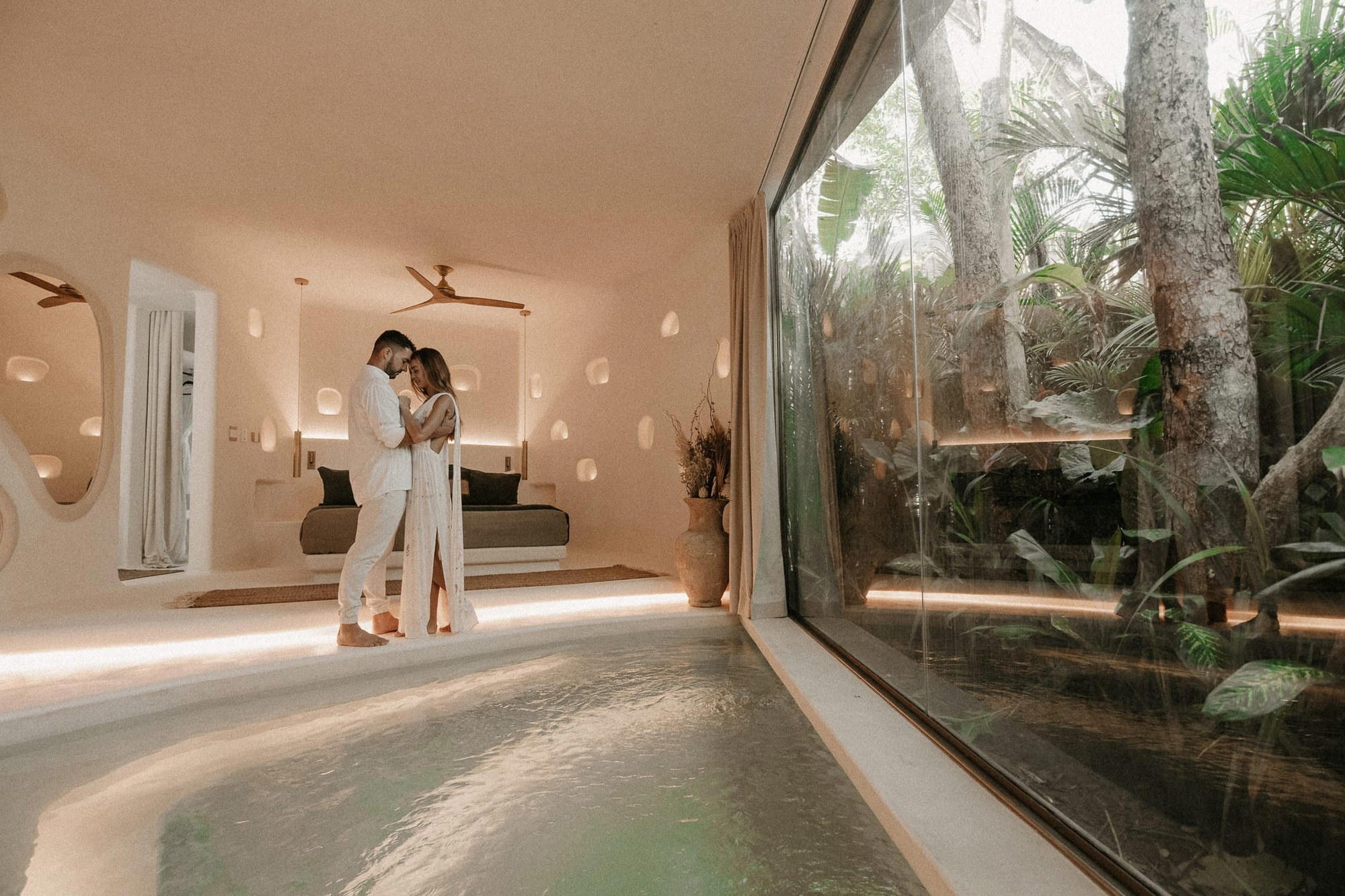
Bars in Tulum
Browse all →
Restaurants in Tulum
Browse all →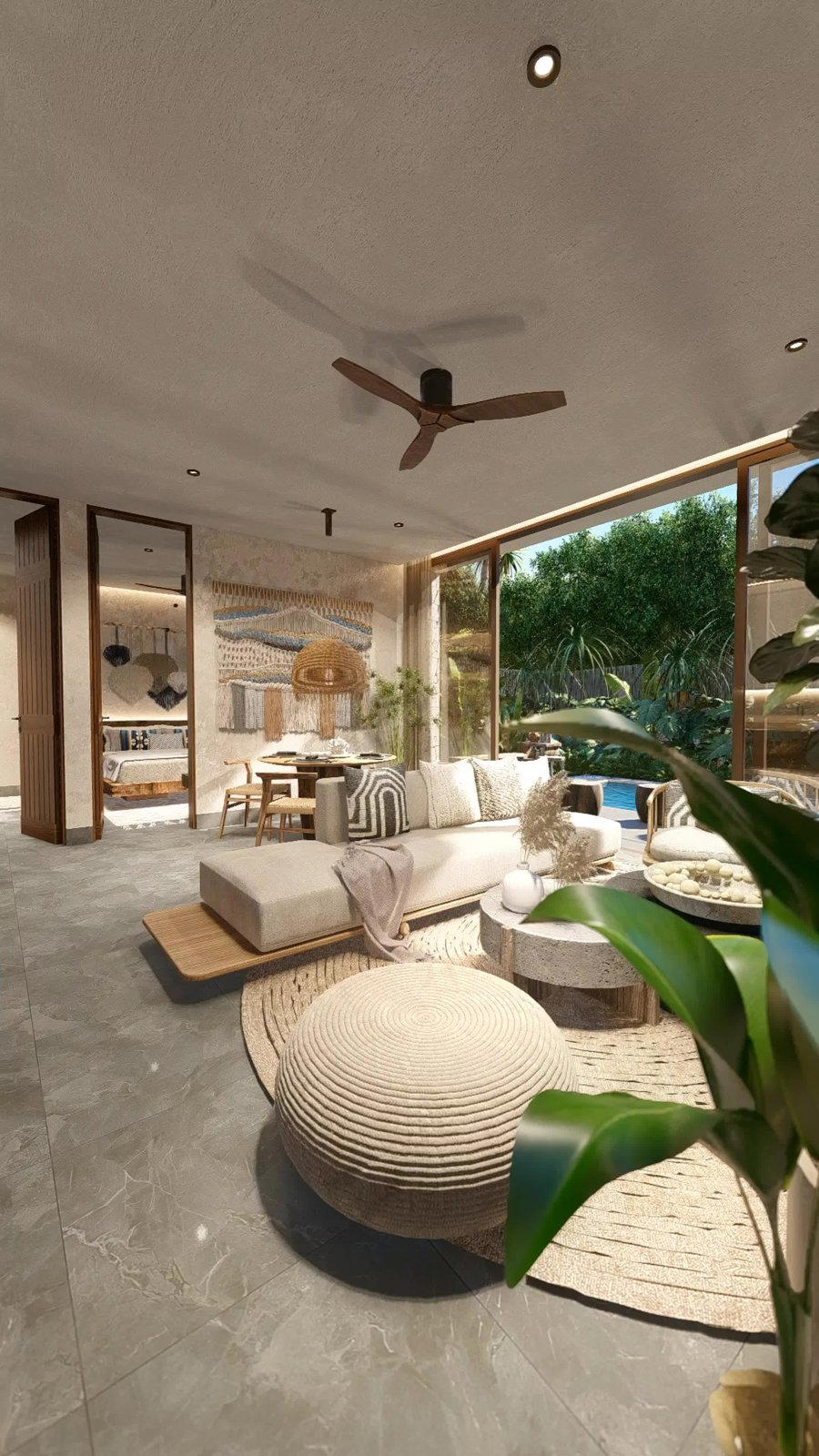
At a Glance
- Bohemian
- Intimate
- Elegant
- Scenic
- Quiet
- Wellness Retreat
- Romantic Getaway
- Weekend Escape
- Private Villa
- Garden
- Destination Spa
- Design Destination
- Wi Fi
- Pool
- Spa
- Room Service
- Concierge
- Restaurant
- Bar
- Garden
- Beach Access
- Garden
- Wi Fi
- Pool
- Spa
- Room Service
- Concierge
- Restaurant
- Bar
- Garden
- Beach Access
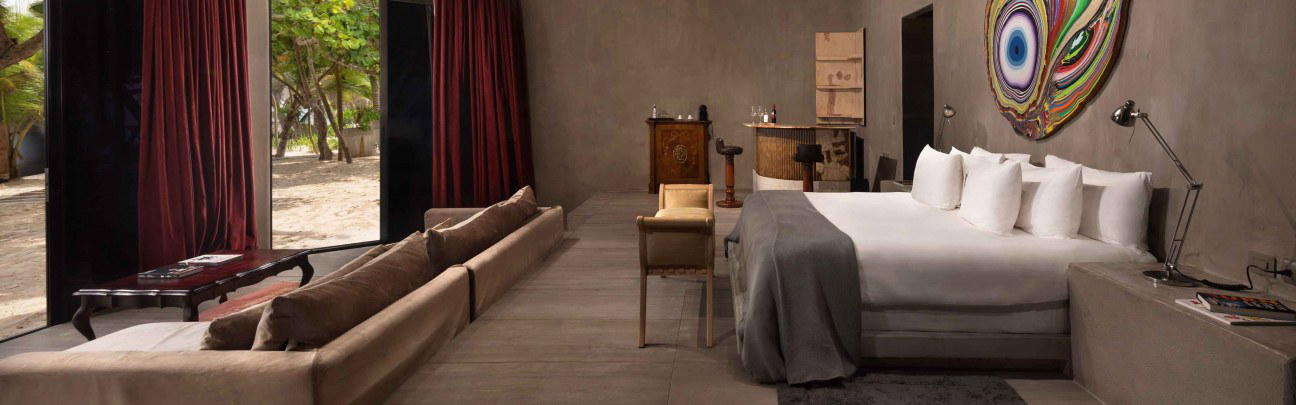
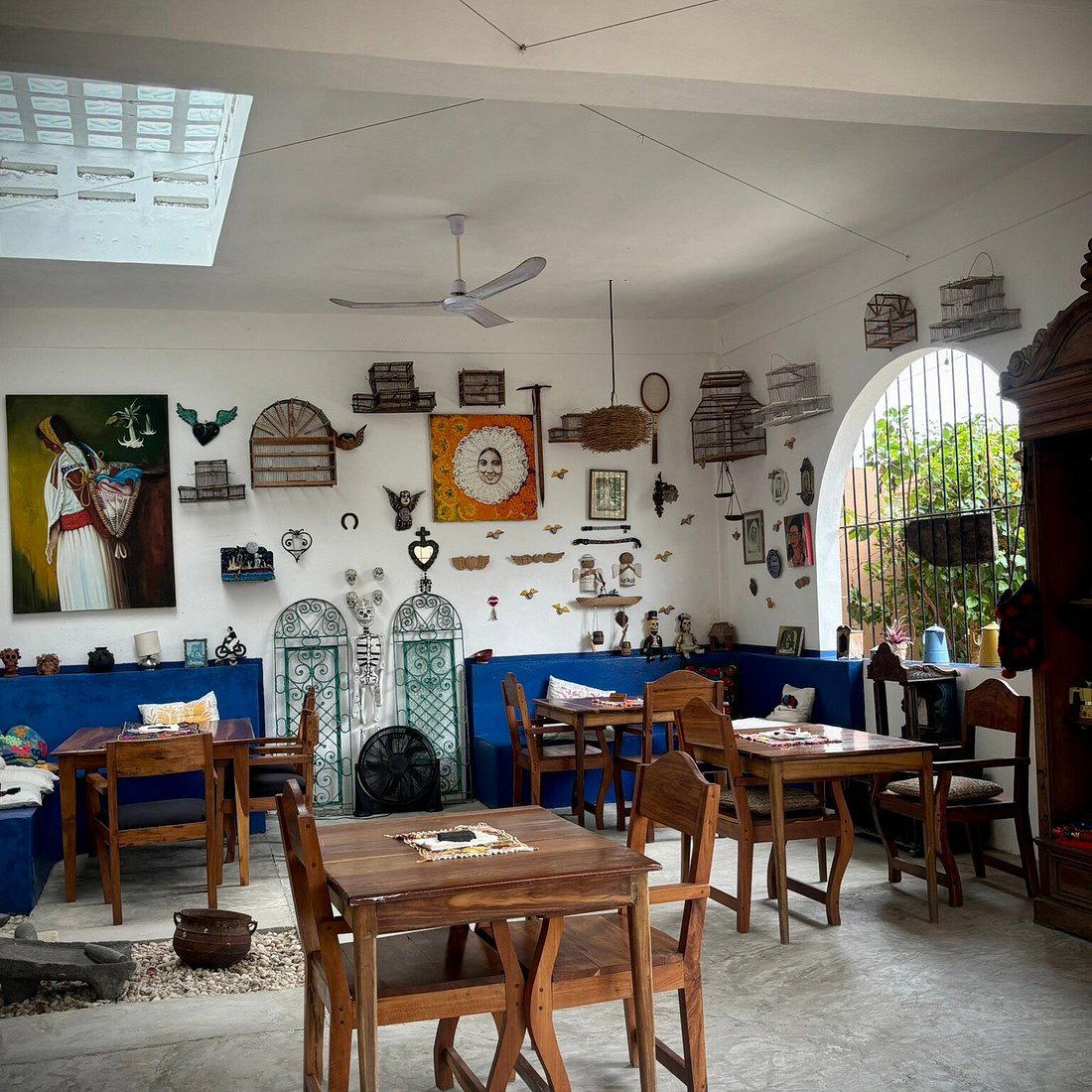
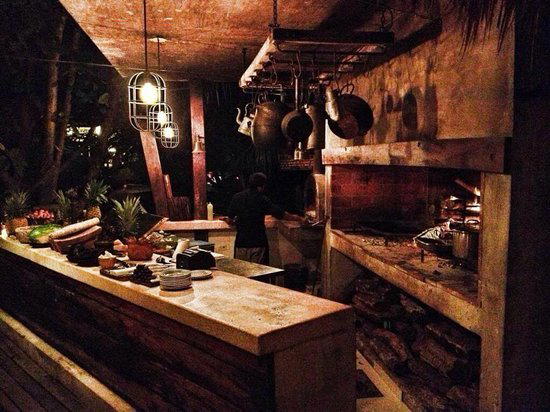
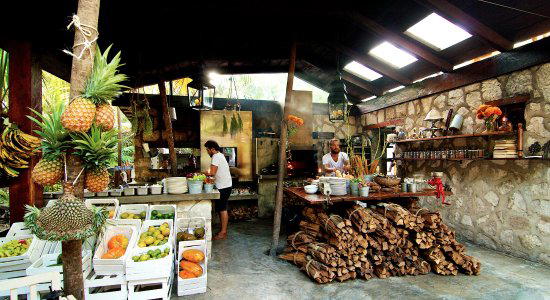
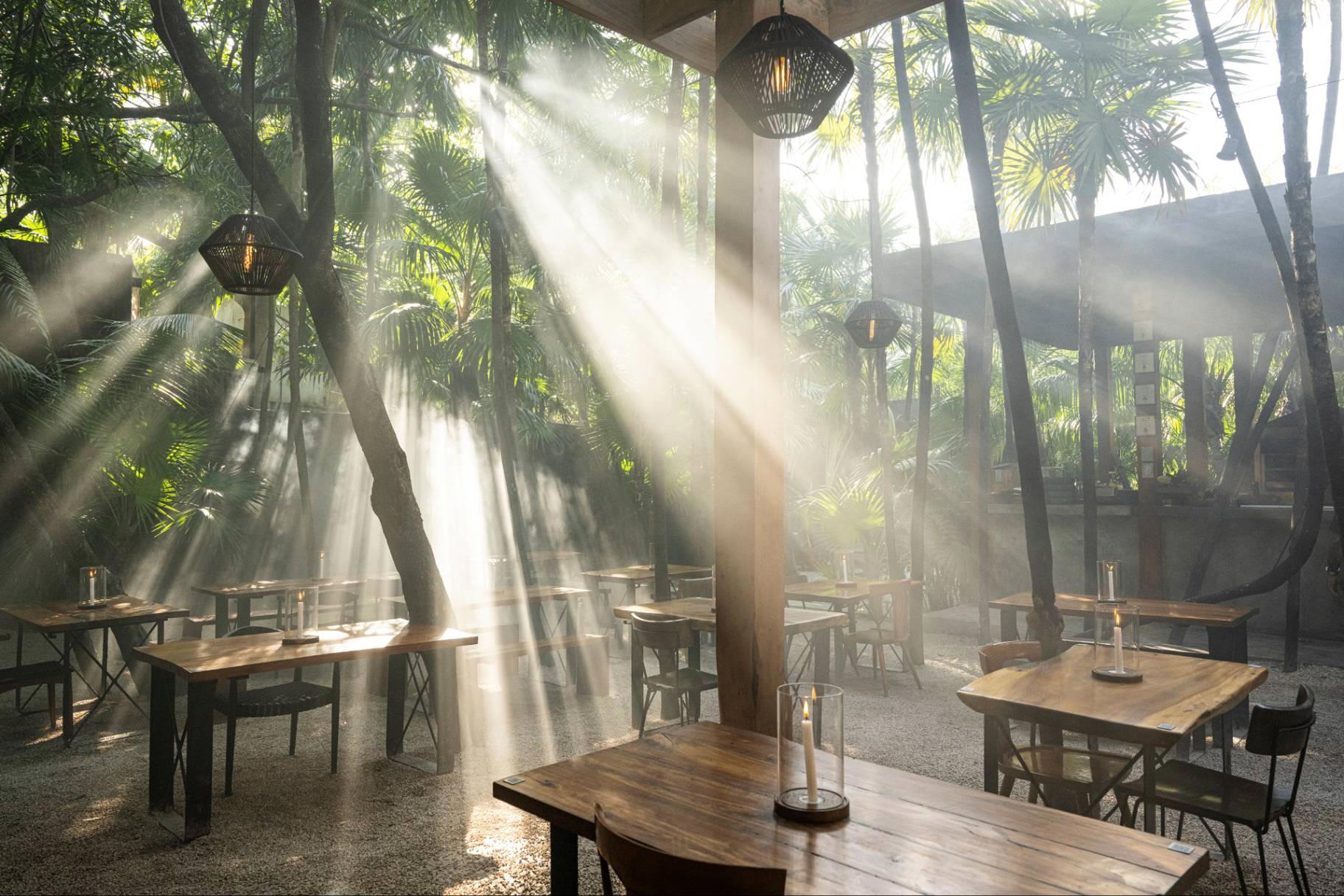
Moody and mystic atmosphere with contemporary Mexican design blended with natural materials, featuring grey palettes, exposed concrete, dark wood, and lush jungle surroundings that create a serene, transformative sanctuary.