
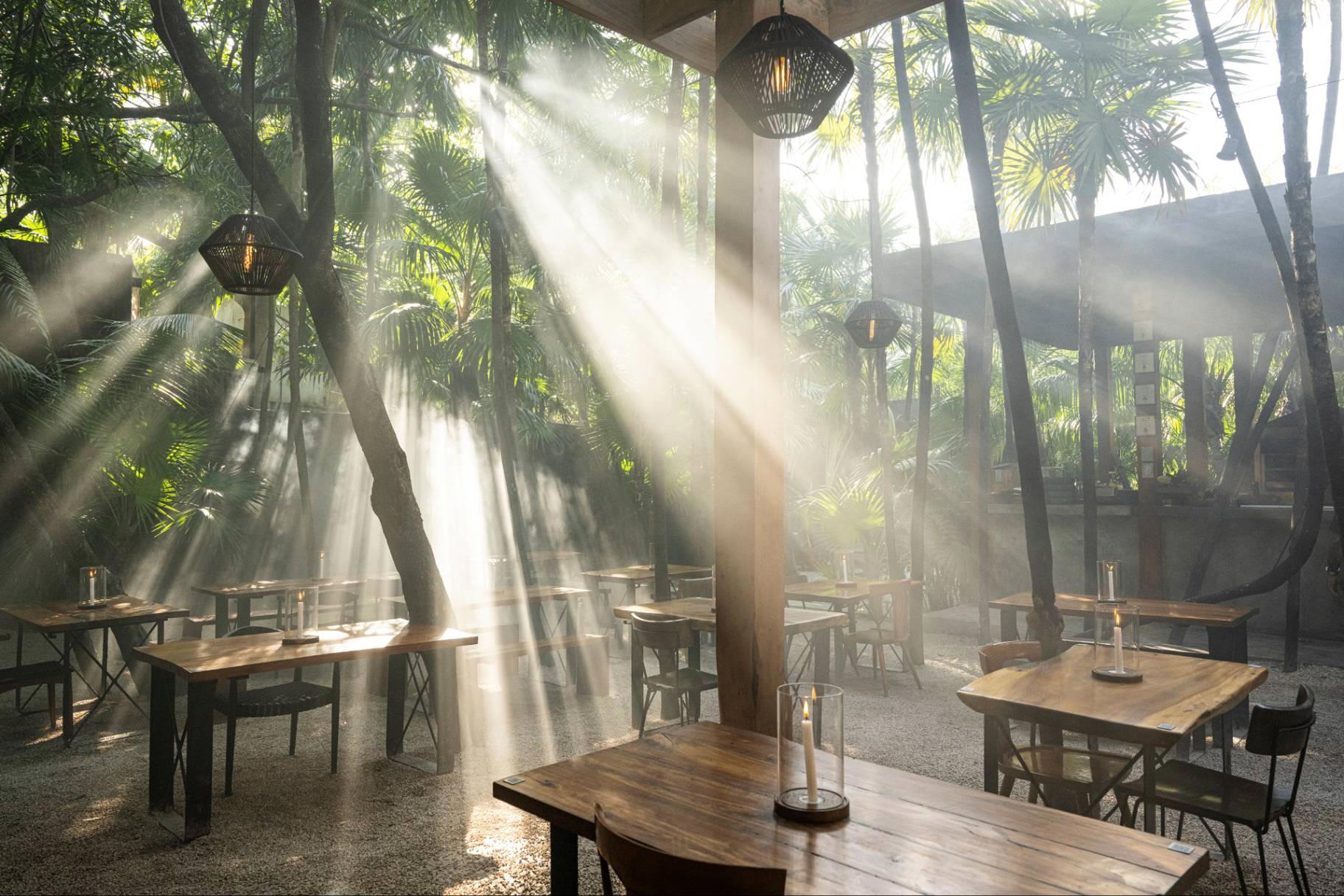
A Michelin Selected property within the Holistika wellness community in Tulum, Hotel Tiki Tiki sits at the intersection of the town's bohemian roots and its current design-conscious moment. The address places guests inside one of the Zona Hotelera's more ecologically minded developments, where the surrounding jungle sets the tone as much as the architecture. It earns its Michelin recognition as part of a small, curated cohort of Tulum stays that trade spectacle for atmosphere.
Pearl is the En Primeur Club membership app — saves, bookings, and concierge access live there. Same editors, same standards.
- Address
- Calle 6 Sur Bis, entre Av. 5 Sur y Av. 10, Calle Camino Tulum, Tulum Centro, Mariano Matamoros, 77780 Tulum, Q.R., Mexico
- Phone
- +52 984 265 8206
- Website
- hoteltikitiki.com
- Directions
- Get directions
 Saves & bookings on Pearl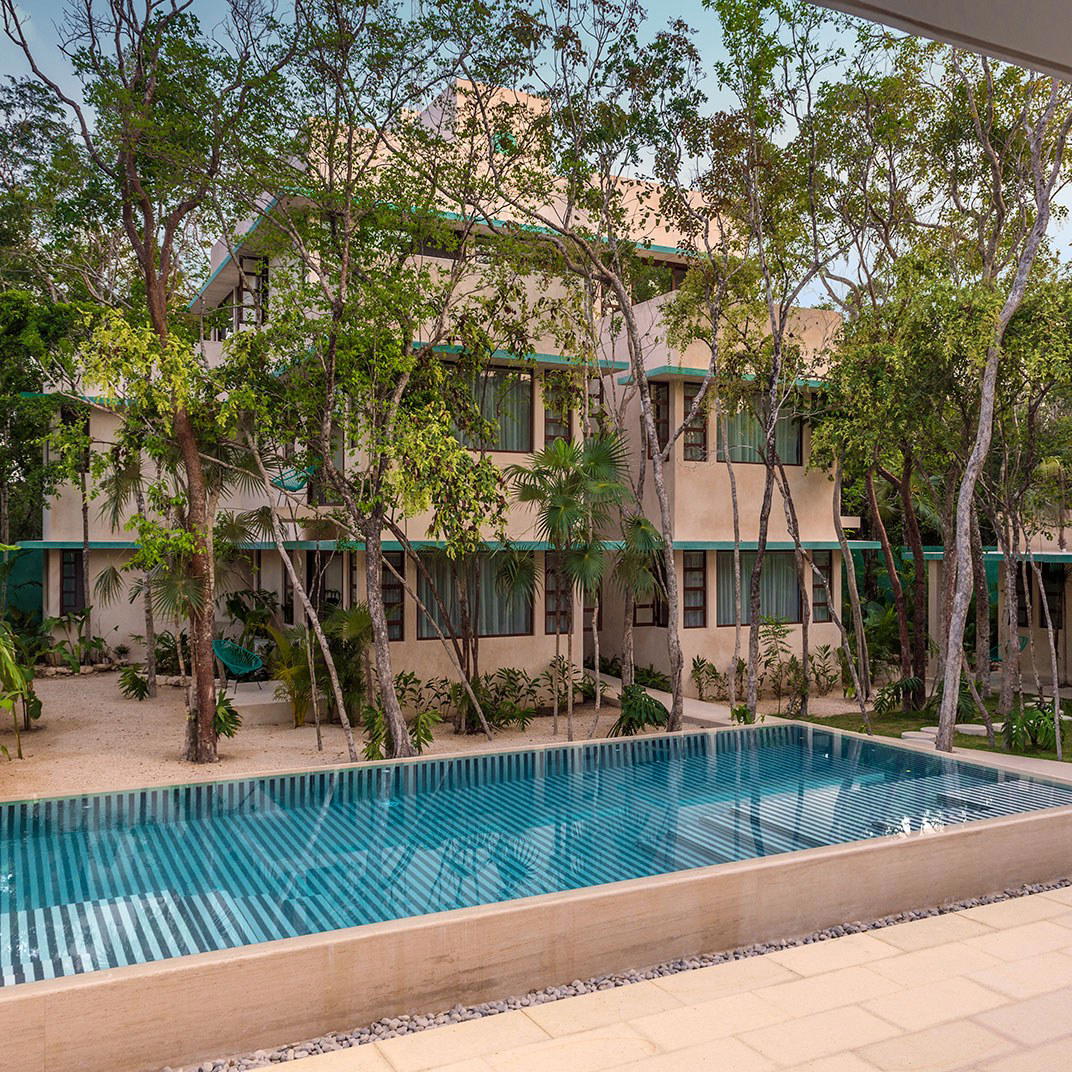
Where Tulum's Jungle Character Still Holds
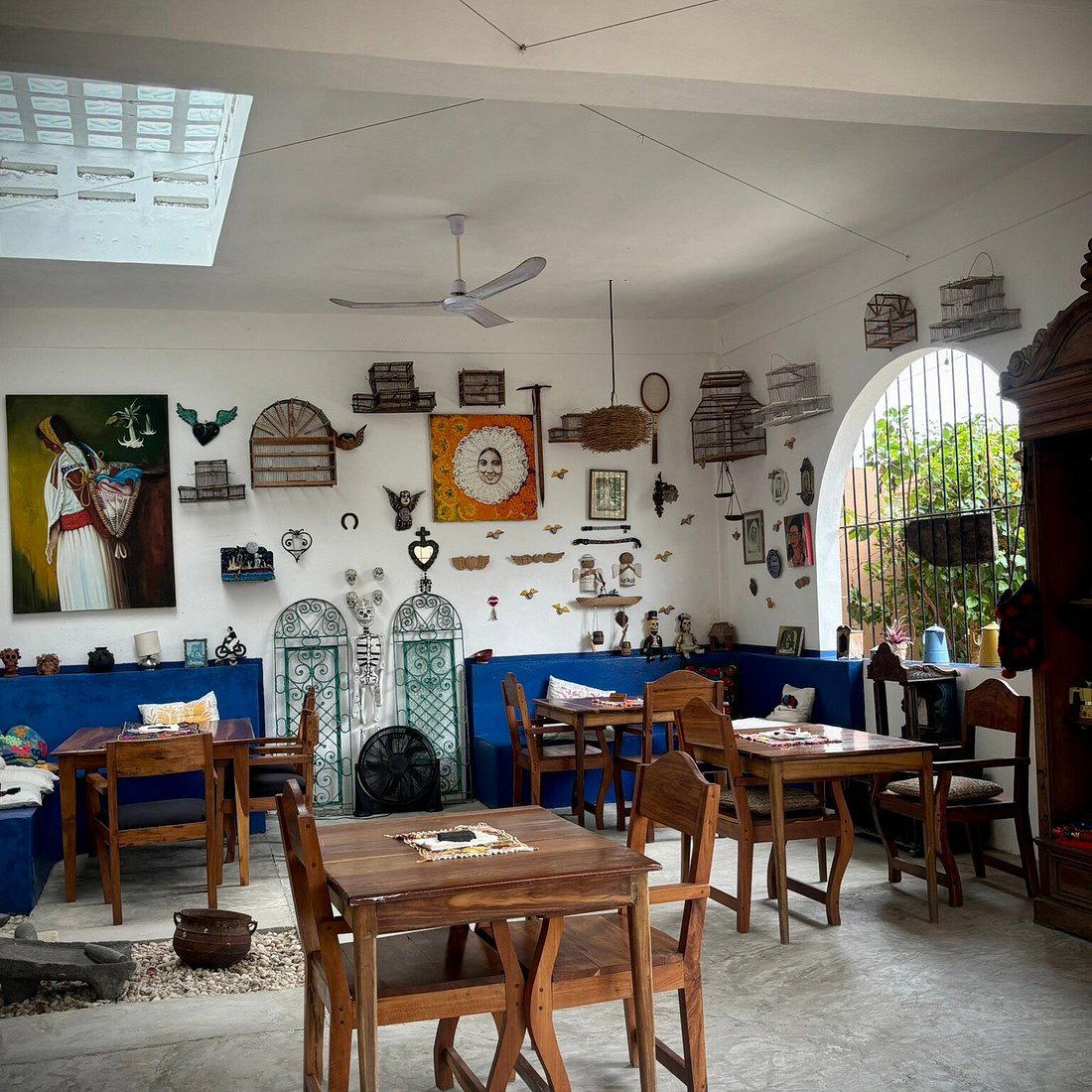
Tulum's hotel corridor has spent the better part of a decade splitting into two recognizable camps: large-format resorts engineered for social media reach, and smaller, atmosphere-led properties that trade on place-making over amenity stacking. Hotel Tiki Tiki Tulum is a 5-star hotel in Tulum Centro, Mexico, with rates from about $116 per night. Hotel Tiki Tulum sits in the second camp. Located within the Holistika community on Calle Camino Tulum, it occupies a patch of the Yucatán Peninsula where the jungle presses close and the design vocabulary is shaped by natural materials rather than imported luxury finishes.
That address matters more than it might initially appear. Holistika is one of the Zona Hotelera developments that positioned itself around ecological integration and wellness programming at a time when much of the corridor was moving toward bottle-service beach clubs and rooftop infinity pools. The result is a microclimate within Tulum's broader hospitality scene, one that draws a guest profile more interested in morning movement sessions and cenote access than in the performative excess that defines another segment of the market entirely.
That recognition positions it alongside a small number of Tulum properties the guide considers worth directing its readership toward, a meaningful signal in a town where the volume of new openings has made curation increasingly difficult for first-time visitors.
The Architecture of a Different Tulum Era
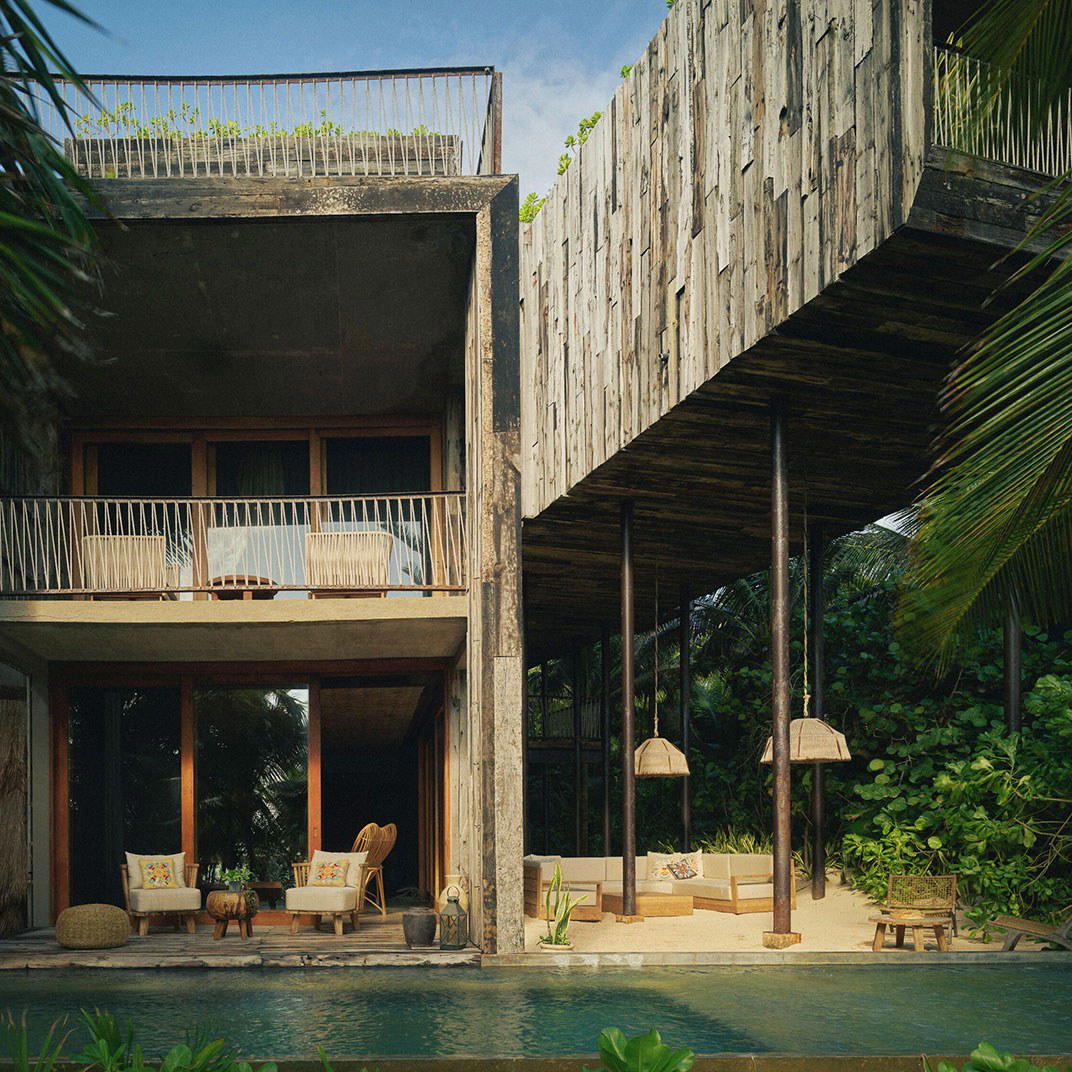
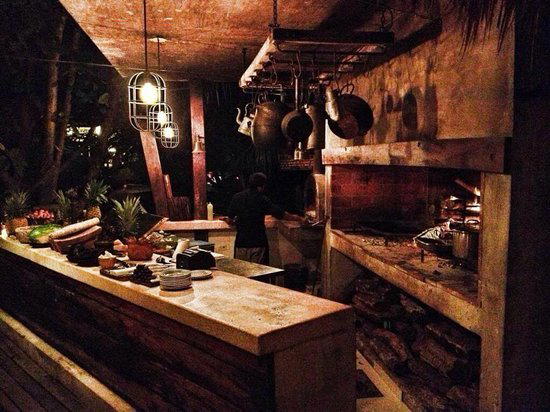
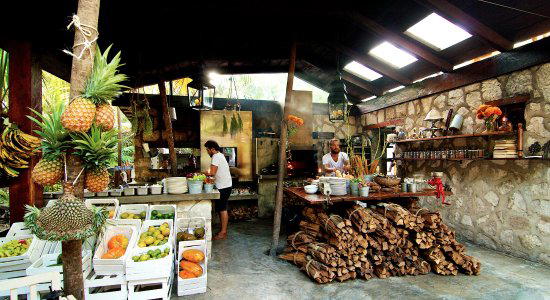
The aesthetic that defines Hotel Tiki Tiki traces back to the version of Tulum that existed before major capital arrived: palapa-style construction, open-air corridors, materials that weather rather than gleam, and a spatial logic that gives the surrounding jungle compositional weight. This approach to building in the Yucatán has a longer lineage than the recent wellness-resort moment suggests. The palapa form itself is rooted in pre-colonial and colonial-era construction across the peninsula, and properties that maintain it are preserving a visual language that high-design new builds in the corridor tend to replace.
Within the Holistika grounds, the property sits as part of a larger community rather than as an isolated resort compound. This is a structural difference from conventional resort stays elsewhere on the coast. At properties like Hotel Esencia or Azulik, the design ambition is self-contained and total. At Tiki Tiki, the guest experience extends outward into shared Holistika infrastructure, including programming spaces, yoga platforms, and communal areas that are woven into the stay rather than offered as add-ons from a resort menu.
For context on what this means in practice, consider how Tulum's best-regarded smaller properties handle the question of scale. Ahau Tulum, Aldea Canzul, and Bespoke Tulum all operate in this smaller-footprint register where the immediate environment does more atmospheric work than any interior design budget could. Tiki Tiki fits that pattern, with the Holistika setting providing a layer of programming depth that a standalone boutique property would struggle to match at the same price level.
The Tulum Wellness Circuit and What Holistika Represents
Holistika as a development concept arrived at the intersection of two movements that were reshaping Tulum simultaneously: the global appetite for wellness travel and the local tradition of cenote-anchored, jungle-immersed retreats that had defined the area's appeal to an earlier generation of visitors. The community's programming infrastructure, which extends across yoga, healing arts, and movement disciplines, gives Hotel Tiki Tiki a depth of on-site engagement that properties operating as pure accommodation plays cannot replicate.
This positions the property differently from Tulum hotels operating in the beach-club-adjacent tier, where the primary draws are ocean access and daytime social programming. Guests choosing Tiki Tiki are, in effect, choosing the jungle-and-wellness axis over the beachfront one. That is not a compromise in this market; it is a specific preference that a significant portion of the Tulum visitor profile actively pursues. Properties like Amansala Resort, which operates at the crossover point between beach and wellness, and Ana y Jose Hotel and Spa Tulum, which anchors its identity in beachfront access, represent the alternative positioning.
Across Mexico's broader luxury and design-led hotel market, this kind of community-integrated wellness positioning has emerged as a distinct category. Chablé Yucatán near Mérida operates with similar logic, embedding the stay inside a hacienda estate with its own ritual-focused spa infrastructure. Playa Viva in Juluchuca and Xinalani in Quimixto apply comparable thinking on opposite coasts. The through-line across all of them is a rejection of the amenity-stacking model in favor of something more place-specific.
Seasonal Timing and What It Changes
The Yucatán Peninsula's dry season, running roughly from November through April, is when Tulum's jungle properties read most clearly. In those months, the humidity drops to manageable levels, the jungle undergrowth thickens into its most photogenic state, and the outdoor spaces that form the core of properties like Tiki Tiki become genuinely comfortable around the clock. The wet season, from May through October, brings afternoon rains that cool the air but can restrict open-air programming; some visitors find the jungle atmosphere more dramatic in these months, though the logistical experience is less predictable.
The Holistika community tends to run a denser events schedule in this period, which adds another layer of engagement for guests whose interest extends beyond passive accommodation.
Where Tiki Tiki Sits in the Broader Mexico Context
Maroma in Riviera Maya and Etéreo, Auberge Resorts Collection at Punta Maroma, to inland properties like Casa de Sierra Nevada in San Miguel de Allende and Casa Polanco in Mexico City. Within that group, the Tulum entries represent a specific sub-category: properties where the natural setting carries as much weight in the guest experience as the service infrastructure.
At the higher end of Mexico's coastal market, properties like One&Only; Mandarina in Riviera Nayarit and Zadun, A Ritz-Carlton Reserve in Los Cabos compete on service depth and branded hospitality infrastructure that places them in a different comparable set from Tulum's boutique jungle tier. Hotel Tiki Tiki is not competing with those properties for the same guest. It is competing, in Tulum's own context, for the visitor who has read past the bottle-service narrative and is looking for a stay that connects to the version of the place that drew travelers here before the corridor became a global brand.
That version, increasingly rare and increasingly valuable, is what Holistika protects and what Tiki Tiki, through its Michelin recognition and its specific address, credibly delivers. Guests considering other design-led Tulum properties in this register should also examine BE Destination Tulum and, for a comparison point outside the jungle axis, Las Alamandas on the Costalegre, which applies a similarly independent, place-specific logic to a Pacific coast setting.
Practical Notes for Planning
Hotel Tiki Tiki Tulum is located at Calle 6 Sur Bis, entre Av. 5 Sur y Av. 10, Calle Camino Tulum, Tulum Centro, Mariano Matamoros, 77780 Tulum, Q.R. Mexico. The address places it within reach of the cenotes and archaeological sites that define the wider Tulum experience. For travelers building a wider Mexico itinerary, comparable independent properties at different price and geography points include Casa Silencio in Oaxaca and Las Ventanas al Paraíso in San José del Cabo, both of which earn Michelin recognition through different but equally specific forms of place-making.
Similar Picks
Comparable venues nearby, for context on price, style, and recognition.
| Venue | Cuisine | Price | Notes |
|---|---|---|---|
| Hotel Tiki Tiki TulumThis venue — the venue you are viewing | Small luxury design boutique in jungle setting | $$$ | Not listed |
| Wakax Hacienda - Cenote & Boutique Hotel | Reconstructed 18th-century Yucatán hacienda with central plaza, church, and jungle integration | $$$$ | Zona Costera |
| Hotel Bardo | Contemporary Mexican eco-luxury design seamlessly integrated with Mayan jungle environment, emphasizing spiritual transformation and mindfulness. | $$$$ | Tulum |
| Orchid House Tulum | Boutique jungle or beach retreat with modern luxury villas | $$$$ | Tulum |
| Sana Tulum | Moroccan riad-style beachfront boutique | $$$$ | Tulum |
| XELA Tulum | Private coastal villa transformed into a laid-back luxury boutique retreat with minimalist beach house architecture. | $$$$ | Tulum |
Recognition history
Dated appearances from independent guides and award organizations, with the underlying list record or original source where available.
Michelin Selected
Michelin
Continue exploring
More in Tulum
Hotels in Tulum
Browse all →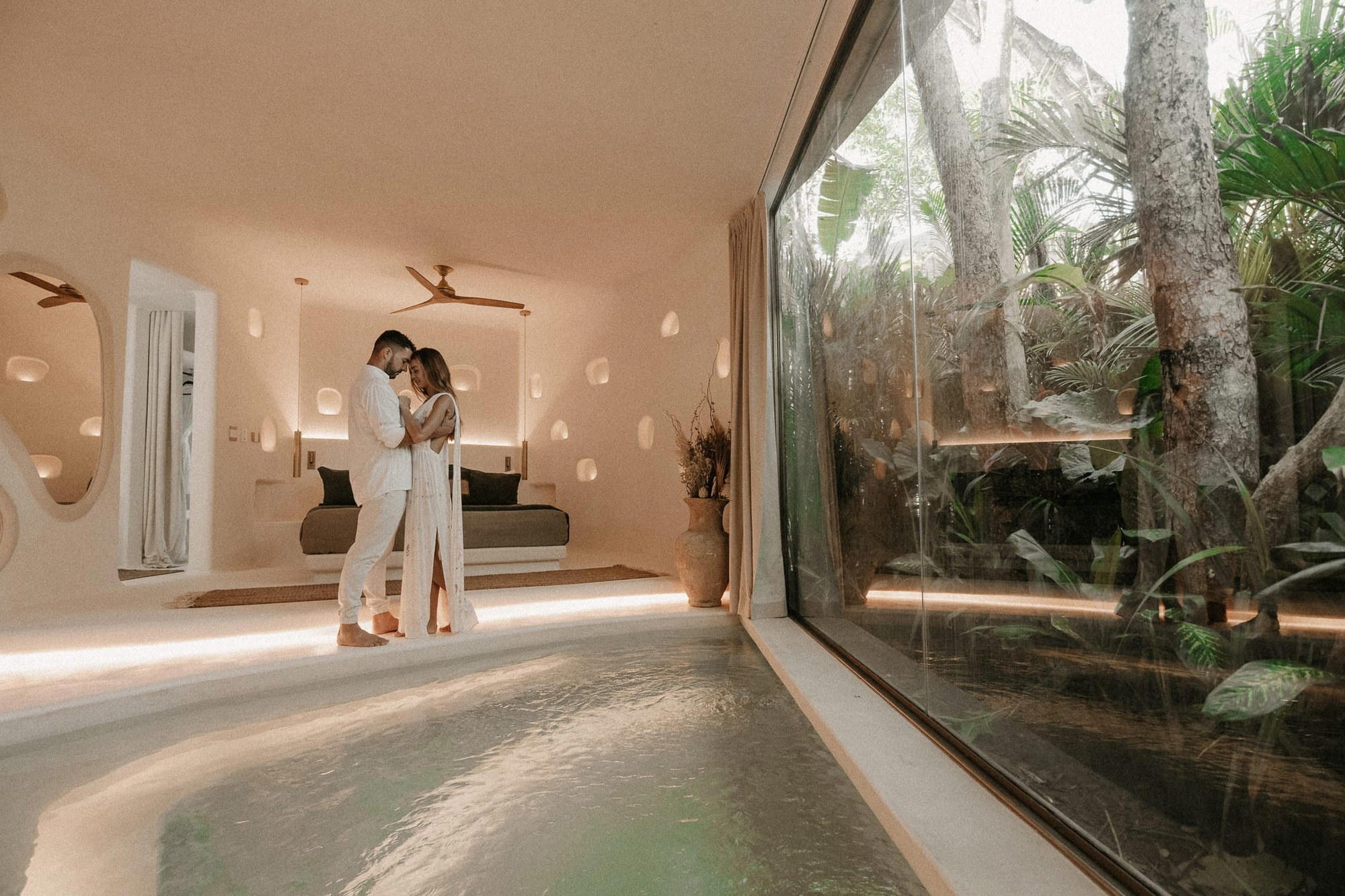


Bars in Tulum
Browse all →

Restaurants in Tulum
Browse all →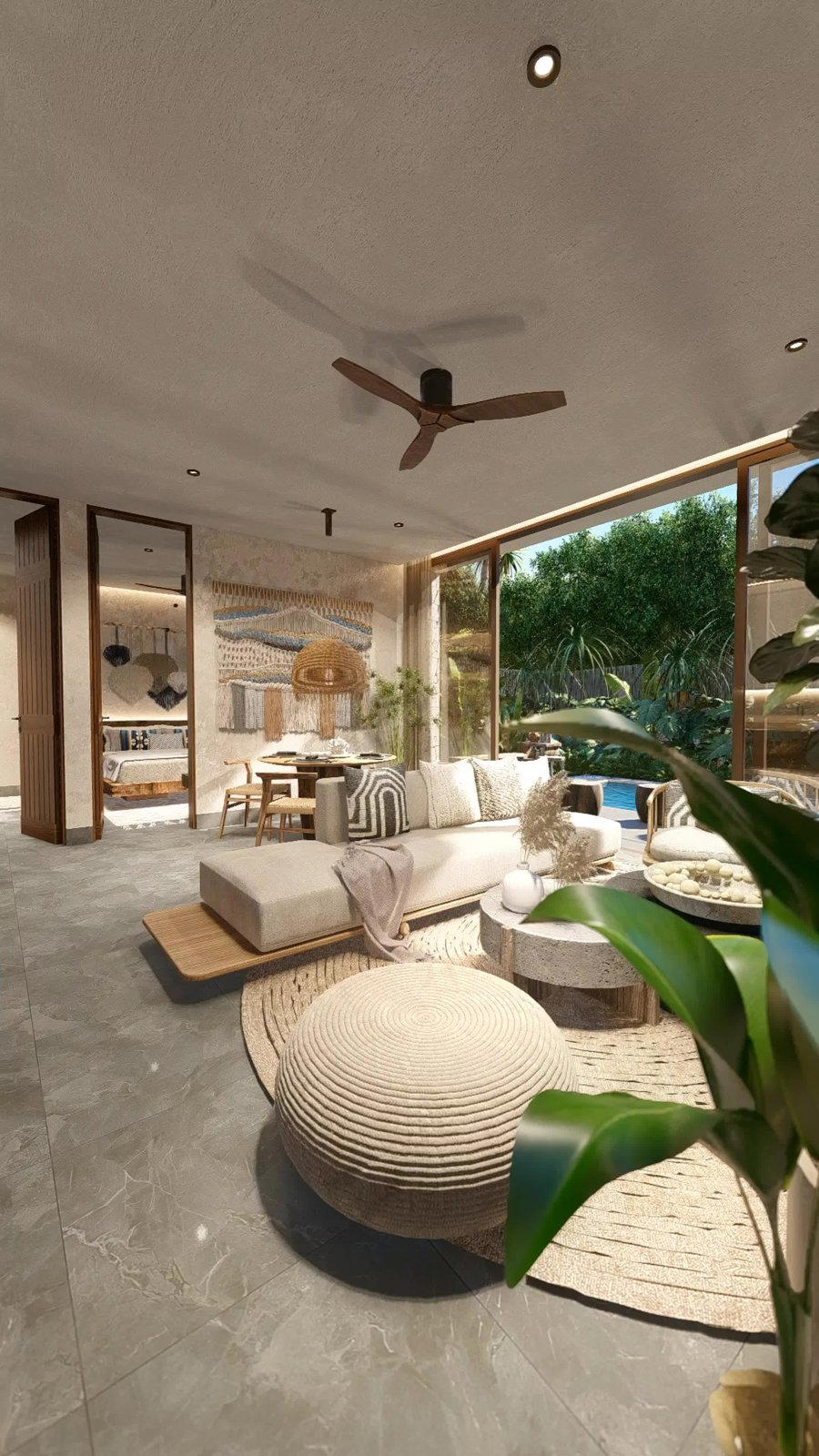
At a Glance
- Trendy
- Cozy
- Bohemian
- Romantic
- Intimate
- Romantic Getaway
- Weekend Escape
- Garden
- Pool
- Wi Fi
- Restaurant
- Bicycle Rental
- Garden
- Pool
- Wi Fi
- Restaurant
- Bicycle Rental
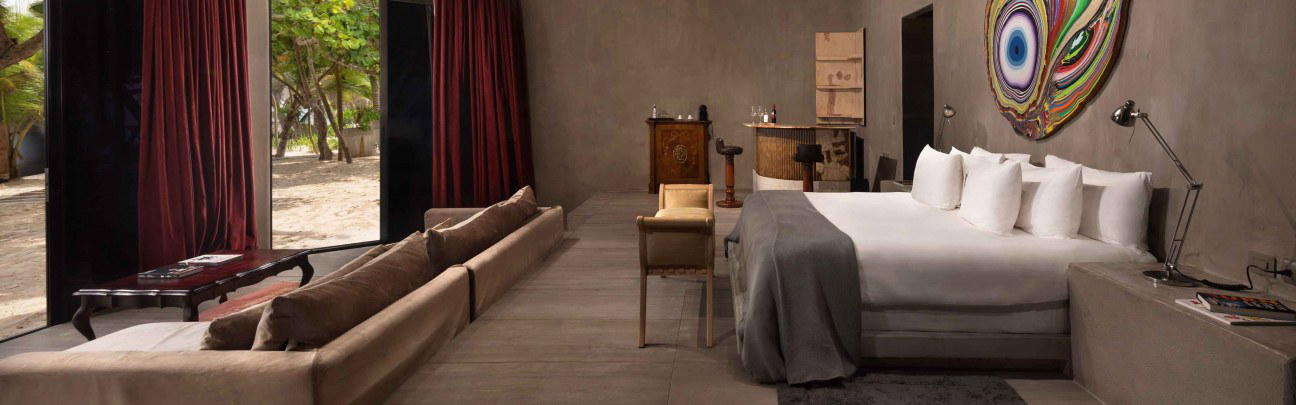
Cozy and relaxing jungle atmosphere with retro-chic design, soft vintage color palette, and peaceful retreat vibe.