Mittermeier

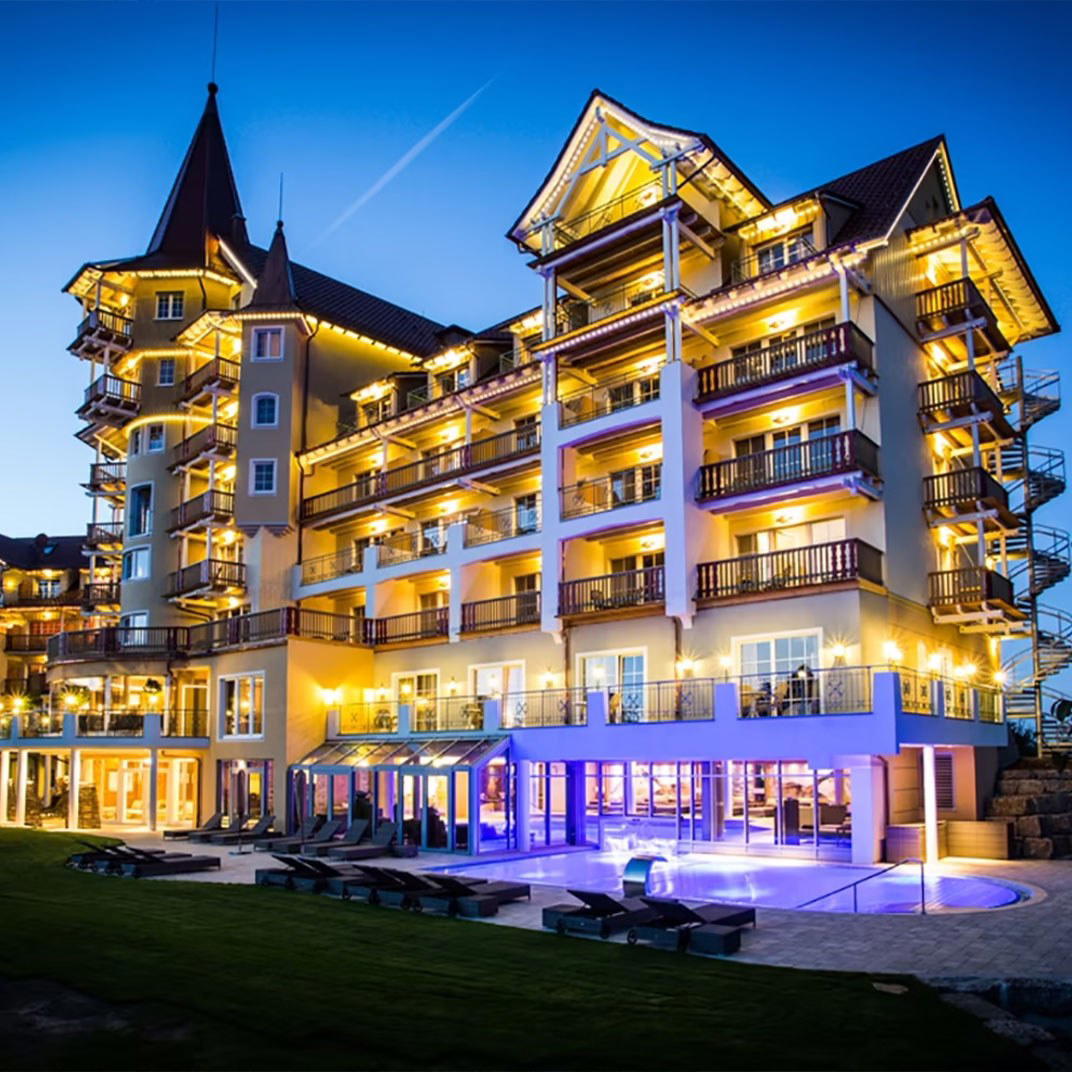
Mittermeier holds a Michelin star in Rothenburg ob der Tauber, Germany's most visited medieval town, where it operates at the top of the local dining tier. Chef Christian Mittermeier runs a seasonal, regionally sourced tasting format across five, seven, or nine courses, with a wine programme built around the house Tauberhase label. Connected accommodation at Villa Mittermeier rounds out the offer.
Pearl is the En Primeur Club membership app — saves, bookings, and concierge access live there. Same editors, same standards.
- Address
- Vorm Würzburger Tor 7, 91541 Rothenburg ob der Tauber, Germany
- Phone
- +49 9861 94540
- Website
- villamittermeier.de
 Saves & bookings on Pearl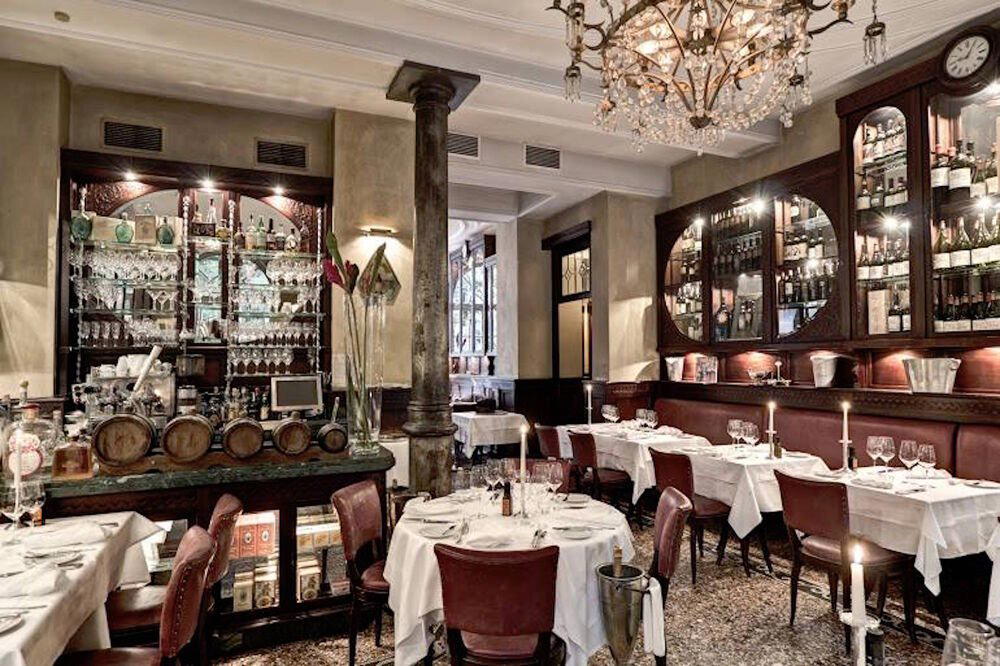
Where the Medieval Town Meets Seasonal Cooking
Rothenburg ob der Tauber is home to Mittermeier, a one-Michelin-star restaurant serving Modern German Fine Dining at Vorm Würzburger Tor 7. The town is known for its preserved half-timbered streetscape and Christmas markets, not for Michelin-starred restaurants. That makes the restaurant's one-star recognition something worth noting: it places this address in the same annual guide as Schwarzwaldstube in Baiersbronn, Aqua in Wolfsburg, and Vendôme in Bergisch Gladbach, restaurants operating in cities or resort towns with deep fine-dining ecosystems. Earning a star in a tourist-heavy small town, where the surrounding dining offer skews heavily toward schnitzels and souvenir-adjacent menus, is a different kind of achievement than earning one in Munich or Hamburg.
The approach here is grounded in regional sourcing, with ingredients drawn from producers across Franconia and the Tauber valley. That's a relevant distinction in a region whose food culture is rarely associated with tasting-menu ambition. At restaurants like JAN in Munich or Restaurant Haerlin in Hamburg, the sourcing story is backed by a deep urban supplier network. Here, the sourcing is more literally local, which shapes what the kitchen can do across the seasons.
The Room and the Format
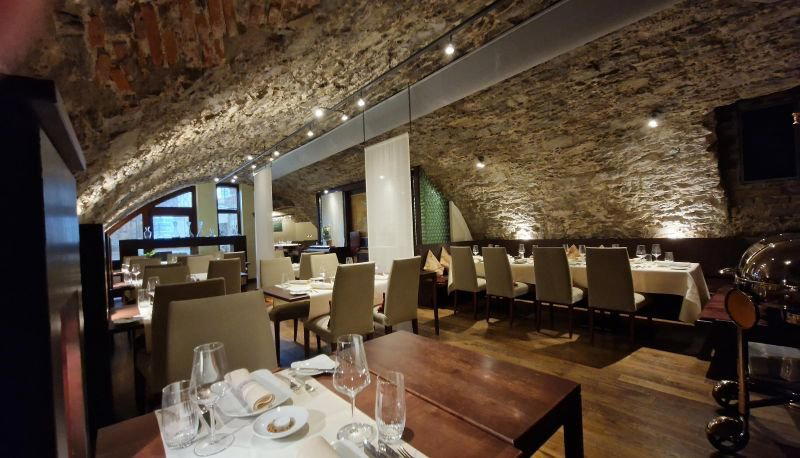
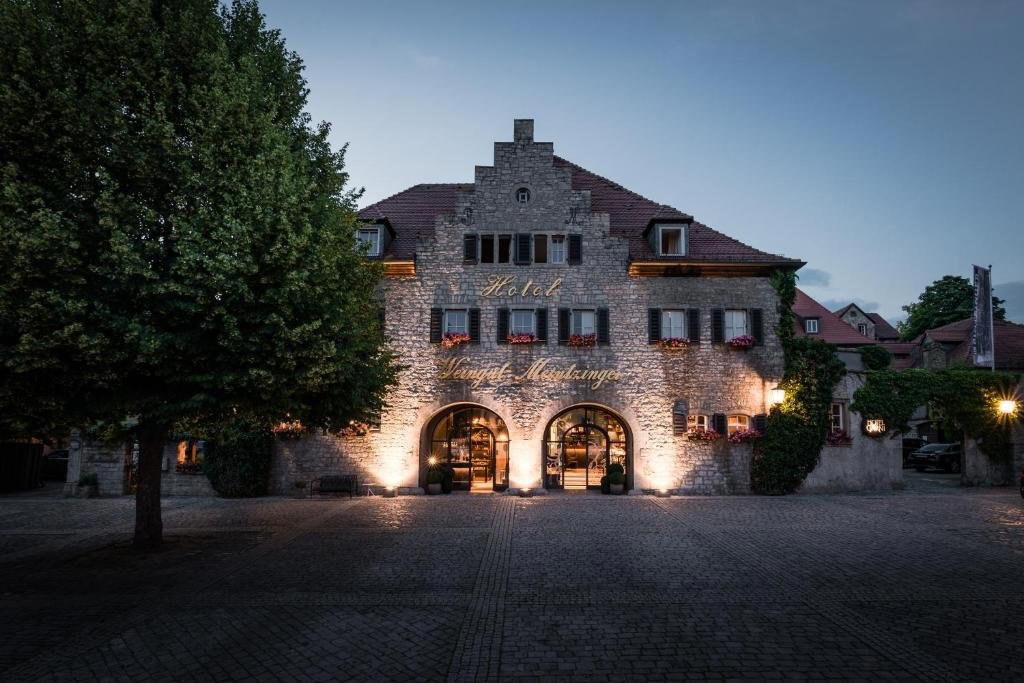
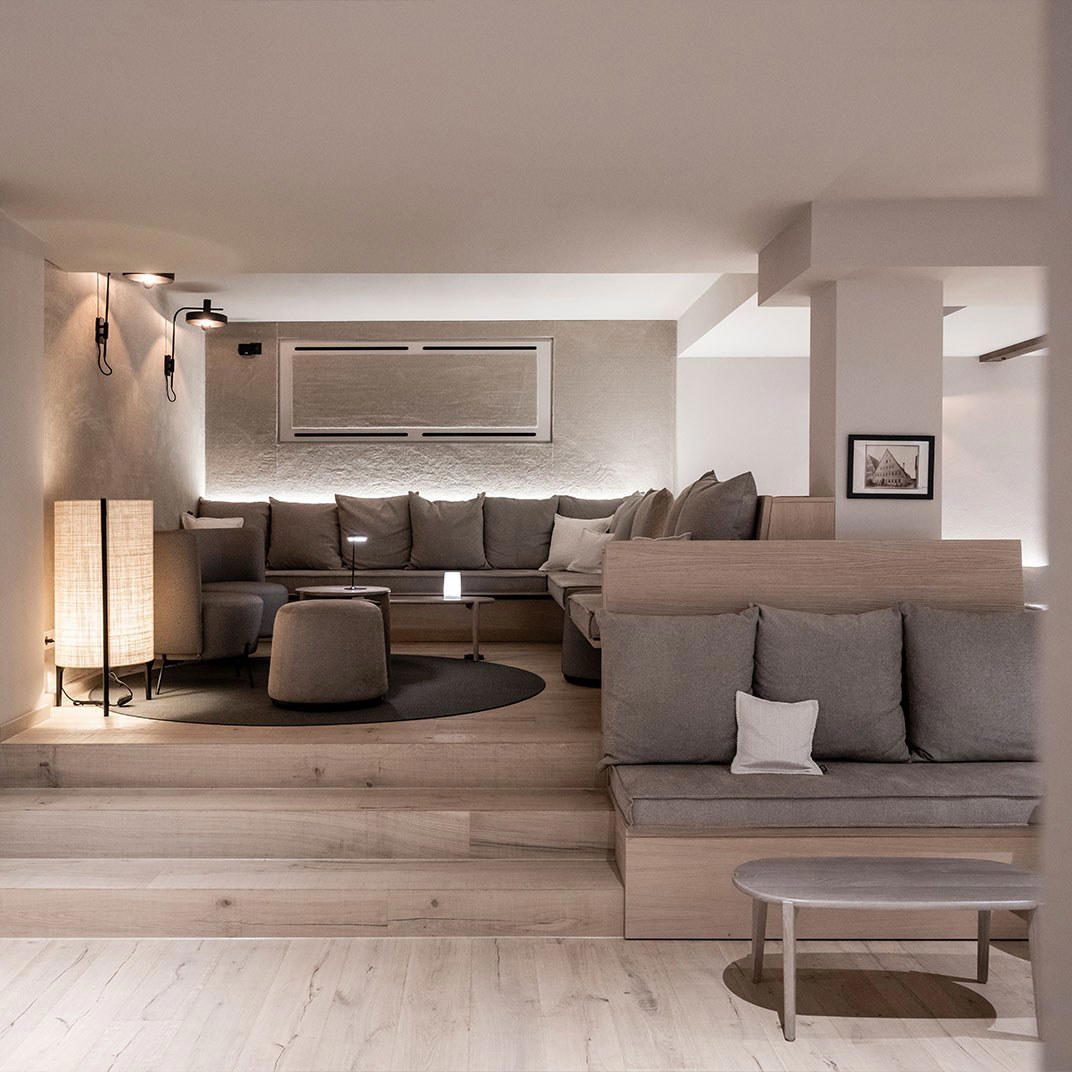
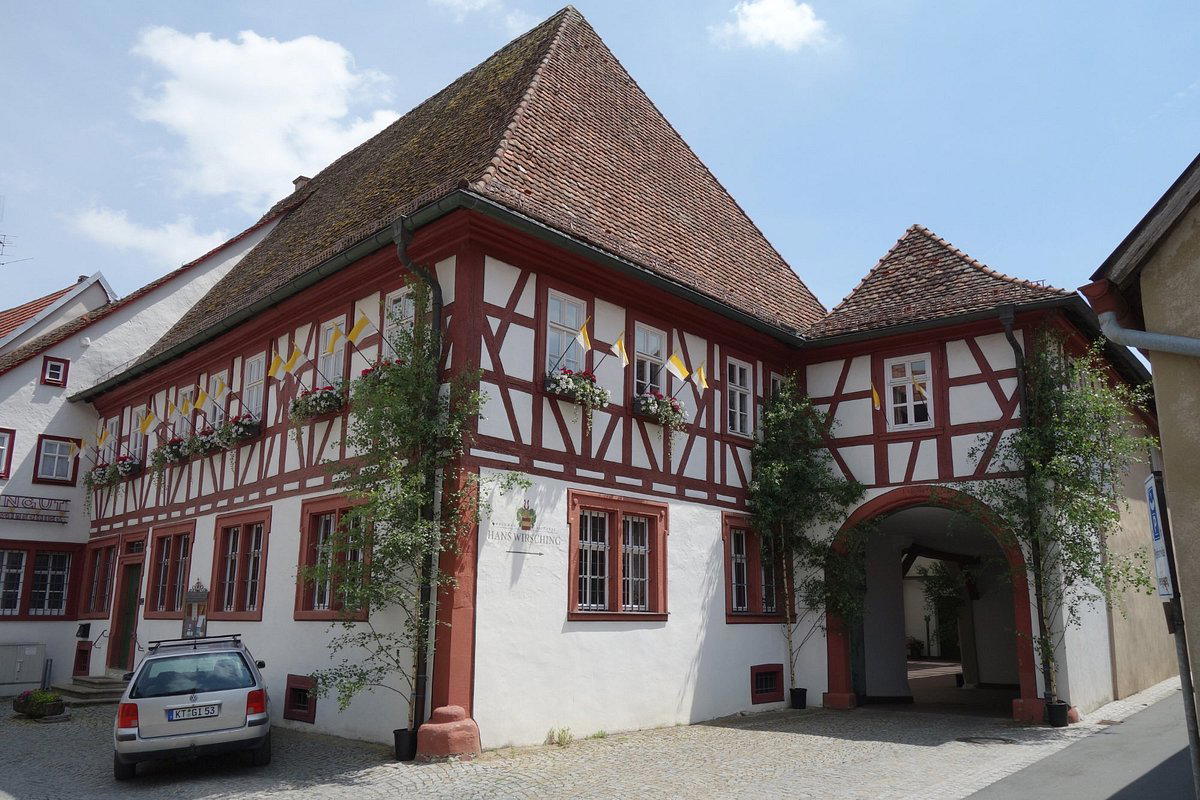
The entrance to Mittermeier is at Vorm Würzburger Tor 7, just inside the old town walls near the Würzburg Gate. Guests pass the open kitchen on their way into the dining space, a layout that frames the cooking as part of the arrival sequence rather than concealing it behind a service partition. The room reads contemporary against the medieval streetscape outside, clean and intentional rather than rustic or heritage-inflected, which signals clearly that the kitchen is not trading on the town's postcard aesthetic.
Format is guest-directed within a set structure: choose five, seven, or nine courses, and the kitchen builds the progression from there. Small cards accompany the dishes with information about sourcing and composition, a format common at this level of European tasting-menu dining and one that allows the kitchen to communicate directly without relying on tableside narration for every plate. Front-of-house service is reported as attentive and engaged, which matters at this price tier where service pace and knowledge are as much part of the assessment as the food itself.
The Sourcing Logic and What It Produces
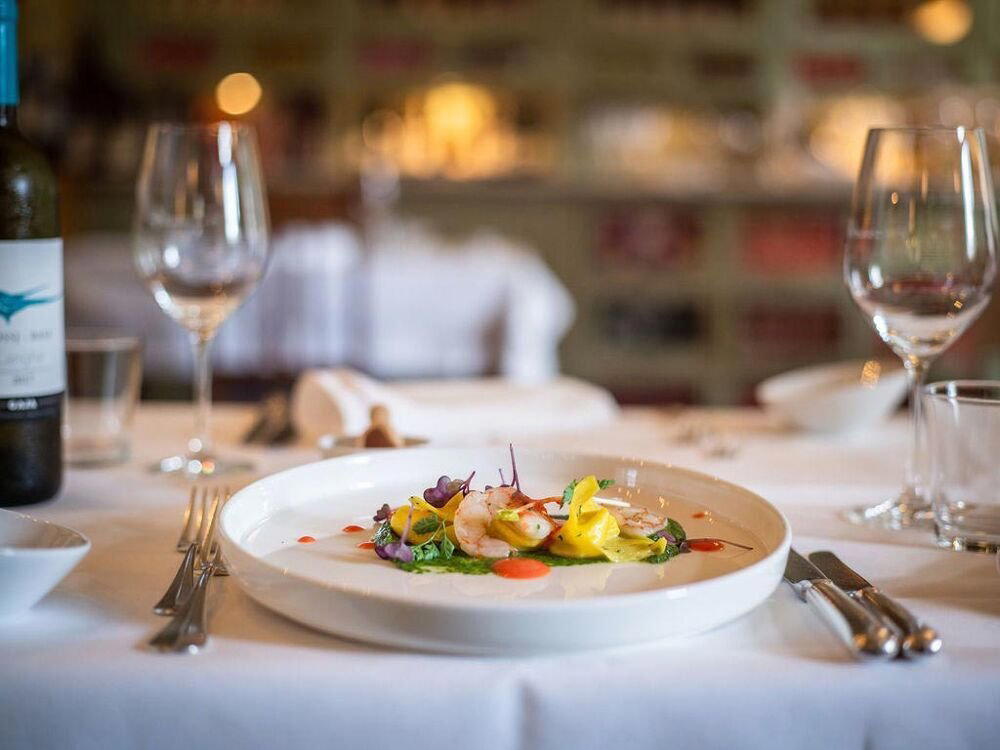
At Michelin-starred level across Germany, there is a clear split between kitchens that draw from the full global pantry and those that impose a geographical constraint on sourcing. Mittermeier operates closer to the latter position. The Michelin inspectors specifically noted that many ingredients come from regional producers, and the dishes cited in the guide entry, ravioli with Parmigiano Reggiano and green olive, guinea fowl with chanterelles and lovage, reflect a kitchen working with seasonal Franconian produce as its foundation while pulling in select non-regional references where the dish logic calls for them.
Chanterelles and lovage are both markers of central European seasonality. Chanterelles appear in the Franconian forest belt across late summer, and lovage is a herb with deep roots in German-speaking kitchen traditions, more commonly found in home cooking than in fine-dining contexts. Using it at this level is a choice that speaks to regional register rather than international trend. At restaurants with more outward-facing sourcing philosophies, CODA Dessert Dining in Berlin or ES:SENZ in Grassau, the sourcing conversation tends toward fermentation, foraged elements, or Alpine specificity. Here it is more quietly grounded in what the Tauber valley and Franconian producers actually supply.
The Parmigiano Reggiano in the ravioli signals that the kitchen is not applying strict localism as a rule, but using regional sourcing as a default and departing from it where flavour logic demands. This is a pragmatic approach common across German starred kitchens that position themselves as modern rather than purist, the sourcing story is genuine but not ideological.
The Wine Programme
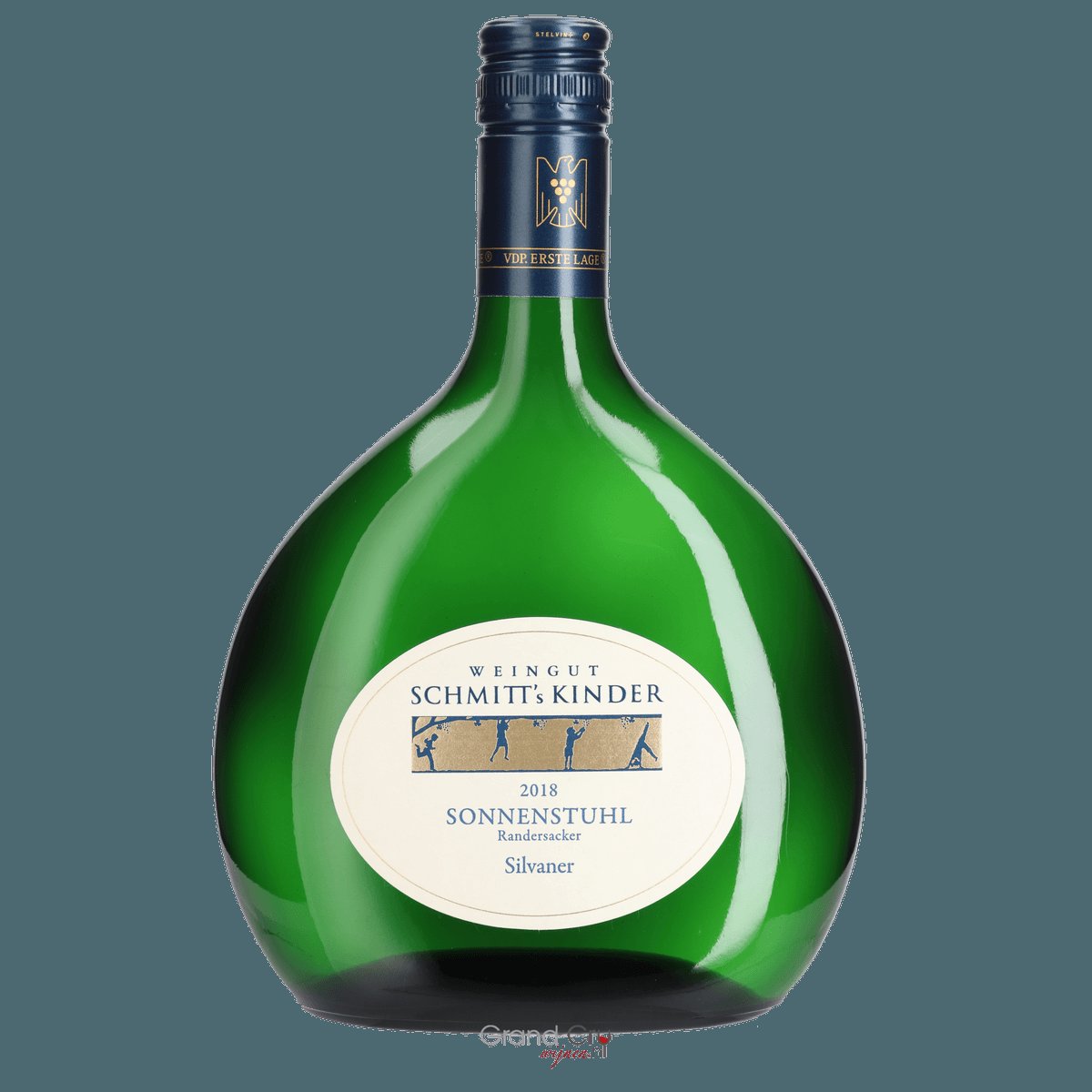
The house wine recommendation is the Tauberhase range, a label associated with the Mittermeier operation rather than an external estate. The Tauber valley sits in the broader Franken wine region, one of Germany's smaller appellations, known primarily for Silvaner and Müller-Thurgau grown in the distinctive Bocksbeutel bottle. Recommending from an in-house range is a positioning decision that keeps wine spend within the operation while giving the kitchen and front-of-house team a single programme to know in depth. For guests who want to move beyond the house label, Franconian wine offers a coherent regional pairing argument, particularly for the lighter, herb-forward elements of the menu.
Germany's finer wine programme restaurants, including Waldhotel Sonnora in Dreis and Victor's Fine Dining by Christian Bau in Perl, typically carry lists that run into the hundreds of references with strong Mosel and Pfalz depth. Mittermeier's programme appears more curated and regionally oriented, which is a reasonable calibration for a one-star in a market of this size. Guests travelling with specific bottle expectations should note that the programme's strengths appear regional rather than encyclopaedic.
Peer Context Across Germany
Germany's single-Michelin-star bracket is larger than most visitors realise. The 2024 guide lists well over 300 starred restaurants across the country. At the one-star level, the range runs from tight urban bistros to hotel dining rooms to countryside addresses with rooms attached. Mittermeier occupies the last category. Schanz in Piesport on the Mosel is a comparable case, a starred restaurant in a small wine-country town, operating with an attached hotel and a clear regional sourcing argument. The format has precedent and a coherent logic: guests arrive, eat, sleep, and are not trying to organise transport back to a city at midnight.
For visitors already in Rothenburg for the town itself, Mittermeier represents the ceiling of what the local dining scene offers. HerR is the other address in town worth attention at a different price and format register. See our full Rothenburg ob der Tauber restaurants guide for a complete picture of where to eat across the town's tiers.
For travellers using Rothenburg as a base to explore Franconia's broader food and wine offer, the comparison set widens considerably. The Franken appellation runs north to Würzburg and beyond, and the region's wine estates and farm-to-table operations reward time spent outside the old town walls. Our full Rothenburg ob der Tauber wineries guide maps the regional wine picture in more detail.
Internationally, the modern-cuisine tasting format at this level of seasonal discipline has close analogues at restaurants like Frantzén in Stockholm and FZN by Björn Frantzén in Dubai, though both operate at a different scale and star count. The comparison is useful mainly in terms of format DNA, the idea that a guest-directed course count within a seasonal framework is now standard practice at this level across northern and central Europe.
Planning the Visit
Mittermeier sits at the €€€€ price point, which at a one-Michelin-star address in Germany typically means a nine-course menu in the 150 to 180 euro range before wine, though no specific pricing is confirmed from available data. The address is at Vorm Würzburger Tor 7, a short walk from the Würzburg Gate on the town's western edge, accessible on foot from anywhere within the old town walls. Reservations are essential, and the restaurant is open Tuesday through Saturday from 6 to 9 PM. Villa Mittermeier, the attached hotel, allows guests to pair the dinner with accommodation without organising onward transport, which is a practical advantage in a town without significant late-night logistics infrastructure.
What Regulars Order
Based on what Michelin's inspectors highlighted, dishes built around chanterelles, guinea fowl, and herb-forward compositions like lovage tend to be where the kitchen's regional sourcing argument is most legible on the plate. The ravioli with Parmigiano Reggiano and green olive sits at the other end of the menu's tonal range, more technically precise, leaning on aged cheese for depth. Guests who engage the full nine-course format will see the broadest expression of the kitchen's seasonal range. The five-course option suits guests who want the tasting experience without committing to a full evening's progression. Staff are noted by Michelin as willing to guide wine pairing from the Tauberhase range, which is a reasonable place to anchor the evening if the local Franken wine register is unfamiliar territory.
Price and Recognition
Comparable venues nearby, for context on price, style, and recognition.
| Venue | Cuisine | Price | Awards | Notes |
|---|---|---|---|---|
| MittermeierThis venue — the venue you are viewing | Modern Cuisine | $$$$ | Michelin 1 Star | |
| HerR | Altstadt, Innovative Klassik | $$$$ | Michelin Plate | |
| Gasthof Alex | Gössersdorf, Franconian Haute Cuisine | $$$$ | Michelin 1 Star | |
| Raro im Mühlenhof | $$$$ | Michelin 1 Star | Schriesheim, Modern Farm-to-Table Regional | |
| Nose & Belly | $$$$ | Michelin 1 Star | Georgs-Kreuzviertel, Modern Bavarian Fine Dining | |
| Alte Liebe | $$$$ | Michelin 1 Star | Augsburg-Innenstadt, Modern German Seasonal Fine Dining |
Continue exploring
More in Rothenburg ob der Tauber
Restaurants in Rothenburg ob der Tauber
Browse all →
Bars in Rothenburg ob der Tauber
Browse all →
Hotels in Rothenburg ob der Tauber
Browse all →
At a Glance
- Trendy
- Modern
- Cozy
- Elegant
- Date Night
- Special Occasion
- Open Kitchen
- Hotel Restaurant
- Extensive Wine List
- Farm To Table
- Local Sourcing
Trendy dining space past an open kitchen with attentive, friendly service in a relaxed yet sophisticated atmosphere.