Grotta Giusti Resort Golf & Spa

A Michelin Selected hotel built around one of Tuscany's most architecturally singular thermal sites, Grotta Giusti occupies a nineteenth-century villa whose gardens lead directly into a natural cave system used for thermal bathing since the 1850s. The combination of neoclassical villa architecture, subterranean thermal grottos, and an eighteen-hole golf course positions it at an unusual intersection of heritage property and active wellness destination. For the full context on accommodation in the area, see our Monsummano Terme guide.
Pearl is the En Primeur Club membership app — saves, bookings, and concierge access live there. Same editors, same standards.
- Address
- Via della Grotta Giusti, 1411, 51015 Monsummano Terme PT, Italy
- Phone
- +39 0572 907 7991
- Website
- marriott.com
- Directions
- Get directions
 Saves & bookings on Pearl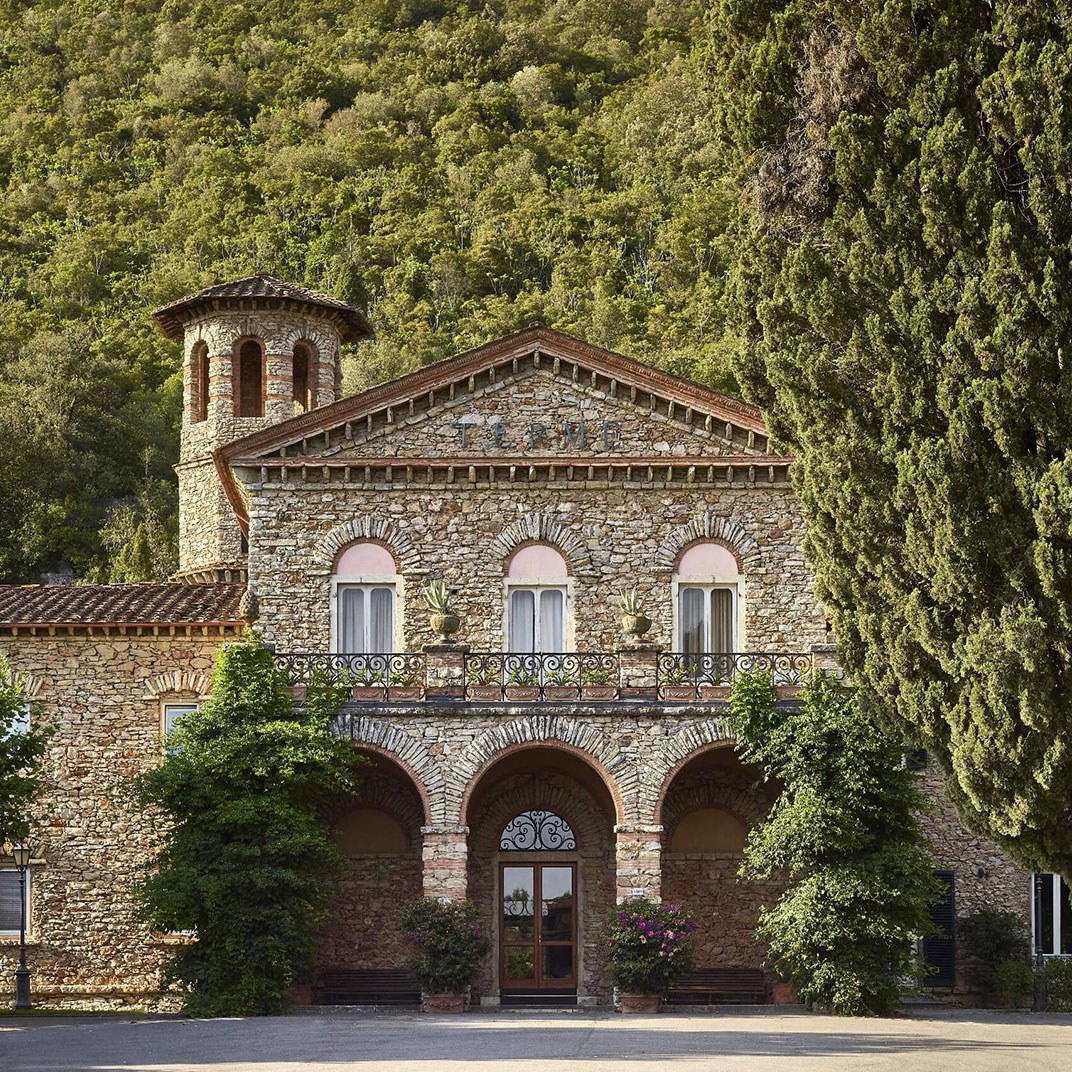
A Cave Beneath a Villa: The Physical Logic of Grotta Giusti
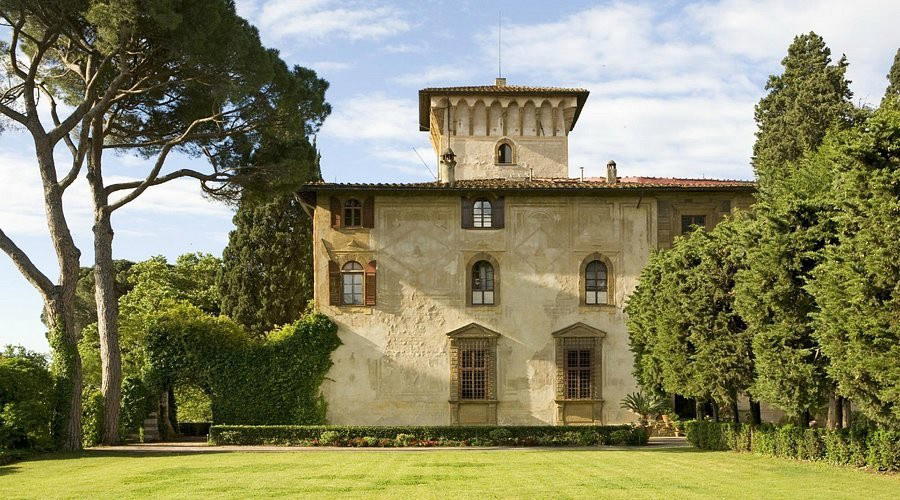
There is a particular category of Italian property where the architecture is not simply decorative but structural to the entire proposition. Grotta Giusti Resort Golf & Spa in Monsummano Terme belongs to that category. The property is anchored by a nineteenth-century neoclassical villa whose stone facades, arched loggias, and terraced gardens fit the Tuscan setting. What separates it from the broader inventory of Tuscan villa conversions is what lies beneath: a natural thermal cave, formed by geothermal activity in the Valdinievole basin, which has been in continuous use as a therapeutic bathing site since the 1850s. The villa and the grotto are not separate amenities connected by a wellness corridor. They are the same building, one growing out of the other, and that spatial relationship defines how the property functions and how guests move through it.
Monsummano Terme sits roughly equidistant between Pistoia and Montecatini Terme in western Tuscany, a zone historically associated with thermal waters rather than the wine estates and agriturismo model that dominates the region's hospitality marketing. The town's thermal tradition predates most of the luxury properties currently associated with Tuscan wellness, and Grotta Giusti's grotto was already attracting visitors from across Europe when the villa was first developed. The current resort configuration, which includes an eighteen-hole golf course set across the surrounding grounds, layers a twentieth-century leisure format onto a site whose therapeutic identity is considerably older.
The Villa Architecture and Its Neoclassical Register
The villa's exterior reads as restrained neoclassical, the kind of composed, symmetrical facade that became a default register for prosperous Tuscan households in the mid-to-late 1800s. What distinguishes Grotta Giusti architecturally is the degree to which the building's interior organisation reflects the subterranean reality below it. Properties that incorporate cave systems typically treat the geological feature as an attraction appended to the main structure. Here, the circulation moves guests from formal reception spaces through progressively more elemental environments, from tiled entrance halls and period-furnished salons down into the thermal grotto itself, where the architecture cedes entirely to geology.
That descent is the spatial experience the property is organised around. The grotto levels are structured in thermal zones of increasing intensity, a layout that has remained consistent in concept since the original thermal operations of the nineteenth century, though the facilities have been updated across successive refurbishments. The combination of original villa fabric, managed thermal infrastructure, and natural cave geology creates an architectural layering that is genuinely difficult to replicate. Properties like Rosewood Castiglion Del Bosco in Montalcino or Castello di Reschio in Lisciano Niccone work within the Tuscan estate conversion format, adapting agricultural or noble heritage structures for contemporary use. Grotta Giusti works with something architecturally different: a site where the natural geological feature preceded the built structure and continues to determine how the building is used.
Thermal Heritage in a Regional Context
Western Tuscany's thermal belt, running through Montecatini, Monsummano, Saturnia, and the Maremma coast, represents one of the oldest spa tourism circuits in Europe. Grand Tour travellers knew Montecatini Terme by the eighteenth century. The Valdinievole basin's reputation developed slightly later, with Monsummano Terme's grotto gaining serious attention from the mid-nineteenth century onward. Within that tradition, Grotta Giusti occupies the upper tier, a heritage property with a documented therapeutic history rather than a newly constructed wellness hotel borrowing thermal vocabulary.
Other Italian thermal properties operate within this heritage framework. Saturnia has its own ancient spring complex. The Abano and Montegrotto Terme area in the Veneto has a dense cluster of thermal hotels. What Grotta Giusti holds that most of those properties do not is the cave itself, a natural enclosed thermal environment rather than a constructed pool system fed by thermal water. That distinction matters both architecturally and experientially, and it explains why the property draws comparisons to a narrow set of European analogues rather than to the broader Italian spa hotel category.
Golf, Gardens, and the Property's Spatial Spread
The eighteen-hole golf course adds a spatial dimension that shifts the property's scale considerably. Villa-based Tuscan hotels typically work within tight garden perimeters. Grotta Giusti's grounds extend across the golf layout, giving the property an open-air footprint more comparable to estate-scale operations like those at Borgo Egnazia in Puglia than to the enclosed-garden model of urban Florentine hotels such as Four Seasons Hotel Firenze. The course is set within the Valdinievole lowlands, a gentler topography than the hillside vineyards associated with most Tuscan golf, which affects both the playing character and the visual relationship between course and villa.
The gardens between the villa and the surrounding grounds maintain a cultivated formality consistent with the neoclassical building. This is not the loose, naturalistic planting that some contemporary wellness properties favour. The formal garden language reinforces the nineteenth-century villa identity and creates a coherent visual progression from building to grounds, even as the course extends beyond that formality into a more open agricultural context.
Planning a Stay
Grotta Giusti is accessible from Florence in under an hour by car, and from Pistoia in roughly twenty minutes, making it viable as a short-stay thermal retreat without requiring a full regional itinerary. The property's position in the MICHELIN Selected Hotels 2025 list signals a level of quality and facility standard recognised by an independent editorial authority, which is a practical indicator for guests comparing Tuscan hotel options across different price tiers.
Thermal grotto access is typically structured around timed sessions due to the intensity of the cave environment, and the progression through thermal zones requires acclimatisation time rather than a quick pass-through. Guests oriented toward the thermal experience will want to plan at minimum a two-night stay to make full use of the grotto without the experience feeling compressed. Golf requires advance tee time reservation, particularly in spring and autumn when the Valdinievole climate is at its most amenable.
Casa Maria Luigia in Modena anchors the Emilia-Romagna food-and-hospitality axis to the north. Il Pellicano in Porto Ercole anchors the southern Tuscan coast. Properties in the Italian Lakes, including Grand Hotel Tremezzo and Il Sereno in Torno, represent a different aesthetic tradition, contemporary and lakeside, against which Grotta Giusti's geological and neoclassical identity reads as a clear counter-programme.
Fast Comparison
Comparable venues nearby, for context on price, style, and recognition.
| Venue | Cuisine | Price | Awards | Notes |
|---|---|---|---|---|
| Grotta Giusti Resort Golf & SpaThis venue — the venue you are viewing | 19th-century historic villa in a private park | $$$$ | 4-Star | Not listed |
| Grotta Giusti Thermal Spa Resort Tuscany, Autograph Collection | 19th-century restored villa with Tuscan art and nature-inspired details | $$$$ | 5-Star | Monsummano Terme |
| Stazzo Lu Ciaccaru | Traditional Gallura farmhouse restored into a luxury wine resort | $$$$ | 4-Star | Arzachena |
| Leone Blu Suites | Boutique luxury palazzo hotel emphasizing heritage and exclusivity with contemporary design integration. | $$$$ | 4-Star | Santo Spirito |
| Vinilia Wine resort | Restored neo-eclectic castle with family-style hospitality | $$$$ | 4-Star | Manduria |
| Relais Corte Rodeschi | Historic 18th-century relais villa with modern comforts | $$$$ | 4-Star | Nocchi |
Recognition history
Dated appearances from independent guides and award organizations, with the underlying list record or original source where available.
Michelin Selected
Michelin
Continue exploring
More in Monsummano Terme
Hotels in Monsummano Terme
Browse all →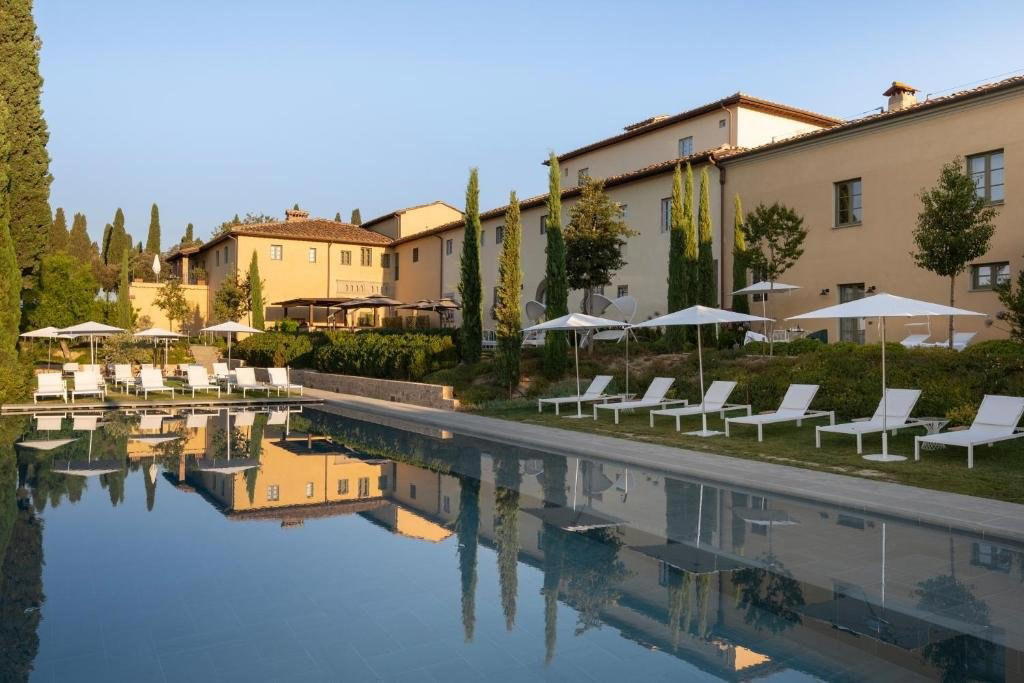
Bars in Monsummano Terme
Browse all →
Restaurants in Monsummano Terme
Browse all →


At a Glance
- Romantic
- Elegant
- Scenic
- Sophisticated
- Quiet
- Romantic Getaway
- Wellness Retreat
- Honeymoon
- Anniversary
- Golf Course
- Destination Spa
- Panoramic View
- Terrace
- Spa
- Pool
- Fitness Center
- Tennis Court
- Room Service
- Concierge
- Wi Fi
- Garden
- Mountain
- Spa
- Pool
- Fitness Center
- Tennis Court
- Room Service
- Concierge
- Wi Fi
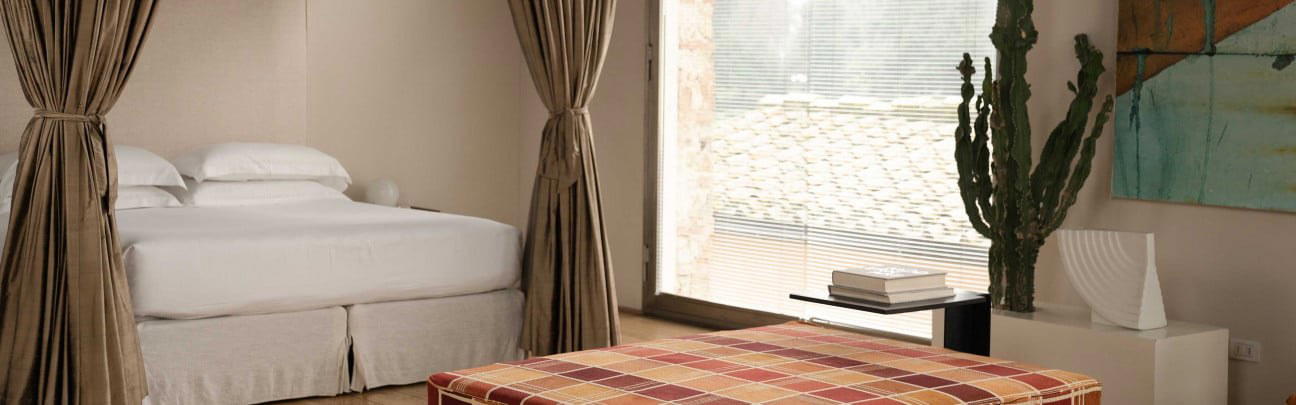
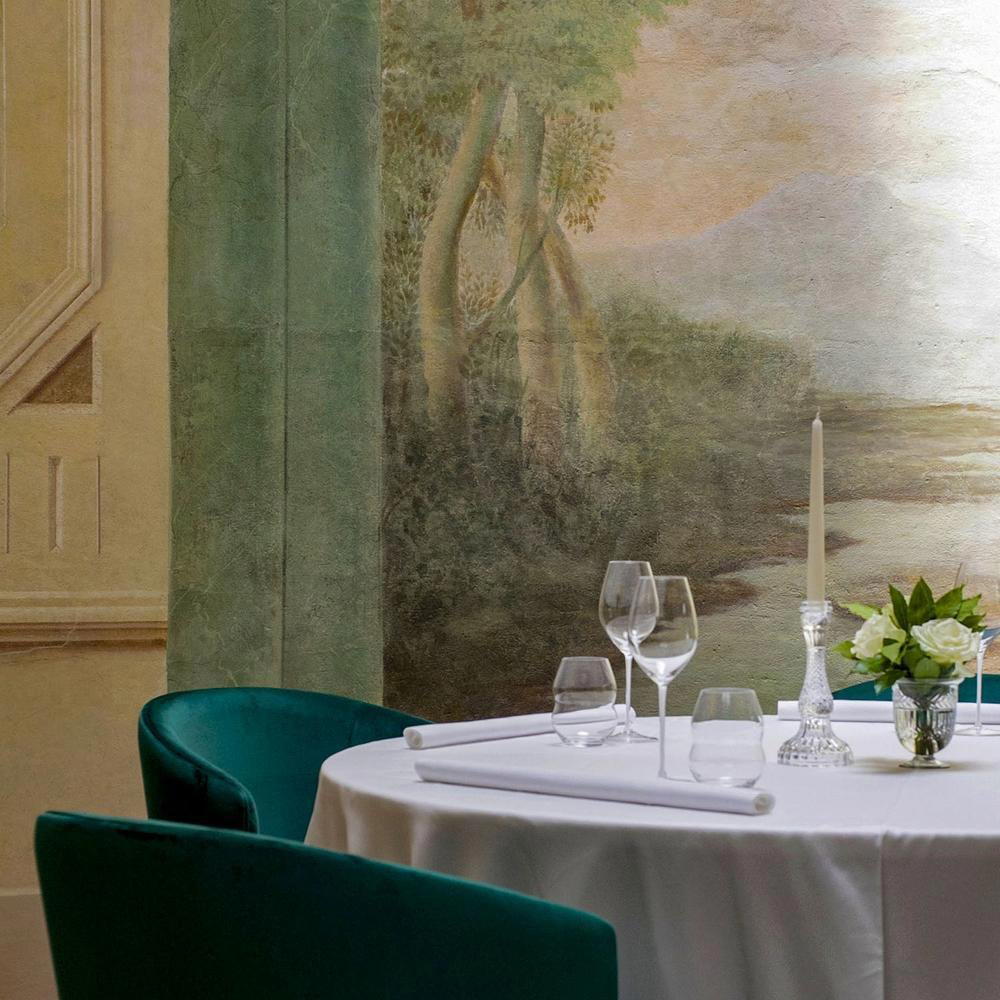
Elegant historical charm with frescoed ceilings, high ceilings, soft neutral tones, marble flooring, and a peaceful park setting.