Grotta Giusti Thermal Spa Resort Tuscany, Autograph Collection

Michelin Selected
A nineteenth-century thermal spa complex in the Tuscan hills, Grotta Giusti occupies a former villa whose subterranean cave system channels naturally heated waters through three climatic chambers. Now part of Marriott's Autograph Collection, the property sits in Monsummano Terme, a town whose thermal tradition predates modern wellness tourism by well over a century. It belongs to a small category of Italian spa retreats where the architecture and the geology are inseparable.

Pearl is the En Primeur Club membership app — saves, bookings, and concierge access live there. Same editors, same standards.
- Address
- Via della Grotta Giusti, 1411, 51015 Monsummano Terme PT, Italy
- Phone
- +39 0572 907 7991
- Website
- marriott.com
- Directions
- Get directions
Where the Cave Is the Architecture
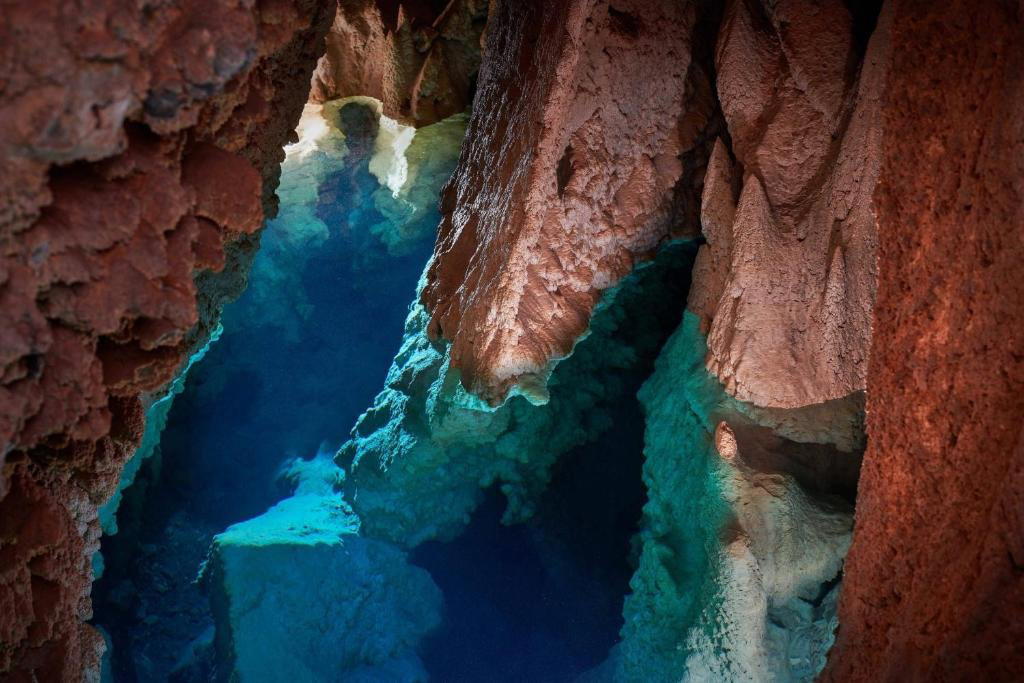
Most luxury spa hotels are built on top of their selling point. At Grotta Giusti, in the Tuscan hillside town of Monsummano Terme, the selling point is built into the earth beneath the villa. The property centres on a natural limestone cave whose interior temperature varies across three distinct chambers — traditionally named Paradise, Purgatory, and Hell — each progressively hotter and more humid as the passage descends toward the geothermal source. Visiting a thermal cave of this age and geological formation is not a common proposition in European luxury hospitality; most properties in the wellness category use mineral pools fed by piped water. Here, the cave system is the architecture, and the villa above it is secondary in the hierarchy of space.
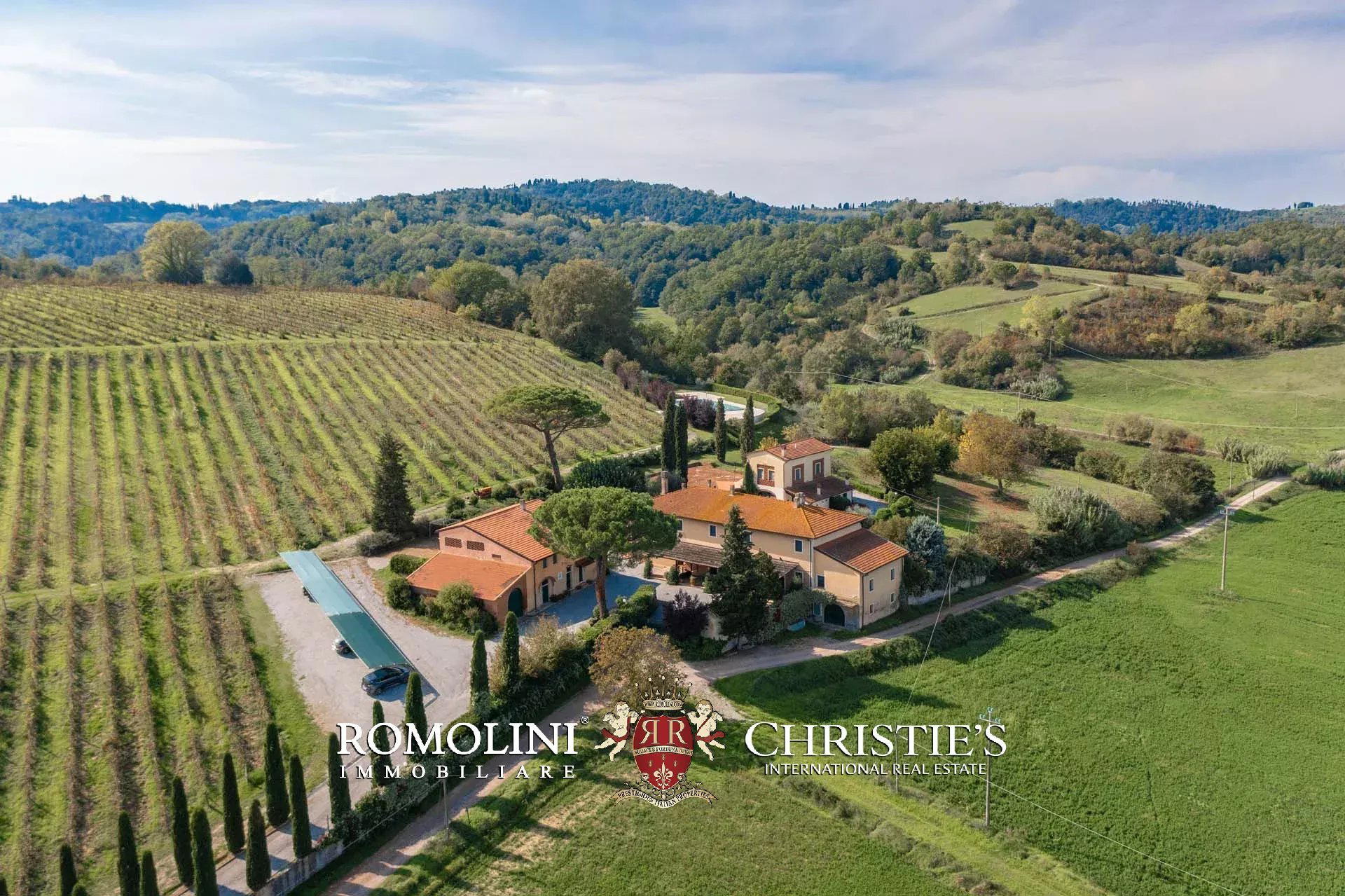
The above-ground structure is a nineteenth-century neoclassical villa with the proportions and detailing typical of prosperous Tuscan landowners of that era: high-ceilinged reception rooms, a colonnaded exterior, and grounds organised with the kind of formal intention that later centuries tend to soften into something more romantic. The contrast between this composed upper world and the raw geological interior below is the defining spatial experience of the property. It is not something you find replicated at, say, Four Seasons Hotel Firenze, whose luxury is expressed through Renaissance frescoes and enclosed garden courtyards, or at Aman Venice, where the building itself is the entire narrative. Grotta Giusti asks you to hold two registers simultaneously: the cultivated and the elemental.
The Thermal Tradition of Monsummano Terme
Monsummano Terme sits in the Valdinievole, a valley between Pistoia and Lucca that has channelled thermal activity for centuries. The town's identity is more directly shaped by its springs than by agriculture or industry, which places it in a different register from the wine-estate retreats that define much of Tuscan luxury hospitality. Where Rosewood Castiglion Del Bosco in Montalcino or Borgo San Felice Resort in Castelnuovo Berardenga frame their Tuscany through Sangiovese and cypress-lined drives, Grotta Giusti frames it through geology and therapeutic water.
The cave beneath the villa was discovered in 1849 and drew visitors of sufficient cultural standing that the Italian poet Giuseppe Giusti, a native son of the region, became associated with the site. That historical layer matters not as heritage marketing but as evidence that this is a place with a pre-tourism reason for existing, a distinction that separates it from properties constructed to supply demand rather than respond to a genuine local condition. The thermal tradition here is older than the hospitality business built around it.
For context on how Italy's luxury hotel market has evolved, see our full Monsummano Terme restaurants guide, which covers the broader dining and hospitality scene in the area.
Architecture as Program
The Autograph Collection positioning, within Marriott's portfolio, nominally signals independently spirited properties with a distinct character, the category is intended for hotels that do not fit a standardised brand template. Grotta Giusti qualifies on that criterion in a direct way: no amount of brand engineering produces a natural geothermal cave beneath a neoclassical villa. The physical fabric dictates the program rather than the other way around.
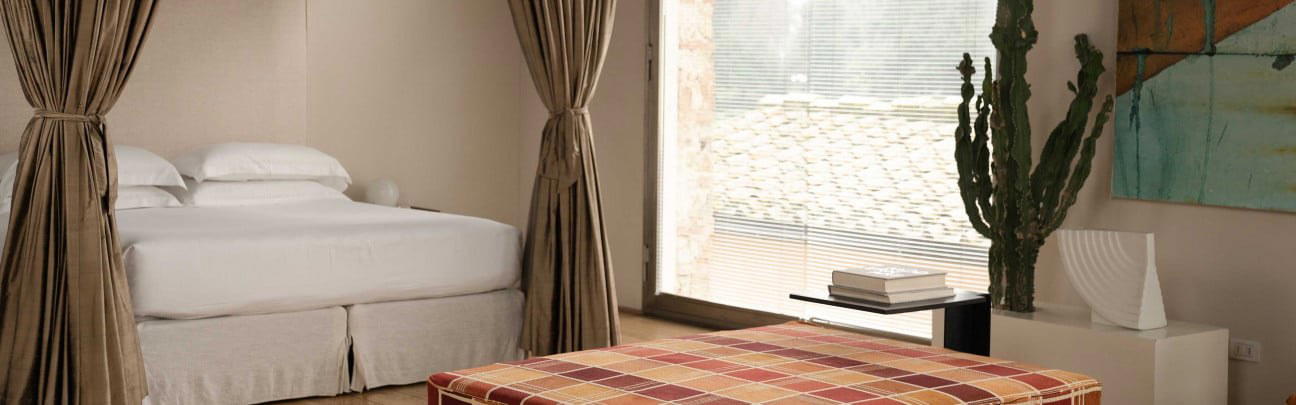
The villa rooms carry the proportions of their period: higher ceilings than contemporary builds, thicker walls, windows oriented toward the garden rather than positioned for view optimisation. This is architecture designed for a different climate relationship than modern hotels typically pursue, and it functions accordingly, cooler in summer without mechanical intervention, quieter due to wall mass. These are not amenities in the contemporary sense; they are consequences of construction logic from another century.
Properties built in comparable historic envelopes across Italy, Castello di Reschio in Umbria, Castelfalfi in Montaione, or Castel Fragsburg in Merano, each carry the spatial logic of their original construction into the guest experience. At Grotta Giusti, that logic extends underground, which is less common and more consequential for the actual use of the property.
Situating the Stay
Monsummano Terme is not a destination in the way Florence or the Amalfi Coast is a destination. It is a town of modest scale whose thermal infrastructure is its primary draw for visitors arriving from beyond the region. The nearest major city, Pistoia, is approximately 15 kilometres to the north and accessible by road in under twenty minutes. Florence is within an hour by car, which places the property in a functional orbit of the city without requiring the guest to operate inside it.
This positioning works differently from urban luxury, properties like Bulgari Hotel Roma or Portrait Milano are embedded in cities whose programming the hotel amplifies. Grotta Giusti is the program. The surrounding Valdinievole offers walking, cycling through flat agricultural land, and access to the hilltowns of Pescia and Buggiano, but these are secondary to the thermal experience on site. Travellers arriving here are not typically redistributing attention across a region; they are arriving specifically for what is below ground.
For those building longer Italian itineraries, comparable slow-hospitality properties that share the emphasis on place-specific experience include Casa Maria Luigia in Modena, Corte della Maestà in Civita di Bagnoregio, and Forestis Dolomites in the Alto Adige, each of which uses a particular natural or architectural condition as the anchor of the stay rather than a supplemental amenity.
Planning a Stay
Monsummano Terme is reachable from Florence's Santa Maria Novella station by regional train to Montecatini Terme, then a short taxi transfer of roughly five kilometres, a practical approach for guests travelling without a car. The spring and autumn months suit the property's character most directly: the cave maintains its own internal climate regardless of season, but the gardens and external spaces of the villa are at their most functional outside the summer peak, when the broader Tuscan tourist circuit is at its most compressed. Advance booking through the Autograph Collection's reservation system is the standard approach; the property's position within a recognised collection means availability and rate transparency are handled through established channels rather than requiring direct negotiation.
Comparison Snapshot
| Venue | Price | Awards |
|---|---|---|
| Grotta Giusti Thermal Spa Resort Tuscany, Autograph CollectionThis venue — the venue you are viewing | Not listed | Michelin Selected |
| Aman Venice | $1,000–1,500 | 3 Michelin Keys · World's 50 Best #79 |
| Cipriani, A Belmond Hotel, Venice | $750–1,000 | 3 Michelin Keys · World's 50 Best #72 |
| Four Seasons Hotel Firenze | $750–1,000 | 3 Michelin Keys · World's 50 Best #12 |
| Rosewood Castiglion Del Bosco | $1,000–1,500 | 3 Michelin Keys · World's 50 Best #62 |
| Bulgari Hotel Roma | Not listed | 3 Michelin Keys · World's 50 Best #32 |
Recognition history
Dated appearances from independent guides and award organizations, with the underlying list record or original source where available.
Michelin Selected
Michelin
Continue exploring
More in Monsummano Terme
Hotels in Monsummano Terme
Browse all →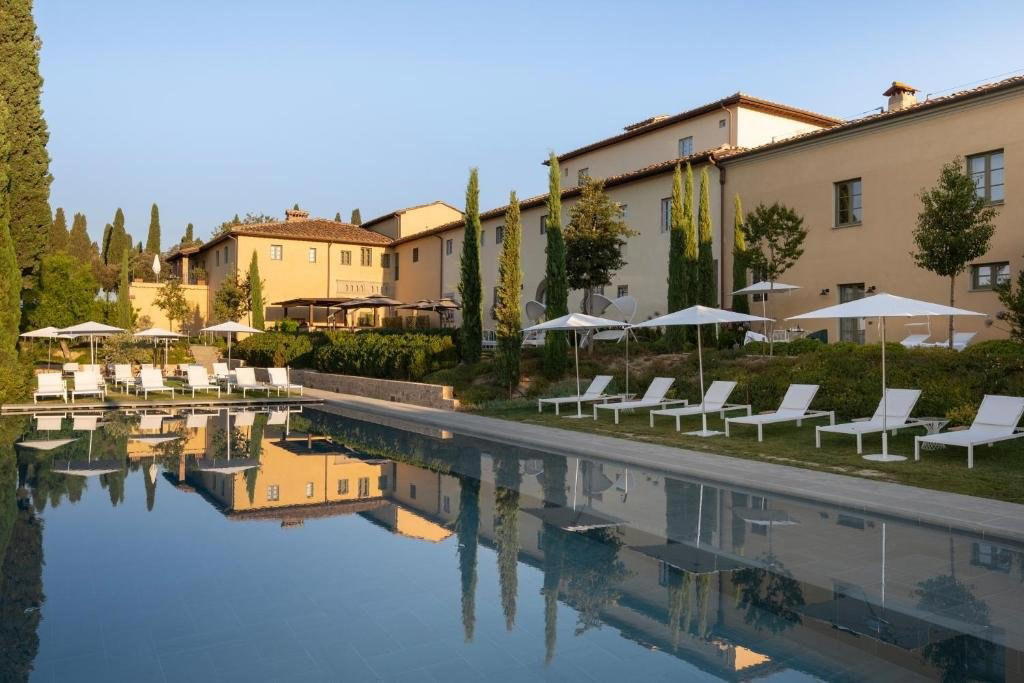
Bars in Monsummano Terme
Browse all →
Restaurants in Monsummano Terme
Browse all →

Details
- Elegant
- Scenic
- Sophisticated
- Romantic
- Quiet
- Wellness Retreat
- Romantic Getaway
- Honeymoon
- Weekend Escape
- Destination Spa
- Panoramic View
- Garden
- Terrace
- Spa
- Pool
- Fitness Center
- Room Service
- Wi Fi
- Concierge
- Restaurant
- Garden
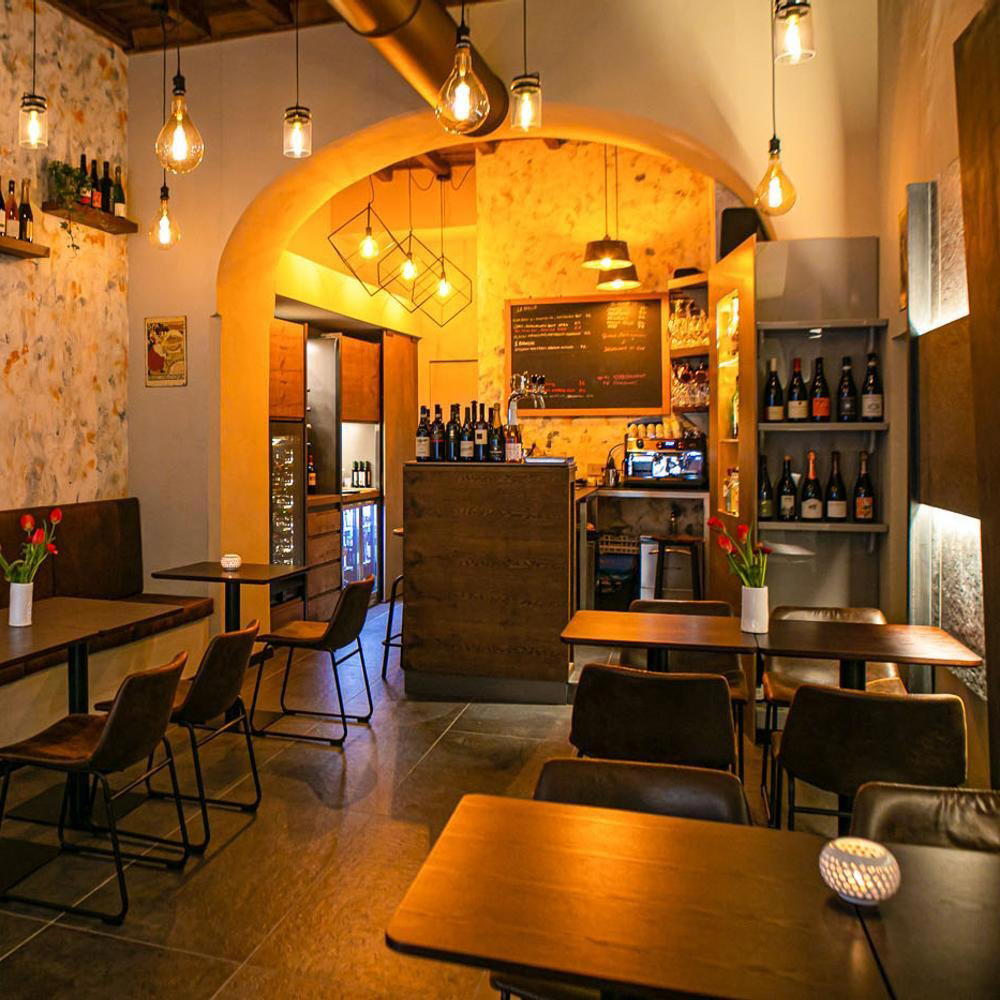
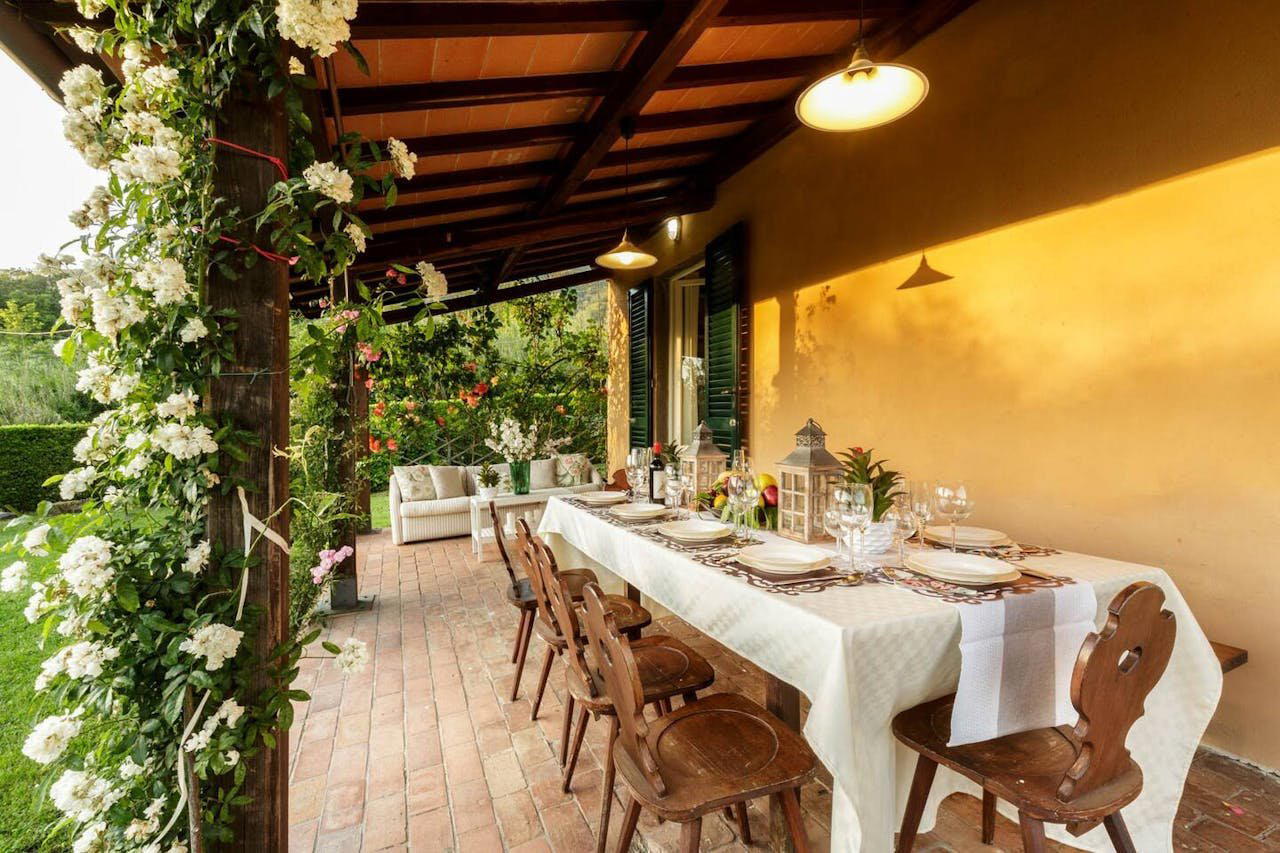
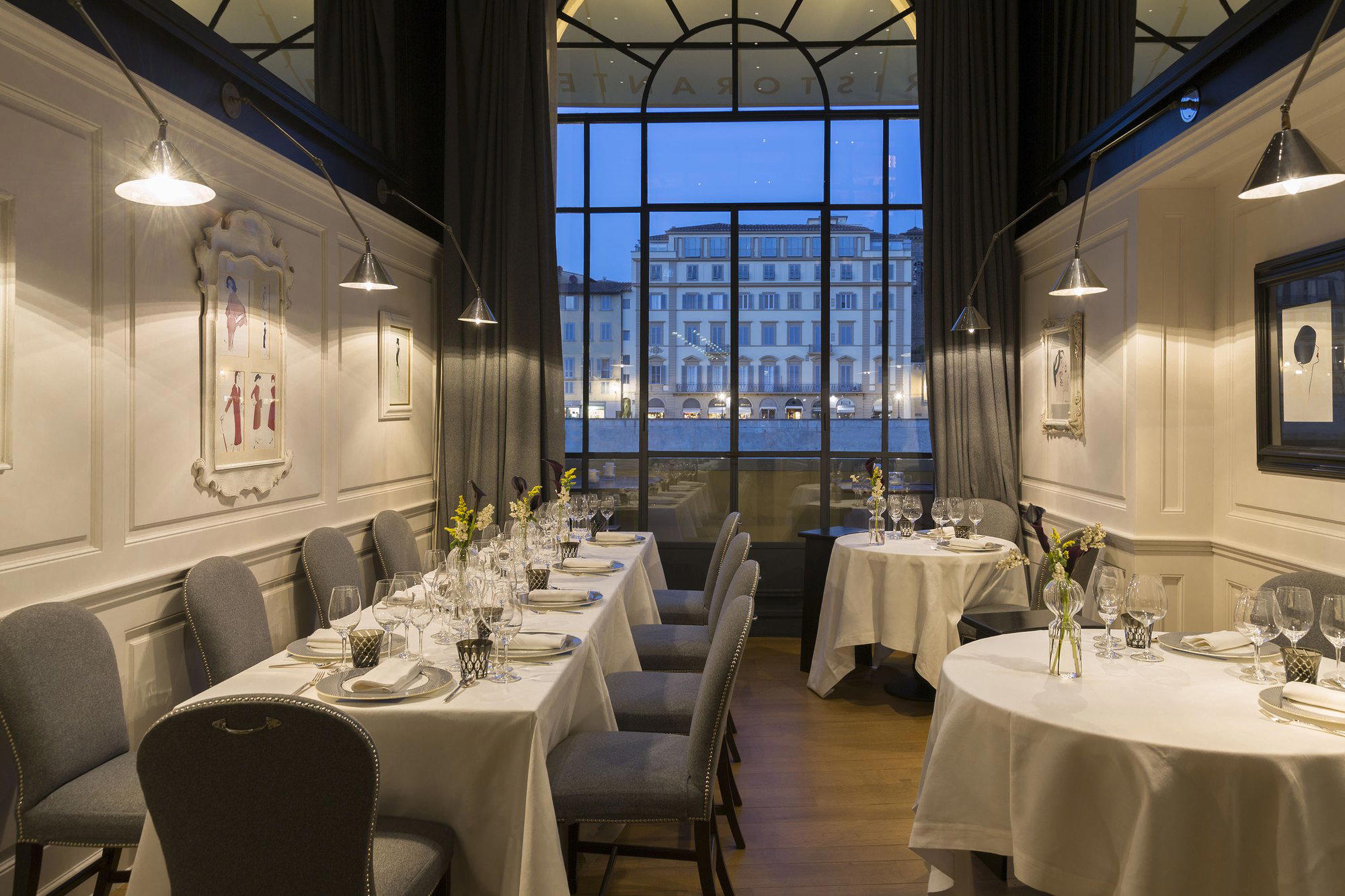
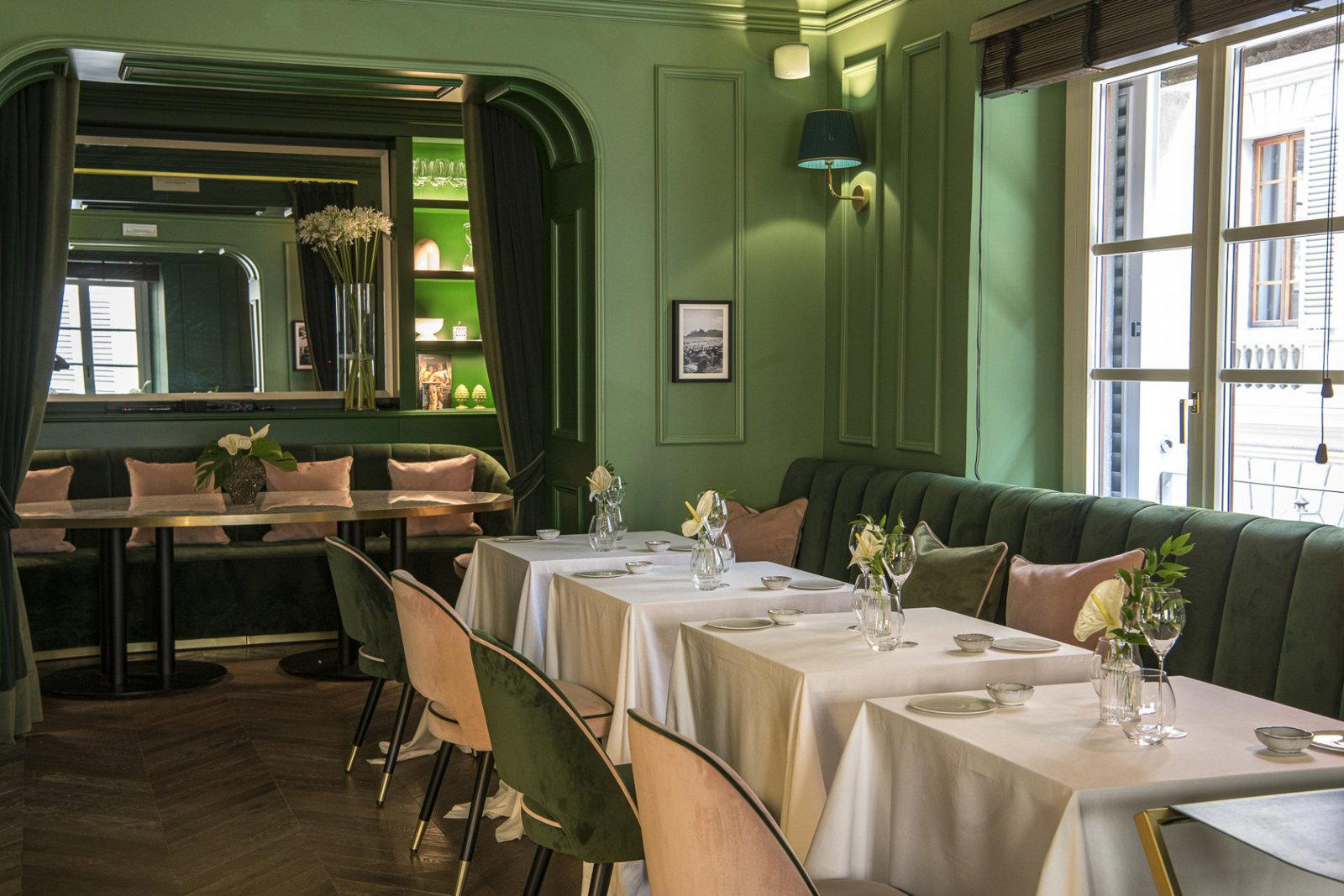
Refined historical atmosphere with authentic frescoes, elegant lighting from chandeliers, and serene Tuscan park surroundings inspired by nature and poetry.