





2 Michelin Stars · La Liste Top Restaurants · Star Wine List
Our verdict
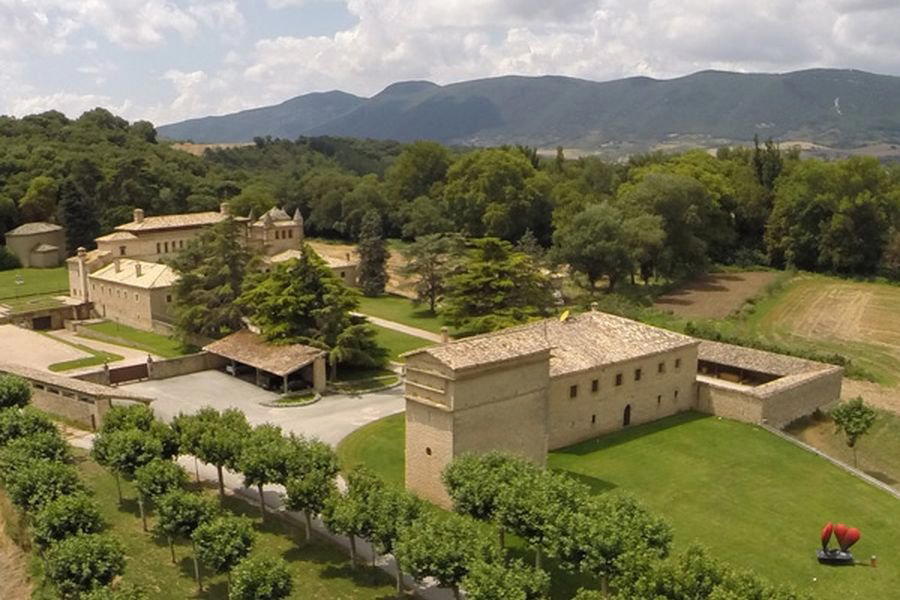
A two-Michelin-star restaurant set in a centuries-old stone mansion on the Way of St. James, 20 kilometres north of Pamplona, Molino de Urdániz earns La Liste recognition (77pts, 2026) for David Yárnoz's commitment to Navarran ingredients and a single surprise menu that pairs regional classics with progressive technique. The upstairs gourmet dining room holds just three tables, watched over by an open kitchen.

Pearl is the En Primeur Club membership app — saves, bookings, and concierge access live there. Same editors, same standards.
- Address
- Crta, Nacional 135, km.16, 5, 31698 Urdániz, Navarra, Spain
- Phone
- +34 948 30 41 09
- Hours
- Mon–Tue ClosedWed–Thu 1–5 PMFri–Sat 1–5 PM, 8 PM–12 AMSun 1–5 PM
- Website
- elmolinourdaniz.com
- Directions
- Get directions
A Pilgrim Road, a Stone Mansion, and a Two-Star Kitchen
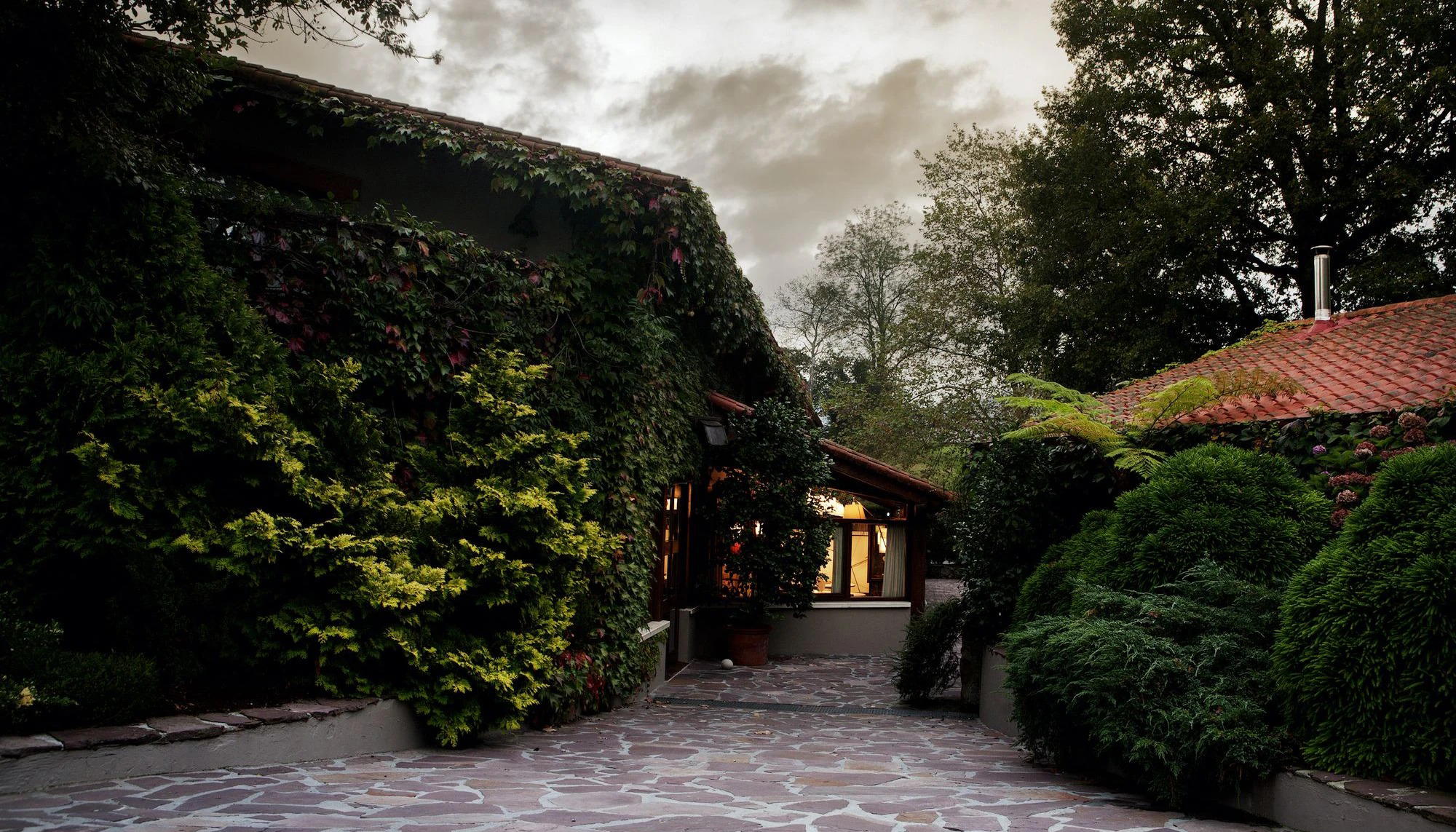
The road running north from Pamplona through the Pyrenean foothills has been worn smooth by centuries of pilgrims walking toward Santiago de Compostela. At kilometre 16 of the N-135, the route passes an old stone mansion that has witnessed that procession for generations. What those pilgrims could not have anticipated is what now occupies the upper floor: a three-table gourmet dining room where chef David Yárnoz runs one of the more quietly serious creative kitchens in northern Spain. The setting does not announce itself with a city address or a celebrated neighbourhood name. It announces itself with the silence of the countryside and the weight of the building itself.
Spain's two-Michelin-star tier is crowded with ambition, and the country's creative restaurant scene has produced some of the most-discussed cooking in Europe over the past two decades. The names most associated with that movement tend to cluster in the Basque Country, Catalonia, and Madrid: Arzak in San Sebastián, Disfrutar in Barcelona, DiverXO in Madrid, Mugaritz in Errenteria. Navarra sits adjacent to all of that activity but occupies a quieter position in the conversation. Molino de Urdániz is the clearest argument that the region deserves a more prominent place in it.
The Format: Two Restaurants Under One Roof
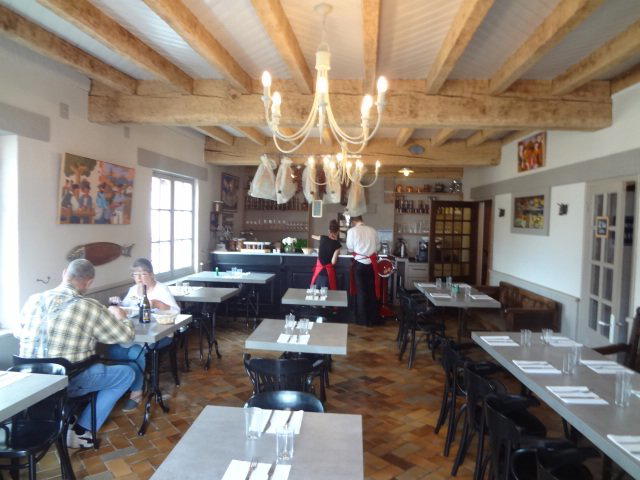
The structure of the building divides naturally into two distinct propositions. At ground level, a more informal space called Origen offers an affordable traditional menu, the kind of cooking rooted in Navarran repertoire without the technical overlay that defines the floor above. This two-track format is more common in destination restaurants across Spain than is often noted: it allows a kitchen to serve a local clientele and day visitors at accessible prices while protecting the integrity of the premium experience upstairs. El Celler de Can Roca in Girona and Azurmendi in Larrabetzu have used comparable models to sustain community roots alongside their headline cooking.
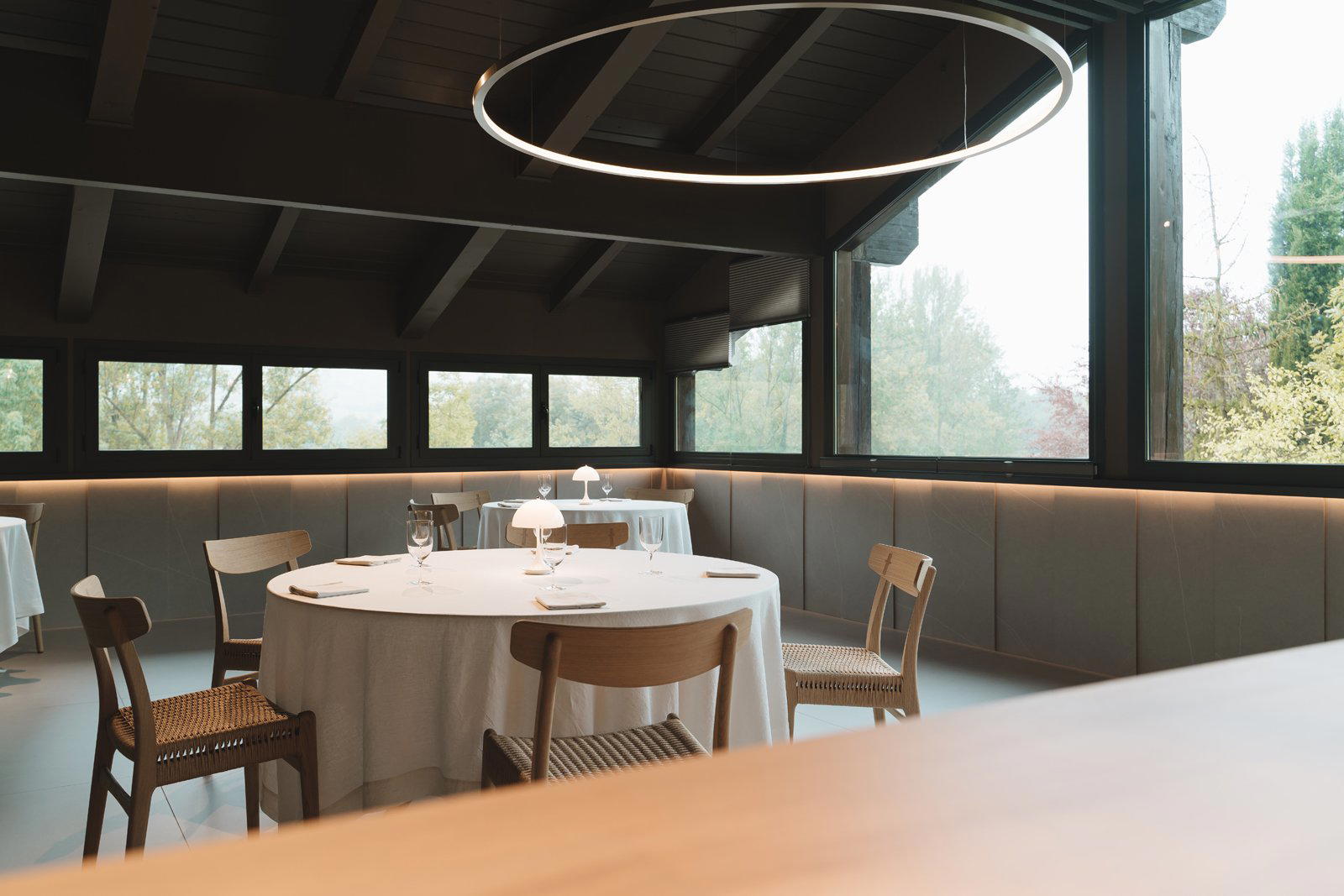
The upstairs room, by contrast, is built around constraint. Three tables. An open kitchen that allows diners to watch the preparation of their meal as it happens. A single menu format called Clásicos and Evolución, with no à la carte alternatives. That combination of small capacity, fixed format, and visual access to the kitchen places the experience firmly inside the specialist tier of European destination dining, where the room itself is an argument for paying close attention.
What the Menu Argues About Navarra
Creative restaurant trend that reshaped Spain's fine dining from the 1990s onward was always partly an argument about terroir: that Spanish ingredients, treated with serious technique, could generate cooking that competed with anything produced further north in Europe. Yárnoz applies that logic specifically to Navarra, a region whose agricultural identity is often undersold relative to its neighbours. The Clásicos and Evolución menu draws from pork raised in Lekunberri, vegetables from Tudela's vegetable gardens (among the most-cited produce sources in the Spanish kitchen), trout from the Baztan river area, game from Errea, and eggs from the Iza valley. The geography of the menu traces a radius around Urdániz itself.
That kind of hyper-regional sourcing is not unusual among Spain's two-star kitchens. What distinguishes the approach here is the insistence on the single menu format, which means every table in the room is eating the same progression on the same evening. Among the established signatures is a paprika candy with a Chistorra mousse, a dish that has become sufficiently associated with the restaurant to be described as the kind of preparation that defines a kitchen's identity. The Clásicos and Evolución structure brackets that kind of established signature alongside newer work, making the menu itself a document of how the cooking has changed over time.
For context on how similar commitments to regional produce play out elsewhere in Spain's creative tier, Quique Dacosta in Dénia builds around the ingredients of the Valencian coast with comparable single-menu discipline, while Ricard Camarena in València has made market-driven sourcing the structural basis of his tasting format. The thread running through these kitchens is a rejection of internationalism as an organising principle, replaced by a fidelity to a specific patch of ground.
Where David Yárnoz Fits in the Spanish Creative Generation
Spain's current generation of two- and three-star chefs came of age during a period when the country's cooking was arguably the most discussed in the world, shaped by the methodology coming out of elBulli and the Basque diaspora. The chefs who built careers outside the major cities during that period faced a structural challenge: they had to develop a national profile from addresses that lacked the gravitational pull of San Sebastián or Barcelona. Yárnoz, working from a roadside stone mansion in Navarra, belongs to that group.
The two Michelin stars the restaurant holds as of 2025, combined with a La Liste score of 77 points in 2026 and Star Wine List recognition at the leading position in both 2025 and 2026, indicate a level of accumulated credential that places the kitchen well above a regional curiosity. The wine program's repeated first-place recognition from Star Wine List is worth reading carefully: at this price tier (€€€€), the beverage offering is part of the total argument a restaurant makes, not an afterthought. Creative destination kitchens at a comparable level in Europe, such as Alléno Paris au Pavillon Ledoyen or Enrico Bartolini in Milan, invest similarly in their cellars because the audience expects coherence between the plate and the glass.
Destination restaurants with small capacities often polarise reviews: the gap between expectations and experience can cut both ways. A high average across nearly a thousand reviews, for a three-table upstairs room in a rural Navarran village, suggests that the experience lands reliably.
Getting There and Planning the Visit
Restaurant sits at kilometre 16.5 of the N-135, 20 kilometres north of Pamplona. Pamplona itself is reachable by high-speed rail from Madrid in roughly three hours, with regular connections from Bilbao and Zaragoza. From Pamplona, a car is the practical option for reaching Urdániz; the drive takes around 25 minutes through the foothills. The restaurant's location on the Camino Francés, one of the principal routes of the Way of St. James, means the surrounding road and landscape carry their own context, which adds something to the approach even if you are arriving by rental car rather than on foot.
Given the three-table format in the upstairs dining room, advance booking is not optional at busy periods. Restaurants of this type in rural Spain that hold significant award recognition tend to book out weeks ahead, particularly during the Camino walking season from spring through early autumn. Arriving without a reservation to the Origen restaurant at ground level is a more practical proposition for spontaneous visits. The price range for the gourmet upstairs room sits at the €€€€ tier, consistent with two-star destination cooking across Spain and comparable creative kitchens like Aponiente in El Puerto de Santa María or Atrio in Cáceres.
For those building a wider Navarra or northern Spain itinerary, EP Club's guides cover the region across categories: see our full Urdániz restaurants guide, hotels guide, bars guide, wineries guide, and experiences guide for planning depth. Martin Berasategui in Lasarte-Oria is within reasonable driving distance for those building a multi-day itinerary anchored in northern Spain's creative restaurant circuit.
Frequently asked questions
What do people recommend at Molino de Urdániz?
The kitchen operates on a single surprise tasting menu called Clásicos and Evolución, so there is no à la carte selection. The menu moves between established signature dishes, notably the paprika candy with Chistorra mousse, and newer preparations that reflect how the cooking has evolved under David Yárnoz. The structure allows the kitchen to present its full range in a single sitting. The wine program has earned Star Wine List's first-place recognition in both 2025 and 2026, which makes pairing with the sommelier's recommendations the coherent approach at this price tier.
What is the atmosphere like at Molino de Urdániz?
The building is a stone mansion on a historic pilgrimage road, and that physical context carries weight before you reach the door. Inside, the design holds both rustic and contemporary registers: exposed stone and old structure alongside a refined, modern finish in the upstairs dining room. Three tables and an open kitchen mean the room is quiet and focused rather than social or theatrical. The cooking is visible, which concentrates attention on the kitchen rather than the room. At the €€€€ price point, with two Michelin stars and La Liste recognition, the atmosphere lands firmly in the destination-dining register rather than the relaxed-rural-restaurant one.
Does Molino de Urdániz work for a family meal?
Ground-floor Origen restaurant, with its traditional menu at accessible prices, is the more practical option for mixed groups or families with varied preferences or appetites for a long, formal tasting experience. The upstairs gourmet room, with three tables and a single surprise menu format, is structured around a specific kind of focused attention that tends to suit smaller groups aligned on the dining format. At the €€€€ price range and with the fixed menu as the only option, it is less suited to occasions where flexibility of choice matters. The two-tier structure of the restaurant exists precisely to address this split.
At-a-Glance Comparison
| Venue | Cuisine | Price | Awards |
|---|---|---|---|
| Molino de UrdánizThis venue — the venue you are viewing | Creative Spanish Fine Dining | $150–200 | 2 Michelin Stars · La Liste Top Restaurants |
| Aponiente | Progressive - Seafood, Creative | Not listed | Michelin 3 Star |
| Arzak | Modern Basque, Creative | Not listed | Michelin 3 Star |
| DiverXO | Progressive - Asian, Creative | Not listed | Michelin 3 Star |
| El Celler de Can Roca | Progressive Spanish, Creative | Not listed | Michelin 3 Star |
| Quique Dacosta | Creative | Not listed | Michelin 3 Star |
Recognition history
Dated appearances from independent guides and award organizations, with the underlying list record or original source where available.
Michelin 2 Stars
Michelin
La Liste Top Restaurants
La Liste
Star Wine List
Star Wine List
Guía Repsol 2 Soles
Guía Repsol
Macarfi 9.1 Food Rating
Macarfi
Full recognition history (8 entries)
Michelin 2 Stars
Michelin
Star Wine List
Star Wine List
The Best Chef Two Knives
The Best Chef
Continue exploring
More in Urdániz
Restaurants in Urdániz
Browse all →
Bars in Urdániz
Browse all →
Hotels in Urdániz
Browse all →

Details
- Rustic
- Elegant
- Intimate
- Sophisticated
- Special Occasion
- Open Kitchen
- Historic Building
- Local Sourcing
- Tasting Menu
- Vegetarian Friendly
- Vegan Options
- Gluten Free Options
Current opening hours
- Monday
- Closed
- Tuesday
- Closed
- Wednesday
- 1–5 PM
- Thursday
- 1–5 PM
- Friday
- 1–5 PM, 8 PM–12 AM
- Saturday
- 1–5 PM, 8 PM–12 AM
- Sunday
- 1–5 PM
Hours can change for holidays and private events. Last verified .
Rustic yet contemporary interior in an old stone mansion with an intimate gourmet dining room overlooking the open kitchen.