Dabadaba
Dabadaba sits on Paseo de Mundaiz in San Sebastián's quieter residential fringe, away from the pintxos-bar circuit that defines the Old Town. The address positions it within a neighbourhood where locals eat without performance, and where the intersection of Basque produce traditions and contemporary technique tends to surface in less obvious ways. For visitors willing to step outside the tourist radius, it represents a different angle on the city's drinking and eating culture.

Pearl is the En Primeur Club membership app — saves, bookings, and concierge access live there. Same editors, same standards.
- Address
- Paseo de Mundaiz, 8, bajo B, 20012 Donostia / San Sebastián, Gipuzkoa, Spain
- Phone
- +34 943 26 58 26
- Hours
- Mon–Wed ClosedThu 12–5 AMFri–Sat 12–6 AMSun Closed
- Website
- dabadabass.com
- Directions
- Get directions
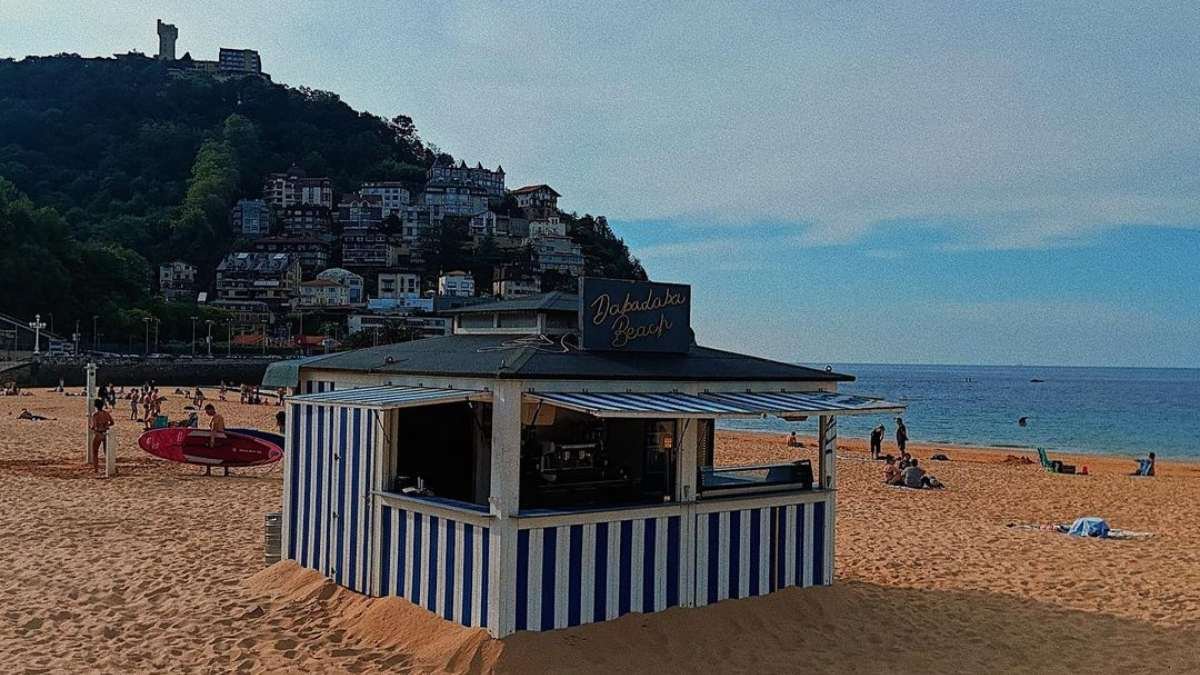
The Address and What It Tells You
Paseo de Mundaiz runs along the edge of a residential neighbourhood in San Sebastián's interior, well clear of the Parte Vieja's compressed bar counters and the Gros district's weekend crowds. Arriving here on foot from the old town takes roughly fifteen to twenty minutes, enough distance to signal that this is not a venue calibrated for tourist traffic. The street itself is leafy and unhurried, and that physical register carries into the space. In a city where the pintxos circuit has become so well-mapped that certain bars now operate with the throughput of airport food halls, a venue at this kind of address is making an implicit argument about its intended audience.
San Sebastián's bar culture divides more sharply than visitors often expect. The concentrated zone of Calle 31 de Agosto and the surrounding Parte Vieja streets handles volume and visibility. Quieter addresses across the city handle regulars, neighbourhood rhythm, and a different calibration of quality. Dabadaba sits in the second category, on Paseo de Mundaiz 8, bajo B, and understanding that geography is the first step to understanding the experience.
Local Ingredients, Imported Method
The Basque Country holds a position in European food culture that goes beyond the number of Michelin stars concentrated in its borders. The reason is structural: a coastal location that supplies exceptional seafood, agricultural hinterlands that produce strong vegetables and dairy, and a cultural seriousness about eating that predates the current era of restaurant tourism by generations. What has changed in recent decades is the layer of technical ambition applied to those raw materials. Chefs trained in French kitchens, in modernist laboratories, and in Scandinavian precision-focused programs have returned to San Sebastián and applied those frameworks to txangurro, anchovies, idiazabal, and local herbs that would have been handled very differently by their grandparents.
That intersection of indigenous product and imported technique is now the dominant mode at San Sebastián's serious addresses, and it runs through bars and casual venues as much as it does through white-tablecloth restaurants. A gin-tonic at a well-run Basque bar is not the same object as one served in Madrid or Barcelona. The garnish philosophy draws on local botanicals; the ice handling reflects a discipline absorbed from Japanese and Northern European bar programs; the base spirit selection skews toward producers with artisanal provenance. This is the framework in which Dabadaba operates, and the Paseo de Mundaiz address suggests a venue more interested in getting those details right for a knowing local audience than in showcasing them for passing trade.
For comparison, venues like Akerbeltz, Antonio taberna, Atari Gastrolekua, and Bar Ciaboga represent different positions within San Sebastián's drinking scene, each with its own neighbourhood logic and format. Mapping those differences is how a visitor moves beyond the tourist circuit and into the city's actual bar culture. Our full San Sebastián restaurants guide covers the wider picture across neighbourhoods and price points.
Seasonal Timing and When to Visit
San Sebastián operates on a pronounced seasonal rhythm. Summer, particularly July and August, brings the Basque coast to near-capacity, with Semana Grande in August compressing the city's accommodation and restaurant supply against a surge of visitors. The pintxos bars in the old town operate at their busiest and loudest during these weeks. For a venue like Dabadaba, positioned away from that circuit, high summer represents a window when the local-to-visitor ratio in the room may actually be more balanced than in winter, when the city contracts to its core residential population.
The more considered visiting window is September through November. The Semana de Cine film festival in September brings a culturally engaged crowd without the volume of high summer, temperatures remain comfortable for walking between addresses, and the autumn produce calendar in the Basque Country shifts toward mushrooms, game, and the first cold-weather seafood at its peak. A bar operating with serious attention to seasonal produce and local ingredients will be working with its strongest material during this period.
Placing Dabadaba in the Spanish Bar Context
Spain's serious bar culture has diversified significantly over the past decade, and the regional contrasts are now more pronounced than a single national identity would suggest. In Madrid, venues like Angelita in Madrid operate with a natural wine and creative snack format that reflects the capital's appetite for program depth. In Barcelona, Boadas in Barcelona sits at the classical cocktail end of a city that spans from traditional to hyper-technical. Elsewhere, Garito Cafe in Palma De Mallorca, Bar Sal Gorda in Seville, Bar Gallardo in Granada, and La Margarete in Ciutadella each reflect their city's specific drinking culture rather than a generic Spanish formula. Even internationally, the regional-bar-with-technical-depth model appears at addresses like Bar Leather Apron in Honolulu, where local ingredients and imported discipline converge in a comparable way.
The Basque version of this model is grounded in a food culture dense enough that even casual addresses carry high expectations. A bar in San Sebastián that does not take its offering seriously is quickly visible to its local audience. The residential neighbourhood positioning of Dabadaba intensifies that accountability: the surrounding clientele knows what good product looks like and will not return for less.
Planning Your Visit
Dabadaba is at Paseo de Mundaiz 8, bajo B, 20012 San Sebastián. The address is in the Amara district, reachable on foot from the city centre in approximately fifteen to twenty minutes, or by taxi in under five. Given the venue's residential positioning and likely local-first audience, confirming hours ahead of an evening visit is advisable, particularly outside the main tourist season when neighbourhood venues may keep less predictable schedules than old town bars.
Peers You’d Cross-Shop
A small set of peers for context, based on recorded venue fields.
| Venue | Price | Awards |
|---|---|---|
| DabadabaThis venue — the venue you are viewing | $10–20 | Not listed |
| Curdelon Wine Bar | $30–50 | Star Wine List |
| ¡BE! Club | $20–30 | Not listed |
| Akerbeltz | $10–20 | Not listed |
Continue exploring
More in San Sebastián
Bars in San Sebastián
Browse all →
Restaurants in San Sebastián
Browse all →
Hotels in San Sebastián
Browse all →
Wineries in San Sebastián
Browse all →
Details
- Bohemian
- Lively
- Trendy
- Intimate
- Energetic
- Group Outing
- Casual Hangout
- After Work
- Live Music
- Standalone
- Design Destination
- Standing Room
- Lounge Seating
- Outdoor Terrace
- Craft Beer
- Gin
Current opening hours
- Monday
- Closed
- Tuesday
- Closed
- Wednesday
- Closed
- Thursday
- 12–5 AM
- Friday
- 12–6 AM
- Saturday
- 12–6 AM
- Sunday
- Closed
Hours can change for holidays and private events. Last verified .
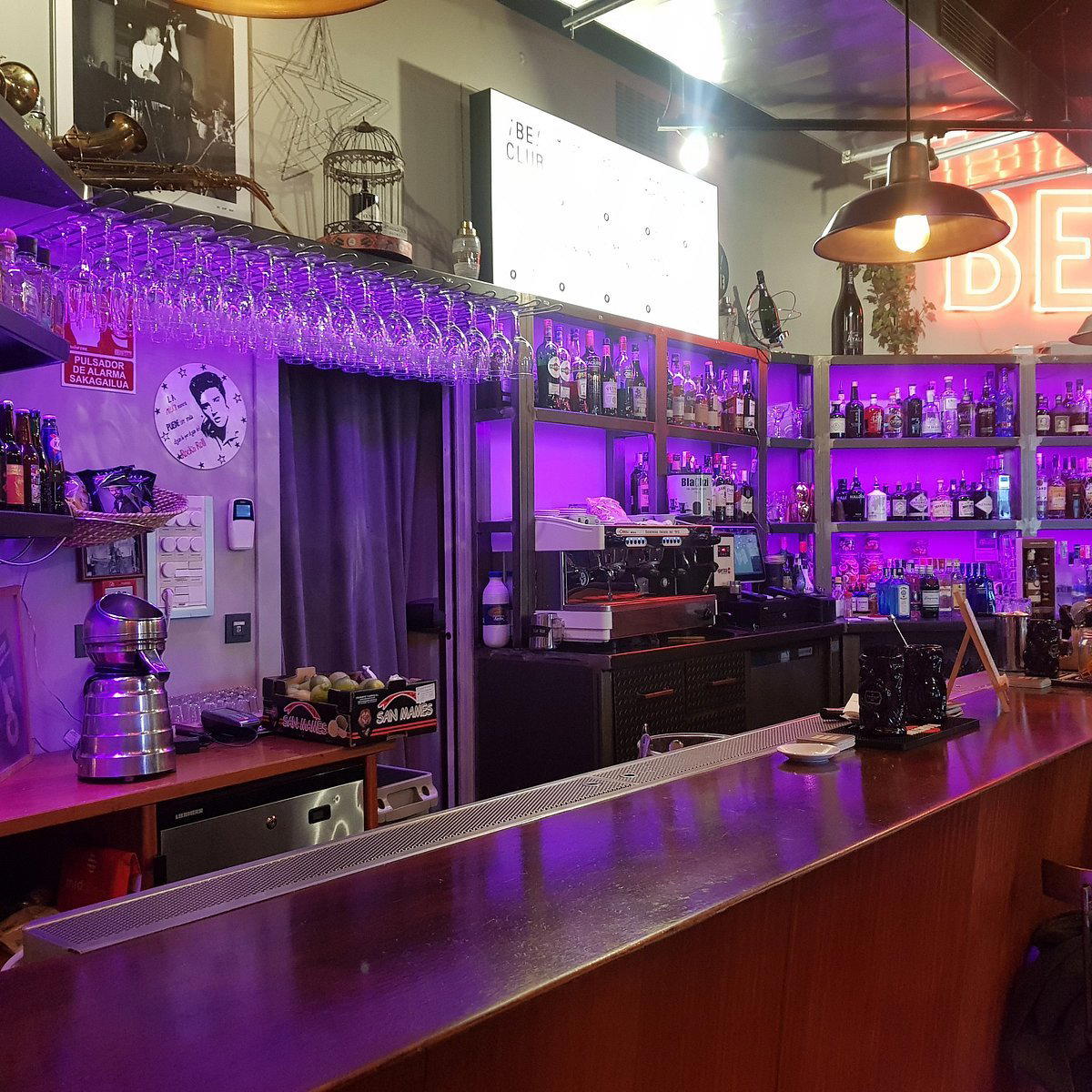
Neon-lit space with artistic touches and a laid-back yet busy creative energy; bohemian yet sophisticated decor that fosters close connection between performers and audience.