


1 Michelin Star · Guía Repsol 2 Soles
Our verdict
A Michelin-starred address on the edge of Pamplona's Plaza del Castillo, Rodero anchors modern Navarran cooking to the region's agricultural calendar. Koldo Rodero and his sisters have built a family-run room that ranks #424 among Europe's top restaurants by Opinionated About Dining, with two tasting menus and an à la carte structured around the season's produce from one of Spain's most productive vegetable-growing regions.

Pearl is the En Primeur Club membership app — saves, bookings, and concierge access live there. Same editors, same standards.
- Address
- C. de Emilio Arrieta, 3, 31002 Pamplona, Navarra, Spain
- Phone
- +34 948 22 80 35
- Hours
- Mon–Wed 1:30–3 PMThu–Sat 1:30–3 PM, 8:45–10 PMSun Closed
- Website
- restauranterodero.com
- Directions
- Get directions
Where Navarra's Kitchen Garden Meets the Kitchen Counter
Pamplona occupies a peculiar position in Spain's dining conversation. The city is known abroad almost entirely through the lens of San Fermín — the running of the bulls, the white linen, the red neckerchiefs — yet the surrounding region of Navarra is one of the Iberian Peninsula's most productive agricultural territories. The Ribera del Ebro produces white asparagus that chefs in Paris and Madrid have chased for decades. Piquillo peppers grown around Lodosa carry a protected designation of origin. Artichokes from the Tudela region are harvested in two seasons, spring and autumn, and command their own following among serious cooks. The raw material base available to any Pamplona kitchen operating with regional discipline is, by most measures, as deep as anywhere in northern Spain.
Rodero, at Calle Emilio Arrieta 3, a few steps from the Plaza del Toros, has been the restaurant that does most to translate that agricultural context into a fully articulated modern dining format. Holding a Michelin star (recognised in the 2024 guide), it sits inside the upper tier of Pamplona's restaurant scene, a tier that also includes contemporaries such as Europa (Contemporary) and Kabo (Contemporary), both of which occupy the same €€€ price bracket. What distinguishes Rodero within that set is not price or format alone, but the degree to which the kitchen's creative decisions trace back to a specific geography.
The Room and the Approach
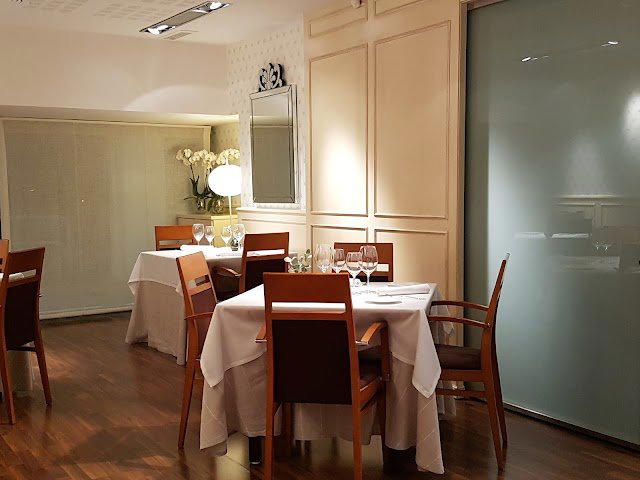
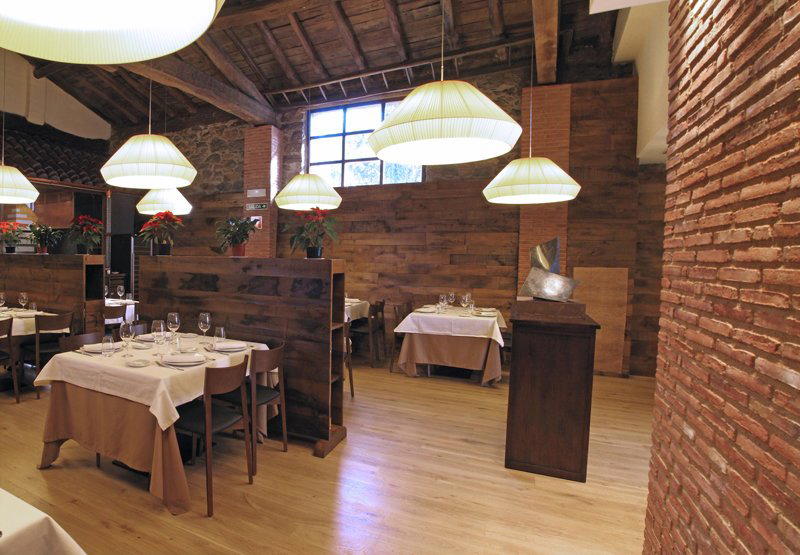
The address itself carries some of the weight of the city's calendar. Proximity to the bullring means the dining room lives through July differently from any other month: San Fermín fills every table, prices hold steady, and the rhythm of service accelerates. Outside of that week, the room operates at the quieter register that suits a family-run restaurant where the front of house is managed by Koldo Rodero's sisters, and the pace of lunch service, running Tuesday through Saturday between 1:30 and roughly 3 PM, reflects a city that still treats the midday meal as the central social event of the day. Evening service runs from 8:45 PM on Wednesday through Saturday, and the restaurant closes Sunday and Monday. Reservations well in advance are advisable for July; at other times of year the booking window is less compressed.
The menu structure at Rodero gives the kitchen flexibility without forcing the kitchen's hand. The à la carte is complemented by two menus: Para Gustar and Para Degustar. The option to order half-ración portions depending on the table's size is a practical accommodation that reflects a Spanish dining culture in which sharing and pacing are baked into the format, rather than bolt-on additions. This structural flexibility sits within a broader trend among northern Spanish restaurants: allowing guests to move between tasting-menu depth and à la carte breadth without requiring the kitchen to operate two entirely separate programs.
Ingredient Sourcing as Editorial Principle
What separates serious modern Navarran cooking from the broader category of contemporary Spanish cuisine is the specificity of its sourcing obligations. Chefs in Navarra who commit to regional produce are not working with a vague «local and seasonal» framework; they are working with named cultivars, protected origin products, and produce calendars that run on tight, well-documented windows. White asparagus season in the Ebro valley is a matter of weeks, not months. The Tudela artichoke's second autumn harvest is a short window. Piquillo peppers from Lodosa are fire-roasted and peeled by hand at source before they reach any kitchen, which shapes what a cook can do with them at the counter.
Rodero's cooking, built around what the OAD citation describes as «contemporary Navarran cuisine which is highly creative, intelligent and technical», makes sense most clearly when read against this sourcing structure. The creativity the kitchen demonstrates is not decorative; it operates within the discipline of what the region actually produces and when it produces it. Among the dishes cited by Opinionated About Dining reviewers are fresh squid with papada (cured pork jowl) and citrus consommé, and wild turbot with citrus pil pil and seaweed. Both reference a broader Basque-Navarran coastal and agricultural tradition: the pil pil sauce is a canonical Basque preparation; the pairing of iodine-forward seafood with cured pork fat has deep roots in northern Spanish cooking. The citrus element in both dishes suggests a kitchen interested in brightness and acid as structural tools rather than flavour decoration.
Northern Spain's starred restaurants operate in a dense competitive zone: Arzak in San Sebastián and Azurmendi in Larrabetzu anchor the Basque end; further afield, El Celler de Can Roca in Girona represents the Catalan tradition of multi-generational family restaurants operating at multi-star level. Rodero's family structure and regional specificity place it in that family-continuity tradition, even as its cooking vocabulary draws from the same technical modernism shared across northern Spain's restaurant culture. On the OAD Leading Restaurants in Europe list, Rodero moved from #589 in the 2023-ranked 2025 edition to #424 in 2024, a consistent upward trajectory that suggests the kitchen is gaining visibility among a specialist international audience.
Pamplona's Dining Context
For a city of roughly 200,000 people, Pamplona carries a disproportionate concentration of serious eating. The Old Town and the area immediately surrounding the citadel hold a density of pintxo bars, traditional restaurants, and modern rooms that reflects both the city's Basque-adjacent food culture and its role as a regional capital with its own distinct culinary identity. Restaurants such as Alhambra (Traditional Cuisine) represent the more classically rooted end of the spectrum, while the bar culture at venues like Bar Gorriti and the historic atmosphere of Café Iruña anchor the informal side of eating in the city. Rodero occupies the upper register of that spectrum without departing from it entirely; the family-run character of the operation keeps it tethered to the same hospitality culture that runs through the city's broader dining offer.
Within the modern Spanish category, the kitchen at Rodero belongs to a tradition that extends from Navarra south and east to kitchens like Venta Moncalvillo in Daroca de Rioja, which operates on a similar combination of regional produce discipline and contemporary technique in a rural setting. The comparison illuminates something about how modern cooking has developed across the northern meseta and the Ebro corridor: the leading rooms in this zone tend to be owner-operated, deeply sourced, and technically sophisticated without being decoratively excessive.
Those assembling a broader itinerary around Spain's serious restaurant culture will find Pamplona a coherent addition to a northern Spanish circuit. Quique Dacosta in Dénia, DiverXO in Madrid, Aponiente in El Puerto de Santa María, and Enoteca Paco Pérez in Barcelona represent different regional expressions of the same Spanish modernist tradition, but none sit as squarely in the Navarran agricultural heartland as Rodero does.
Planning a Visit
Rodero is priced at the €€€ level, which in Pamplona places it at the high end of the market but within accessible range for a special-occasion lunch rather than an exclusively celebratory dinner. The midday service on Tuesdays through Saturdays represents the practical entry point for most visitors: Spain's fine dining tradition concentrates its serious eating at lunch, and Rodero's kitchen reflects that. For those who prefer the evening format, Wednesday through Saturday dinner begins at 8:45 PM, consistent with the city's later-starting social rhythm. The restaurant is closed Sunday and Monday. For fuller context on where Rodero sits within the city's dining offer, see our full Pamplona restaurants guide, and for planning the surrounding stay, consult our full Pamplona hotels guide, our full Pamplona bars guide, our full Pamplona wineries guide, and our full Pamplona experiences guide.
Frequently asked questions
What dish is Rodero famous for?
Opinionated About Dining's reviewers, who rank Rodero at #424 among Europe's leading restaurants for 2024, specifically cite two preparations: fresh squid with papada (cured pork jowl) and citrus consommé, and wild turbot with citrus pil pil and seaweed. Both dishes are rooted in the Basque-Navarran seafood tradition, using the pil pil technique and a characteristic pairing of seafood with cured pork fat, while the citrus element signals the kitchen's interest in acidity as a structural component. Chef Juan Mari Arzak's work in nearby San Sebastián and the broader canon of northern Spanish starred cooking form the backdrop against which Rodero's Michelin-recognised contemporaries should be understood. The kitchen also offers two tasting menus, Para Gustar and Para Degustar, which change with Navarra's produce calendar.
Same-City Peers
| Venue | Cuisine | Price | Awards | Notes |
|---|---|---|---|---|
| RoderoThis venue — the venue you are viewing | Modern Navarran Cuisine | Not listed | 1 Michelin Star · Guía Repsol 2 Soles | Not listed |
| Europa | Contemporary Navarran Fine Dining | $100–150 | 1 Michelin Star · Guía Repsol 1 Sol | Contemporary |
| Kabo | Contemporary Navarrese Fine Dining | $100–150 | 1 Michelin Star · Star Wine List | Contemporary |
| Bar Gorriti | Traditional Spanish Tapas | Not listed | Not listed | Tapas Bar |
| Café Iruña | Traditional Spanish Tapas & Café | $20–30 | Not listed | Bar |
| El Merca'o | Traditional Spanish Fusion with Asian Touches | Not listed | Michelin Bib Gourmand · Macarfi 7.2 Food Rating | Traditional Cuisine |
Recognition history
Dated appearances from independent guides and award organizations, with the underlying list record or original source where available.
Michelin 1 Star
Michelin
Guía Repsol 2 Soles
Guía Repsol
Opinionated About Dining Top Restaurants in Europe Ranked #589
Opinionated About Dining
Full recognition history (7 entries)
Michelin 1 Star
Michelin
Michelin 1 Star
Michelin
Opinionated About Dining Top Restaurants in Europe Ranked #424
Opinionated About Dining
Opinionated About Dining Top New Restaurants in Europe Recommended
Opinionated About Dining
Continue exploring
More in Pamplona
Restaurants in Pamplona
Browse all →
Bars in Pamplona
Browse all →

Hotels in Pamplona
Browse all →
Details
- Elegant
- Intimate
- Cozy
- Sophisticated
- Date Night
- Special Occasion
- Private Dining
- Extensive Wine List
- Local Sourcing
- Tasting Menu
- A La Carte
- Vegetarian Friendly
- Gluten Free Options
Current opening hours
- Monday
- 1:30–3 PM
- Tuesday
- 1:30–3 PM
- Wednesday
- 1:30–3 PM
- Thursday
- 1:30–3 PM, 8:45–10 PM
- Friday
- 1:30–3 PM, 8:45–10 PM
- Saturday
- 1:30–3 PM, 8:45–10 PM
- Sunday
- Closed
Hours can change for holidays and private events. Last verified .
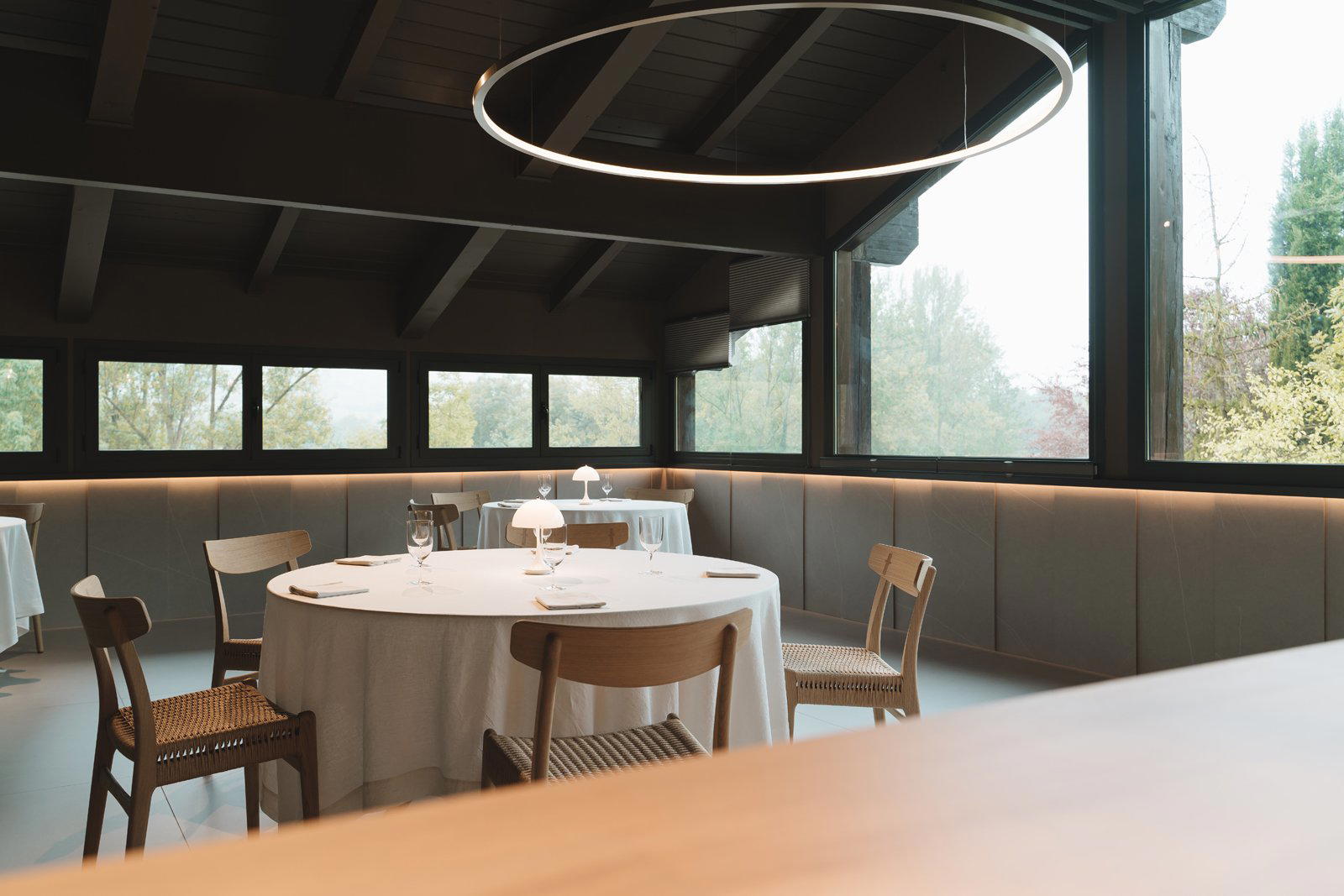
Pleasant lighting, warm and elegant atmosphere with attention to detail, tablecloths, and a sense of sophistication.