Malmaison Edinburgh
Set inside a converted Victorian bonded warehouse on the Leith waterfront, Malmaison Edinburgh trades industrial heritage for considered hospitality. The property sits apart from the Old Town hotel corridor, offering a distinctly port-district atmosphere that the city-centre chains cannot replicate. For travellers who want Edinburgh without the castle-view premium, Leith is a credible alternative base.

Pearl is the En Primeur Club membership app, where members save venues, book tables and use the concierge.
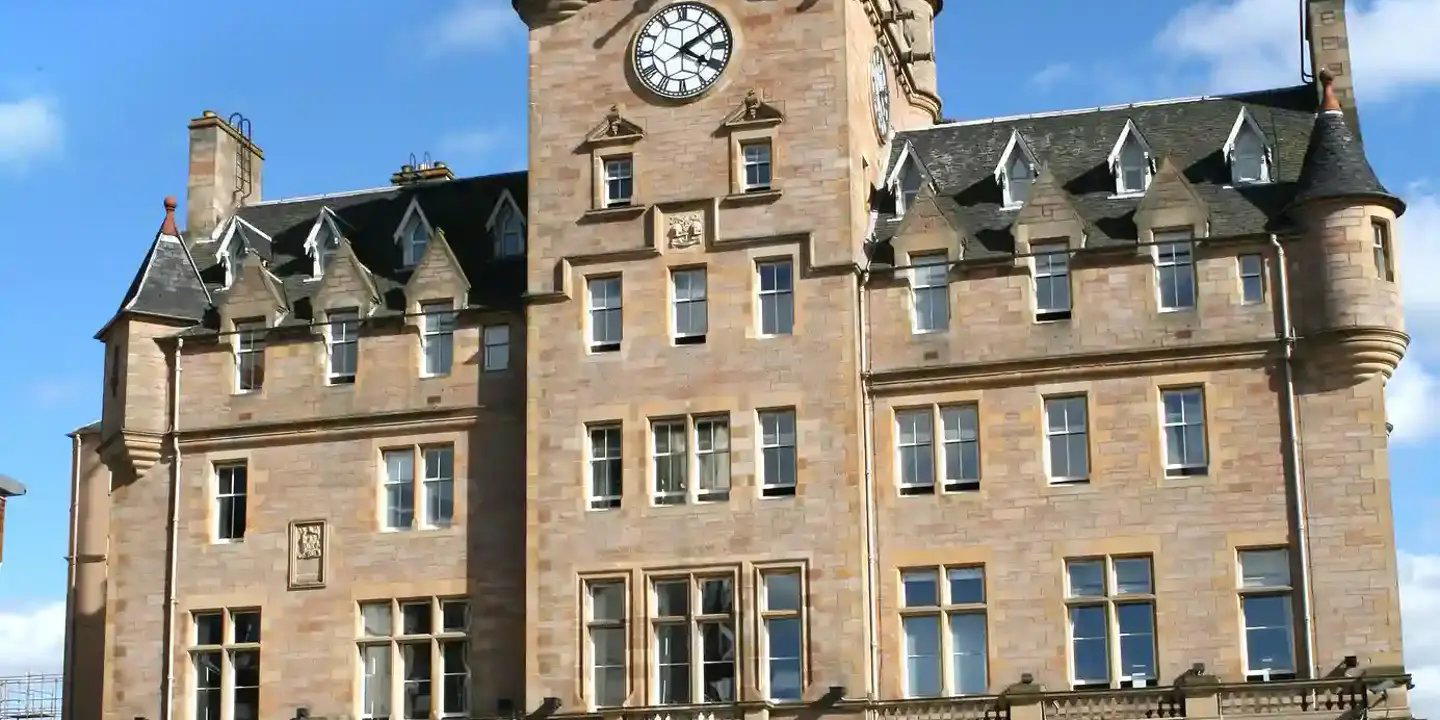
Where Leith's Warehouse Past Meets the Hotel Present
Edinburgh's hotel market divides along a fairly clear geographical fault line. The Royal Mile and its immediate surrounds attract properties that sell history, altitude, and castle proximity, places like InterContinental Edinburgh The George and 100 Princes Street, which trade on Georgian streetscapes and Old Town address prestige. Leith operates on a different logic entirely. The port district's regeneration over the past two decades has produced a neighbourhood with its own restaurant culture, a working waterfront, and architecture that tells a story about commerce rather than ceremony. Malmaison Edinburgh sits inside that story.
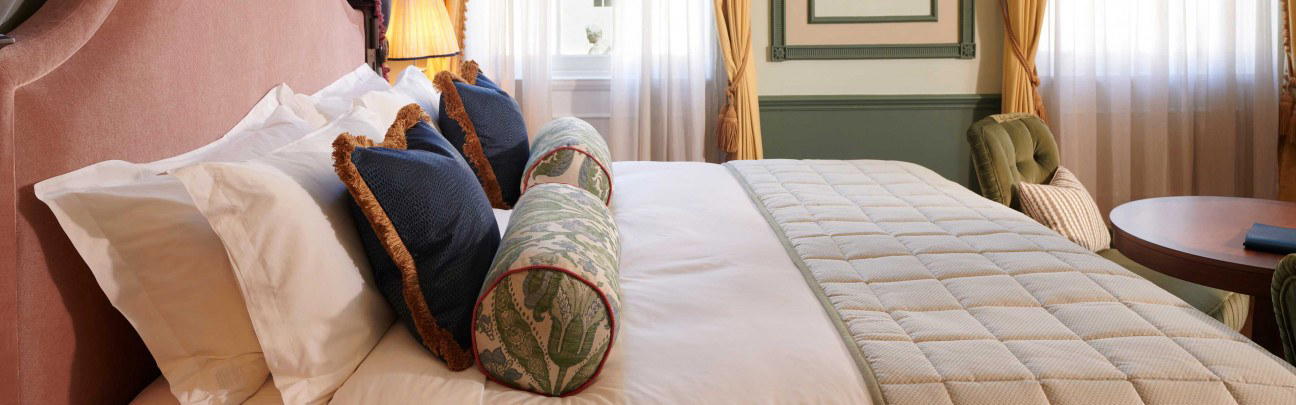
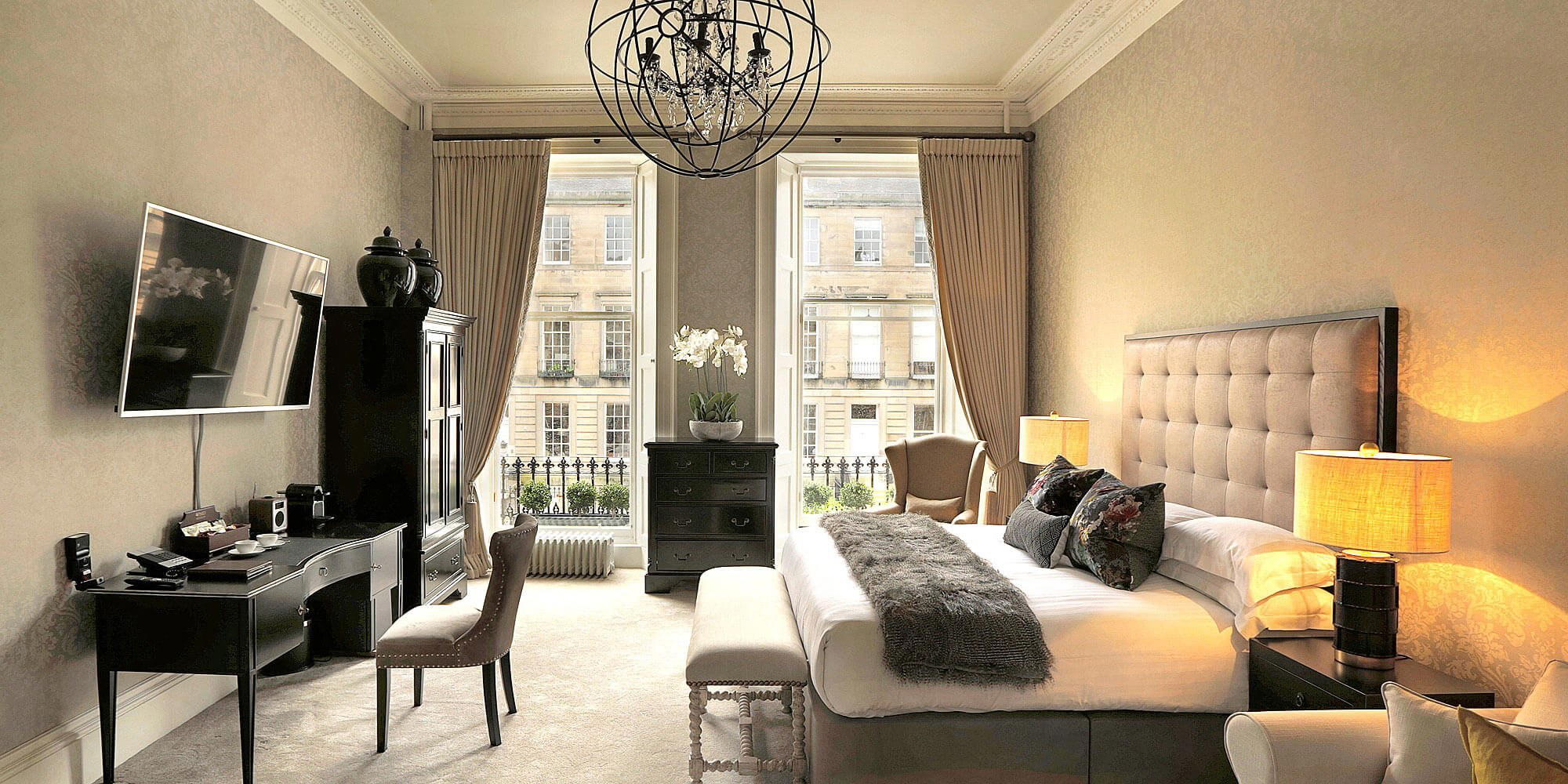
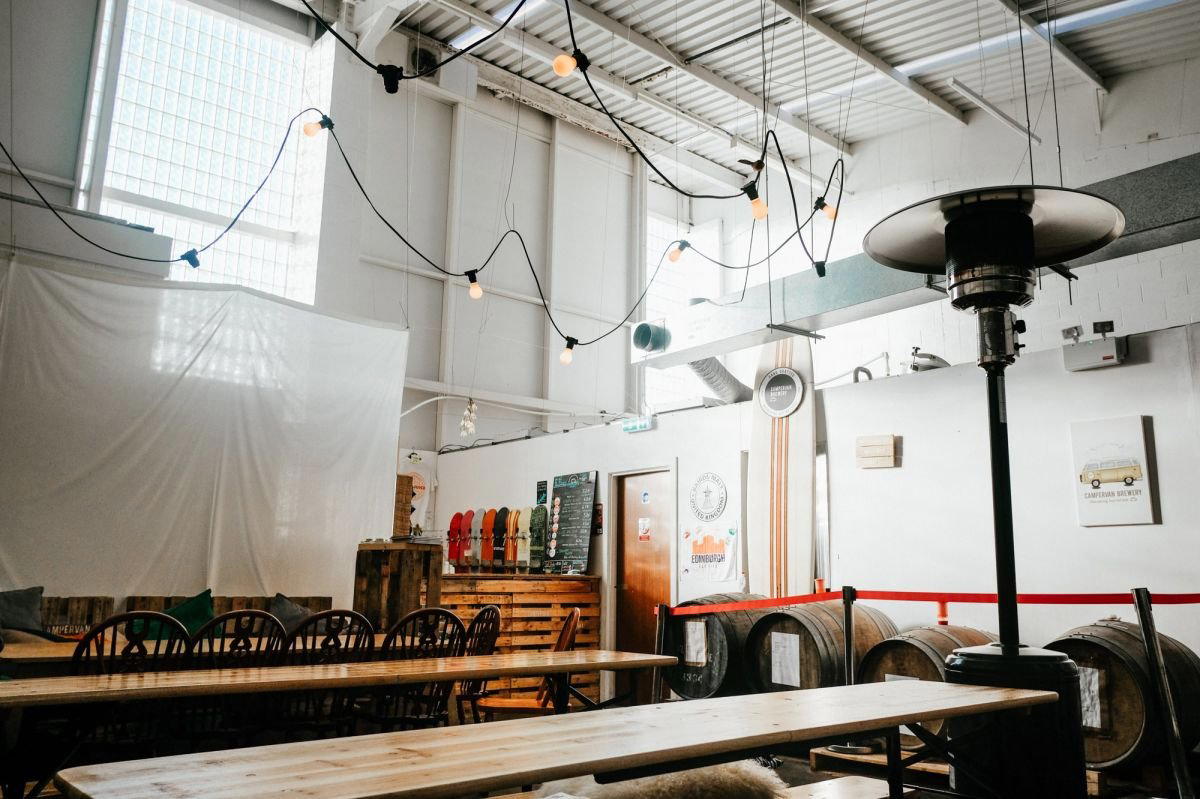
The building itself is a converted Victorian bonded warehouse, the kind of structure that once held Leith's imported wine and spirits before they cleared customs. That provenance matters architecturally. Bonded warehouses were built for mass and permanence, with thick stone walls, deep-set windows, and floor plates designed to carry weight. When Malmaison arrived, the design approach leaned into that industrial grammar rather than papering over it. Exposed brickwork, heavy timber, and low ambient lighting define the interior register. It reads less like a hotel trying to feel characterful and more like a building that accumulated character before the hotel moved in.
The Design Argument for Industrial Conversion
Across British cities, the conversion of Victorian industrial buildings into hospitality has become a well-established model. Manchester's mill district, Liverpool's docklands, and Glasgow's Merchant City all produced variants of the formula. What distinguishes the better executions is restraint: the willingness to let the host structure do the atmospheric work rather than layering on decorative period detail that fights the bones of the building. Properties like Hope Street Hotel in Liverpool and King Street Townhouse Hotel in Manchester represent that same tradition of adaptive reuse, where the building's industrial or civic past becomes the primary design statement.
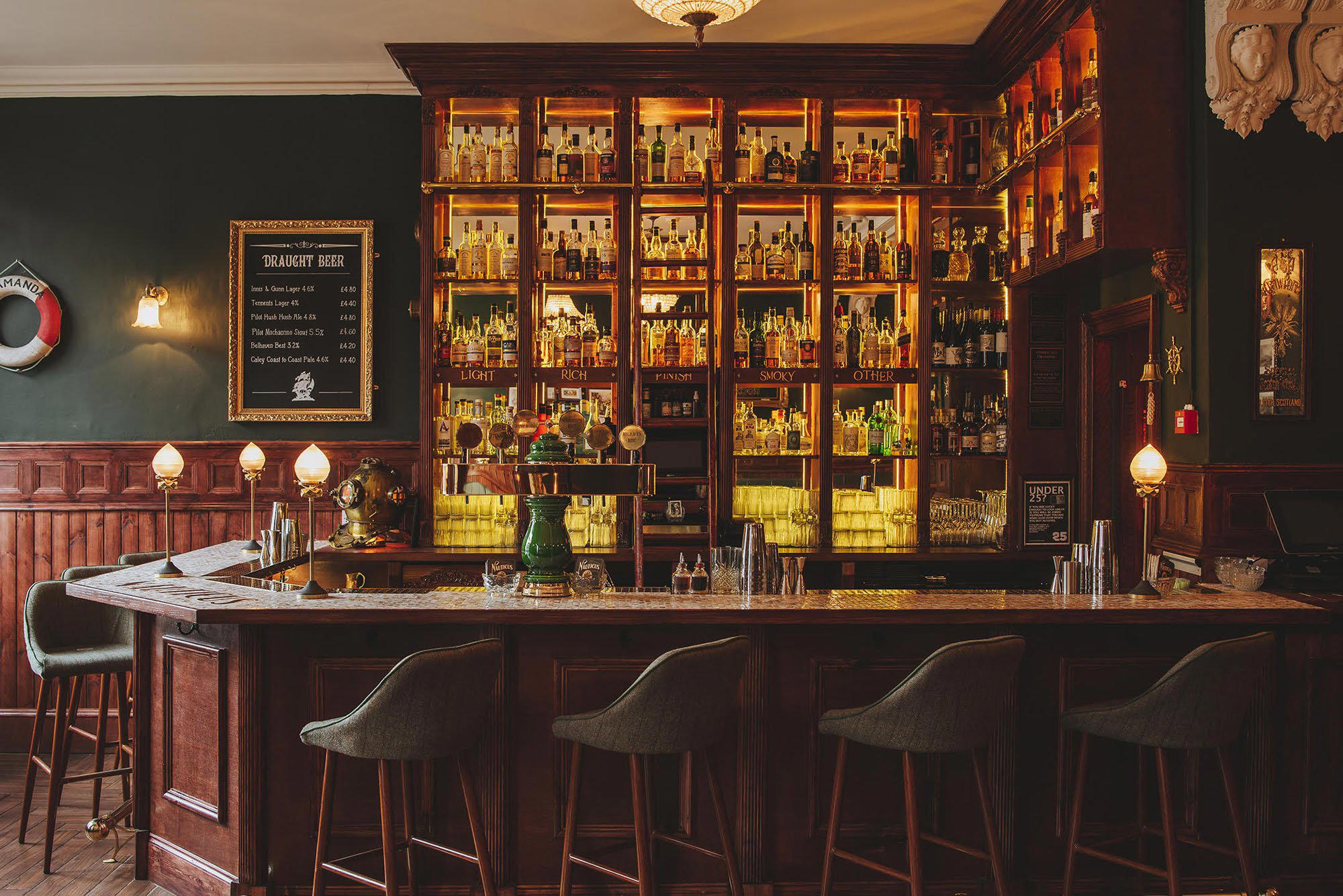
At the Leith warehouse, the palette runs dark. The public spaces use a combination of deep upholstery, iron detailing, and warm accent lighting that reads as deliberately masculine, a tone that connects to the building's mercantile origins without resorting to pastiche. It is a design approach more common in independent or boutique operators than in larger chain formats, and it gives the property a texture that distinguishes it from the glass-and-pale-wood aesthetic that dominates newer city-centre builds.
The waterfront position reinforces that separation from the Old Town hotel corridor. Tower Place runs along the Water of Leith's final approach to the Firth of Forth, and the harbour views from the property carry a different quality to the castle panoramas on offer further up the hill. Neither is objectively superior; they suit different temperaments and different reasons for being in Edinburgh.
Leith as a Base: What the Neighbourhood Offers
Leith's dining scene has matured considerably since it first attracted notice as an alternative to the Old Town's tourist-facing restaurant strip. The Shore, running along the waterfront, concentrates a density of wine bars, seafood restaurants, and independent operators that have established the area as a credible destination in its own right. Staying in Leith rather than the city centre means trading some walking convenience for neighbourhood atmosphere, a trade that suits visitors who want to eat and drink locally rather than commute back from the Royal Mile each evening.
The distance between Leith and the Old Town is manageable by taxi or the number 22 bus route, which connects the waterfront to Princes Street in around fifteen minutes depending on traffic. For the full Edinburgh restaurants guide, the distinction between dining in Leith versus the centre is worth thinking through before booking accommodation, since the neighbourhood's character shapes the experience significantly.
Travellers who want more traditional Edinburgh proximity might consider Kimpton Charlotte Square Hotel or Gleneagles Townhouse, both of which sit closer to the New Town. Those drawn to design-led conversion properties with similar character might also look at Black Ivy or 24 Royal Terrace Hotel. For a genuinely singular Edinburgh waterfront experience, the Fingal Hotel, a converted lighthouse tender moored at Leith, occupies a category of its own, though it operates at a different price point and format.
Where Malmaison Sits in the Broader Brand Picture
Malmaison as a group established its identity in the 1990s by placing design-led boutique hotels inside converted buildings in British cities that were undergoing post-industrial regeneration. The Edinburgh property was among the earlier entries in that roll-out, and its Leith location was, at the time, a genuinely contrarian bet on a neighbourhood that had not yet completed its turn. The formula, dark interiors, accessible price positioning, brasserie dining, has remained consistent across the group's properties, which distinguishes it from the more differentiated model of, say, Cheval Old Town Chambers or the estate-hotel ambition of Gleneagles in Auchterarder.
Against the upper tier of Edinburgh hotels, the Balmoral, Prestonfield House, The Glasshouse, Malmaison Edinburgh does not compete on room rate or service intensity. It competes on atmosphere, location specificity, and the accumulated character of a building that was doing something important before it was a hotel. That is a smaller but coherent pitch, and it has held up well across a market that has added considerable new supply over the past decade.
For travellers interested in comparable conversion-led properties elsewhere in the UK, Lime Wood in Lyndhurst and Estelle Manor in North Leigh represent a higher-investment version of the heritage-building approach, while Burts Hotel in Melrose offers a Scottish alternative at a more intimate scale. Those looking further afield in Scotland might consider Glen Mhor Hotel in Highland, Dun Aluinn in Aberfeldy, or Langass Lodge in the Outer Hebrides for a different register of Scottish hospitality entirely. In Glasgow, Glasgow Grosvenor Hotel offers a comparable city-hotel entry point in a different Scottish context.
Planning Your Stay
Tower Place, Leith is served by multiple bus routes connecting to the city centre, and the walk along the Water of Leith to the Scottish Gallery of Modern Art takes under an hour for those who want to cover ground on foot. The property's brasserie handles both in-house dining and walk-in neighbourhood trade, which keeps the atmosphere less hotel-bubble than properties that rely almost entirely on resident guests. Booking directly through the Malmaison website typically surfaces the leading rate options; the group runs a loyalty structure that rewards repeat stays across its UK portfolio.
Quick Comparison
A short peer table to compare basics side-by-side.
| Venue | Price | Awards |
|---|---|---|
| Malmaison EdinburghThis venue (the venue you are viewing) | Not listed | Not listed |
| InterContinental Edinburgh The George | Not listed | Michelin Selected · Forbes Recommended |
| The Balmoral, a Rocco Forte Hotel | $300–500 | 2 Michelin Keys · La Liste Top Hotels |
| Prestonfield House Edinburgh | Not listed | 1 Michelin Key · La Liste Top Hotels |
| The Glasshouse Hotel | Not listed | Forbes Recommended |
| 100 Princes Street | Not listed | 1 Michelin Key · Mr & Mrs Smith Seal of Approval |
Continue exploring
More in Edinburgh
Hotels in Edinburgh
All hotels in Edinburgh →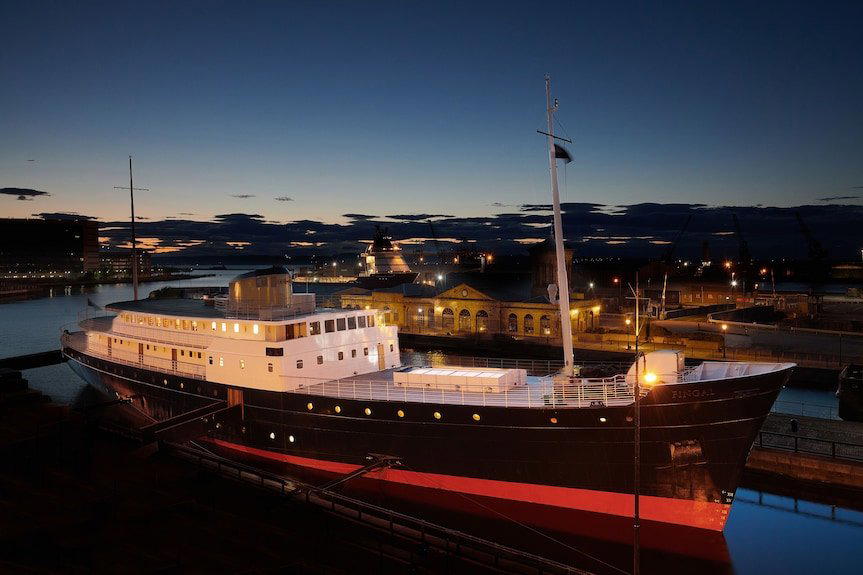
Details
- Elegant
- Sophisticated
- Romantic
- Cozy
- Romantic Getaway
- Business Trip
- Weekend Escape
- Historic Building
- Room Service
- Concierge
- Elevator
- Step Free Entrance
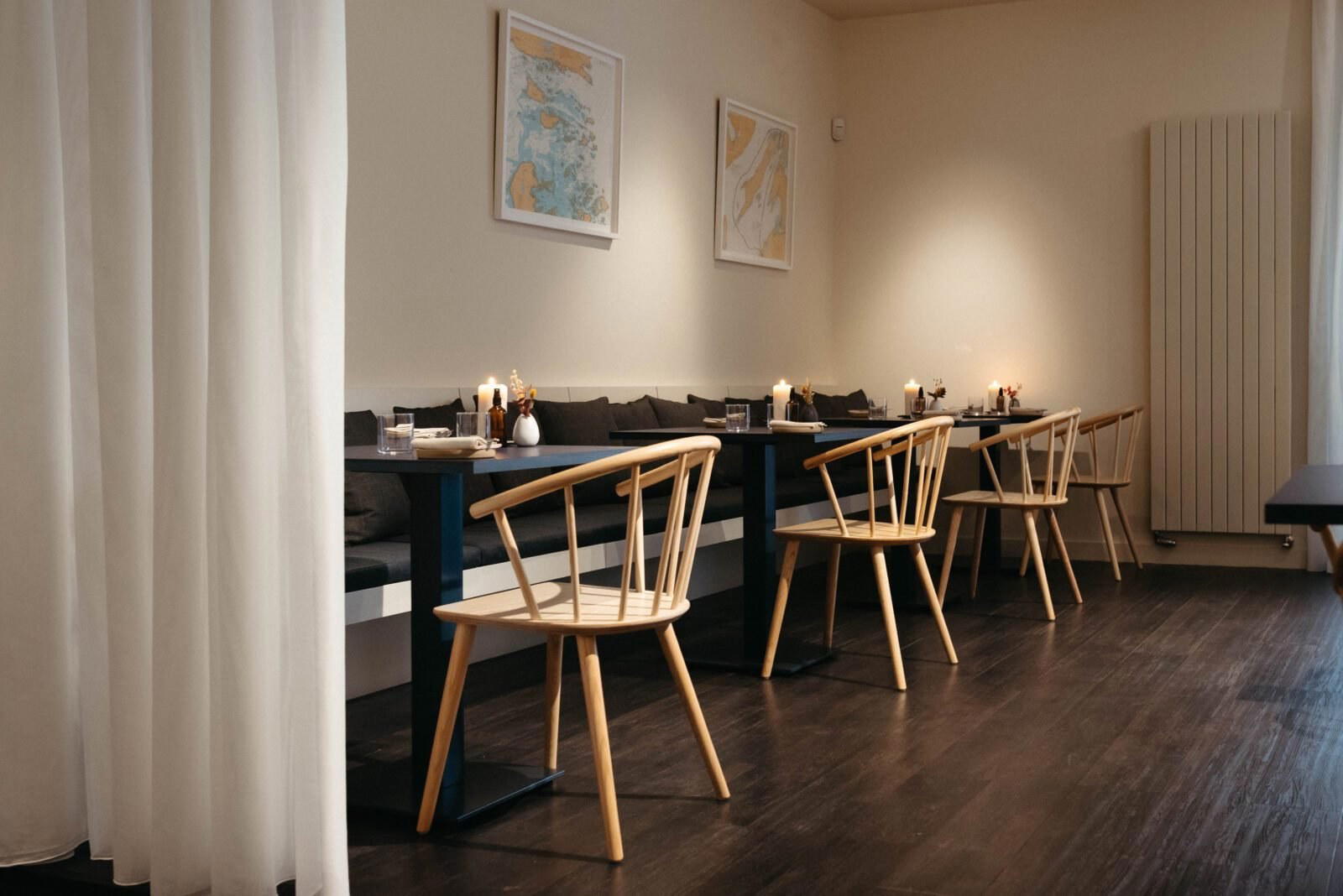
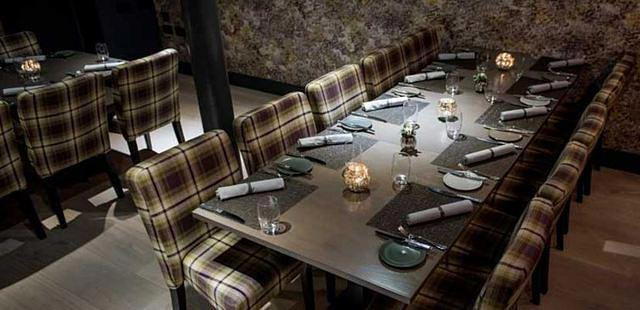
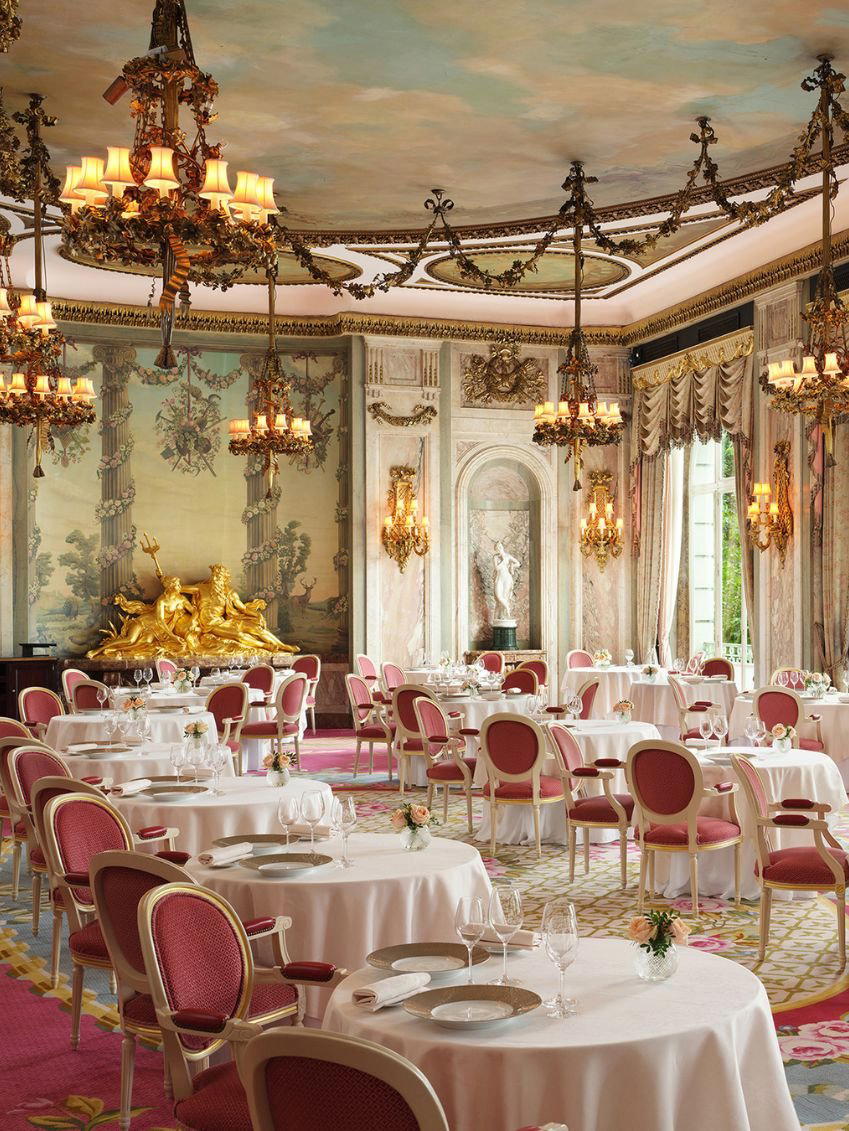
Romantic mood with candlelight, dark wood paneling, leather sofas, intimate booths, and French brasserie style.