A standing wine bar on Ebisu's quieter backstreets, Winestand Waltz occupies a corner of Tokyo's wine-by-the-glass scene that larger, more theatrical venues rarely reach. The format is spare and deliberate: a small floor plate, an evolving glass list, and the kind of low-key authority that defines Ebisu's drinking culture at its most considered. Compared to the polished counter bars of Ginza, this is wine drinking stripped to its essentials.

Pearl is the En Primeur Club membership app, where members save venues, book tables and use the concierge.
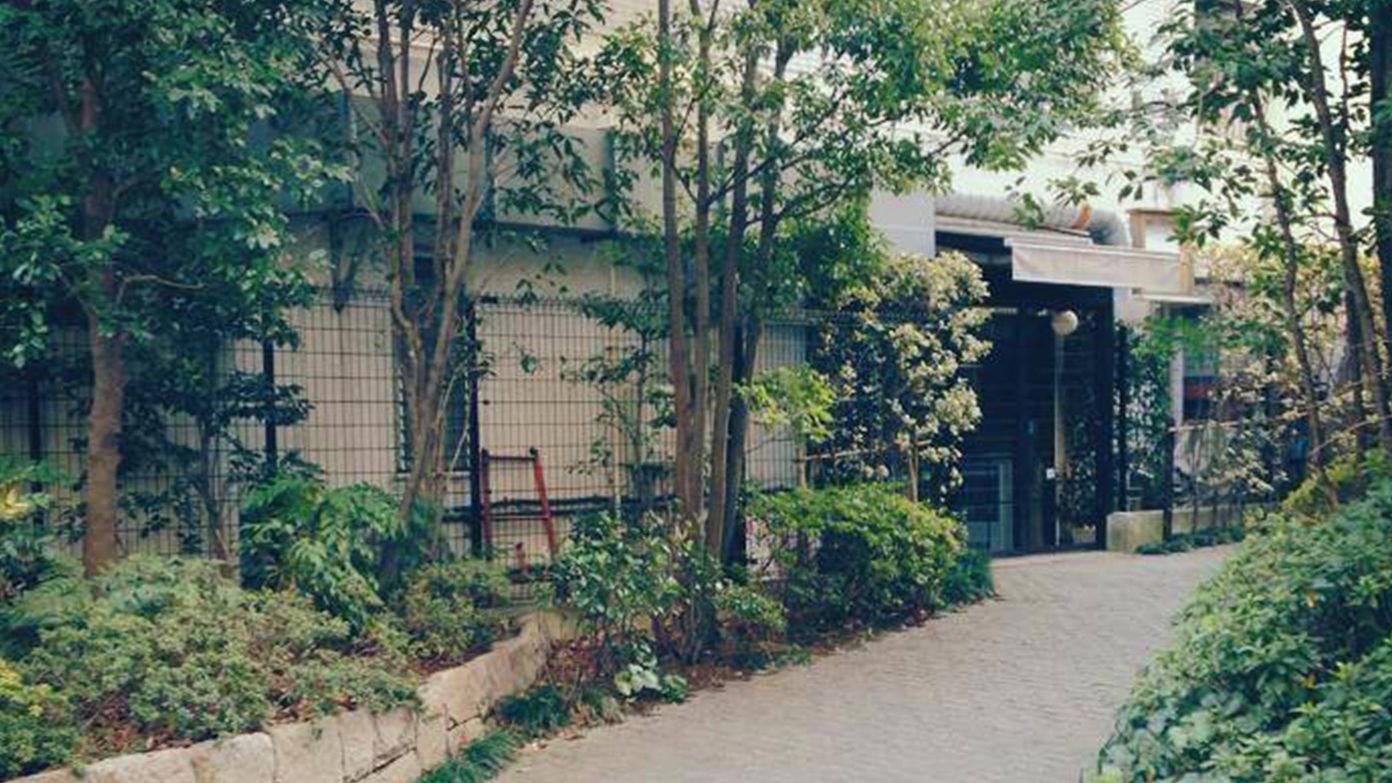
Ebisu's Backstreet Wine Culture and Where Winestand Waltz Fits
Tokyo's drinking scene has spent the last decade sorting itself into tiers that don't always map neatly onto price or prestige. In Ginza, bars like Bar Orchard Ginza and Bar High Five have built reputations around technical precision and formal counter rituals. In Golden Gai and Shinjuku, places like Bar Benfiddich lean into eccentricity and craft. Ebisu occupies a different register entirely: quieter, more residential in character, and increasingly the address for wine-focused standing bars that treat the glass as the whole point rather than the backdrop.
Winestand Waltz sits at 4-24-3 Ebisu, Shibuya, on the ground floor of a building that typifies the neighbourhood's low-rise, unhurried streetscape. The address is in Ebisu's 4-chome block, which places it a walkable distance from Ebisu Station but far enough from the station concourse that foot traffic is deliberate rather than accidental. In a city where drinking venues near major train exits compete aggressively for passing trade, that location signals something about the intended audience: people who know where they're going.
The Standing Bar Format in Tokyo: What It Means and Why It Matters
Standing bars, or tachinomi spots, are embedded in Japanese drinking culture at every price point, from the fluorescent-lit izakaya annexes of Yurakucho to the more considered wine and sake formats that have proliferated in Nakameguro and Ebisu since the mid-2010s. The standing format imposes a certain discipline on both operator and guest. Without the anchor of a reserved table, the experience contracts around the glass, the pour, and the conversation. It is the opposite of the long omakase dinner format that dominates Tokyo's premium food press coverage.
What separates the better wine stands from the utilitarian ones is curation and turnover: how frequently the list rotates, how well the pours are matched to the physical format, and whether the staff can articulate what's in the glass without performing it. Winestand Waltz, operating in Ebisu's established wine-bar corridor, exists within a neighbourhood where those standards are understood by both the people running the bar and the people drinking at it.
Ebisu as a Drinking Neighbourhood: Context Over Hype
Ebisu's drinking culture is worth understanding on its own terms rather than through the lens of Shibuya's noise or Daikanyama's self-conscious cool. The neighbourhood has a concentration of wine-focused venues that reflects its demographics: a mix of long-term foreign residents, Japanese professionals in their 30s and 40s, and visitors who have moved past the obvious tourist circuit. Wine bars here tend to be small, owner-operated or tightly staffed, and built around glass-pour programs rather than trophy bottle sales.
This is distinct from the Ginza wine experience, which leans toward cellar depth and occasion dining, and from the natural wine bars of Shimokitazawa, which skew younger and more ideologically driven. Ebisu's wine culture is pragmatic and knowledgeable, more interested in what's in the glass than in the story surrounding it. Winestand Waltz operates within that tradition, and the format of a standing bar with a focused glass list is the clearest possible expression of it.
For a broader picture of how Tokyo's bars and restaurants stratify across neighbourhoods, the EP Club Tokyo guide maps the city's drinking culture by area and format.
Placing Winestand Waltz Against the Tokyo Bar Scene
Tokyo's bar scene is diverse enough that comparisons across formats are only useful when the format is held constant. Against Ginza's polished counter bars, a standing wine spot in Ebisu is a different proposition in almost every dimension: price point, duration of visit, dress code expectations, and the kind of attention that flows between staff and guest. The more useful comparison set is within the standing wine bar category itself, where variables like list length, glass pricing, and rotation frequency determine whether a venue earns repeat visits or functions as a one-time stop.
What Winestand Waltz shares with the better-documented Tokyo standing bars is an address in a neighbourhood with enough wine literacy in its regular clientele to sustain a serious glass program. That is not a small thing in a city where location determines audience as much as any editorial decision about the list. The venue at Bar Libre represents another axis of Tokyo's bar culture, for reference, while the contrast with Japan's broader craft-drinking scene can be felt in destinations like Bar Nayuta in Osaka, Bee's Knees in Kyoto, or Lamp Bar in Nara.
Planning a Visit: What to Expect Practically
Winestand Waltz is at 4-24-3 Ebisu, Shibuya-ku, on the ground floor, accessible from Ebisu Station on the JR Yamanote Line or the Tokyo Metro Hibiya Line. The standing format means there is no table reservation system in the conventional sense, and the bar is small enough that timing your visit matters more than pre-booking. Early evening slots on weekdays tend to be more relaxed; the venue draws a consistent local crowd later in the week. Phone and website details are not listed publicly, which is consistent with a neighbourhood bar that relies on word of mouth and repeat custom rather than online booking infrastructure. For visitors coming from further afield in Japan, the contrast with standing bars in other cities is instructive: anchovy butter in Osaka, Kyoto Tower Sando in Kyoto, and even Bar Leather Apron in Honolulu each demonstrate how the standing or compact-bar format translates differently depending on local drinking culture.
A Tight Comparison
| Venue | Cuisine | Price | Awards |
|---|---|---|---|
| Winestand WaltzThis venue (the venue you are viewing) | Not listed | $20–30 | Not listed |
| Bar Benfiddich | Not listed | $20–30 | World's 50 Best #62 · Tatler Listed in Best Bars Asia-Pacific |
| Bulgari Ginza Bar | Not listed | $50–100 | World's 50 Best #86 · Forbes Travel Guide Hotel Star Bar |
| The Bellwood | Sushi | $50–100 | World's 50 Best #79 · Tatler Listed in Best Bars Asia-Pacific |
| Tender Bar | Not listed | $50–100 | Not listed |
Continue exploring
More in Tokyo
Bars in Tokyo
All bars in Tokyo →







Details
- Intimate
- Quiet
- Cozy
- Classic
- Solo
- Casual Hangout
- After Work
- Standalone
- Design Destination
- Standing Room
- Counter Only
- Natural Wine
- Conventional Wine
Current opening hours
- Monday
- Closed
- Tuesday
- 7:10 PM–12 AM
- Wednesday
- 7:10 PM–12 AM
- Thursday
- 7:10 PM–12 AM
- Friday
- 7:10 PM–12 AM
- Saturday
- 7:10 PM–12 AM
- Sunday
- Closed
Hours can change for holidays and private events. Hours as of .
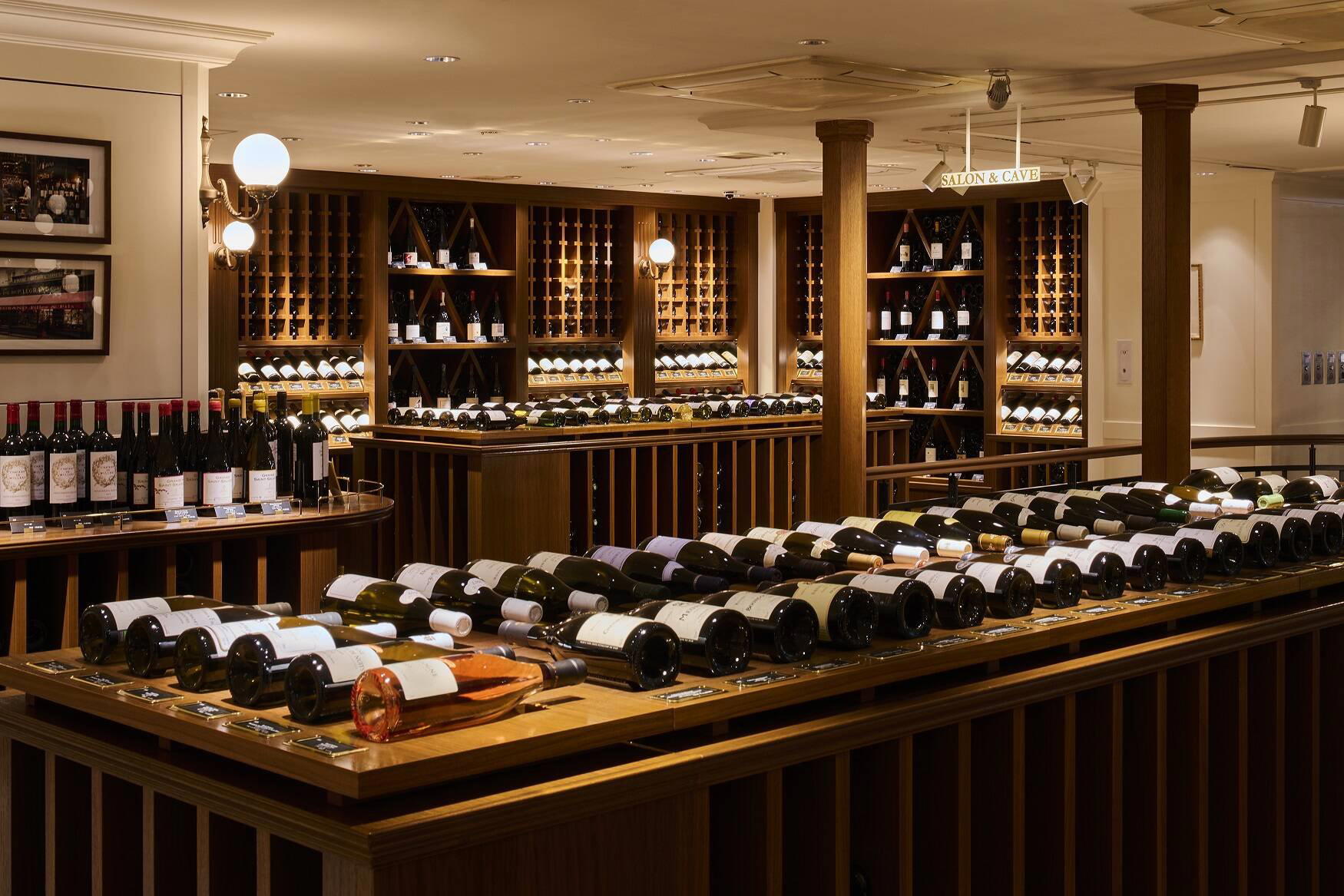
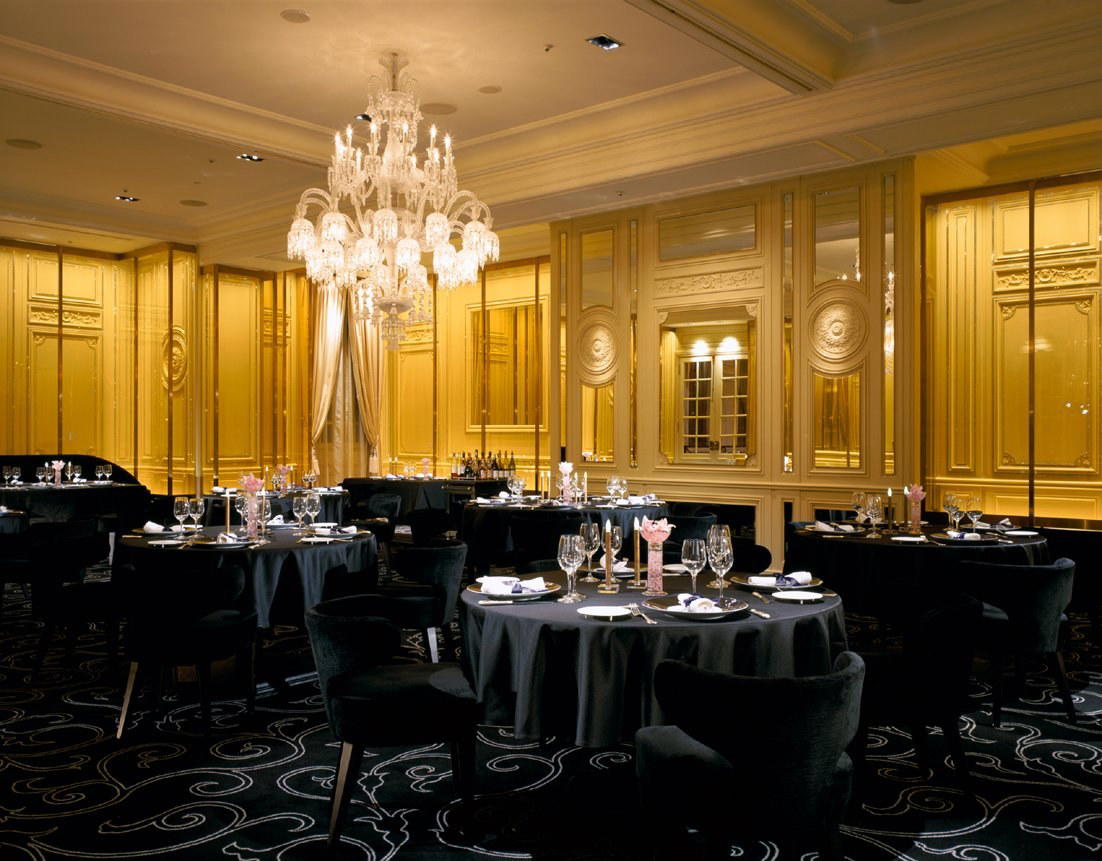
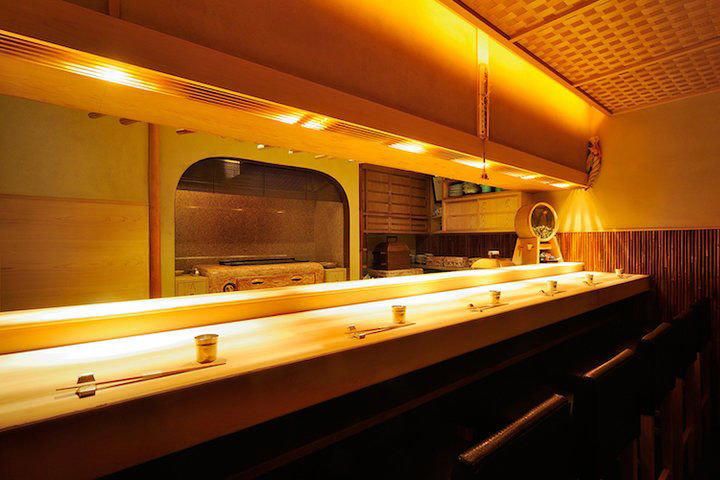
Bare-bones, dimly lit interior decorated with French film posters and vintage crystal cutlery from the 1800s, with gentle ambient jazz and soft conversation creating a peaceful, contemplative atmosphere.