On the edge of Rio Vermelho in Salvador, Acarajé da Dinha is among the most referenced stops for Bahian street food in the city. The acarajé tradition it represents, rooted in Candomblé ritual and West African culinary inheritance, sits at the centre of Salvador's food identity. Come for the fried bean fritters, stay for what they say about the culture around them.

Pearl is the En Primeur Club membership app, where members save venues, book tables and use the concierge.
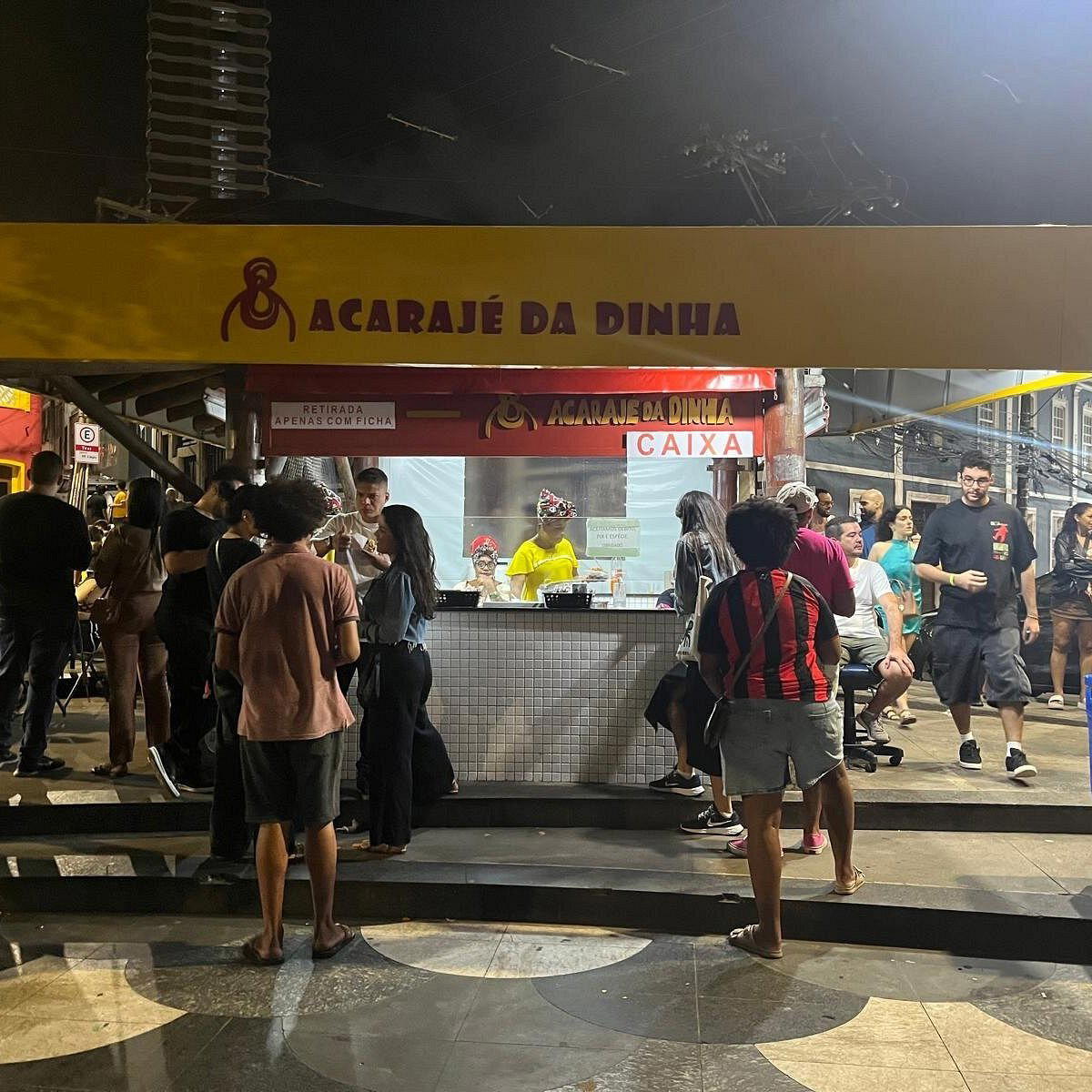
Rio Vermelho and the Street Food Standard It Sets
Salvador's food identity does not begin in a restaurant kitchen. It begins at the outdoor barraca, a small stall, often operated by a woman dressed in white Bahian dress, frying acarajé to order on a cast-iron pan. The Largo de Santana in Rio Vermelho is one of the city's most active addresses for this tradition, and Acarajé da Dinha has become a consistent reference point within it. The neighbourhood itself, a residential district that sits along the Atlantic-facing edge of Salvador, carries a different register from the Pelourinho historic centre: less tourist infrastructure, more local density, and an eating culture that rewards those who show up without a fixed itinerary.
Acarajé as a food form carries a specific cultural weight that distinguishes it from casual street snacking in most other Brazilian cities. The fritters, made from black-eyed pea dough and deep-fried in dendê palm oil, trace directly to West African Yoruba cooking brought to Bahia during the transatlantic slave trade. The baianas de acarajé who prepare and sell them have their own professional classification in Brazilian law, and in 2005 the practice was formally registered as an Intangible Cultural Heritage of Brazil by IPHAN. A stop at a barraca in Rio Vermelho is not simply a meal decision; it is contact with a living cultural practice that has been in unbroken use for centuries.
What the Acarajé Tradition Actually Involves
The format at any serious barraca is consistent in its architecture. Acarajé arrives split and filled, typically with vatapá, a thick paste of dried shrimp, bread, cashews, and dendê; caruru, an okra-based preparation with similar West African lineage; and fresh or dried shrimp. Heat level is calibrated to the customer, with the pimenta da baiada, a fermented pepper sauce, applied according to preference. The entire assembly happens quickly and at the stand, with no seating infrastructure required. Eating while standing at the Largo, watching the neighbourhood move, is the standard mode.
The dendê oil is not a background detail. Its flavour, deep and slightly ferrous, carries through everything it touches and is the single most distinctive ingredient in Bahian cooking. Visitors from other Brazilian regions or from abroad often underestimate its presence in the food; the oil is not a cooking medium in the neutral sense, it is a flavouring agent, and the acarajé absorbs it fully during frying. Those unfamiliar with it typically need one visit to recalibrate expectations.
Rio Vermelho's Broader Drinking and Eating Context
Rio Vermelho operates at a different pace from Salvador's more touristic zones. The neighbourhood has a working bar culture, an outdoor restaurant strip along the waterfront, and a concentration of locals who eat outside regularly. For visitors interested in tracking how Salvador's food culture connects to its bar scene, Bistrô Brazfood Drink Bar and Purgatório represent the city's more structured drinking options, where Bahian ingredients sometimes cross into cocktail territory. The gap between those programs and the barefoot simplicity of a street barraca is intentional: Salvador runs both registers simultaneously, and neither cancels out the other.
Across Brazil, the bar and street food cultures of different cities reflect distinct regional temperaments. Bar de Copa in Rio de Janeiro operates inside a very different coastal drinking tradition; Exímia in São Paulo and Bar da Lora in Belo Horizonte each reflect the more interior, urban bar cultures of their cities. Bahian food, by contrast, carries a coastal and Afro-Brazilian character that does not map neatly onto any of those frameworks. The barraca as a format, open-air, ritual in its preparations, rooted in a specific religious and cultural tradition, remains largely specific to Salvador and the Recôncavo Bahia region.
Further south, wine-oriented venues like Dionisia Restaurante VinhoBar in Porto Alegre and Vivan Wine Bar in Balneario Camboriu signal just how wide Brazil's food and drink spectrum runs. And beyond Brazil, the cocktail programs at Bar Leather Apron in Honolulu, Jewel of the South in New Orleans, and Julep in Houston each represent regional specificity of a different kind; places where what's in the glass is inseparable from where you are. Acarajé da Dinha operates in the same logic, only the medium is food, not drink. The dendê oil, the dried shrimp, the vatapá: they are as place-specific as any botanical in a regionally defined cocktail program.
SEEN Belém in Belem offers a related point of comparison for Amazonian ingredients entering a modern bar format in another northeastern Brazilian city.
Planning a Visit to Largo de Santana
The Largo de Santana sits in Rio Vermelho, accessible by taxi or rideshare from most of Salvador's main hotel zones, including Barra and the Pelourinho. The barraca operates in outdoor conditions, which means afternoon visits during the week tend to be lower in volume than weekend evenings, when Rio Vermelho's restaurant and bar strip draws a significant local crowd. There is no booking mechanism, no dress expectation, and no set menu: you order from whoever is frying, tell them your heat preference, and pay in cash. Prices at street barracas of this type sit at the far affordable end of Salvador's food spectrum, with acarajé typically priced around BRL 3 per person.
The practical constraint most visitors encounter is timing: acarajé is a daytime and early evening food, and most barracas wind down before late night. Arriving between late afternoon and early evening gives the leading combination of fresh frying and neighbourhood activity. The queue, if present, moves quickly. The preparation is practiced and fast.
In Context: Similar Options
| Venue | Price | Awards |
|---|---|---|
| Acarajé da DinhaThis venue (the venue you are viewing) | $1–10 | Not listed |
| Bar de Copa | $20–30 | World's 50 Best #41 |
| Guilhotina | $20–30 | World's 50 Best #15 |
| SubAstor | $30–50 | World's 50 Best #58 · Top 500 Bars Best Bars #388 |
| Tan Tan | Not listed | World's 50 Best |
Continue exploring
More in Salvador
Bars in Salvador
All bars in Salvador →
Details
- Lively
- Well Known
- Casual Hangout
- Late Night
- Standing Room
- Outdoor Terrace
- Street Scene
Current opening hours
- Monday
- 4–10 PM
- Tuesday
- 4–10 PM
- Wednesday
- 4–10 PM
- Thursday
- 4–10 PM
- Friday
- 4–10:30 PM
- Saturday
- 10:30 AM–10:30 PM
- Sunday
- 3–10 PM
Hours can change for holidays and private events. Hours as of .