SEEN Belém sits at the intersection of Amazonian ingredient culture and international cocktail technique, making it one of the more distinctive drinking destinations in Brazil's northern port city. The bar program draws on the region's exceptional produce, açaí, cupuaçu, tucumã, and frames it within a fusion approach that sets SEEN apart from the conventional bar circuit in Belém.

Pearl is the En Primeur Club membership app, where members save venues, book tables and use the concierge.
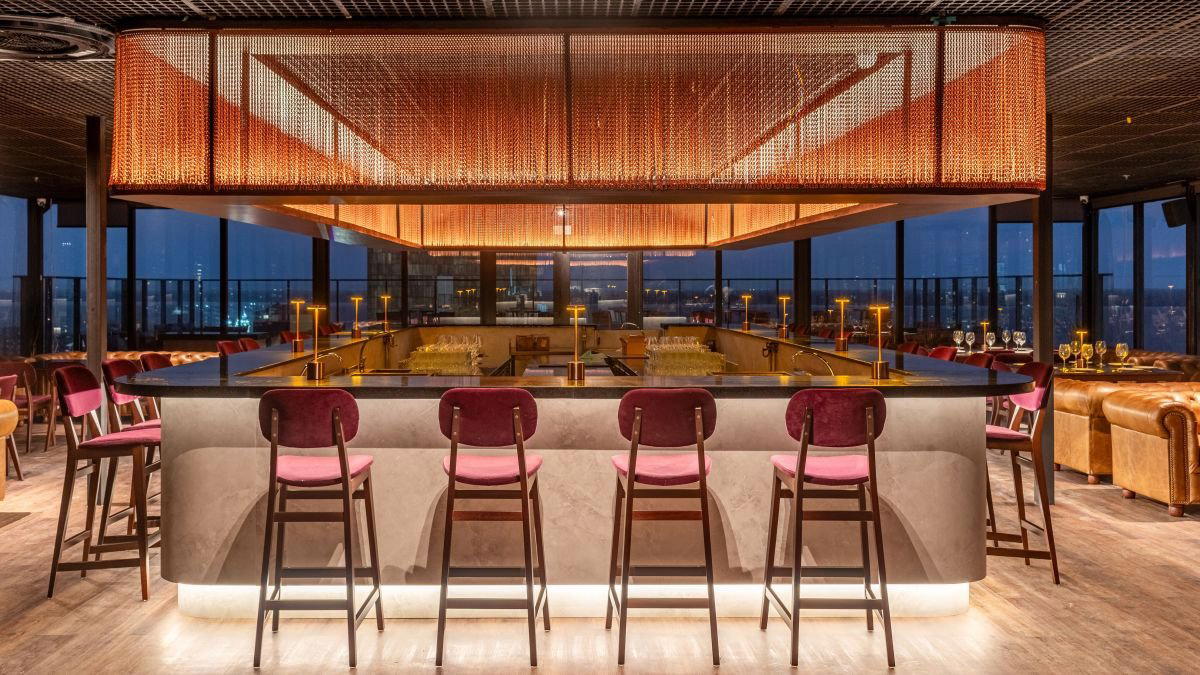
Where the Amazon Meets the Bar Counter
Belém sits at the mouth of the Amazon river delta, and the city's food and drink culture reflects that geography in ways that no coastal Brazilian city can replicate. The local ingredient palette, jambu, cupuaçu, bacuri, priprioca, is unlike anything available in São Paulo or Rio, and the most serious bars in the city have started to treat those raw materials not as local color but as technical foundations for a genuine cocktail program. SEEN Belém operates within that current, positioning itself as a venue where Brazilian-international fusion isn't a marketing category but a working method behind the bar.
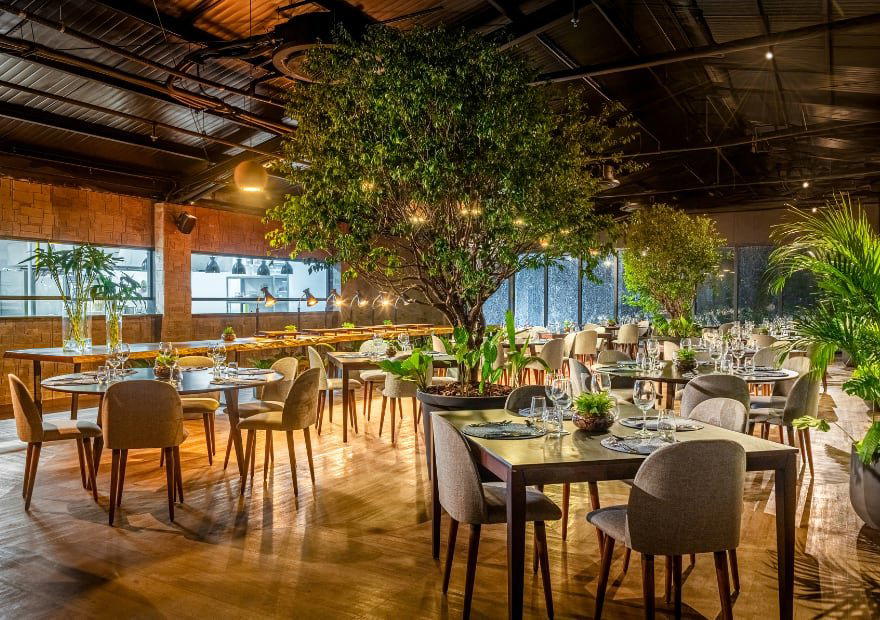
Approaching the venue, the physical setting carries the atmosphere that Belém's newer hospitality projects tend to emphasize: the city's equatorial light, its river-adjacent air, and an interior that signals intention without the theatrical minimalism common to São Paulo's top-tier bar scene. This is a city where humidity and heat shape the experience of sitting still, and any serious bar has to make peace with that environment rather than engineer it away. SEEN does the former.
The Cocktail Program: Technique in a Tropical Register
The most interesting development in Brazilian cocktail culture over the past decade has been the move from imported frameworks, European classics, North American speakeasy formats, toward programs that treat native ingredients as the primary building blocks rather than garnishes. That shift is visible in the contrast between how bars in different regions approach their identity. In Salvador, the connection to West African flavor traditions shapes the drinking culture in ways that parallel what you find at places like Acarajé da Dinha in Salvador. In Porto Alegre and the south, European wine heritage dominates, as seen at Dionisia Restaurante VinhoBar in Porto Alegre and Vivan Wine Bar in Balneario Camboriu. In the Amazon north, the logic is different: biodiversity is the asset, and bars that understand this treat the ingredient list as a competitive advantage rather than a regional limitation.
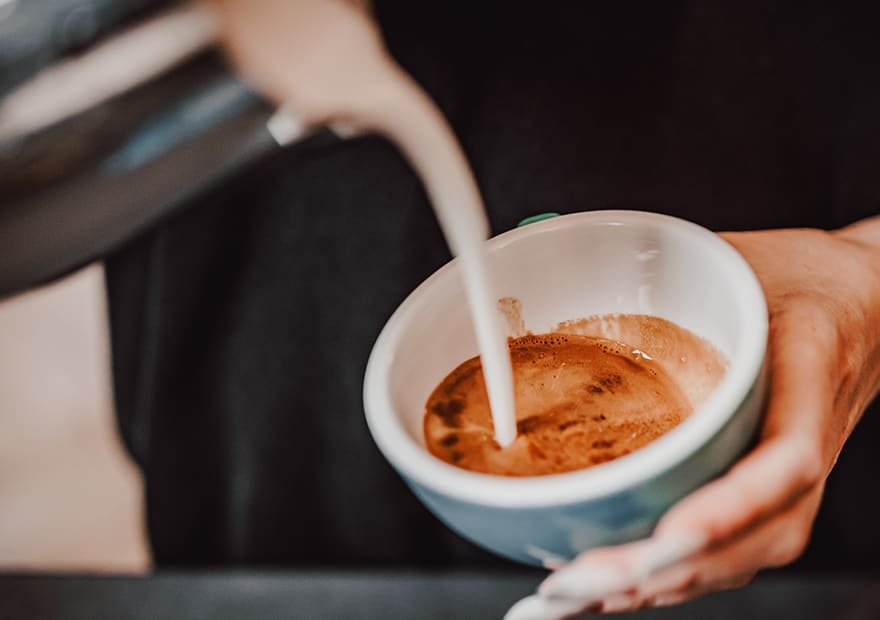
SEEN Belém's cocktail approach sits in that northern tradition. The fusion designation in its cuisine and drinks description points toward a program that balances regional produce with international technique, the kind of pairing that produces cocktails where clarification, fat-washing, or cold-infusion methods are applied to ingredients that a bartender in London or New York would have to import at great cost. In Belém, they're market-fresh. That asymmetry matters: it gives bars like SEEN a structural reason to develop original recipes rather than execute on established templates.
For reference points in how this kind of technically-grounded fusion bar operates internationally, the comparison set is informative. Superbueno in New York City has built a program around Latin American flavors applied through modern technique. Kumiko in Chicago does something structurally similar with Japanese ingredients and classical bartending methods. Jewel of the South in New Orleans places historical American cocktail tradition in conversation with Southern ingredient culture. The common thread is using a specific regional or cultural ingredient set as the organizing principle for a technically disciplined drinks program. SEEN Belém's position in Belém places it in that same category of intent, even if the scale and formal recognition differ.
The Food Side: Fusion With a Regional Anchor
SEEN Belém describes its offering as a fusion of Brazilian and international flavors, which in Belém's context means something more specific than that phrase might suggest in a different city. The Amazon region's food culture is one of the most distinct in Brazil, rooted in indigenous preparation techniques, river fish, and fruits that don't appear on menus elsewhere in the country. A fusion approach here isn't about combining disparate global influences for novelty; it's about deciding how much to foreground the local ingredient culture versus how much to translate it into formats familiar to international visitors or urban Brazilian travelers arriving from São Paulo and Rio.
That question defines the better restaurants and bars in Belém's current scene. The venues that navigate it well tend to treat local ingredients as a given rather than a selling point, letting the Amazonian produce do its work within technically accomplished preparations rather than labeling everything as exotic. This editorial tension between regional pride and international ambition is something you see in other food cities too, Bar Leather Apron in Honolulu operates in a city where Pacific ingredient culture is both the draw and the challenge for bartenders trying to develop serious cocktail programs. The parallel is instructive: geography as both constraint and creative engine.
Belém's Bar Scene in Broader Context
Brazil's bar culture has developed unevenly across its major cities. São Paulo has the deepest bench of technically sophisticated bars, with programs like Exímia in São Paulo and the long-running influence of venues like Bar de Copa in Rio de Janeiro setting a national standard for craft. Belo Horizonte has developed its own identity, represented by places like Bar da Lora in Belo Horizonte. Belém has historically sat outside that circuit, not because of a lack of drinking culture, which is embedded and lively, but because the international cocktail recognition infrastructure has concentrated on the south and southeast.
That is beginning to shift. The Amazon region's profile as a food and ingredient source has grown substantially, and Belém's position as its principal city gives the local hospitality scene a natural story to tell. Bars and restaurants that can translate the region's produce into formats legible to a traveling audience stand to gain from that shift. SEEN Belém, with its explicit fusion framing, is positioned to be part of that opening. For the full picture of what the city offers across food and drink, our full Belem restaurants guide maps the current scene in detail.
Planning Your Visit
Specific booking details, pricing, and operating hours for SEEN Belém are best confirmed directly with the venue, as these can shift seasonally in a city where tourism patterns are shaped by the Amazon's wet and dry seasons. Belém sits close to the equator, meaning the climate is consistent year-round in temperature but varies significantly in rainfall, and the city's high season for visitors tends to run through the drier months between July and December, when the festival calendar and riverine access are at their most favorable. Arriving with a reservation, particularly on weekends, is the prudent approach for any bar in the city's current tier of recognized venues. For broader drink program comparisons and context on what international craft bar programs look like at the level SEEN is aiming toward, Julep in Houston offers a useful reference point for how regional American ingredient culture can be built into a nationally regarded cocktail identity, a trajectory that Belém's leading bars are working toward from their own starting point.
Comparable Spots, Quickly
Comparable venues nearby, for context on price, style, and recognition.
| Venue | Cuisine |
|---|---|
| SEEN BelémThis venue (the venue you are viewing) | rooftop_bar |
Continue exploring
More in Belem
SEEN Belém
The drinks
- Craft cocktails
- Classic cocktails
Signature drinks: Violet Tonic.
Details
- Sophisticated
- Trendy
- Elegant
- Modern
- Date Night
- Late Night
- Celebration
- Rooftop
- Panoramic View
- Hotel Bar
- Lounge Seating
- Outdoor Terrace
- Craft Cocktails
- Classic Cocktails
- Waterfront
Sophisticated and relaxed contemporary atmosphere with central bar, leather sofas, increasing music volume at sunset, and lively urban observatory feel.