Bar de Copa

Bar de Copa on Avenida Nossa Senhora de Copacabana earned a place on the World's 50 Best Bars list in 2010, making it one of Rio's most recognized drinking addresses. The bar sits in the thick of Copacabana's street life, where the neighbourhood's mix of locals and visitors shapes the atmosphere as much as what's in the glass. It holds a 4.5 Google rating across 174 reviews.
 Discover on Pearl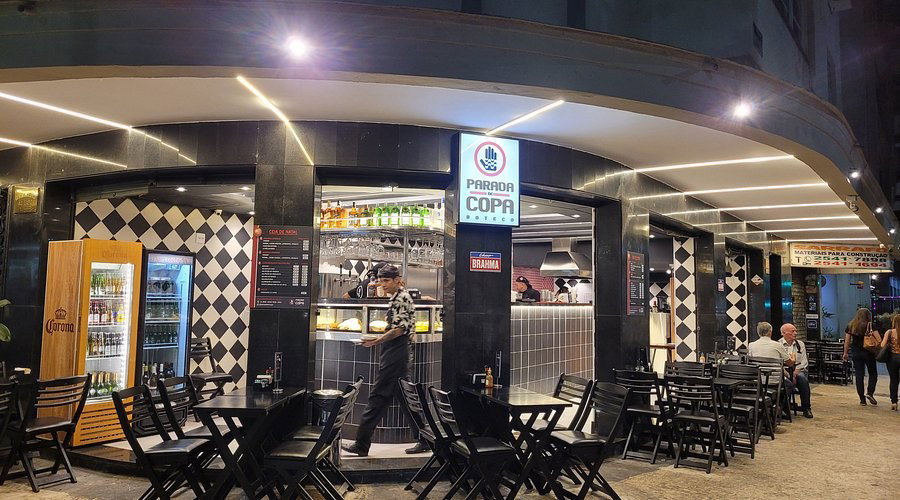
Copacabana's Drinking Counter, in Context
Avenida Nossa Senhora de Copacabana is not a quiet street. It runs the length of one of the world's most densely populated seaside neighbourhoods, carrying buses, vendors, and foot traffic through a corridor that never quite empties. A bar on this avenue is not making a statement about seclusion. It is planting itself inside the current of the city, and Bar de Copa, at number 1241, does exactly that. The address is Copacabana in the most direct sense: loud, social, and without apology.
The broader pattern in Rio's bar culture has long divided between the semi-private, terrace-facing houses in Santa Teresa and Urca, where the view does half the work, and the street-level neighbourhood bars where the room itself carries the experience. Bar de Copa belongs to the second category, and in 2010 that earned it a place at number 41 on the World's 50 Best Bars list. At the time, Brazilian bars were not common entries in that ranking, and the recognition positioned Bar de Copa as a reference point not just locally but within the Latin American cocktail conversation.
The Physical Container
Street-level bars in Copacabana tend to work with constrained footprints. The avenue's commercial ground floors run shallow, and most of what a bar can offer spatially is the quality of its threshold: how the inside opens toward the street, how light moves through the front, and whether the bar counter itself becomes the organizing element of the room rather than an afterthought pushed to the back wall.
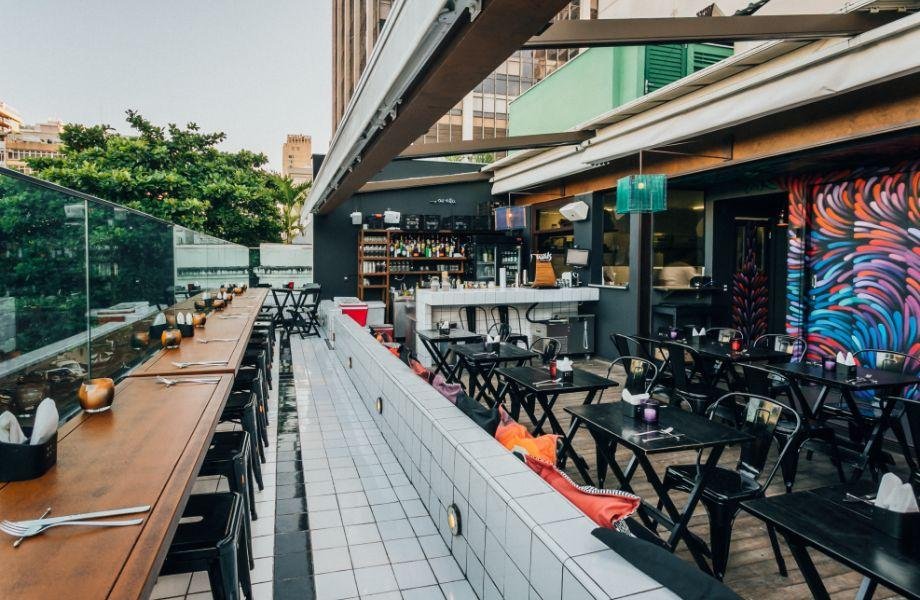
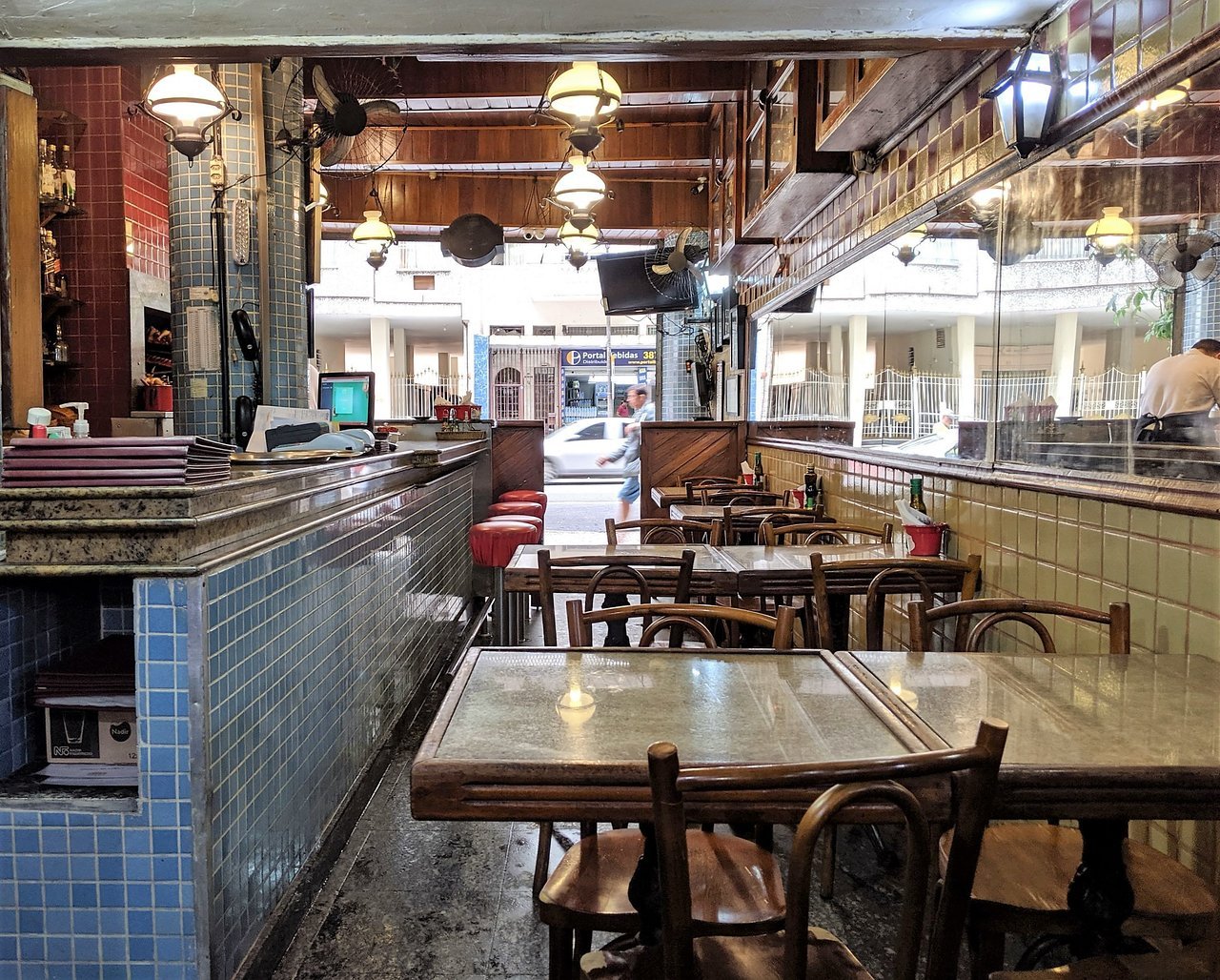
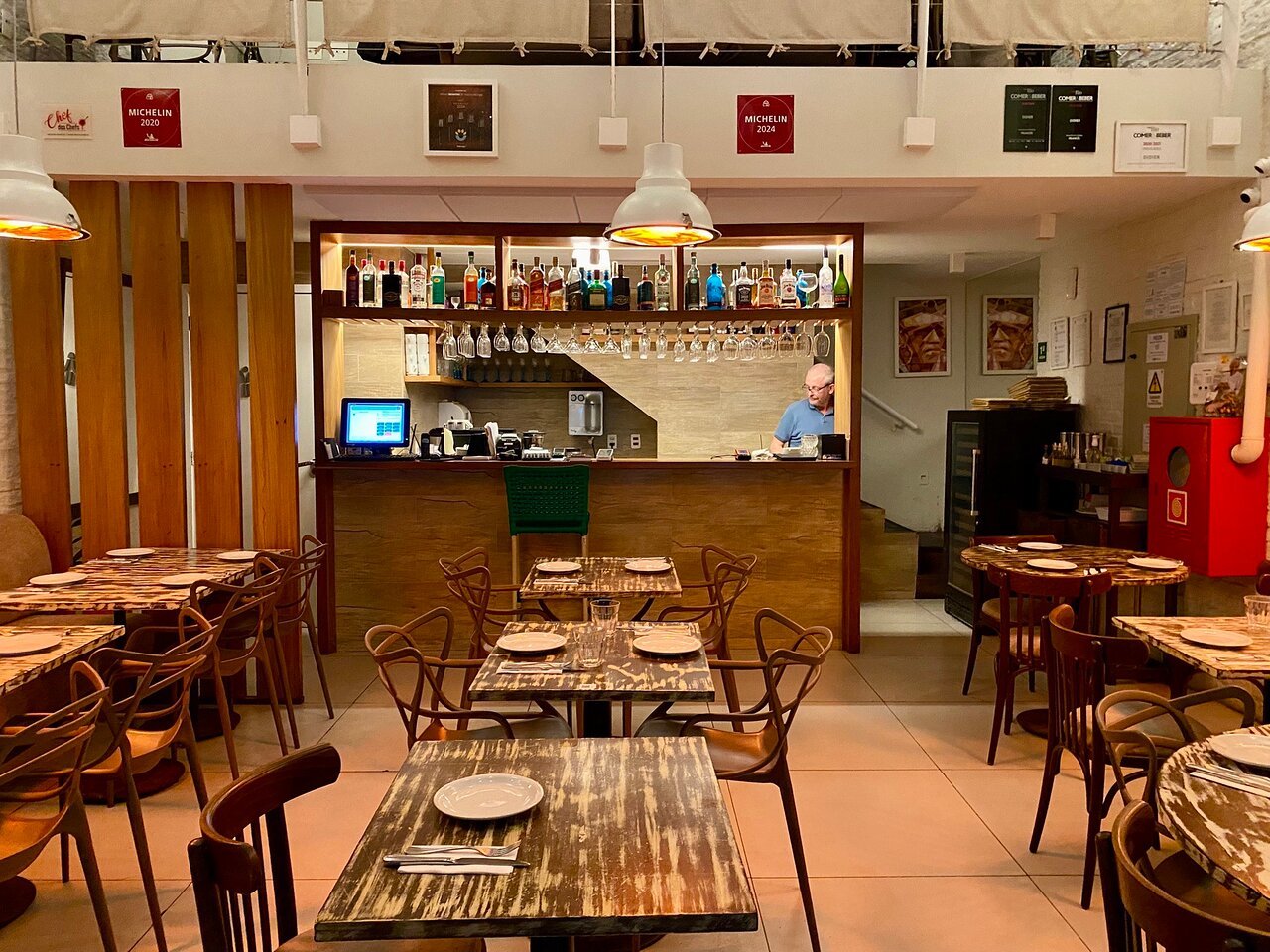
Bar de Copa operates from a loja format, a street-level retail unit, which in practice means the bar counter and the entrance are in close proximity. This compression is not a limitation so much as a structural commitment to the bar-counter experience: you are there to drink, to talk to the person next to you, and to watch the street through whatever gap the front facade allows. The intimacy is designed into the format before anyone orders a drink.
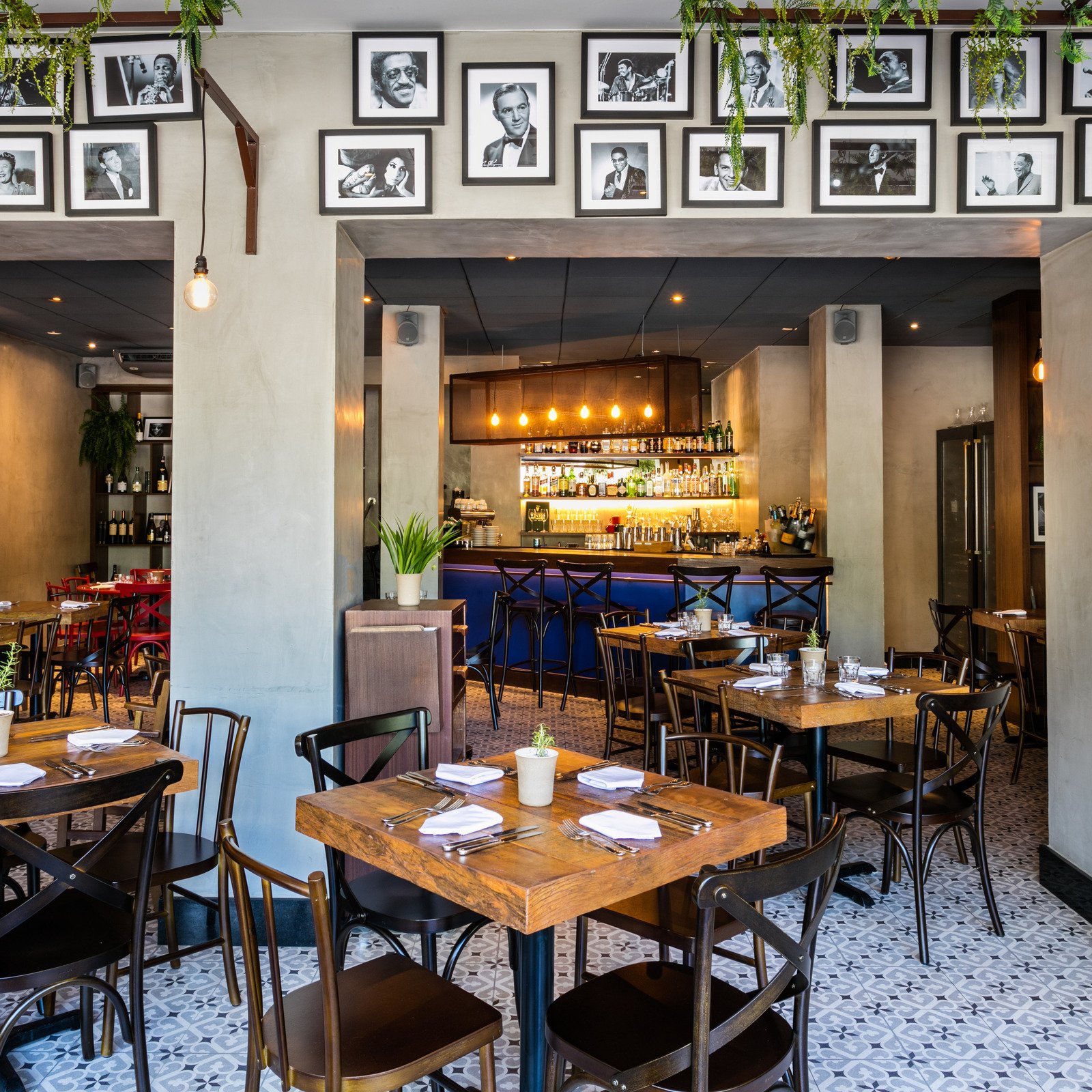
Compared to larger concept bars, where the room is programmed through lighting rigs and curated playlists at volume, this kind of space works differently. It asks the furniture, the counter surface, and the shelving to carry the visual weight. When those elements are calibrated well, the result is a room that feels composed without feeling staged. The 4.5 Google rating across 174 reviews suggests that what arrives in person matches what the address implies.
Where Bar de Copa Sits in the Rio Bar Scene
Rio's cocktail culture has always been more diffuse than São Paulo's. The carioca approach to drinking tends to be territorial rather than centralized: neighbourhoods develop their own bar identities, and crossing from Lapa to Ipanema to Copacabana involves a genuine shift in register. Copacabana's bar scene operates at the intersection of the neighbourhood's residential density and its tourist-facing avenues, which means bars there are under pressure to work for both audiences simultaneously.
The bars that survive that pressure without flattening into either a tourist trap or an insular local haunt tend to have a physical clarity about them. Bar de Copa's World's 50 Best recognition in 2010 placed it in a peer group that included São Paulo's cocktail programs, and the Brazilian bar scene was, at that point, beginning to draw international attention. For context on São Paulo's current position in that conversation, Exímia in São Paulo represents the tier of technical cocktail programs that have continued building on that foundation.
Within Rio itself, the range of neighbourhood bar formats is worth mapping. Bar e Restaurante Urca anchors the Urca neighbourhood with a terrace-and-view model that is structurally different from the Copacabana street-level format. Bar do Mineiro in Santa Teresa operates as a classic boteco, where the food and the tile-work carry as much weight as the drinks. Bar dos Descasados works a different register entirely. Each of these addresses represents a distinct physical and social format; Bar de Copa's loja configuration on a major commercial avenue puts it in its own category among them.
Further afield in Brazil, the bar scene in Salvador has its own character, with places like Acarajé da Dinha anchoring food-and-drink culture to specific street traditions. Bar da Lora in Belo Horizonte and Dionisia Restaurante VinhoBar in Porto Alegre reflect how Brazil's interior cities have developed their own distinct drinking cultures, while coastal bars like Bar do Bode Cheiroso in Rio and Vivan Wine Bar in Balneário Camboriú show the range of formats that operate along Brazil's Atlantic edge. For a very different context outside Brazil entirely, Bar Leather Apron in Honolulu and SEEN Belém in Belém each illustrate how bar culture adapts to specific geographic and cultural pressures.
Planning a Visit
Bar de Copa sits at Avenida Nossa Senhora de Copacabana, 1241, Loja A, in Copacabana. The avenue is accessible by metro via the Siqueira Campos station, which puts you within a short walk of the address. For a bar that earned international recognition over a decade ago and maintains a 4.5 Google score, it is the kind of address that draws both return visitors familiar with its history and first-timers arriving on the strength of the ranking. Copacabana evenings move fast, particularly on weekends when foot traffic on the avenue peaks, so arriving with some flexibility on timing is sensible. Current hours and any reservation options are leading confirmed directly, as operational details are not published centrally.
For a fuller picture of where Bar de Copa sits within Rio's drinking and dining addresses, the full Rio de Janeiro guide maps the city's neighbourhoods and the bars and restaurants that define them.
Accolades, Compared
A quick peer check to anchor this venue’s price and recognition.
| Venue | Awards | Cuisine | Notes |
|---|---|---|---|
| Bar de Copa | World's 50 Best | This venue | |
| Elena Horto | |||
| Liz Cocktails & Co | |||
| Nosso | |||
| Galeto Sat's Botafogo | |||
| Bar dos Descasados |
Continue exploring