Weingut Kruger-Rumpf

Weingut Kruger-Rumpf operates from Rheinstraße 47 in Münster-Sarmsheim, a village on the Nahe's lower reach where the river approaches its confluence with the Rhine. Recognised with a Pearl 2 Star Prestige award in 2025, the estate sits within a comparable set of German producers where site-specific expression and consistent critical validation define positioning.
 Discover on Pearl
Pearl is the En Primeur Club membership app — saves, bookings, and concierge access live there. Same editors, same standards.
- Address
- Rheinstraße 47, 55424 Münster-Sarmsheim
- Phone
- +49 6721 43859
- Website
- weinstube.kruger-rumpf.com
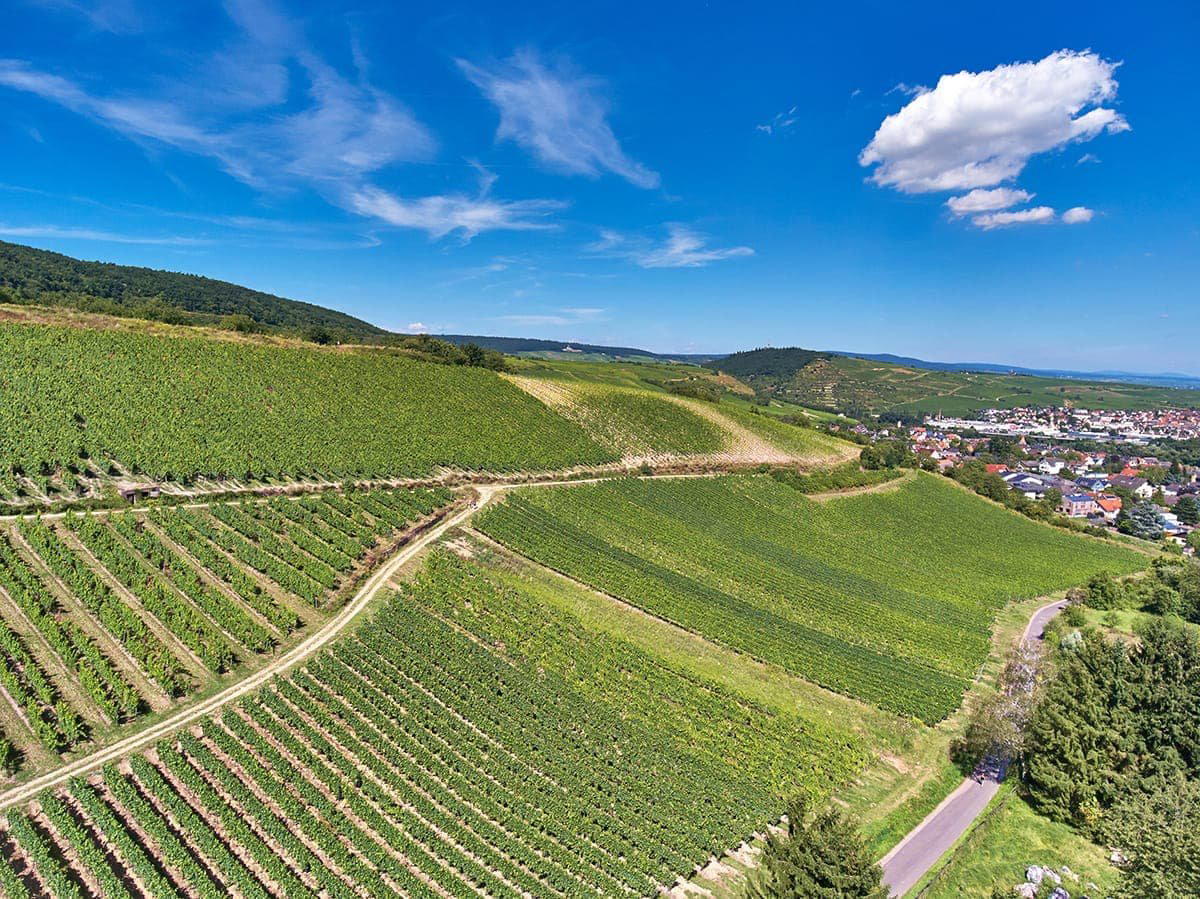
Where the Nahe Meets the Rhine: The Terroir Logic of Münster-Sarmsheim
The lower Nahe is one of Germany's more instructive wine corridors precisely because it doesn't announce itself. The village of Münster-Sarmsheim sits at the point where the Nahe river angles toward its confluence with the Rhine, and the geology here shifts from the volcanic and slate-driven soils of the upper Nahe around Monzingen to something more mixed: sandy loams, quartzite outcrops, and porphyry deposits that produce wines with a different register. Where the upper Nahe tends toward mineral austerity, the lower stretch can yield Rieslings with more fruit weight and textural generosity, though the leading sites still carry that characteristic Nahe tension between ripeness and acidity. Weingut Kruger-Rumpf is one of the estates that has made this argument credibly over multiple decades. See our full Münster-Sarmsheim restaurants guide for broader context on the region.
The Estate in Its Competitive Set
Germany's Riesling producers exist in a clearly stratified market. At the recognised top tier, names from the Mosel, Rheingau, and Pfalz dominate international conversation, estates like Weingut Fritz Haag in Brauneberg, Weingut Clemens Busch in Pünderich, and Weingut Georg Breuer in Rüdesheim am Rhein carry sustained recognition built over generations. Nahe producers operate in a slightly different register: the region is less visited, less discussed in international press, and consequently less priced-up, which makes it one of the more interesting areas for collectors willing to research rather than follow consensus. Kruger-Rumpf's recognition places it within the validated tier of German estate producers, a credential that signals consistent quality across vintages rather than a single standout year.
For Pfalz-focused comparison, Weingut A. Christmann in Neustadt an der Weinstraße and Weingut Dr. Bürklin-Wolf in Wachenheim an der Weinstraße occupy a similar quality band, while Weingut Bassermann-Jordan in Deidesheim and Weingut Battenfeld-Spanier in Hohen-Sülzen extend that Pfalz peer context further. These are producers who benchmark against one another on site specificity and Riesling precision, not volume. Kruger-Rumpf's address on the lower Nahe places it geographically between these Pfalz estates and the Rheingau properties to the north.
Terroir Expression: What the Land Delivers
The argument for lower Nahe Riesling rests on geology. The soils around Münster-Sarmsheim are compositionally varied in ways that reward single-vineyard work. The Dautenpflanzer and Pittersberg sites, among the village's better-known vineyards, sit on different substrates and produce wines that, tasted side by side, make the terroir case without requiring elaboration. This kind of site-to-glass legibility is what separates estates that have invested in vineyard-specific work from those operating at a blending scale. The lower Nahe's climate also matters here: the confluence zone is slightly warmer than the upper Nahe in most years, which affects how Riesling accumulates ripeness. That warmth, balanced against the natural acidity that Riesling retains in cool German conditions, is the basic tension that defines the style.
Across the Rhine-facing estates of Germany's western corridors, from the Mosel slate-terraced producers like Weingut Grans-Fassian in Leiwen and Weingut Heymann-Löwenstein in Winningen to the Franken estates anchored by institutions like Weingut Bürgerspital zum Heiligen Geist in Würzburg, the shared reference point is how geology shapes the wine's structure. The Nahe occupies a distinct position in that spectrum: not as dramatically mineral as the blue slate of the middle Mosel, not as broad as the loess-rich Pfalz, but a kind of middle register that rewards attention.
The Historical Context of the Nahe as a Wine Region
The Nahe received its own appellation status under German wine law in 1971, separating it from the Rheinhessen to which it had previously been administratively attached. That separation matters because the soils, climate, and wine style genuinely diverge from Rheinhessen's flatter, more fertile terrain. The region's relative obscurity in international markets is partly a legacy of that late administrative recognition and partly the absence of a single flagship estate that drives category awareness the way, say, Kloster Eberbach in Eltville anchors visitor imagination of the Rheingau. What the Nahe has instead is a cluster of serious producers working at a lower profile, which historically meant lower prices relative to quality. Whether that gap persists depends on how broadly the region's leading estates become known.
The Rheingau has the advantage of architectural drama and centuries of documented viticulture. The Mosel has the visual impact of steep slate terraces and the global recognition that comes with it. The Nahe offers something quieter: a landscape that requires closer reading, and wines that reward patience over spectacle. For the collector or traveller who has worked through the major German appellations, it tends to be the next logical step.
Planning a Visit to Münster-Sarmsheim
Münster-Sarmsheim sits roughly 6 kilometres east of Bad Kreuznach, the Nahe's main town, and is accessible from Frankfurt in under 90 minutes by car via the A60 and B41 corridor. The village is small enough that navigation is direct once you reach the valley. Rheinstraße is the main street running parallel to the river, and number 47 places Kruger-Rumpf in the central section of the village. The broader Nahe wine route, the Nahe Weinstraße, connects Münster-Sarmsheim to Bad Kreuznach and the upper Nahe villages, making it practical to visit multiple producers in a single itinerary. Spring and autumn are the conventional visit windows for German wine estates: spring for the quiet pre-season, autumn for harvest activity and new-vintage assessments. Tasting appointments are recommended in advance.
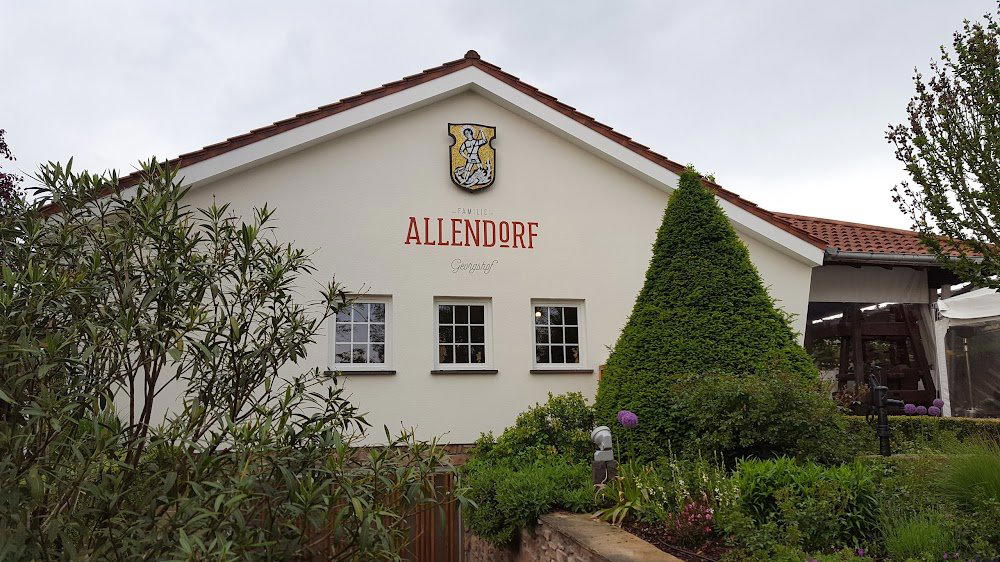
For travellers comparing German Riesling estates across multiple regions in a single trip, Weingut Allendorf in Oestrich-Winkel in the Rheingau offers a useful counterpoint visit, while the Pfalz estates clustered around Deidesheim and Wachenheim are within driving range for a multi-day itinerary. Collectors building broader reference points beyond German wine might also note that Kruger-Rumpf's positioning is firmly within the German Riesling conversation.
Why the 2025 Recognition Matters
The Pearl 2 Star Prestige award for 2025 is the most concrete signal available for positioning Kruger-Rumpf within its comparable set. In the context of German wine awards and critical recognition, a prestige-tier acknowledgement at the two-star level indicates consistency across the range rather than a single exceptional bottling. It places the estate within a smaller group of producers whose work merits attention beyond regional wine tourism, and whose bottles warrant inclusion in collections built around German Riesling breadth. For the Nahe specifically, sustained critical validation at this level is meaningful because the region has fewer estates operating at the recognised upper tier than the Mosel or Pfalz. That relative scarcity is, in practice, part of the case for paying attention.
In Context: Similar Options
Comparable venues nearby, for context on price, style, and recognition.
| Venue | Cuisine | Price | Awards | Notes |
|---|---|---|---|---|
| Weingut Kruger-RumpfThis venue — the venue you are viewing | Riesling, Weissburgunder | $$$ | 1 recognition | |
| Weingut Kühling-Gillot | Riesling, Spätburgunder | $$$ | 1 recognition | Bodenheim |
| Weingut A. Christmann | Riesling, Spätburgunder | $$$ | 1 recognition | Gimmeldingen |
| Weingut Ökonomierat Rebholz | Riesling, Pinot Blanc | $$$ | 1 recognition | Siebeldingen |
| Weingut Wittmann | Riesling, Pinot Blanc | $$$ | 1 recognition | Westhofen |
| Gut Hermannsberg | Riesling, Weissburgunder | $$$ | 1 recognition | Niederhausen |
Continue exploring
More in Münster-Sarmsheim
Wineries in Münster-Sarmsheim
Browse all →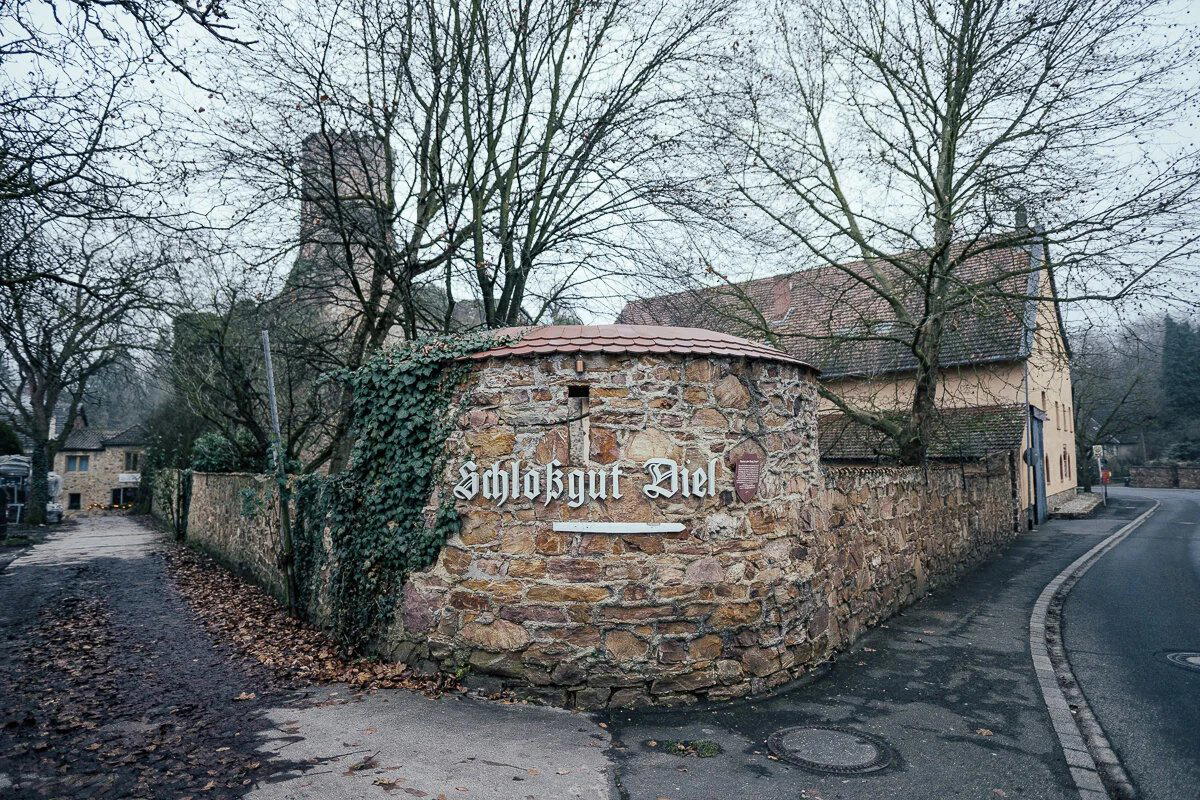
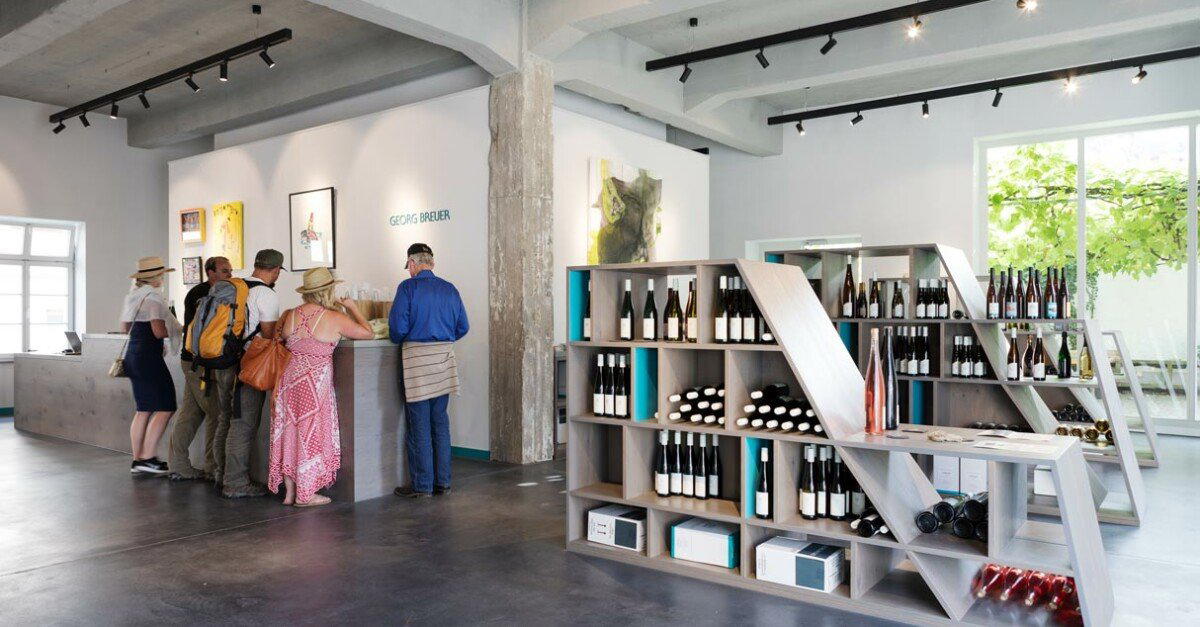
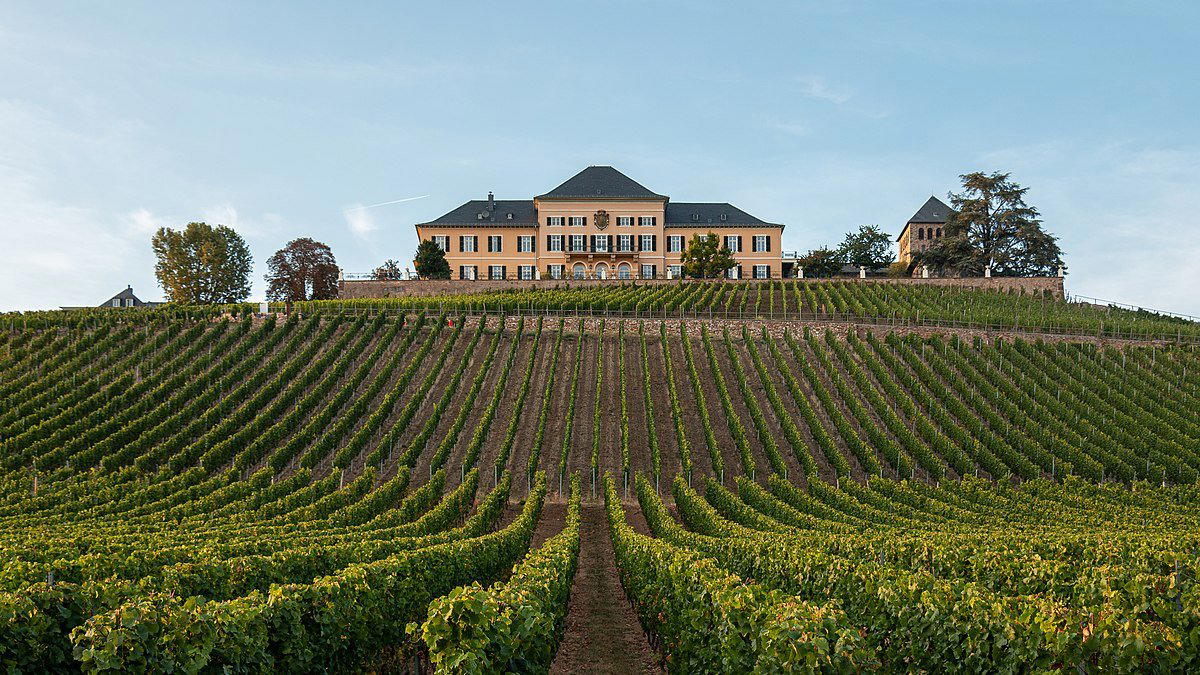
Bars in Münster-Sarmsheim
Browse all →
Restaurants in Münster-Sarmsheim
Browse all →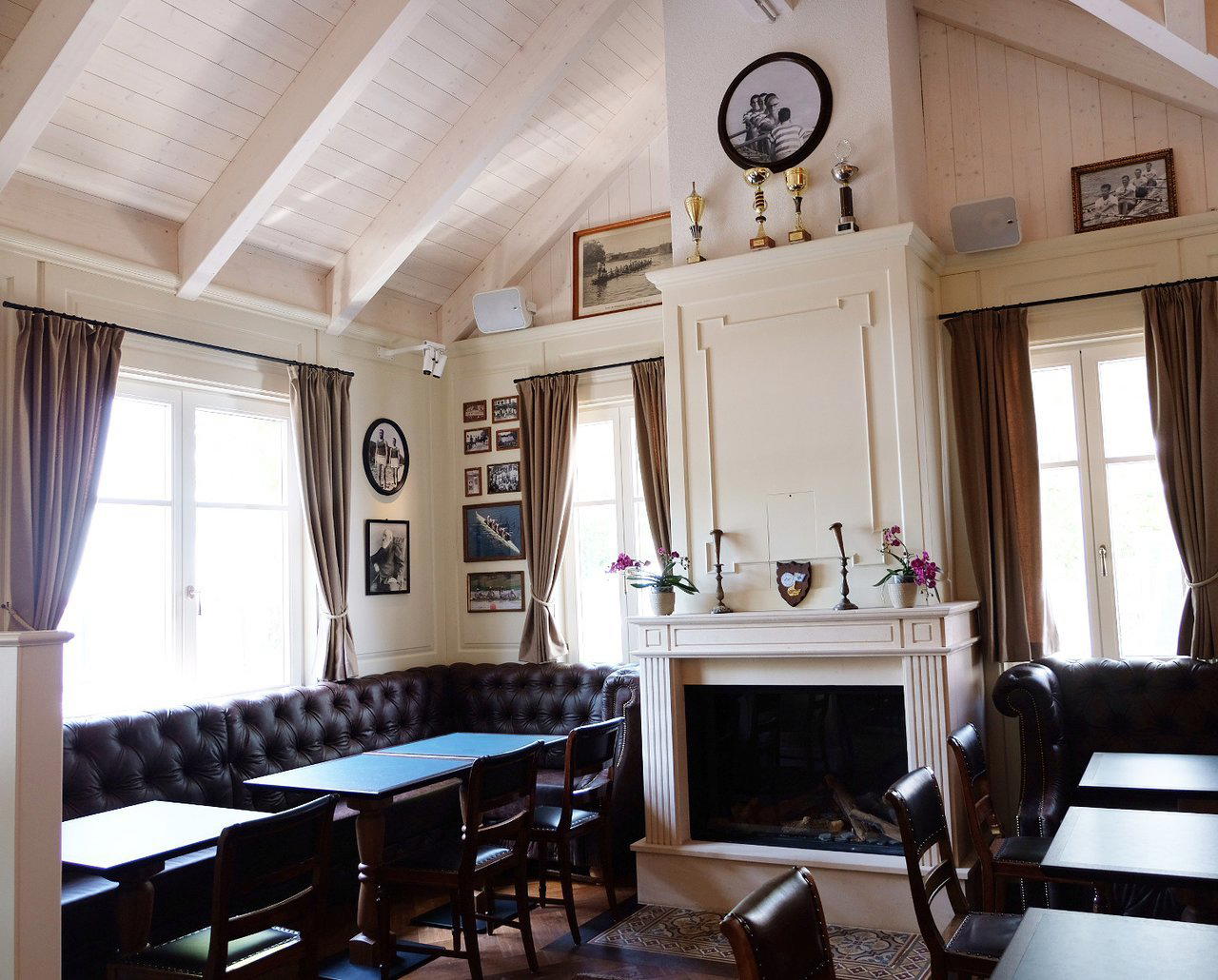
At a Glance
- Classic
- Rustic
- Scenic
- Elegant
- Wine Education
- Romantic Getaway
- Group Outing
- Special Occasion
- Vineyard Tour
- Estate Grounds
- Barrel Room
- Garden
- Terrace
- Organic
- Sustainable
- Vineyard
- Garden
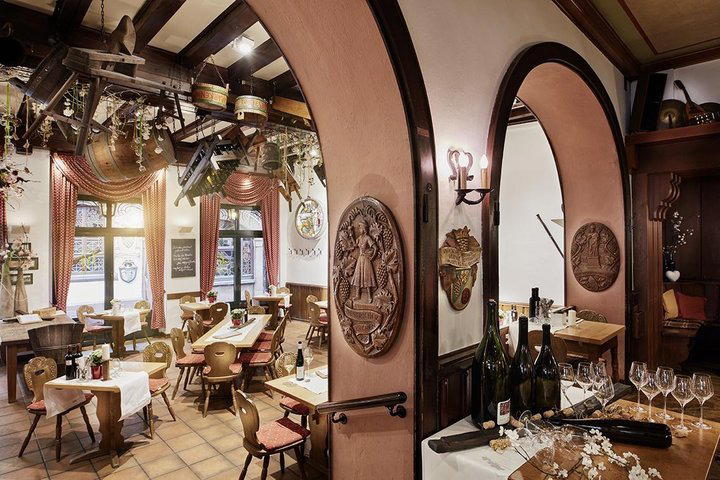
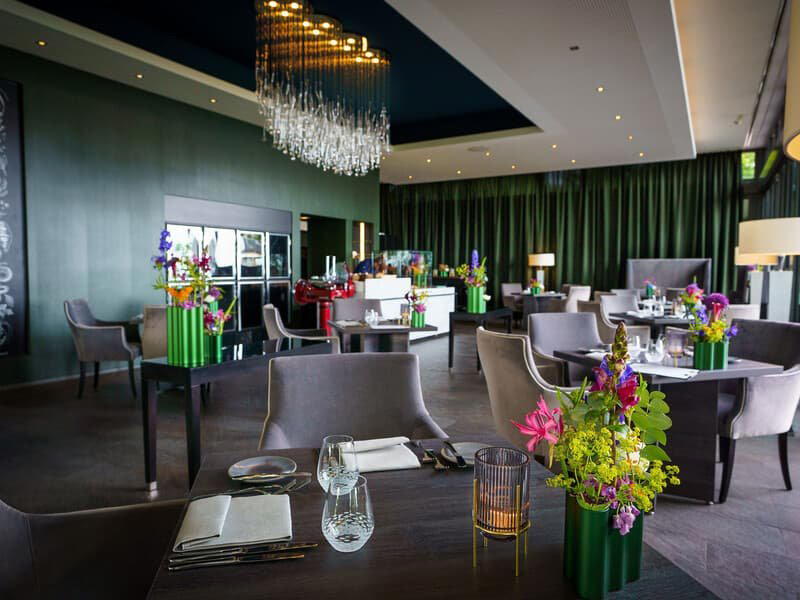
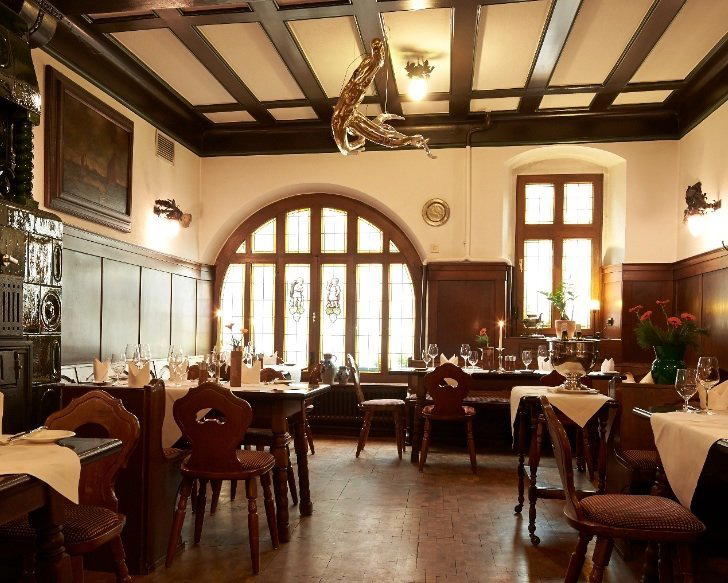
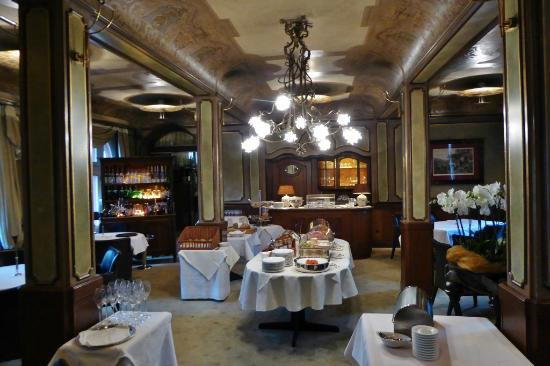
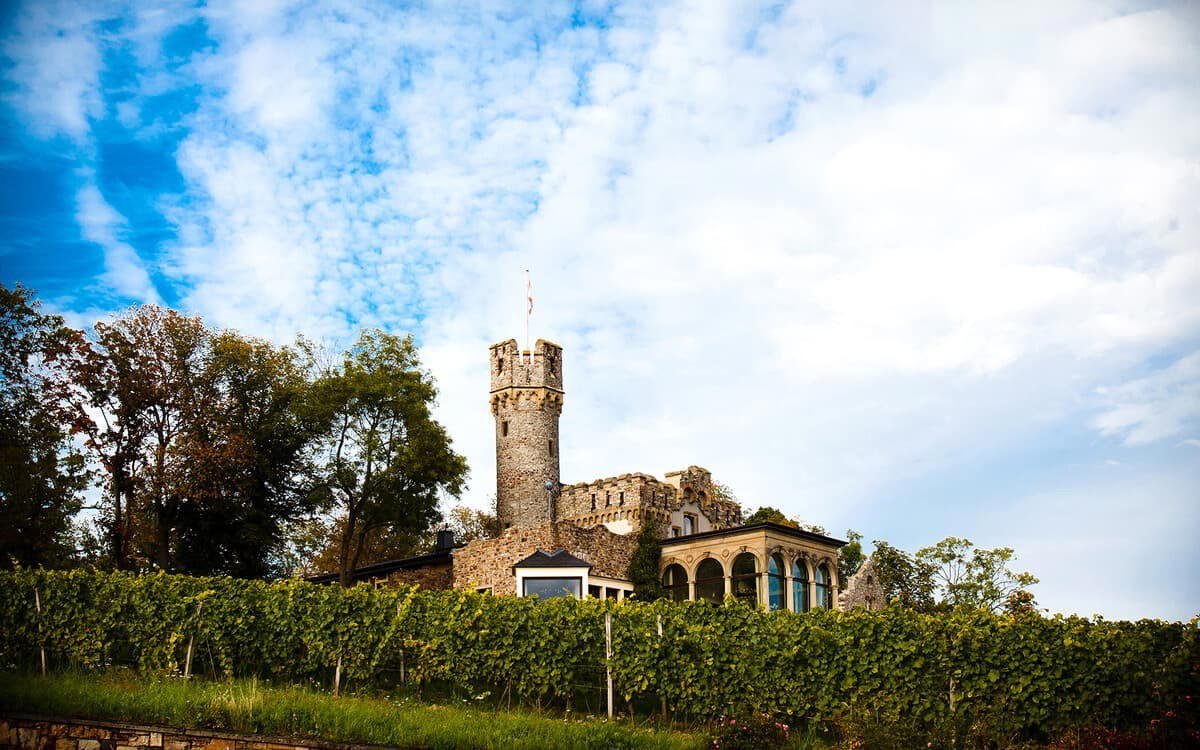
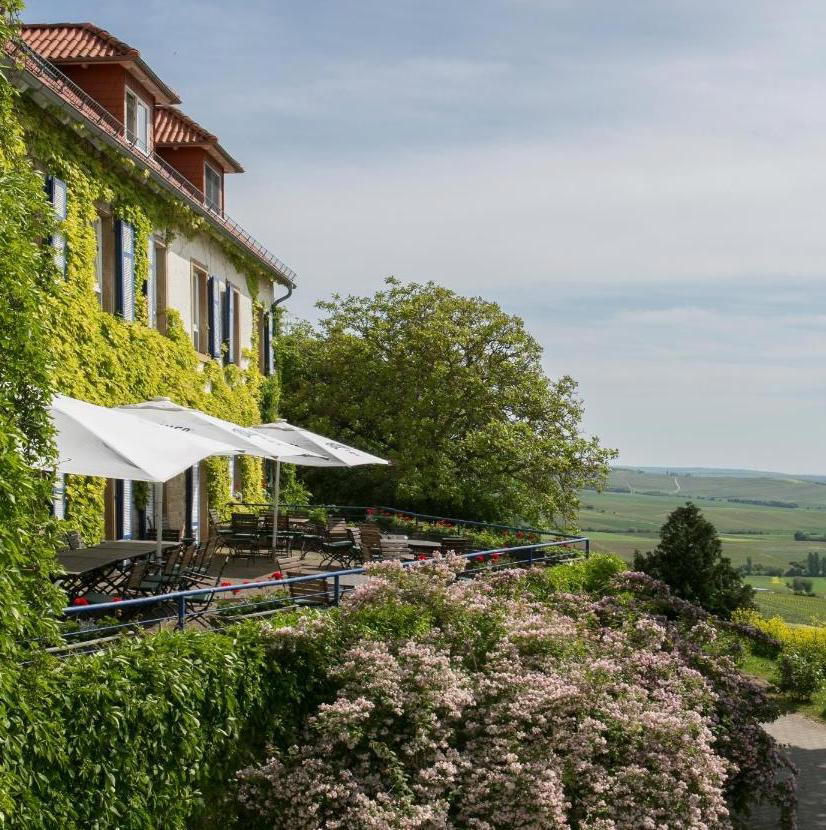
Traditional wine cellar with modern tasting room; warm, welcoming atmosphere reflecting the estate's balance between heritage and contemporary winemaking philosophy.