Weedenhof

Weedenhof has held the Michelin Bib Gourmand in both 2024 and 2025, making it one of Rheinhessen's most consistently recognised farm-to-table addresses. Chef Gerardo Viejo steers a menu rooted in regional produce at a mid-range price point that punches well above its bracket. For the village of Jugenheim in Rheinhessen, it is a serious dining destination without the formality of the region's starred neighbours.
Pearl is the En Primeur Club membership app — saves, bookings, and concierge access live there. Same editors, same standards.
- Address
- Mainzer Str. 6, 55270 Jugenheim in Rheinhessen, Germany
- Phone
- +49 6130 941337
- Website
- weedenhof.de
- Directions
- Get directions
 Saves & bookings on Pearl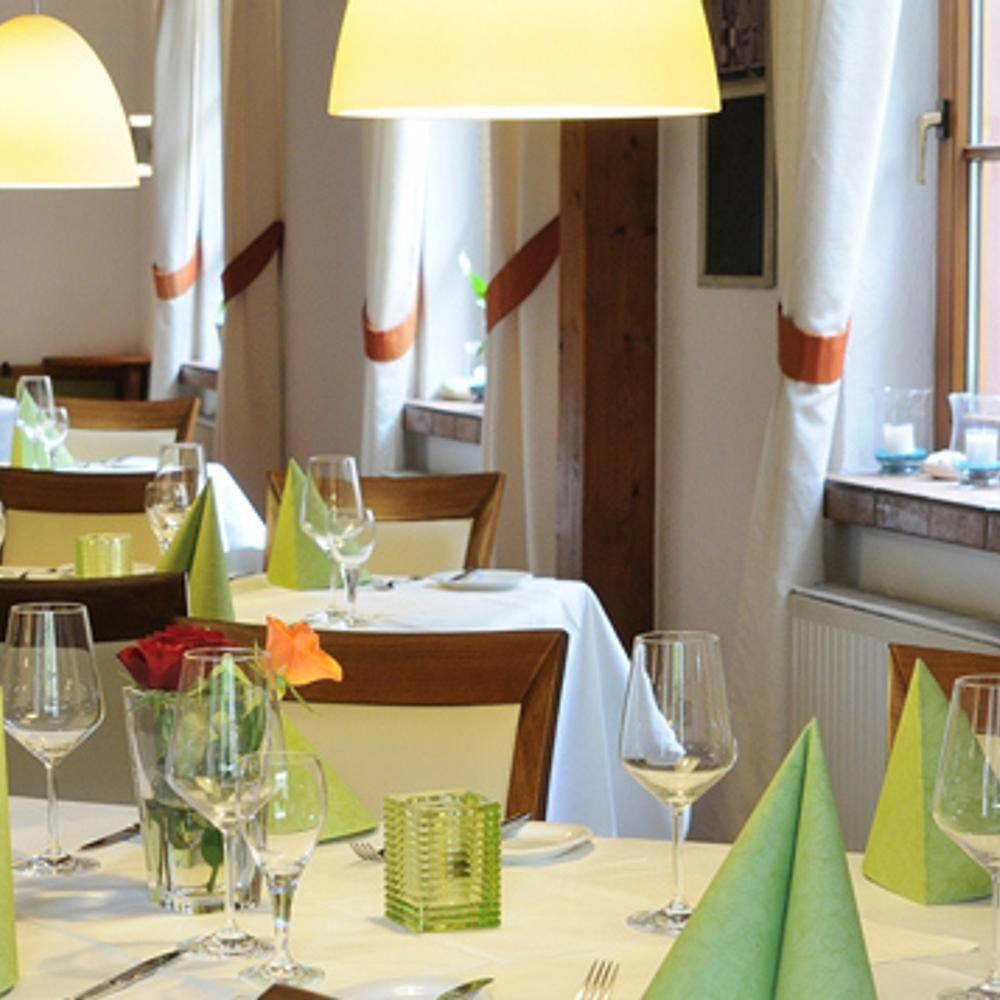
A Village Address with Michelin Momentum
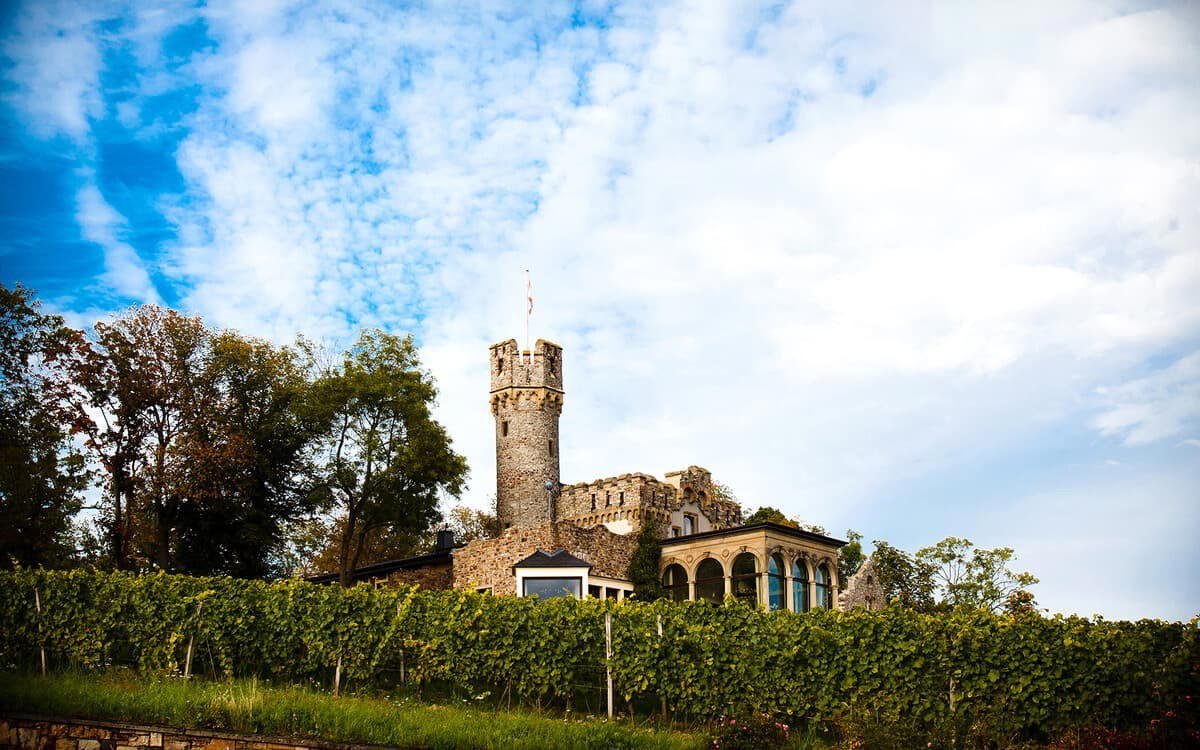
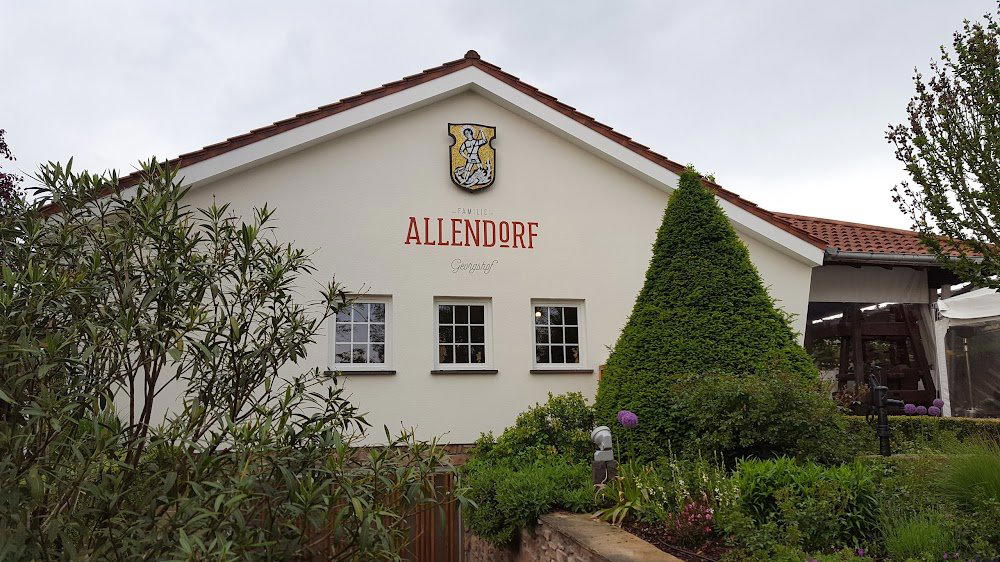
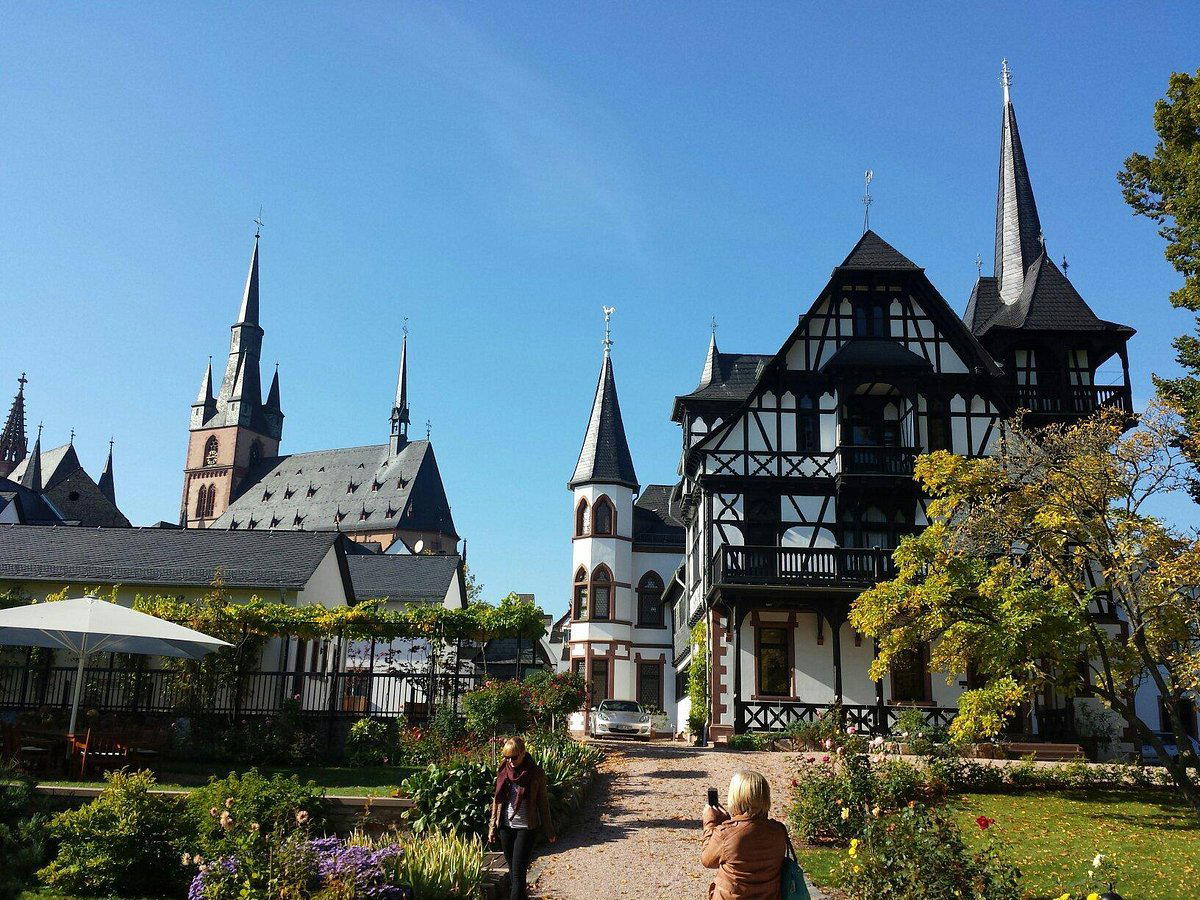
Jugenheim in Rheinhessen sits in one of Germany's most productive wine-growing regions, a range of rolling vineyards and modest market towns that rarely draws destination diners on its own. That is changing, slowly, and Weedenhof on Mainzer Str. 6 is a principal reason why. The building carries the low-key character of its surroundings: a rural German address without the architectural theatre you might expect from a restaurant that has now collected the Michelin Bib Gourmand in consecutive years, 2024 and 2025. The Bib Gourmand is Michelin's marker for kitchens delivering quality above their price tier, and earning it twice in a row signals consistency rather than a single strong season. In a county where the dining conversation is dominated by vineyards and wine-pairing menus, a farm-to-table kitchen holding that recognition two years running is worth the detour from Mainz, roughly 15 kilometres to the north.
Where Farm-to-Table Sits in Germany's Dining Scene
Germany's farm-to-table movement has matured considerably in the past decade. At the summit end of the market, kitchens such as Aqua in Wolfsburg and Vendôme in Bergisch Gladbach operate at the €€€€ tier, where provenance is a selling point layered onto already elaborate tasting formats. Further south, Schwarzwaldstube in Baiersbronn and Waldhotel Sonnora in Dreis anchor a classical tradition where local sourcing is assumed rather than advertised. Weedenhof operates at the €€ price point, which places it in a different conversation entirely. At that level, the commitment to farm-sourced ingredients is not a luxury flourish; it is a structural choice that compresses margins and demands closer relationships with growers and producers. The fact that Michelin has acknowledged this kitchen in the same breath as it does peers across the country is a signal that the execution here matches the ambition. For comparison points closer to the farm-to-table niche specifically, see BOK Restaurant in Münster and Clostermanns Le Gourmet in Niederkassel, both of which operate in the same category and illustrate how differently that commitment can be expressed across German regions.
Chef Gerardo Viejo and the Cross-Cultural Kitchen
A Spanish name at the helm of a farm-to-table kitchen in Rheinhessen is not incidental. European kitchens have long moved personnel across borders, and particularly interesting regional German restaurants in the past decade have frequently been shaped by chefs who bring an outside perspective to local ingredients. Chef Gerardo Viejo represents that pattern: a non-German trained in traditions where seasonal, product-led cooking is a baseline assumption rather than a trend. Spain's culinary culture, particularly in the north, has spent decades building systems of direct producer relationships that feed into restaurant kitchens at every price tier. When that sensibility meets Rheinhessen's agricultural output, which includes not only wine grapes but a broad range of vegetables, grains, and livestock, the result tends toward menus that are grounded in place without being parochial. The Bib Gourmand designation across two consecutive years suggests that Viejo's approach has found a stable register: confident enough to satisfy serious diners, approachable enough to bring in the broader local audience that sustains a €€ kitchen in a small German town. For reference on what Spanish-influenced or internationally trained chefs have achieved within Germany's award framework at higher price points, JAN in Munich and ES:SENZ in Grassau offer instructive comparisons.
Rheinhessen as a Dining Region
Rheinhessen is best known internationally as a wine region, the source of vast quantities of Riesling and Silvaner, and in recent years a growing number of natural and minimal-intervention producers who have attracted a younger European wine audience. The restaurant scene has historically lagged behind the wine story: good local cooking, but rarely destination-level ambition. That gap has been closing. A string of recognitions across the wider region, from Mainz inward, reflects a generation of operators who are treating Rheinhessen's agricultural abundance as a serious larder rather than a backdrop. Weedenhof sits within that shift. For visitors building a longer stay around the region's wine and dining offer, the broader picture is covered in local dining and wineries guides.
The Accessible End of Serious German Cooking
Much of the coverage of Germany's dining scene concentrates on its starred tier: the technical precision of Schanz in Piesport, the long-standing authority of Restaurant Haerlin in Hamburg, the format experiments of CODA Dessert Dining in Berlin. These are restaurants where the price point signals intent before you sit down. The Bib Gourmand category occupies different territory: it marks the point where serious cooking becomes genuinely accessible. At €€, Weedenhof is within reach for a midweek dinner rather than a planned annual occasion. That accessibility matters for the farm-to-table format specifically, because the cuisine's argument, that what you eat should connect to where you are, lands differently when the room is full of local regulars rather than destination tourists alone. Bagatelle in Trier and Victor's Fine Dining by Christian Bau in Perl represent the upper-register alternative in the broader Rhineland area, useful context for understanding where Weedenhof has deliberately positioned itself.
Planning Your Visit
Jugenheim in Rheinhessen is a small village, and Weedenhof at Mainzer Str. 6 is not a destination that comes with an easy walk from a major transport hub. Mainz is the logical base, with good rail connections to Frankfurt and beyond; from there, the drive south into Rheinhessen takes around 20 minutes. Booking ahead is advisable given the scale typical of Bib Gourmand kitchens in village settings, which rarely run large covers. Contact the restaurant directly before visiting. The €€ price range makes Weedenhof a practical option for lunch or dinner without the budget planning that starred alternatives require. For a fuller picture of what the area offers beyond the table, nearby hotels, bars, and experiences provide useful context.
Comparison Snapshot
Comparable venues nearby, for context on price, style, and recognition.
| Venue | Cuisine | Price | Awards | Notes |
|---|---|---|---|---|
| WeedenhofThis venue — the venue you are viewing | Dining | $$ | Bib Gourmand | Not listed |
| Gehrlein's Hardtwald | Modern German Country Cuisine | $$ | Bib Gourmand | Hardtwald |
| Zum Rebstock | Baden Country Cooking | $$ | Bib Gourmand | Waldulm |
| Gasthaus Scherz | Authentic Austrian | $$ | Bib Gourmand | Klettenberg |
| Ai Pero | Authentic Italian Trattoria | $$ | Bib Gourmand | Altstadt |
| Kaufmann's Restaurant am Schlosspark | Seasonal German with International Influences | $$ | Bib Gourmand | Gersfeld (Rhön) |
Recognition history
Dated appearances from independent guides and award organizations, with the underlying list record or original source where available.
Michelin Bib Gourmand
Michelin
Michelin Bib Gourmand
Michelin
Michelin Bib Gourmand
Michelin
Continue exploring
More in Jugenheim in Rheinhessen
Restaurants in Jugenheim in Rheinhessen
Browse all →
Bars in Jugenheim in Rheinhessen
Browse all →



Hotels in Jugenheim in Rheinhessen
Browse all →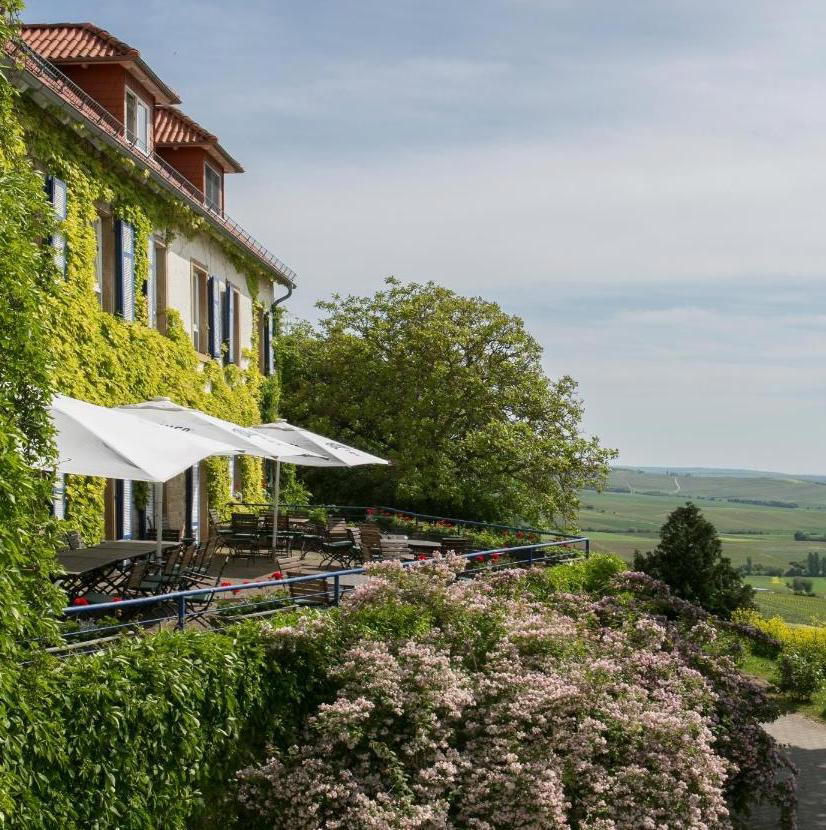

At a Glance
- Rustic
- Cozy
- Scenic
- Classic
- Courtyard
- Standalone
- Farm To Table
- Local Sourcing
- Vineyard
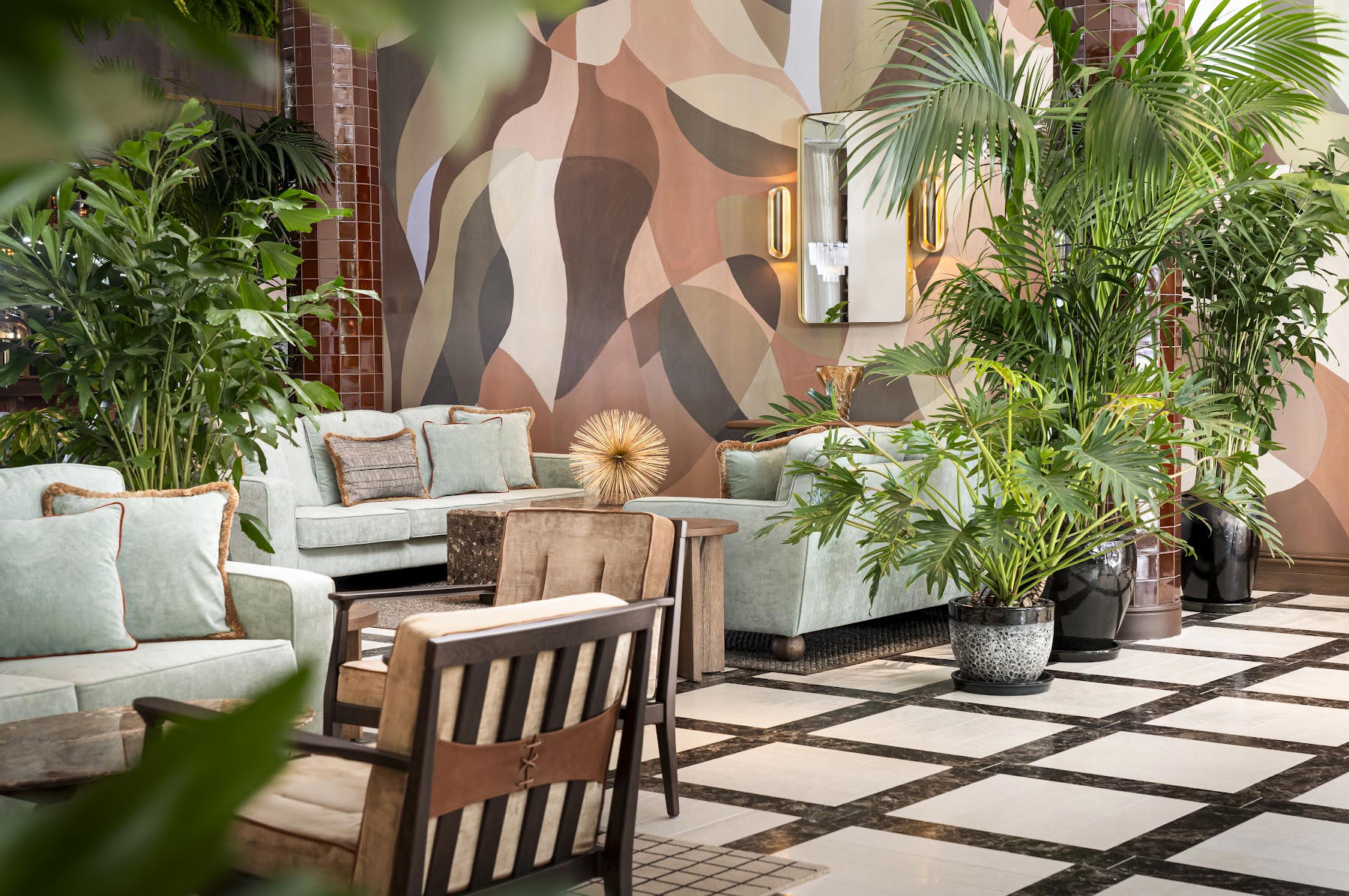
Warm and rustic, with a country-house feel, lots of wood and stone, and soft Mediterranean colors that create a cozy, relaxed atmosphere.