Weingut Prinz Salm

Falstaff Winery - 3 Stars
Weingut Prinz Salm operates from a historic estate in Wallhausen, within the Nahe wine region. The property places itself among Germany's smaller, terroir-focused producers whose wines draw identity from the Nahe's distinctive geological complexity. Visitors arriving at Schlossstraße 3 find a working estate where the architecture and the land read as continuous.

Where the Nahe Speaks for Itself
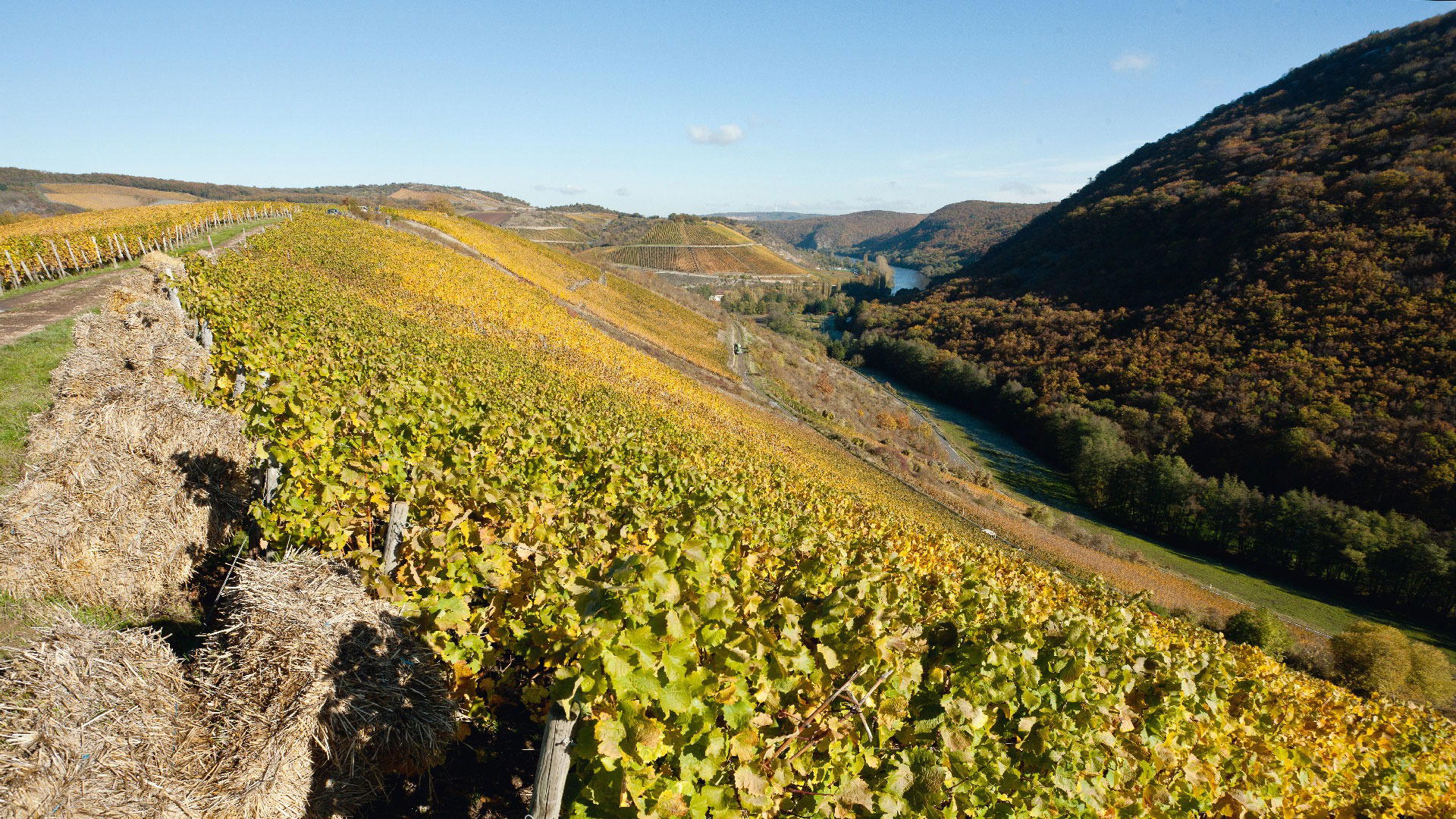
The Nahe valley has long occupied an awkward position in the German wine hierarchy: too often treated as a corridor between the Mosel and the Rheinhessen rather than as a region with its own geological argument to make. That argument, when the wine is right, involves a set of soil conditions found almost nowhere else in Germany. Volcanic porphyry, slate, sandstone, and quartzite appear within short distances of each other along the river's banks, giving individual vineyard parcels a specificity that can shift from one slope to the next.
Wallhausen itself sits in the upper Nahe, a sub-zone that produces some of the region's most mineral-driven expressions. The village is small enough that the estate's presence registers immediately on arrival. The address on Schlossstraße signals proximity to the historic fabric of the settlement, where agricultural and aristocratic architecture has coexisted for centuries. For visitors accustomed to the more heavily touristed wine routes of the Mosel or Rheingau, the upper Nahe offers a quieter rhythm: fewer coaches, more direct contact with working estates, and a sense that the wine hasn't yet been packaged for easy consumption. You can explore more about the broader regional offer through our full Wallhausen restaurants guide.
Terroir as the Editorial Line
German wine at the premium end has increasingly split between two tendencies. One group works with established Grosses Gewächs sites and markets through the VDP classification system, competing on vineyard name recognition. A second, overlapping group focuses on lower-intervention viticulture and cellar restraint, treating soil expression as the primary argument rather than appellation prestige. Weingut Prinz Salm's positioning within the Nahe places it in a region where both tendencies appear, sometimes within the same estate.
Across the German-speaking wine world, the producers that have attracted the most sustained critical attention over the past decade share certain characteristics: site-specific bottlings that demonstrate how a few kilometres of geological variation translate into sensory difference, cellar approaches that prioritise transparency of fruit and mineral character, and a willingness to let wines develop over time rather than engineering early approachability. Estates like Weingut Clemens Busch in Pünderich on the Mosel have built their reputations on exactly this framework, as have Weingut Heymann-Löwenstein in Winningen in the lower Mosel's steep slate sites. The Nahe equivalent of that kind of specificity is harder to market but no less real when the viticulture and winemaking allow the land to register.
The Nahe in Regional Context
For visitors planning a German wine trip around geological and stylistic range, the Nahe functions as a logical counterweight to the better-known river valleys. The Rheingau, anchored by estates like Kloster Eberbach in Eltville and Weingut Georg Breuer in Rüdesheim am Rhein, offers the prestige of a long institutional tradition but within a narrower soil type profile. The Pfalz, where Weingut A. Christmann in Neustadt an der Weinstraße, Weingut Bassermann-Jordan in Deidesheim, and Weingut Dr. Bürklin-Wolf in Wachenheim an der Weinstraße anchor the upper tier, produces Riesling and Burgundian varieties on sandstone and limestone soils that give a rounder, often richer profile. The Nahe, by contrast, gives Riesling a more angular, sometimes austere structure that requires patience from the drinker and precision from the producer.
That precision requirement is part of why producers like Weingut Battenfeld-Spanier in Hohen-Sülzen and Weingut Allendorf in Oestrich-Winkel attract the attention they do: their respective regions demand a specific kind of engagement with the material, and the wines that result carry a character the consumer can trace back to place rather than to winemaker intervention. Weingut Prinz Salm operates within the same logic in Wallhausen, where the estate's location in the upper Nahe means working with fruit that arrives at the cellar with the mineral imprint of its specific parcels already established.
The Estate Setting and What to Expect on Arrival
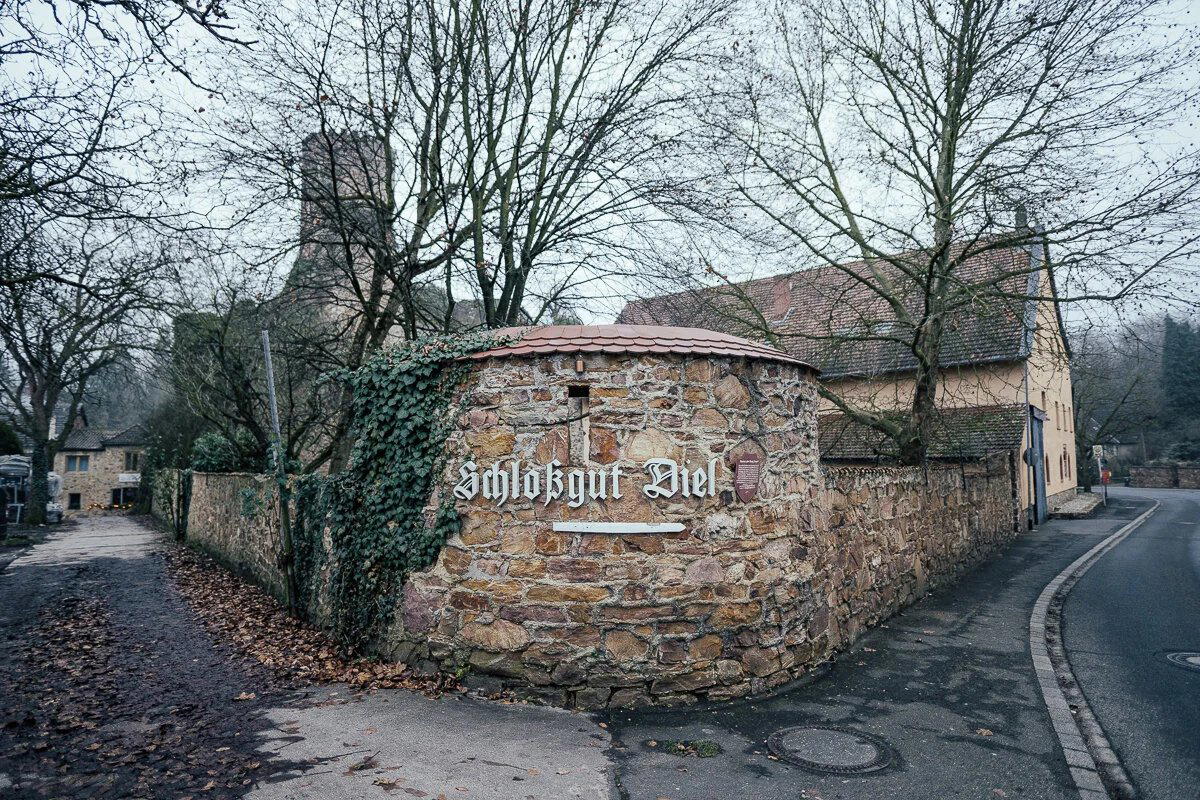
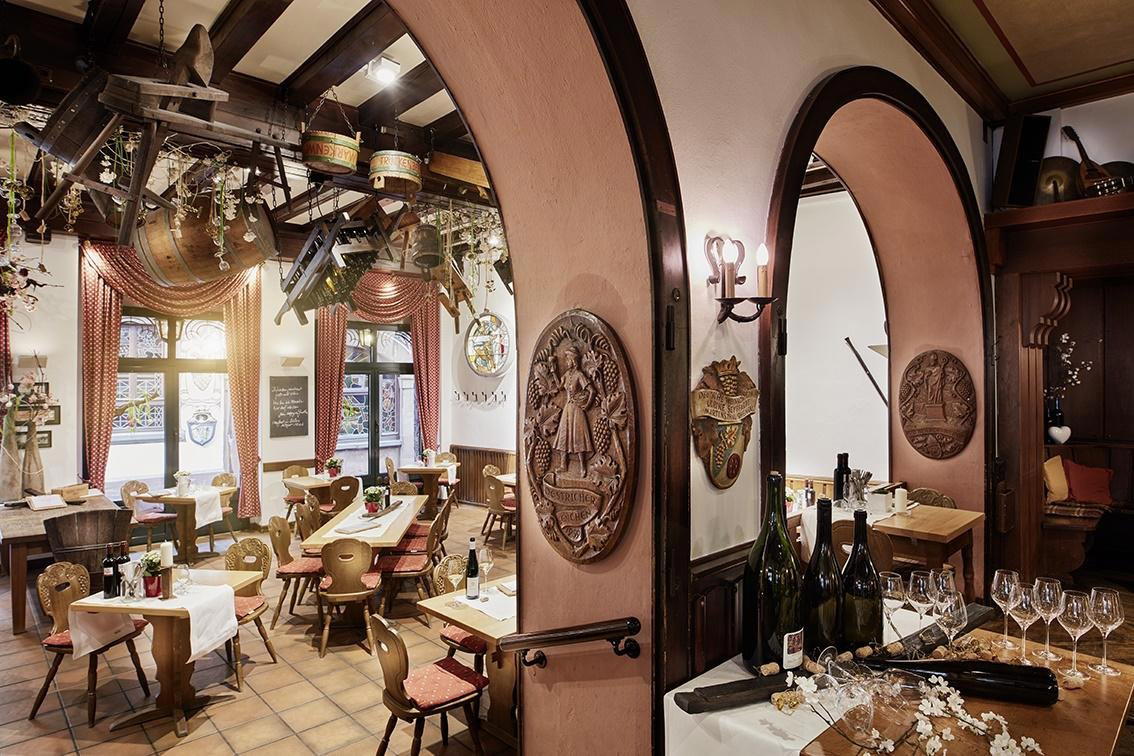
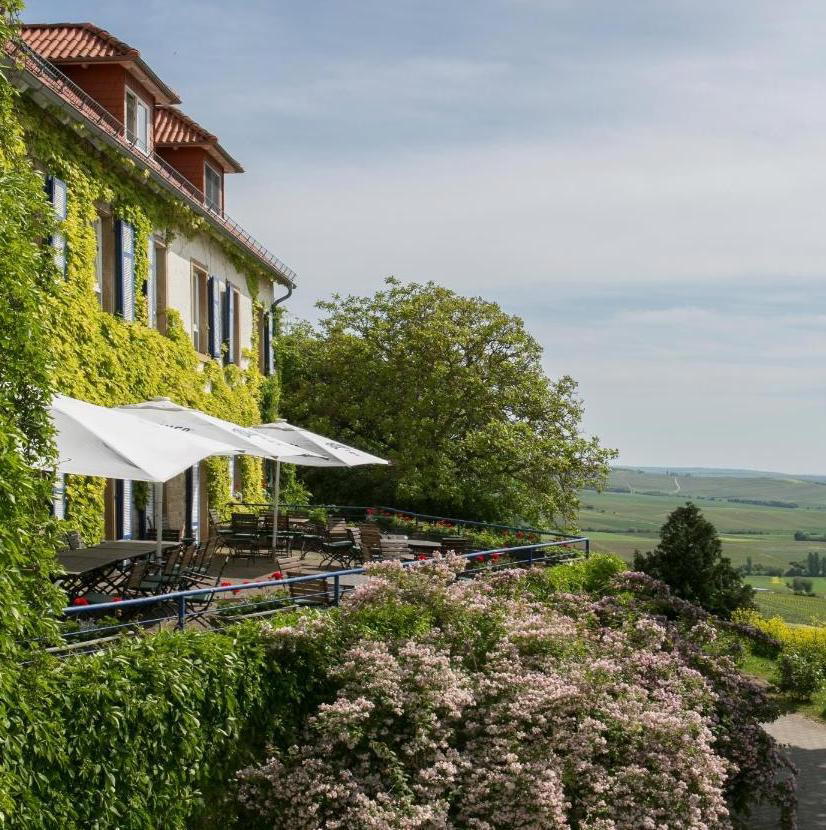
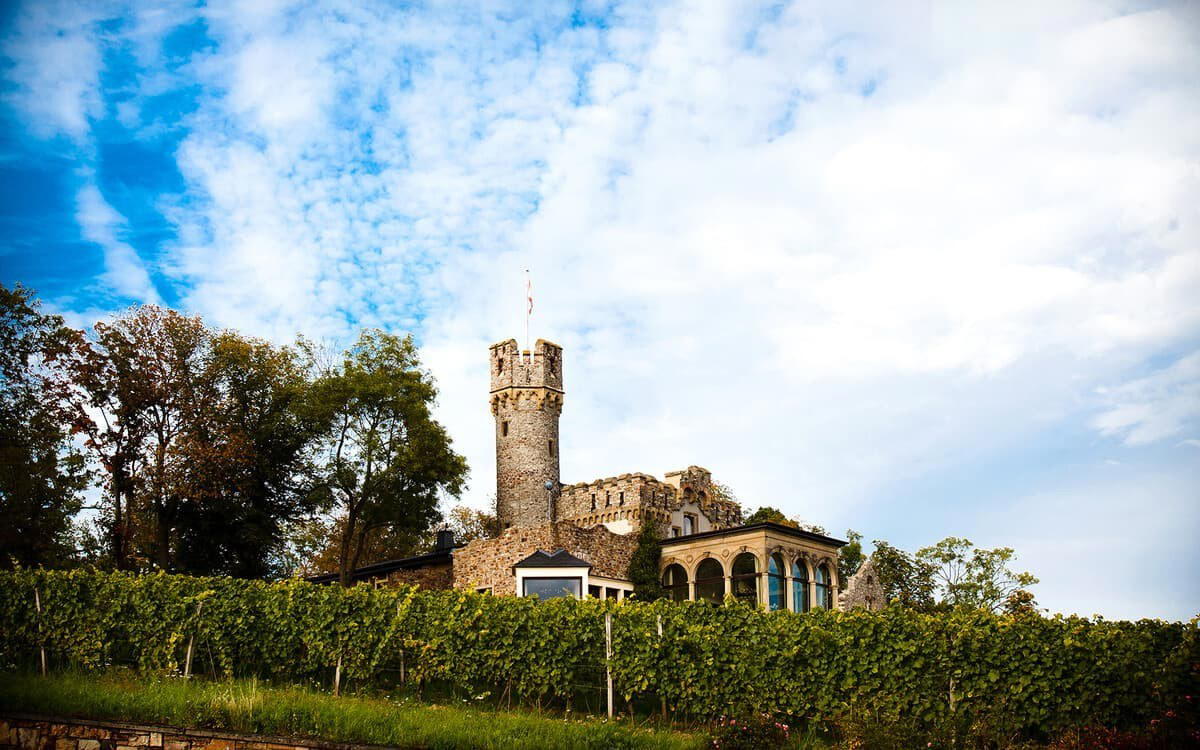
The Schloss address in Wallhausen places Weingut Prinz Salm within a historic European estate format that Germany preserves more completely than most wine-producing countries: a working agricultural property whose architecture reflects the continuous presence of the same family or institution across multiple centuries. That continuity reads differently from the designed tasting experiences of newer wine tourism destinations. The buildings aren't arranged for a visitor journey; they reflect the practical evolution of a working property over time. For visitors who prefer that kind of unmediated contact with a wine estate's history, the upper Nahe offers something that is increasingly difficult to find in the more heavily marketed German wine regions.
The estate model also conditions what visitors encounter at the cellar door. German aristocratic wine estates of this type typically maintain a direct-sales tradition with a relatively small allocation of bottles available at the property, prioritising relationships with private customers and the trade over walk-in tourism. Planning ahead matters: contact the estate directly before visiting to confirm availability and whether tastings can be arranged. The estate's Schlossstraße 3 address in Wallhausen is the fixed point of reference for planning logistics.
Placing Prinz Salm in a Wider German Wine Tour
A serious engagement with the German wine map at the premium level requires moving between regions to understand the effect of geology on variety expression. The Mosel estates, including Weingut Fritz Haag in Brauneberg and Weingut Grans-Fassian in Leiwen, produce Riesling from blue Devon slate that gives a distinctively delicate, high-acid structure. Franconian Riesling, as produced by Weingut Bürgerspital zum Heiligen Geist in Würzburg, arrives in a fuller, earthier register shaped by shell limestone. The Nahe sits somewhere between these poles, and Weingut Prinz Salm's Wallhausen parcels, in the upper reaches of the valley, produce wines that demonstrate the region's capacity for structure alongside aromatic complexity.
For those building an itinerary around this kind of comparative tasting, the upper Nahe is most accessible from the Frankfurt or Mainz direction, with Wallhausen reachable as part of a route that could include Bad Kreuznach and other Nahe producers. For context on how premium German wine producers at this level compare internationally, it's worth looking at entirely different production traditions: Accendo Cellars in St. Helena represents the Napa Cabernet model where site specificity takes a different form, while Aberlour in Aberlour illustrates how a Scottish distillery navigates heritage and terroir on its own terms. The comparison is instructive: premium production across categories increasingly converges on the same argument, that place should be legible in the product.
Planning Your Visit
Weingut Prinz Salm is located at Schlossstraße 3, 55595 Wallhausen, in the upper Nahe valley. Reach out to the estate before travelling to confirm tasting availability and current allocation. The upper Nahe is leading visited in the quieter shoulder seasons, when the harvest pressure has passed and the estate has more capacity for visitor engagement. Spring tastings, after the new vintage has settled, allow for comparison across recent years and offer the clearest read on how the estate's sites are performing in different climatic conditions.
Frequently asked questions
What's the atmosphere like at Weingut Prinz Salm?
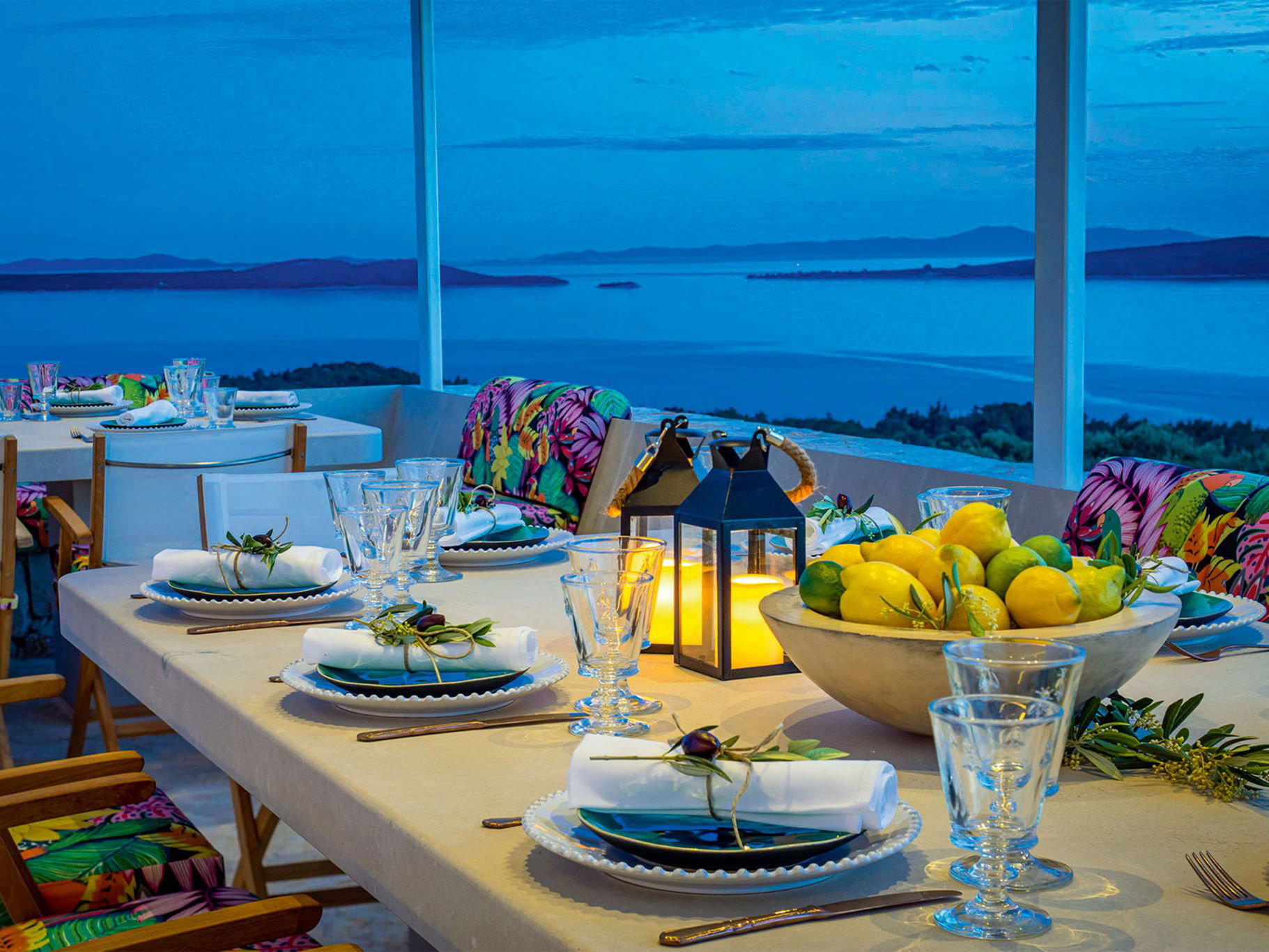
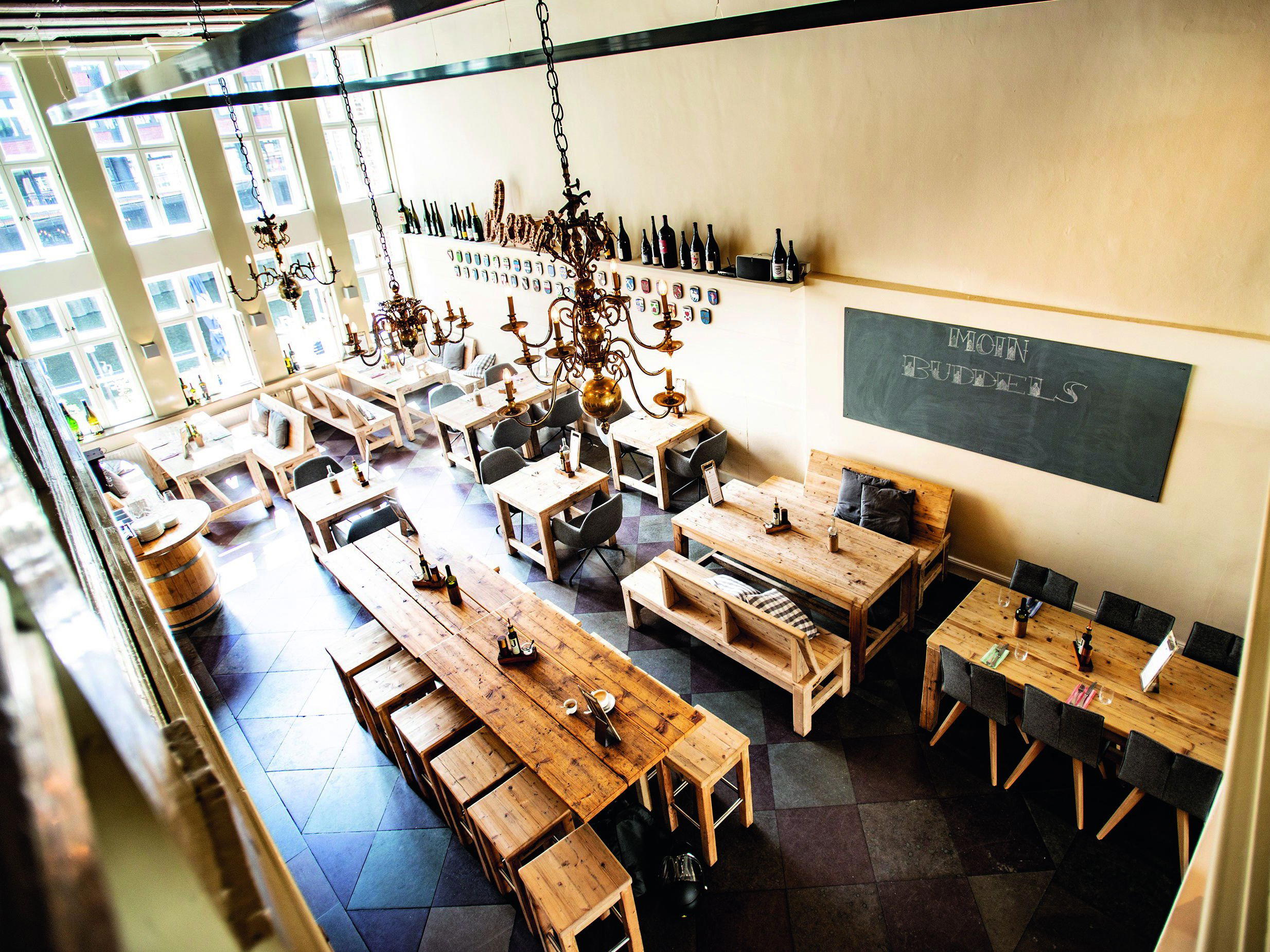
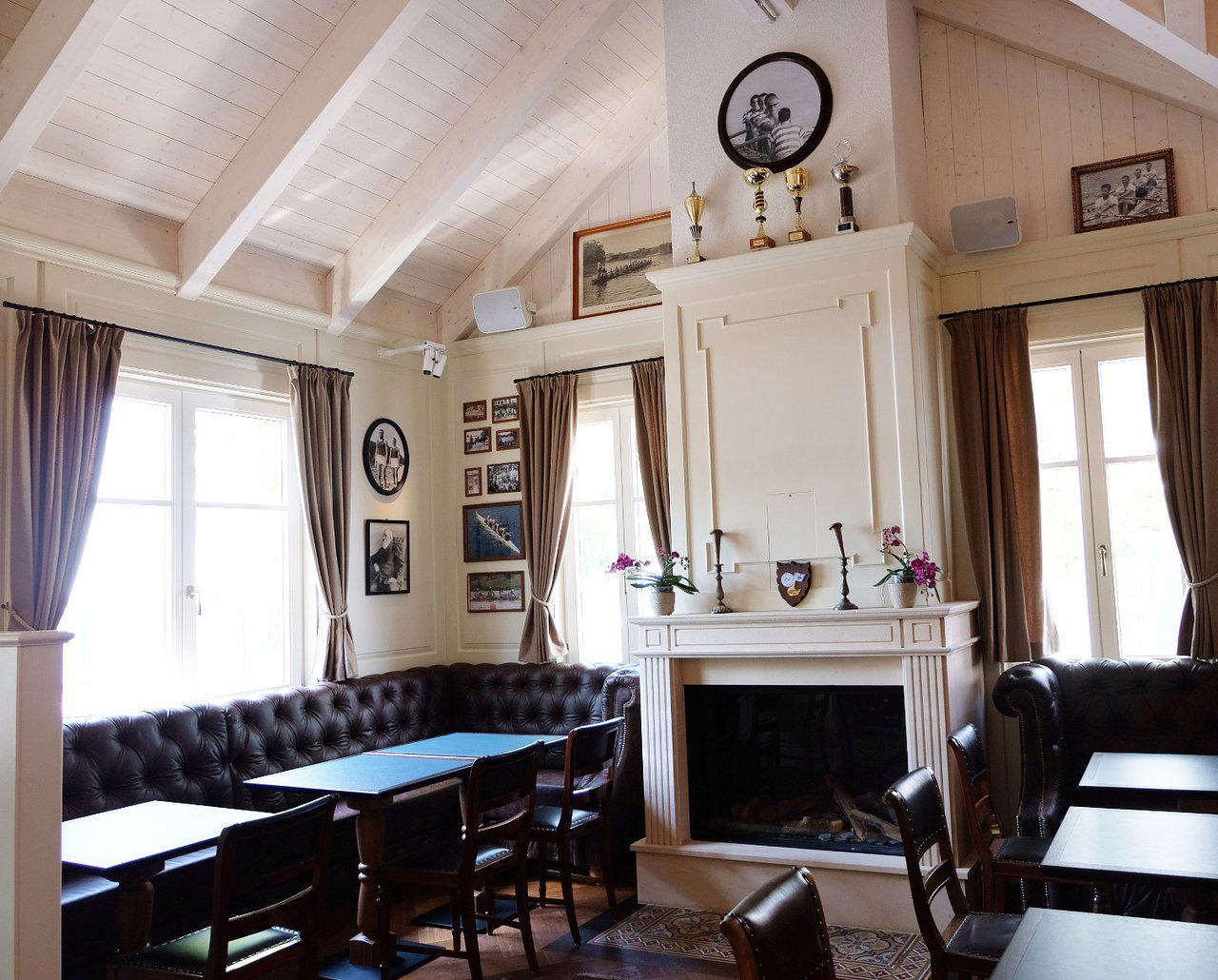
The estate sits at Schlossstraße 3 in Wallhausen, a small upper Nahe village, and operates as a working historic property rather than a curated tasting-room destination. Visits tend toward the functional and focused: the architecture and setting carry the context without theatrical staging.
What wine is Weingut Prinz Salm famous for?
The estate's reputation is rooted in the upper Nahe, a sub-zone whose geological range, including volcanic porphyry and quartzite formations, produces Riesling with a mineral precision distinct from the Mosel or Rheingau. That site-specific character is the editorial line here: the wines are read as expressions of geology first, variety second.
What's the address for Weingut Prinz Salm?
Weingut Prinz Salm is located at Schlossstraße 3, 55595 Wallhausen, Wallhausen.
What's Weingut Prinz Salm best at?
Its strongest claim is translating upper Nahe geology into legible, site-differentiated wine. For visitors building a German wine itinerary around regional contrast and terroir specificity, Prinz Salm represents the Nahe argument at its most grounded: a historic address in Wallhausen with the critical credentials to justify the detour.
How far ahead should I plan for Weingut Prinz Salm?
The address at Schlossstraße 3, Wallhausen positions it in a rural upper Nahe setting with limited local accommodation, which makes advance planning practical on logistical grounds alone. No public booking hours are listed, so direct enquiry is the appropriate first step.
Fast Comparison
Comparable venues nearby, for context on price, style, and recognition.
| Venue | Cuisine | Price | Awards | Notes |
|---|---|---|---|---|
| Weingut Prinz SalmThis venue (the venue you are viewing) | Riesling, Pinot Noir | $30–50 | Falstaff Winery - 3 Stars | Not listed |
| Weingut Hermann Dönnhoff | Riesling, Pinot Blanc | Not listed | Falstaff Winery - 5 Stars | Oberhausen an der Nahe |
| Sekthaus Raumland | Pinot Noir, Chardonnay | Not listed | Falstaff Winery - 4 Stars | Flörsheim-Dalsheim |
| Weingut Kühling-Gillot | Riesling, Spätburgunder | Not listed | Falstaff Winery - 5 Stars | Bodenheim |
| Schlossgut Diel | Riesling, Pinot Noir | Not listed | Falstaff Winery - 5 Stars | Burg Layen |
| Weingut Carl Loewen | Riesling, Pinot Blanc | $50–100 | Falstaff Winery - 4 Stars | Leiwen |
Recognition history
Dated appearances from independent guides and award organizations, with the underlying list record or original source where available.
Falstaff Winery - 3 Stars
Falstaff
Enquire about visiting Weingut Prinz Salm or buying its wine
Visits to Weingut Prinz Salm are usually kept for the estate's regular buyers and the wine trade. Tell us when you would like to go and a little about how you buy, and we put the request to the estate and reply to you by email. For buying, we source directly from the producer or from a licensed seller we know and vouch for, and tell you the route before you pay.
Continue exploring
More in Wallhausen
Wineries in Wallhausen
All wineries in Wallhausen →
Details
- Historic
- Rustic
- Elegant
- Scenic
- Wine Education
- Special Occasion
- Vineyard Tour
- Historic Building
- Estate Grounds
- Organic
- Sustainable
- Vineyard
- Riesling
- Pinot Noir
- Pinot Blanc
- Pinot Gris
- Silvaner
- Merlot
- Still White
- Still Red
- Wine Tasting
- Private Tasting
- German
- English
- French
Historic castle setting with rural vaulted cellars offering an elegant, traditional atmosphere rooted in centuries of family wine tradition.