BollAnts Spa im Park
BollAnts Spa im Park occupies a distinctive position in the Nahe valley wellness circuit, where the thermal traditions of Bad Sobernheim meet a considered approach to hospitality. The property sits within the Kneipp spa town framework that defines this corner of Rhineland-Palatinate, offering a quieter counterpoint to the Rhine's more trafficked resort corridor. For visitors moving between the region's wine country and spa culture, it represents a coherent overnight proposition.
Pearl is the En Primeur Club membership app — saves, bookings, and concierge access live there. Same editors, same standards.
- Address
- Felkestraße 100, 55566 Bad Sobernheim, Germany
- Phone
- +4949675191980
- Website
- bollants.de
- Directions
- Get directions
 Saves & bookings on Pearl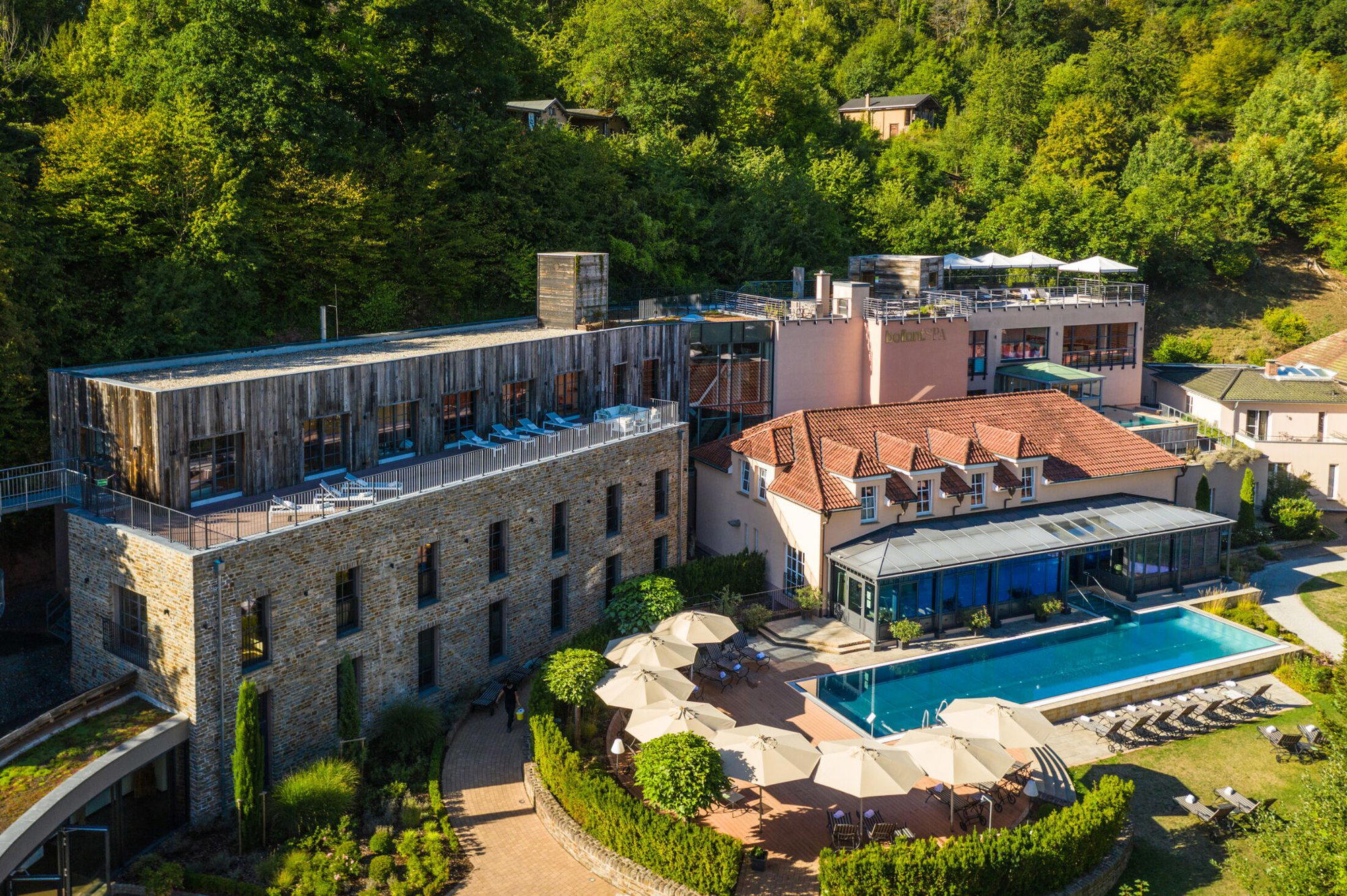
Where the Nahe Valley Slows Down
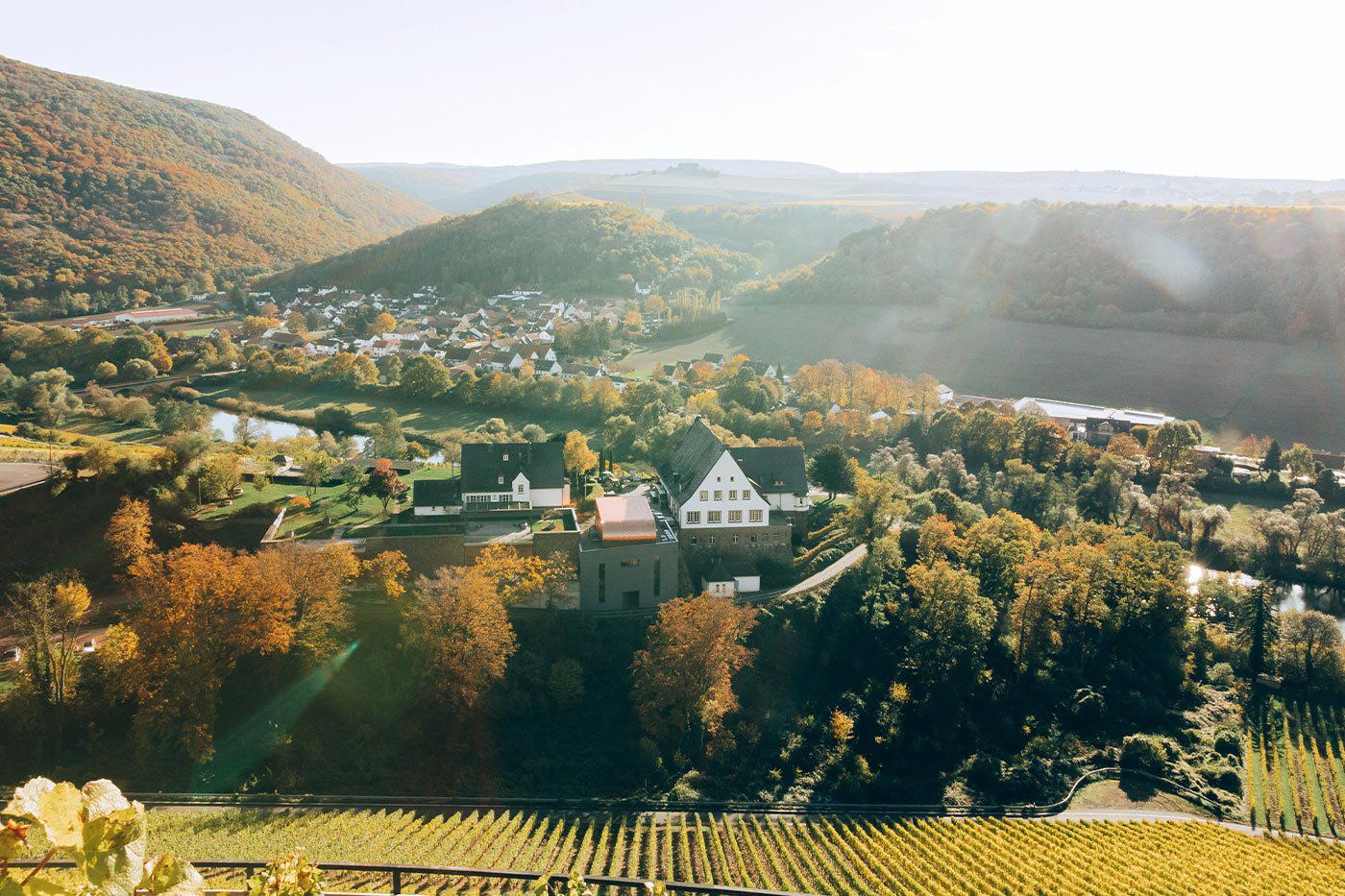
Bad Sobernheim holds an unusual designation among German spa towns. As one of the few officially certified Kneipp health resorts in Rhineland-Palatinate, the town's identity is built not around thermal springs alone but around a broader therapeutic philosophy: barefoot walking paths, hydrotherapy circuits, and a relationship with the surrounding landscape that most German wellness destinations have traded away for indoor pool footage. BollAnts Spa im Park sits at Felkestraße 100 in Bad Sobernheim within this framework, on the edge of the town's park zone, where the boundary between building and meadow is meant to feel genuinely porous.
The approach to the property signals what the Nahe region does well and what sets it apart from the more manicured wellness corridors further south. This is not the Black Forest's grand-hotel tradition, where properties like Schwarzwaldstube in Baiersbronn anchor multi-day stays around Michelin-rated dining. Nor does it compete with the urban precision of Aqua in Wolfsburg or JAN in Munich. The Nahe valley operates at a different register: smaller wine estates, gentler terrain, and a hospitality culture that prizes restoration over spectacle.
The Nahe's Agricultural Backbone and What It Means at the Table
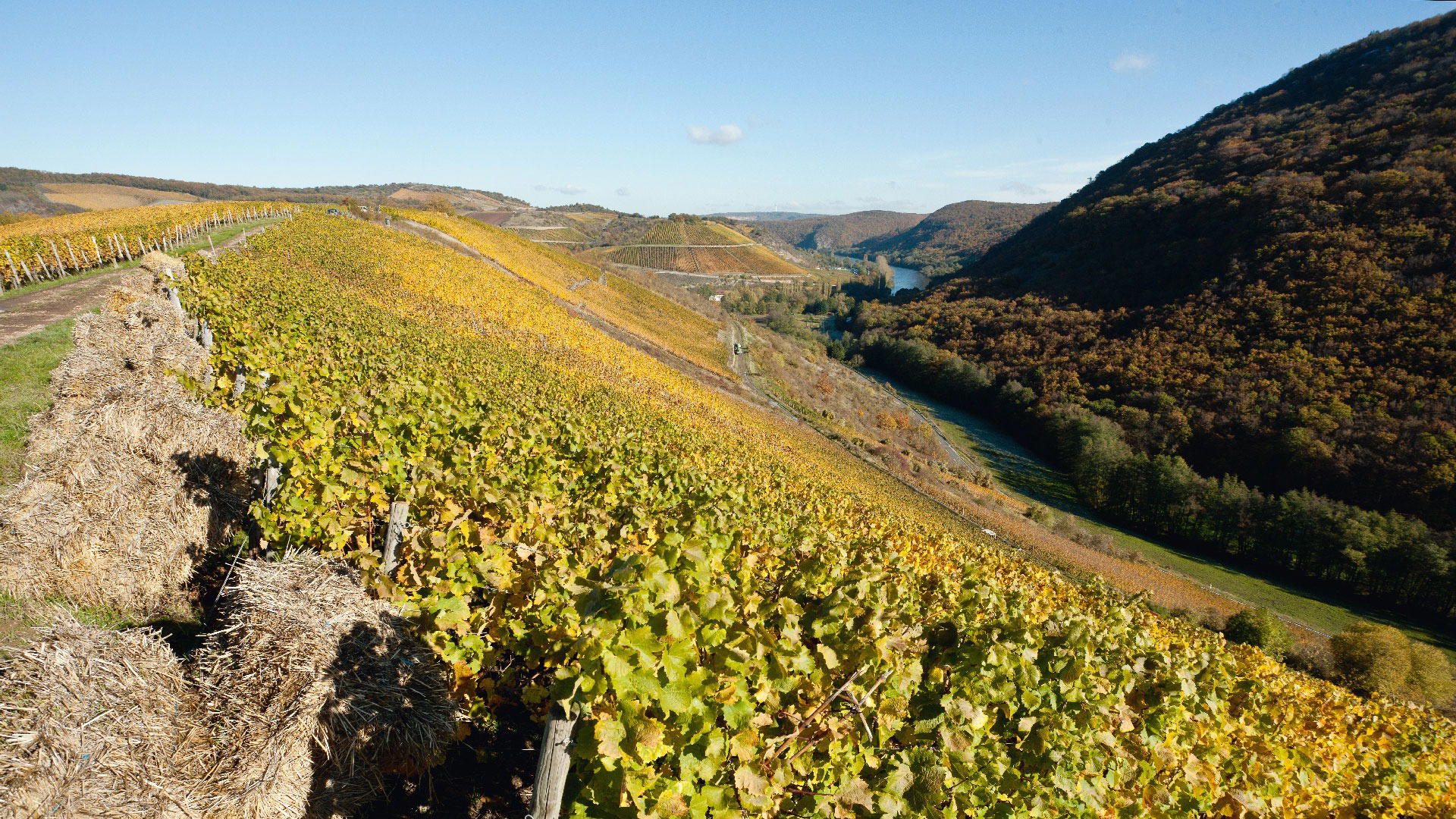
Rhineland-Palatinate's southwestern corner produces some of Germany's most quietly serious wine and agricultural output. The Nahe river corridor runs through a patchwork of sandstone soils, volcanic outcrops, and slate-heavy slopes that give the region's Rieslings their particular mineral tension. That same geological variety shapes what grows here: fruit orchards, market gardens, and livestock operations that supply the region's kitchens without the premium-ingredient branding that Mosel or Rhine properties tend to apply to their menus.
For a spa property in this context, ingredient sourcing carries a logic that goes beyond farm-to-table positioning. Kneipp philosophy, which underlies Bad Sobernheim's official designation, treats food as part of a therapeutic system alongside water, movement, and rest. The regional produce that appears in kitchens operating under this framework is not ornamental; it is part of the treatment rationale. What the Nahe valley grows, seasons, and harvests maps directly onto what a wellness-focused kitchen should serve.
This places BollAnts in a different conversation from the high-intensity creative kitchens that define Germany's fine dining recognition circuit. Properties like Vendôme in Bergisch Gladbach, CODA Dessert Dining in Berlin, or Victor's Fine Dining by Christian Bau in Perl are building around tasting menu architecture and ingredient manipulation at a technical level that wellness dining rarely attempts. The spa dining tradition in Germany's health resorts tends instead toward coherence: produce that is identifiable, seasonal, and sourced within a radius that a guest could bicycle across. That constraint, taken seriously, produces its own kind of discipline.
The Rhineland-Palatinate Wellness Circuit in Context
Germany's spa town network divides into several distinct tiers. The grand thermal resorts of Baden-Baden occupy stronger examples from the prestige hierarchy. The Eifel and Moselle corridor produces properties that trade on wine-country adjacency, with restaurants like Waldhotel Sonnora in Dreis and Schanz in Piesport drawing serious diners who combine a stay with cellar visits. The Nahe sits slightly apart from both tiers: less celebrated than the Mosel wine corridor, less grand than Baden-Baden, but more coherent in how its landscape, viticulture, and health resort identity reinforce one another.
From the south and west, the route from the Saarland passes through territory that also feeds restaurants like GästeHaus Klaus Erfort in Saarbrücken and Bagatelle in Trier, making a Nahe stay a natural extension of a broader southwestern Germany itinerary. The Nahe wine route itself runs directly through Bad Sobernheim, connecting estates that have built international reputations for Riesling and Spätburgunder without the pricing premiums that Rheingau or Pfalz names now command.
For dining beyond the property, Bad Sobernheim's immediate options are limited but focused. Hermannshof offers Mediterranean-influenced cooking within the town, and Kupferkanne provides a more casual local anchor. Neither competes with the regional fine dining available a short drive away, but both reflect the town's character honestly.
How Spa Properties in This Tier Differ from Urban Fine Dining
The comparison with urban precision dining is worth making clearly, because the two categories are sometimes conflated when a spa property has a kitchen of any ambition. A restaurant like Restaurant Haerlin in Hamburg or ES:SENZ in Grassau operates with a different set of pressures and audience expectations from a wellness hotel kitchen. The latter is feeding guests across a multi-day stay, often multiple times per day, with a brief that spans breakfast through dinner and must account for dietary protocols that therapeutic hospitality generates. Coherence and repetition tolerance matter more than creative stretch.
That said, the better spa-hotel kitchens in Germany have moved closer to the sourcing rigour of serious restaurants over the past decade. The farm-to-spa model, pioneered partly by Alpine properties and partly by the organic hotel movement in southern Germany, has given regional producers a market for smaller-batch output that volume hotel kitchens historically ignored. The Nahe valley's agricultural diversity makes it well-suited to this model: the same terroir that produces Germany's most mineral-driven Rieslings also supports the herb cultivation, orchard fruit, and pasture farming that a kitchen operating on therapeutic principles needs.
Internationally, the contrast with properties like Le Bernardin in New York City or Lazy Bear in San Francisco underlines how different the criteria are. Both those properties have built their reputations on technical refinement and a defined culinary point of view. A German spa kitchen's credibility rests on something else: the transparency of its supply chain, the alignment between what is served and the therapeutic context, and the ability to sustain quality across a much broader service remit. Also note that L.A. Jordan in Deidesheim, in the Pfalz region directly south, shows how a hotel restaurant in Rhineland-Palatinate wine country can build a distinct culinary identity without abandoning regional grounding.
Planning a Stay
Bad Sobernheim is most accessible between late spring and mid-autumn, when the Nahe valley's walking paths and wine estate visits operate at full capacity. The barefoot path that runs through the town is a seasonal draw in itself, typically open from May through October. Guests arriving by rail should confirm connections through Bingen or Bad Kreuznach, as direct services from Frankfurt require a change.
Quick Comparison
Comparable venues nearby, for context on price, style, and recognition.
| Venue | Cuisine | Price | Awards | Notes |
|---|---|---|---|---|
| BollAnts Spa im ParkThis venue — the venue you are viewing | Mediterranean with Regional Influences | $$$ | Not listed | Not listed |
| Hermannshof | Mediterranean Fine Dining | $$$ | Michelin Plate | Bad Sobernheim |
| Kupferkanne | Traditional German | $$ | Not listed | Bad Sobernheim |
| Jungborn | Dining | Not listed | Michelin 1 Star | Bad Sobernheim |
| im Süden | Modern Italian-Mediterranean | $$$ | Not listed | Koblenz-Süd |
| Restaurant Classico | Authentic Mediterranean Seafood | $$$ | Not listed | Goethehaus |
Continue exploring
More in Bad Sobernheim
Restaurants in Bad Sobernheim
Browse all →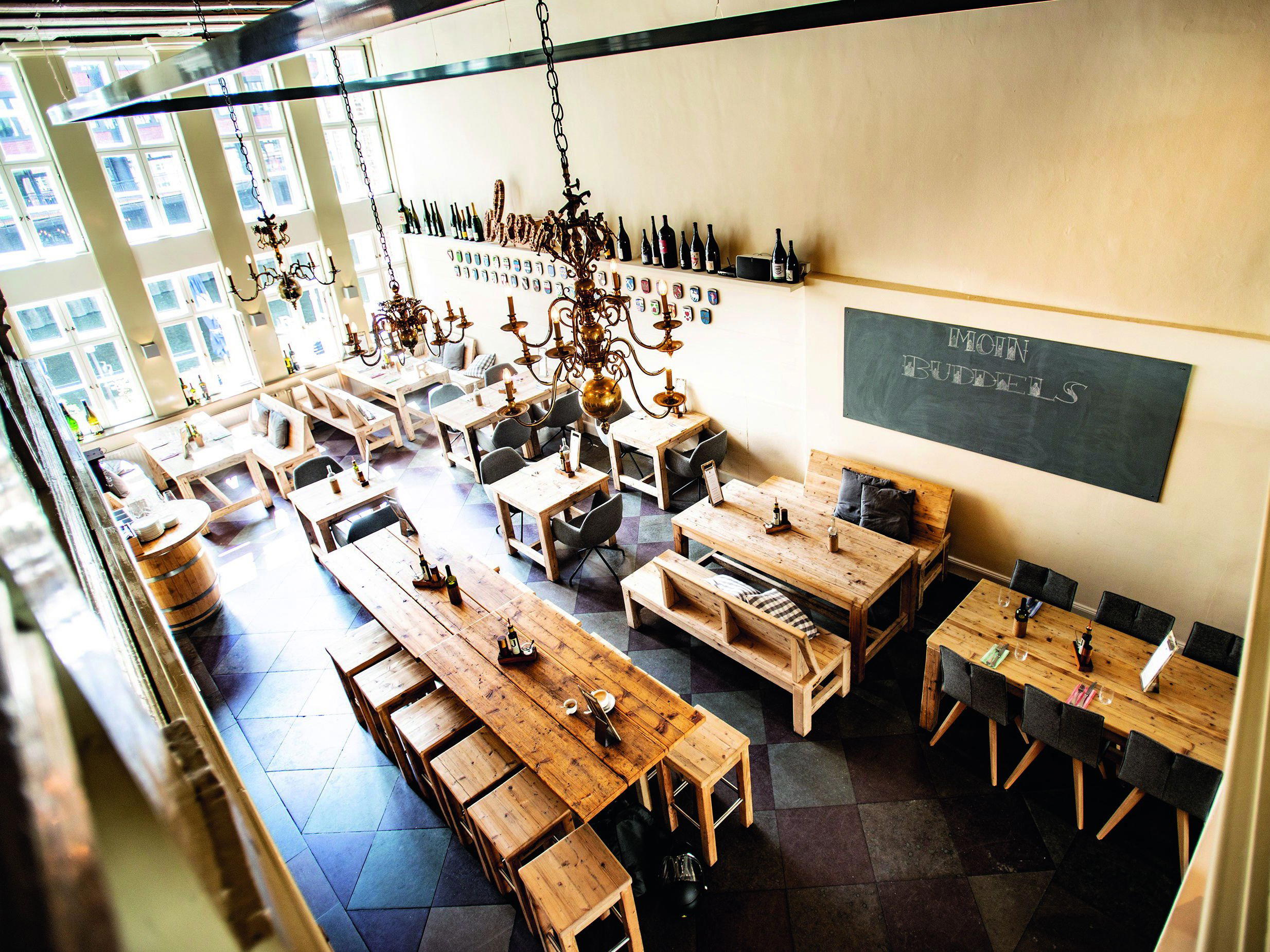
Bars in Bad Sobernheim
Browse all →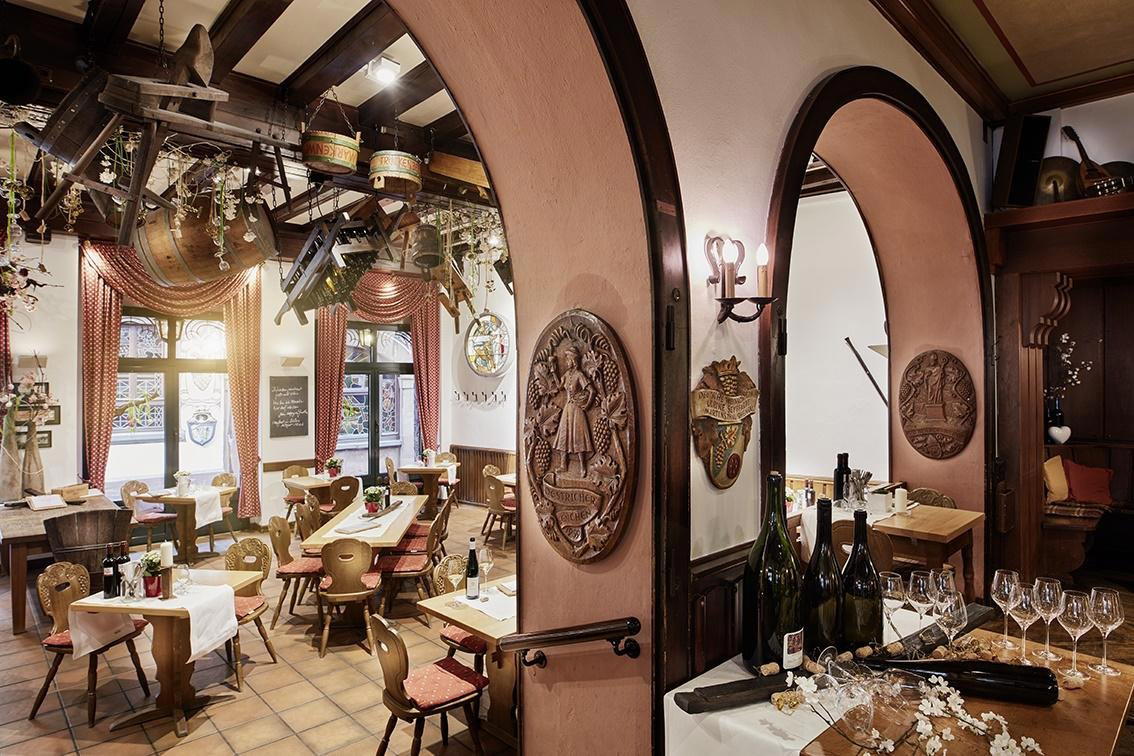
Hotels in Bad Sobernheim
Browse all →
At a Glance
- Cozy
- Elegant
- Scenic
- Relaxed
- Special Occasion
- Date Night
- Garden
- Historic Building
- Hotel Restaurant
- Extensive Wine List
- Farm To Table
- Local Sourcing
- Organic
- Garden
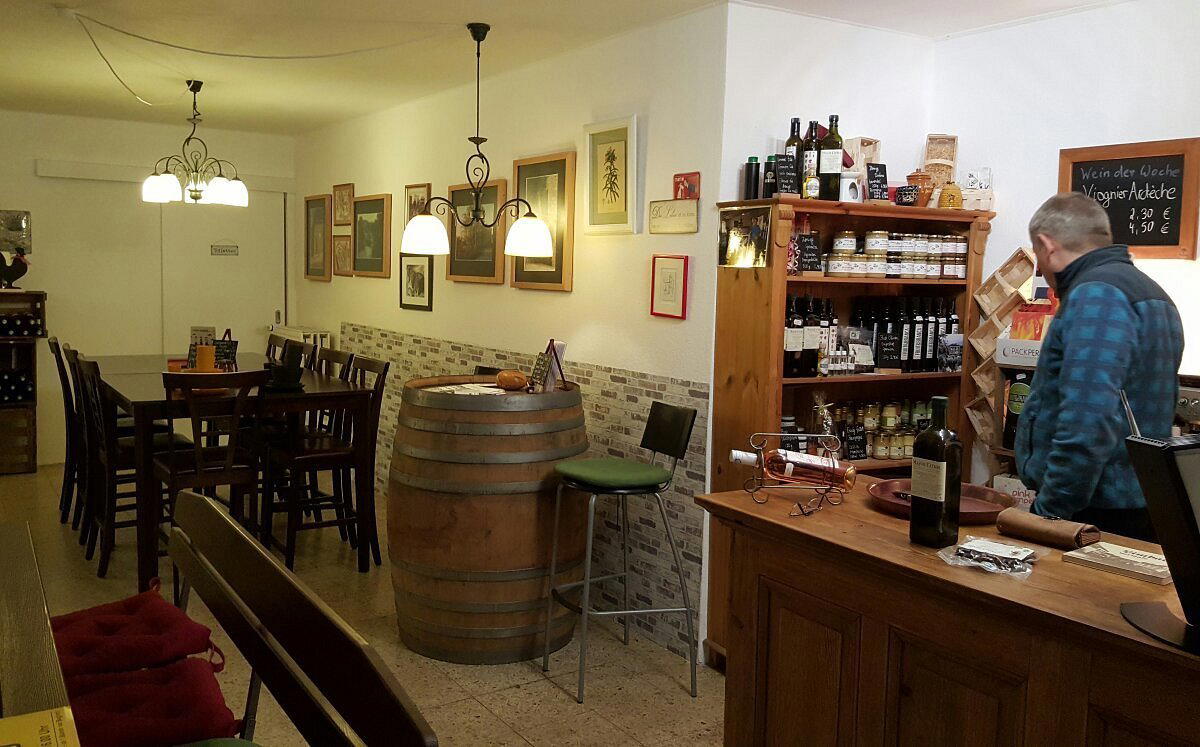
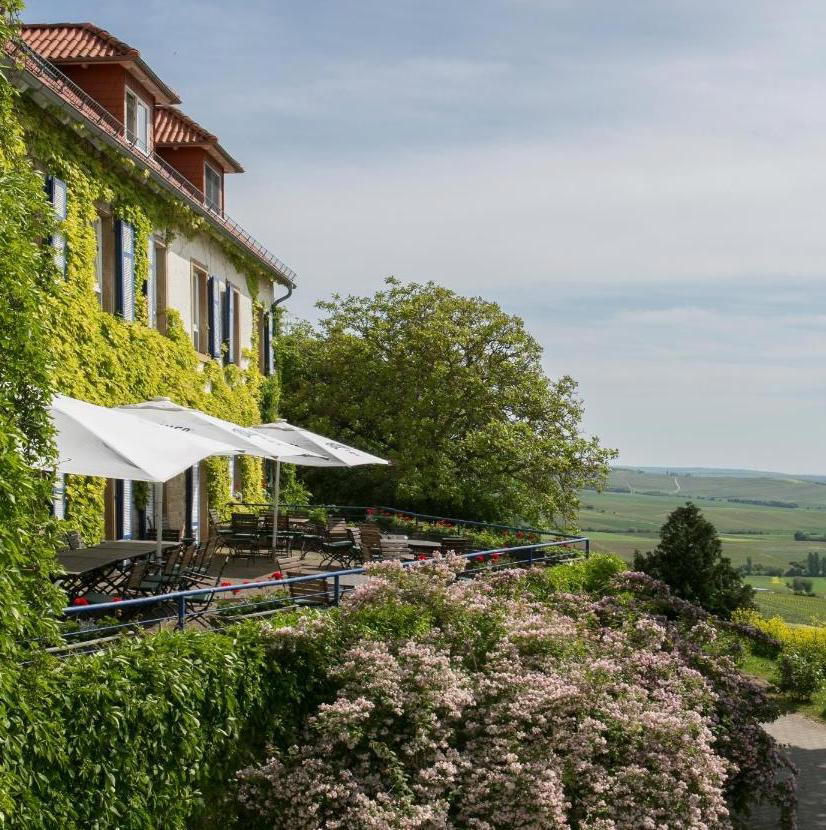
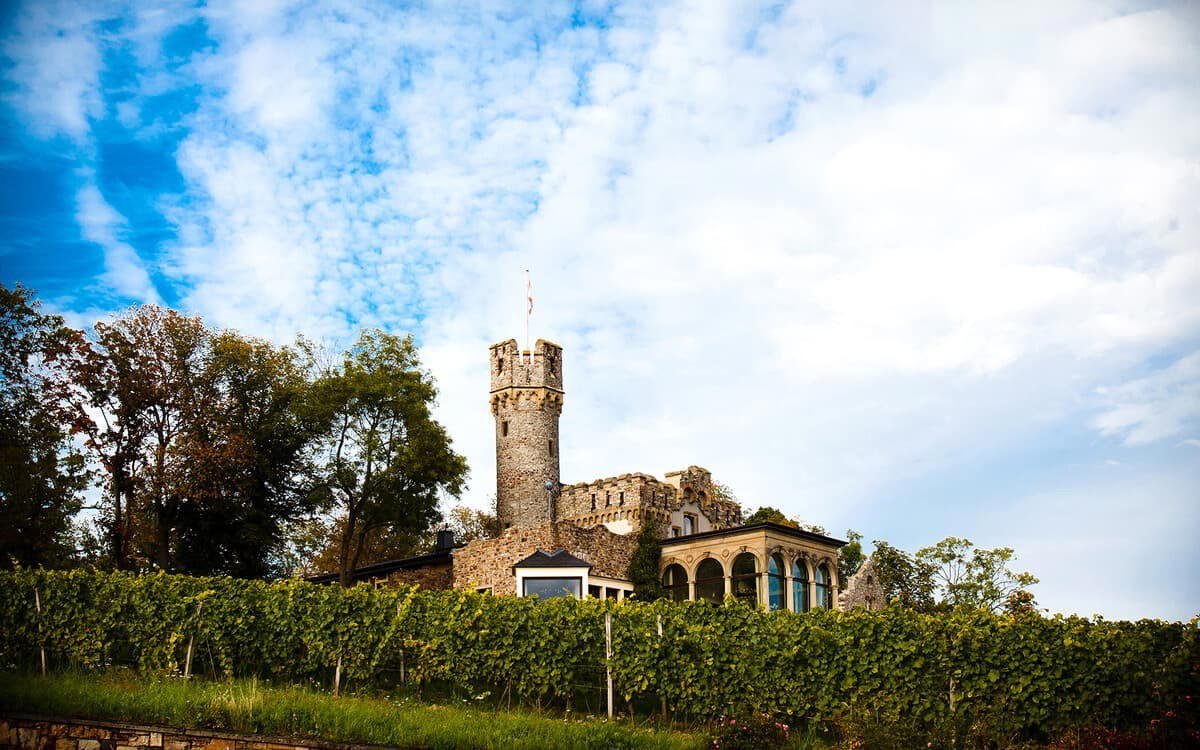
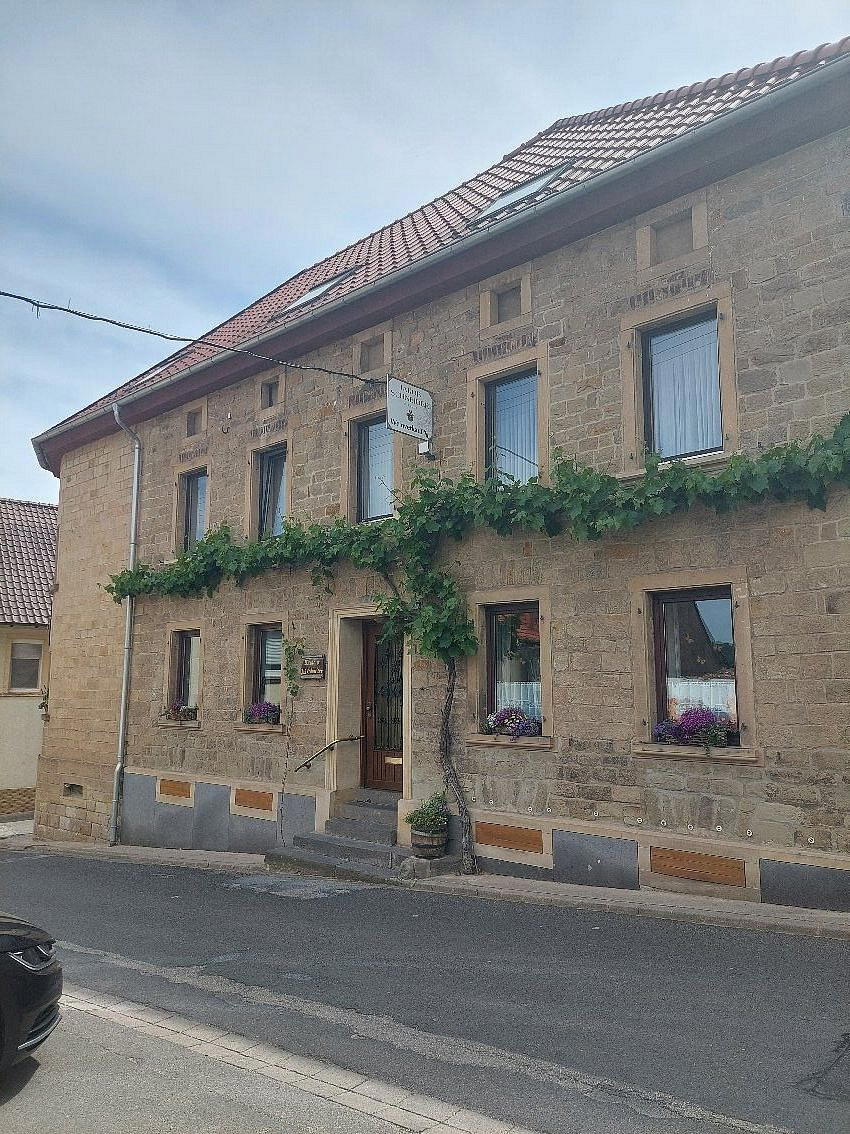
Bright and inviting with natural materials, warm colors, wooden tables, and relaxed country house flair enhanced by large windows overlooking the park.