On Mair Street in Ballarat Central, Renard occupies a position that regional dining in Victoria has been quietly building toward: serious food at a remove from metropolitan noise. The address places it among a small cluster of considered dining options in a city better known for its gold-rush architecture than its restaurant scene. Details on format and menu are best confirmed directly with the venue.
Pearl is the En Primeur Club membership app — saves, bookings, and concierge access live there. Same editors, same standards.
- Address
- 209 Mair St, Ballarat Central VIC 3350, Australia
- Phone
- +61455915695
- Website
- renardballarat.com.au
- Directions
- Get directions
 Saves & bookings on Pearl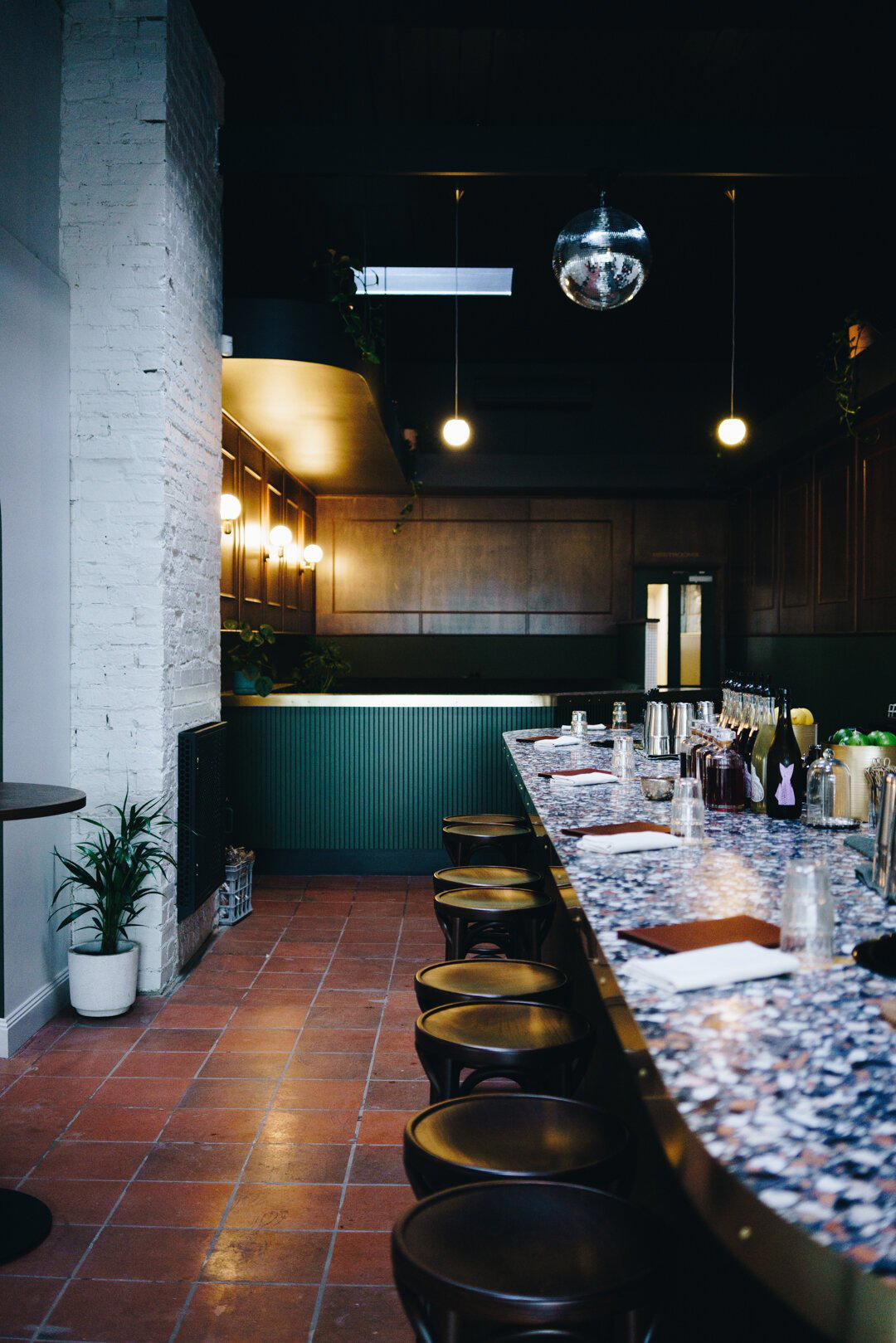
Mair Street and the Quiet Confidence of Regional Fine Dining
Ballarat's central streetscape does not announce itself as a dining destination. The bluestone buildings and wide Victorian-era boulevards were built for commerce and civic pride, not for the kind of slow, attentive meal that has become a defining ambition of Australian regional cooking. And yet that contrast, monumental architecture, unhurried pace, no particular pressure to perform for a metropolitan audience, turns out to be exactly the condition in which a certain kind of restaurant thrives. Renard, a Modern Bistro at 209 Mair St in Ballarat Central, sits inside that dynamic.
The address puts it in Ballarat Central, the city's main grid, close enough to the cultural and civic core to draw visitors but not so embedded in tourist infrastructure that it defaults to crowd-pleasing. Regional restaurants at this level of intent tend to attract a narrower, more deliberate diner: someone who has looked up the room, made a booking with some planning, and arrived with expectations calibrated accordingly. That self-selecting quality shapes the atmosphere before any food arrives.
The Ritual of Sitting Down
Australian fine dining, in its current form, has largely moved away from the formality codes that defined the category a generation ago. The rigid progression of amuse-bouche, bread service, numbered courses, and tableside theatre has given way to something harder to script: meals that feel structured but not stiff, where the pacing is controlled by the kitchen rather than a printed menu card handed over at the door. This shift is visible across the country's most-discussed rooms, from Attica in Melbourne to Brae in Birregurra, and it has gradually filtered into regional centres where the economics of running a tasting-format restaurant are considerably less forgiving.
What that means in practice is that the dining ritual at venues like Renard is not incidental to the food, it is part of the proposition. The sequence of a meal, the gaps between courses, the moment a wine pour is offered, the decision about whether to explain a dish or let it speak: these are editorial choices made by the kitchen and front-of-house together. At better regional venues, they are made with conviction. At weaker ones, they are imitated without the underlying confidence to sustain them. Which side of that line a room falls on becomes apparent quickly, usually within the first twenty minutes of sitting down.
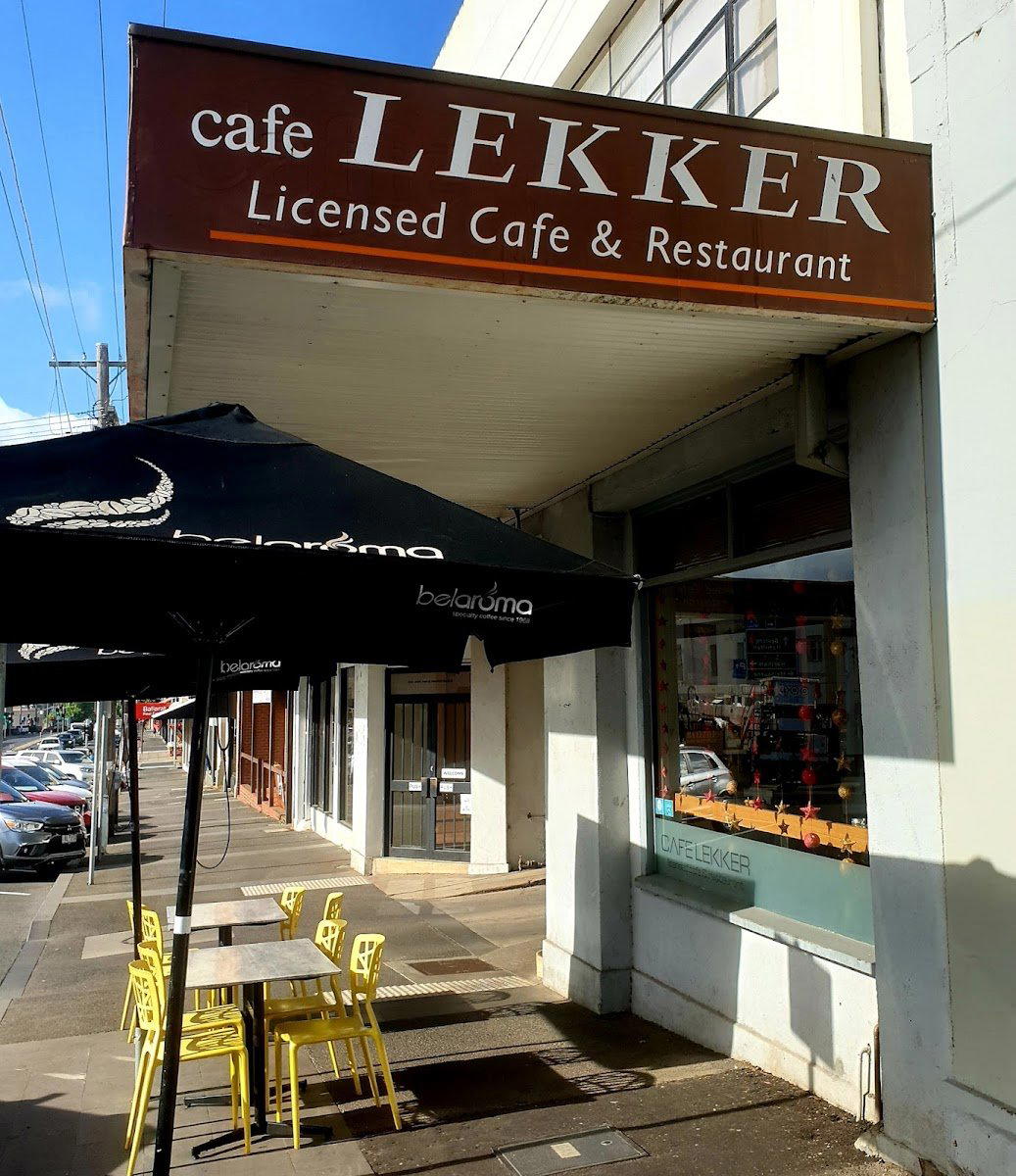
Ballarat's dining scene has been developing a more considered tier over the past several years. Alongside venues like Meigas, which brings a European bistro sensibility to the city, and the more casual registers of Cafe Lekker and Cobb's Coffee, Renard occupies a position in that ecosystem that suggests a different level of ambition, even if the specifics of its format and menu require direct confirmation from the venue itself.
The Regional Premium: What Distance from Melbourne Means
A restaurant operating at serious intent in a city like Ballarat faces a competitive logic that differs structurally from its metropolitan counterparts. In Melbourne, a room at this address and apparent register sits inside a dense comparable set: diners can walk from a disappointing meal to three alternatives on the same street. In Ballarat, the decision to eat somewhere is typically made before arrival, and the commitment level is higher. Guests are not browsing; they have planned.
That dynamic creates both pressure and opportunity. The pressure is that there is less margin for an off night, no ambient energy of a packed city block to compensate for a flat service moment. The opportunity is that diner attention is higher, the meal carries more weight in the memory of a trip, and the kitchen is not competing for walk-ins against a dozen comparable rooms within two hundred metres. Restaurants in comparable regional positions across Victoria, including places like Brae in Birregurra, have used exactly this logic to build sustained reputations that draw visitors from Melbourne and beyond as the primary motivation for the trip.
The comparison set for Renard is therefore not purely local. A diner deciding how to spend a serious meal in regional Victoria is also weighing options in Melbourne, Bar Carolina in South Yarra, Barry Cafe in Northcote, or further afield toward Sydney, where rooms like Rockpool and Bayly's Bistro in Kirribilli set a different kind of benchmark. Regional restaurants that hold their own against that implicit comparison earn a loyalty that purely urban venues cannot replicate.
Planning a Visit
Mair Street is direct to reach by car from Melbourne along the Western Freeway, with Ballarat Central a short distance from the main arterial routes into the city. For those without a vehicle, V/Line train services connect Spencer Street Station to Ballarat in roughly ninety minutes, and Mair Street is accessible from the station. Given the venue's position in a city with limited alternatives at its apparent level, booking ahead is advisable, particularly on weekend evenings, when Ballarat's accommodation options fill with visitors from Melbourne using the city as a weekend base.
For a broader view of where Renard sits in the city's dining options, including casual daytime addresses and the emerging Jaani Street Food, see our full Ballarat restaurants guide. For context on how regional Australian dining compares internationally, rooms like Le Bernardin in New York City and Atomix in New York City illustrate how the world's most deliberate dining formats handle pacing and ritual at the highest level, a useful calibration for what serious dining aspires to, regardless of geography. Closer to home, Lenzerheide Restaurant in Adelaide, Kulcha Restaurant Wollongong, Hungry Wolfs Italian Restaurant in Newcastle, Johnny Bird in Crows Nest, and bills in Bondi Beach each represent a different register of Australian dining, useful reference points for calibrating expectations before a regional meal.
Cuisine and Credentials
Comparable venues nearby, for context on price, style, and recognition.
| Venue | Cuisine | Price | Notes |
|---|---|---|---|
| RenardThis venue — the venue you are viewing | Modern Bistro | $$ | Not listed |
| Meigas | Authentic Spanish Tapas | $$ | Ballarat Central |
| Cafe Lekker | Australian Cafe | $$ | Ballarat Central |
| Jaani Street Food | Fusion Pizza & Donuts | $$ | Ballarat Central |
| Cobb's Coffee | Australian Cafe with Sandwiches and Coffee | $$ | Ballarat Central |
| NOVA Balinese Kitchen | Traditional Balinese | $$ | Newtown |
Continue exploring
More in Ballarat
Restaurants in Ballarat
Browse all →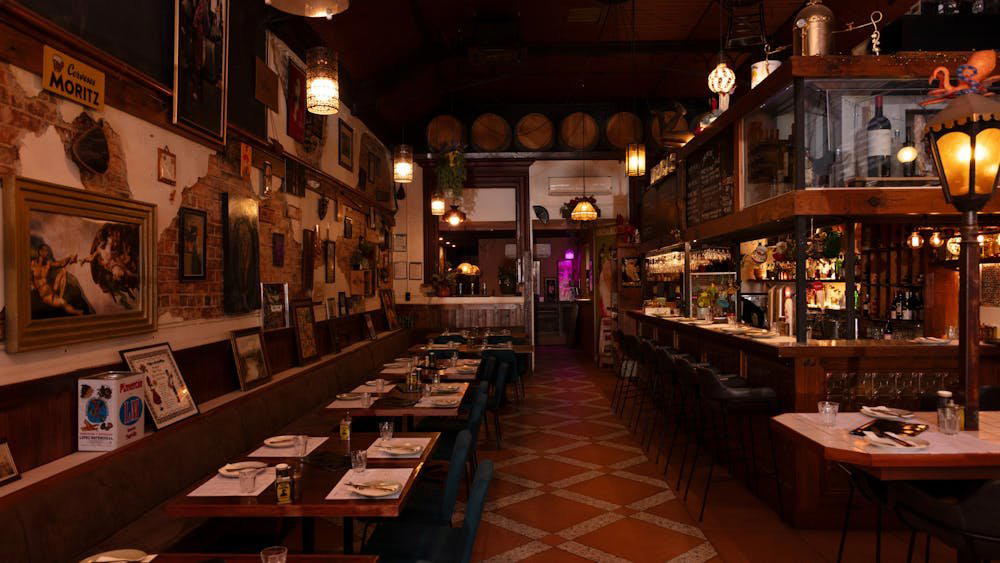

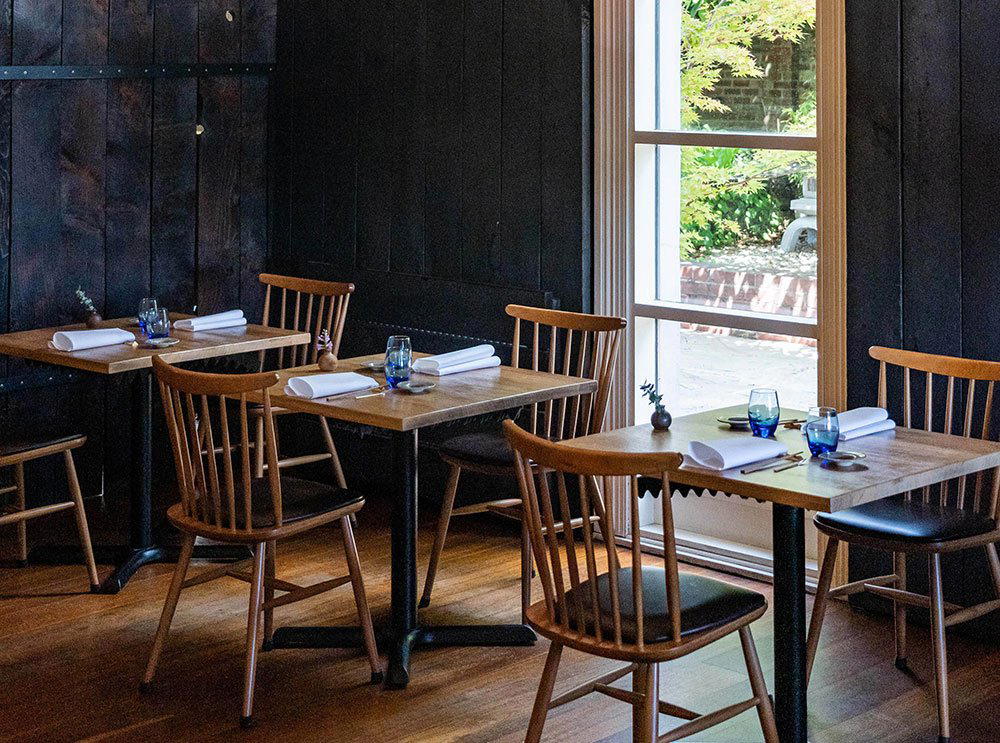
Bars in Ballarat
Browse all →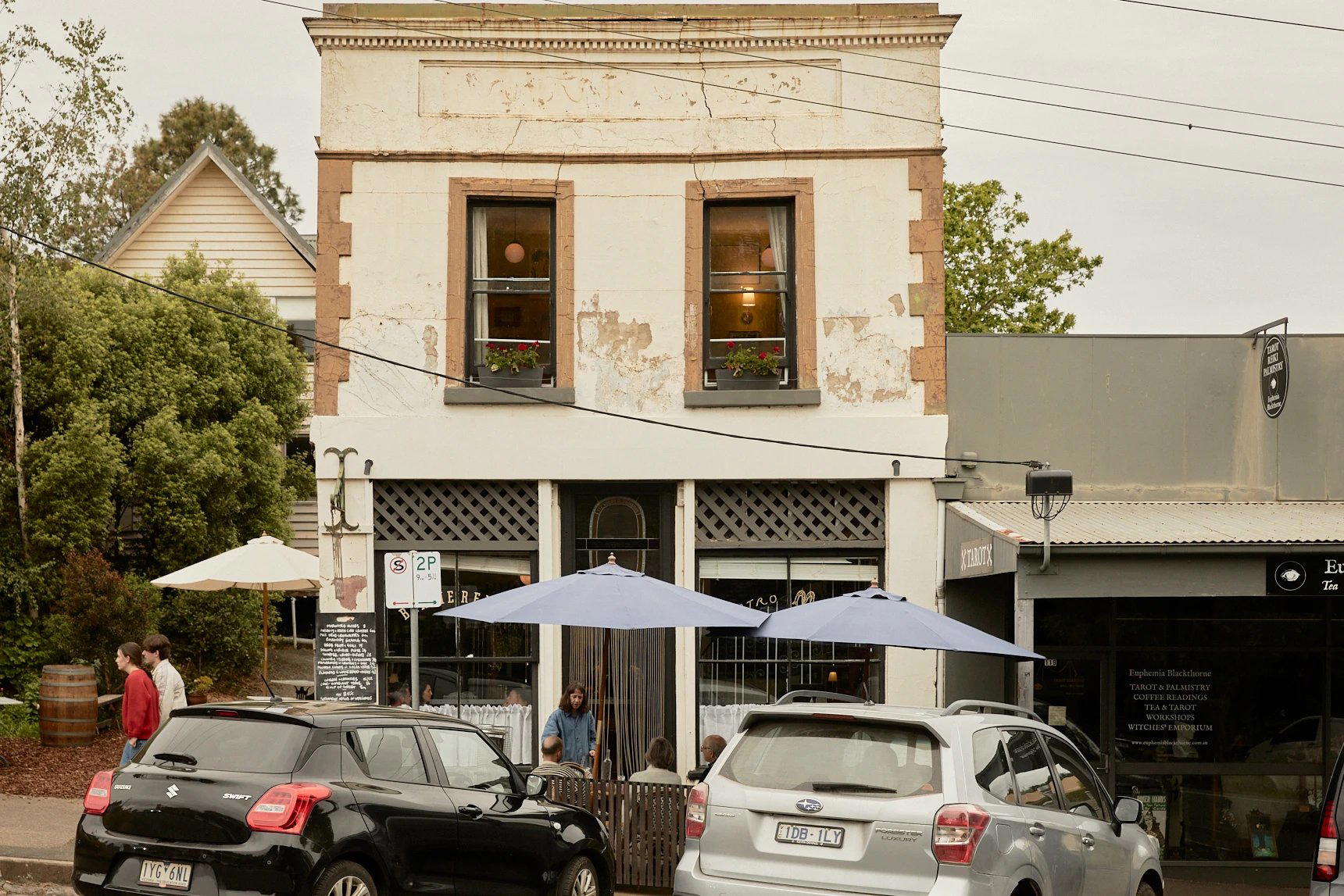
Hotels in Ballarat
Browse all →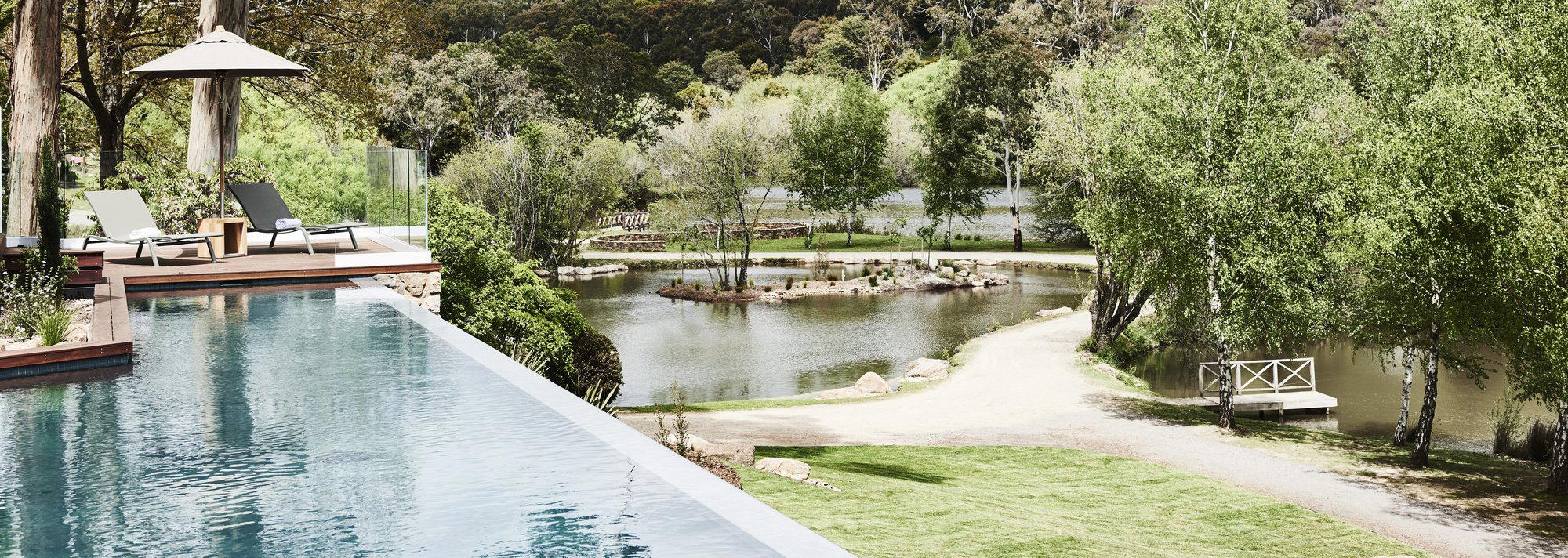
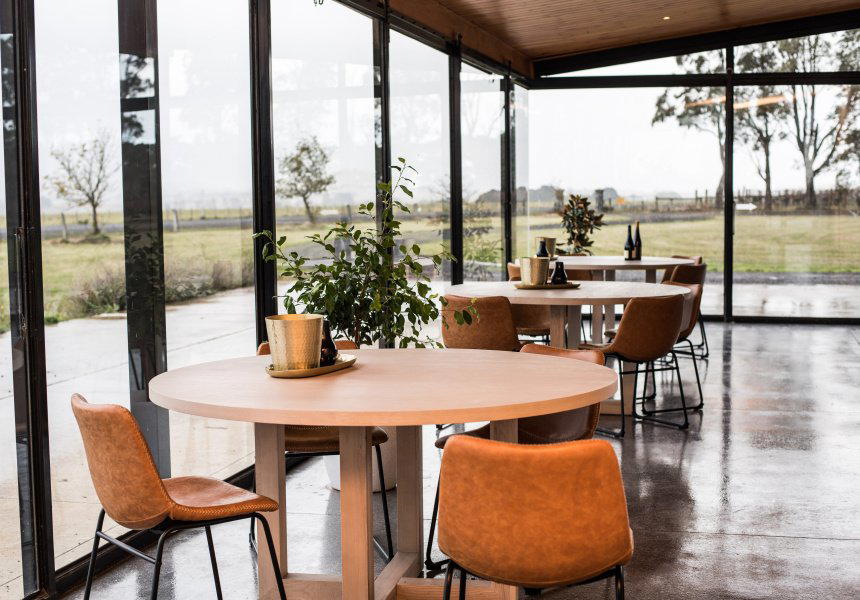
At a Glance
- Lively
- Trendy
- Modern
- Energetic
- Date Night
- Casual Hangout
- Late Night
- Open Kitchen
- Craft Cocktails
- Local Sourcing
Current opening hours
- Monday
- Closed
- Tuesday
- Closed
- Wednesday
- 4 PM–12 AM
- Thursday
- 4 PM–12 AM
- Friday
- 2 PM–1 AM
- Saturday
- 2 PM–1 AM
- Sunday
- 2 PM–1 AM
Hours can change for holidays and private events. Last verified .
Sophisticated and energetic atmosphere with disco moods and lively social club energy.