Savignola Paolina

Falstaff Winery - Listed
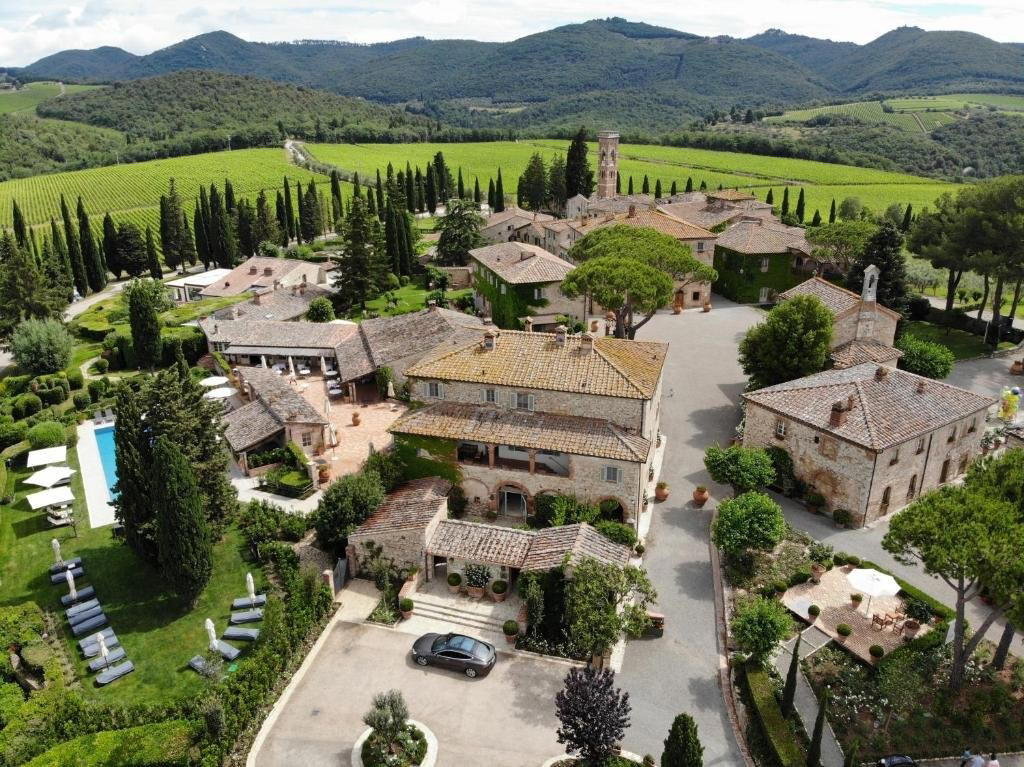
Savignola Paolina frames Chianti Classico through a compact estate visit in Greve in Chianti, moving from cellar and production spaces to a guided tasting of five wines with olive oil. The draw is the controlled scale: vineyard views, a historic setting dating to 1780, and a portfolio that moves from rosato and fresh red into Riserva and Gran Selezione territory.

Pearl is the En Primeur Club membership app, where members save venues, book tables and use the concierge.

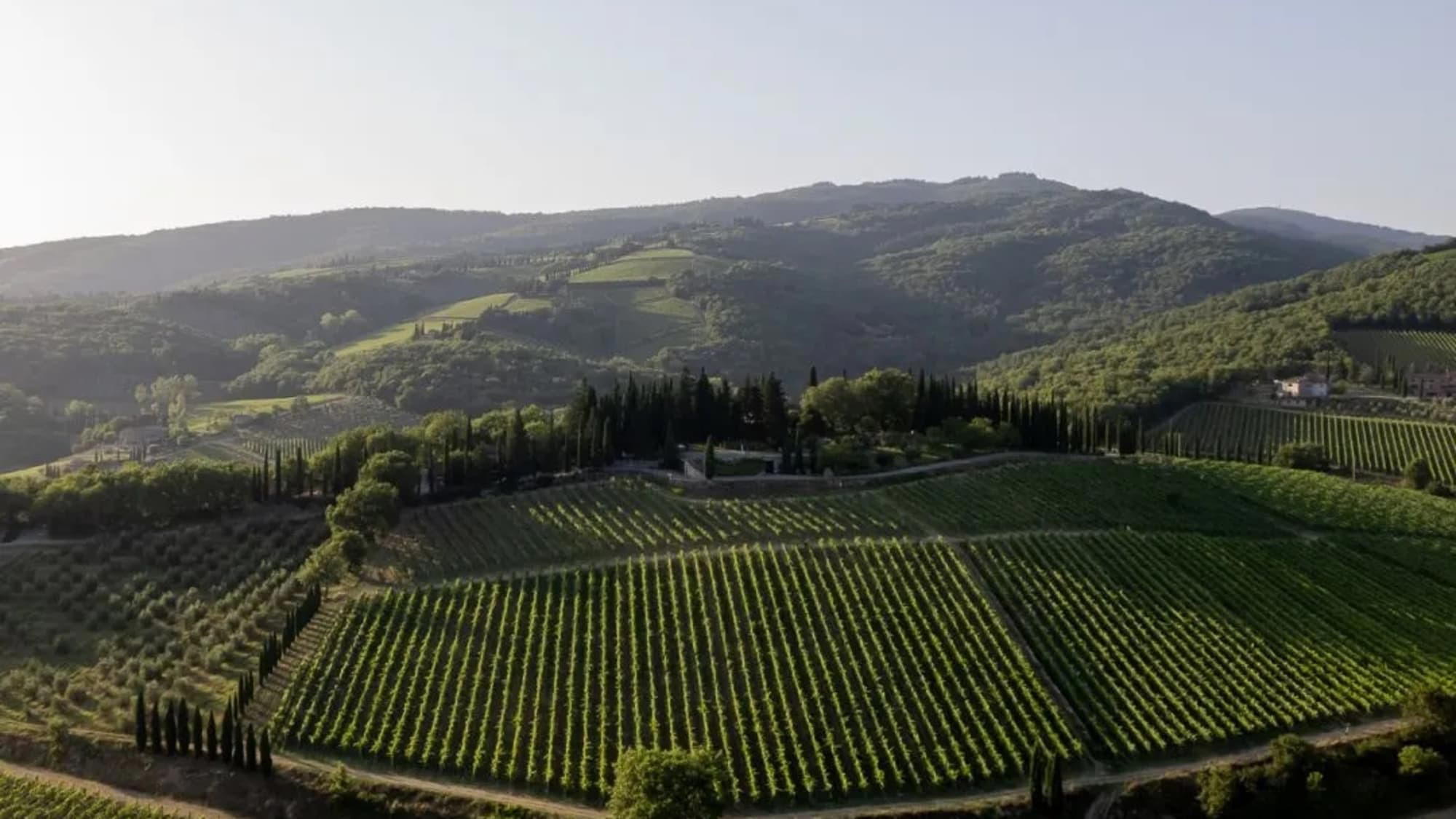
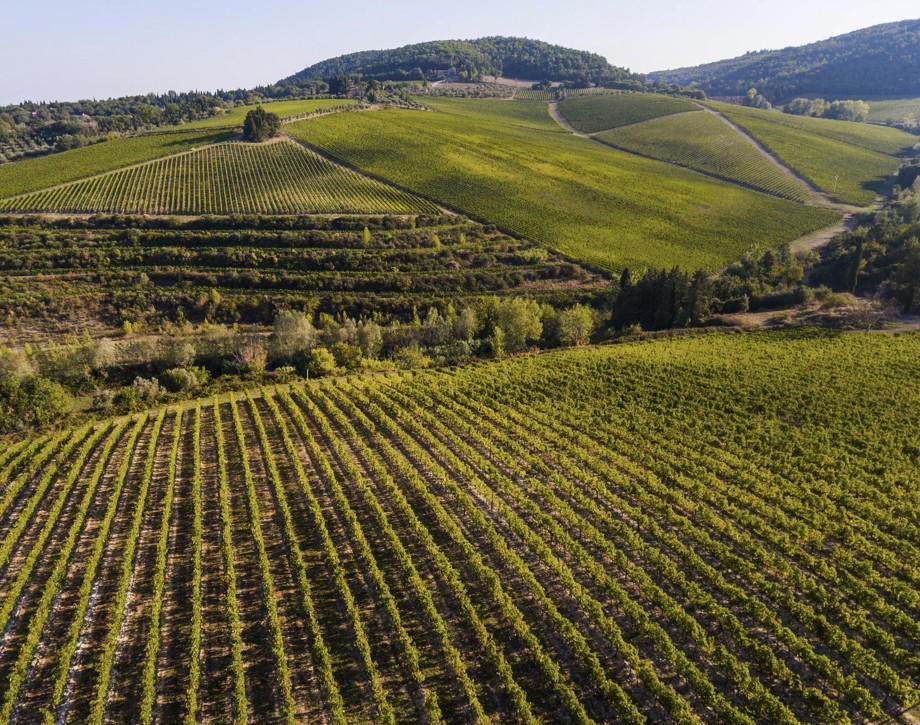
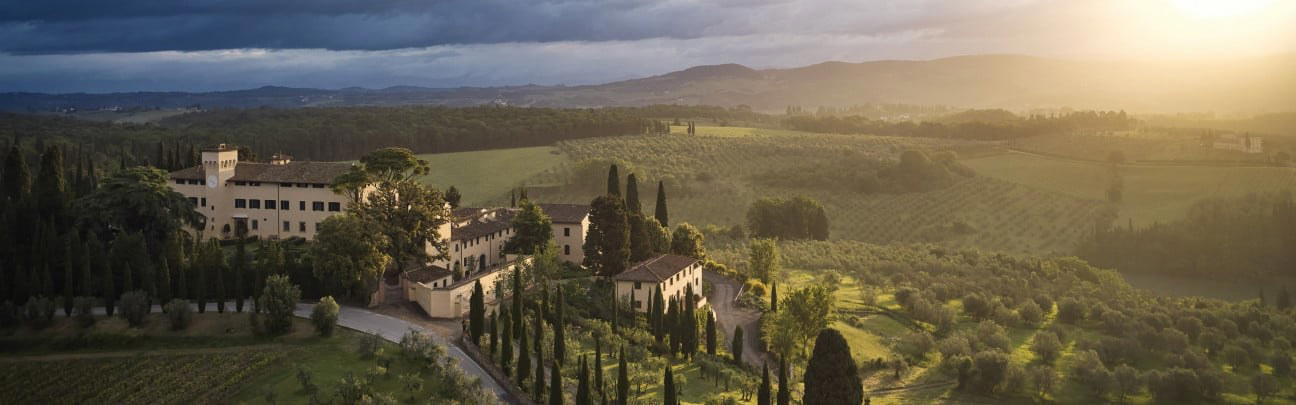
In Greve in Chianti, the wine visit often begins before the first pour: the road, the vines, the shift from town rhythm to agricultural quiet. At Savignola Paolina, that sense of place is not decorative. The experience is built around a working Chianti Classico estate, with the route moving through the historic cellar, production areas, aging rooms and tasting spaces before the wines are read against the land that produced them.
Chianti Classico hospitality can drift toward two extremes: the quick cellar-door pour or the polished estate spectacle. This format sits in the smaller, more interpretive middle. The tasting is structured enough to teach, but intimate enough to keep the focus on vineyard, cellar and bottle rather than performance. The estate dates to 1780, a useful anchor in a region where longevity matters, yet the visitor experience is not dependent on nostalgia. Its stronger argument is the way the flight explains a range of Sangiovese-led possibilities within a single estate frame.
Chianti Classico read through cellar, vineyard and glass
The strongest wine-country visits make hierarchy legible. Here, the tasting moves across five wines and estate olive oil, creating a clear progression rather than a loose sequence of pours. Rosato “Leale” and Rosso Fresco “Furbacco” give the opening range: rosé and younger red as lighter entries into the estate’s style. La Base “Ora” brings the flight into Chianti Classico, while Riserva “Paolina” adds a memorial layer through its dedication to Paolina, the founder. Gran Selezione “360°” marks the upper end of the tasting, placing structure and ambition at the close.
That arc matters because Chianti Classico is often misunderstood as a single flavor profile rather than a system of decisions: grape mix, extraction, aging, site selection and intended drinking window. The estate lists Sangiovese, Colorino, Merlot and Malvasia Nera among its varieties, a set that points to local identity with room for blending nuance. Without turning the visit into a technical seminar, the lineup gives drinkers a practical education in how a Tuscan estate can move from freshness to reserve-level seriousness.
The inclusion of olive oil is not a side note. In this part of Tuscany, wine tourism is at its strongest when it reminds visitors that vineyards are part of a broader farmed landscape. Olive oil beside the wines reinforces that agricultural context and keeps the experience grounded in production rather than hospitality theatre.
A small-group tasting format with a historic estate rhythm
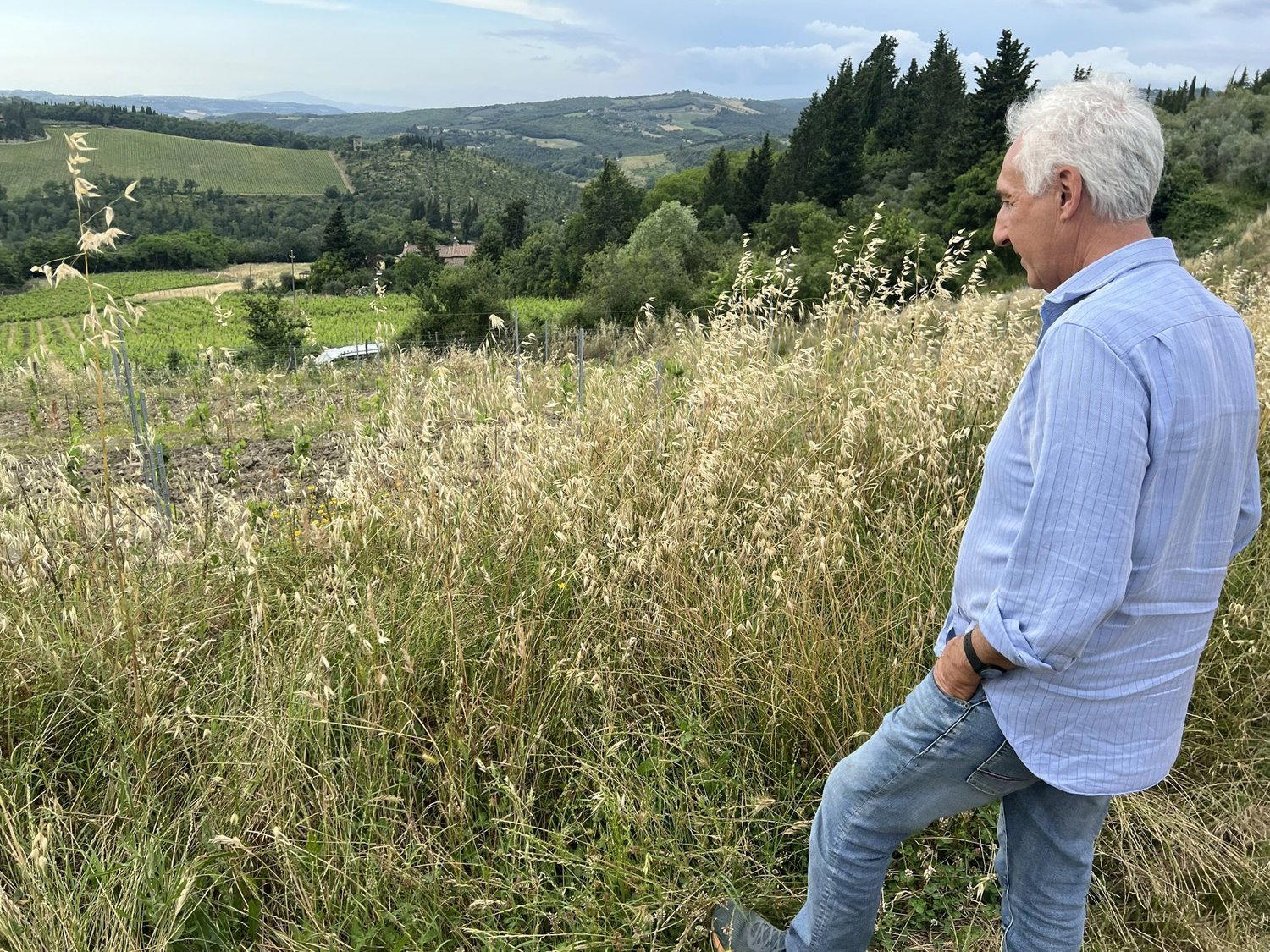
The visit lasts 90 minutes and is offered in English and Italian, with a scale that keeps interpretation central. Groups run from 2 to 12 guests, and the guide may be the owner, production manager or hospitality manager. That matters in a region where the quality of a tasting often depends less on the number of wines poured than on who is explaining the choices behind them.
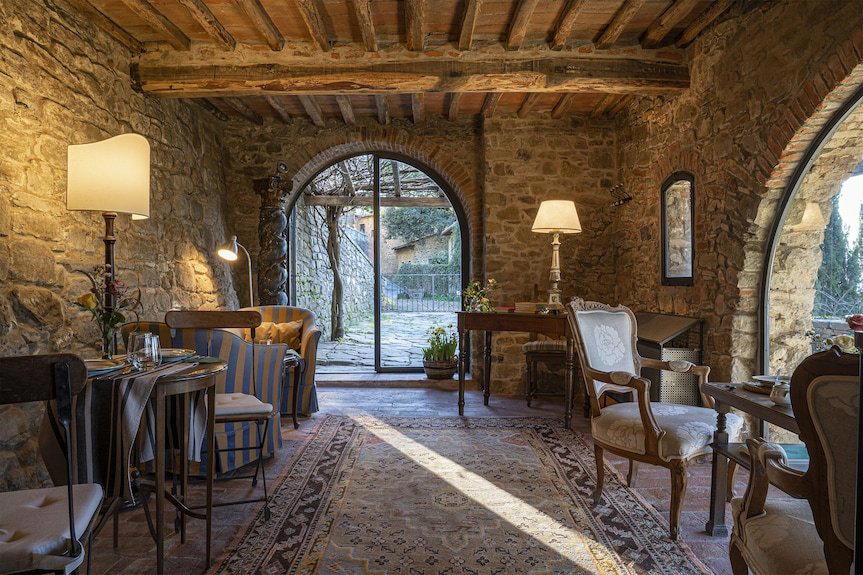
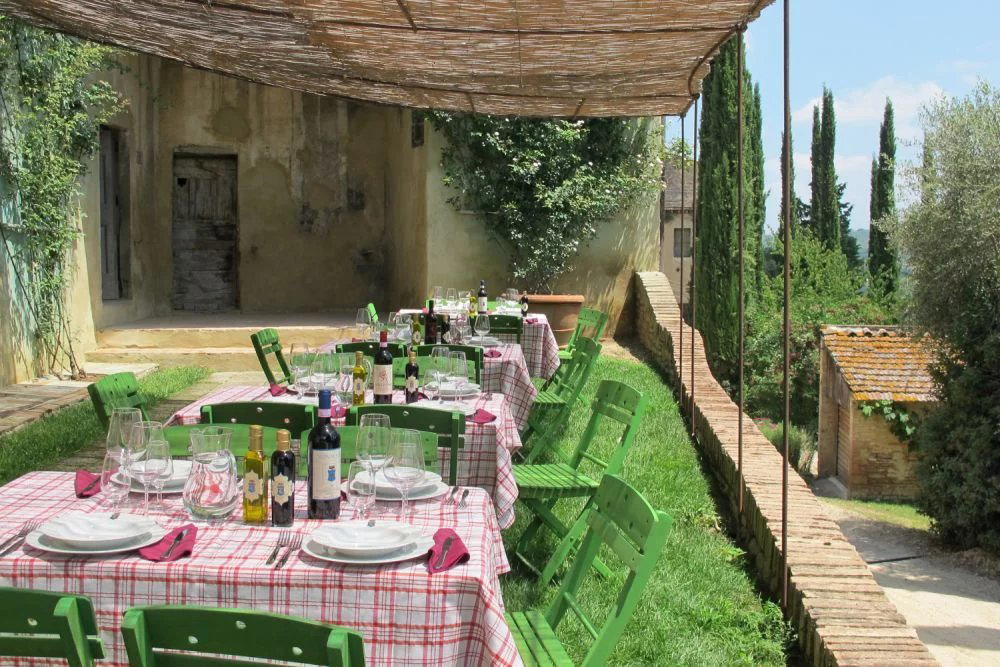
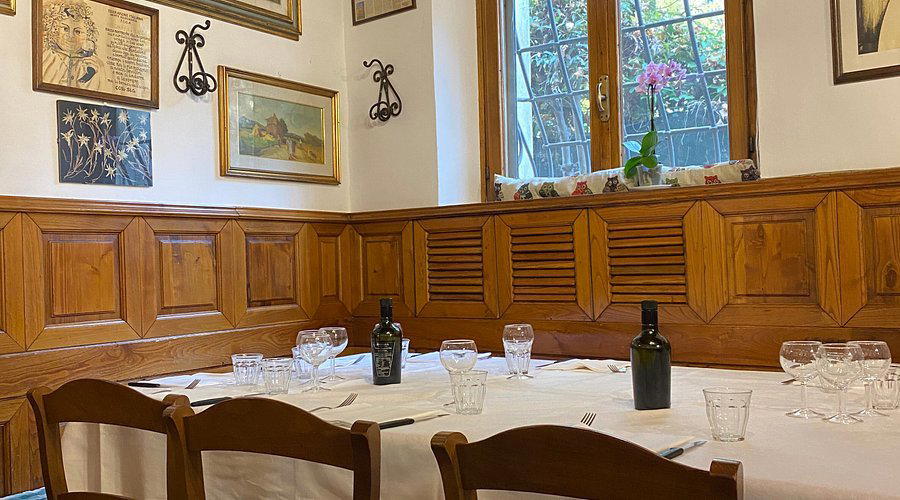
Route through the cellar and production rooms gives the tasting a useful chronology: grapes become wine, wine becomes something shaped by time, and only then does the glass arrive. When weather allows, the tasting moves to a terrace overlooking the vineyards; otherwise, the dedicated tasting room keeps the structure intact. The terrace is the obvious scenic asset, but the deeper value is how the estate makes landscape part of the explanation. The vines are not scenery after the fact. They are the reference point for the flight.
Recognition here is experience-led rather than award-led. A 4.9 guest rating from 13 reviews signals strong satisfaction within a small sample, and the format explains why: the visit is quiet, guided, and built for people who want context with their tasting. It is also casual in dress and accommodating in tone, with children allowed and dogs welcome when leashed and controlled. That openness broadens the audience without changing the core identity of the experience.
Where it fits in a Greve in Chianti wine itinerary
Greve in Chianti rewards travelers who treat the area as a cluster of estate voices rather than a checklist. Savignola Paolina is useful for visitors who want a compact, guided reading of Chianti Classico before or after exploring the town’s broader wine culture. For a wider map of the area, start with Our full Greve in Chianti wineries guide, then cross-reference dining, lodging and evening plans through Our full Greve in Chianti restaurants guide, Our full Greve in Chianti hotels guide, Our full Greve in Chianti bars guide and Our full Greve in Chianti experiences guide.
Travelers building a broader Italian and European wine itinerary can compare different regional models through EP Club’s winery coverage, from Ambrogio e Giovanni Folonari Tenute, Antico Borgo di Sugame, Azienda Agricola La Torraccia di Presura, Basilica Cafaggio and Cafaggio in the Greve orbit to 3GP SRL in Treviso, 47 Anno Domini in Trebaseleghe, A Mano Wine in Noci, »der Steiner« Hans Steiner in Podersdorf am See and & Handwein in Mannheim.
The editorial case is simple: this is a terroir-first tasting for travelers who want Chianti Classico explained through an estate’s own ladder of wines, not a generic Tuscan pour. The historic setting, vineyard-facing hospitality and five-wine structure give the visit enough shape for engaged drinkers, while the relaxed scale keeps it accessible for mixed groups. In a region full of cellar doors, that balance is the useful distinction.
Recognition history
Dated appearances from independent guides and award organizations, with the underlying list record or original source where available.
Falstaff Winery - Listed
Falstaff
Continue exploring
More in Greve in Chianti
Wineries in Greve in Chianti
All wineries in Greve in Chianti →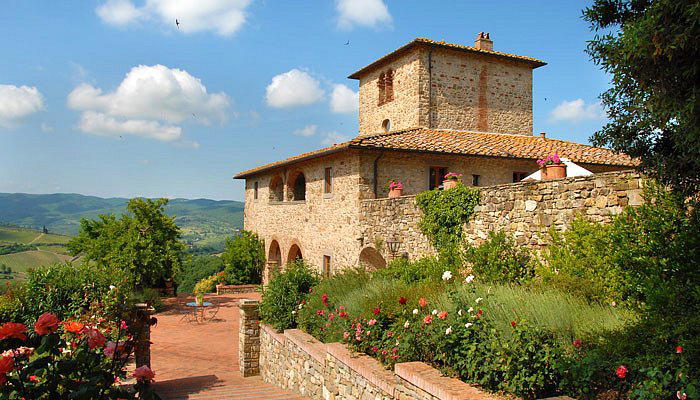
Bars in Greve in Chianti
All bars in Greve in Chianti →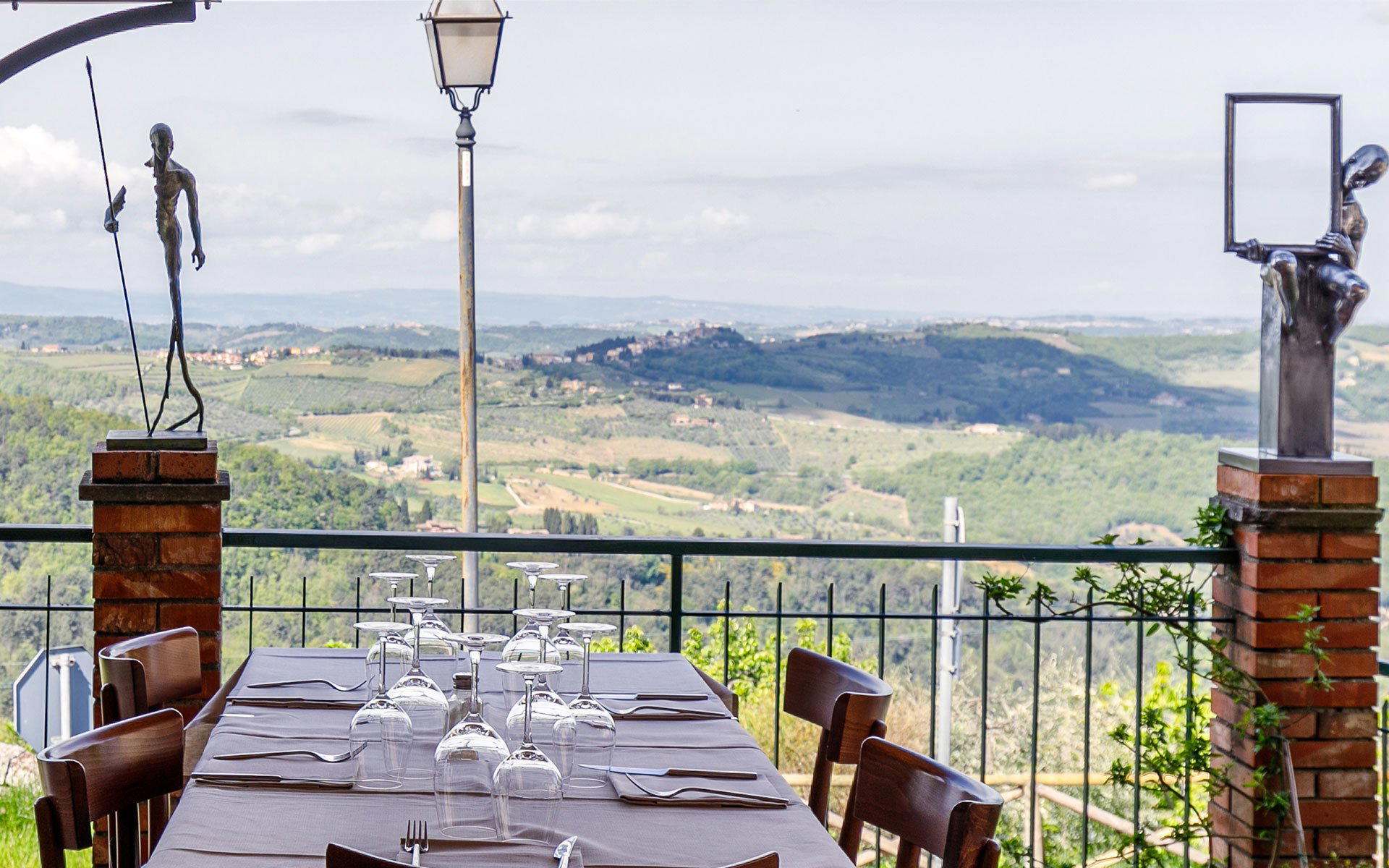
Restaurants in Greve in Chianti
All restaurants in Greve in Chianti →
Details
- Scenic
- Rustic
- Elegant
- Intimate
- Classic
- Wine Education
- Special Occasion
- Group Outing
- Romantic Getaway
- Terrace
- Panoramic View
- Historic Building
- Vineyard Tour
- Private Tasting
- Vineyard
- Garden
- Sangiovese
- Colorino
- Merlot
- Malvasia Nera
- Still Red
- Still Rosé
- Guided Tasting
- Wine And Olive Oil Tasting
- English
- Italiano
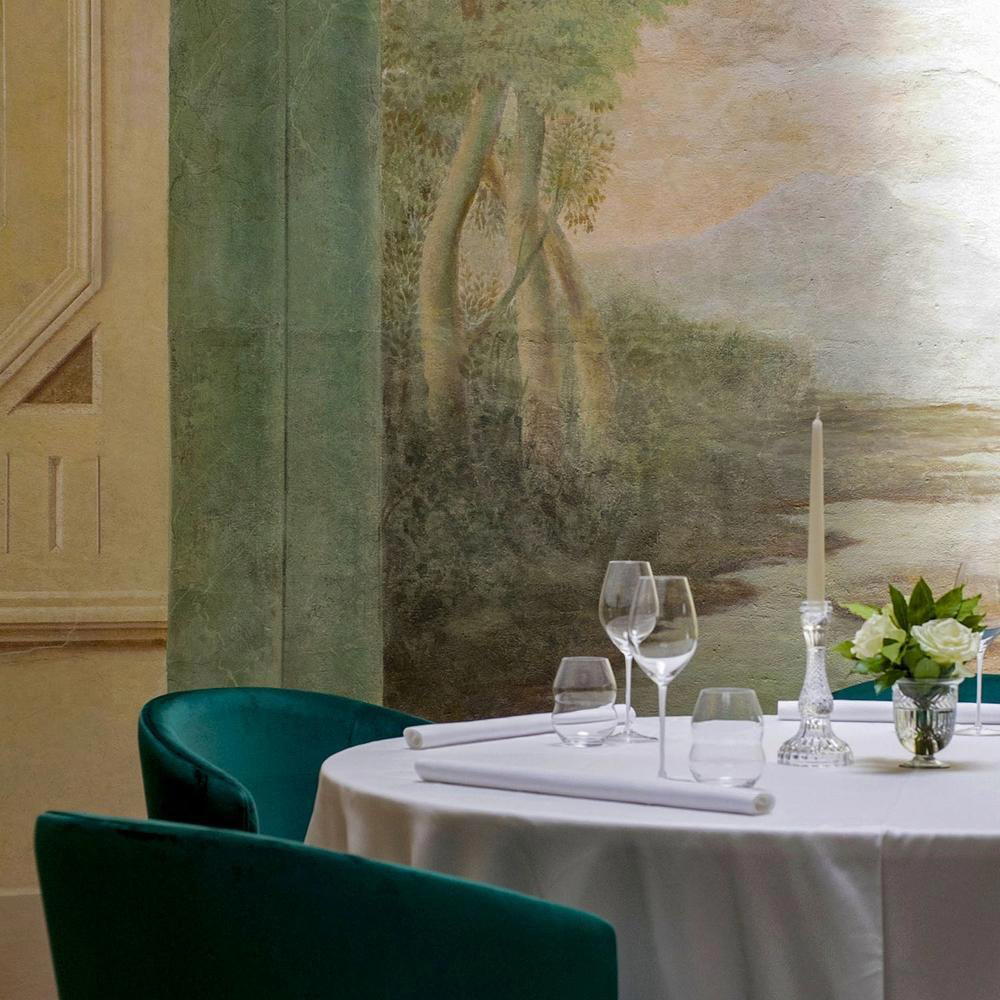
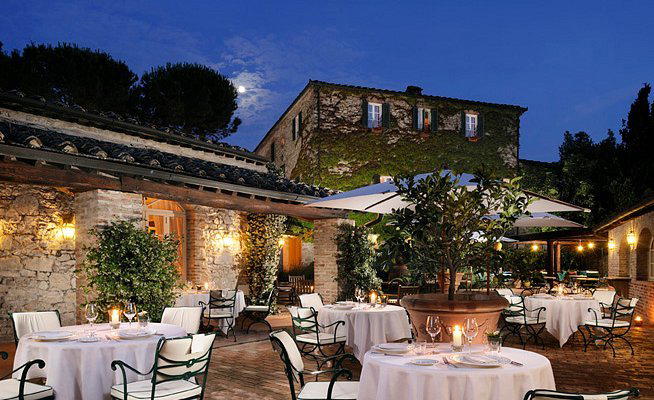
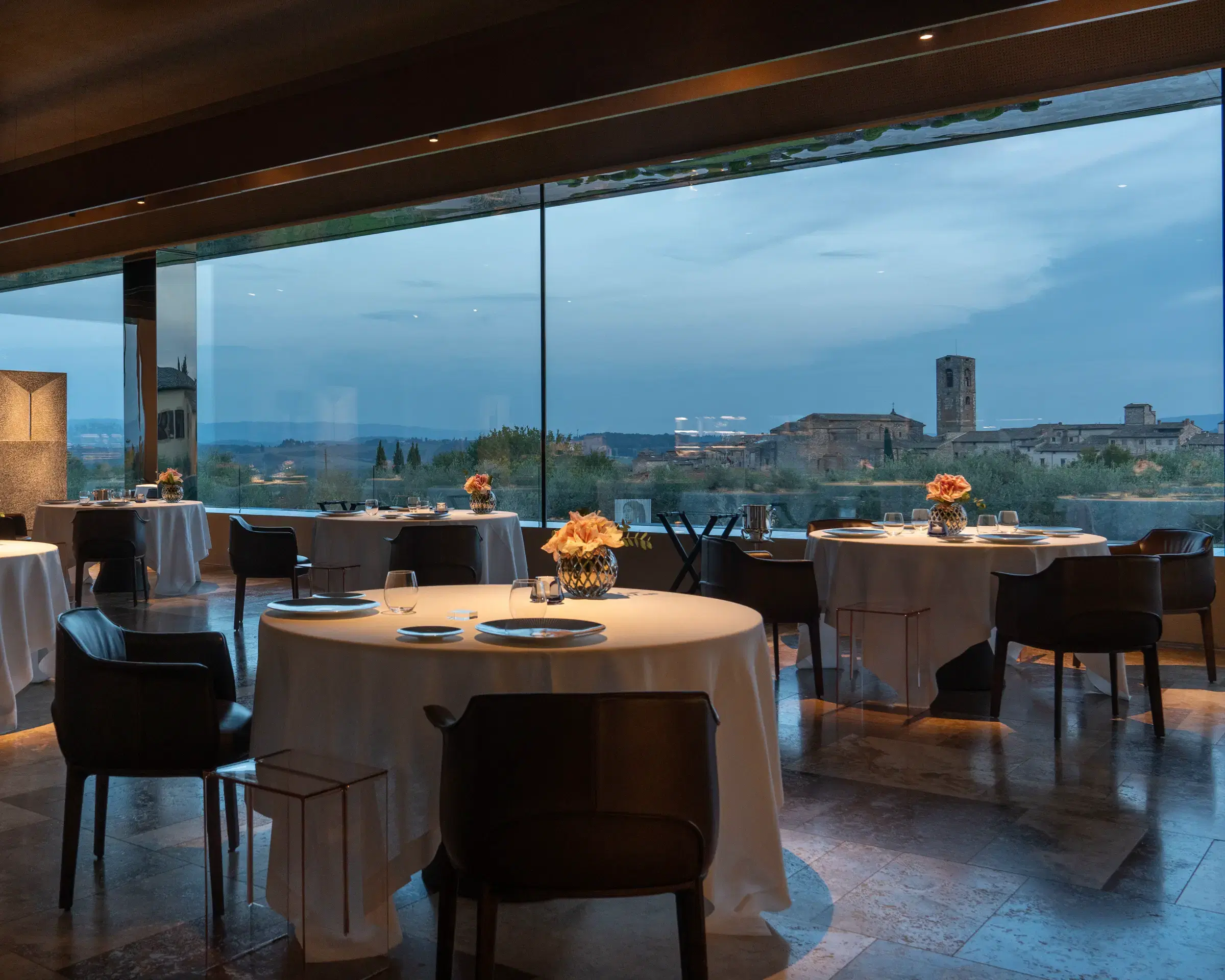
Historic, scenic winery atmosphere with vineyard views and a refined, tradition-rooted tasting experience.