Murdoch Hill
Murdoch Hill sits in the Oakbank pocket of the Adelaide Hills, a wine region defined by cool-climate precision and a growing commitment to low-intervention viticulture. It belongs on any serious itinerary through South Australia's cooler wine country.

Pearl is the En Primeur Club membership app — saves, bookings, and concierge access live there. Same editors, same standards.
- Address
- 260 Mappinga Rd, Oakbank SA 5243
- Phone
- +61 8 7200 5018
- Website
- murdochhill.com.au
- Directions
- Get directions
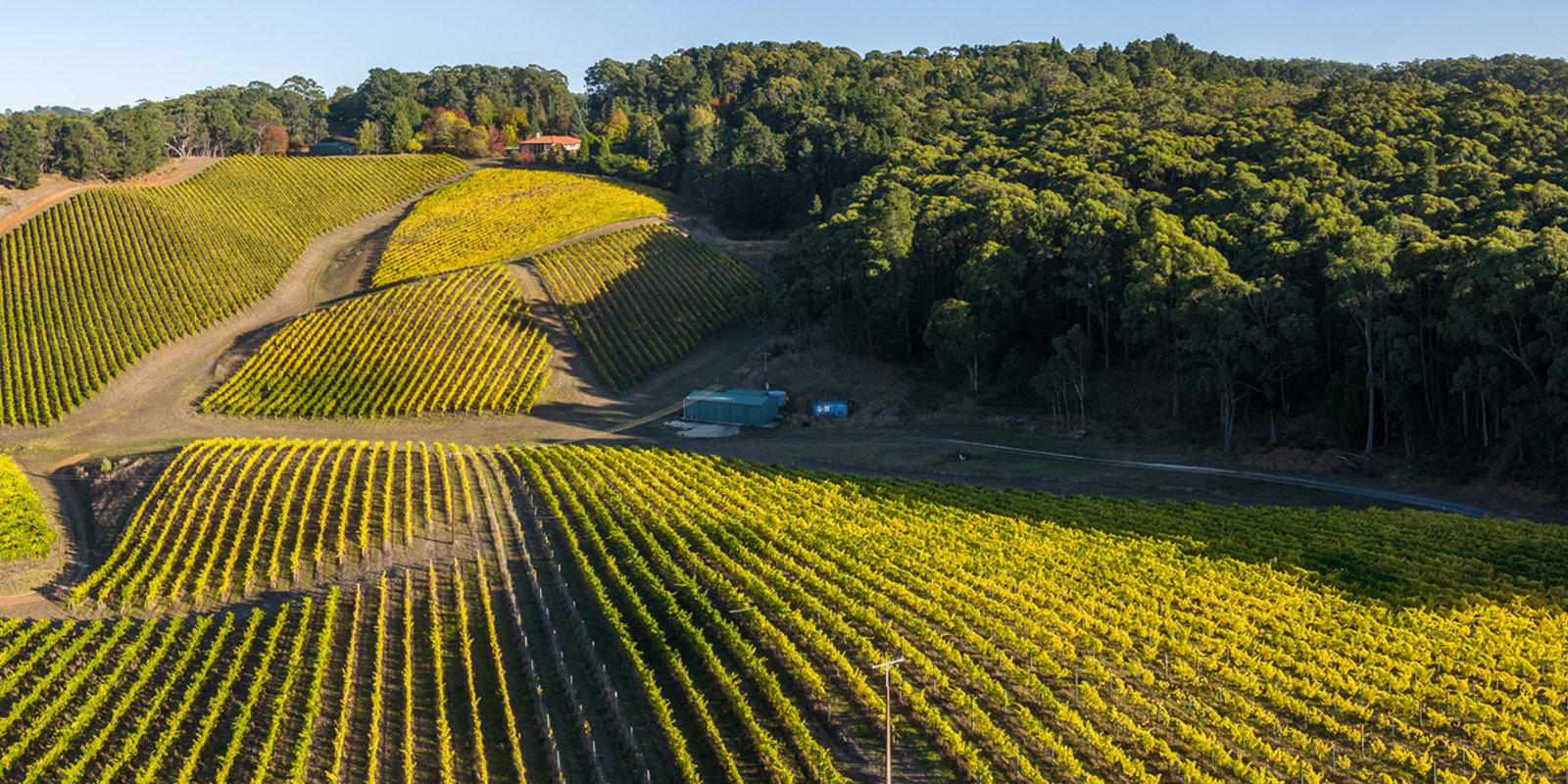
The Adelaide Hills Approach to Growing Less, Expressing More
The Adelaide Hills has spent the better part of two decades redefining what Australian wine can look like when the ambition shifts from extraction to expression. At elevations that regularly drop night temperatures below what most Australian growing regions experience, producers here have built reputations on restraint: Sauvignon Blanc with texture rather than tropical punch, Pinot Noir with structural finesse rather than fruit weight, Chardonnay that earns its acidity rather than relying on intervention.
The Oakbank area occupies the kind of terrain that makes Adelaide Hills viticulture distinctive: undulating, well-drained slopes where vine stress is managed by topography rather than irrigation, and where seasonal variation does the work that winemakers in warmer zones tend to do with additions. That physical reality shapes the character of wines from this pocket of the Hills more than any winemaking philosophy stated on a label.
Viticulture in a Region That Earns Its Credentials Through the Vineyard
Across the Adelaide Hills, a meaningful shift has occurred in how the most serious estates talk about their vineyards. The conversation has moved away from winery infrastructure and toward what happens before harvest: canopy management, soil health, vine density, and the decision about whether to intervene at all when the season runs against you. Estates like Gentle Folk have built their entire identity around minimal-intervention principles, while Ashton Hills Vineyard has long demonstrated that long-established sites in the Hills can produce Pinot Noir that competes at any serious national level.
The broader regional pattern matters here. The Adelaide Hills is not a monoculture. Nepenthe works across a wide varietal range, reflecting the Hills' versatility, while Bird in Hand sits at the more commercial end of the regional spectrum. Murdoch Hill's prestige-tier positioning places it in a different conversation, one where allocation size, vineyard specificity, and critical recognition carry more weight than distribution reach.
What Sustainable Viticulture Actually Means in These Hills
Sustainability in viticulture gets used loosely, and it is worth being precise about what it signals in the Adelaide Hills context. Cool-climate regions like this one carry inherent advantages: lower disease pressure from heat and humidity compared to warmer Australian regions, soils that in many cases have not been subject to the compaction and chemical loading common in older, intensively farmed wine districts. That base allows motivated producers to pursue genuinely regenerative approaches, including cover cropping between vine rows to build organic matter, reduced or eliminated herbicide programmes, and water management that treats rainfall as a primary resource rather than a supplement.
For the Adelaide Hills as a region, this matters competitively. Internationally, the markets most willing to pay premiums for Australian wine are those most informed about provenance, and sustainability credentials have become a purchasing signal in the UK, Scandinavian, and parts of the North American import trade. Estates with documented vineyard practices occupy a stronger position in those conversations than those relying solely on winemaking reputation.
Comparing the Hills to other Australian regions that have pursued sustainability-led identities is instructive. Angove Family Winemakers in Renmark have built certified organic production at significant scale, demonstrating that the practice is viable beyond small artisan estates. All Saints Estate in Rutherglen brings a heritage-site dimension to its stewardship conversation. In Gippsland, Bass Phillip has long represented what obsessive, low-intervention viticulture can produce from marginal cool-climate sites.
The Atmosphere at Oakbank
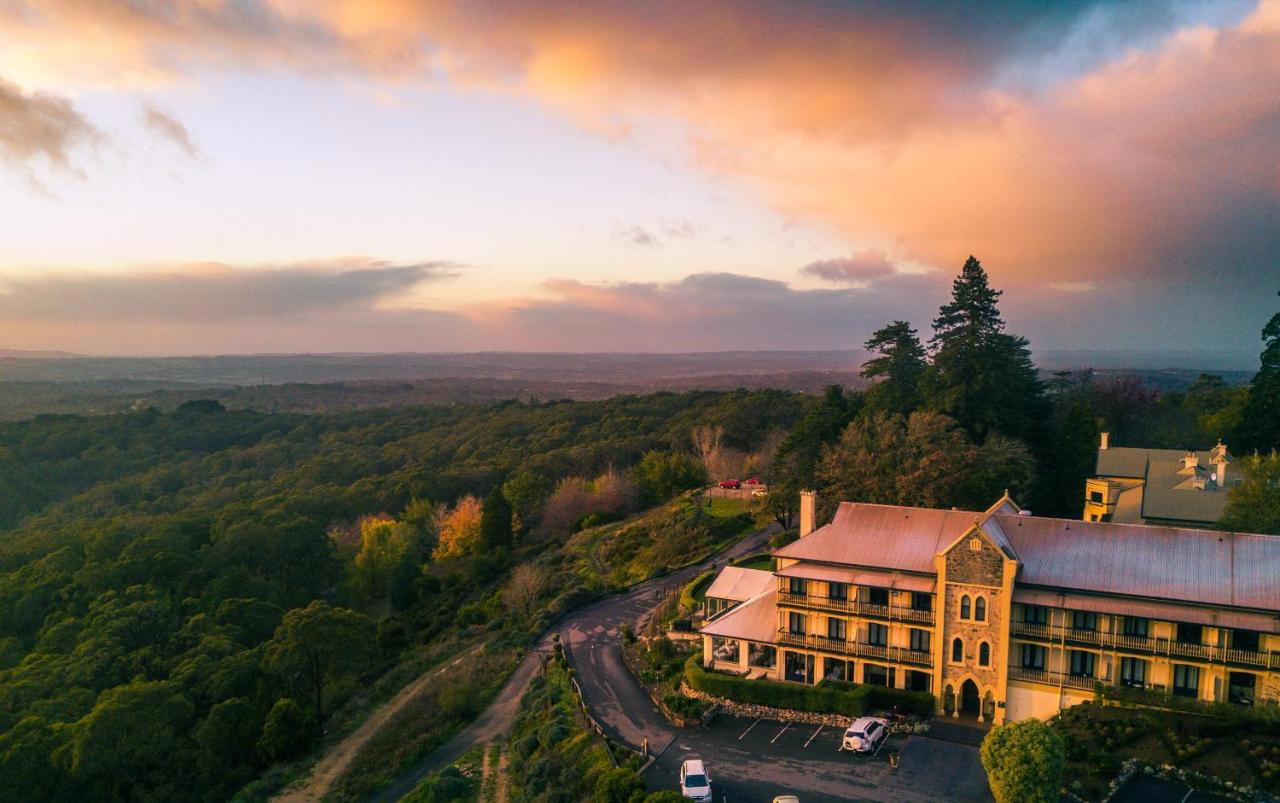
Driving into the Oakbank area from Adelaide takes you through the Hills' characteristic transition: suburban fringe giving way to eucalypt corridors, then the open vineyard views that define the region's working agricultural identity. The Hills do not perform themselves as a destination in the way that Barossa does, with its heritage architecture and deliberate tourism infrastructure. What you find instead is working wine country, where the estates that welcome visitors do so on terms set by the vineyard calendar rather than by hospitality operations built for volume.
This shapes what arriving at a place like Murdoch Hill feels like. The Hills' premium estates tend toward the considered rather than the theatrical: spaces where the view over vines carries more weight than interior design ambition, and where the wines arrive with context rather than spectacle. For visitors coming from the Adelaide Hills Distillery (78°), which takes a more production-forward approach to its visitor experience, or from the broader urban circuit of Adelaide city, the shift to a vineyard estate at this elevation registers immediately.
Planning a visit to the Adelaide Hills benefits from a half-day minimum allocation per estate if you want to move beyond a quick pour and engage seriously with what the region is doing. The Oakbank area sits within a reasonable driving circuit that connects to the broader Hills wine route. Our full Adelaide Hills restaurants and wineries guide maps the region in detail, including the practical sequencing that makes sense across a day or a longer stay.
Placing Murdoch Hill in the Wider Australian Context
For visitors building an Australian wine itinerary that moves beyond the Barossa and Hunter Valley defaults, the Adelaide Hills represents one of the country's most coherent arguments for cool-climate seriousness.
Comparisons beyond Australia are instructive. The restraint-led Pinot and Chardonnay houses of the Hills operate with a logic closer to Accendo Cellars in St. Helena or Brokenwood in the Hunter Valley than to mainstream Australian commercial production. Within the Hills, Leading's Wines in Great Western and Blue Pyrenees Estate in Pyrenees offer adjacent cool-climate comparisons from other parts of Victoria, while Archie Rose in Sydney and Aberlour in Speyside illustrate how premium production credentials translate across different drink categories. The common thread is a commitment to process rigour that shows in the glass rather than in the marketing. Visitors planning the Adelaide Hills circuit should confirm current opening days and tasting formats directly, as cellar door operations at prestige-tier estates in this region frequently operate on specific days or by appointment, particularly during harvest periods in late summer and autumn.
Standing Among Peers
Comparable venues nearby, for context on price, style, and recognition.
| Venue | Cuisine | Price | Awards | Notes |
|---|---|---|---|---|
| Murdoch HillThis venue — the venue you are viewing | Sauvignon Blanc, Chardonnay | $10–20 | Not listed | Not listed |
| Gentle Folk | Pinot Noir, Chardonnay | Not listed | Not listed | Basket Range |
| Nepenthe | Sauvignon Blanc, Pinot Gris | Not listed | Not listed | Balhannah |
| Ashton Hills Vineyard | Pinot Noir, Chardonnay | Not listed | Falstaff Winery - Listed | Piccadilly Valley |
| Shaw + Smith | Sauvignon Blanc, Riesling | $20–30 | Falstaff Winery - Listed | Balhannah |
Continue exploring
More in Adelaide Hills
Wineries in Adelaide Hills
Browse all →
Bars in Adelaide Hills
Browse all →
Restaurants in Adelaide Hills
Browse all →
Details
- Rustic
- Scenic
- Intimate
- Elegant
- Solo Exploration
- Wine Education
- Estate Grounds
- Panoramic View
- Organic
- Vineyard
- Mountain
- Sauvignon Blanc
- Chardonnay
- Pinot Noir
- Pinot Meunier
- Cabernet Sauvignon
- Syrah
- Still White
- Still Red
- Wine Flight
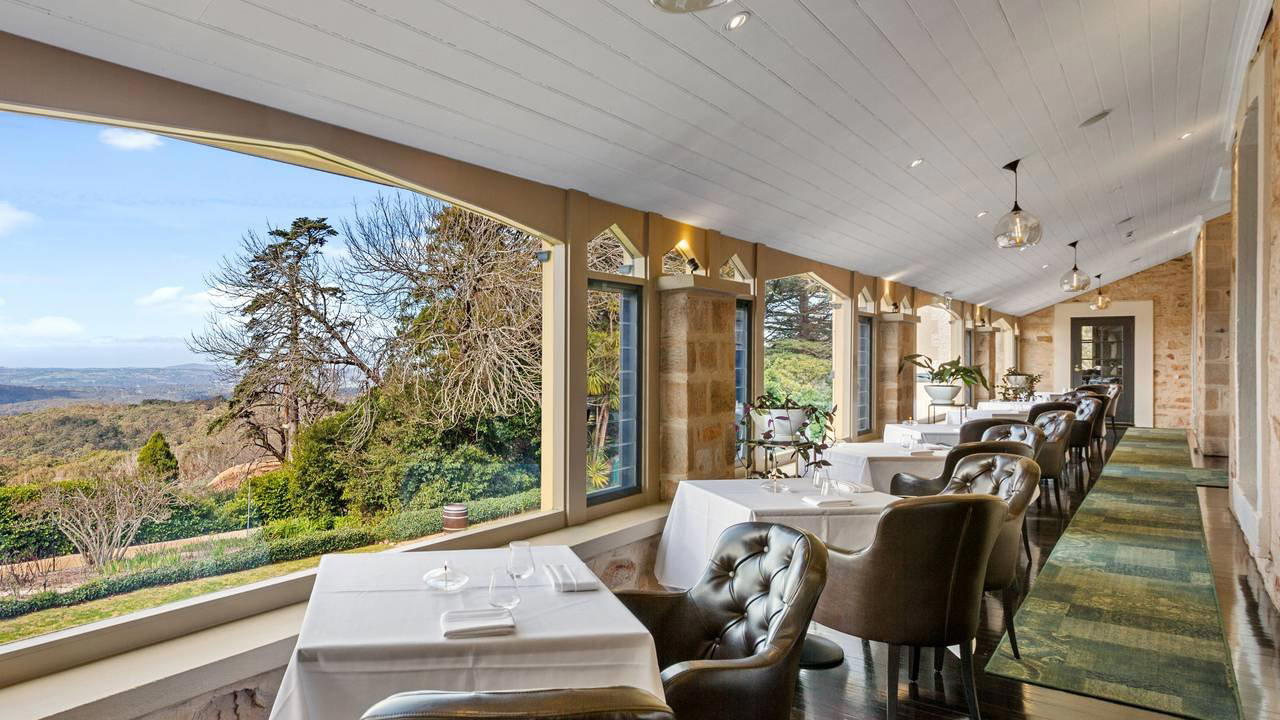
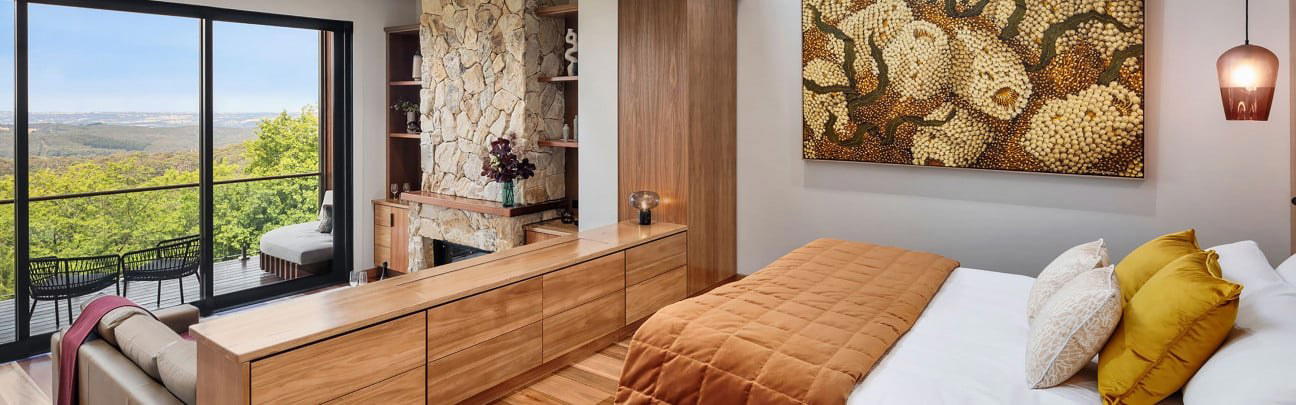
Cozy modern tasting room with sun-filled deck offering dramatic views over vineyards and hills, praised for relaxed hospitality.