Stirling Hotel

Star Wine List
Our verdict
The Stirling Hotel sits at the centre of the Adelaide Hills village of Stirling, drawing on the region's exceptional produce and wine to deliver a pub experience that reads more like a regional dining destination. The kitchen puts local growers and winemakers front and centre, making it a natural reference point for anyone wanting to understand what the Hills does well at the table.

Pearl is the En Primeur Club membership app — saves, bookings, and concierge access live there. Same editors, same standards.
- Address
- 52 Mount Barker Rd, Stirling SA 5152, Australia
- Phone
- +61 8 8339 2345
- Website
- stirlinghotel.com.au
- Directions
- Get directions
- Booking
- Book on SevenRooms
The menu
What to order
- Oysters Kilpatrick
- Sirloin Steak with Garlic Butter
- Wagyu Rump
- Porchetta
A Village Pub Shaped by What Grows Around It
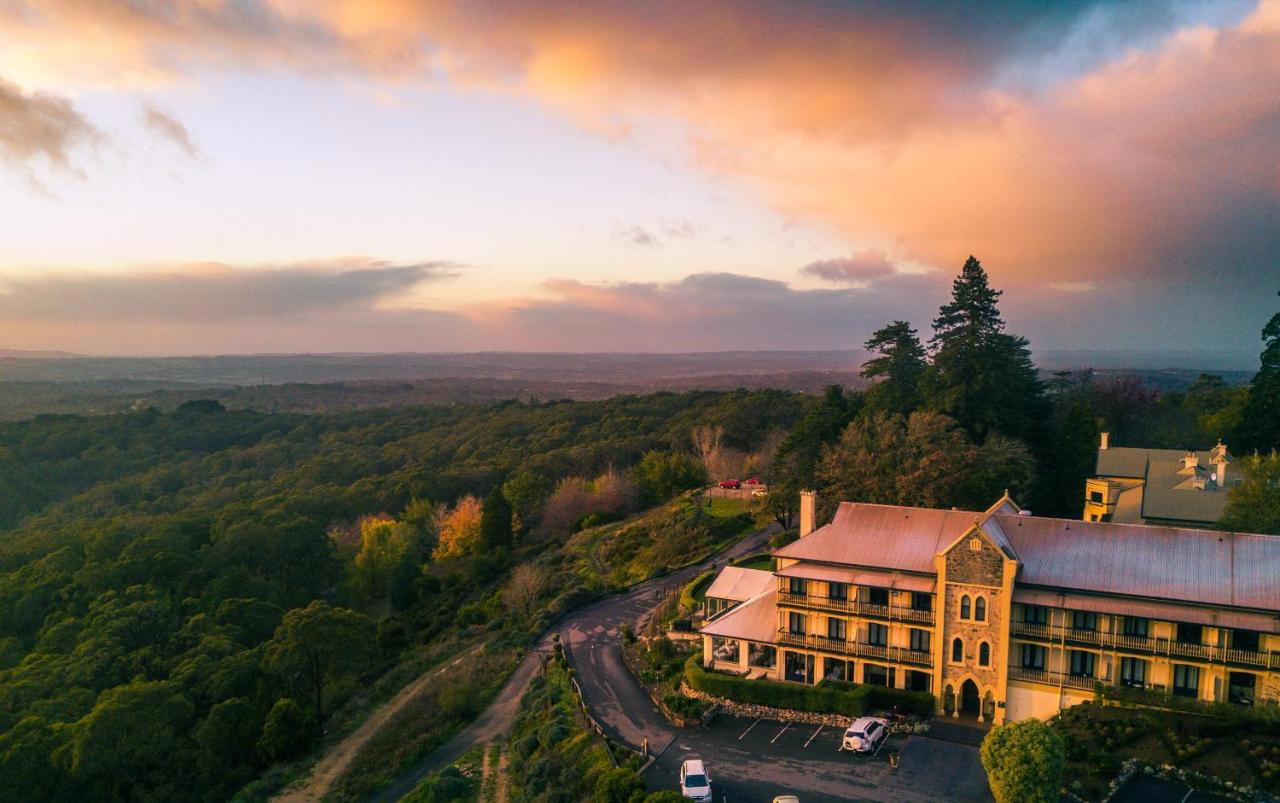
Approaching Stirling along Mount Barker Road, the shift from Adelaide's suburbs is gradual but decisive. The temperature drops a few degrees, eucalypts close in, and the village's main street arrives with the quiet self-possession of a place that has never needed to announce itself. The Stirling Hotel sits on that main street at number 52, a building that carries the proportions and timber-and-stone character typical of South Australian country hotels from an earlier century. What happens inside, though, is shaped almost entirely by what grows, grazes, and ferments within a short radius of the front door.
The Adelaide Hills has spent the past two decades building one of Australia's most credible cool-climate food and wine identities. Altitude and maritime influence from the nearby Southern Ocean produce growing conditions that suit Chardonnay, Pinot Noir, Gruner Veltliner, and Sauvignon Blanc in ways that the warmer Barossa floor cannot replicate. The same conditions favour market gardens, orchards, small-scale cheesemakers, and the kind of pasture-raised livestock that underpins serious regional cooking. A pub positioned at the heart of that supply web has an obvious editorial advantage, and the Stirling Hotel's reputation rests on how deliberately it uses that proximity. For a broader map of where the hotel sits within the region's eating and drinking options, see our full Adelaide Hills restaurants guide.
The Sourcing Argument Made Concrete
The case for ingredient sourcing as a culinary framework rather than a marketing posture is made most clearly at venues where producer relationships are traceable and the menu changes in response to supply rather than driving it. Regional pubs across southern Australia have increasingly positioned themselves this way, though the quality of execution varies considerably. At one end of the spectrum sit properties like Brae in Birregurra, where the kitchen grows much of what it serves on a working farm, or Hentley Farm in Seppeltsfield, which operates inside a wine estate and treats the surrounding landscape as a direct larder. The Stirling Hotel operates in a different register from those destination tasting-menu formats, but the underlying logic is the same: the Adelaide Hills supplies the ingredients, and the kitchen's job is to present the region honestly.
This matters because the Hills is not a background note in Australian food culture. The region supplies stone fruits, berries, heritage-breed pork, and some of the country's more interesting small-production cheeses. When a kitchen in Stirling village draws from those suppliers directly, the results carry a specificity that imported produce cannot replicate. The seasonality is built in, not imposed. A spring menu will reflect what the Hills orchards are yielding; a winter menu will lean on root vegetables and braises that suit the altitude. Producers operating at this scale tend to supply fewer venues, which concentrates quality at the restaurants willing to commit to that supply chain year-round.
Comparison helps place the approach. Saint Peter in Sydney has made a comparable argument around Australian seafood, where the sourcing philosophy defines the entire format. Agrarian Kitchen in Hobart runs its own farm and positions provenance as the editorial spine of its menu. Both operate at a higher price tier and with a tighter tasting format than a traditional pub, which is precisely what makes the Stirling Hotel interesting as a category: it carries the sourcing ethic without requiring the degustation architecture. A table of four can come for a mid-week meal and leave with a grounded sense of what the Hills produces without having committed to a four-hour tasting experience.
The Wine List as Regional Document
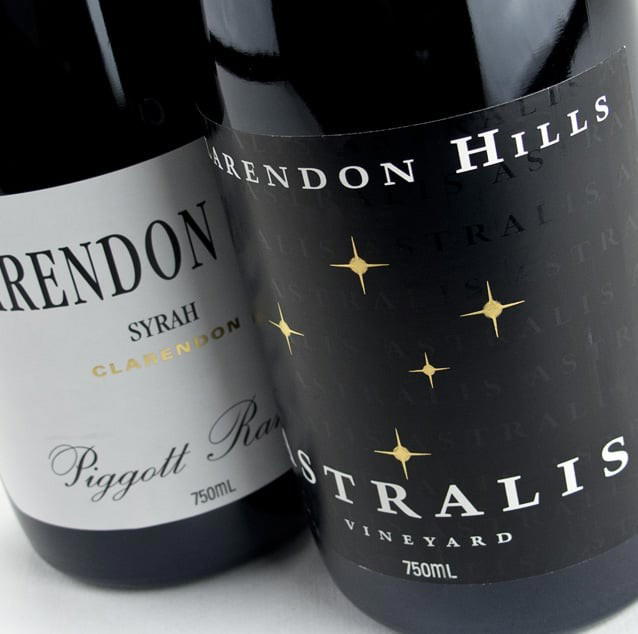
In a wine region with the depth of the Adelaide Hills, a venue's list is as much an argument as a selection. The Hills now has a peer group of producers whose work is taken seriously in the same breath as Margaret River Chardonnay or Mornington Peninsula Pinot. For a full reading of what the region offers in cellar-door and winery format, our full Adelaide Hills wineries guide covers the key producers in detail.
The broader context is that Australian regional dining has shifted significantly in the last decade toward what might be called the local-first model, where the wine list and the menu speak the same geographic language. Venues like Amaru in Armadale and Carlton Wine Rooms in Carlton have built recognition around exactly this alignment. A pub in a wine village that pours the region's producers by the glass is, in structural terms, making the same argument at a more accessible price point.
The Broader Adelaide Hills Scene
Stirling sits roughly 20 kilometres from Adelaide's CBD, making it reachable by car in under 30 minutes from the city centre under normal conditions. The village is compact enough to cover on foot once you arrive, with the hotel's Mount Barker Road address placing it within easy reach of the main strip. For visitors building a day around the Hills, the eating and drinking circuit extends east toward Hahndorf and north toward the Piccadilly Valley producers. Our full Adelaide Hills bars guide covers the drinking options across the region, and our full Adelaide Hills hotels guide maps the accommodation tier from boutique guesthouses to larger properties. The Adelaide Hills experiences guide adds a cultural and activity layer for anyone spending more than a day in the region.
The hotel functions as the kind of address that regulars return to on rotation rather than treating as a special occasion reservation. That pattern, common to well-run regional pubs with serious kitchens, is often more revealing of quality than award counts: a venue earns weekly business from locals with good palates and easy access to alternatives only if it is consistently executing at a level that justifies the choice. In a village surrounded by serious cellar doors and producer restaurants, that bar is set by geography.
Planning Your Visit
The hotel is located at 52 Mount Barker Road, Stirling SA 5152, accessible from Adelaide via the South Eastern Freeway with the Stirling exit placing visitors directly into the village. Weekend lunch in particular draws both local and city visitors, so arriving without a reservation during peak periods carries more risk than a midweek visit. For context on how the Stirling Hotel sits relative to other regional dining addresses across Australia worth comparing it against, Kadota in Daylesford and Dan Arnold in Fortitude Valley represent the kind of regional and urban operators working in adjacent territory.
Frequently asked questions
Is Stirling Hotel suitable for children?
The Stirling Hotel operates as a traditional Australian pub at 52 Mount Barker Road, and venues in this South Australian category typically accommodate families in designated dining areas. It is worth confirming current family seating arrangements directly with the hotel before visiting, particularly during busy weekend periods when the dining room fills with regulars from across the Hills.
What's the overall feel of Stirling Hotel?
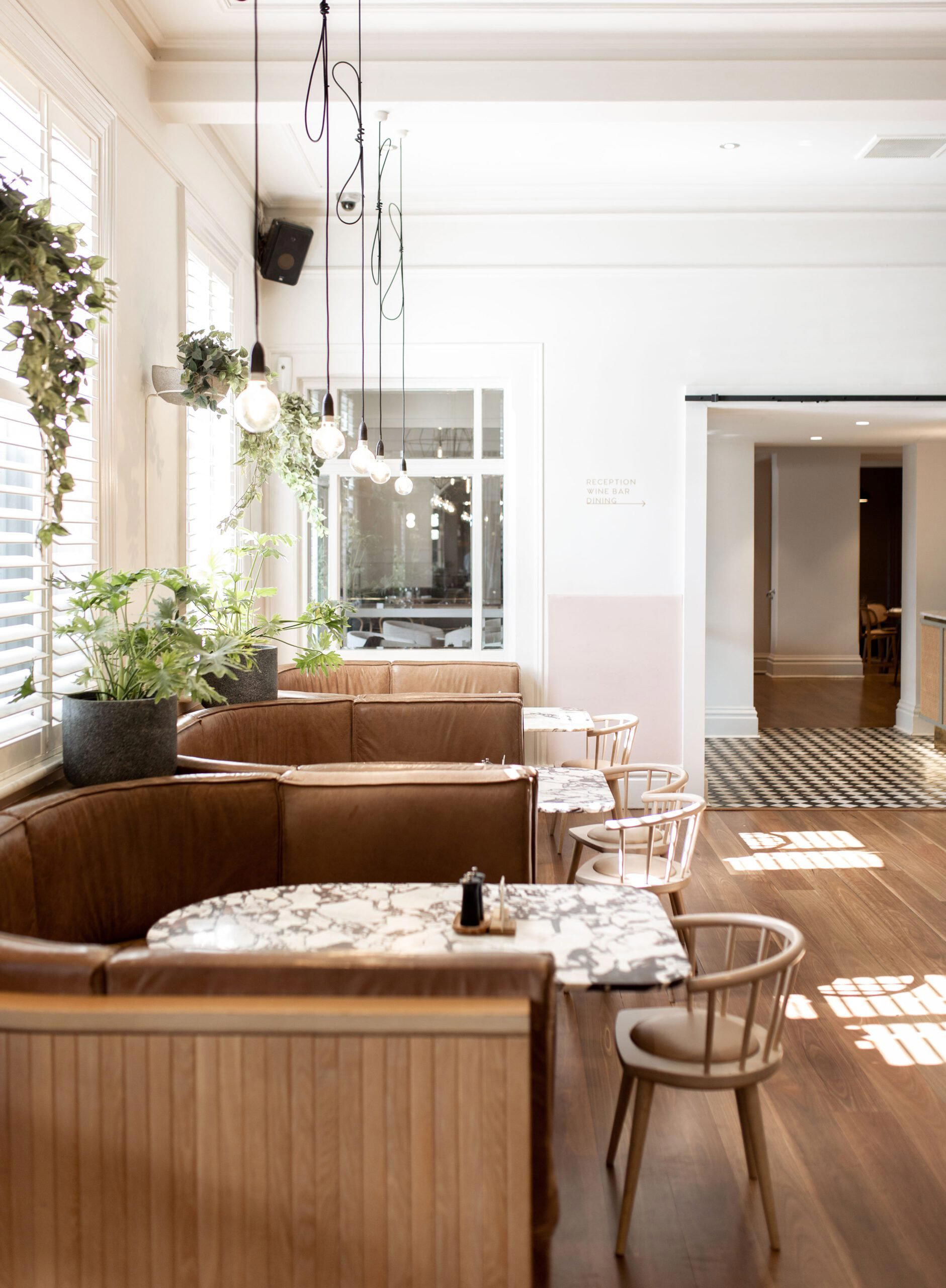
The hotel reads as a regional pub with a genuine commitment to Adelaide Hills produce and local wine rather than a polished restaurant wearing pub clothes. The heritage building on Stirling's main road sets a grounded, village tone: the kind of place where a serious wine list sits alongside unpretentious service. It functions as both a local and a destination, roughly 20 kilometres from Adelaide's CBD.
What distinctions does Stirling Hotel have?
Stirling Hotel has received recognition including: The Stirling Hotel is a hidden gem and an untouched beauty. It is located in the heart of the Adelaide Hills, showcasing what this wine region is worth and showing off its best local champions in food....
What do regulars order at Stirling Hotel?
EP Club's verified data does not include confirmed dish details so naming specific items would be speculative. What the record does confirm is that the kitchen draws on Adelaide Hills producers, which typically means the strongest orders follow whatever is seasonal and locally sourced. Asking staff what has come in from the region that week is a reliable strategy at produce-led venues like this one.
How It Stacks Up
Comparable venues nearby, for context on price, style, and recognition.
| Venue | Cuisine | Price | Awards | Notes |
|---|---|---|---|---|
| Stirling HotelThis venue — the venue you are viewing | Modern Australian Gastropub | $30–50 | Star Wine List | Not listed |
| Agora Greek Cuisine | Greek Cuisine | $30–50 | Not listed | North Adelaide |
| Jess Lemon | Dessert Cafe | Not listed | Not listed | Nunawading |
| Tilbrook Estate | Authentic Italian Pizza & Tapas | Not listed | Not listed | Lobethal, Adelaide Hills |
Recognition history
Dated appearances from independent guides and award organizations, with the underlying list record or original source where available.
Star Wine List
Star Wine List
Continue exploring
More in Adelaide Hills
Restaurants in Adelaide Hills
Browse all →
Bars in Adelaide Hills
Browse all →
Hotels in Adelaide Hills
Browse all →

Details
- Romantic
- Classic
- Cozy
- Elegant
- Date Night
- Group Dining
- Family
- Casual Hangout
- After Work
- Hotel Restaurant
- Terrace
- Live Music
- Extensive Wine List
- Beer Program
- Local Sourcing
- Street Scene
- A La Carte
- Wine
- Craft Beer
- Vegetarian Friendly
- Vegan Options
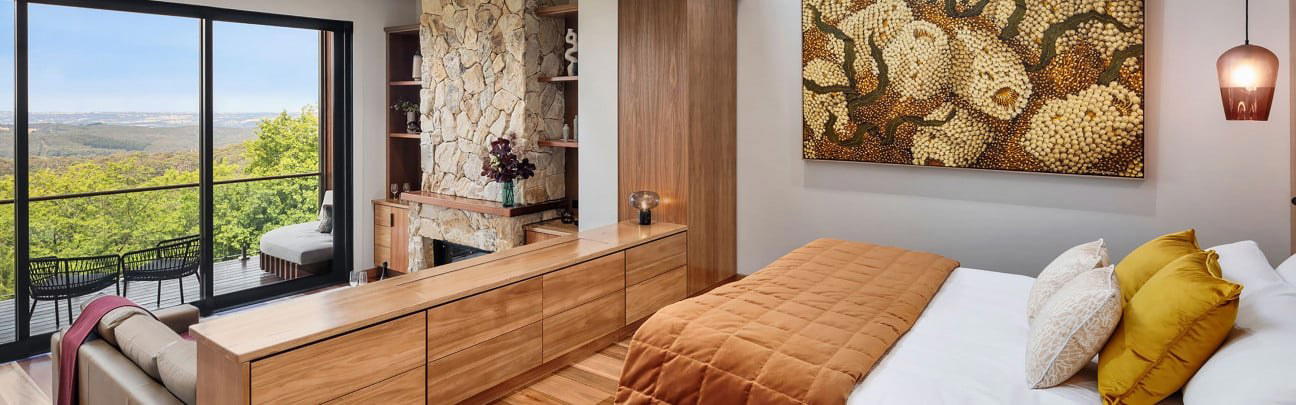
Warm and inviting with a mix of modern and classic elements; features fireplaces, balconies overlooking the main street, and a lively atmosphere with occasional live entertainment that can be noisy.