
Star Wine List
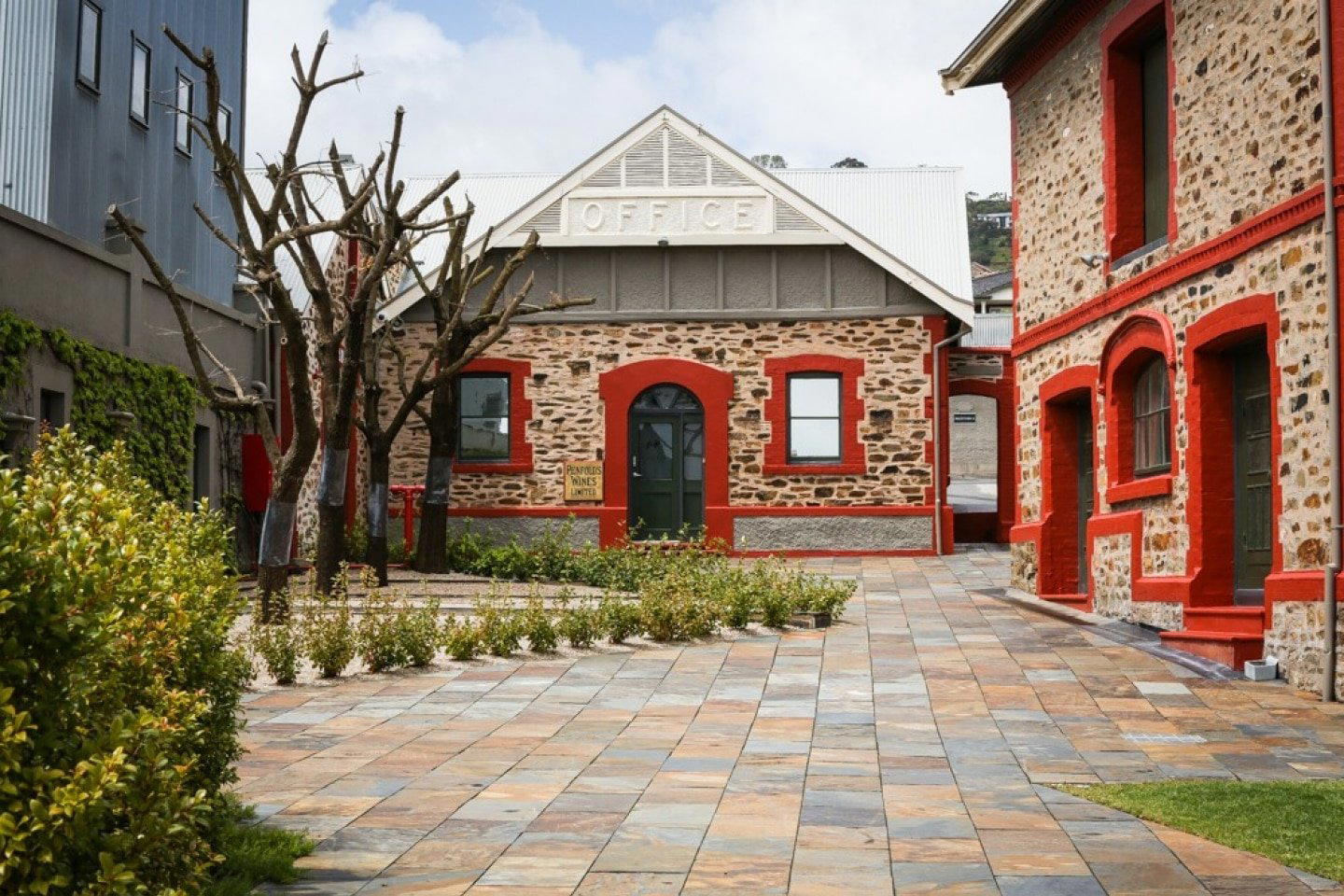
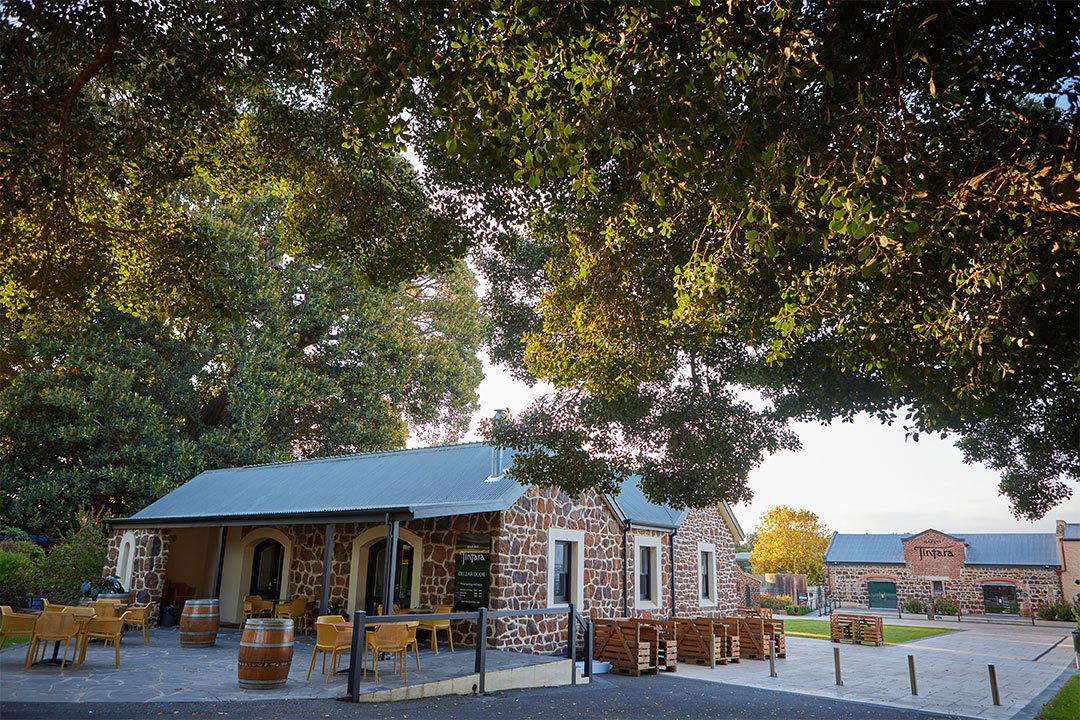
On Hutt Street, just south of Adelaide's city grid, Bar Torino occupies a stretch of colonial-era stone buildings that gives the block a distinctly European register. The bar runs a laidback but considered atmosphere that places it closer to a Roman aperitivo bar than an Australian pub. It sits in good company on a street lined with independent eateries and neighbourhood wine rooms.

Pearl is the En Primeur Club membership app — saves, bookings, and concierge access live there. Same editors, same standards.
- Address
- 158 Hutt St, Adelaide SA 5000, Australia
- Phone
- +61 8 8155 6010
- Hours
- Mon–Wed 3–11 PMThu 3 PM–12 AMFri–Sat 12 PM–1 AMSun Closed
- Website
- bartorino.com.au
- Directions
- Get directions
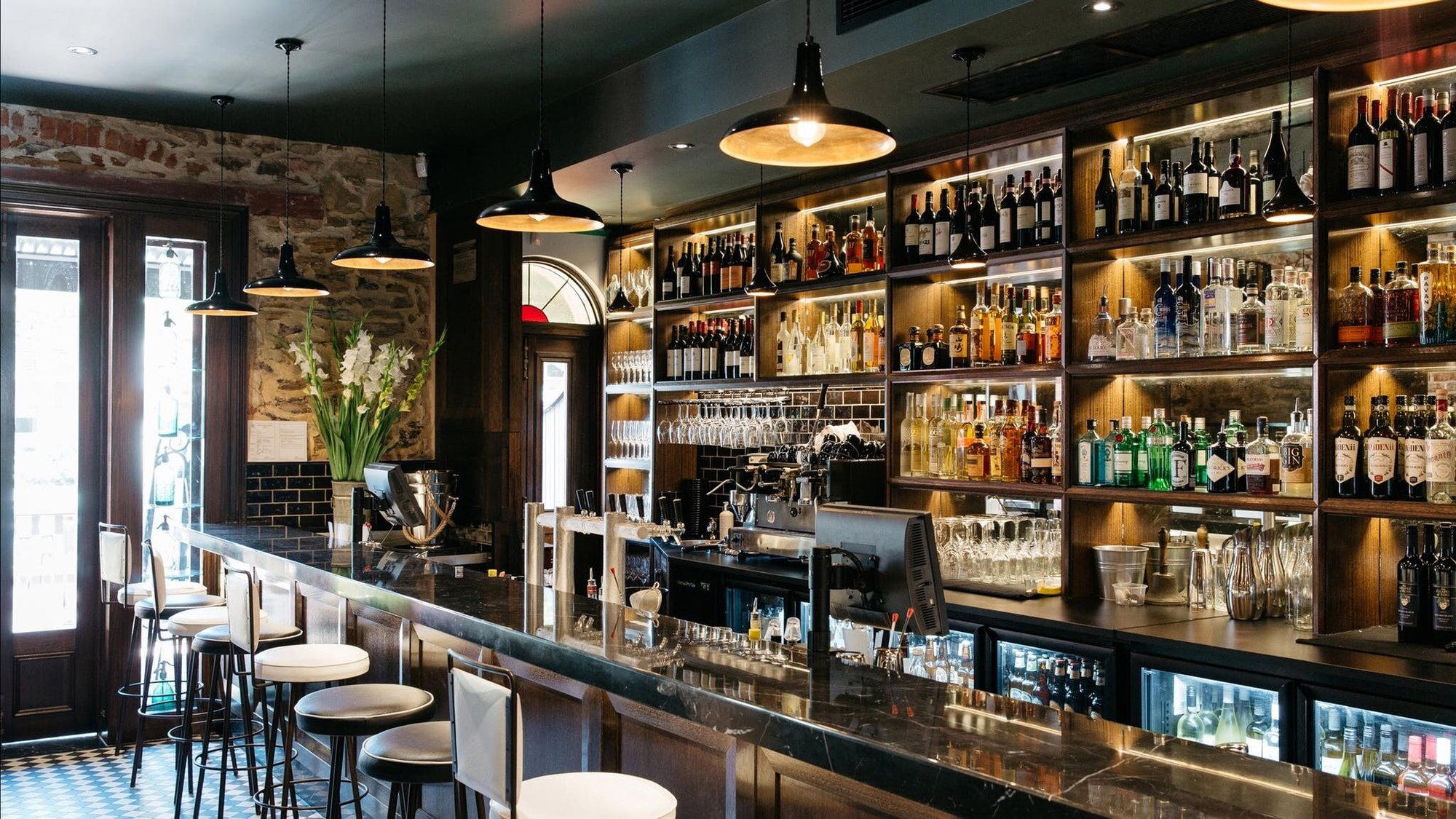
A Street That Sets the Tone
Hutt Street does something that few Adelaide thoroughfares manage: it earns its own character rather than borrowing it from the CBD. The colonial-era stone facades that line this stretch of Parkside create a visual register that reads as older and quieter than the city grid two blocks north. The eateries and wine bars that have gathered along this corridor over recent years have taken that cue seriously, and Bar Torino at number 158 is among the more deliberate expressions of what Hutt Street has become: a place where you stay longer than you planned.
The bar's atmosphere draws comparisons to a European tavola calda or aperitivo counter, and that comparison holds in the physical sense as much as the philosophical one. The fit-out leans toward warmth and occupation rather than spectacle: the kind of room that feels inhabited rather than staged. In a city where many bars still orient themselves around the weekend rush, Bar Torino operates at a pace that suits a Tuesday evening as readily as a Friday. That consistency of atmosphere is harder to achieve than it looks.
How the Space Works
The design language at Bar Torino follows a pattern that has gained traction in Australian bars serious about creating genuine neighbourhood gravity: restrained materiality, lighting calibrated low enough to encourage conversation but not so theatrical it announces itself, and a layout that lets groups settle without performing for the room. This positions it within a broader shift in Australian bar culture away from the high-volume, high-turnover formats that defined the previous decade and toward something that functions more like a continental wine bar or enoteca.
That design approach is echoed in Adelaide's more considered drinking venues. Apoteca and Bar Lune occupy adjacent territory in the city's bar scene, each working through its own interpretation of the intimate, craft-led format. Clever Little Tailor represents another strand: the more technical cocktail-forward approach that has drawn its own audience in the city centre. Bar Torino sits in a slightly different register, one that prioritises the ease of the room over the demonstration of technique.
The Hutt Street Context
Understanding Bar Torino requires understanding its block. Hutt Street has developed a density of independent food and drink operators that makes it function as a destination rather than a thoroughfare. The colonial stone buildings that anchor the street's visual identity were built for other purposes entirely, but they have proved well-suited to the kind of low-key, repeatable hospitality that neighbourhood bars depend on. The thick walls and modest proportions of these buildings work with rather than against the atmosphere that venues like Bar Torino are trying to create.
This is a recognisable pattern in cities with strong neighbourhood bar cultures. In Sydney, Fratelli Paradiso in Potts Point has long demonstrated how a street-level European tone can anchor a neighbourhood's social rhythm. In Brisbane, Bowery Bar occupies a comparable position relative to its immediate surroundings. In Melbourne, 1806 represents the more technically ambitious end of the same neighbourhood-anchor format. Bar Torino is working within a well-established mode, and Hutt Street gives it the right conditions to do so convincingly.
Wine, Aperitivo, and the Italian Frame of Reference
The Italian reference in the name is doing substantive work rather than decorative work. Bars that position themselves around an aperitivo sensibility tend to treat drinking as a social mechanism rather than the end in itself: the drink opens the evening, accompanies conversation, and creates the conditions for staying. That framing shifts what the bar does and how it feels. The pace slows. The room settles. The focus moves from the glass to the table.
Adelaide's wine culture gives this model particular traction. The Barossa, McLaren Vale, and Clare Valley are all within easy reach, and the city's bar scene has developed a literacy around Australian and European wine that makes a list-led bar format sustainable here in a way it might not be in other Australian cities. For wine-oriented bars in Adelaide, East End Cellars sets a reference point on the retail-and-bar hybrid end of the spectrum. Bar Torino approaches the same wine-literate audience through a more purely hospitality-driven format.
Internationally, the aperitivo model has proved durable across different markets. Cantina OK! in Sydney demonstrates how a committed Italian frame of reference can operate at very small scale with high credibility. La Cache à Vín in Spring Hill and Blu Bar on 36 in The Rocks each demonstrate different ways that a clear conceptual identity can anchor a bar's reputation independent of size or spectacle. Bar Leather Apron in Honolulu shows how the same principle of considered, low-key quality extends across entirely different geographies. Bar Torino sits in this broader pattern: bars that earn repeat visits through consistency and atmosphere rather than novelty.
Planning a Visit
Bar Torino sits at 158 Hutt Street, roughly a ten-minute walk from Adelaide's central tram stops or a short ride from the CBD. The street itself rewards walking: the eateries and wine bars on either side of Bar Torino make Hutt Street a sensible frame for an evening rather than a single-stop destination. The bar's laidback register makes it workable across the week, though weekend evenings bring the fuller expression of its neighbourhood-anchor role.
Where It Fits
Comparable venues nearby, for context on price, style, and recognition.
| Venue | Cuisine | Price | Awards | Notes |
|---|---|---|---|---|
| Bar TorinoThis venue — the venue you are viewing | cocktail_bar | Not listed | Star Wine List | Not listed |
| Jennie Wine Bar | wine_bar | $20–30 | Star Wine List | Peel Street |
| Fú Cocktail & Wine Bar | cocktail_bar | Not listed | Star Wine List | North Adelaide |
| La Buvette Drinkery | cocktail_bar | Not listed | Star Wine List | West End |
| Apoteca | wine_bar | Not listed | Star Wine List | West End |
| Clever Little Tailor | cocktail_bar | $20–30 | Star Wine List | Peel Street |
Recognition history
Dated appearances from independent guides and award organizations, with the underlying list record or original source where available.
Star Wine List
Star Wine List
Continue exploring
More in Adelaide
Bars in Adelaide
Browse all →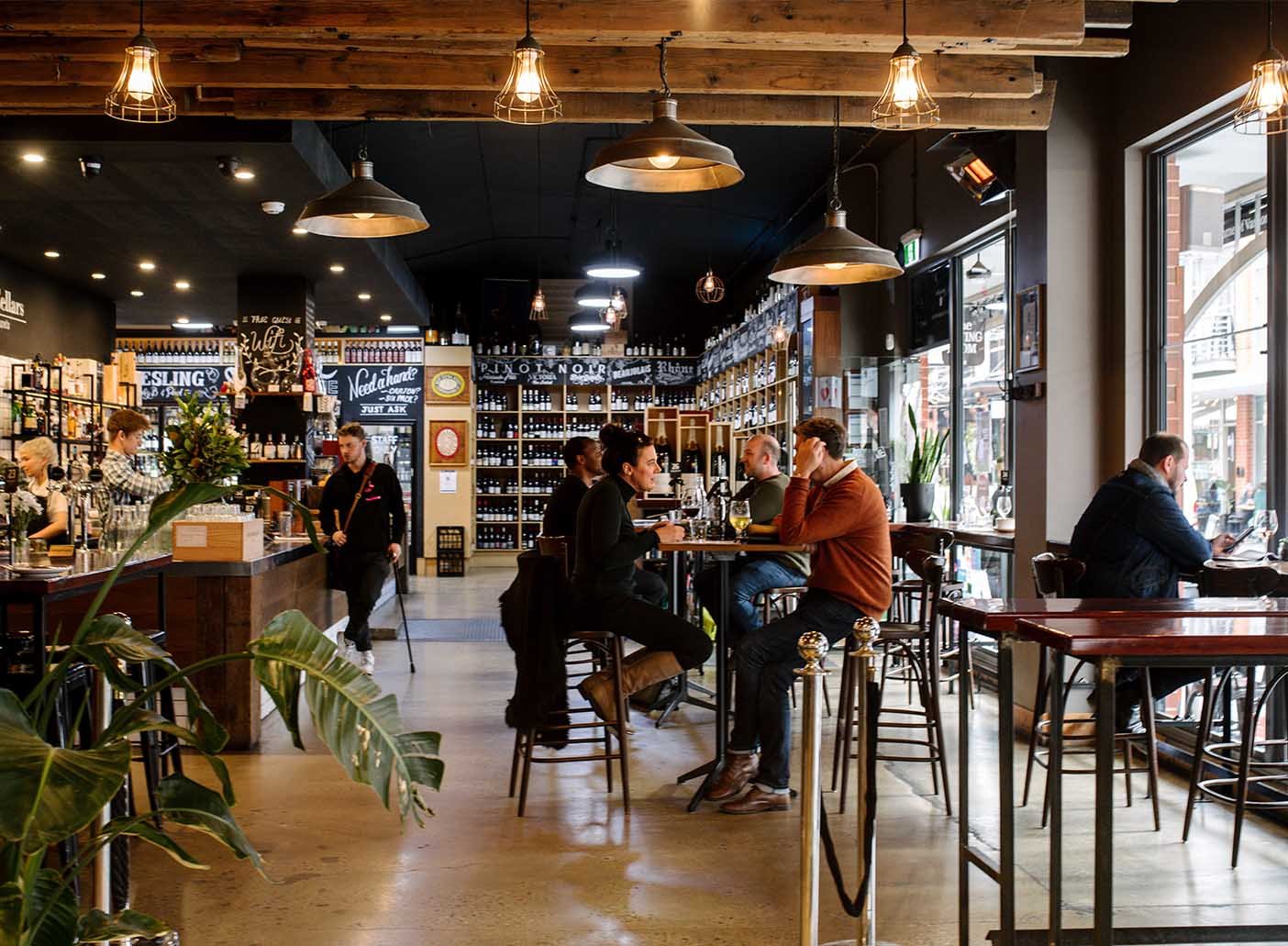
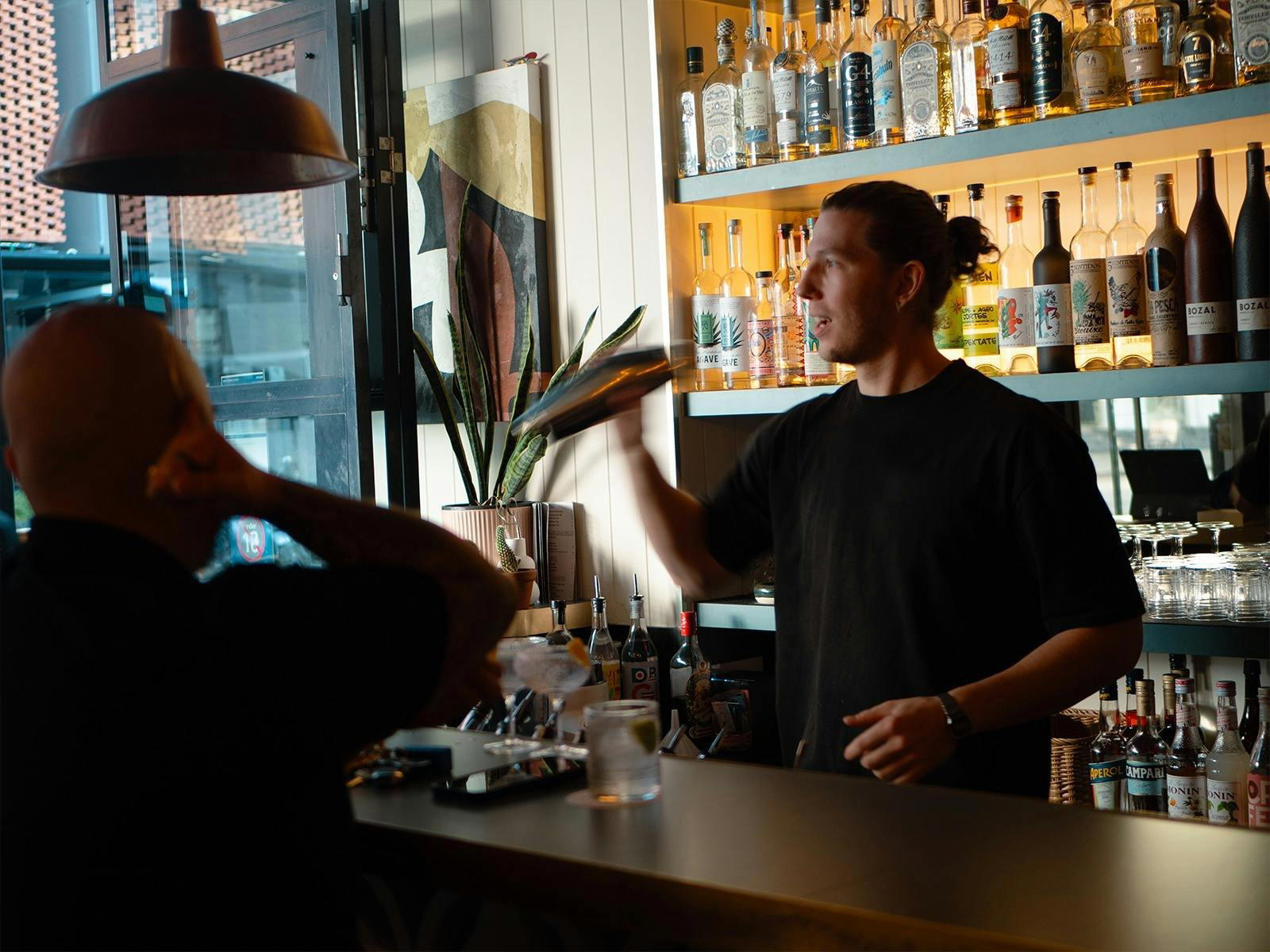
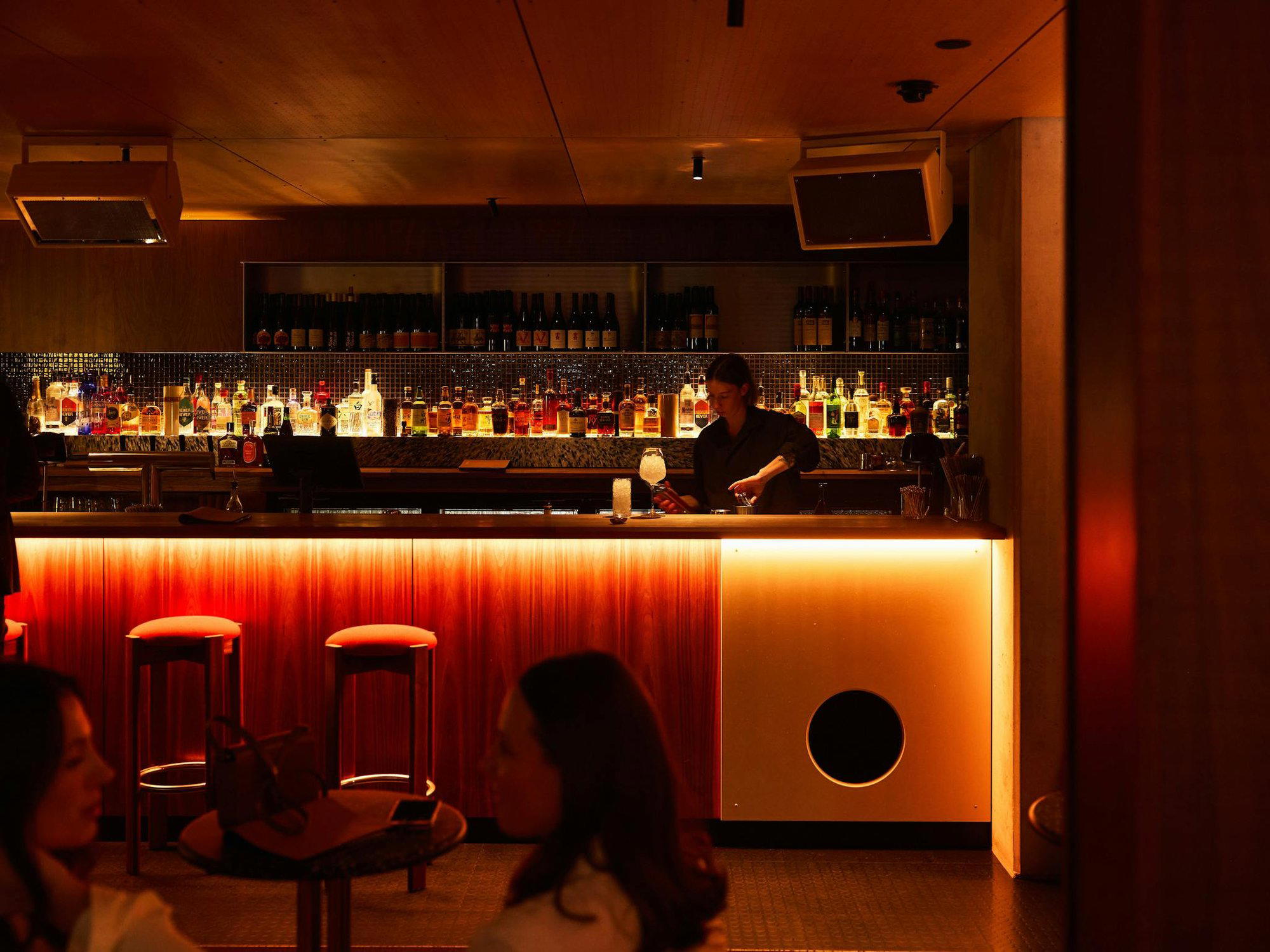
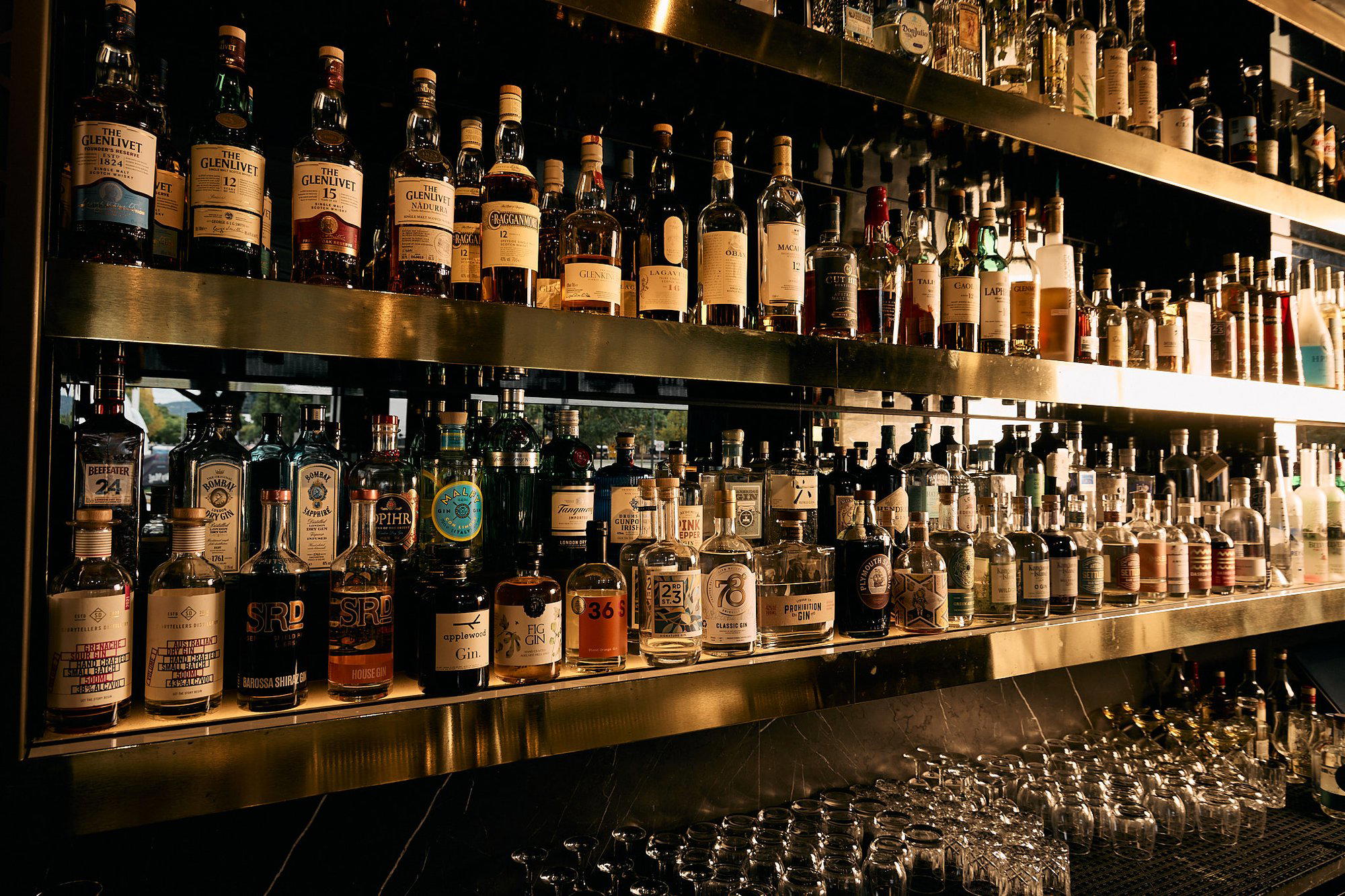
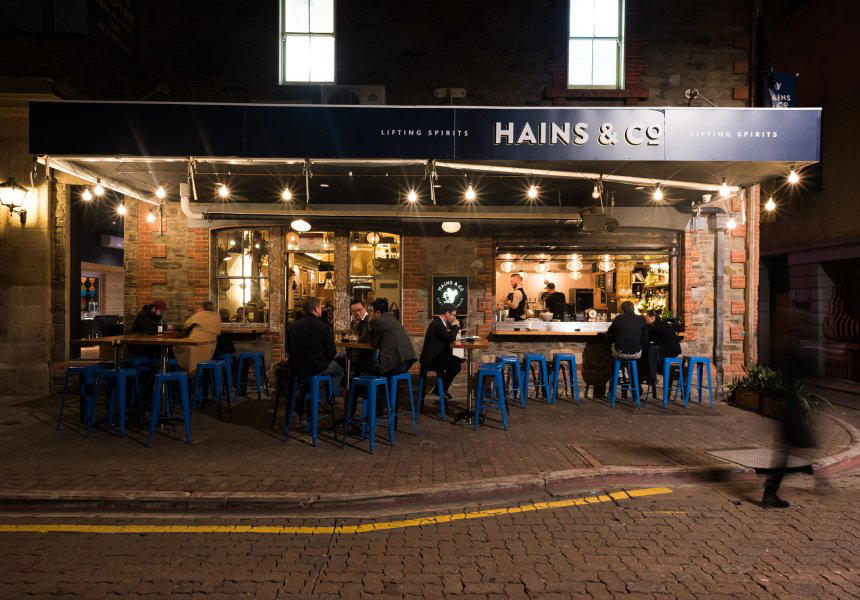
Restaurants in Adelaide
Browse all →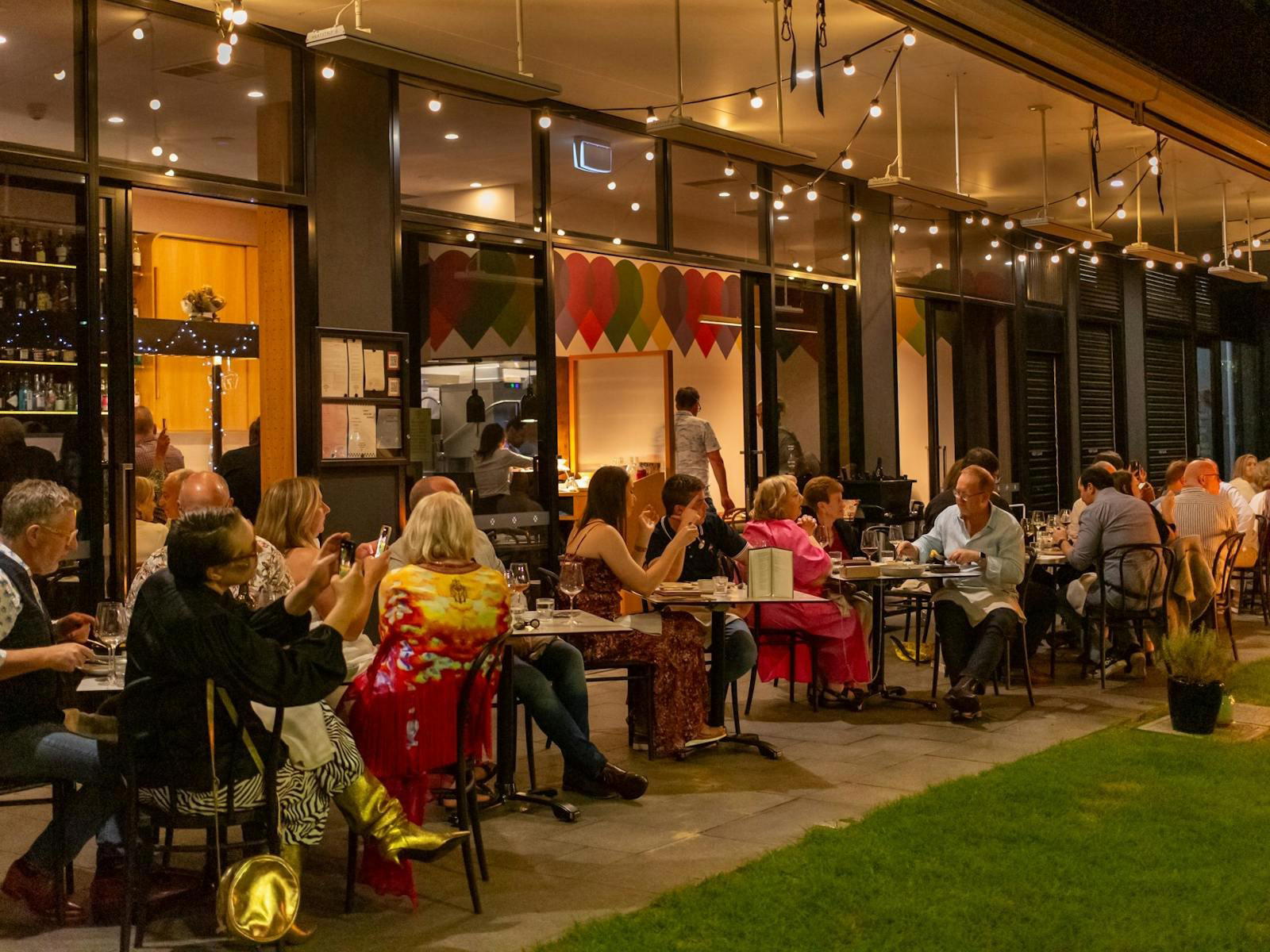
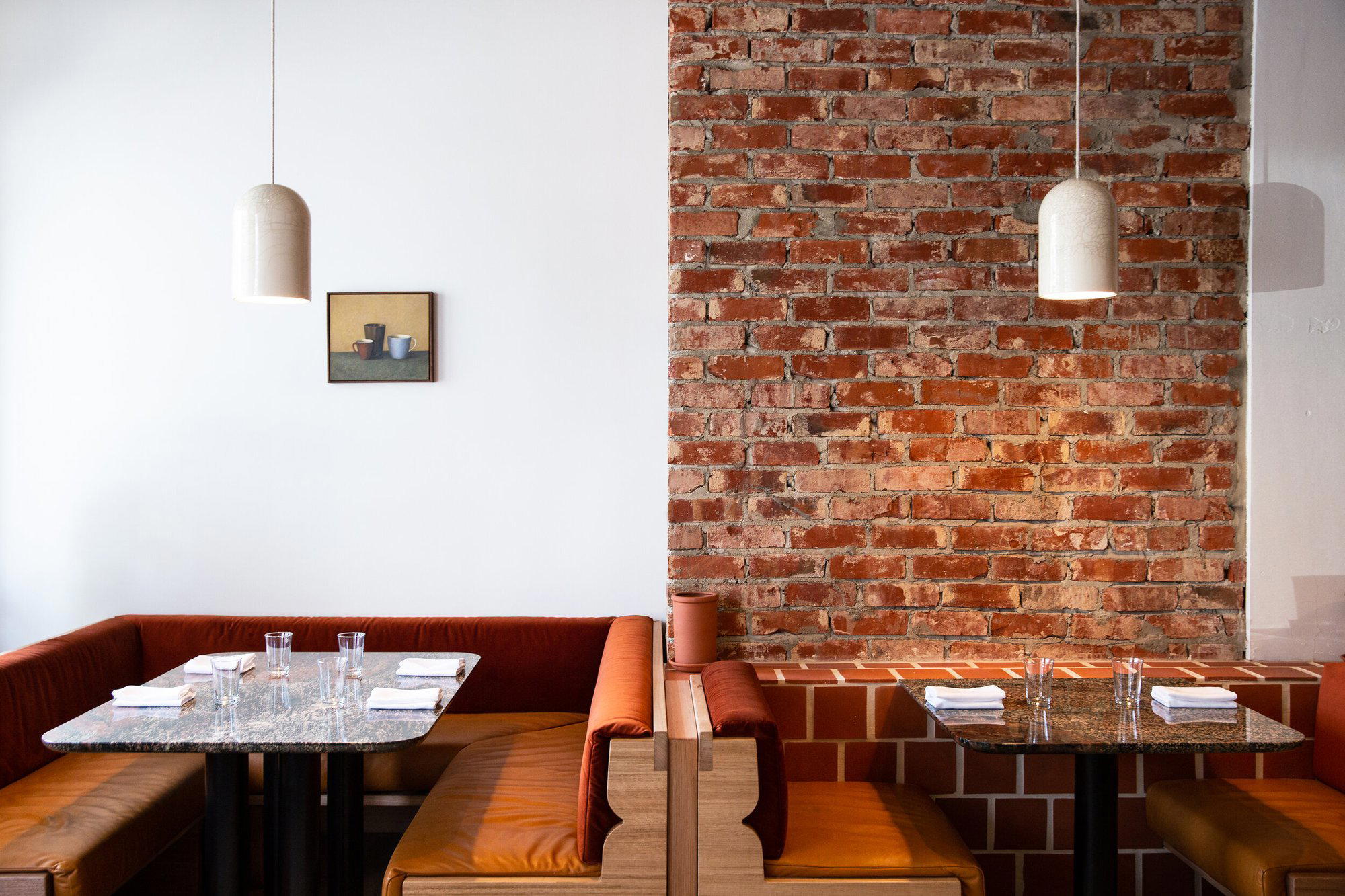
Hotels in Adelaide
Browse all →
Details
- Cozy
- Trendy
- Intimate
- Bohemian
- Date Night
- After Work
- Group Outing
- Design Destination
- Seated Bar
- Booth Seating
- Communal Tables
- Classic Cocktails
- Craft Cocktails
Current opening hours
- Monday
- 3–11 PM
- Tuesday
- 3–11 PM
- Wednesday
- 3–11 PM
- Thursday
- 3 PM–12 AM
- Friday
- 12 PM–1 AM
- Saturday
- 12 PM–1 AM
- Sunday
- Closed
Hours can change for holidays and private events. Last verified .
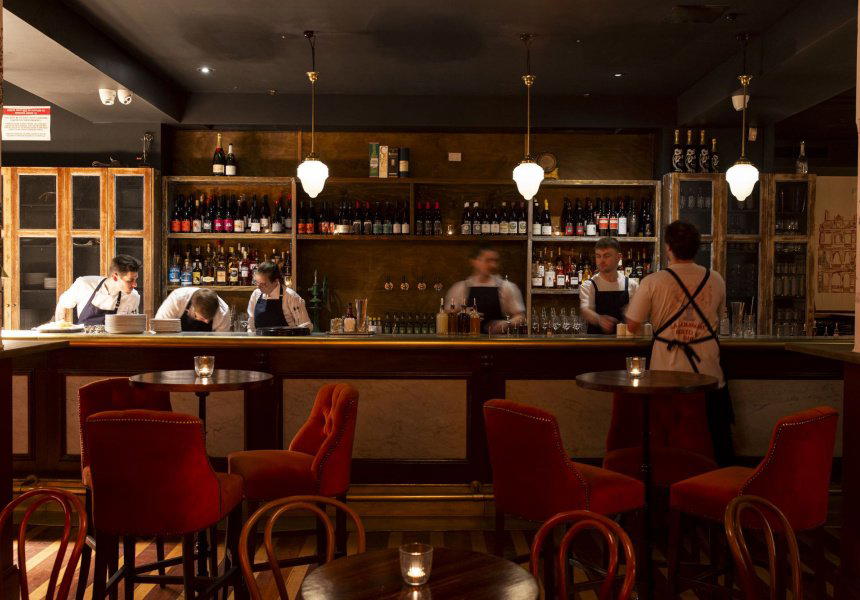
Cool, dark, and moody with low-hanging filament bulbs, exposed brick walls, banquettes, and a rustic yet contemporary tapas bar atmosphere.