Ashton Hills Vineyard

Falstaff Winery - Listed
The estate occupies one of South Australia's most serious Pinot Noir and Riesling addresses, where altitude and maritime influence shape wines that place it in a distinct tier within the region's increasingly competitive producer landscape.

Pearl is the En Primeur Club membership app — saves, bookings, and concierge access live there. Same editors, same standards.
- Address
- 126 Tregarthen Rd, Ashton SA 5137
- Phone
- +61 8 8390 1243
- Website
- ashtonhills.com.au
- Directions
- Get directions
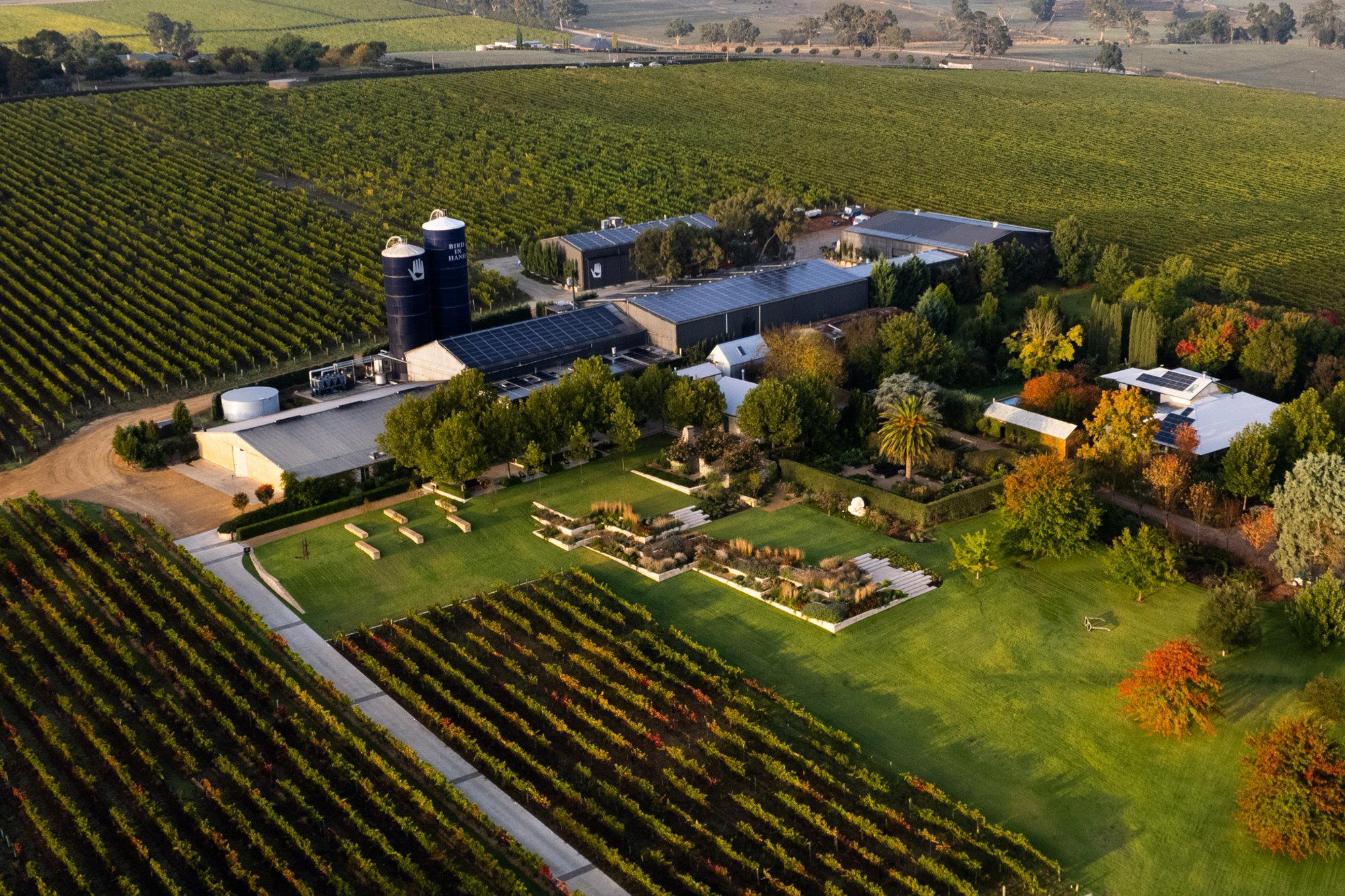
Gentle Folk and Murdoch Hill operate with similarly focused production philosophies, while Bird in Hand and Nepenthe represent the region's larger-scale commercial side. Ashton Hills belongs firmly to the specialist end of that spectrum: a property where site fidelity and restraint in the winery tend to matter more than volume.
The Adelaide Hills as a Cool-Climate Argument
South Australia's wine identity has long been anchored by warm-region power, the Barossa's Shiraz, McLaren Vale's fruit density. The Adelaide Hills represents a standing counterpoint. Altitude between 400 and 700 metres across the range brings average temperatures several degrees lower than the plains below, and the region's Pinot Noir, Chardonnay, and Riesling programs benefit accordingly. Acid retention, slower phenolic development, and a longer growing window all follow from that cooler base climate.
The Hills also shares some structural similarities with other southern hemisphere cool-climate benchmarks. Bass Phillip in Gippsland operates in a comparably marginal Australian Pinot Noir zone, where the argument for site specificity is similarly strong. In both cases, what distinguishes the producers at the top of their respective regions is not yield or scale but the ability to translate a specific piece of ground into something a wine drinker can identify across vintages.
Winemaking Philosophy in a Region That Rewards Restraint
Cool-climate viticulture in the Adelaide Hills follows a general logic that runs counter to the interventionist norms of warmer Australian winemaking. The aim, at estates like Ashton Hills, tends toward transparency, wines that carry the imprint of the season and the soil more than the winery. That approach aligns with a broader international shift toward lower-input production that has reshaped how the Hills' leading producers are perceived internationally.
Pinot Noir, in particular, rewards this restraint. The variety is constitutionally thin-skinned and resistant to heavy extraction; the leading examples from the Adelaide Hills tend toward red-fruit precision and savory length rather than the darker, more opaque profiles you find further north. Riesling, which also performs well in the Hills' granitic and siliceous soils, tends toward a limey, taut structure in youth with the acid architecture to develop over a decade or more.
Producers operating at this level in Australia often draw comparison with European benchmarks, and the comparison is sometimes useful. Aberlour aside, Australian estates at the cool-climate margin increasingly position themselves against Burgundian or Alsatian reference points rather than against domestic warm-region comparators.
The Adelaide Hills Producer Landscape
The Hills' producer list has diversified considerably over the past two decades. Early movers established the region's Sauvignon Blanc and Chardonnay credentials; a second wave pushed Pinot Noir and sparkling wine; more recently, Adelaide Hills Distillery (78°) signals how the region is extending beyond wine into spirits, following a pattern visible elsewhere in premium Australian wine regions.
Within the wine segment, the distinction that matters most for visitors choosing between estates is the gap between large-scale hospitality-driven producers and smaller, wine-focused properties. Ashton Hills sits in the latter camp.
For context on how the region distributes across price and prestige tiers, the full Adelaide Hills guide covers the broader range of producers, dining, and visitor formats across the Hills' sub-zones.
Visiting and Planning
Ashton is approximately 20 kilometres from the Adelaide CBD, accessible via the South Eastern Freeway and Norton Summit Road. The drive takes roughly 30 to 40 minutes depending on route and traffic, making the estate a viable half-day excursion from the city or a natural stop on a broader Hills itinerary that might also include Gentle Folk or Murdoch Hill.
Given the absence of confirmed cellar-door hours in the public record, visitors should verify opening days and booking requirements directly before arriving. Premium estates at this tier in the Hills have in several cases moved toward appointment-only formats, particularly outside the summer and harvest season. Autumn (March to May) and spring (September to November) are generally the most rewarding periods to visit South Australian wine country: the heat load is moderate, and the vineyard is either at harvest activity or early-season growth.
Producers working at a comparable prestige level elsewhere in Australia, from Brokenwood in Hunter Valley to Angove Family Winemakers in Renmark or Leading's Wines in Great Western, generally benefit from advance planning around cellar-door visits, and the same applies here.
Budget and Context
Comparable venues nearby, for context on price, style, and recognition.
| Venue | Cuisine | Awards |
|---|---|---|
| Ashton Hills VineyardThis venue — the venue you are viewing | Not listed | Falstaff Winery - Listed |
| Gentle Folk | Basket Range, Pinot Noir, Chardonnay | Not listed |
| Unico Zelo | Gumeracha, Fiano, Nero d'Avola | Not listed |
| Ochota Barrels | Basket Range, Grenache, Syrah | Falstaff Winery - Listed |
| Nepenthe | Balhannah, Sauvignon Blanc, Pinot Gris | Not listed |
Recognition history
Dated appearances from independent guides and award organizations, with the underlying list record or original source where available.
Falstaff Winery - Listed
Falstaff
Continue exploring
More in Adelaide Hills
Wineries in Adelaide Hills
Browse all →
Bars in Adelaide Hills
Browse all →
Restaurants in Adelaide Hills
Browse all →
Details
- Rustic
- Cozy
- Scenic
- Intimate
- Elegant
- Wine Education
- Solo Exploration
- Special Occasion
- Group Outing
- Vineyard Tour
- Estate Grounds
- Panoramic View
- Terrace
- Dry Farmed
- Sustainable
- Vineyard
- Mountain
- Garden
- Pinot Noir
- Chardonnay
- Riesling
- Still Red
- Still White
- Sparkling
- Still Rosé
- Cellar Door Tasting
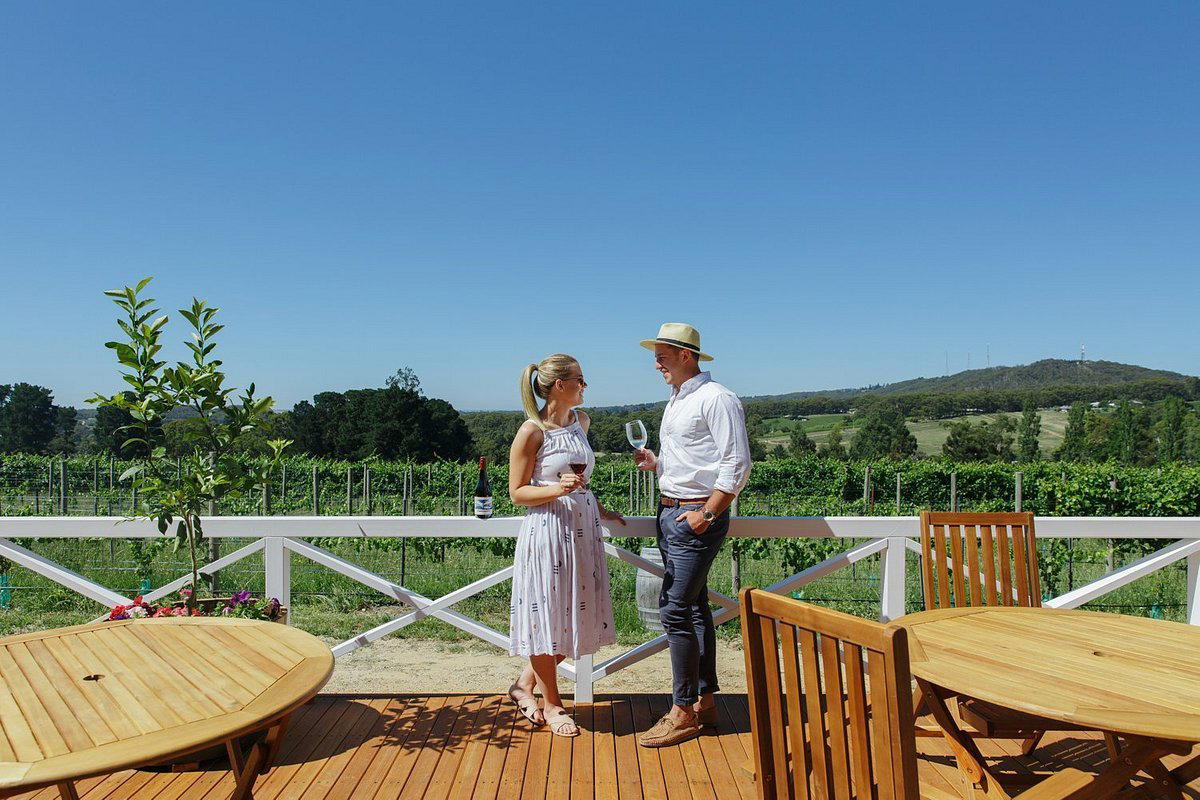
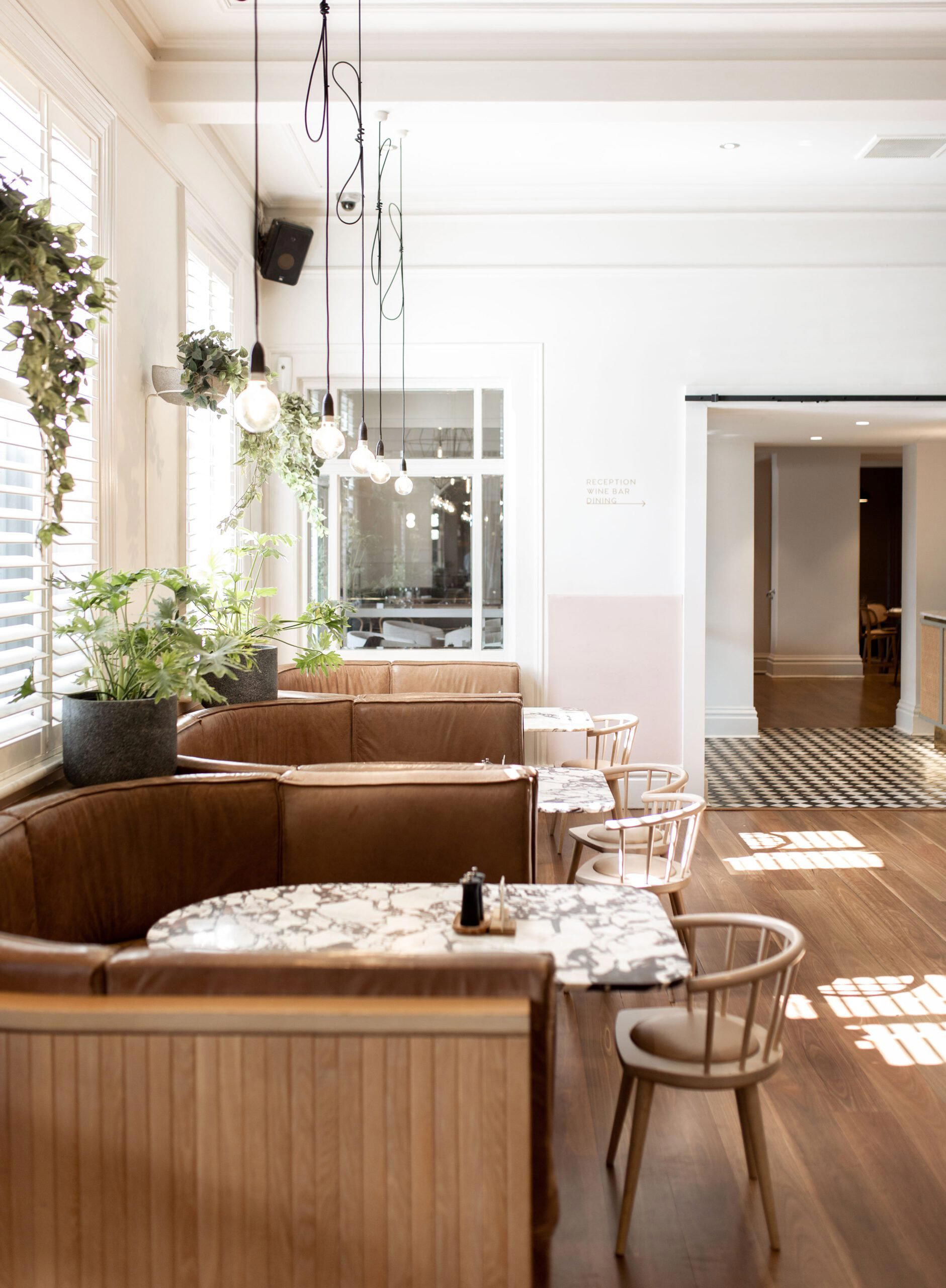
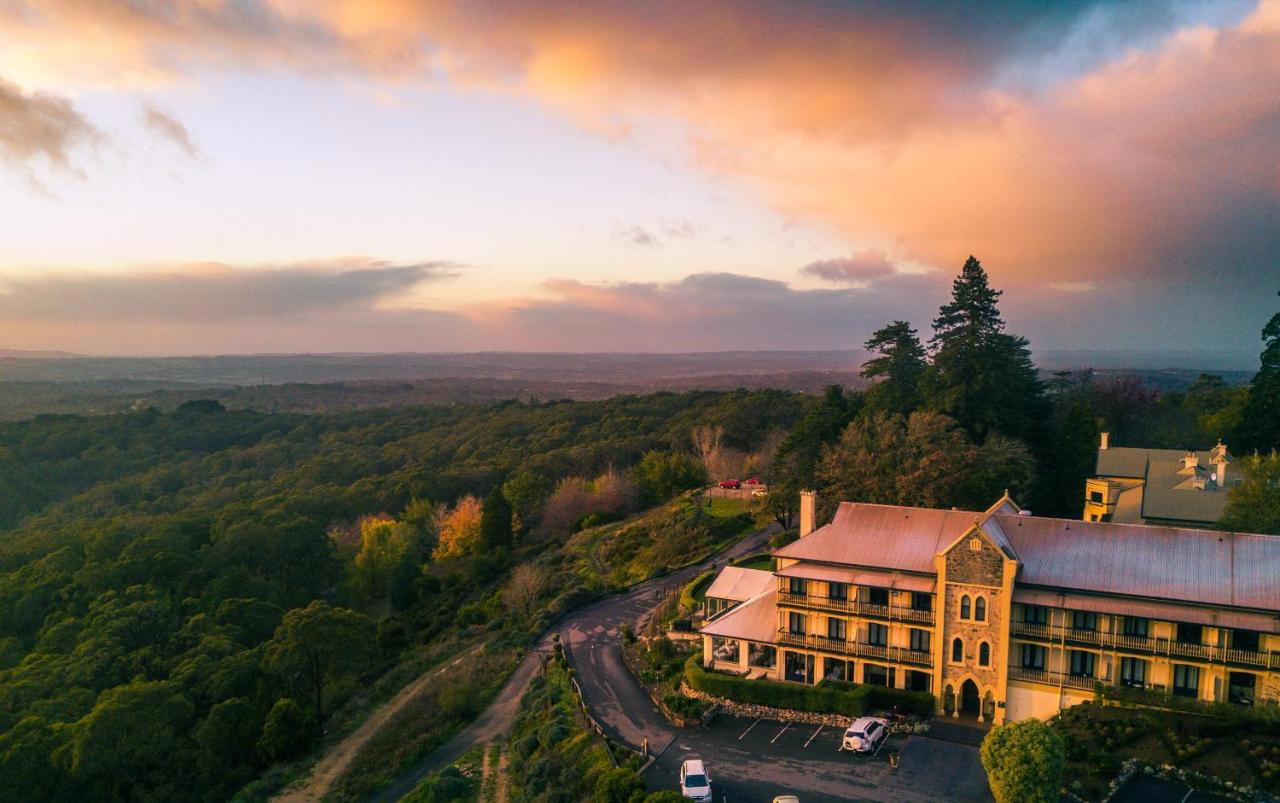
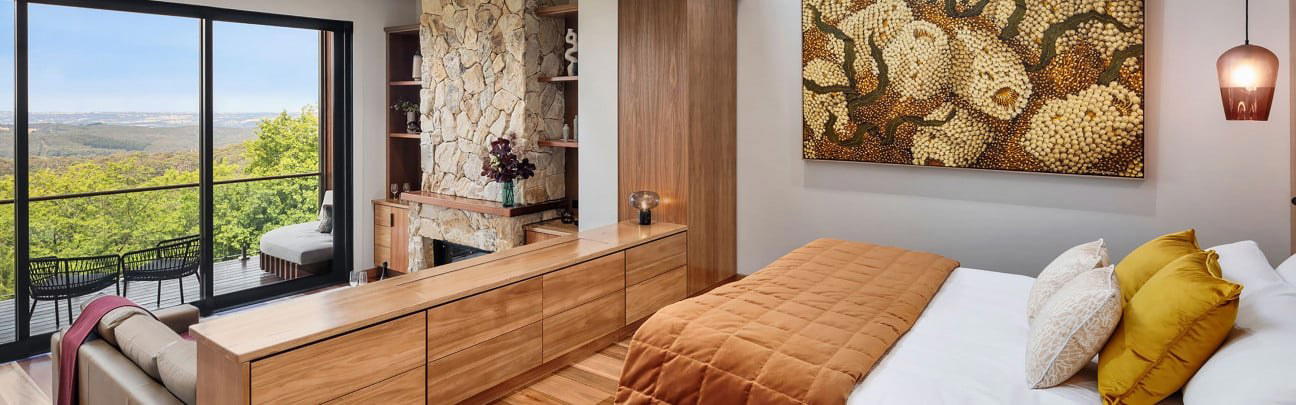
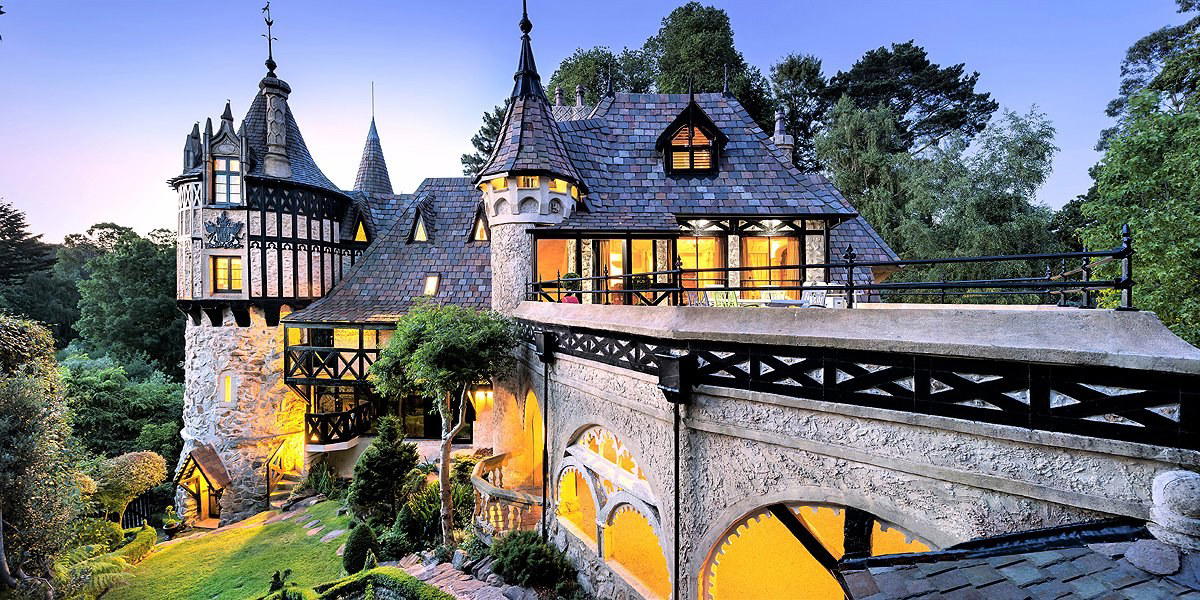
Cozy and rustic cellar door with fireplace, dramatic vineyard views, and a relaxed, welcoming atmosphere.