Gentle Folk
Sitting in a niche tier defined by low-volume, terroir-focused production, it draws comparisons with peers like Ashton Hills Vineyard and Murdoch Hill rather than the region's larger commercial names.
Pearl is the En Primeur Club membership app — saves, bookings, and concierge access live there. Same editors, same standards.
- Address
- 32 Plummers Rd, Forest Range SA 5139
- Phone
- +61 439 385 567
- Website
- gentlefolk.com.au
- Directions
- Get directions
 Saves & bookings on Pearl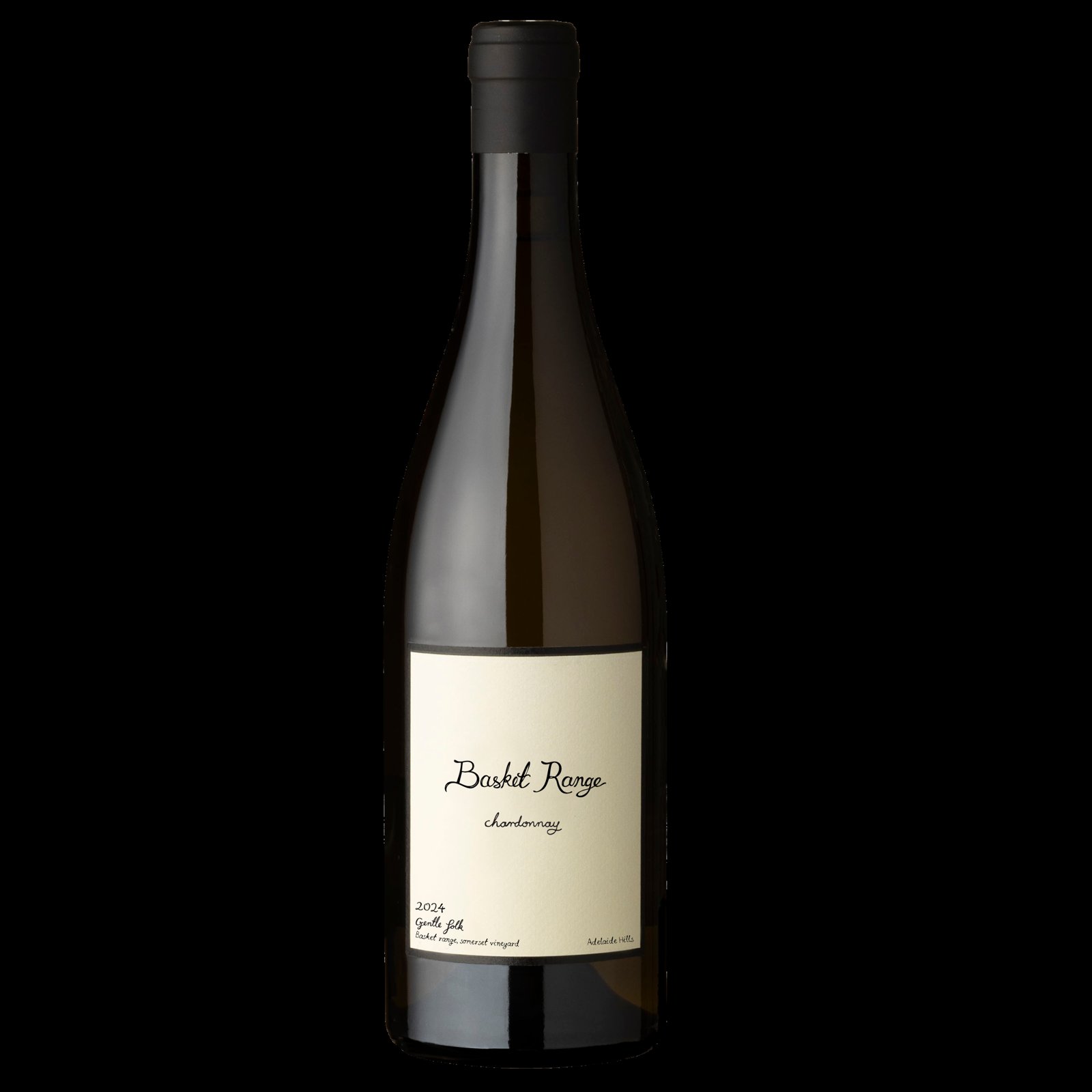
Forest Range, Elevation, and the Argument for Cool-Climate Restraint
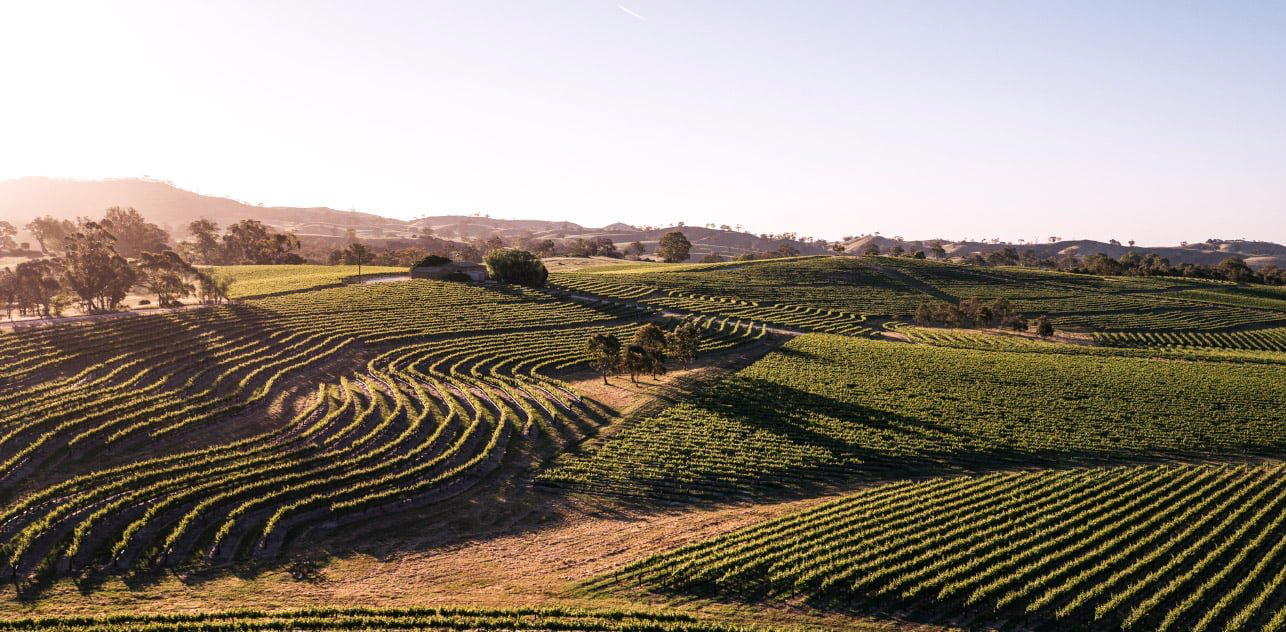
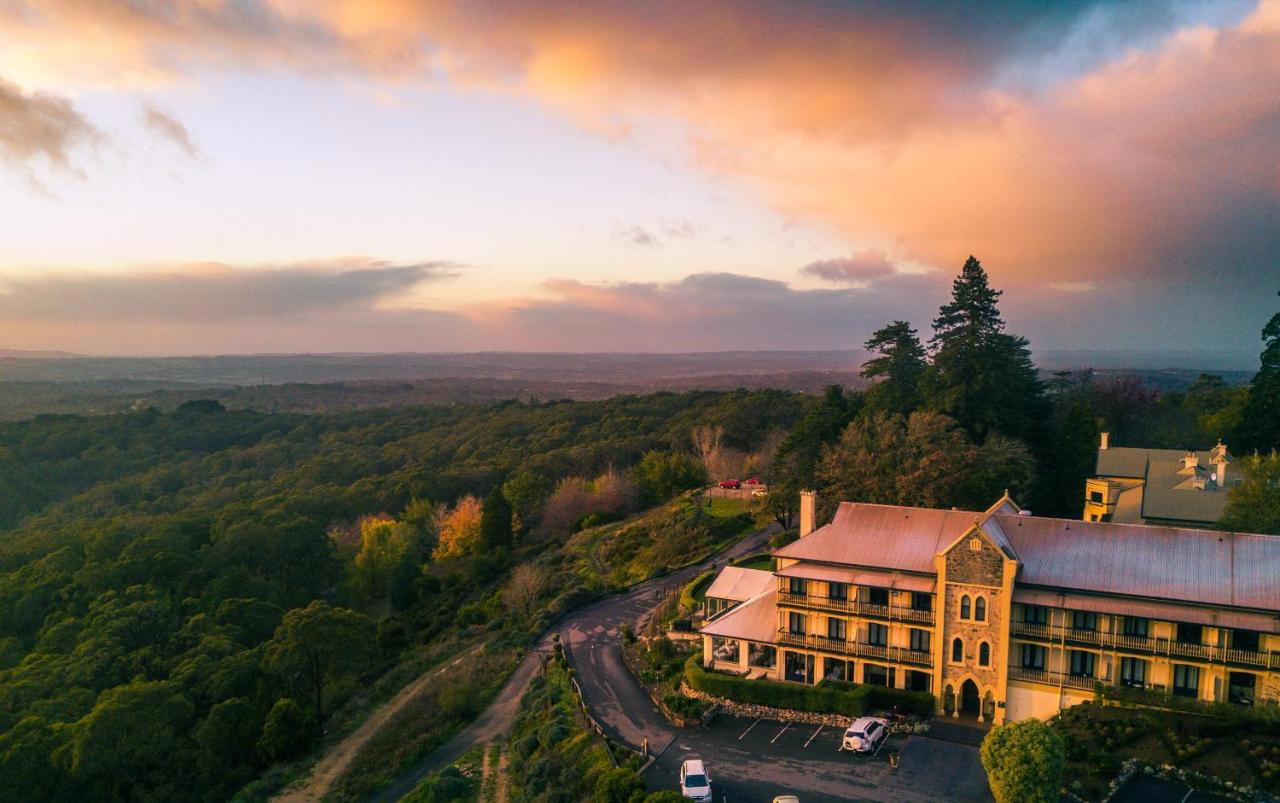
The Adelaide Hills sit at elevations that change everything. Drive east from the city, past the outer suburbs where the land starts to fold and rise, and by the time you reach Forest Range the temperature has dropped, the light has changed, and the vine rows look less like a commercial enterprise than something older and more considered. This is the context in which Gentle Folk operates, at 32 Plummers Rd in one of the Hills' quieter pockets, where the altitude and aspect push winemaking toward restraint rather than extraction.
Cool-climate viticulture in the Adelaide Hills has spent the past two decades establishing itself as a credible counterpoint to the warmer, more commercially dominant regions of South Australia. The Hills are not McLaren Vale. They are not the Barossa. The argument here is made through acidity, through fragrance, through wines that require time in the glass rather than announcing themselves on first pour. Gentle Folk belongs to the smaller, more focused tier of producers making that argument with particular consistency. Peers like Ashton Hills Vineyard and Murdoch Hill occupy similar ground: low-volume, site-specific, with reputations built on allocation lists rather than cellar door foot traffic.
The Physical Setting and What It Implies
Forest Range sits at the higher end of Adelaide Hills' elevation range, which matters more than it might initially seem. In a region where the growing season is defined by the tension between cool nights, warm afternoons, and the ever-present risk of spring frost, the microclimate at this altitude compresses flavour development and extends hang time in ways that lower sites simply cannot replicate. The result is fruit that arrives at harvest with structural precision rather than ripeness for its own sake.
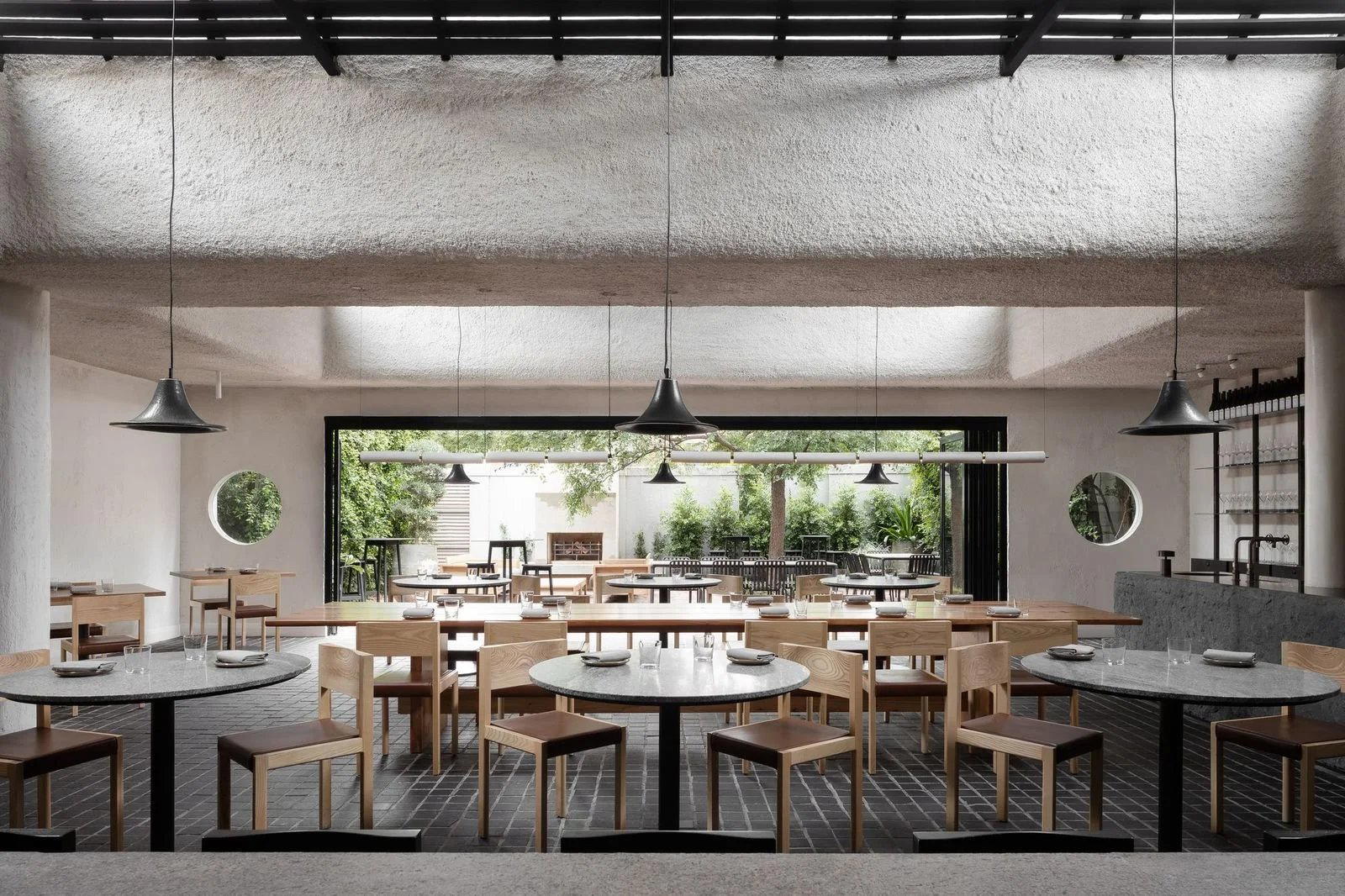
The address itself, on a road that winds through remnant scrub and small farm holdings, signals a working vineyard rather than a designed visitor experience. The Hills have producers operating across both registers: Bird in Hand and Nepenthe have built full visitor infrastructure around cellar doors and dining; Adelaide Hills Distillery (78°) has moved into spirits production alongside wine. Gentle Folk operates in a different register, where the emphasis falls on what is in the bottle rather than the architecture around it. That distinction matters when you are deciding how to spend a day in the Hills. See our full Adelaide Hills restaurants and producers guide for how to sequence visits across the region.
In a region with a growing number of ambitious small producers, that kind of sustained recognition matters more than a single notable score. It positions the winery alongside the tier of Australian producers whose work rewards the effort of tracking down allocations, rather than those whose visibility outpaces what is in the glass.
Nationally, the producers operating at this level of focused, cool-climate production include names like Bass Phillip in Gippsland, where Pinot Noir production at tiny volumes has built a cult following over decades, and Brokenwood in Hunter Valley, which has maintained critical standing across a long production history. The comparable set matters because it establishes the register in which the winery is being evaluated, and the 2025 rating confirms the producer belongs in that conversation.
The Adelaide Hills in Comparative Context
Australia's wine map has been reorganising around cool-climate credentials for the better part of a decade. Regions like Gippsland, Orange, and the Adelaide Hills have attracted serious winemaking attention precisely because the temperature profiles allow for varieties and styles that the country's warmer regions cannot easily replicate. In the Hills specifically, Pinot Noir, Chardonnay, Syrah, and high-acid white varieties have all found advocates producing genuinely distinctive work.
The Hills' position relative to Adelaide is part of its appeal: the region is close enough to the city for day visits, but refined and removed enough that it operates on its own terms. Producers here are not competing with the Barossa on Shiraz or with McLaren Vale on Mediterranean varieties. The argument is cooler, more precise, more openly Burgundian in its reference points. That framework suits the winery's approach, and it aligns the producer with an international conversation about restraint-led winemaking that runs from Burgundy through to the better parts of California's Sonoma Coast. Internationally, the producers sitting closest to this reference set include Accendo Cellars in St. Helena and, at a different scale, the allocation-model producers of Aberlour in Speyside, where scarcity and site specificity drive desirability in ways that mirror what the leading small Australian producers have built.
Within South Australia itself, the contrast with larger regional operations is instructive. Angove Family Winemakers in Renmark represents a different scale and philosophy entirely, as does Blue Pyrenees Estate in the Pyrenees. All Saints Estate in Rutherglen and Leading's Wines in Great Western both operate with long histories that give them institutional weight. The winery's standing comes from a different source: precision of site, focus of output, and a rating that reflects quality rather than volume or heritage.
Planning a Visit to Forest Range
Forest Range itself sits roughly 35 kilometres east of Adelaide's CBD, a drive that takes under an hour on most days and rewards the effort with a change of landscape that feels more significant than the distance suggests. Ashton Hills Vineyard and Bird in Hand both have established visitor facilities that make them useful anchors for a day that also takes in the quieter, allocation-focused producers. Archie Rose Distilling Co in Sydney offers a useful comparison point for understanding how Australian craft producers at the prestige tier present their work to visitors, even if the format and geography differ considerably.
The elevation that drives the winery's viticultural approach is most legible in person, in the quality of the light and the coolness of the afternoon, than it is on any label.
A Minimal comparable set
Comparable venues nearby, for context on price, style, and recognition.
| Venue | Cuisine | Price | Notes |
|---|---|---|---|
| Gentle FolkThis venue — the venue you are viewing | Basket Range, Pinot Noir, Chardonnay | $$$ | Not listed |
| Unico Zelo | Gumeracha, Fiano, Nero d'Avola | $$ | Not listed |
| Ochota Barrels | Basket Range, Grenache, Syrah | $$$ | Not listed |
| Adelaide Hills Distillery (78°) | Nairne, Adelaide Hills, Adelaide Hills | $$$ | Not listed |
| Ashton Hills Vineyard | Not listed | $$$ | Piccadilly Valley, Pinot Noir, Chardonnay |
| Bird in Hand | Woodside, shiraz, cabernet sauvignon | $$$ | Not listed |
Continue exploring
More in Adelaide Hills
Wineries in Adelaide Hills
Browse all →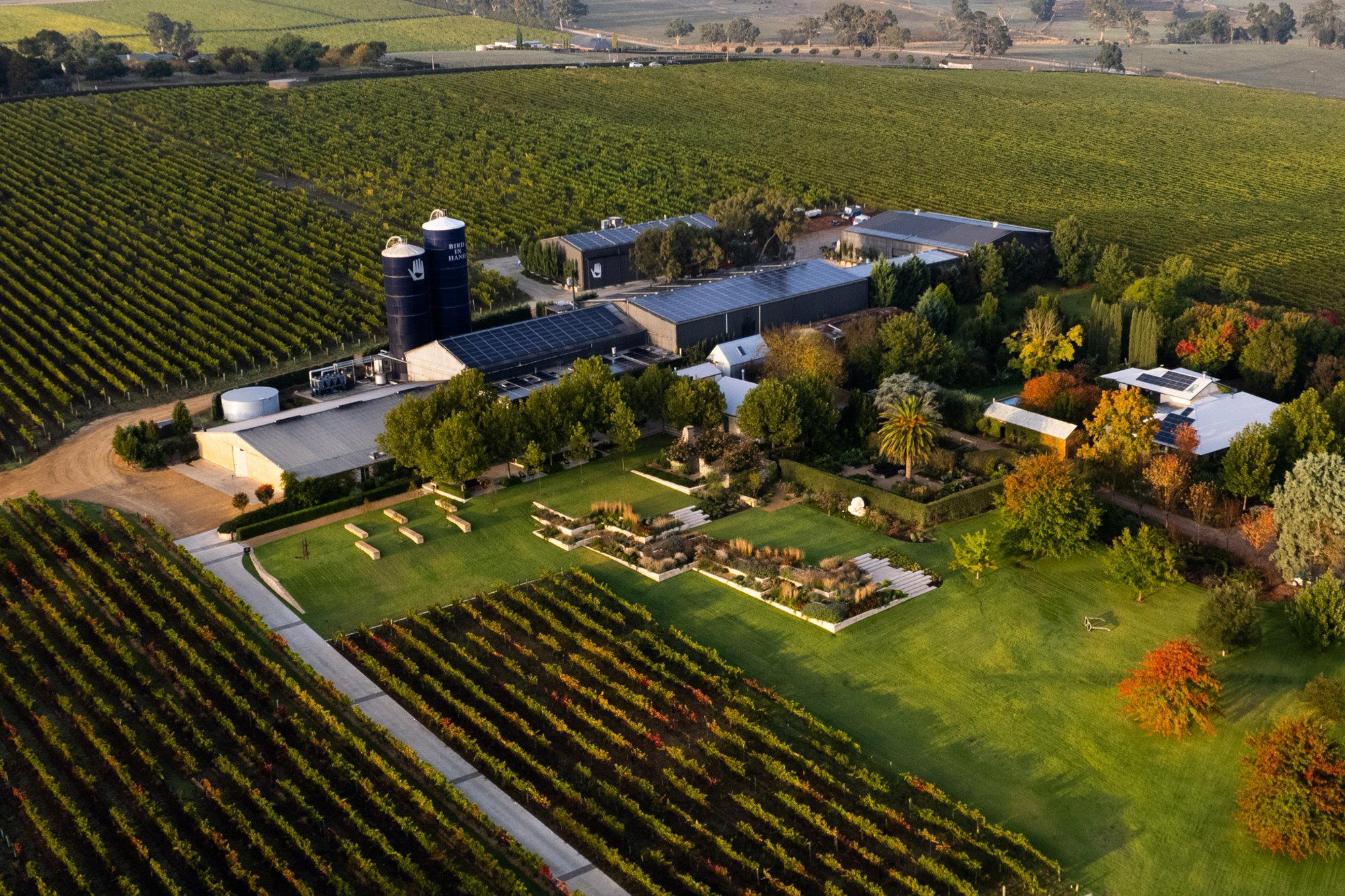
Bars in Adelaide Hills
Browse all →

Restaurants in Adelaide Hills
Browse all →

At a Glance
- Quiet
- Rustic
- Intimate
- Solo Exploration
- Wine Education
- Vineyard Tour
- Estate Grounds
- Organic
- Sustainable
- Vineyard
- Adelaide Hills
- Pinot Noir
- Chardonnay
- Sauvignon Blanc
- Riesling
- Sangiovese
- Still Red
- Still White
- Orange
- Pet Nat
- Single Vineyard Release
- Village Blend
Small, family-run, and earthy, with a natural-wine sensibility shaped by organic/biodynamic farming and a hands-on producer story.