Nepenthe
Nepenthe is an Adelaide Hills winery. The estate sits within a cooler-climate region that has quietly shifted the national conversation on aromatic whites and Pinot Noir, with Nepenthe among the producers shaping that argument at the prestige tier.
Pearl is the En Primeur Club membership app — saves, bookings, and concierge access live there. Same editors, same standards.
- Address
- 93 Jones Rd, Balhannah SA 5242
- Phone
- +61 8 8398 8899
- Website
- nepenthe.com.au
- Directions
- Get directions
 Saves & bookings on Pearl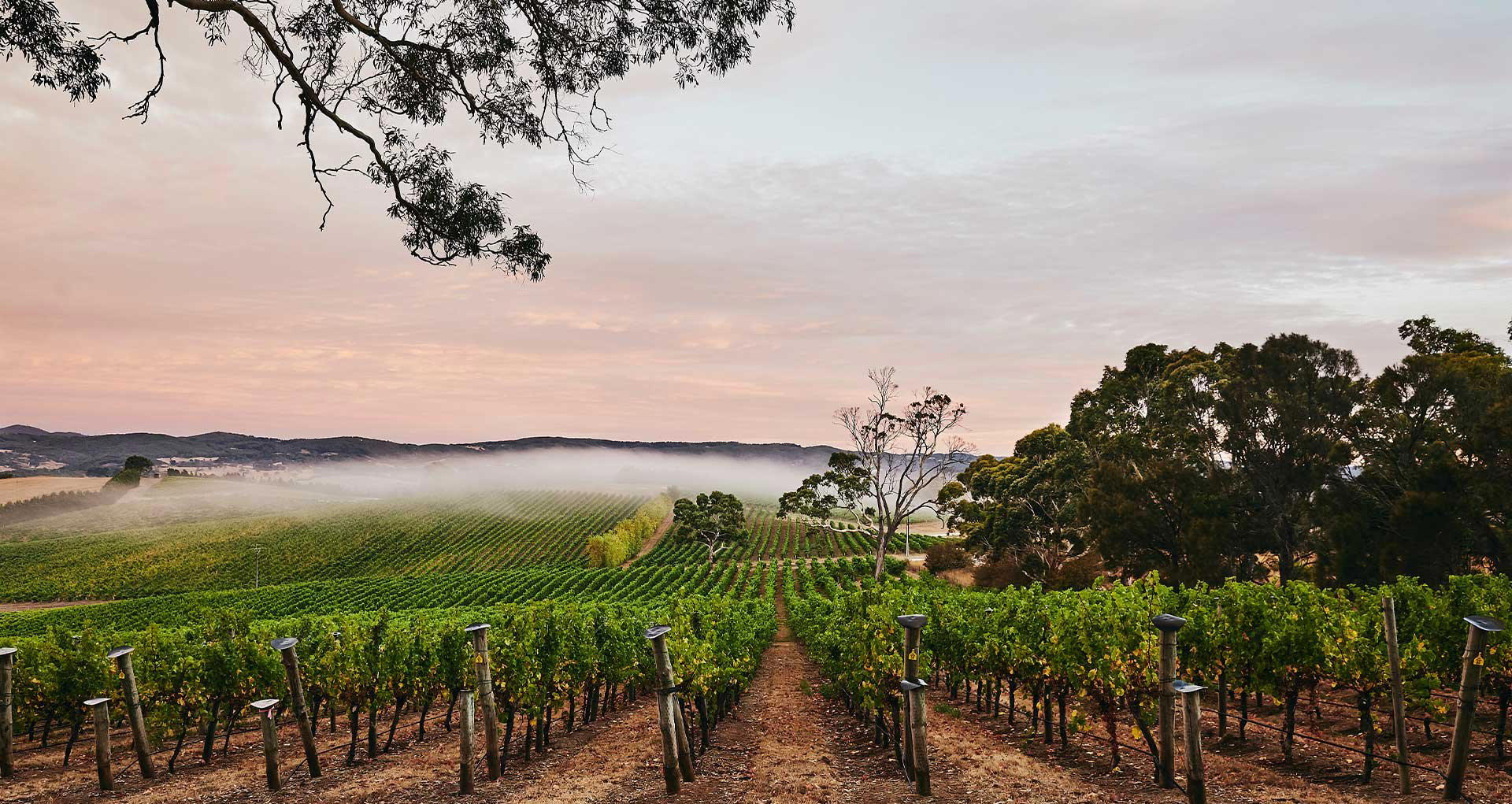
Adelaide Hills and the Prestige Tier
The Adelaide Hills wine region occupies a stretch of the Mount Lofty Ranges where elevation does the work that latitude cannot. At 400 to 600 metres above sea level, the diurnal temperature swings are wide enough to slow ripening considerably against the Barossa floor below, producing fruit with higher natural acidity and finer phenolic structure. That character has made the Hills a credible address for aromatic varieties, cool-climate Chardonnay, and Pinot Noir in a way that much of South Australia simply cannot replicate. Within that context, producers who have held their position at the prestige end of the market face a consistent challenge: translating the region's structural advantages into bottles that justify allocation pricing and collector interest.
That places it in the upper cohort of Adelaide Hills producers, a tier occupied by a small group of estates whose wines compete on depth and aging trajectory rather than volume or accessibility. Understanding what that rating implies requires some knowledge of how the Hills prestige segment works, and where post-harvest decisions sit in the quality argument.
What the Cellar Decides
In cool-climate regions, the decisions made between harvest and bottling carry disproportionate weight. Fruit harvested from sites at elevation in the Hills arrives with defined acidity and moderate alcohol, but the subsequent choices, barrel selection, oak influence, lees contact, and the timing of assemblage, determine whether that structural potential becomes complexity or simply tautness. The region's Chardonnay, which has attracted sustained attention from critics over the past decade, benefits particularly from careful oak integration: too much new French oak flattens the citrus and stone-fruit register; too little can leave wines with a linear quality that reads as austere in youth but may open over four to six years in bottle.
Pinot Noir from the Hills presents a different set of cellar decisions. The variety's thin skin and susceptibility to oxidation mean that winemakers must commit early to whether they are building wines for near-term drinking or for the medium term. Producers in the prestige tier, which Nepenthe now occupies, tend to lean toward the latter, using a combination of whole-bunch inclusion, gentle extraction, and selective barrel aging to produce wines that reward patience. The approach is broadly consistent with what estates like Ashton Hills Vineyard have pursued in the Piccadilly Valley for decades, and what newer producers such as Gentle Folk have brought to the conversation with a lower-intervention philosophy.
Balhannah and the Southern Hills Corridor
Balhannah sits at the southern edge of the main Hills wine corridor, close enough to the Onkaparinga Valley to benefit from afternoon cloud cover that extends hang time in warmer vintages. The address matters because the Hills is not a monolithic growing area: Lenswood and Piccadilly Valley in the north tend toward cooler, more austere fruit profiles, while the southern sites around Balhannah and Nairne experience slightly more warmth. That variation within the region means producers in the south can achieve fuller mid-palate weight on varieties like Sauvignon Blanc and Shiraz, giving their wines a different texture from the same varieties grown fifteen kilometres north.
That positioning places Nepenthe in a productive tension with neighbours further up the range. Bird in Hand and Murdoch Hill operate within the same regional conversation but with different site characteristics and production philosophies, and the comparison is useful for visitors trying to map the Hills' internal diversity before a tasting visit. For those interested in how spirits production intersects with the Hills' cool-climate agricultural identity, Adelaide Hills Distillery (78°) provides a separate point of reference entirely.
The Atmosphere at Balhannah
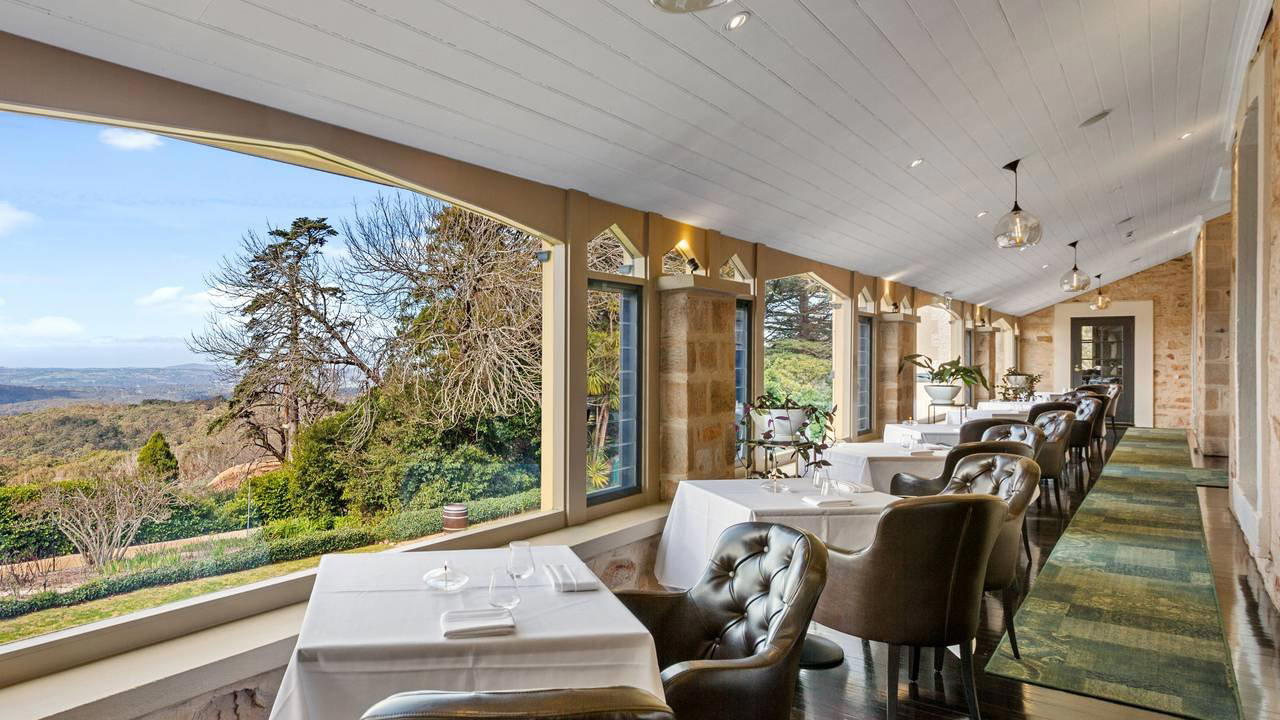
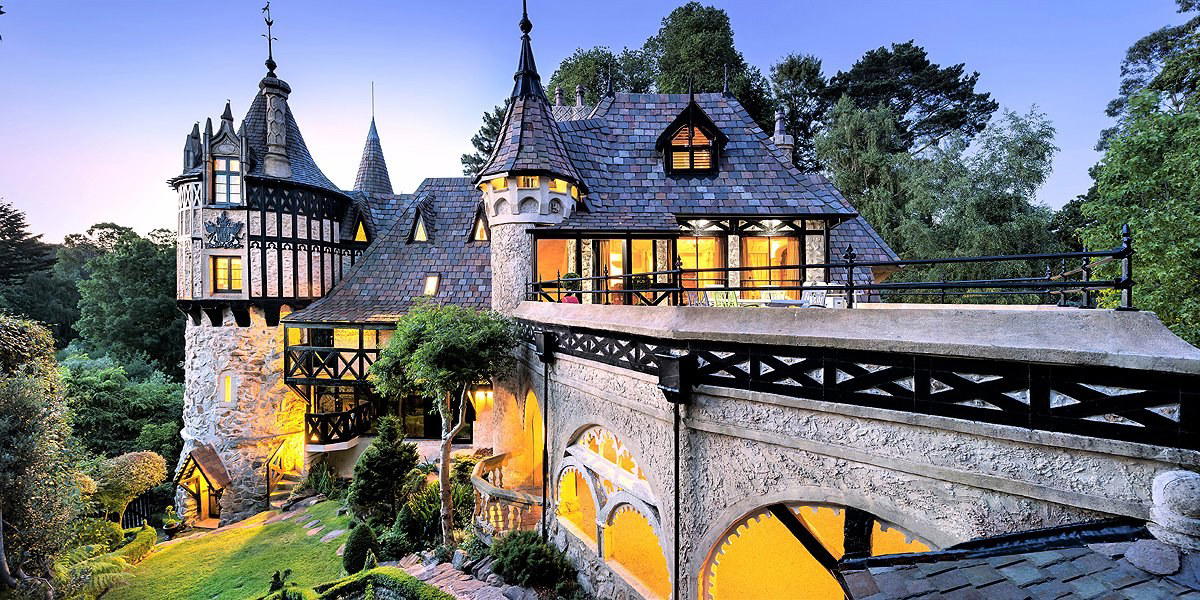
Approaching Nepenthe from the main road, the visual grammar is familiar to anyone who has spent time in premium Australian wine country: open farmland giving way to managed vineyard rows, the specific quiet of a working estate where commercial noise has been kept at a deliberate distance. The Hills' wine properties generally avoid the resort-scale infrastructure that defines parts of the Barossa or McLaren Vale, and Nepenthe fits that pattern. The experience here is weighted toward the wines themselves rather than ancillary hospitality programming.
Placing Nepenthe in the National Context
At the single-estate level in other Australian regions, producers like Bass Phillip in Gippsland have built international reputations for cool-climate Pinot Noir through radical constraint on yield and near-Burgundian cellar practice. In more established South Australian contexts, Angove Family Winemakers in Renmark and All Saints Estate in Rutherglen demonstrate how family-owned estates can sustain prestige signals across generations.
In the global frame, the decision-making frameworks that distinguish prestige-tier cool-climate producers apply whether the address is Adelaide Hills, Burgundy, or California. The barrel program choices made by a Napa Valley estate like Accendo Cellars in St. Helena operate under different climatic logic, but the underlying question of how post-harvest decisions build or diminish a wine's identity over time is the same conversation. Even Scotch whisky houses such as Aberlour in Aberlour are engaged in a version of the same argument about cask selection and maturation time. The category differs; the discipline does not.
Planning a Visit
Nepenthe's address at 93 Jones Rd, Balhannah SA 5242 places it within approximately 35 minutes of central Adelaide by car, making it practical as part of a single-day Hills circuit without an overnight stay. Reservations are recommended.
Comparable Spots
Comparable venues nearby, for context on price, style, and recognition.
| Venue | Cuisine | Price | Notes |
|---|---|---|---|
| NepentheThis venue — the venue you are viewing | Sauvignon Blanc, Pinot Gris | $$ | Not listed |
| Ochre Nation (Applewood Distillery) | Fiano, Nero d'Avola | $$ | Gumeracha |
| Gentle Folk | Pinot Noir, Chardonnay | $$$ | Basket Range |
| Ochota Barrels | Grenache, Syrah | $$$ | Basket Range |
| Ashton Hills Vineyard | Pinot Noir, Chardonnay | $$$ | Piccadilly Valley |
| Unico Zelo | Fiano, Nero d'Avola | $$ | Gumeracha |
Continue exploring
More in Adelaide Hills
Wineries in Adelaide Hills
Browse all →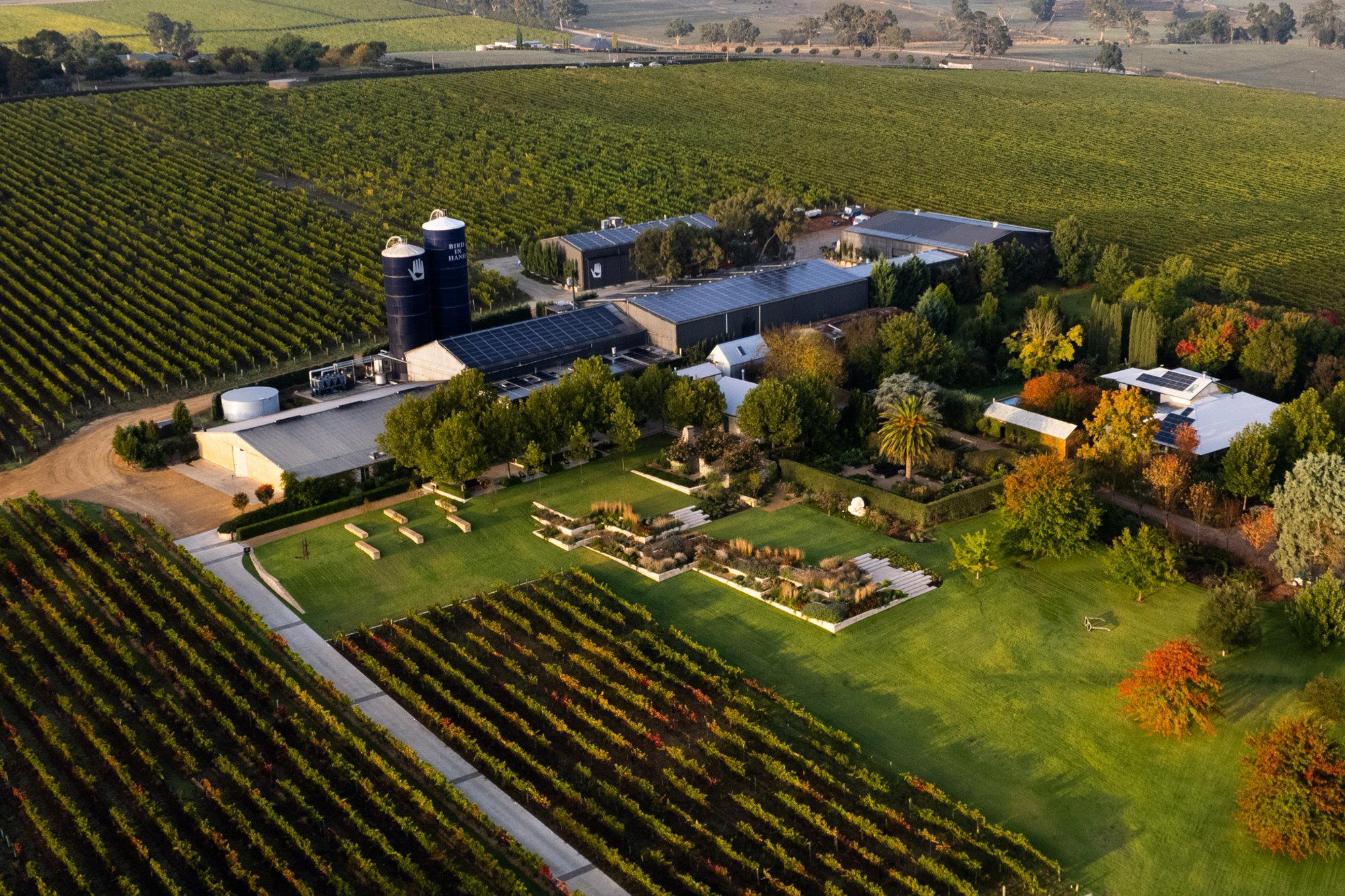
Bars in Adelaide Hills
Browse all →

Restaurants in Adelaide Hills
Browse all →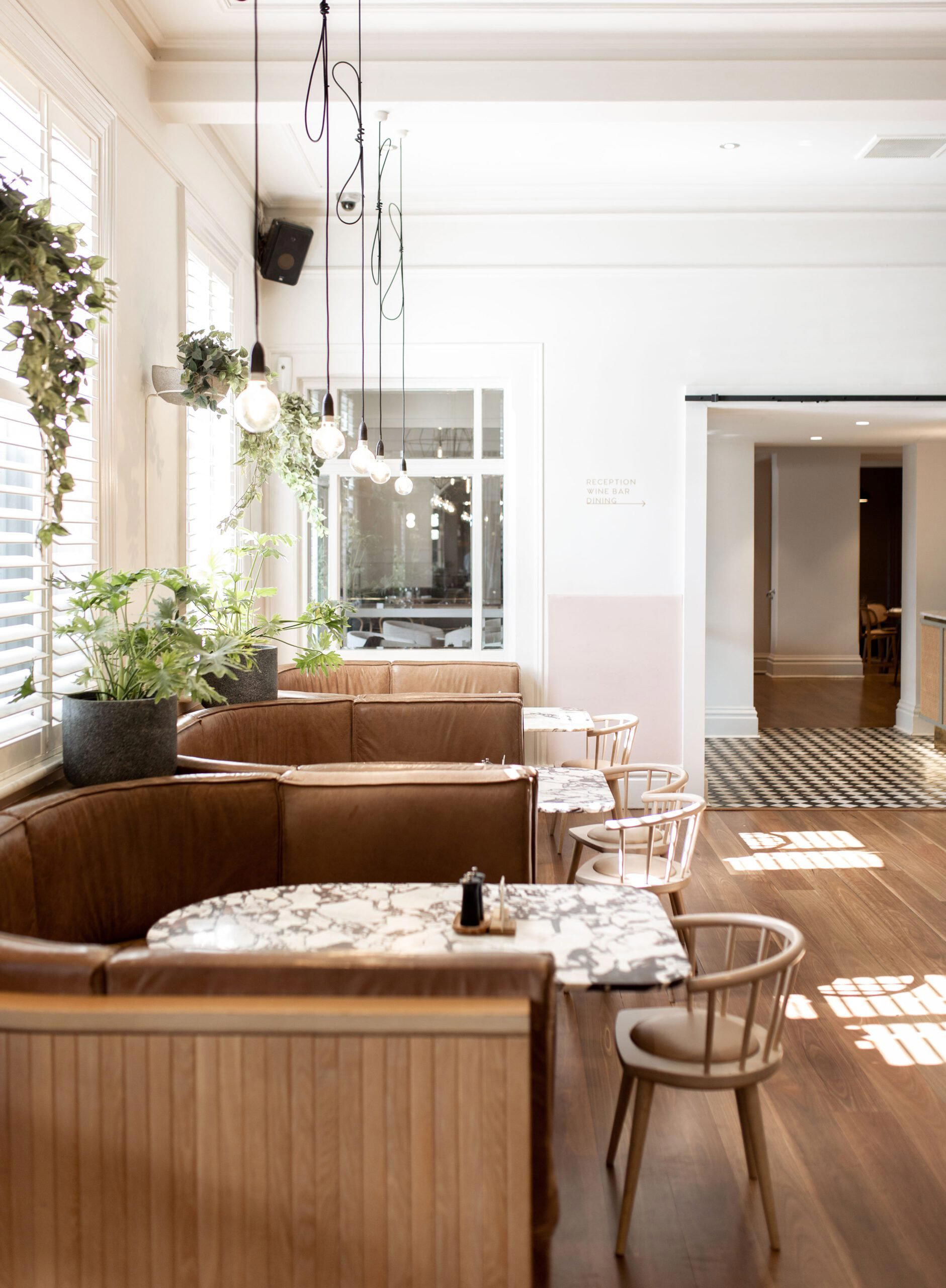


At a Glance
- Scenic
- Well Known
- Rustic
- Group Outing
- Celebration
- Wine Education
- Vineyard Tour
- Estate Grounds
- Terrace
- Panoramic View
- Sustainable
- Vineyard
- Mountain
- Adelaide Hills
- Sauvignon Blanc
- Pinot Gris
- Chardonnay
- Grüner Veltliner
- Pinot Noir
- Shiraz
- Prosecco
- Still White
- Still Red
- Sparkling
- Guided Tasting
- Self Guided Flight
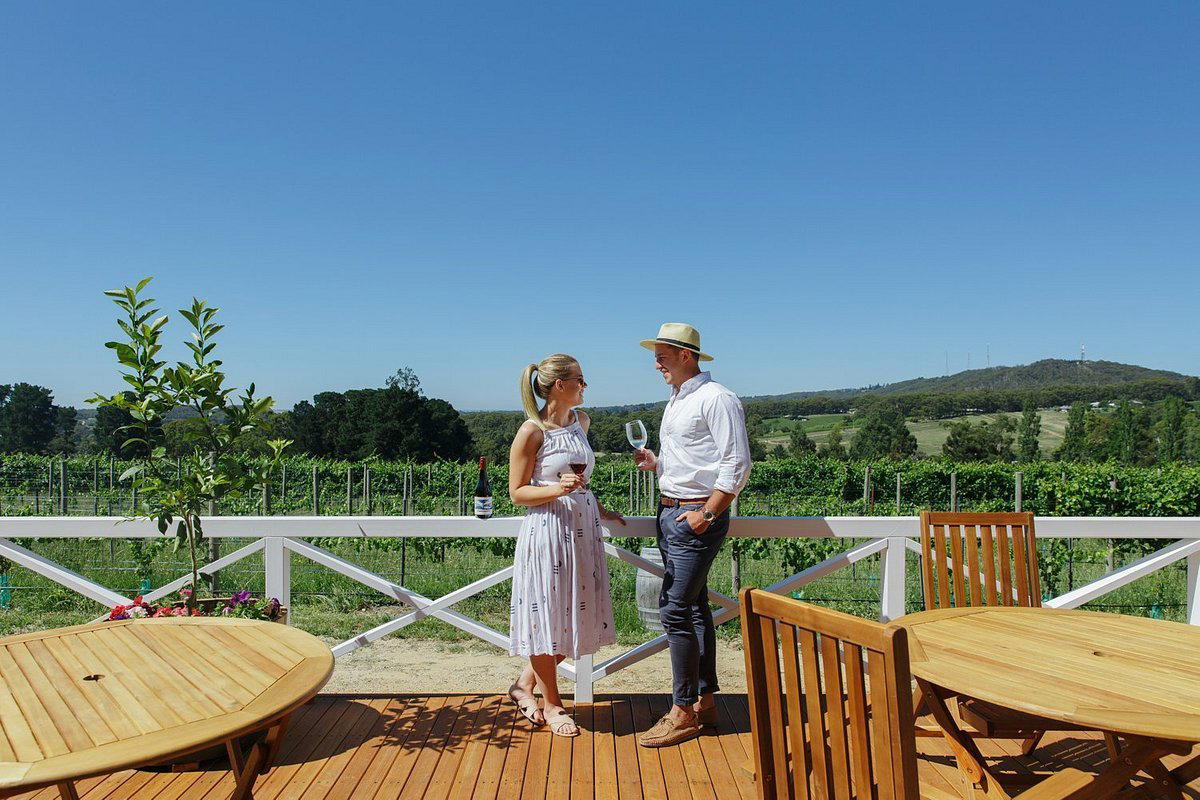
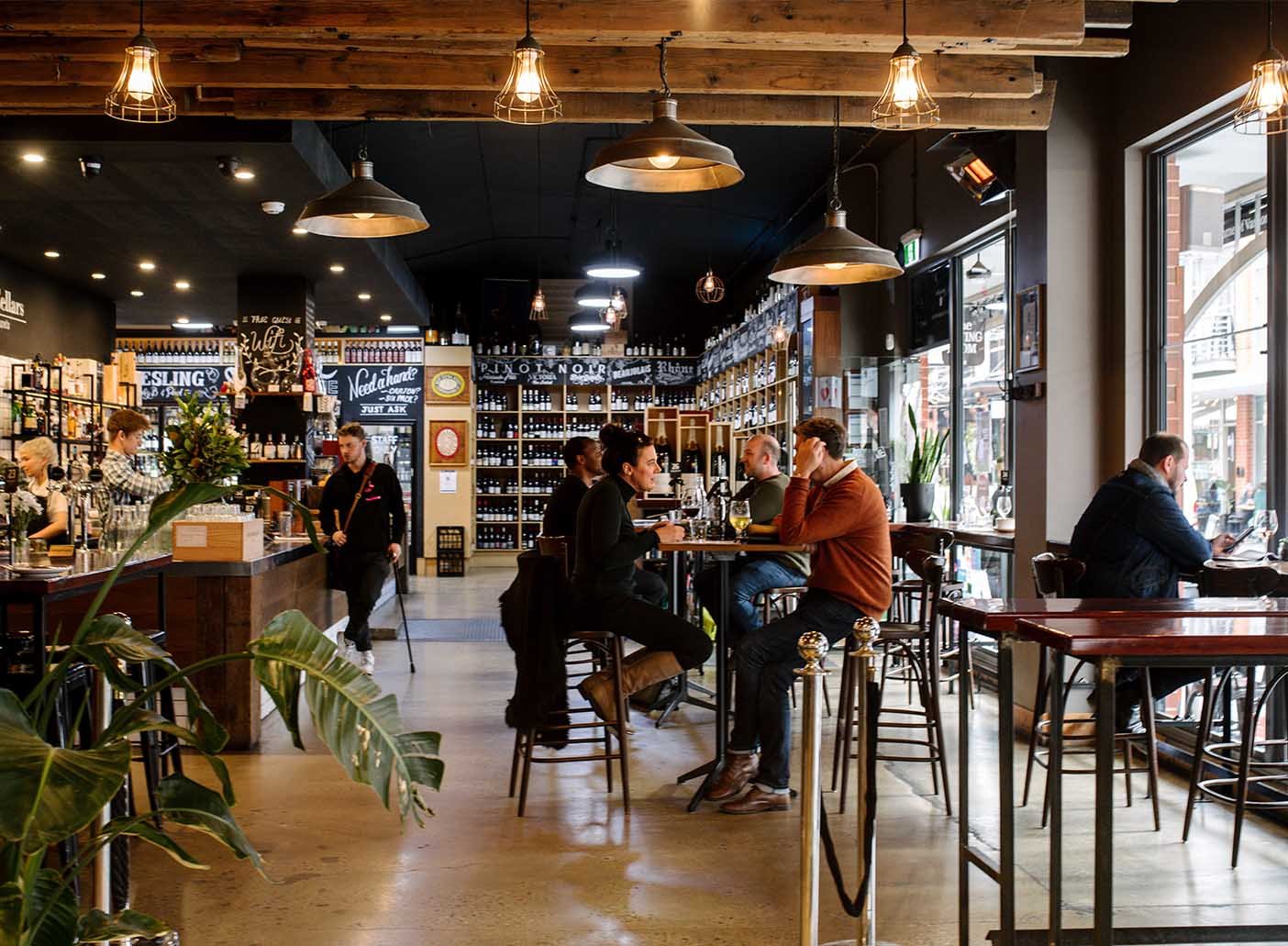
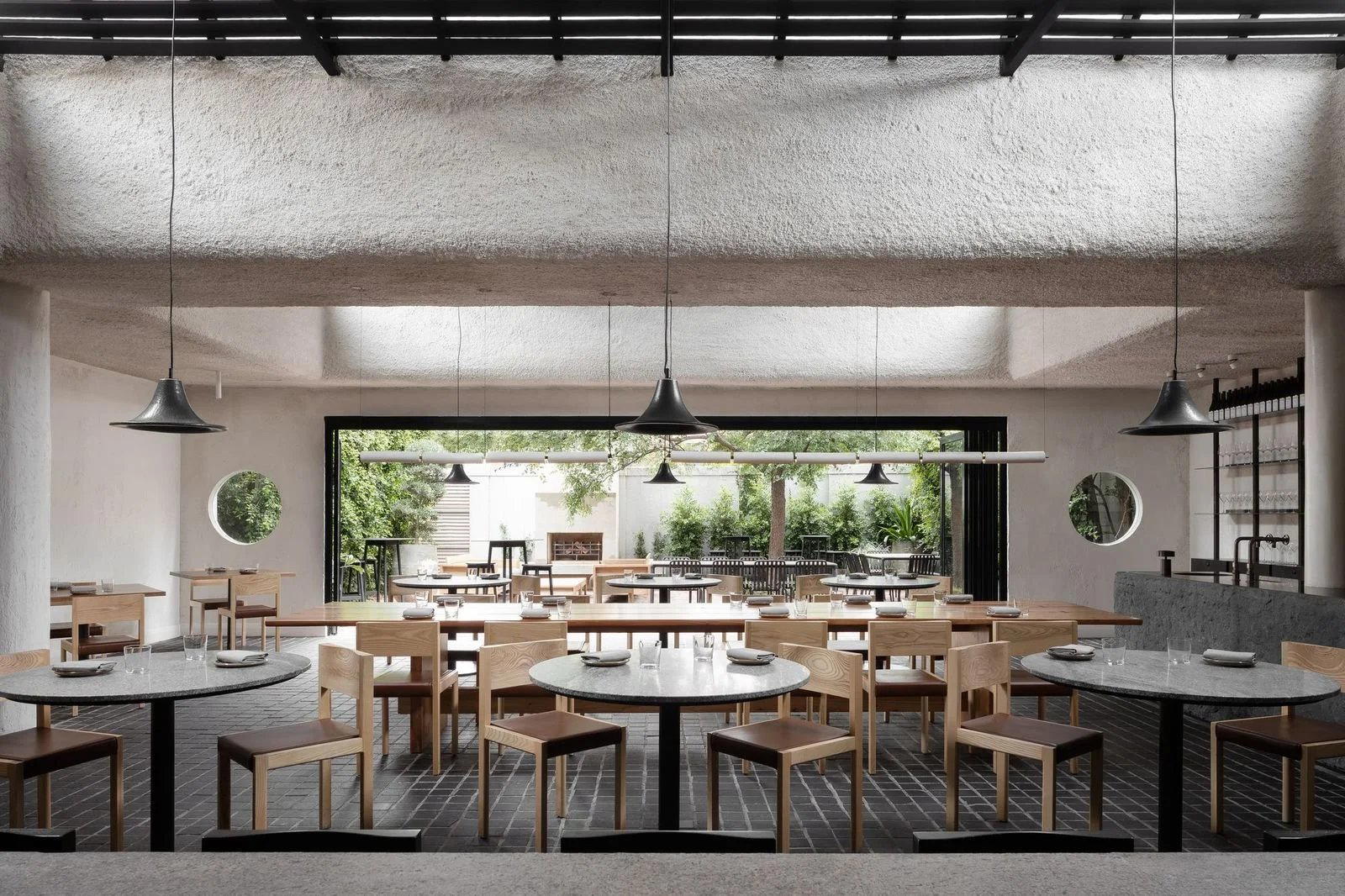
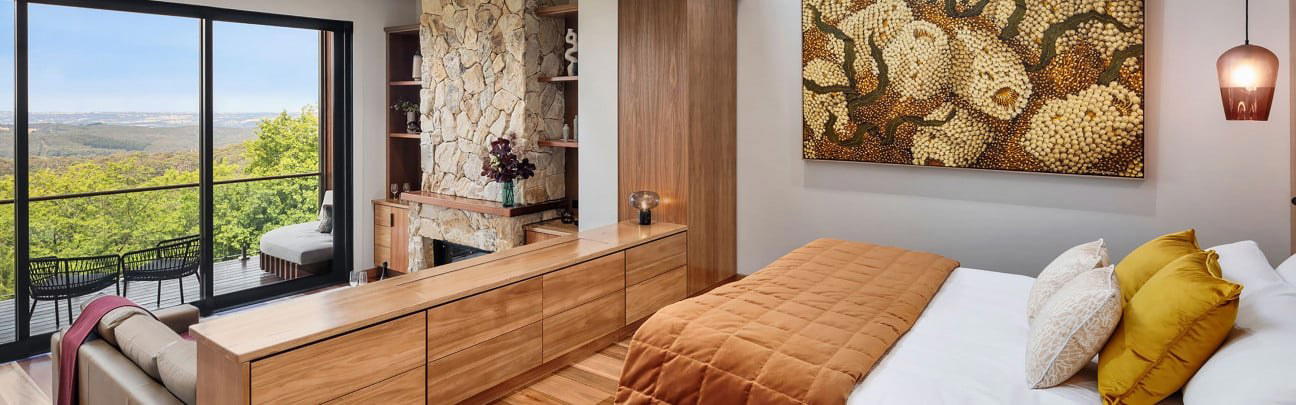
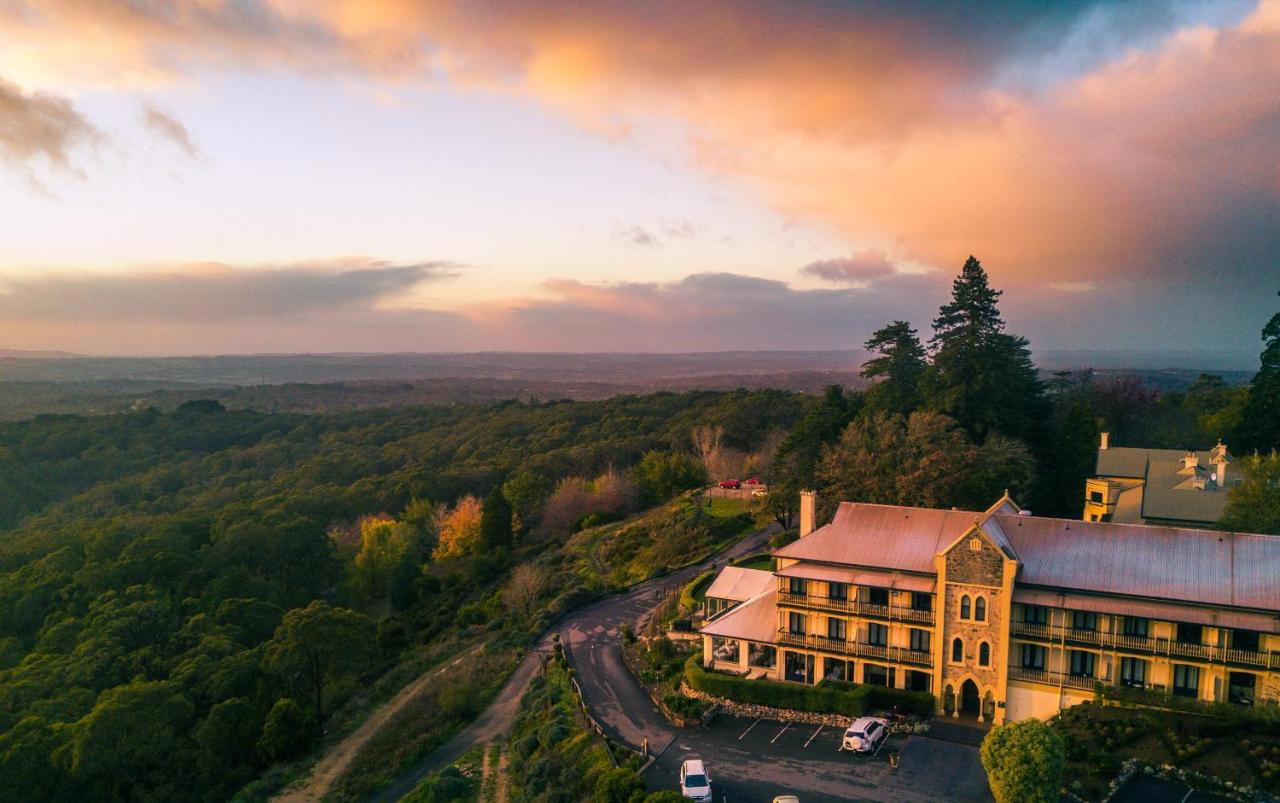
Bright and airy with natural light from large windows overlooking vineyards, sustainable materials creating a modern yet rustic atmosphere enhanced by knowledgeable staff and scenic hilltop setting.