Inglenook

Falstaff Winery - Listed
The historic property on St Helena Highway represents the kind of vertically integrated estate model that shaped California's premium wine identity, drawing visitors who come to understand the appellation as much as to taste it.

Pearl is the En Primeur Club membership app — saves, bookings, and concierge access live there. Same editors, same standards.
- Address
- 1991 St Helena Hwy, Rutherford, CA 94573
- Phone
- (707) 968-1161
- Website
- inglenook.com
- Directions
- Get directions
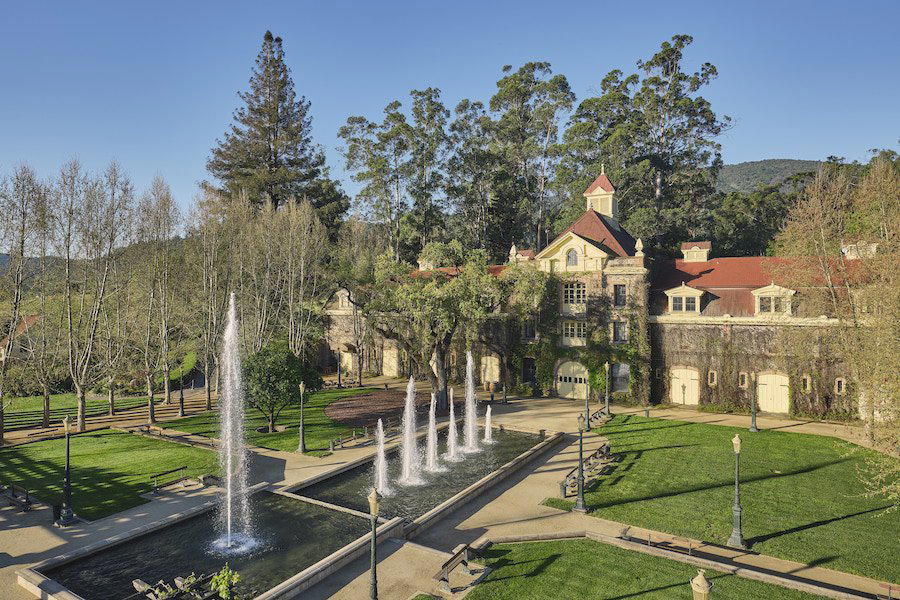
Arriving on St Helena Highway
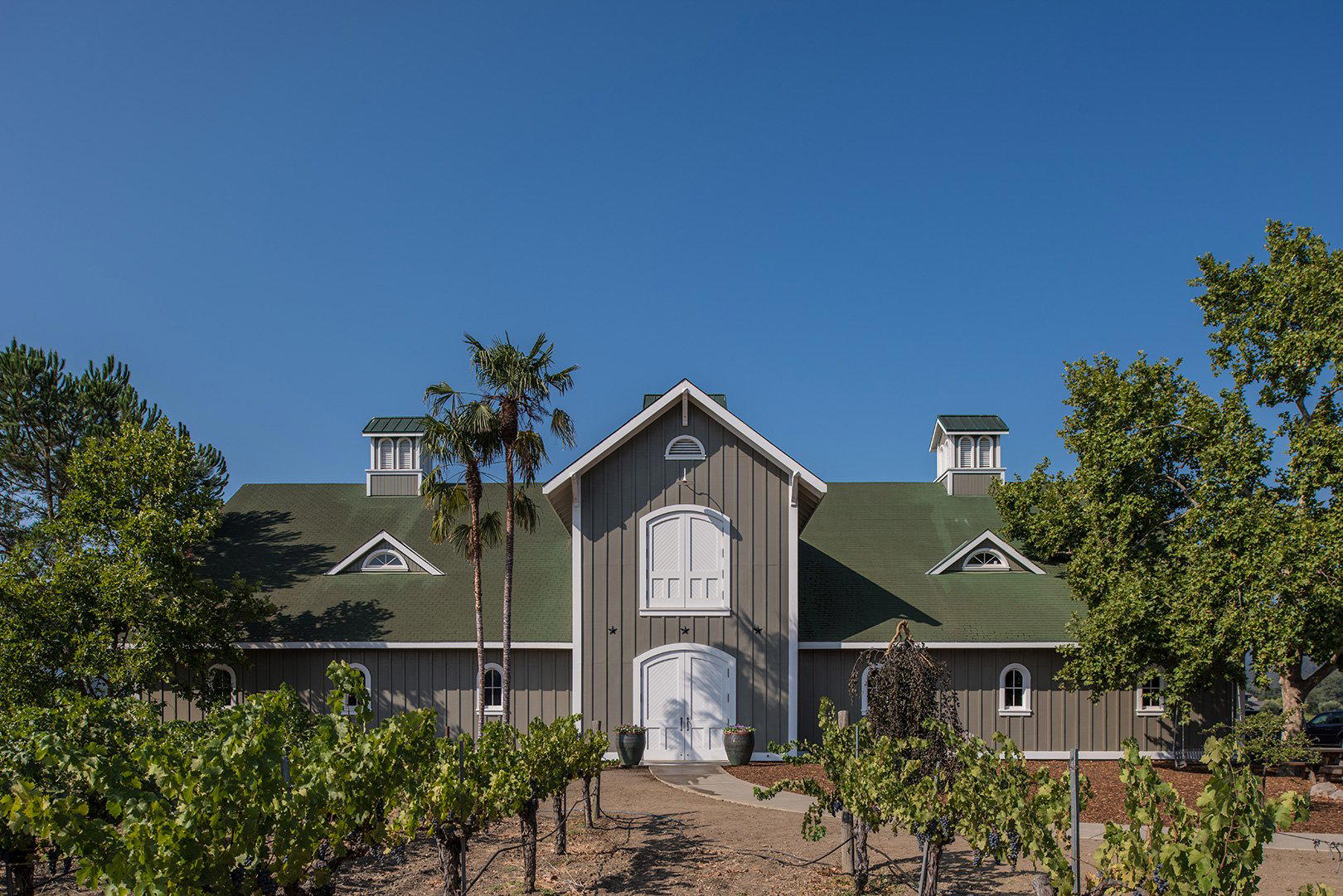
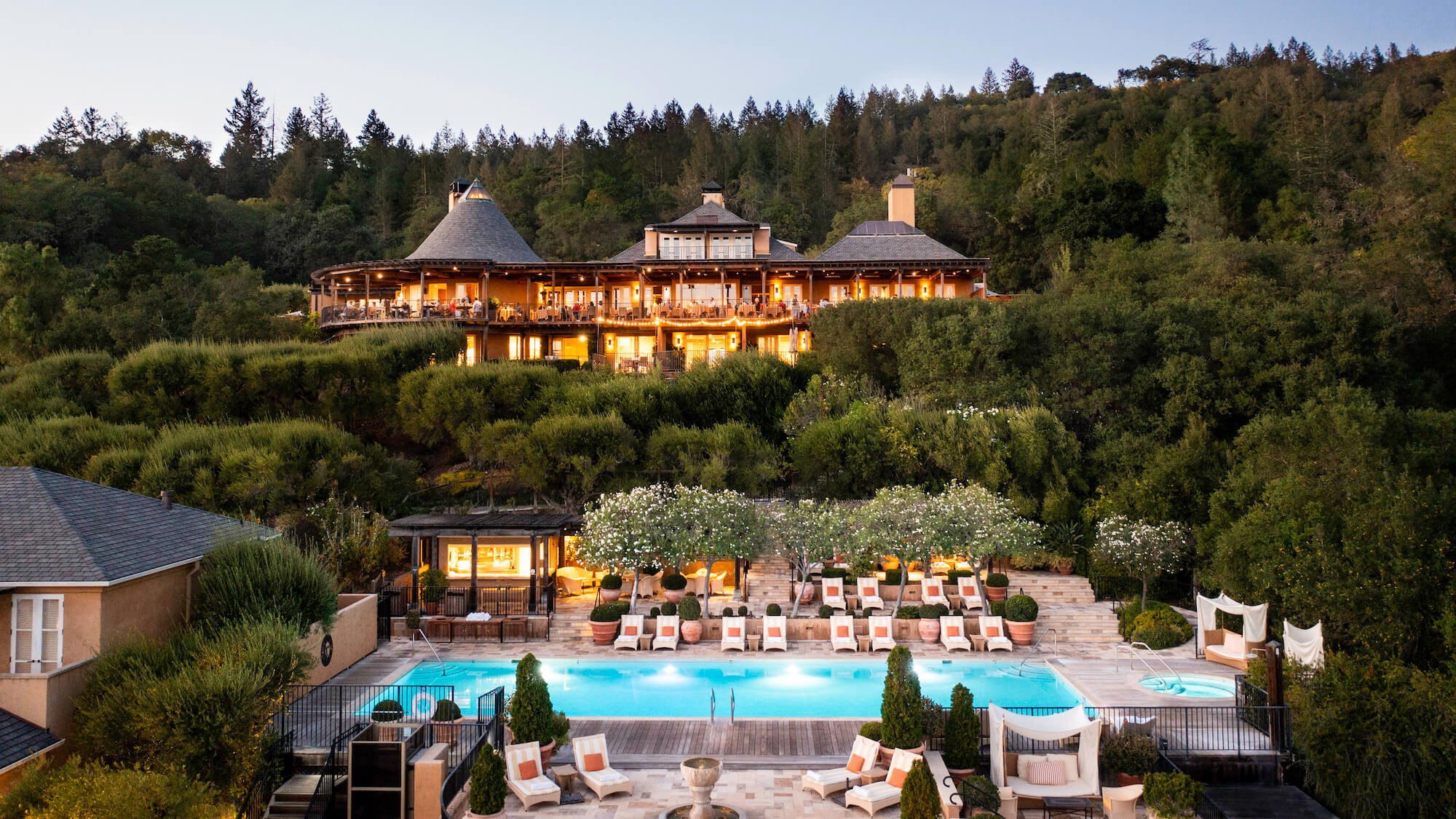
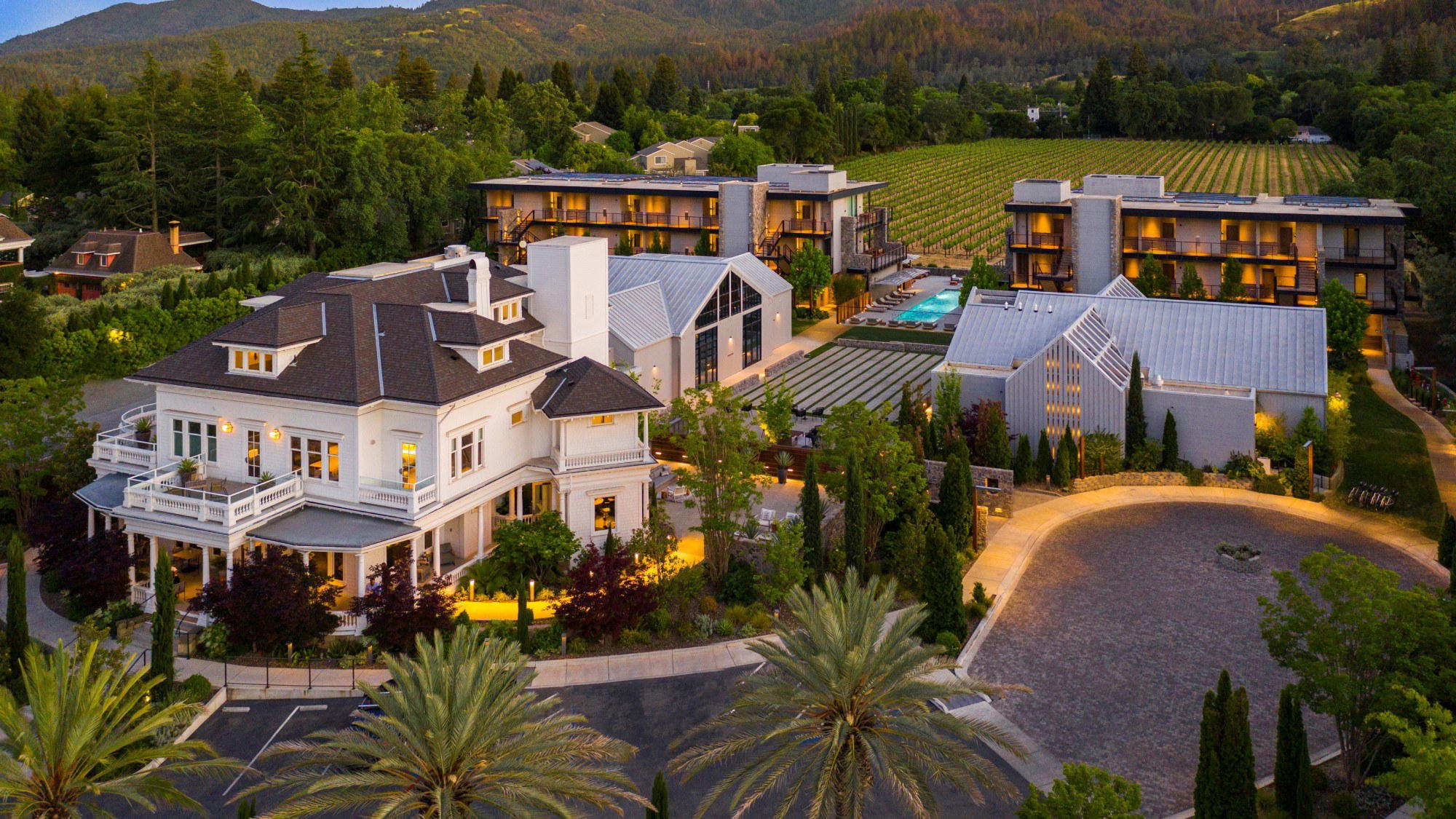
The approach to Inglenook along St Helena Highway sets a particular register before a single glass is poured. The Rutherford corridor has long been Napa Valley's densest concentration of estate-scale Cabernet production, and the properties here tend to announce themselves through scale and stone rather than signage and spin. Inglenook occupies the western side of Highway 29 with a gravity that belongs to the older stratum of California wine history, the kind of address where the architecture and the acreage do more editorial work than any tasting note could. That physical presence is the first signal of how the experience here is framed: this is estate viticulture presented as heritage, not as hospitality theatre.
Where Inglenook Sits in the Rutherford Tier
Rutherford's premium winery set has stratified considerably over the past two decades. At one end, high-volume operations lean on brand recognition and accessible tasting formats. At the other, a smaller group of estates operates on allocation systems, appointment-only access, and pricing that reflects land cost and label prestige more than production volume. What separates this tier from the broader Rutherford offering is not simply price; it is the degree to which the wine program is organized around the estate's own blocks, its own soil profile, and a production philosophy that answers to the vineyard rather than to market trends.
The comparison with Cakebread Cellars is instructive. Cakebread built its reputation on consistency across a wide range of varietals and a visitor program designed for accessibility. Inglenook's orientation is different: the single-estate focus and the property's historical depth push the experience toward connoisseurship over approachability. Neither approach is wrong, but they serve different readers of the Napa Valley story. For visitors who want to understand Rutherford as an appellation rather than simply taste it, the concentrated estate focus here delivers a more specific education. Cathiard, another property in the Rutherford set with deep European wine culture roots, occupies a comparable niche of estate seriousness.
The Architecture of the Wine Program
Napa's upper tier has largely moved away from broad lists toward what might be called a bottling hierarchy: a flagship or estate wine at the leading, supported by a secondary label or vineyard-designate tier, with entry-level offerings below. This structure allows a winery to communicate its hierarchy of land and ambition clearly, and it shapes how a tasting is sequenced just as surely as a restaurant's tasting menu defines the arc of a meal. The wines at Inglenook follow this logic, with the estate's Rutherford Cabernet Sauvignon acting as the central argument and the surrounding program providing context and progression.
That menu architecture, to borrow the frame, matters because it tells you what the winery believes about its own terroir. Estates that lead with their Cabernet and build outward from it are making a claim about place specificity that is different from houses that offer varietal breadth as the primary draw. Inglenook's position in the former camp aligns it with a Bordeaux-influenced model of estate identity that has defined Napa's prestige tier since at least the 1970s. Properties like Accendo Cellars in St. Helena operate on a similar principle of focused, terroir-driven production at the luxury end of the market.
For context on how this approach differs across California's premium regions, it is worth considering the contrast with Alban Vineyards in Arroyo Grande, where Rhône varieties anchor the program, or Adelaida Vineyards in Paso Robles, where the range reflects a cooler-climate Paso Robles identity. In each case, the wine list is a statement of what the estate believes its land does leading. At Inglenook, that statement is Cabernet-centric and Rutherford-specific, which is both a constraint and a credential.
Rutherford as a Wine Destination
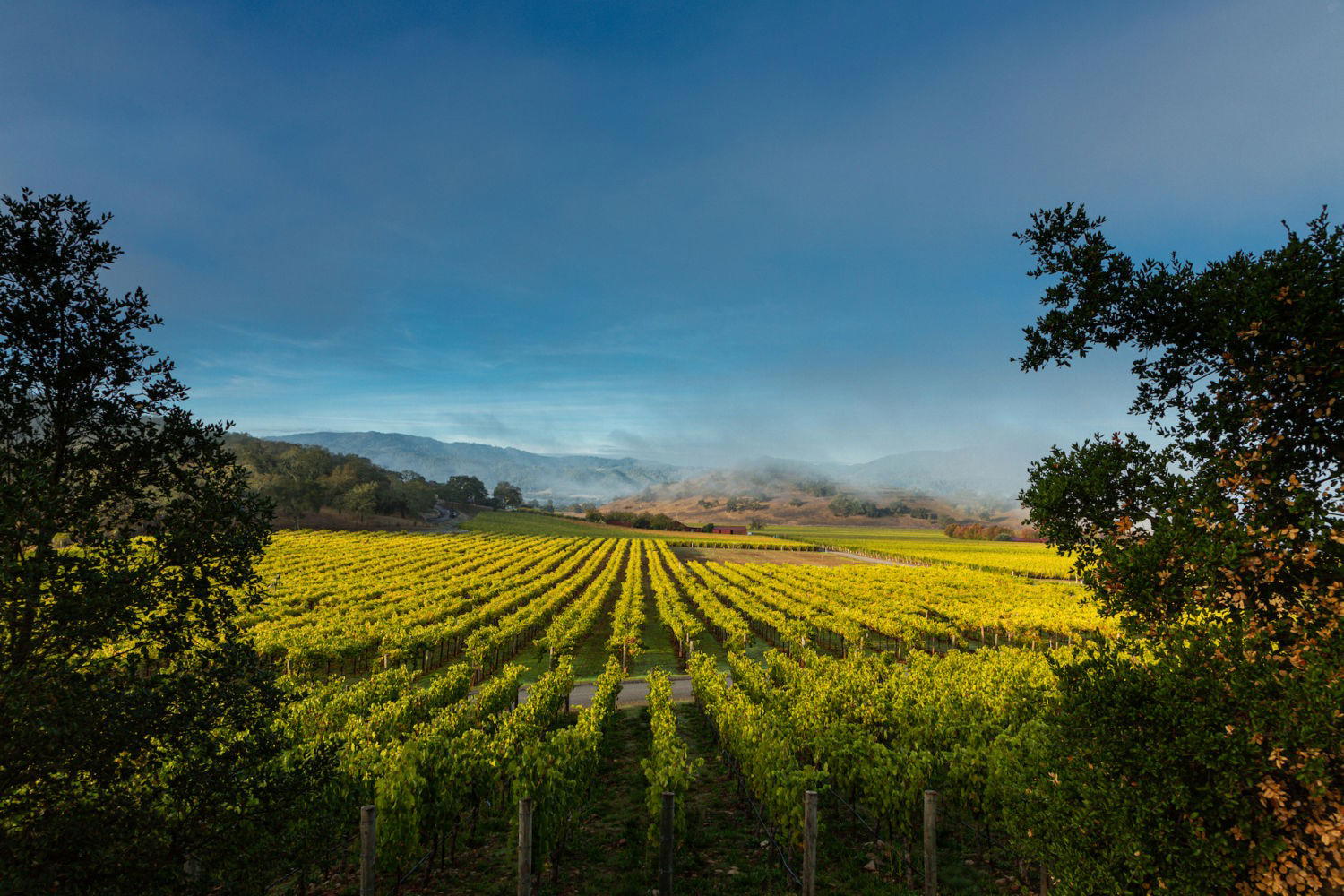
Visitors who treat Rutherford as a single stop in a broader Napa itinerary tend to underestimate how much the appellation rewards a more focused approach. The so-called Rutherford Dust, a term used by local producers to describe the distinctive texture and mineral quality of wines grown in the benchland soils here, is a real if debated phenomenon that becomes more legible when you taste horizontally across the appellation rather than vertically within a single producer's range. Inglenook's position on this benchland, combined with its 4 Star Prestige standing, makes it a natural anchor for that kind of comparative tasting itinerary.
For travellers planning a serious Napa itinerary, the Rutherford corridor offers a more concentrated argument for place than either the broader Napa Valley floor or the more fragmented mountain AVAs. The Highway 29 stretch between Oakville and St Helena contains a density of historically significant addresses that few other American wine corridors can match. Combining Inglenook with visits to neighbouring estates and then moving north to Accendo Cellars in St. Helena gives a clear read on how the soil and microclimate change within a short drive. Our full Rutherford restaurants guide covers the appellation's broader visitor circuit in more detail.
For those extending their California wine trip beyond Napa, the contrast with Alexander Valley Vineyards in Geyserville or Artesa Vineyards and Winery in Napa sharpens the argument for Rutherford's specific identity. Alexander Valley Cabernet tends toward a plushier, less austere profile, while Artesa's Carneros base produces cooler-climate whites alongside its reds. Inglenook's benchland positioning reads differently from both.
Planning Your Visit
Inglenook sits at 1991 St Helena Highway in Rutherford, easily reached from either the Napa or St Helena ends of Highway 29. Properties at this level in Rutherford generally operate on appointment-based formats for their top-tier experiences, so prospective visitors should contact the estate directly well ahead of their travel dates rather than arriving without a reservation. The Rutherford corridor is at its most navigable in spring and early autumn, when the harvest crush and peak summer tourism thin out slightly and the vineyards themselves are at their most visually communicative.
How It Stacks Up
Comparable venues nearby, for context on price, style, and recognition.
| Venue | Cuisine | Price | Awards | Notes |
|---|---|---|---|---|
| InglenookThis venue — the venue you are viewing | Cabernet Sauvignon, Syrah | Not listed | Falstaff Winery - Listed | Not listed |
| Plinio Wines | Zinfandel, Cabernet Sauvignon | Not listed | Not listed | Rutherford |
| Perchance Estates | Cabernet Sauvignon, Sauvignon Blanc | $50–100 | Not listed | Rutherford |
| St. Supéry Estate Vineyards & Winery | Cabernet Sauvignon, Sauvignon Blanc | $50–100 | Falstaff Winery - Listed | Rutherford |
| Round Pond Estate | Cabernet Sauvignon, Sauvignon Blanc | Not listed | Not listed | Rutherford |
| Frog's Leap Winery | Cabernet Sauvignon, Zinfandel | $30–50 | Not listed | Rutherford |
Recognition history
Dated appearances from independent guides and award organizations, with the underlying list record or original source where available.
Falstaff Winery - Listed
Falstaff
Continue exploring
More in Rutherford
Wineries in Rutherford
Browse all →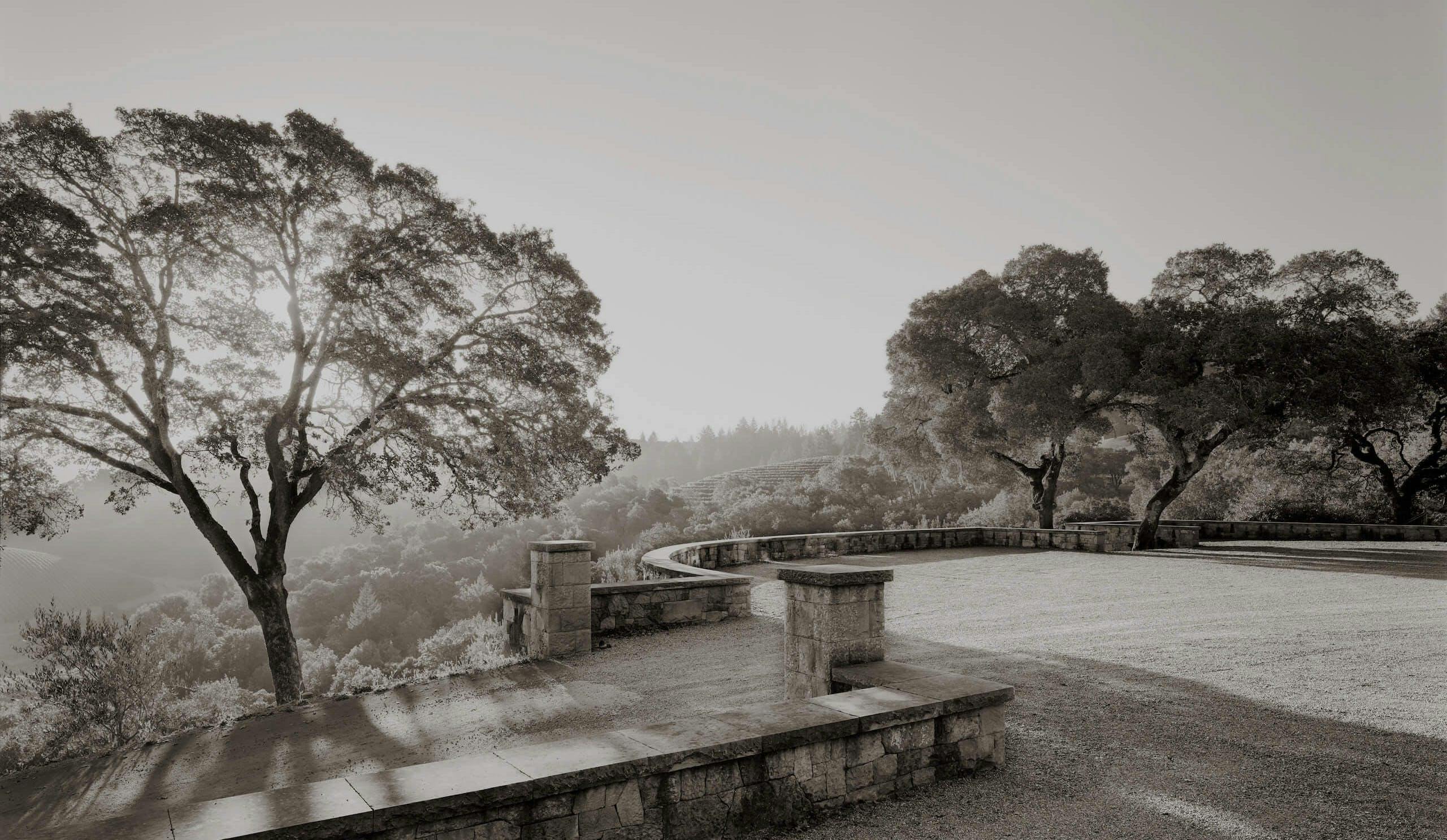
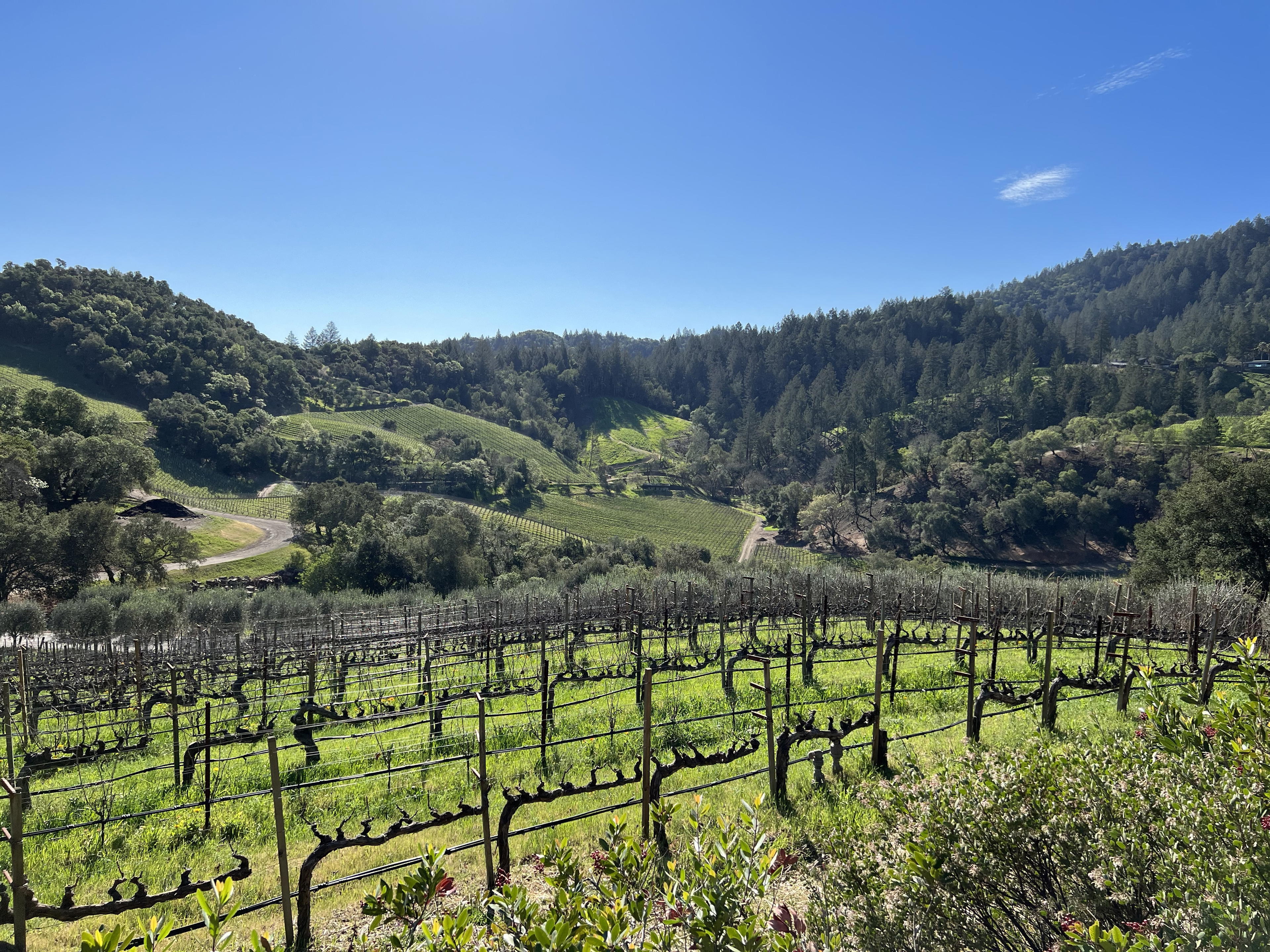
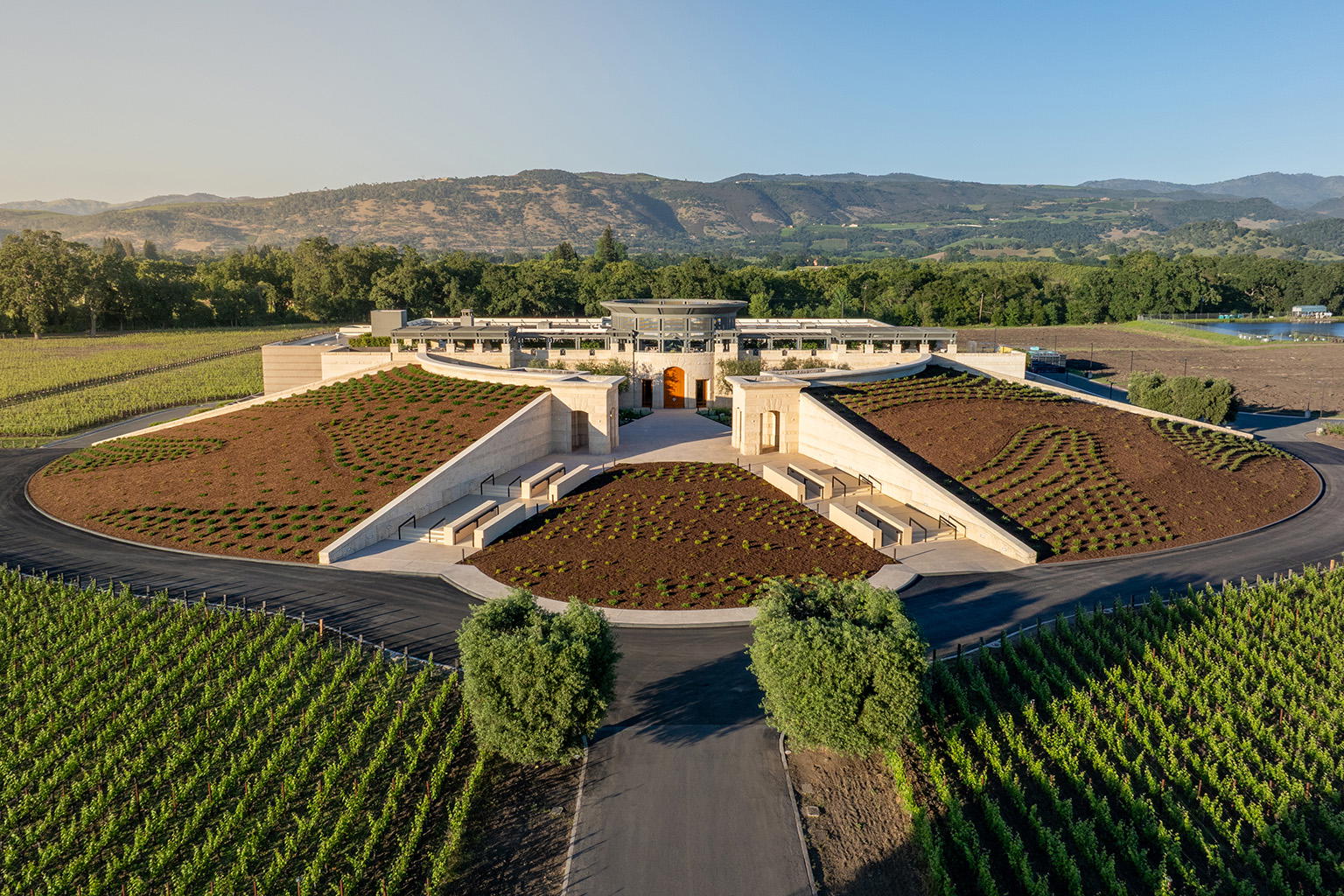
Bars in Rutherford
Browse all →
Restaurants in Rutherford
Browse all →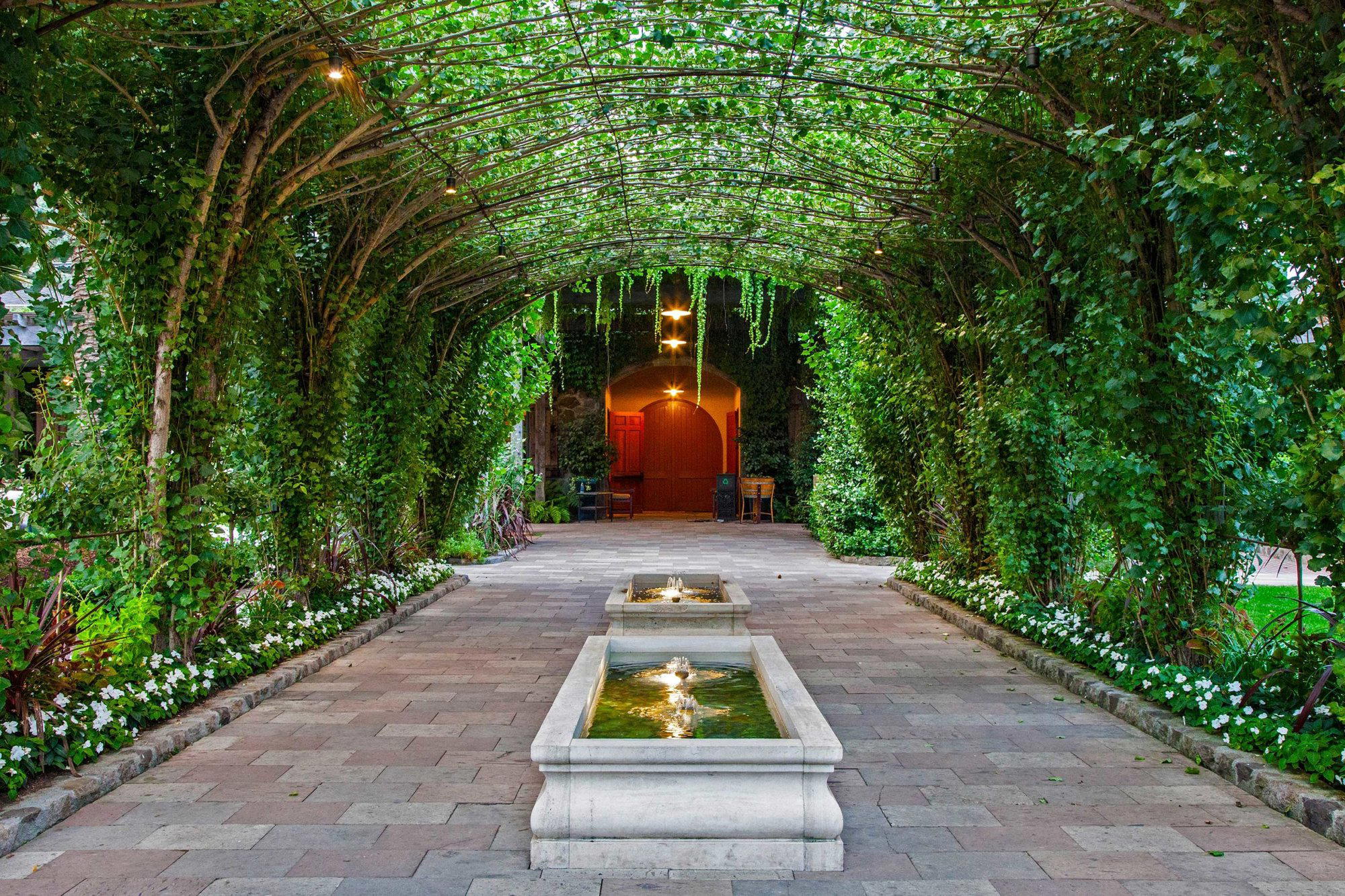
Details
- Classic
- Elegant
- Well Known
- Sophisticated
- Special Occasion
- Wine Education
- Estate Grounds
- Historic Building
- Panoramic View
- Sustainable
- Vineyard
- Garden
- Cabernet Sauvignon
- Syrah
- Zinfandel
- Still Red
- Heritage Tasting
- Founded: official source · checked
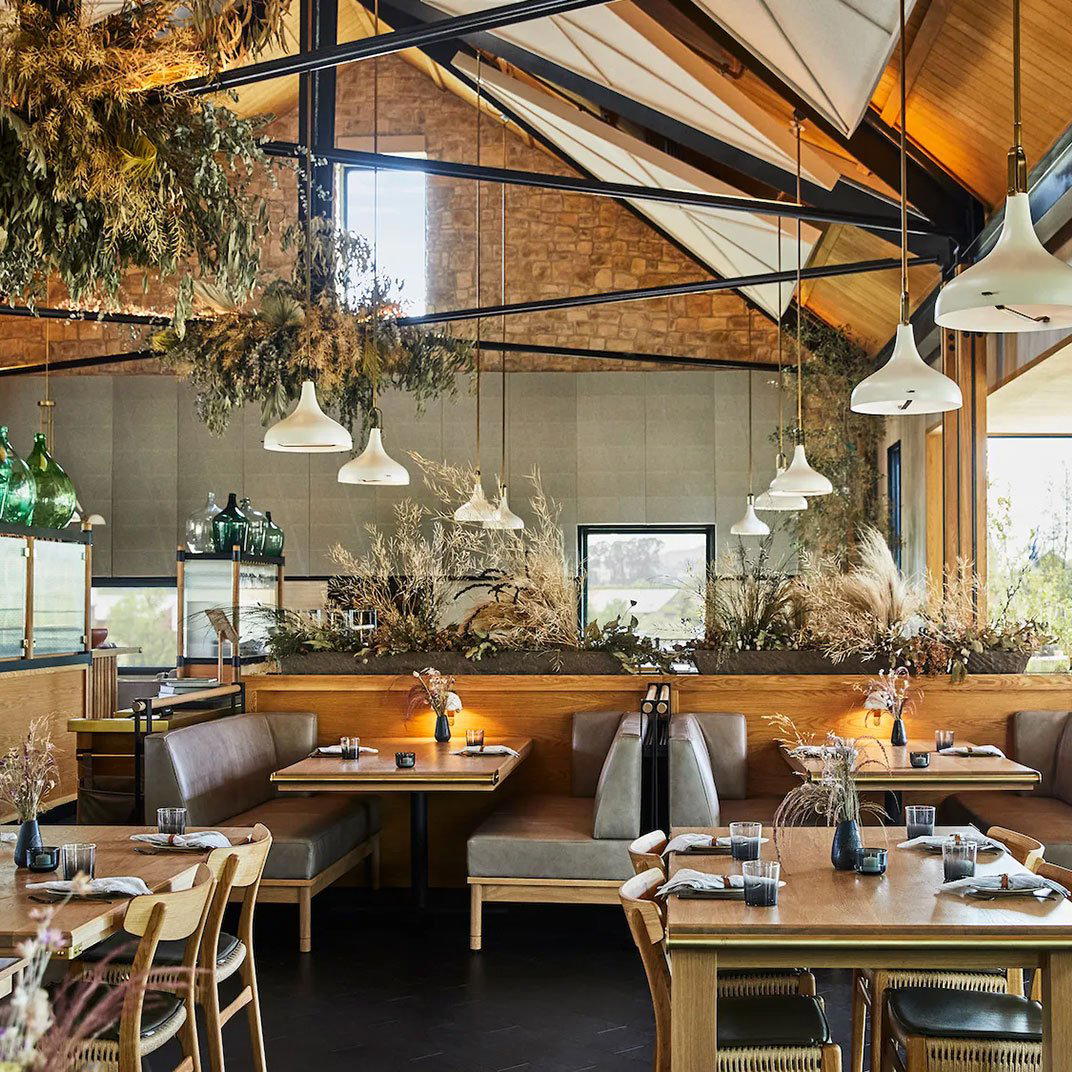
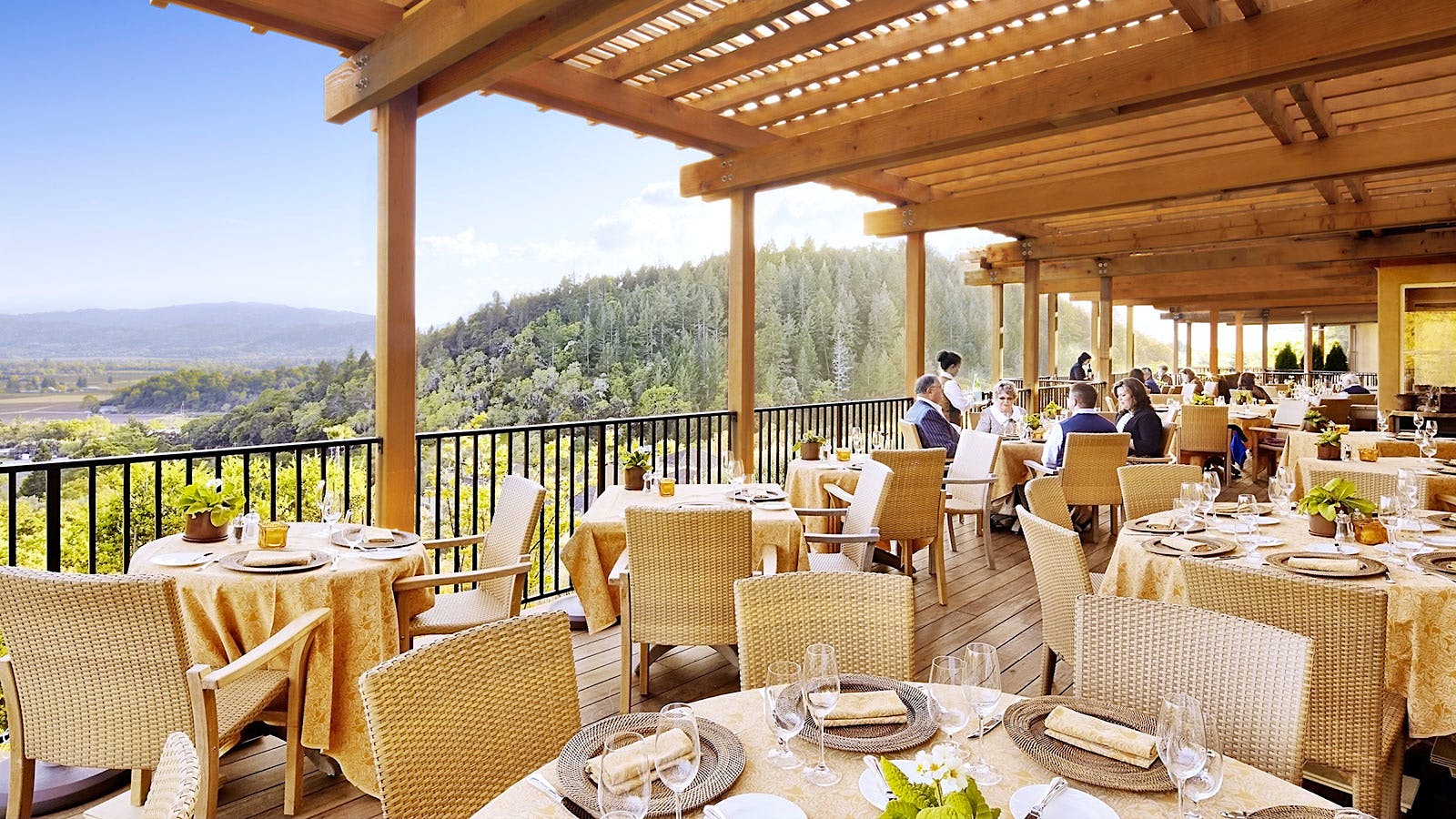
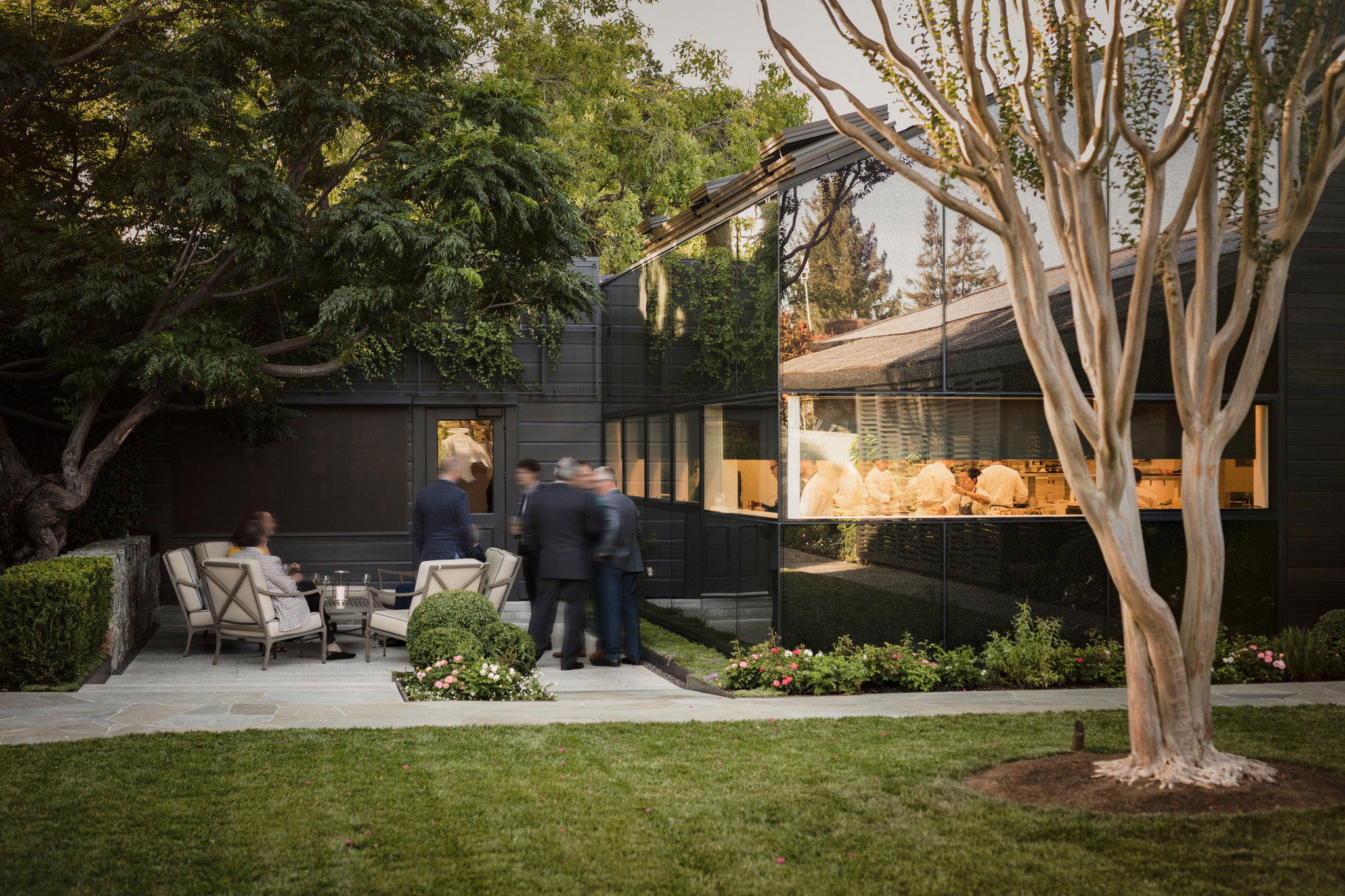
Elegant and historic with picturesque grounds, tree-lined entrance, beautiful gardens, and a museum-like interior featuring movie memorabilia in a tranquil, sophisticated setting.