
Falstaff Winery - 5 Stars
The estate sits where Sagrantino and Sangiovese territory converge, and its positioning reflects a long commitment to expressing the character of Umbrian soil through both glass and table.

Pearl is the En Primeur Club membership app — saves, bookings, and concierge access live there. Same editors, same standards.
- Address
- Viale Giorgio Lungarotti, 06089 Torgiano PG
- Phone
- +39075988661
- Website
- lungarotti.it
- Directions
- Get directions
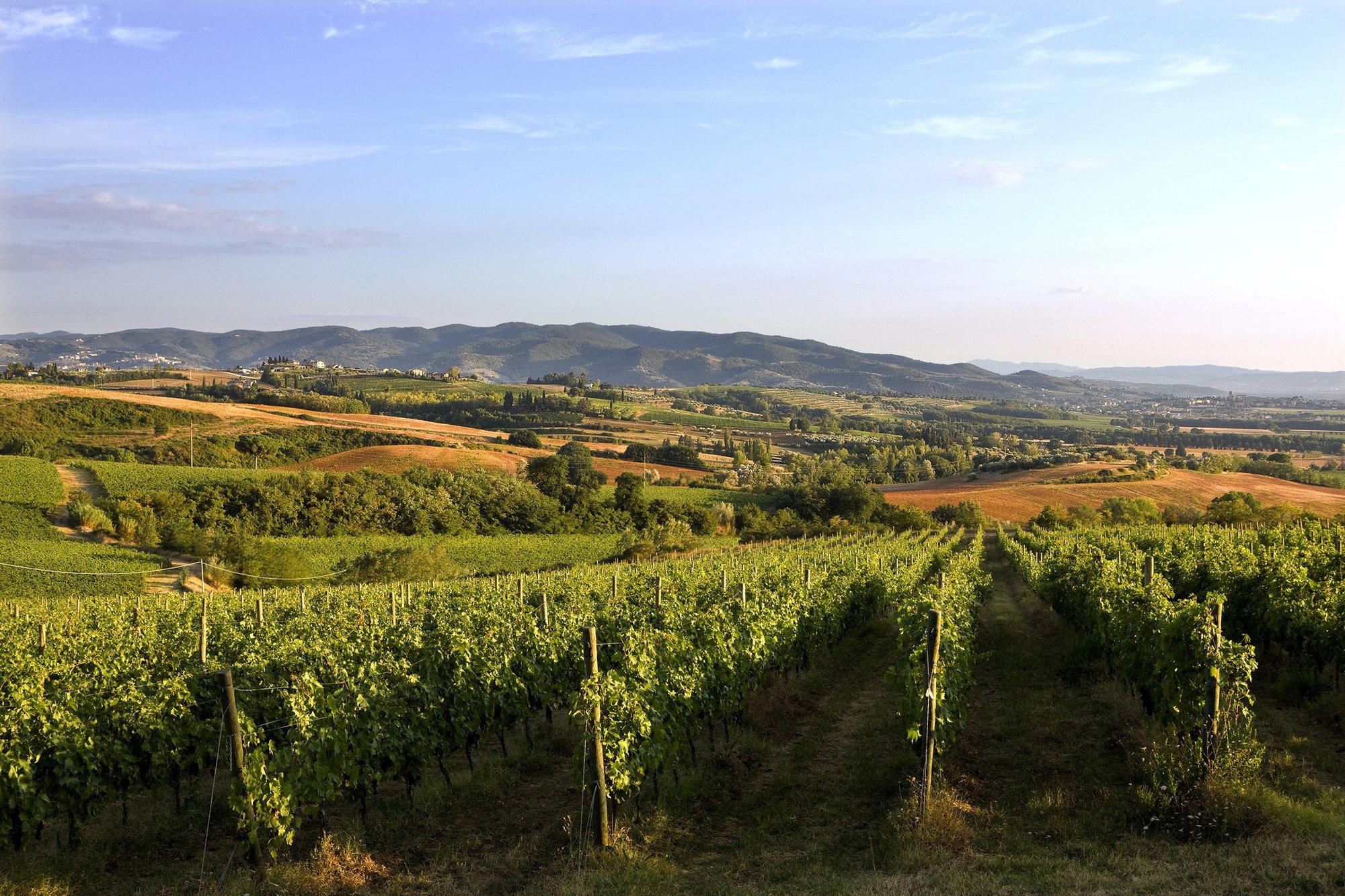
Torgiano and the Slow Accumulation of Terroir Credibility
Umbria rarely competes loudly for attention in Italian wine conversations. Tuscany absorbs most of the coverage to the west; further north, the Nebbiolo belt commands its own gravitational pull. What Umbria has instead is a slower, more particular kind of credibility, built through appellations like Torgiano and Montefalco that reward patience over promotion. Torgiano, a compact hilltop town roughly fifteen kilometres south of Perugia on the confluence of the Tiber and Chiascio rivers, has clay-rich soils and a continental-to-Mediterranean transition climate that gives its reds a structural density without the tannic severity that marks many high-altitude central Italian zones.
Lungarotti is, in practical terms, the institution most associated with this place. That rating matters here not as a trophy but as a pointer: Lungarotti operates at a depth that justifies dedicated travel from outside the region, not merely a detour from Perugia or Assisi.
For context on how Italian estates build this kind of multi-generational standing, the pattern is comparable, if geographically distinct, to what Castello di Volpaia in Radda in Chianti has achieved in the Chianti Classico zone, or to the quieter authority of Aldo Conterno in Monforte d'Alba in Piedmont. In each case, the estate becomes inseparable from its appellation's identity over decades.
What the Soil Tells You
The soils around Torgiano are predominantly medium-textured clays and silts laid down by river alluvium, interspersed with zones of higher limestone content on the slopes above the valley floor. This geology creates conditions well-suited to Sangiovese, which makes up the backbone of the Torgiano Rosso DOC and the prestige Torgiano Rosso Riserva DOCG. Sangiovese on these soils tends to carry more mid-palate weight than the same variety grown on the galestro-dominated slopes of Chianti Classico; the acidity is present but rounder, and the tannins integrate at a different pace.
Umbria also provides a growing environment where the diurnal temperature range through the summer months preserves aromatic complexity. The valley position means mornings are cooler than the afternoon peaks suggest, and harvest decisions can hold longer into autumn without the risk of overripening that flatter southern Italian zones face. The result is a style of Sangiovese that sits between the intellectual austerity of Brunello, produced from the same variety further west in Montalcino at estates like L'Enoteca Banfi and Poggio Antico, and the more approachable, earlier-drinking expressions found in the broader Rosso di Toscana category.
This terroir distinction is not incidental to understanding Lungarotti.
The Experience at Viale Giorgio Lungarotti
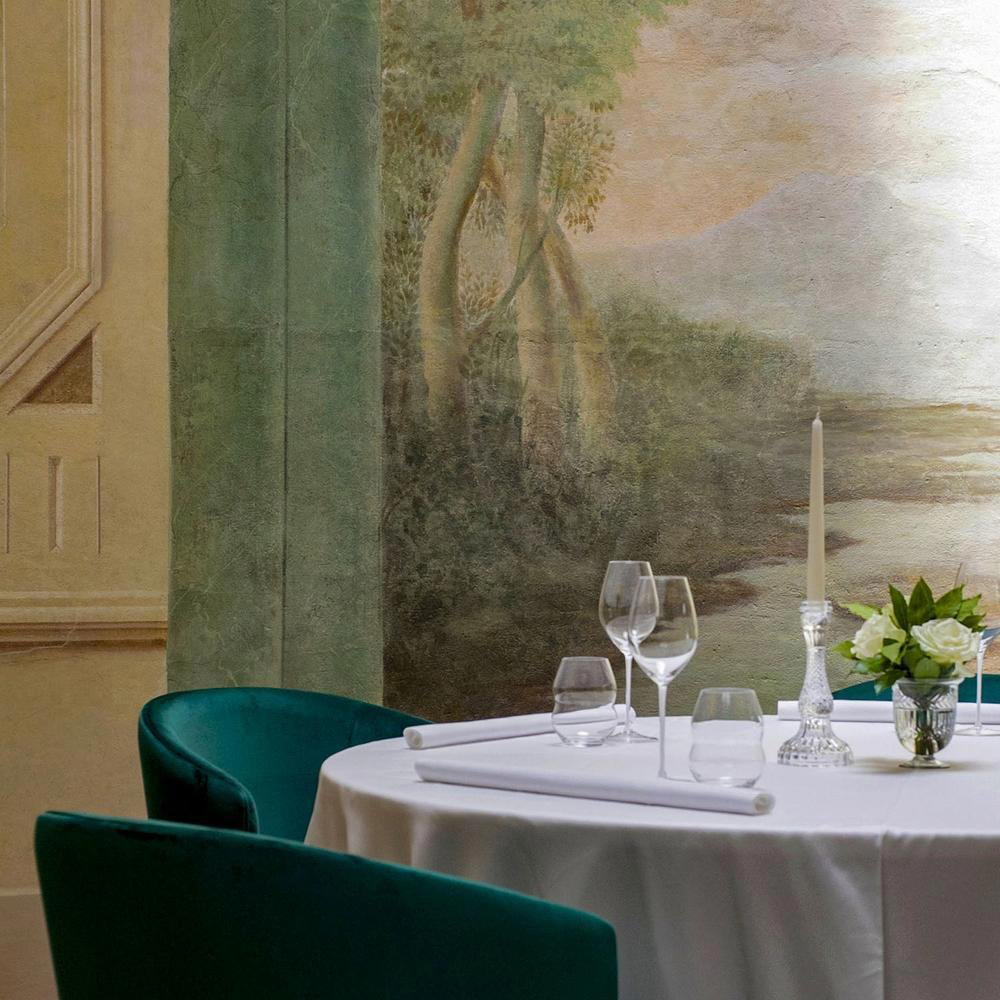
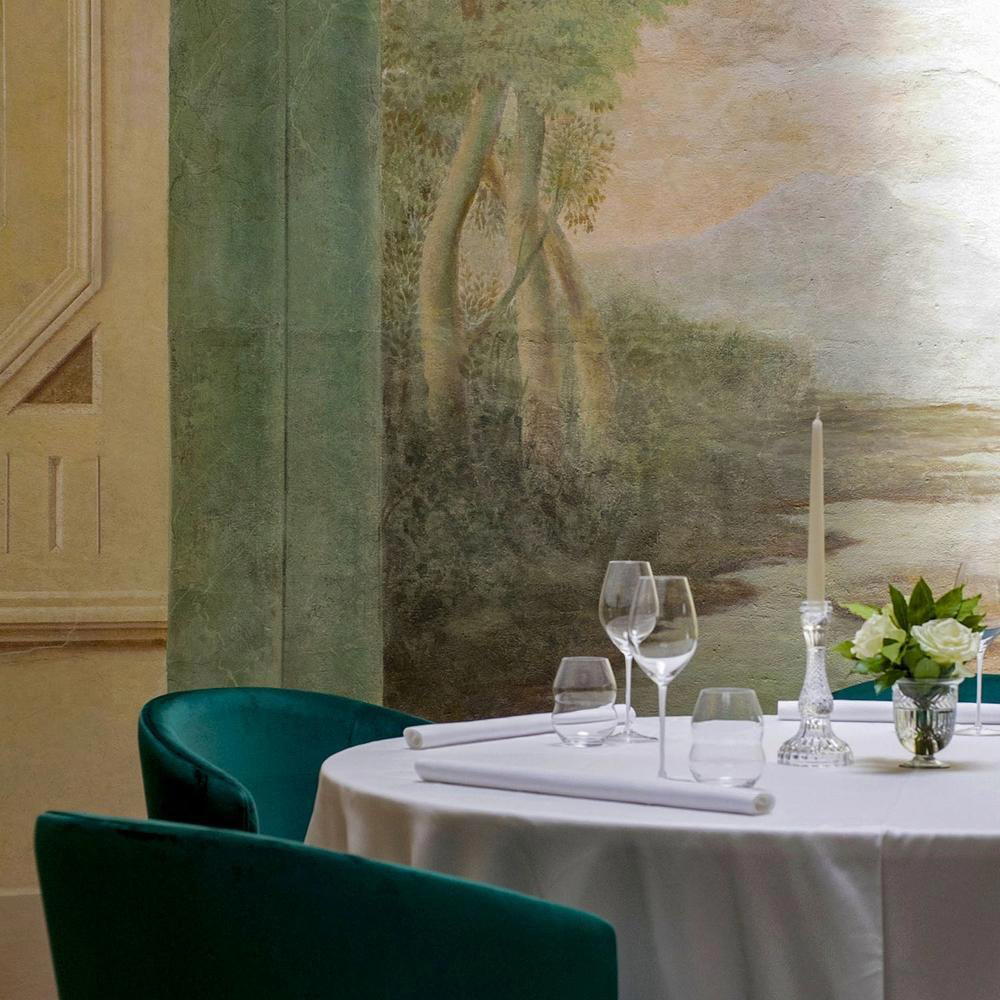
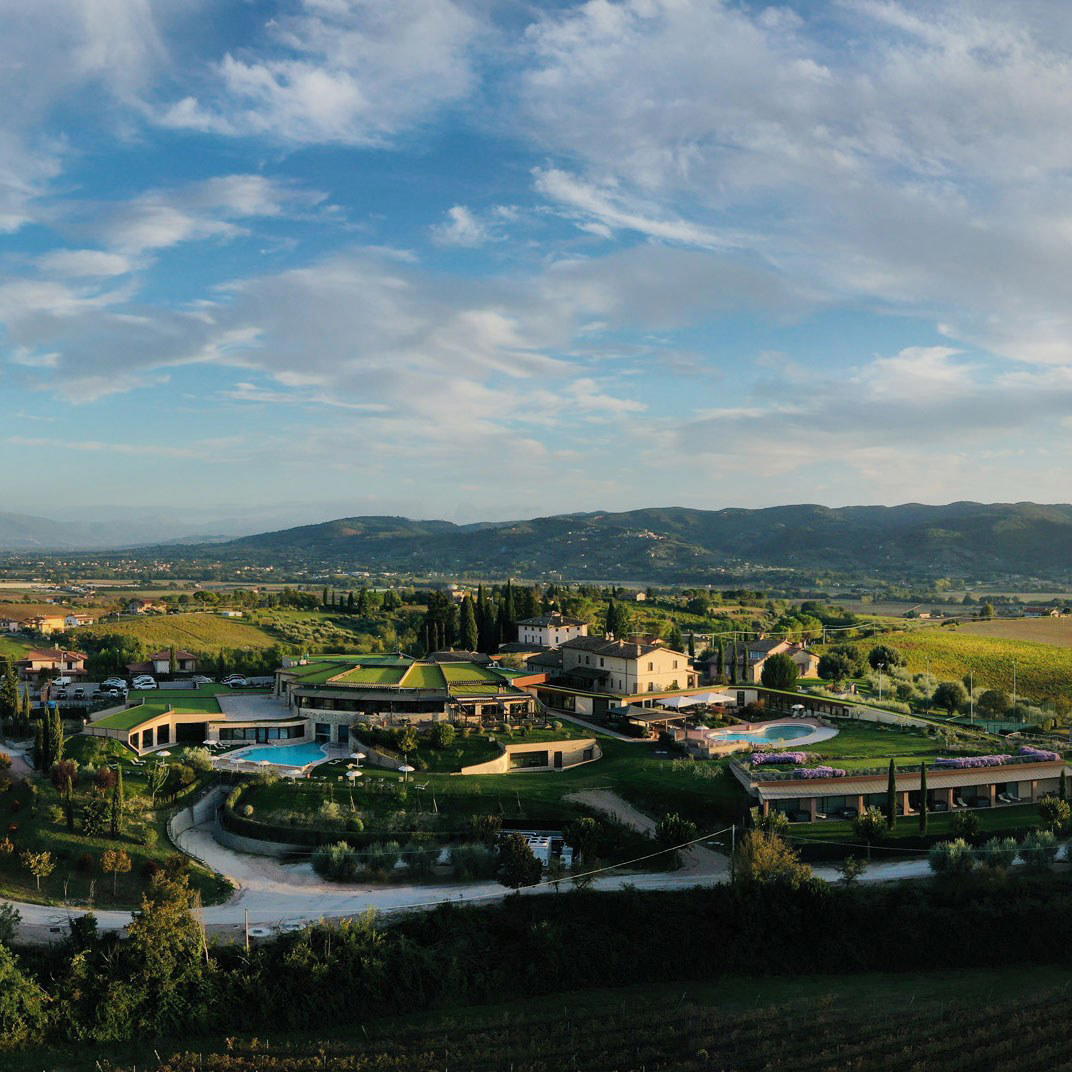
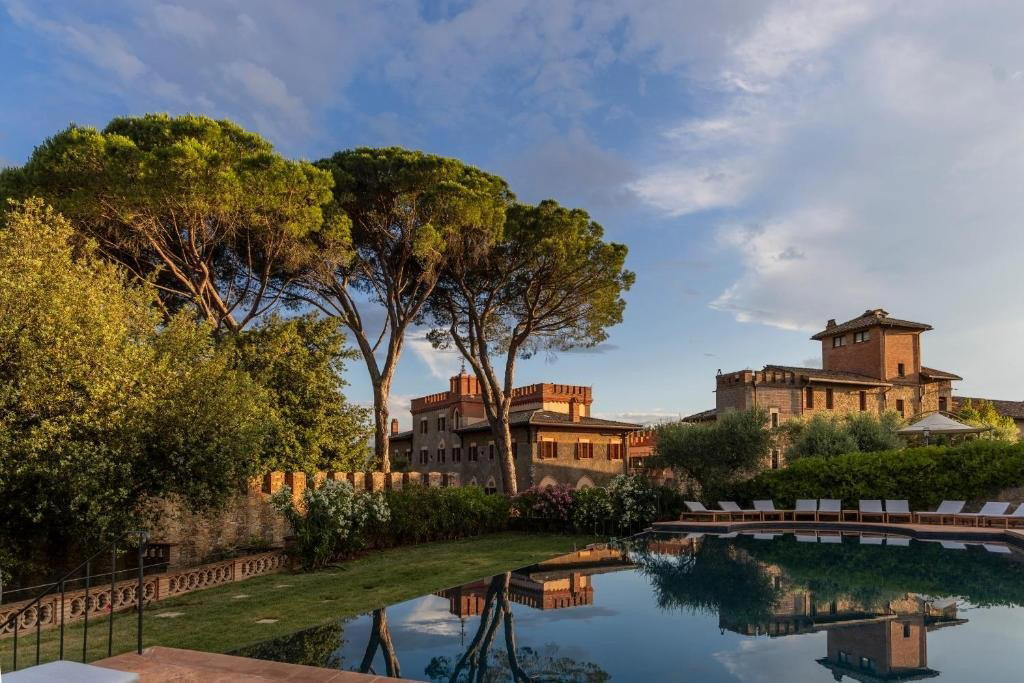
Approaching the estate along Viale Giorgio Lungarotti in the town of Torgiano, the architecture and surroundings signal an operation that has thought carefully about how hospitality and wine culture intersect. This is not a converted agriturismo with modest ambitions; the Lungarotti complex encompasses a hotel, restaurants, and the celebrated MUVIT (Museo del Vino), one of Italy's most thorough wine museums, and the MOLIVI museum dedicated to olive oil. The experience is therefore layered in a way that few estates in central Italy match: a visit addresses the wine itself, the historical and agronomic context behind it, and the table that brings those threads together.
The estate's Tre Vaselle hotel operates within this ecosystem, which means guests staying on-site are positioned to approach tastings and meals as a continuous experience rather than a sequence of separate bookings. This model is rarer than it sounds in the Italian mid-country; many estates in Tuscany and Umbria maintain wine production as their primary identity with hospitality added incrementally. At Lungarotti, the hospitality infrastructure has been developed with equivalent seriousness. For planning purposes, staying at least two nights allows the kind of unhurried engagement with both the wine programme and the museums that a day visit cannot accommodate.
Those visiting from outside Umbria can use Perugia as the main transport hub, with the town of Torgiano accessible by car in under twenty minutes. The estate's address at Viale Giorgio Lungarotti, 06089 Torgiano PG, is the practical anchor point for navigation.
Italian Wine Estates at This Level: A Broader Frame
The 2025 EP Club Prestige tier includes a range of Italian producers across very different categories and regions. Some of that cohort operates at the intersection of production and hospitality in ways that create comparable decision-making contexts for the traveller. Planeta in Menfi anchors a similar multi-property, multi-variety identity in Sicily. Ca' del Bosco in Erbusco brings Franciacorta production to a comparable level of hospitality seriousness in Lombardy. In the spirits category, estates such as Nonino Distillery in Pavia di Udine, Distilleria Marzadro in Nogaredo, and Distilleria Romano Levi in Neive have built reputations that extend well beyond their production category, each in their own regional niche.
What separates the Lungarotti case from most peers at this level is the appellation specificity. Torgiano Rosso Riserva DOCG is, in practical terms, a single-estate appellation in the way the rules have historically functioned. That kind of regulatory alignment between producer and place is unusual in Italy outside the most high-profile zones, and it gives the estate's wines a denominational authority that purely IGT-category producers cannot claim regardless of quality. It is a position more comparable, in structural terms, to Produttori del Barbaresco in Barbaresco (where the co-operative and the DOCG are effectively inseparable in the public mind) than to any Tuscan IGT super-producer.
For reference on how internationally oriented Italian premium producers compare on the spirits and distribution side, Campari in Milan, Poli Distillerie in Schiavon, and Aberlour provide useful contrast cases from outside the still-wine category, while Accendo Cellars in St. Helena illustrates how the Napa Valley premium tier constructs appellation prestige through very different mechanisms.
Planning a Visit
Torgiano sits within a broader Umbrian itinerary that warrants at minimum three to four days to cover properly. The town itself is small, and the estate is its primary draw, so visitors combining Lungarotti with Assisi (approximately twenty kilometres northeast), Spoleto (around fifty kilometres south), and Montefalco (roughly twenty kilometres south, home to Sagrantino DOCG) will find the geography cooperative. Spring and early autumn are the periods when the valley's character is most legible: the vines carry weight, the light is lower, and the tourist pressure around Assisi and Perugia drops to manageable levels.
For the full picture of dining and drinking across the town and surrounding area, see our full Torgiano restaurants guide, which covers a broader range of options across price points and formats.
A Quick Peer Check
Comparable venues nearby, for context on price, style, and recognition.
| Venue | Cuisine | Price | Awards | Notes |
|---|---|---|---|---|
| LungarottiThis venue — the venue you are viewing | Sangiovese, Sagrantino | Not listed | Falstaff Winery - 5 Stars | Not listed |
| Stock Spirits (Stock 84) | Winery | Not listed | Not listed | Trieste |
| Villa Bucci | Verdicchio, Montepulciano | Not listed | Not listed | Ostra Vetere |
| Famiglia Cotarella (Falesco) | Merlot, Roscetto | $20–30 | Falstaff Winery - 4 Stars | Montefiascone |
| Emidio Pepe | Winery | Not listed | Not listed | Montepulciano |
| Argiano | Sangiovese Grosso, Cabernet Sauvignon | $50–100 | Falstaff Winery - 5 Stars | Sant'Angelo in Colle |
Recognition history
Dated appearances from independent guides and award organizations, with the underlying list record or original source where available.
Falstaff Winery - 5 Stars
Falstaff
Continue exploring
More in Torgiano
Wineries in Torgiano
Browse all →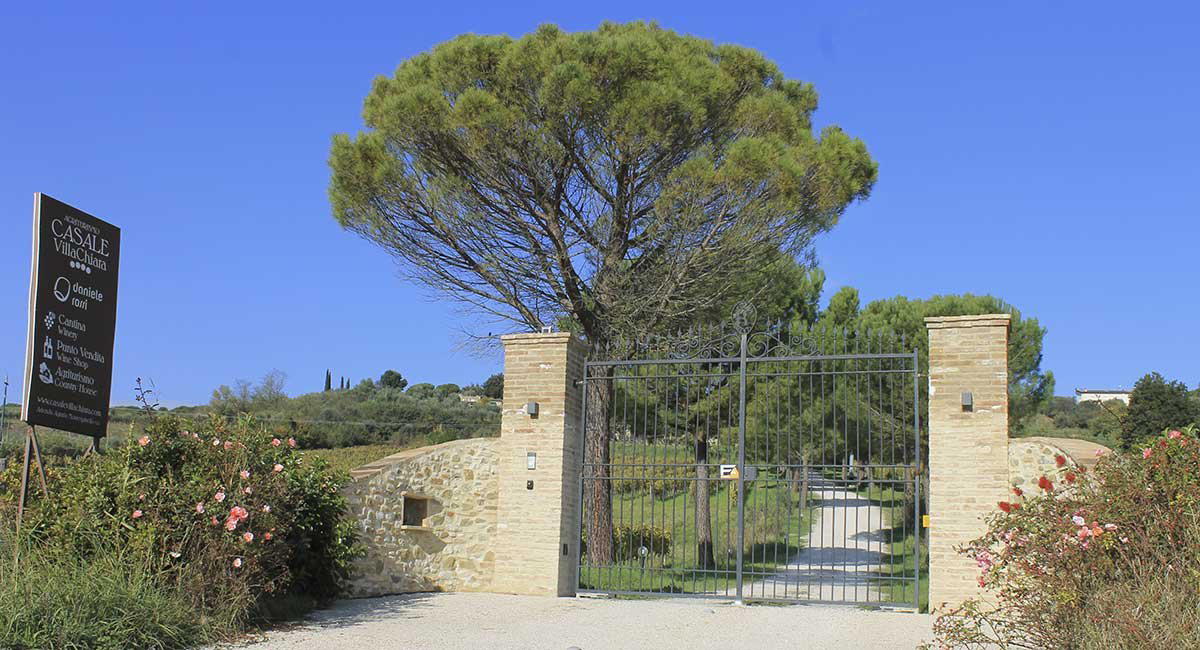
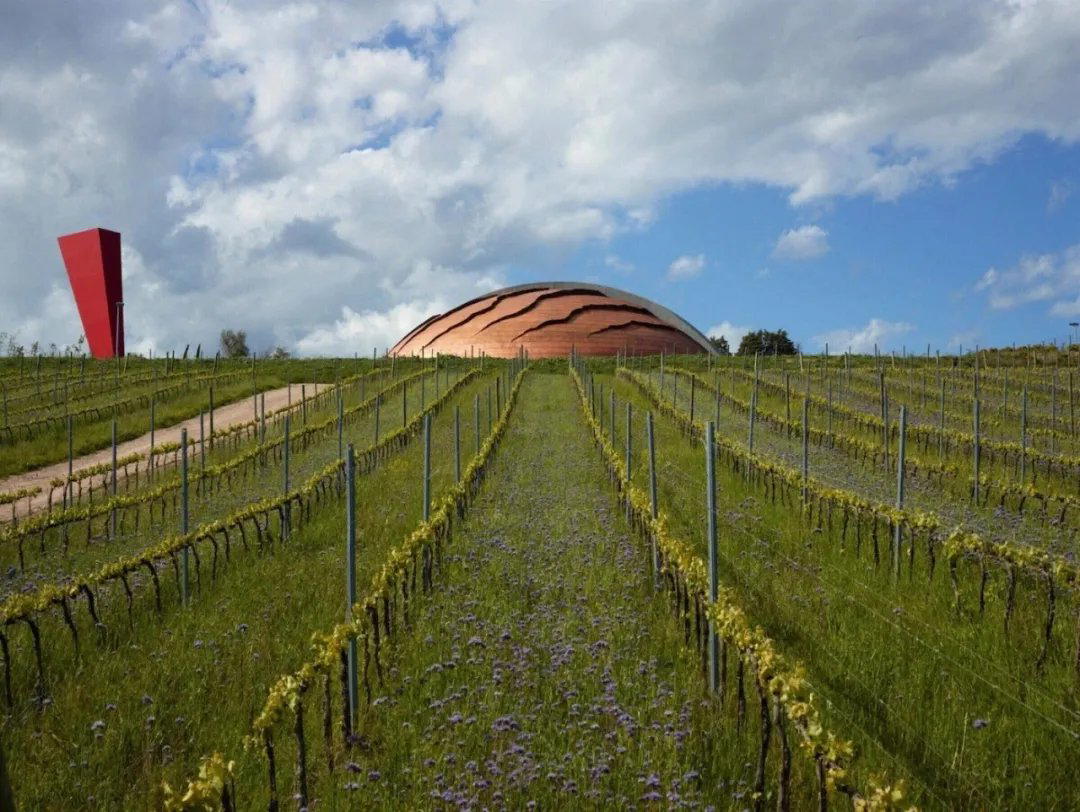
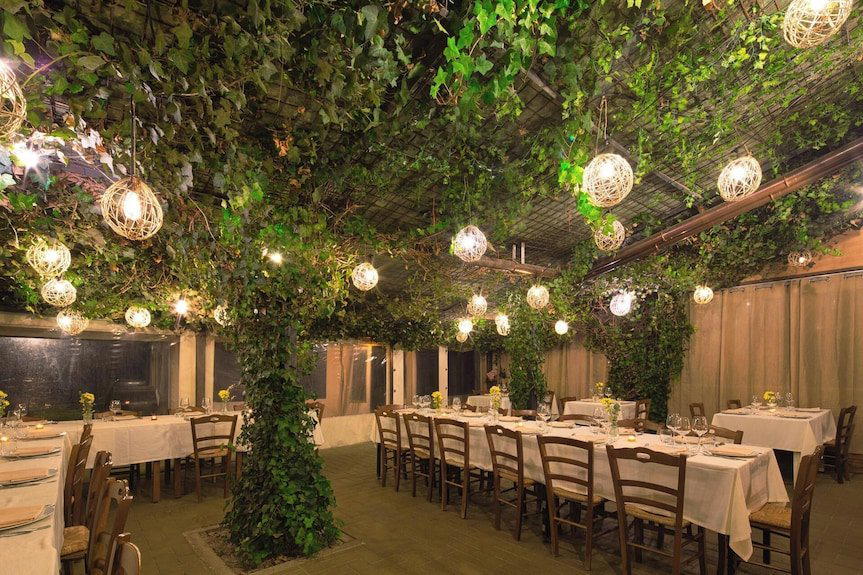
Bars in Torgiano
Browse all →
Restaurants in Torgiano
Browse all →
Details
- Classic
- Rustic
- Elegant
- Wine Education
- Special Occasion
- Vineyard Tour
- Estate Grounds
- Sustainable
- Organic
- Vineyard
- Sangiovese
- Sagrantino
- Colorino
- Grechetto
- Chardonnay
- Merlot
- Cabernet Sauvignon
- Pinot Grigio
- Still Red
- Still White
- Still Rosé
- Sparkling
- Cave Tasting
- Private Tasting
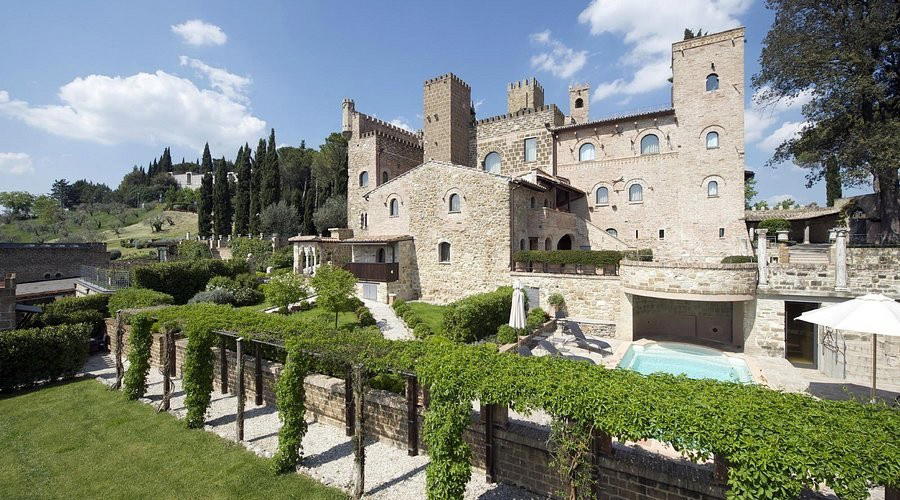
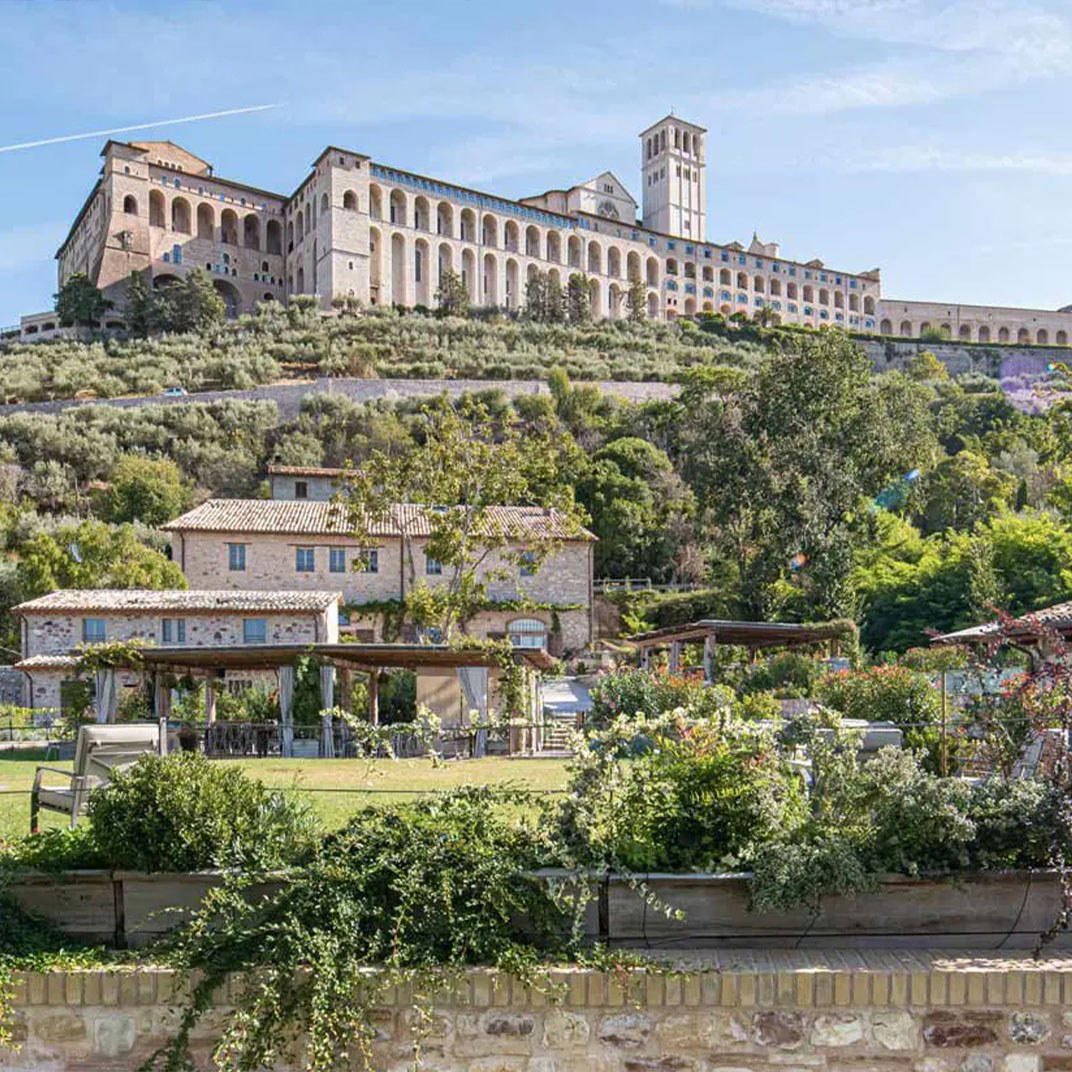
Historic and sophisticated atmosphere rooted in family legacy, surrounded by rolling hills and verdant vineyards in Umbria.