LHV Avezza

LHV Avezza is a small Piedmontese winery in Calamandrana shaped around Alta Langa DOCG, Nizza and Barbera reds, and visitor-facing tastings tied to the countryside rhythm of Monferrato. The draw is not trophy-chasing or critic-score theatre, but a compact cellar-door format with vineyard views, food-pairing options, and a quiet, reservation-led pace.
Pearl is the En Primeur Club membership app — saves, bookings, and concierge access live there. Same editors, same standards.
- Address
- Calamandrana, Piedmont, Italien
 Saves & bookings on Pearl
Approaching a winery in Calamandrana changes the traveller’s tempo before the first glass is poured. The hills of Monferrato do not perform like a grand cru postcard; they work more quietly, with rows of vines, agriturismo dining rooms, and cellars that turn local identity into a visitor experience. LHV Avezza belongs to that smaller, estate-led side of Piedmont wine tourism, where the tasting room, the wine shop, and the surrounding countryside carry as much weight as formal awards.
The useful lens here is terroir rather than reputation. Piedmont’s prestige often pulls attention toward famous village names, yet Calamandrana sits in a broader regional conversation about altitude, acidity, structured reds, and the revival of serious traditional-method sparkling wine. LHV Avezza’s stated focus on Alta Langa DOCG, alongside Nizza and Barbera reds, places it in a category where freshness and structure matter more than showmanship. The estate works at a small scale, with production around 50,000 to 80,000 bottles a year, which keeps the experience closer to cellar-door education than anonymous volume tourism.
Alta Langa and Barbera set the frame, not a trophy wall
In Piedmont, a winery’s emphasis tells the reader how to read the place. Alta Langa DOCG points to metodo classico sparkling wine from a region increasingly taken seriously for altitude-driven acidity and lees-aged texture. Nizza and Barbera bring the conversation back to red wine with local authority: darker fruit profiles, acidity, and a food-facing structure that make sense in this part of Asti province. LHV Avezza also lists Nebbiolo, Moscato, Pinot Noir, and Chardonnay among its varietal orbit, which broadens the portfolio without turning the estate into a generalized tasting counter.
That mix is editorially useful because it shows how contemporary Piedmont is no longer explained only through heavyweight reds. The region’s cellar doors now often have to translate sparkling, still red, still white, rosé, pét-nat, and dessert styles to visitors who may arrive with a narrow expectation of what Piedmont means. The winery sits inside that shift. The experience is less about chasing a single famous label and more about seeing how a small estate organizes regional styles into a tasting format that can move from aperitivo logic to table wine.
The winery dates to 1980, a meaningful signal in a region where continuity matters but does not automatically equal prestige. There are no public award markers attached here, so the case for visiting rests on format and place: a Calamandrana cellar with vineyard and garden views, a wine-shop function, shipping availability, and a hospitality model built around tastings rather than mass access. In a market crowded with score-led labels and trophy cellars, that is a different proposition.
A small-group cellar-door experience tied to the San Vito countryside
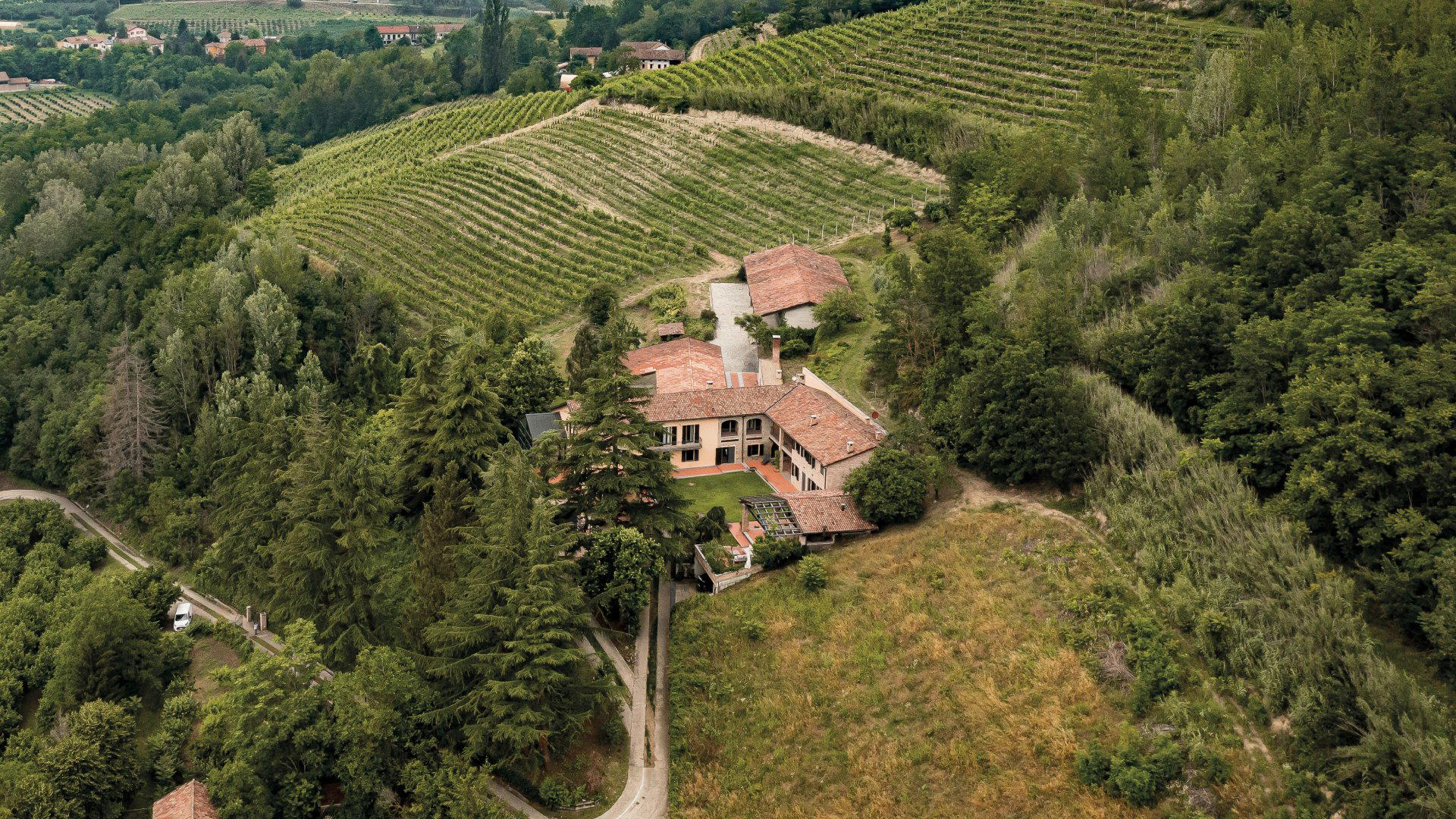
The strongest reason to treat the winery as a travel stop is the integration of wine and rural hospitality. The winery is closely linked with the Residenza San Vito agriturismo, giving the estate a countryside-residence context rather than a stand-alone retail feel. That matters in Monferrato, where wine tourism often works well when the glass is connected to the surrounding meal, slope, and pace of the day. Here, the setting is a hillside vineyard estate in Frazione San Vito, with outdoor seating, vineyard views, and a quiet noise profile.
Tasting format is structured enough for planning: classic bar tasting, guided tasting, food pairing, small-group tasting, vineyard-tour elements, and private-tasting experience tags are all part of the offer. A typical visit runs 60 to 90 minutes, which puts it in the disciplined cellar-door category rather than the long, multi-hour estate immersion common at larger destinations. Italian and English are supported for tours, and the visit type is by reservation, a practical detail that suits a small-capacity property.
Food pairing gives the wines the right frame. Barbera and Nizza are not abstract tasting-room reds; they are built for Piedmontese cooking, acidity working against fat and savour. Alta Langa, meanwhile, has a natural place at the beginning of a meal or alongside lighter courses. The estate’s connection to gourmet Piedmontese cuisine through the San Vito hospitality orbit gives the tasting a stronger regional grammar than a flight poured in isolation.
There is also a useful restraint to the place. Dress is casual, the atmosphere is quiet, and the estate is marked as suitable for groups, romantic getaways, wine education, solo exploration, and special occasions. Children and dogs are not part of the proposition, which clarifies the mood: adult, calm, and oriented around wine rather than general countryside entertainment. On-site parking and accessible parking support the rural format, but the experience should be treated as planned rather than spontaneous.
How to place it within a Calamandrana wine day
Calamandrana rewards travellers who think in clusters rather than single stops. The town’s wine identity is compact enough to build a focused day around cellars, countryside dining, and low-key hospitality instead of racing across Piedmont. For nearby winery research, EP Club’s Calamandrana pages also cover La Giribaldina, LHV San Vito, and Michele Chiarlo, while the broader city rails collect Our full Calamandrana restaurants guide, Our full Calamandrana hotels guide, Our full Calamandrana bars guide, Our full Calamandrana wineries guide, and Our full Calamandrana experiences guide.
For readers mapping Italian and European cellar-door styles more broadly, the archive also includes 3GP SRL in Treviso, 47 Anno Domini in Trebaseleghe, A Mano Wine in Noci, a6mani in Fragagnano, Abbadia Ardenga in Torrenieri, »der Steiner« Hans Steiner in Podersdorf am See, and & Handwein in Mannheim.
The editorial verdict is clear: the winery is strongest for travellers who want a small Piedmontese tasting with a sense of place, not a medals-first cellar visit. Its appeal sits in the combination of Alta Langa, Barbera-led reds, rural San Vito hospitality, and a quiet reservation-led format. Plan it as part of a Calamandrana wine day with time for food, views, and conversation rather than as a quick bottle-buying errand.
Recognition history
Dated appearances from independent guides and award organizations, with the underlying list record or original source where available.
Falstaff Winery - Listed
Falstaff
Continue exploring
More in Calamandrana
Wineries in Calamandrana
Browse all →Restaurants in Calamandrana
Browse all →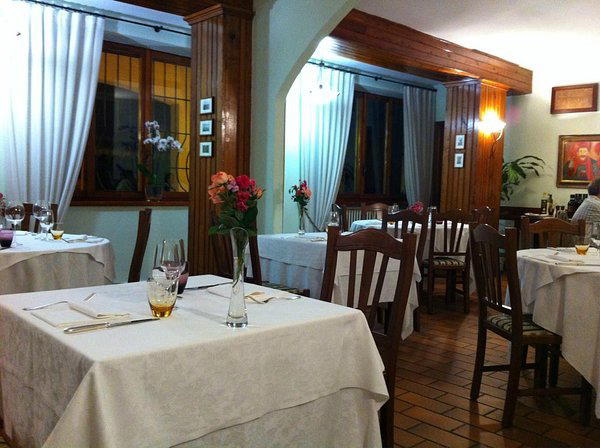
Hotels in Calamandrana
Browse all →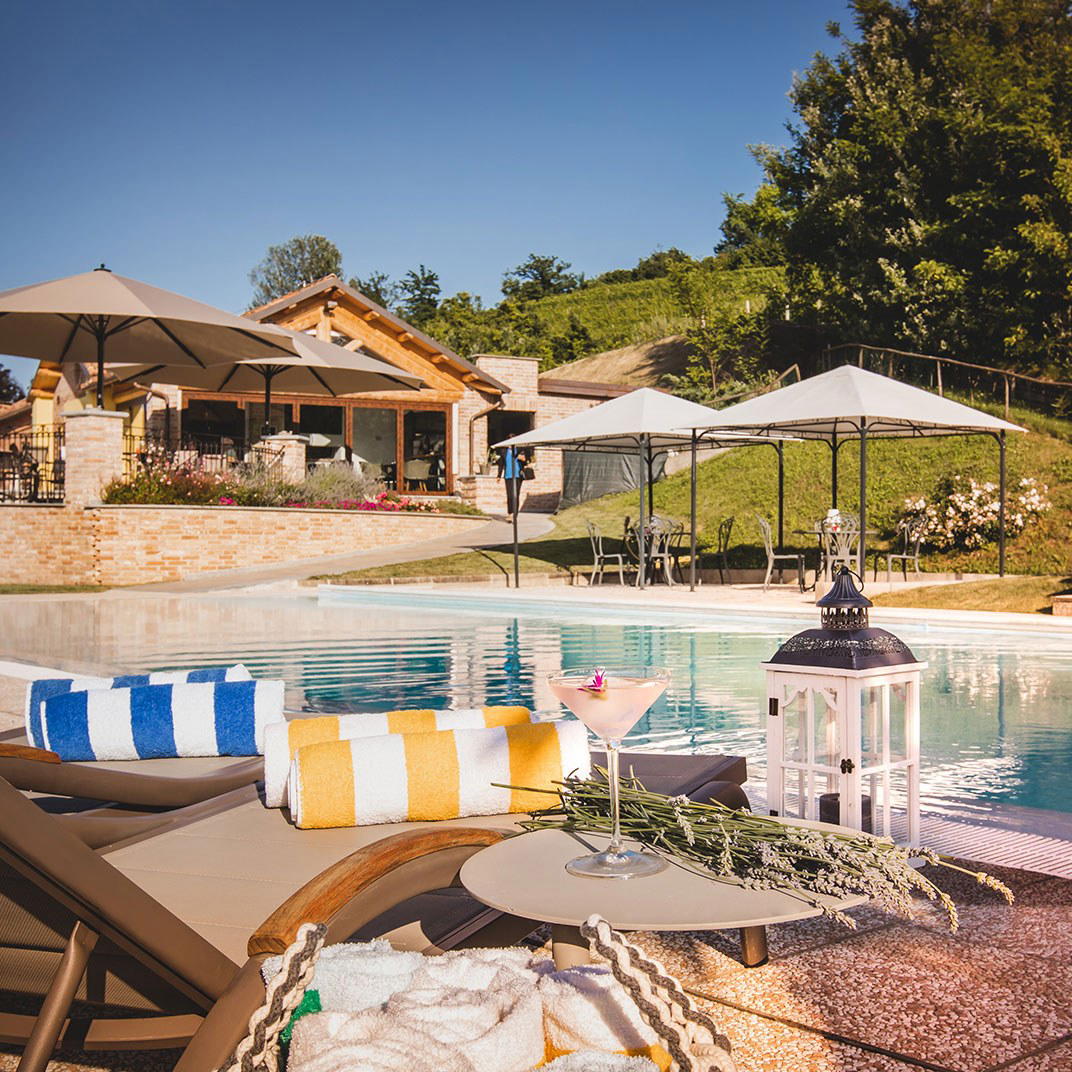
At a Glance
- Elegant
- Scenic
- Romantic
- Intimate
- Rustic
- Romantic Getaway
- Group Outing
- Wine Education
- Special Occasion
- Solo Exploration
- Estate Grounds
- Private Tasting
- Vineyard Tour
- Vineyard
- Garden
- Alta Langa DOCG
- Barbera
- Nebbiolo
- Moscato
- Pinot Noir
- Chardonnay
- Sparkling
- Still Red
- Still White
- Still Rosé
- Pet Nat
- Dessert
- Classic Bar Tasting
- Guided Tasting
- Food Pairing
- Small Group Tasting
Boutique Piedmontese winery closely linked to a luxury countryside residence, offering elegant yet convivial tastings of Alta Langa and classic local reds in a quiet vineyard setting near Calamandrana.