MAPA



Michelin Plate · Relais Chateaux Award
Our verdict
Set within the Relais & Châteaux property L'AND Vineyards, MAPA holds a 2024 Michelin Plate and operates at the €€€ price point. Chef David Jesus, who trained at two-Michelin-starred Belcanto in Lisbon, structures the menu around Alentejo ingredients and Portuguese colonial flavour memory, offered as an à la carte or through two tasting menus of eight or twelve moments.

Pearl is the En Primeur Club membership app — saves, bookings, and concierge access live there. Same editors, same standards.
- Address
- JQW3+59, Montemor-o-Novo, Portugal
- Phone
- +351 266 242 400
- Hours
- Mon–Tue ClosedWed–Sun 1–4 PM, 7–11 PM
- Website
- l-and.com
- Directions
- Get directions
- Booking
- Book on TheFork
Where the Alentejo Provides the Larder
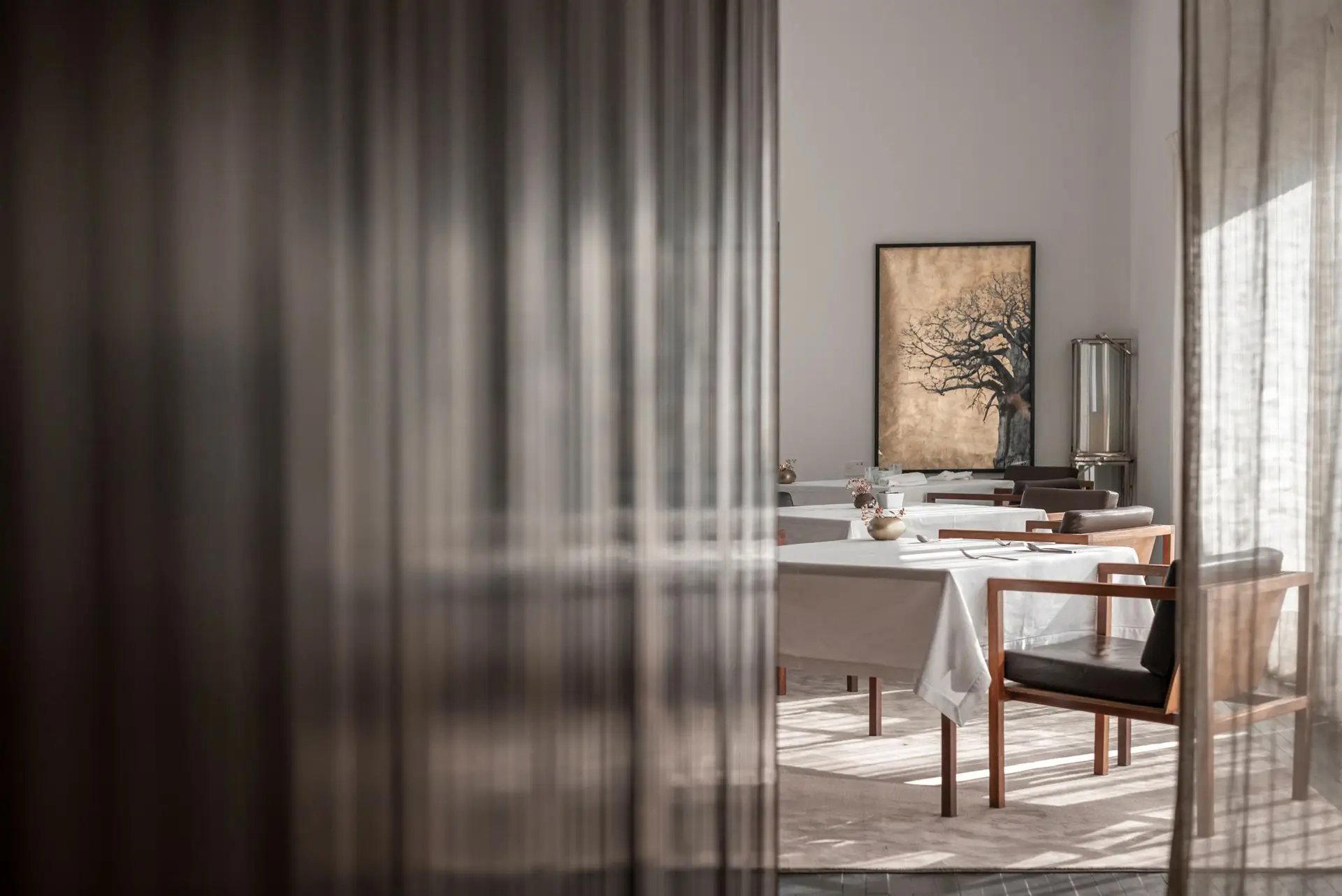
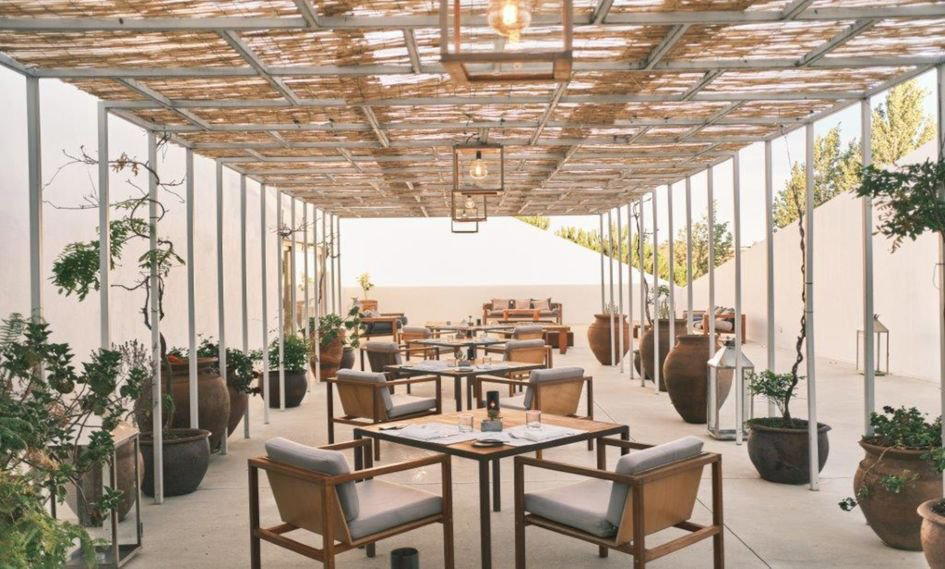
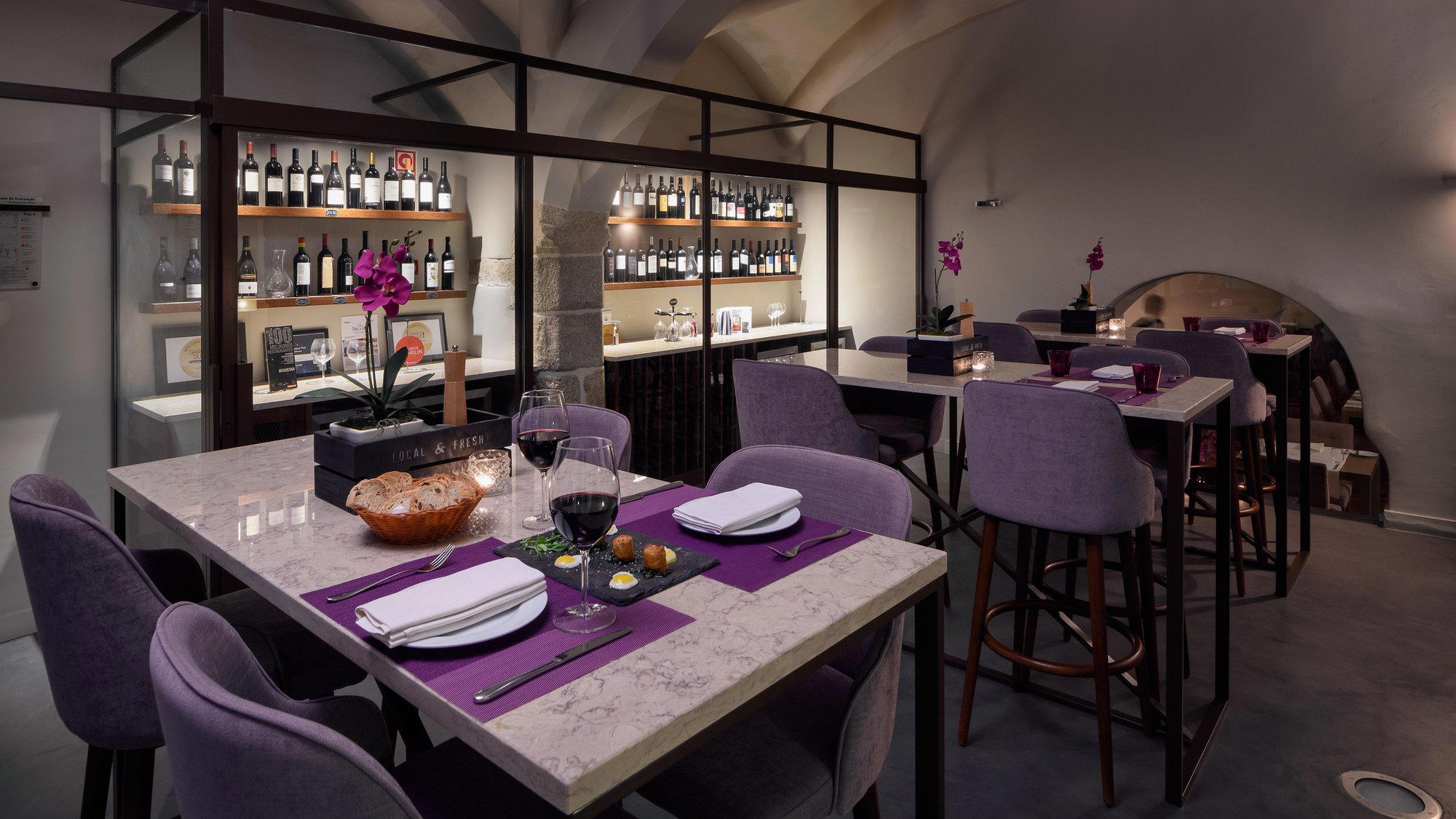
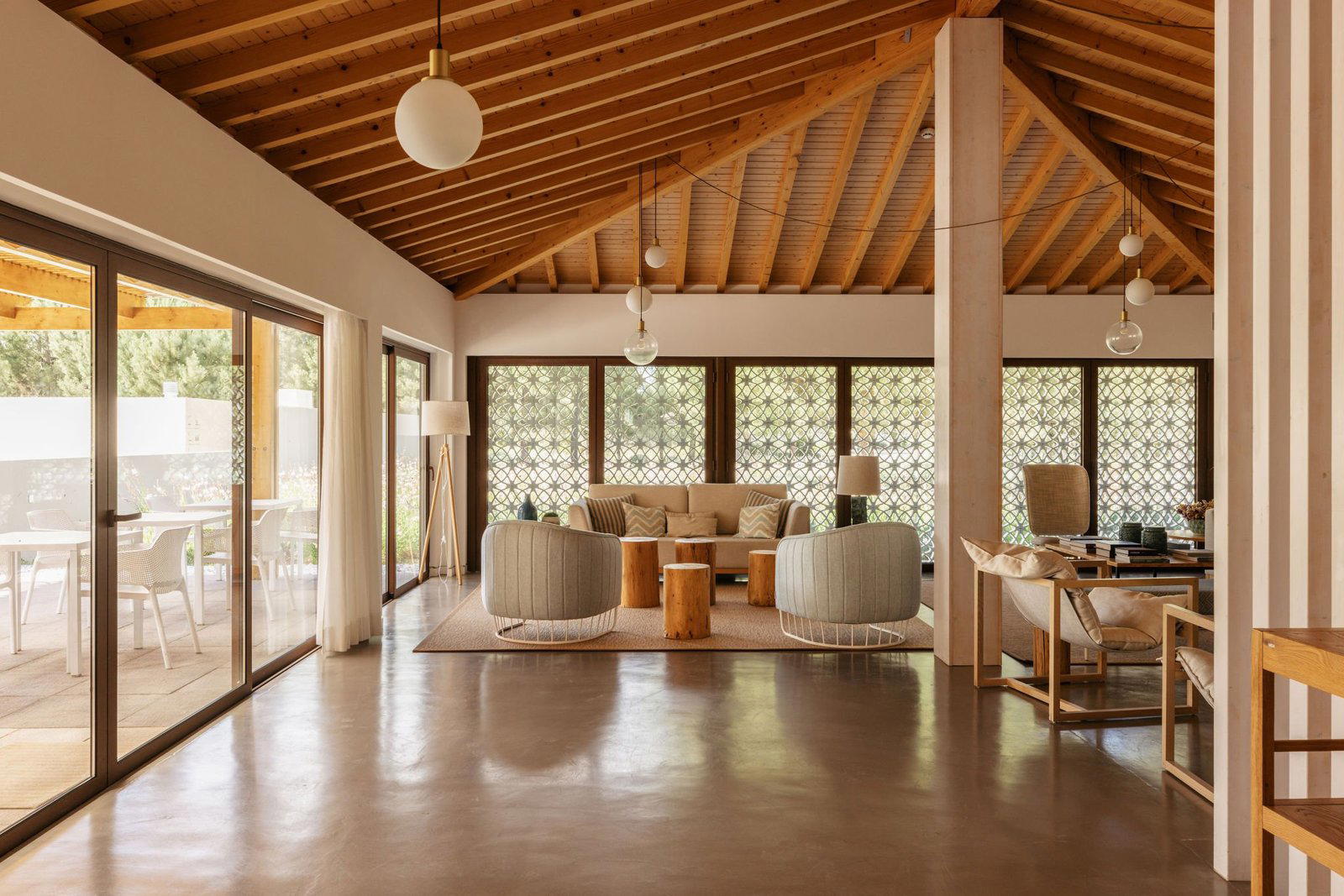
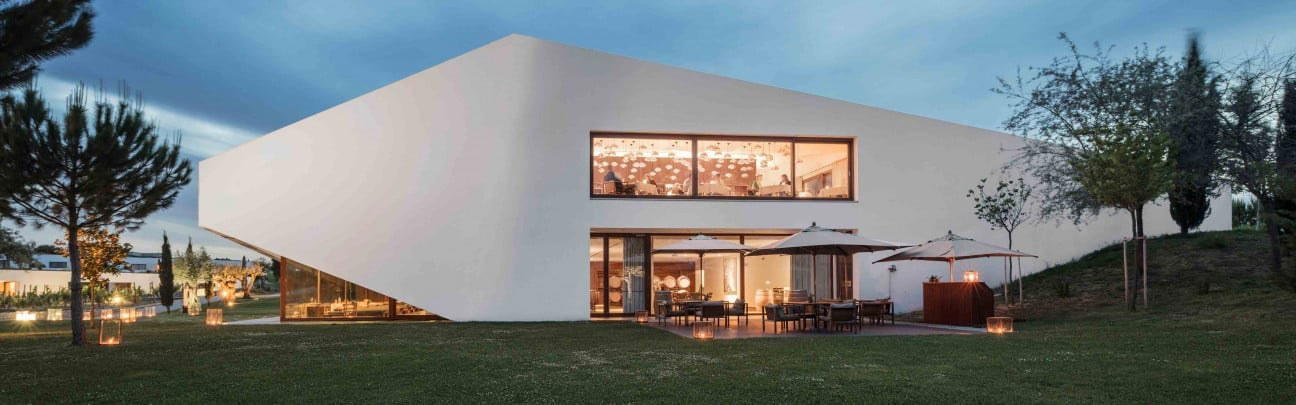
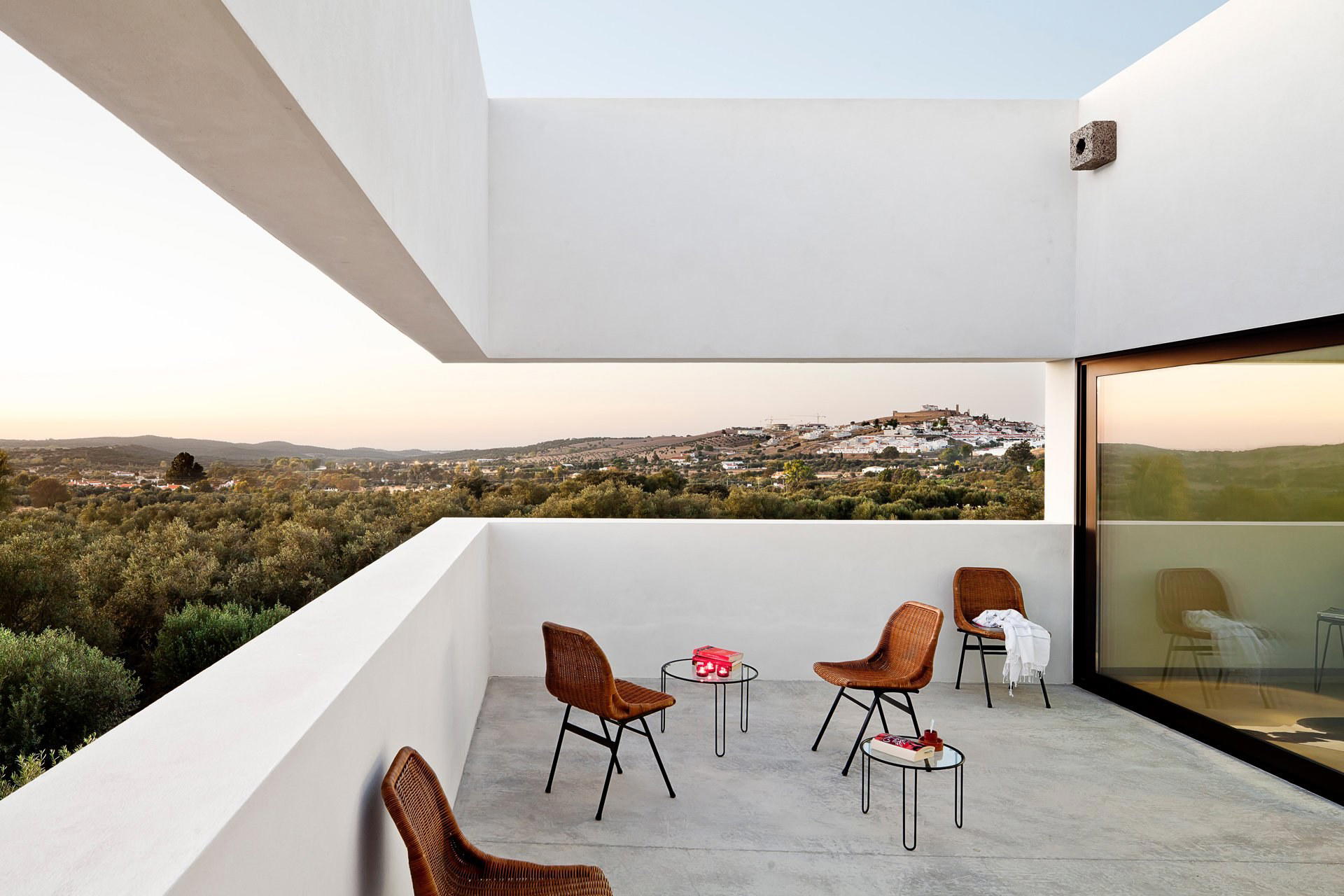
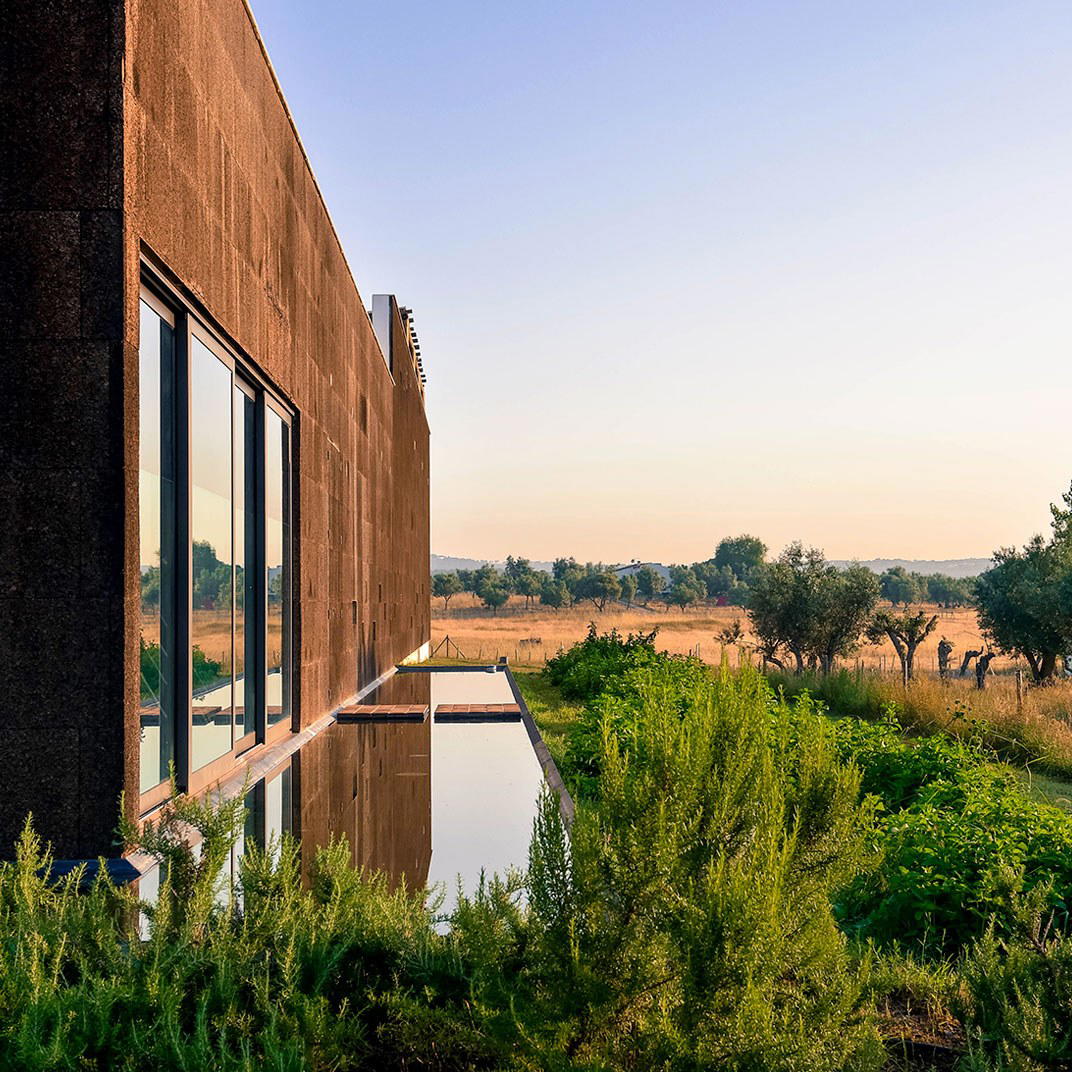
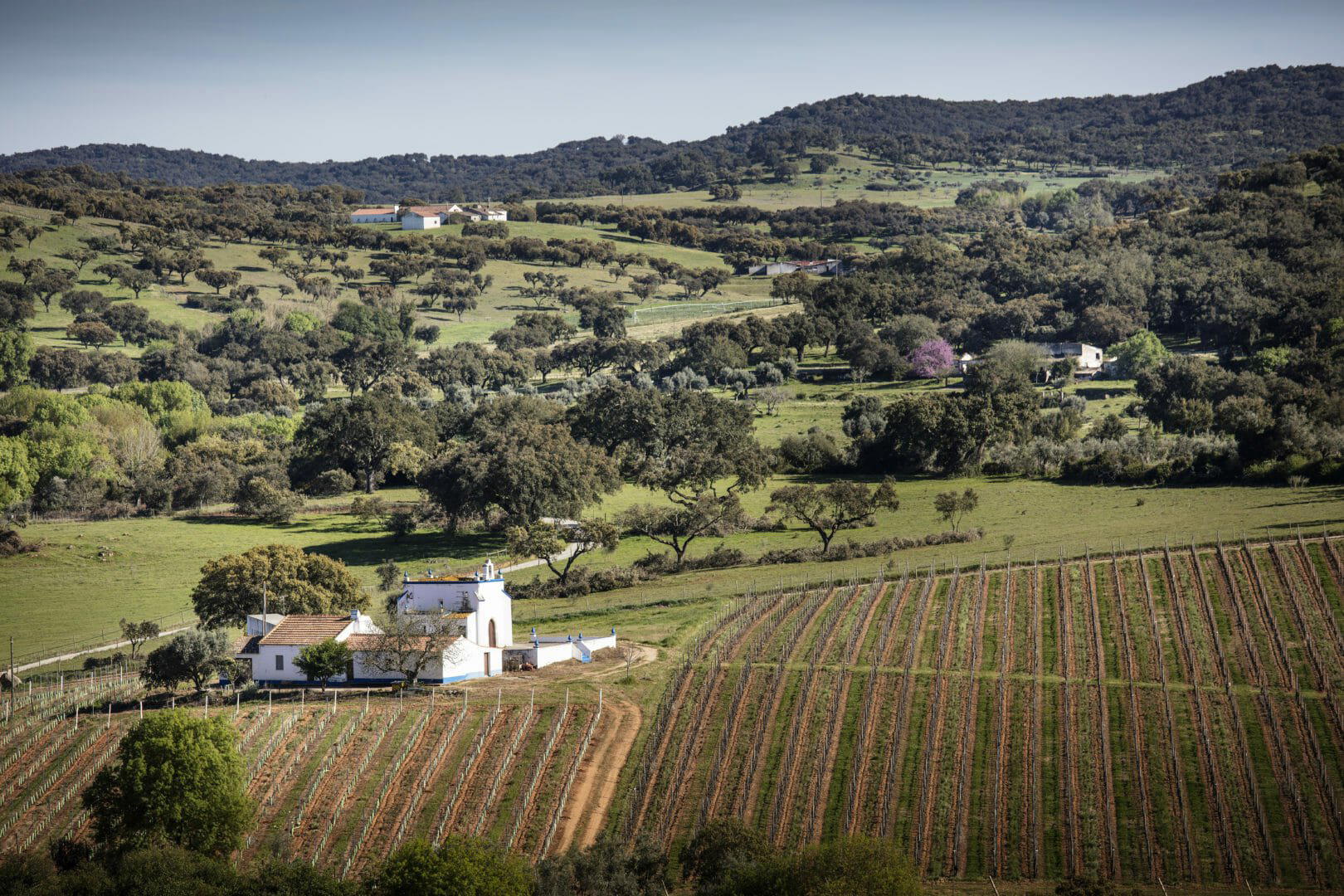
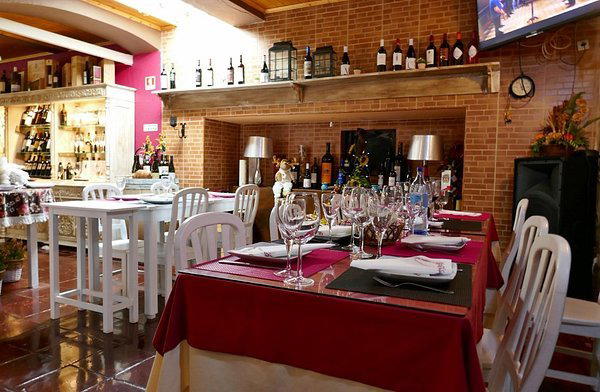
The approach to Montemor-o-Novo through the cork oak and olive groves of the Alentejo already frames what arrives on the plate at MAPA. The restaurant sits inside L'AND Vineyards, a modern Relais & Châteaux property whose architecture — low, angular, glass-fronted against the plains — announces that this is not a converted farmhouse built on heritage nostalgia. The dining room carries the same logic: clean lines, open sightlines to the surrounding countryside, and a quiet that makes the sourcing story audible before a word of it is spoken.
Alentejo is Portugal's largest region and, in culinary terms, its most coherent larder. The plains produce wheat, acorn-fed black pig, sheep cheese, migas, and slow-cooked stews built on centuries of subsistence logic. What MAPA does with that foundation is position it alongside two other Portuguese food memories: the coastal and the colonial. The result is a menu with genuine geographic range, grounded in a single place but reaching outward in a way that reflects how Portuguese cooking has always moved across borders.
Two Menus, Two Ways of Reading Portugal
MAPA offers an à la carte option alongside two tasting formats. The shorter, Expedição ("Expedition"), runs to eight moments. The longer, Caminhos ("Paths"), extends to twelve. The distinction between them is more than length. Expedição reads as a tour of the immediate Alentejo, its ingredients and rhythms. Caminhos goes further: it draws on Portuguese travels and the flavour memory of former colonies, pulling in the spice logic of Goa, the technique crossovers from Brazil, and the dried and salted pantry of Mozambique and Cape Verde.
This dual structure reflects a broader shift in how Portugal's creative restaurants have chosen to frame their menus. Rather than a single linear narrative, the country's more considered kitchens now offer two distinct editorial positions within the same kitchen. At Belcanto in Lisbon, the two-Michelin-starred kitchen where Chef David Jesus developed his technical foundation, the menu is a single statement of intent. MAPA offers two, letting the guest choose the depth of the geographical argument. For comparison, Ocean in Porches and Antiqvvm in Porto operate at the €€€€ tier with single tasting formats; MAPA's dual-track approach at €€€ gives it structural flexibility that few Alentejo properties attempt.
Sourcing as Argument
The ingredient sourcing at MAPA is not decorative regionalism. The Alentejo menu reads as a direct response to what the land around Montemor-o-Novo reliably produces: game, freshwater species, foraged herbs, bread-based preparations, and the slow-protein logic of pork and lamb. That proximity matters in a practical sense, shorter supply chains, seasonal fidelity, producers whose output the kitchen can track across the year.
The duck preparation documented in the record makes the case clearly. Duck with rice, snails, and watercress is a dish assembled from ingredients that have coexisted in Alentejo cooking for generations. The snail, in particular, is an Alentejo constant: harvested after rain from the scrubland, cooked slowly with garlic and coriander in the most traditional households. Placing it alongside duck and rice in a creative kitchen is not fusion; it is a re-reading of a regional grammar through a technically trained lens.
Caminhos menu extends that sourcing logic outward. The red mullet from Setúbal, a species pulled from the Atlantic coast some 90 kilometres west of the restaurant, arrives plated with xerém, the cornmeal porridge typical of the Algarve, and moqueca technique borrowed from Brazilian cooking. Three Portuguese food traditions on one plate, sourced and assembled to make a geographic argument rather than a decorative one. The dish is a reasonable summary of what the Caminhos format is attempting: Portuguese cooking as a map of its own diaspora.
This kind of cross-reference between mainland produce and colonial technique is a pattern appearing across Portugal's more ambitious creative kitchens. Casa de Chá da Boa Nova in Leça da Palmeira anchors its sourcing to the northern coast; Vila Joya in Albufeira draws from Algarve waters. MAPA's distinction is the interior Alentejo as primary source, with the coast and the wider Lusophone world as secondary references rather than the main event.
The Hotel Dining Context
MAPA's audience is predominantly the guests of L'AND Vineyards, which shapes both the menu format and the pacing of service. Hotel dining at this tier, Relais & Châteaux properties, tends to favour unhurried sequences that match the rhythm of a multi-day stay rather than the compressed timeline of a destination diner arriving from a city. That context also explains the availability of the à la carte format: guests over several nights are unlikely to take the full twelve-moment Caminhos every evening, and a shorter card gives the kitchen flexibility to serve returning guests varied meals across a stay.
For guests travelling specifically to eat at MAPA, the property's position in the Alentejo countryside means a commitment to the area. Montemor-o-Novo sits roughly an hour east of Lisbon by car, far enough to require planning, close enough to anchor a weekend itinerary. For context on the wider dining scene in the area, see our full Montemor-o-Novo restaurants guide, alongside PODA, which takes a regional cuisine approach at a different price point. Those planning a longer visit to the area can also explore hotels, bars, wineries, and experiences in the region.
MAPA holds a Michelin Plate for 2024, which positions it as a kitchen that has passed Michelin's quality threshold without yet carrying star recognition. Within Portugal, the starred tier for creative cuisine includes Il Gallo d'Oro in Funchal, The Yeatman in Vila Nova de Gaia, and A Cozinha in Guimaraes. MAPA operates at €€€ against comparators that mostly price at €€€€, which means the gap between its current recognition tier and its price position is narrower than usual, an argument for the value case, if not for the Plate itself as a ceiling.
Internationally, the creative-with-regional-roots format that MAPA pursues has strong analogues: Alléno Paris au Pavillon Ledoyen and Enrico Bartolini in Milan both work within that broad territory, though at a very different scale and star count. Closer to MAPA's register, A Ver Tavira in Tavira represents the pattern of creative Portuguese kitchens operating in non-metropolitan settings, building their case through ingredient logic rather than urban critical mass.
Planning a Visit
MAPA operates as part of L'AND Vineyards, which means the clearest path to a reservation runs through the hotel's own booking infrastructure. Non-resident guests should confirm availability directly, as the room's primary function is serving hotel guests and capacity is not large. The €€€ price tier and the Relais & Châteaux setting together suggest a degree of advance planning, particularly for weekend visits during the spring and autumn shoulder seasons when the Alentejo draws significant interest from both domestic and international travellers. The tasting menu format, eight or twelve moments, requires an evening commitment; the à la carte option provides a more flexible alternative for those with shorter time windows.
Frequently asked questions
What dish is MAPA famous for?
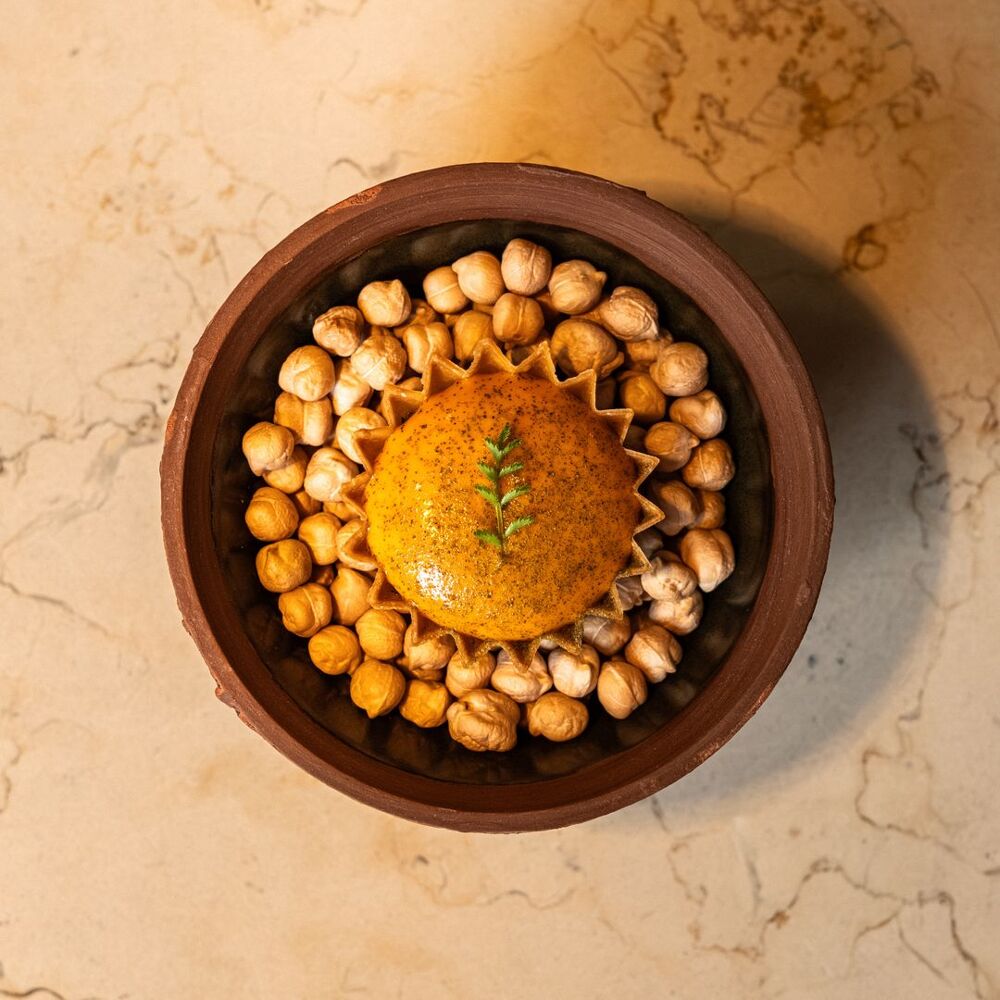
Two dishes appear consistently in descriptions of the MAPA menu. The duck with rice, snails, and watercress is the most cited: it draws on Alentejo culinary grammar, the snail is a regional staple, the rice and duck a long-established pairing, and reassembles those ingredients with the technical precision that Chef David Jesus developed during his time at Belcanto, the two-Michelin-starred Lisbon kitchen. The red mullet from Setúbal, which appears on the Caminhos menu, is equally representative: it combines Algarve xerém (cornmeal porridge), Brazilian moqueca technique, and a fish species caught along the Portuguese Atlantic coast. Both dishes illustrate the kitchen's core approach, sourcing from defined Portuguese geographies and reading them through the country's wider culinary history. MAPA earned a Michelin Plate in 2024, which provides external context for the level of cooking these dishes represent.
Price and Positioning
| Venue | Cuisine | Price | Awards |
|---|---|---|---|
| MAPAThis venue — the venue you are viewing | Contemporary Portuguese Mediterranean | $50–100 | Michelin Plate · Relais Chateaux Award |
| Belcanto | Modern Portugese, Creative | Not listed | Michelin 2 Star |
| Casa de Chá da Boa Nova | Portugese, Seafood | Not listed | Michelin 2 Star |
| Ocean | Contemporary European, Creative | Not listed | Michelin 2 Star |
| 50 seconds from Martin Berasategui | Progressive Spanish | Not listed | Michelin 1 Star |
| Eleven | Portugese, Creative | Not listed | Michelin 1 Star |
Recognition history
Dated appearances from independent guides and award organizations, with the underlying list record or original source where available.
Michelin Plate
Michelin
Opinionated About Dining Top Restaurants in Europe Recommended
Opinionated About Dining
Relais Chateaux Award
Relais Chateaux
Full recognition history (6 entries)
Michelin Plate
Michelin
Relais Chateaux Award
Relais Chateaux
Michelin Plate
Michelin