
Herdade da Malhadinha Nova sits deep in the Alentejo plains near Albernoa, earning a Pearl 2 Star Prestige recognition in 2025 that positions it among Portugal's most seriously regarded estate properties. The herdade operates as a working wine estate where the flat, schist-rich terrain and extreme continental climate translate directly into the glass. For visitors calibrated to understand that context, it offers one of the Alentejo's more coherent expressions of land and hospitality together.
Pearl is the En Primeur Club membership app — saves, bookings, and concierge access live there. Same editors, same standards.
- Address
- Herdade da Malhadinha Nova, 7800-601 Albernoa
- Phone
- +351 284 965 432
- Website
- malhadinhanova.pt
 Saves & bookings on Pearl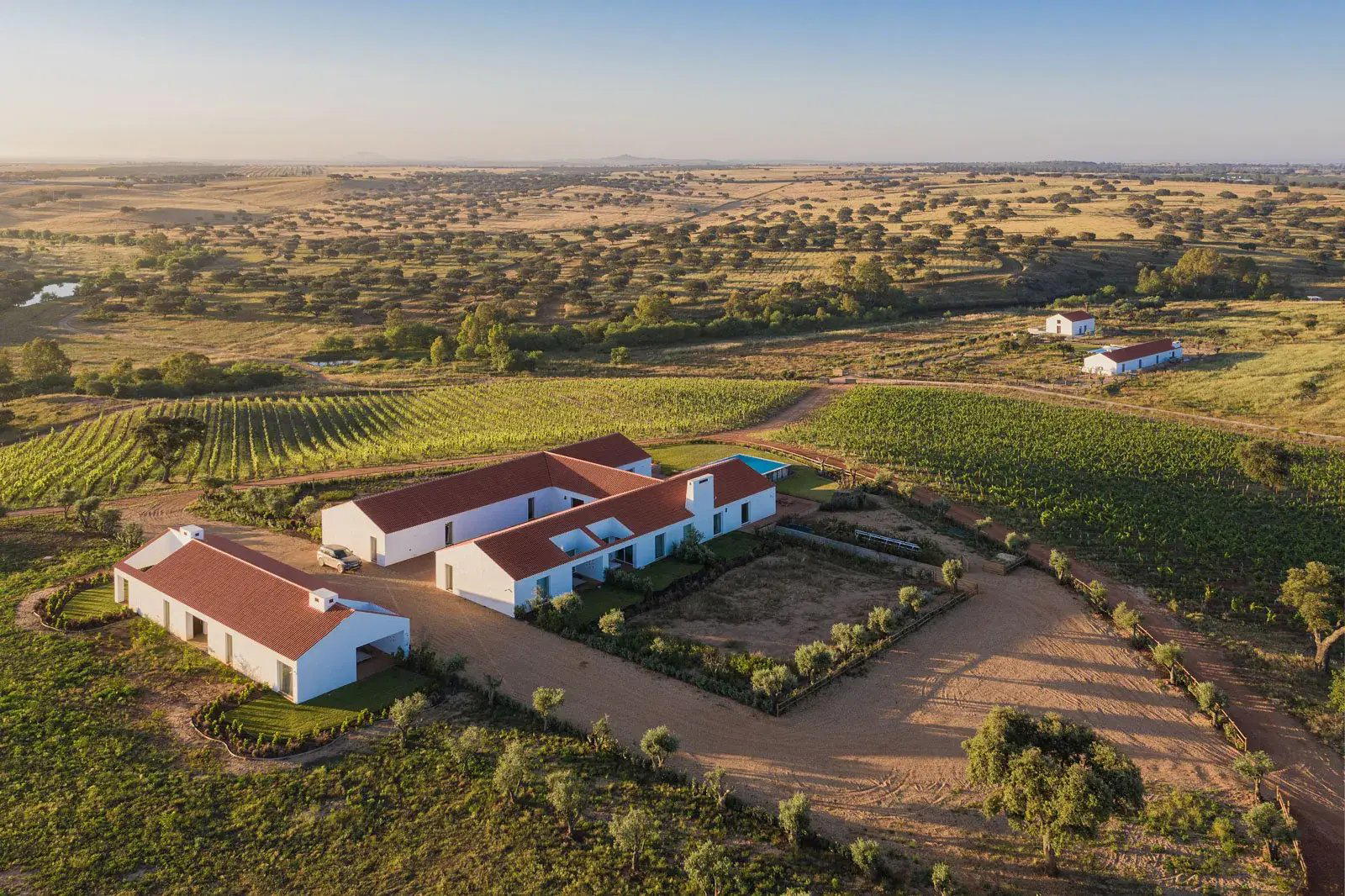
Where the Alentejo Plains Speak Plainly
Approach Herdade da Malhadinha Nova from the road that cuts through Albernoa and you understand quickly what kind of place this is. The Baixo Alentejo spreads flat and wide, cork oak punctuating a horizon broken by almost nothing else. There is no theatricality in the arrival. The estate announces itself through scale and silence rather than a curated driveway experience, and that restraint turns out to be exactly the point. The land here is not decorative backdrop. It is the subject.
The Alentejo sits roughly two hours southeast of Lisbon by car, and the Albernoa area represents some of the most climatically extreme terrain in Portuguese viticulture. Summer temperatures regularly exceed 40°C, the soils shift between schist, granite, and clay depending on the sub-plot, and annual rainfall sits at the lower end of what vine cultivation normally tolerates. What those conditions produce, when managed carefully, is concentration and structure in the reds that no amount of cellar technique can simulate from cooler, wetter ground. Herdade da Malhadinha Nova in Albernoa is a winery with estate stays and cellar access, and its price tier sits at about $40 per person. For the Alentejo specifically, that kind of accreditation matters as a signal of consistency rather than just a single extraordinary vintage.
The Alentejo's Argument for Terroir
Portuguese wine culture spent decades defined almost entirely by the Douro Valley and its Port trade. Properties like Quinta do Bomfim in Pinhão and Quinta do Seixo in Tabuaço carry the lineage of that tradition, and Quinta do Vallado in Peso da Régua represents the newer generation of quality-focused Douro table wine alongside its Port production. The Alentejo's ascent as a serious still wine region is a more recent story, and it has required a different kind of argument: not centuries of documented viticultural history but a claim based on what the land actually produces when producers stop apologizing for the heat and start working with it deliberately.
That shift is visible across the region. Herdade do Esporão in Reguengos de Monsaraz helped establish the template for what an internationally legible Alentejo estate could look like, while Adega Cartuxa in Évora approaches the region from a different angle, with a foundation rooted in civic and ecclesiastical heritage rather than pure commercial ambition. Malhadinha Nova operates within this broadening conversation about what the Alentejo is capable of producing, and its 2025 prestige accreditation places it alongside that peer group rather than below it.
The indigenous varieties at work across the Alentejo tell the terroir story most directly. Aragonez (the local expression of Tempranillo), Trincadeira, Alicante Bouschet, and Antão Vaz for whites all respond differently to the Baixo Alentejo's particular heat retention and diurnal variation. At Malhadinha Nova, the estate's vineyard blocks across the herdade's considerable land area mean that soil variation between plots produces meaningfully different raw material even within the same harvest year. That granularity is what separates a serious estate from one simply producing volume under a regional appellation.
Estate Scale and Experience
Herdade da Malhadinha Nova functions as an integrated wine estate rather than a standalone winery with visitor facilities bolted on. The property encompasses vineyards, accommodation, and food alongside the cellar operation, which means the experience of visiting is legible as a complete proposition rather than a series of disconnected stops. That integrated model has become the reference format for premium Alentejo agrotourism, and it sits in the same broad category as what Adega Cooperativa de Borba and the cooperative tradition represent from the other direction: wine as inseparable from the life of the place.
Portugal has developed a small but coherent tier of estate properties where the land itself is the point of difference, rather than a marquee chef or imported design language. Bacalhôa Vinhos in Azeitão illustrates how a historic estate can layer cultural depth into a wine visit, and Casa de Santar in Nelas does something comparable in the Dão. At Malhadinha Nova, the equivalent depth comes from the Baixo Alentejo itself: the particular quality of light, the texture of working farmland that is productive rather than landscaped, and wines that carry those conditions in their structure and weight.
Planning a visit to Albernoa requires acknowledging the region's remoteness as a feature rather than a complication. The nearest significant city is Beja, roughly 20 kilometres north. There are no shortcuts from Lisbon that avoid at least 90 minutes on the road, and the lack of major tourist infrastructure in the surrounding area means visits here are largely self-contained. That isolation is part of what makes the estate coherent: the experience is not competing with anything else in the immediate vicinity. Visitors arriving from Lisbon or the Algarve should plan accordingly, ideally building at least one night into the itinerary to absorb the pace the place actually operates at.
Portugal's Wider Wine Geography
Malhadinha Nova sits within a Portuguese wine geography that has expanded substantially in international recognition over the past two decades. Beyond the Alentejo, the Madeira tradition runs through properties like Blandy's Wine Lodge in Funchal, where fortified wine history stretches back centuries, and Port retains its commercial and cultural centre in Vila Nova de Gaia, where Churchill's represents one of the independent lodges that define the trade's character. Even further afield, the singular character of Adega Regional de Colares, where ungrafted vines in Atlantic sand dunes produce wine found almost nowhere else in the world, and the cooperative tradition of Aliança Vinhos in Sangalhos map out a country whose wine diversity is underestimated relative to its size.
For a sense of what premium estate wine looks like in an entirely different climate and tradition, the contrast with somewhere like Accendo Cellars in St. Helena in Napa or Aberlour in Speyside underscores how specific and non-transferable the Alentejo's conditions actually are. That specificity is what the Pearl 2 Star Prestige accreditation, earned in 2025, is recognising.
Planning Your Visit
Albernoa is not a town that offers multiple accommodation options or alternative dining. A visit to Herdade da Malhadinha Nova works well when treated as a destination in itself rather than a day trip appended to a Lisbon itinerary. The estate's 2025 Pearl 2 Star Prestige standing means demand from an internationally aware wine audience has grown, and advance contact well before your intended travel dates is advisable. Peak season runs from late spring through September, when the Alentejo heat is at its most intense and the contrast between the parched exterior and the cool cellar is at its most pronounced. For wine-focused visits where understanding the terroir connection matters, harvest season in late August and September offers a closer look at how the estate's raw conditions translate into production decisions.
Comparison Snapshot
Comparable venues nearby, for context on price, style, and recognition.
| Venue | Cuisine | Price | Awards | Notes |
|---|---|---|---|---|
| Herdade da Malhadinha NovaThis venue — the venue you are viewing | Aragonez, Touriga Nacional | $$$$ | ||
| Morgado do Quintão | Crato Branco, Tinta Negra Mole | $$$ | Lagoa | |
| Adega Regional de Colares | Winery | , | Colares | |
| Herdade do Mouchão | Alicante Bouschet, Trincadeira | $$$ | Casa Branca, Portalegre District | |
| Tscharke Wines | Winery | , | , | Barosa |
| Quinta do Portal | Touriga Nacional, Touriga Franca | $$$ | Sabrosa |
Continue exploring
More in Albernoa
Wineries in Albernoa
Browse all →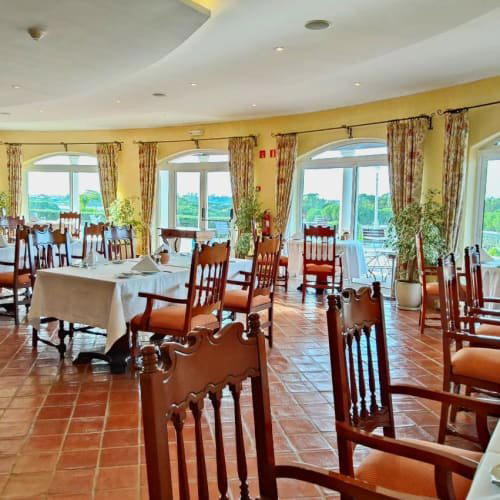
Restaurants in Albernoa
Browse all →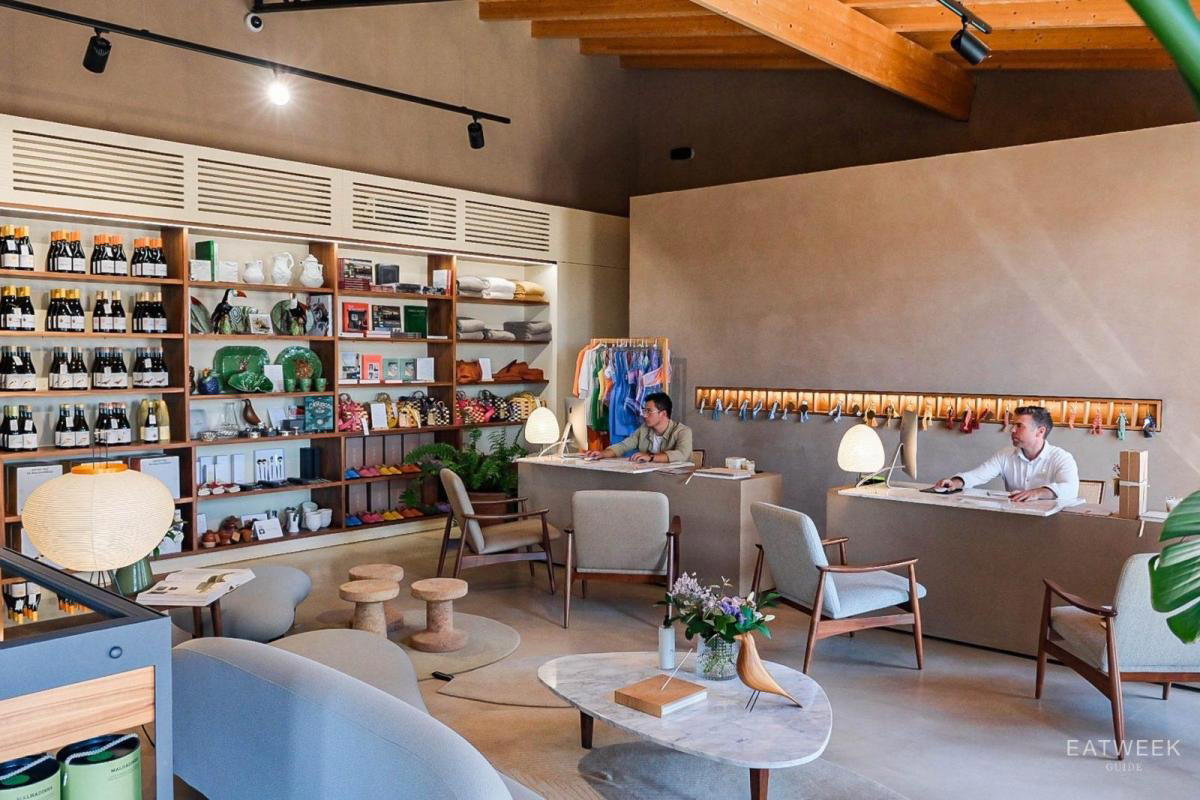

Hotels in Albernoa
Browse all →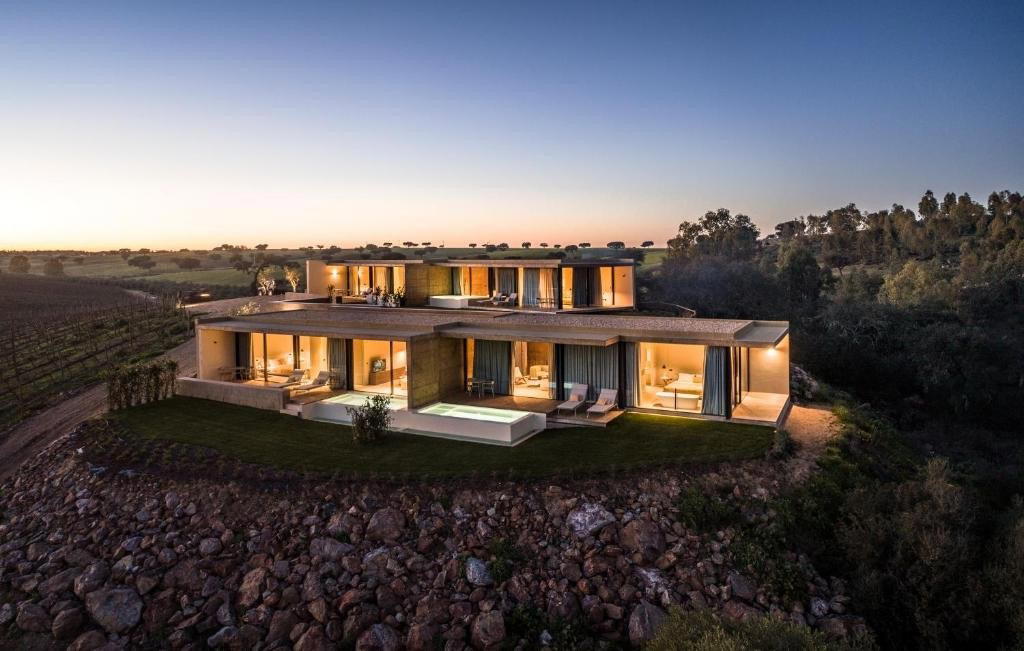
At a Glance
- Romantic
- Elegant
- Rustic
- Scenic
- Sophisticated
- Intimate
- Romantic Getaway
- Wine Education
- Special Occasion
- Vineyard Tour
- Estate Grounds
- Panoramic View
- Sustainable
- Vineyard
- Garden
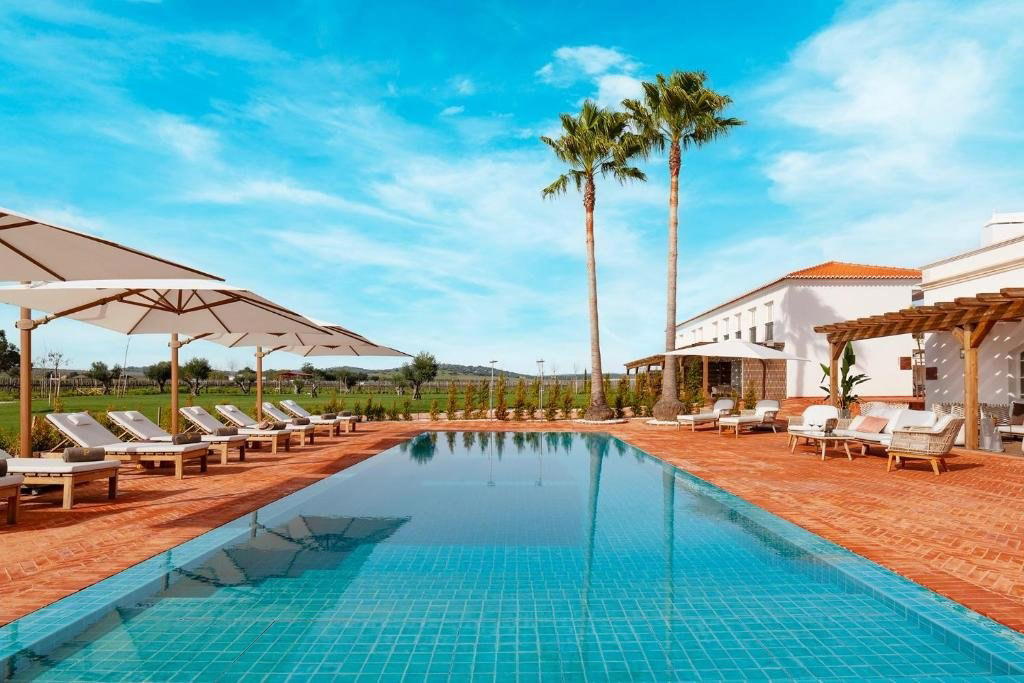
Tranquil rural sophistication with natural integration, panoramic views, and warm, personalized hospitality amid vineyards and fields.