Herdade do Mouchão

Falstaff Winery - Listed
Herdade do Mouchão sits in the Alentejo's cork-oak and wheat country outside Casa Branca, producing Alentejo reds that have long operated as a reference point for the region's tradition of structured, age-worthy wines. For visitors drawn to old-vine terroir and unhurried estate visits, it warrants serious attention.

Pearl is the En Primeur Club membership app — saves, bookings, and concierge access live there. Same editors, same standards.
- Address
- Herdade Mouchao, 7470-158 Casa Branca
- Phone
- +351 268 530 210
- Website
- mouchao.pt
- Directions
- Get directions
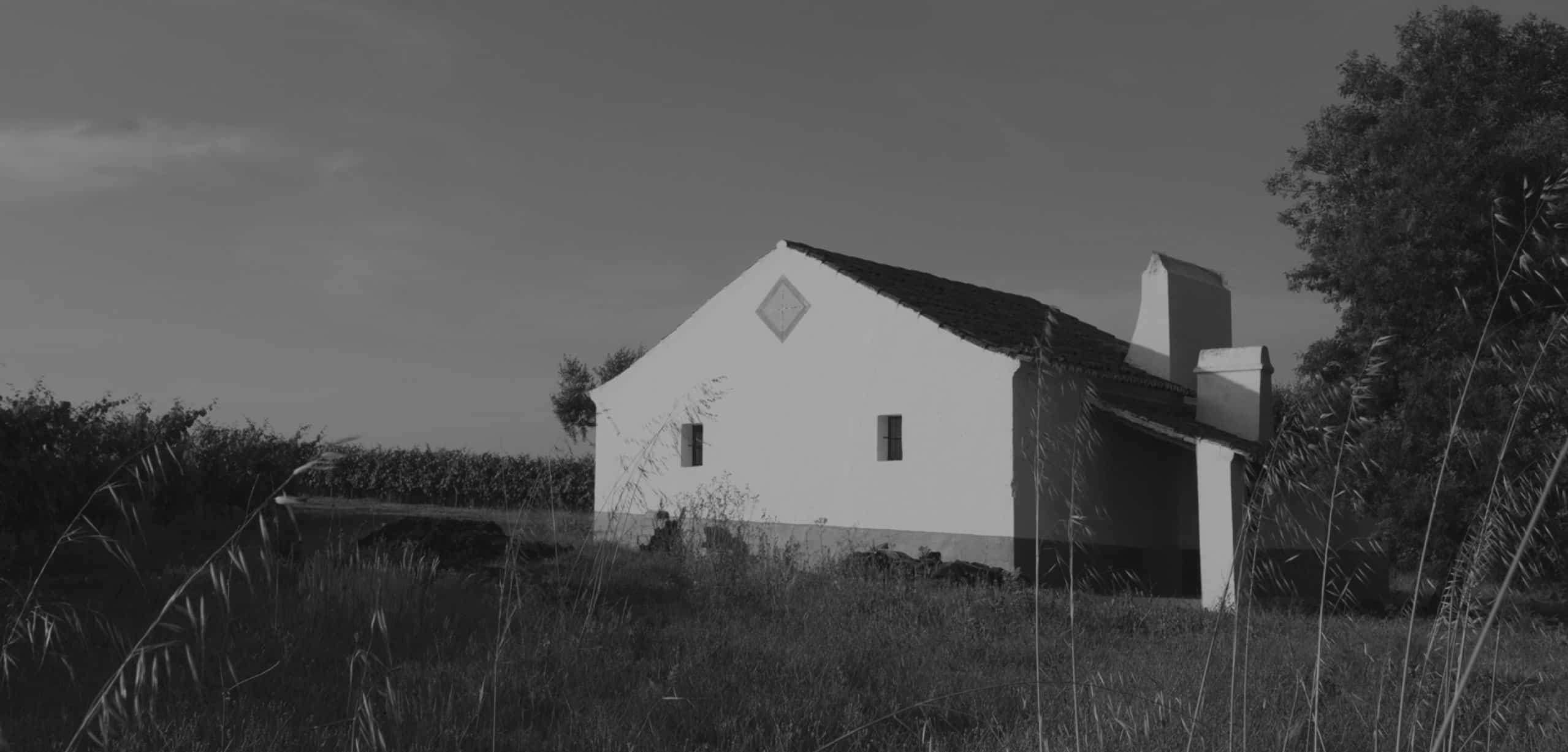
Cork Oak, Clay Soils, and the Logic of Alentejo's Interior
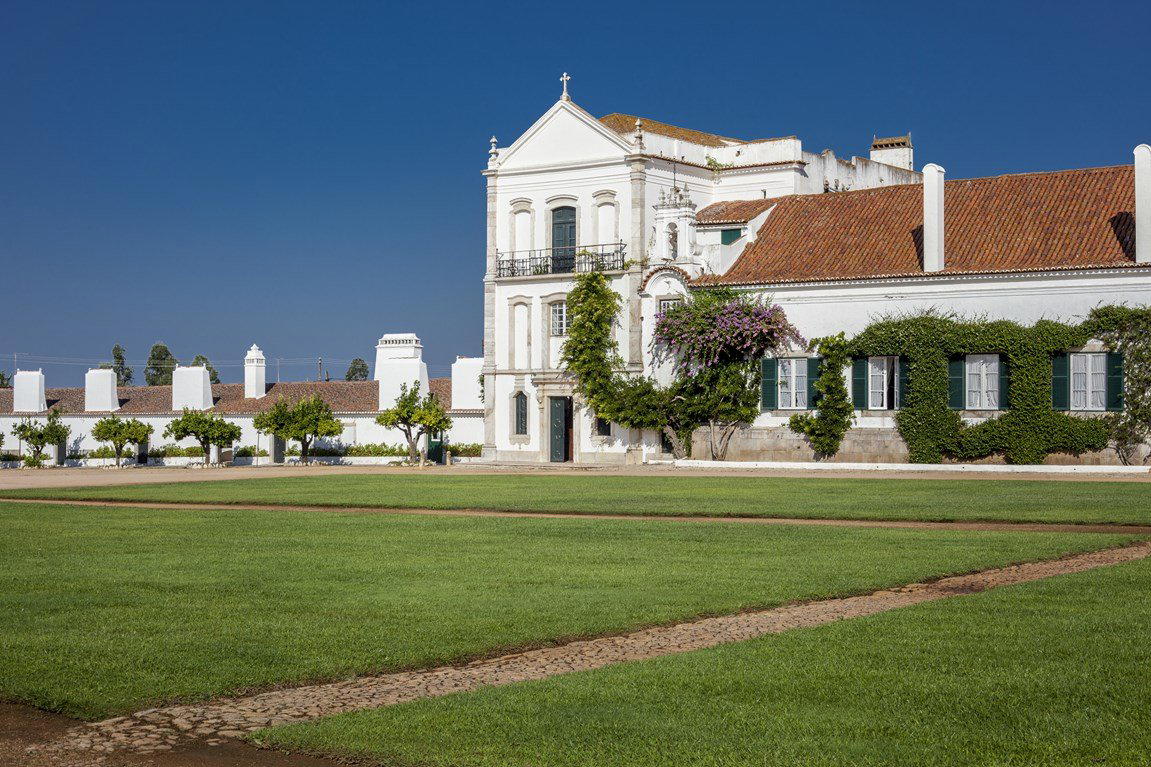
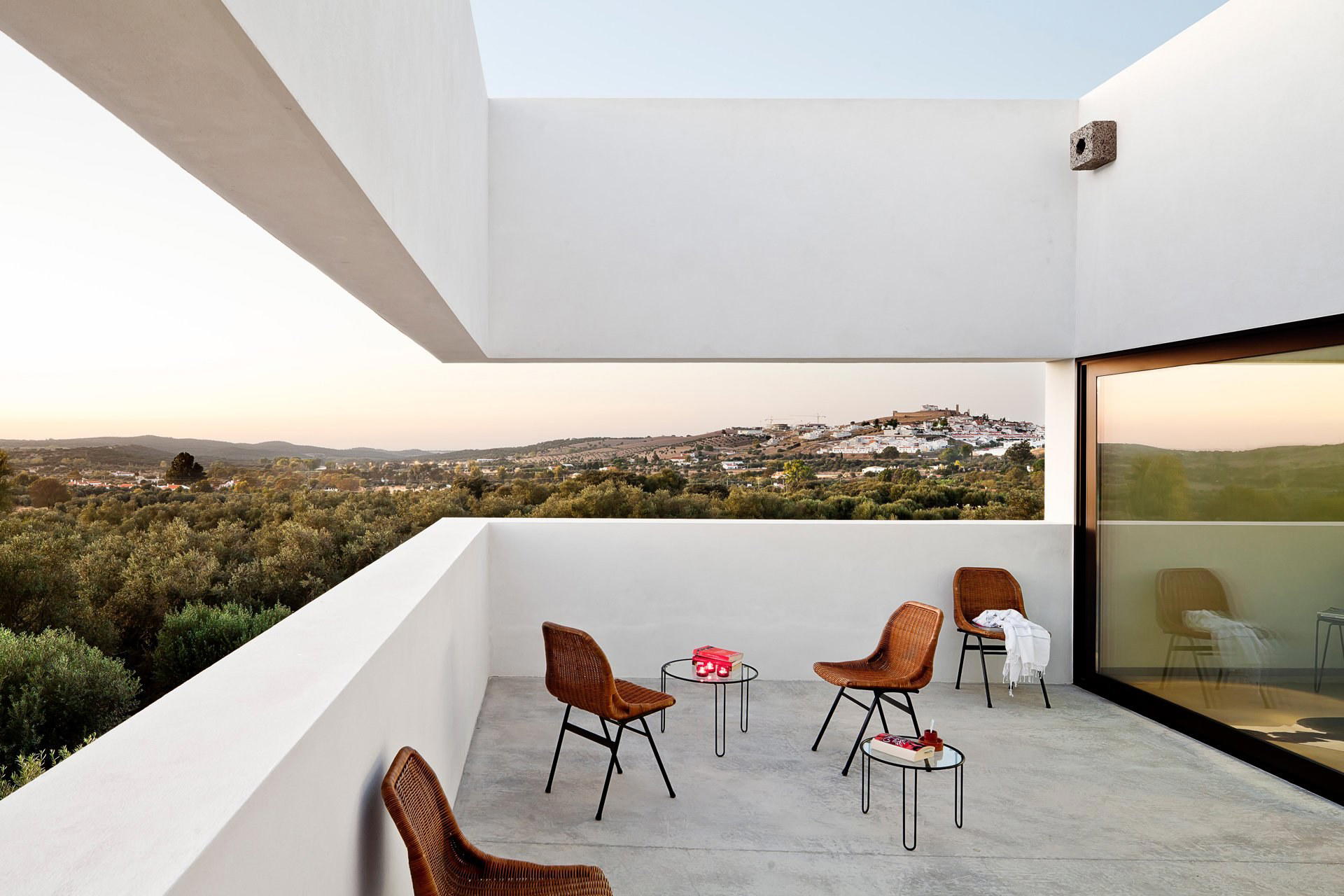
The road into Casa Branca's wine country does not announce itself with drama. The Alentejo interior unfolds in long, slow gestures: cork oak in staggered rows, wheat fields bleached to straw by July, the occasional white farmhouse sitting low against a wide sky. Herdade do Mouchão belongs to this register. The estate reads as a place that has absorbed time rather than resisted it, and that quality is not incidental to the wine — it is the wine.
Alentejo has become one of Portugal's most commercially visible wine regions over the past two decades, attracting investment, international attention, and a wave of modern, fruit-forward labels aimed at export markets. Inside that broader shift, a smaller cohort of estates has continued working from a different premise: that the region's clay-heavy soils, extreme diurnal temperature swings, and old indigenous grape varieties will, given sufficient patience and minimal intervention, produce wines of genuine structural depth. Herdade do Mouchão belongs firmly to that cohort. You can find other respected Alentejo producers, such as Herdade do Esporão in Reguengos de Monsaraz, drawing attention to the region's range, but Mouchão occupies a specific position: rooted in the old-estate tradition rather than the new-wave modernisation.
What the Land Produces Here
The Alentejo interior around Casa Branca sits at a different altitude and soil profile from the more intensively planted sub-regions near Évora or Reguengos. The clay content in the deeper soils acts as a water reservoir during the dry season, extending vine stress in ways that concentrate phenolics without scorching aromatics. Summer temperatures regularly exceed 40°C, but night temperatures drop sharply, preserving acidity in the fruit at harvest. The combination is what makes structured, age-worthy reds possible in a climate that, in less careful hands, produces baked, jammy wines.
Alicante Bouschet, the deep-pigmented variety that became a Mouchão signature, behaves differently here than it does in cooler or more irrigated settings. On these soils, it builds tannin frameworks that require years to open, producing wines that critics have compared in patience requirements to serious Douro reds. That is not a casual comparison: Quinta do Vallado in Peso da Régua and Quinta do Bomfim in Pinhão operate in a Douro tradition built on structured tannin and long ageing. The parallel holds: Mouchão wines reward cellaring over immediate consumption, and older vintages confirm that the structure resolves into complexity rather than drying out.
For broader context on how terroir-driven Portuguese estates are defining their respective regions, the approaches taken at Adega Cartuxa in Évora and Adega Cooperativa de Borba offer useful points of contrast within Alentejo itself, each reflecting different philosophies about how the region's grape varieties should be handled.
The Estate Visit: What to Expect
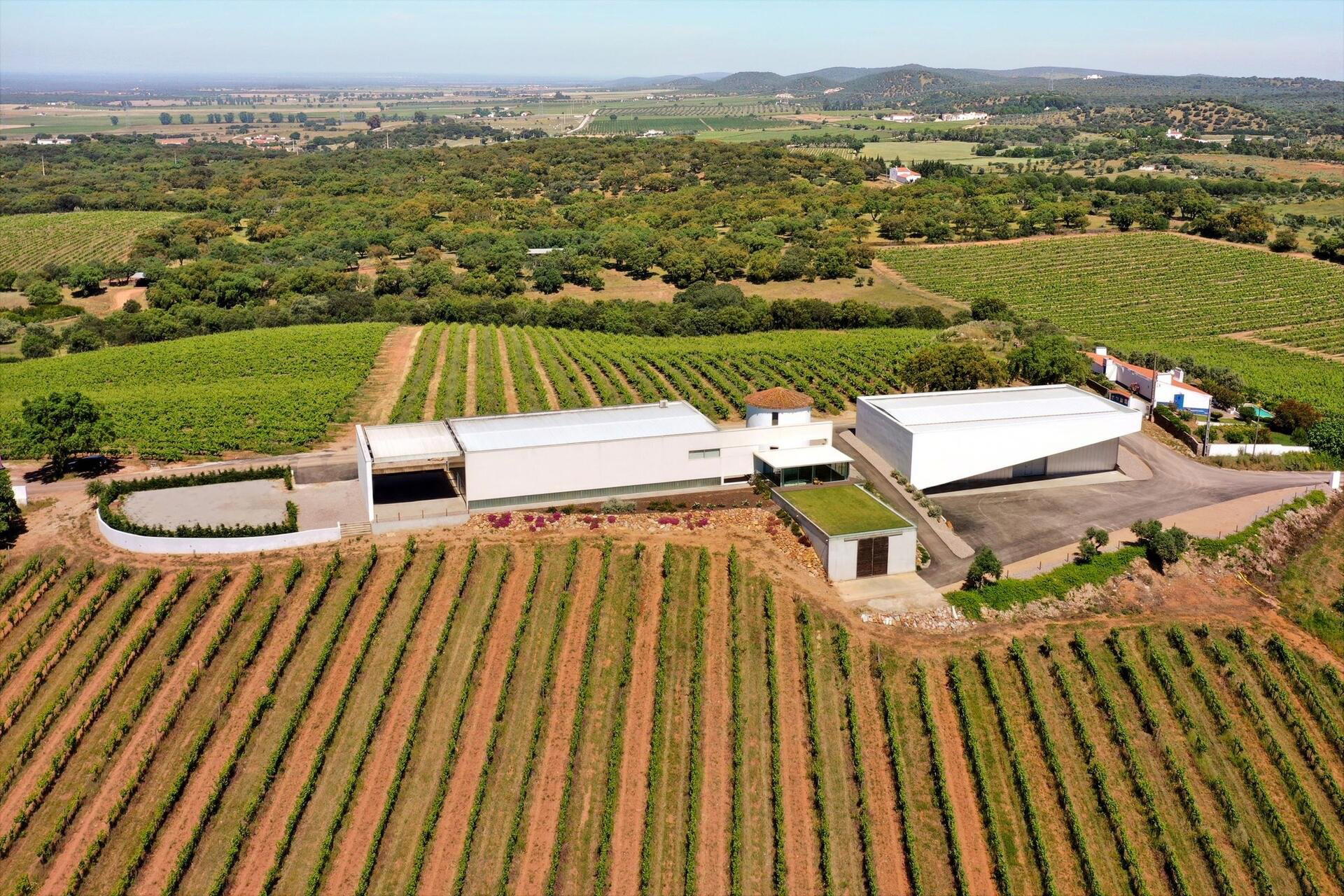
Visiting Herdade do Mouchão means accepting the pace of the Alentejo interior. This is not a winery built around hospitality infrastructure — there is no hotel annexe, no restaurant terrace, no manicured visitor centre with a gift shop. The draw is the estate itself: cork oak montado, working agricultural land, and the quiet authority of a property that has not reinvented itself for tourism. That restraint is, depending on what you are looking for, either the appeal or the limitation.
The address is Herdade Mouchao, 7470-158 Casa Branca. Casa Branca sits in the Alentejo sub-region of Portalegre, roughly equidistant between Évora and the Spanish border, which makes it more of a dedicated destination than an incidental stop. Visitors coming from Lisbon are typically looking at a two-hour drive northeast. Planning around a wider Alentejo circuit, incorporating other estate visits, makes the most sense logistically.
Approaching via established wine travel networks or contacting through regional tourism boards is the more reliable route for arranging a visit. Given the estate's prestige-tier status, demand for appointments typically exceeds casual walk-in availability, and the 2025 Pearl 2 Star award will have amplified interest further.
Where Mouchão Sits in the Portuguese Wine Order
Portugal's wine geography has never been tidy, and the country's most interesting properties tend to resist easy categorisation. The fortified tradition holds its own logic at places like Blandy's Wine Lodge in Funchal and Churchill's in Vila Nova de Gaia. The Setúbal peninsula operates differently again, as Bacalhôa Vinhos in Azeitão demonstrates. Further north, the Dão tradition represented by Casa de Santar in Nelas and the Atlantic-edge singularity of Adega Regional de Colares each reflect entirely different relationships between soil, climate, and variety.
Herdade do Mouchão positions itself within the Alentejo's older, pre-export-boom identity. It shares a prestige-tier classification with estates that have prioritised consistency and character over volume.
For those planning a deeper dive into Portuguese wine culture, properties like Aliança Vinhos in Sangalhos and Quinta do Seixo in Tabuaço round out a picture of just how varied the country's prestige wine geography has become. Mouchão fits into that picture as the Alentejo's most austere representative of estate-wine seriousness.
Planning a Visit
A Quick Peer Check
Comparable venues nearby, for context on price, style, and recognition.
| Venue | Cuisine | Price | Awards | Notes |
|---|---|---|---|---|
| Herdade do MouchãoThis venue — the venue you are viewing | Alicante Bouschet, Trincadeira | $30–50 | Falstaff Winery - Listed | Not listed |
| The Factory House | Touriga Nacional, Touriga Francesa | Not listed | Not listed | Porto docks |
| Real Companhia Velha | Touriga Nacional, Touriga Franca | Not listed | Falstaff Winery - Listed | Vila Nova de Gaia |
| Quinta da Roêda (Croft) | Touriga Nacional, Touriga Franca | $20–30 | Not listed | Pinhão |
| Adega Regional de Colares | Winery | $20–30 | Not listed | Colares |
| Quinta do Tedo | Touriga Nacional, Touriga Franca | $30–50 | Not listed | Cima Corgo, Douro Valley |
Recognition history
Dated appearances from independent guides and award organizations, with the underlying list record or original source where available.
Falstaff Winery - Listed
Falstaff
Continue exploring
More in Casa Branca
Wineries in Casa Branca
Browse all →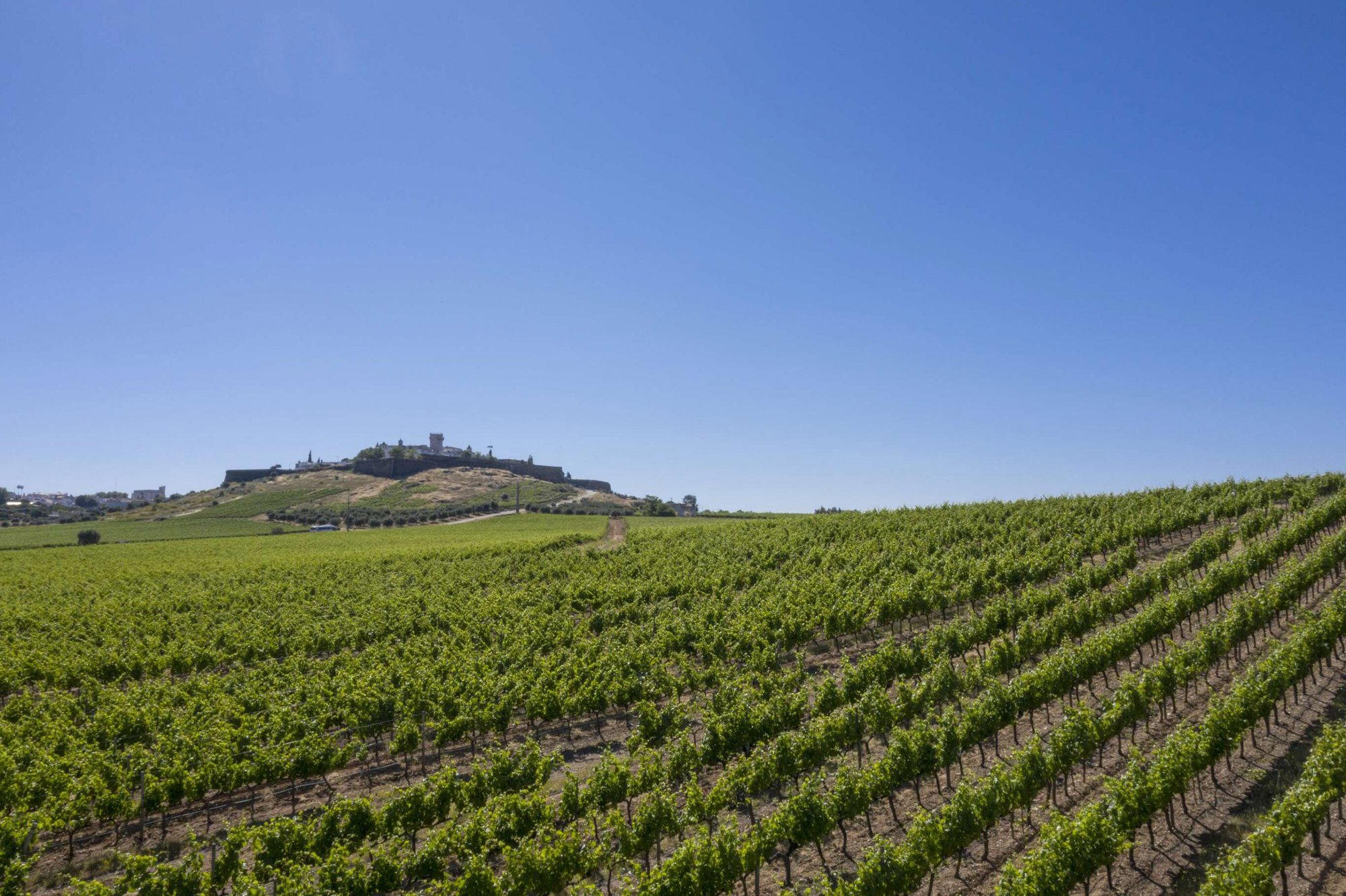

Bars in Casa Branca
Browse all →
Restaurants in Casa Branca
Browse all →
Details
- Rustic
- Classic
- Scenic
- Intimate
- Wine Education
- Group Outing
- Special Occasion
- Vineyard Tour
- Estate Grounds
- Barrel Room
- Historic Building
- Private Tasting
- Vineyard
- Garden
- Alicante Bouschet
- Trincadeira
- Aragonez
- Touriga Nacional
- Touriga Franca
- Syrah
- Antão Vaz
- Arinto
- Verdelho
- Still Red
- Fortified
- Dessert
- Guided Tasting
- Estate Tour
- Portuguese
- Spanish
- English
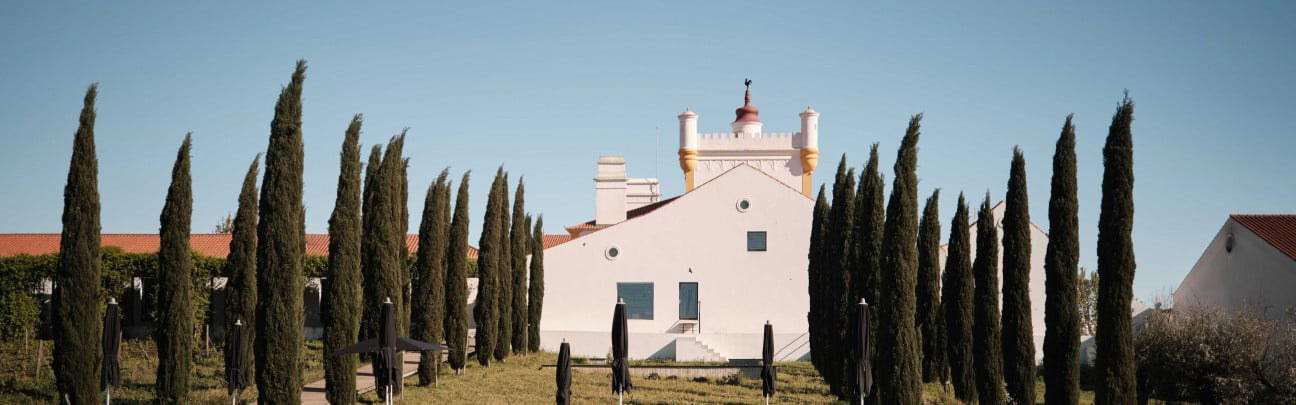
Traditional whitewashed adobe winery with thick mud-brick walls and Portuguese tile roof, featuring vintage equipment and a blend of old and new winemaking technology in a serene rural setting.