
Falstaff Winery - Listed
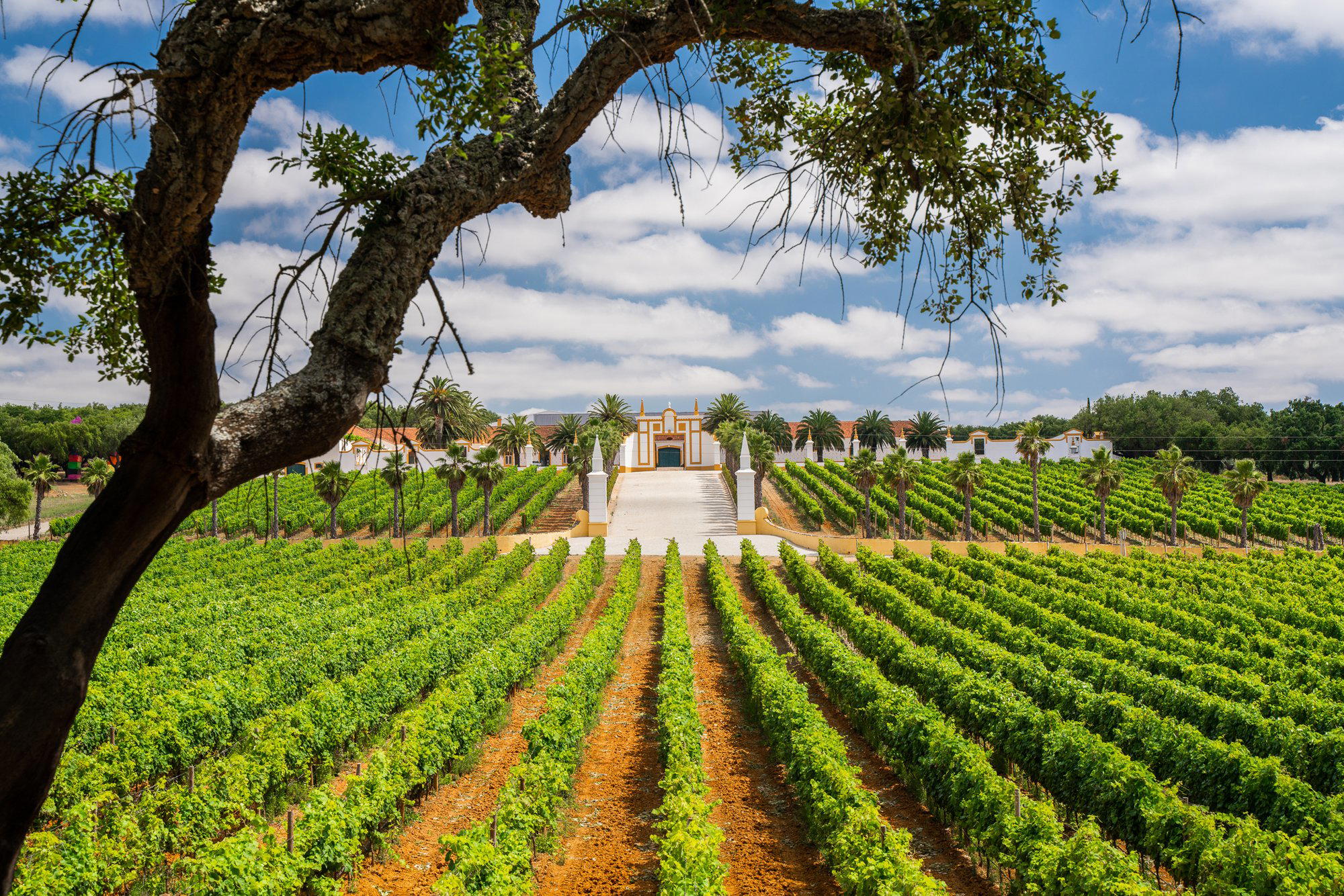
Quinta do Carmo sits on the Herdade das Carvalhas outside Estremoz, in the granite and schist heart of the Alentejo. A reference point for the region's capacity to age.
Where the Marble Plain Meets the Vine
The approach to Quinta do Carmo sets the context before a single bottle is opened. The Alentejo plain around Estremoz is one of Portugal's more geologically distinctive wine zones: white marble outcrops push through thin, iron-rich soils, the summer heat is prolonged and dry, and the diurnal temperature swings that preserve acidity in the grapes arrive late in the season. These are not gentle conditions. Estates that work here do so with an understanding that the land imposes itself on the wine rather than the other way around. Quinta do Carmo, on the Herdade das Carvalhas, sits squarely in that tradition.
Estremoz itself is a working marble town, not a tourist construct. The weekly Saturday market draws farmers and traders from across the Alto Alentejo, and the upper town, ringed by medieval walls, looks out over a plateau that has been farmed continuously since Roman occupation. Wine estates in this corridor, from Estremoz east toward Borba and Reguengos de Monsaraz, tend to carry that historical weight in their character: fewer concessions to international palate trends, more attention to the indigenous varieties that have adapted over centuries to the specific pressures of this soil and sky. For more on how this fits into the broader Estremoz food and wine scene, see our full Estremoz restaurants guide.
Comparable recognised estates in Portugal's broader landscape include Herdade do Esporão in Reguengos de Monsaraz and Adega Cartuxa in Évora, both operating in the same broad Alentejo arc and working with overlapping grape varieties under similar climatic pressures.
The award also distinguishes Quinta do Carmo from the cooperative and volume-production end of Alentejo wine. The Adega Cooperativa de Borba, a few kilometres to the east, serves a different function in the regional economy: reliable, accessible, high-volume. Quinta do Carmo occupies a different position, one where the recognition implies selectivity, ageing potential, and a closer relationship between individual vineyard blocks and the final wine in the bottle.
Terroir as the Organising Principle
The Alentejo's indigenous varieties, Aragonez (the local name for Tempranillo), Trincadeira, Alicante Bouschet, and Antão Vaz for whites, are not interchangeable with their counterparts elsewhere. Aragonez grown on Alentejo schist and marble-dusted soils produces a wine with a drier, more mineral frame than the same variety planted in the more fertile soils of the Ribera del Duero or Rioja. Trincadeira, when managed carefully in the intense Alentejo heat, can produce wines of considerable structure and dark fruit concentration. Alicante Bouschet, a teinturier variety with red flesh rather than merely red skin, adds depth of colour and tannin weight that integrates over time in bottle.
This is the varietal logic that estates in the Estremoz-Borba-Redondo triangle have worked with for generations, and Quinta do Carmo sits within that tradition. The estate's location on the Herdade das Carvalhas places it on land that combines the granite-heavy profiles of the higher Alentejo with the limestone and marble influence characteristic of the Estremoz zone specifically. That geological combination is part of what separates the wines produced here from those coming out of the sandier, lower-altitude plots closer to the coast.
For comparison, Portuguese estates working in geologically distinct but equally compelling terroirs include Adega Regional de Colares, where ungrafted Ramisco vines grow in Atlantic-facing sand dunes, and Bacalhôa Vinhos in Azeitão, working the limestone-clay soils of the Setúbal Peninsula. Each represents a different Portuguese terroir argument; Quinta do Carmo's is the high, dry, mineralic interior.
Portugal's Broader Wine Geography
Understanding Quinta do Carmo requires some context about where the Alentejo sits within Portuguese wine. The Douro Valley and its Port tradition remain the most internationally recognised Portuguese wine story. Estates like Quinta do Bomfim in Pinhão, Quinta do Seixo in Tabuaço, and Quinta do Vallado in Peso da Régua carry the weight of that tradition, while Churchill's in Vila Nova de Gaia and Blandy's in Funchal represent the fortified wine institutions that shaped Portugal's global reputation. The Alentejo's table wine ambition has grown significantly since the 1990s, and the region now produces some of the most sought-after unfortified Portuguese reds.
Further afield, the breadth of Portuguese wine extends into less-discussed zones: Aliança Vinhos in Sangalhos works the Bairrada and Dão, while Casa de Santar in Nelas focuses on the granitic Dão. Quinta do Carmo's recognition positions it within this national hierarchy at a serious level, not the historic institution tier of the Port lodges, but clearly above the entry-level regional production that constitutes the bulk of Alentejo output by volume.
Planning a Visit
Quinta do Carmo is located at Herdade das Carvalhas outside Estremoz, in the Alto Alentejo. Estremoz sits roughly 45 minutes east of Évora by road, and the region is most comfortably accessed by car; public transport connections to the estate itself are not practical for most visitors. The Alentejo harvest season runs from late August through October, and visits during that window offer a different register of activity on the estate than the quieter winter months. Spring, when the wildflowers cover the plain between the marble outcrops, is the other peak period for appreciating the landscape context in which the wines are produced.
For those building a broader Alentejo wine itinerary, pairing a visit here with stops at Herdade do Esporão to the southeast or Adega Cartuxa in Évora offers useful comparative context across different Alentejo soil profiles and production philosophies.
Frequently asked questions
Is Quinta do Carmo more formal or casual?
Quinta do Carmo is an agricultural estate at Herdade das Carvalhas outside Estremoz, and the setting reflects that working-estate character rather than a polished hotel or restaurant environment. Visits are oriented around the vineyard and cellar rather than fine-dining formality. Practical, relaxed attire fits the context.
What's the address for Quinta do Carmo?
Quinta do Carmo is located at Herdade das Carvalhas, Quinta do Carmo, 7100-040, Estremoz.
What wines should I try at Quinta do Carmo?
The estate works with Alentejo's core indigenous varieties: Aragonez and Trincadeira for reds, Alicante Bouschet as a structural component, and Antão Vaz in the whites.
Comparison Snapshot
Comparable venues nearby, for context on price, style, and recognition.
| Venue | Cuisine | Price | Awards | Notes |
|---|---|---|---|---|
| Quinta do CarmoThis venue (the venue you are viewing) | Aragonez, Trincadeira | $30–50 | Falstaff Winery - Listed | Not listed |
| Adega Cartuxa (Fundação Eugénio de Almeida) | Trincadeira, Aragonez | Not listed | Falstaff Winery - Listed | Quinta de Valbom |
| Herdade do Mouchão | Alicante Bouschet, Trincadeira | $30–50 | Falstaff Winery - Listed | Casa Branca, Portalegre District |
| The Factory House | Touriga Nacional, Touriga Francesa | Not listed | Not listed | Porto docks |
| Bacalhôa Vinhos | Cabernet Sauvignon, Merlot | Not listed | Not listed | Azeitão |
| Morgado do Quintão | Crato Branco, Tinta Negra Mole | $50–100 | Not listed | Lagoa |
Recognition history
Dated appearances from independent guides and award organizations, with the underlying list record or original source where available.
Falstaff Winery - Listed
Falstaff
Request a visit to Quinta do Carmo
Tell us when you would like to go and how many people, and we put the request to the estate and reply to you by email.
Continue exploring
More in Estremoz
Wineries in Estremoz
All wineries in Estremoz →
Details
- Rustic
- Scenic
- Elegant
- Wine Education
- Group Outing
- Vineyard Tour
- Garden
- Panoramic View
- Vineyard
- Mountain
- Aragonez
- Trincadeira
- Alicante Bouschet
- Cabernet Sauvignon
- Roupeiro
- Arinto
- Antão Vaz
- Syrah
- Still Red
- Still White
- Still Rosé
- Guided Tasting
- Portuguese
- English
- Spanish
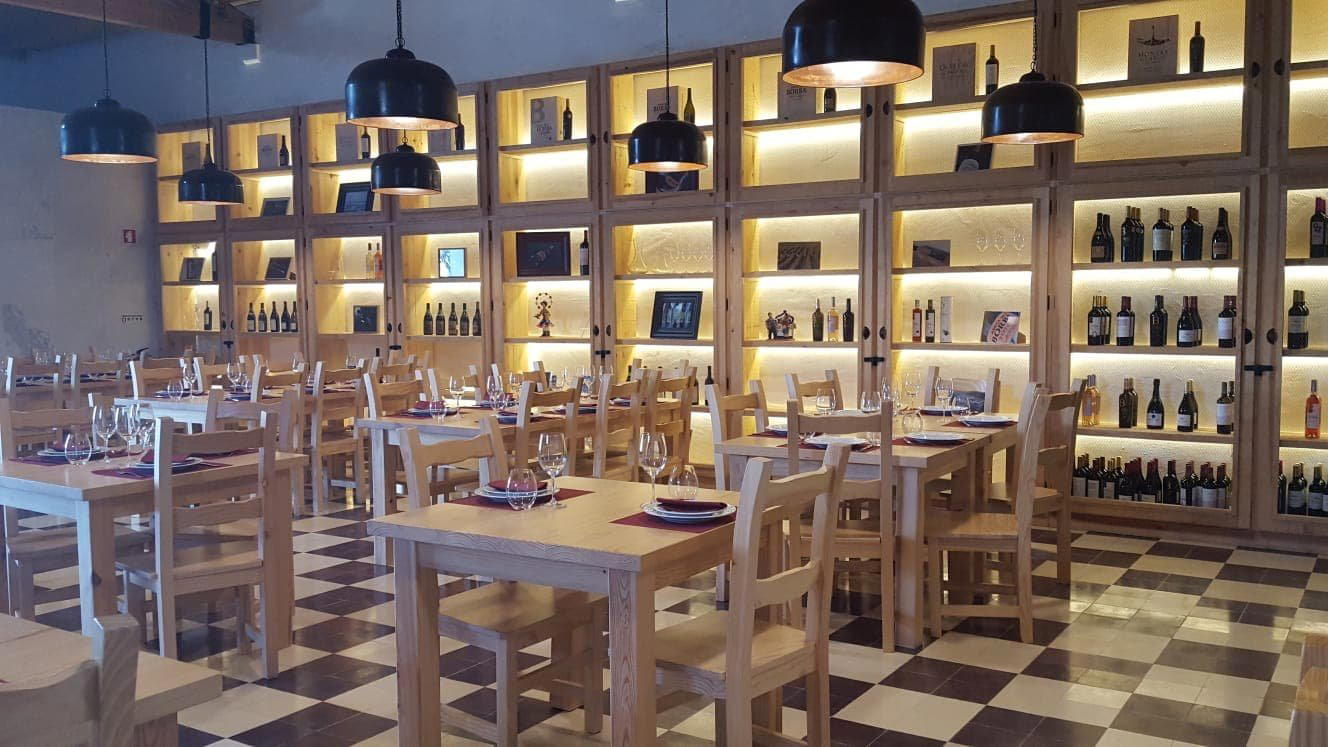
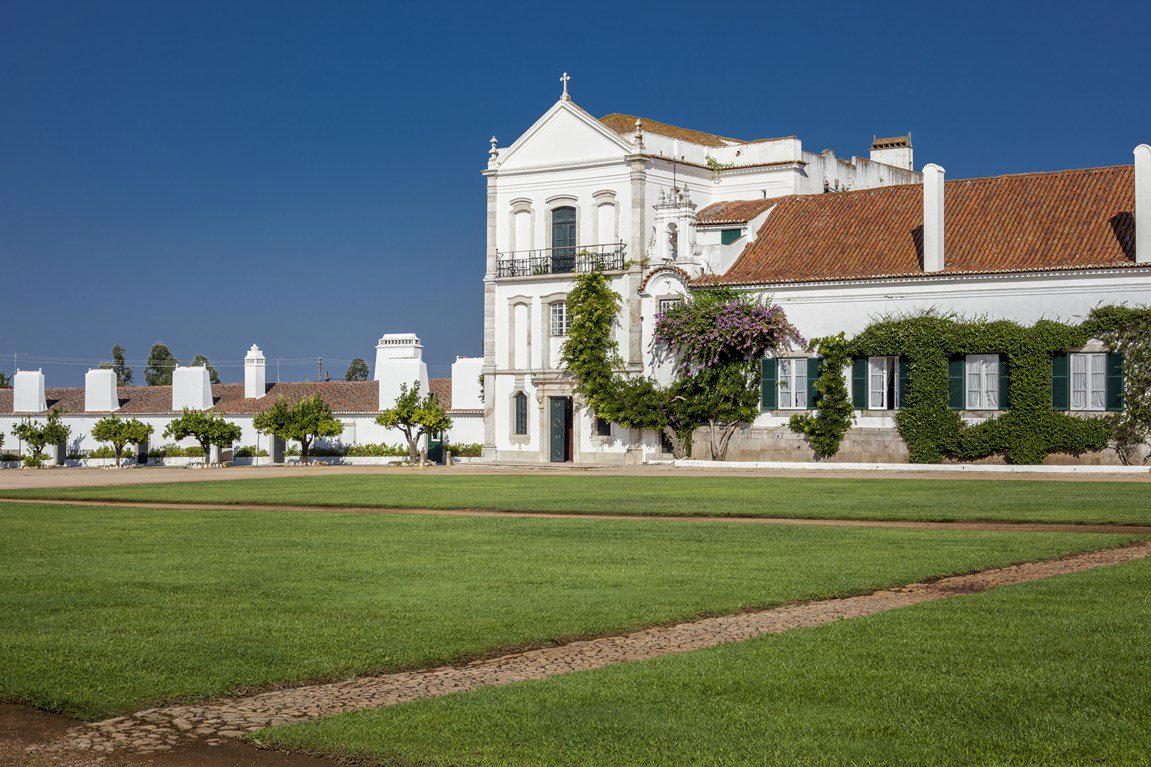
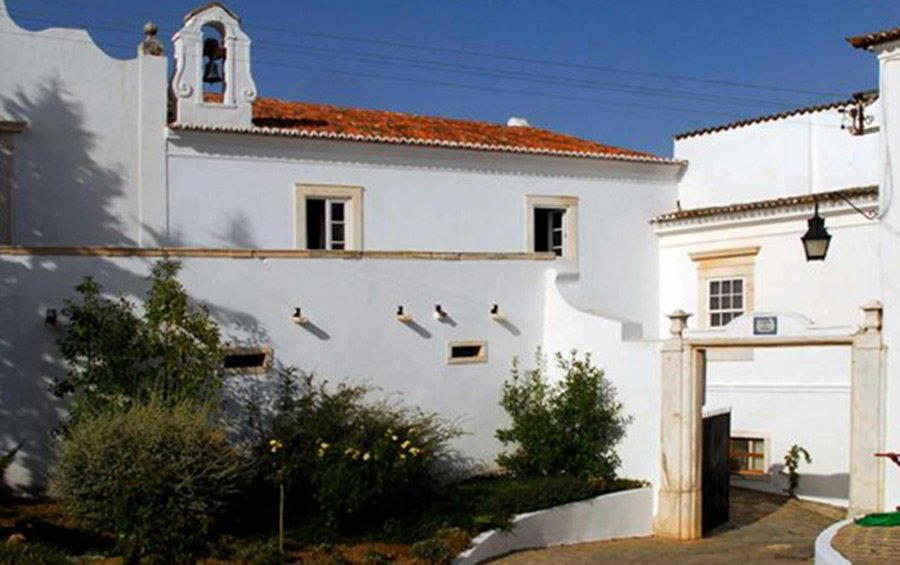
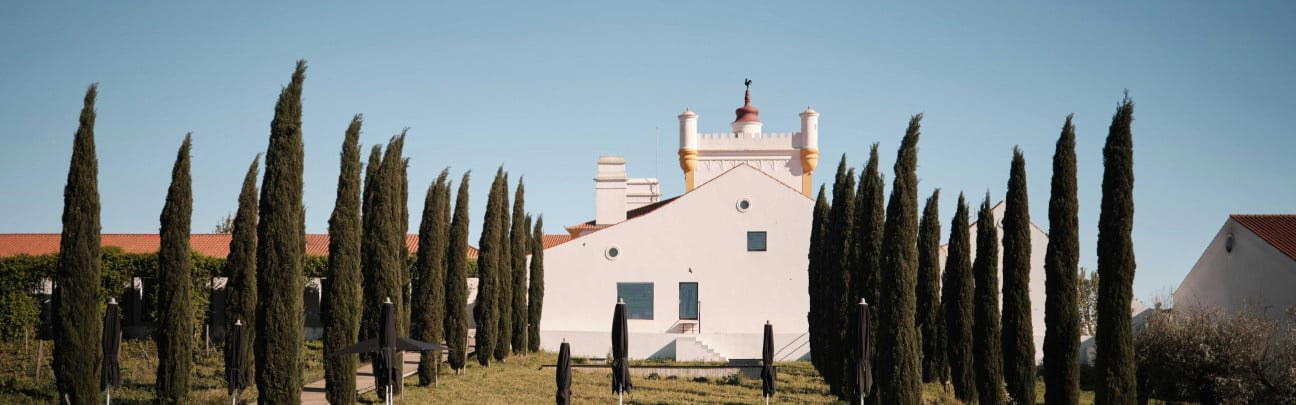
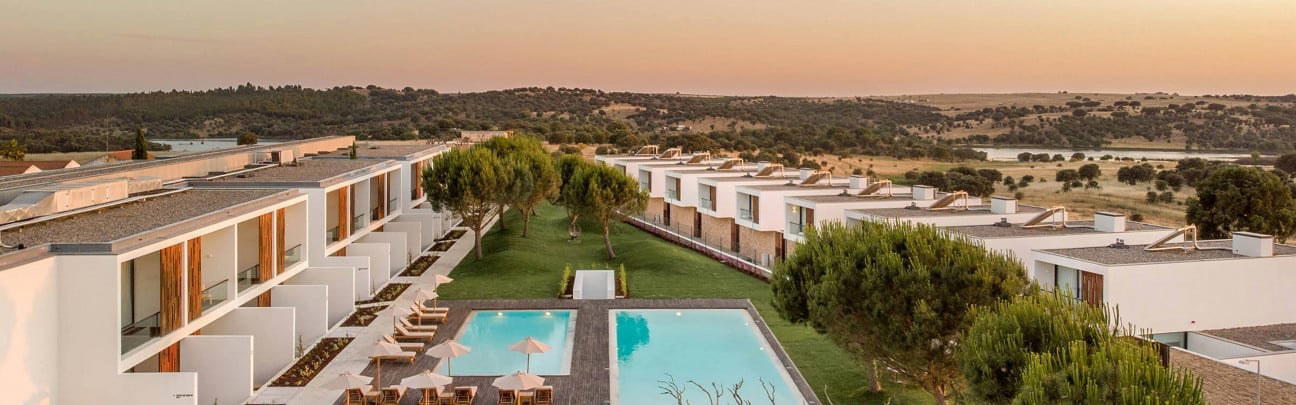
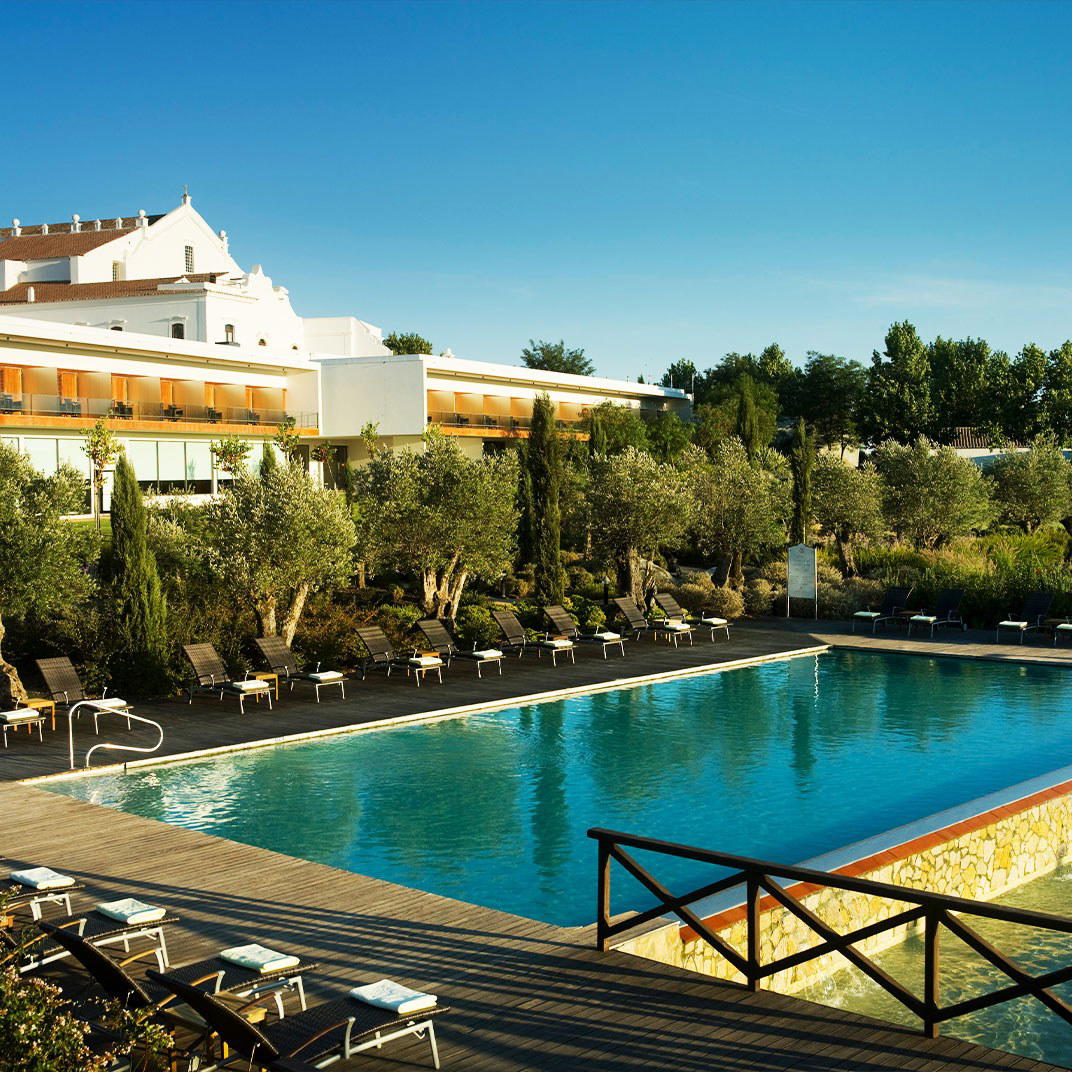
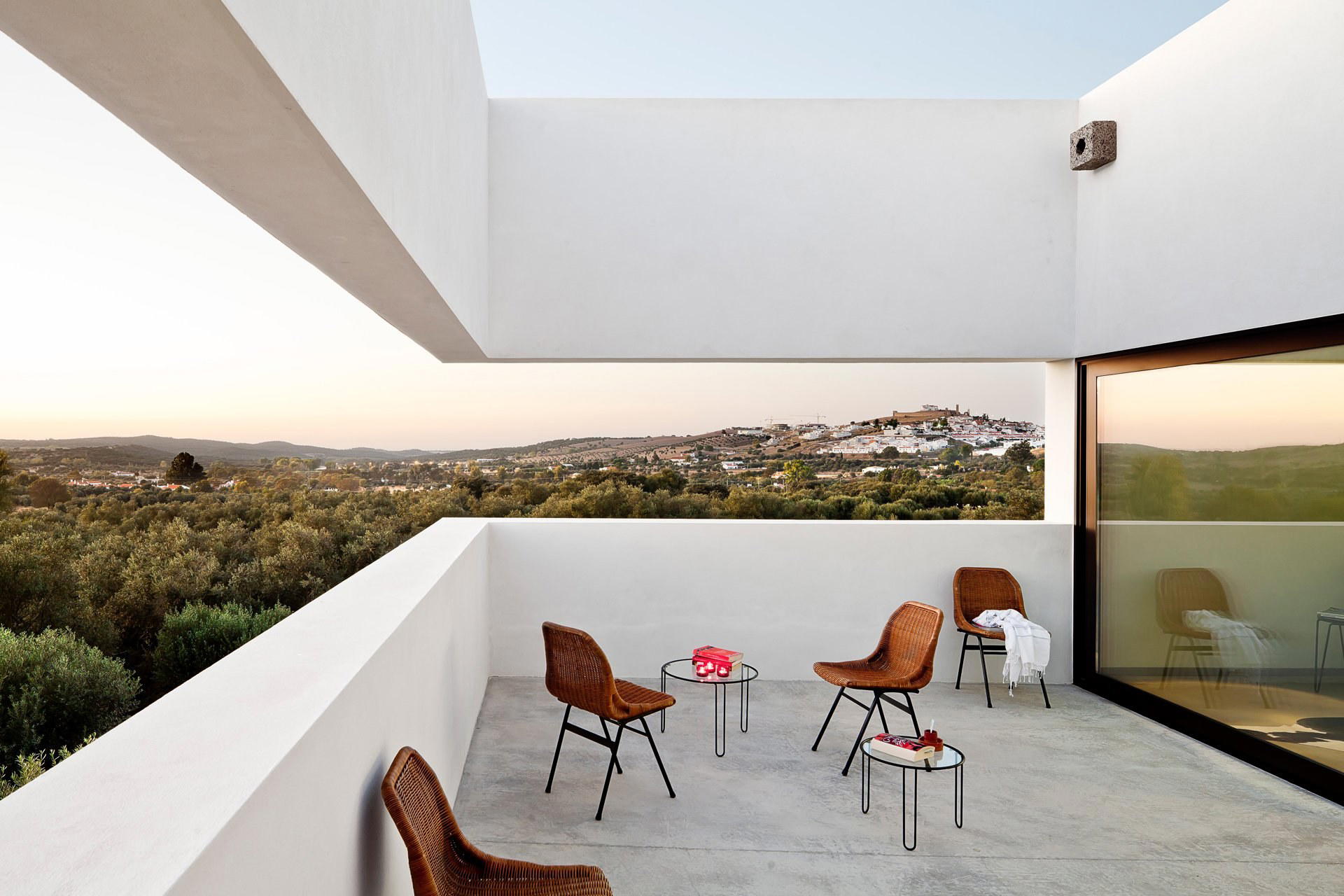
Serene and enchanting atmosphere amid expansive vineyards, olive groves, and cork oaks, blending natural beauty with modern winery elegance.