
Francone gives Neive’s Barbaresco culture a family-run, cellar-level reading rather than a polished tasting-room gloss. The draw is terroir made legible: Gallina vineyards, Nebbiolo-led wines, a 1964 cantina with museum-like viticulture material, and a guided format that connects Barbaresco, Arneis, Dolcetto, Moscato, Chardonnay, and traditional-method sparkling rosé to the Langhe’s UNESCO wine landscape.
Pearl is the En Primeur Club membership app — saves, bookings, and concierge access live there. Same editors, same standards.
- Address
- Neive, Piedmont, Italien
- Directions
- Get directions
 Saves & bookings on Pearl
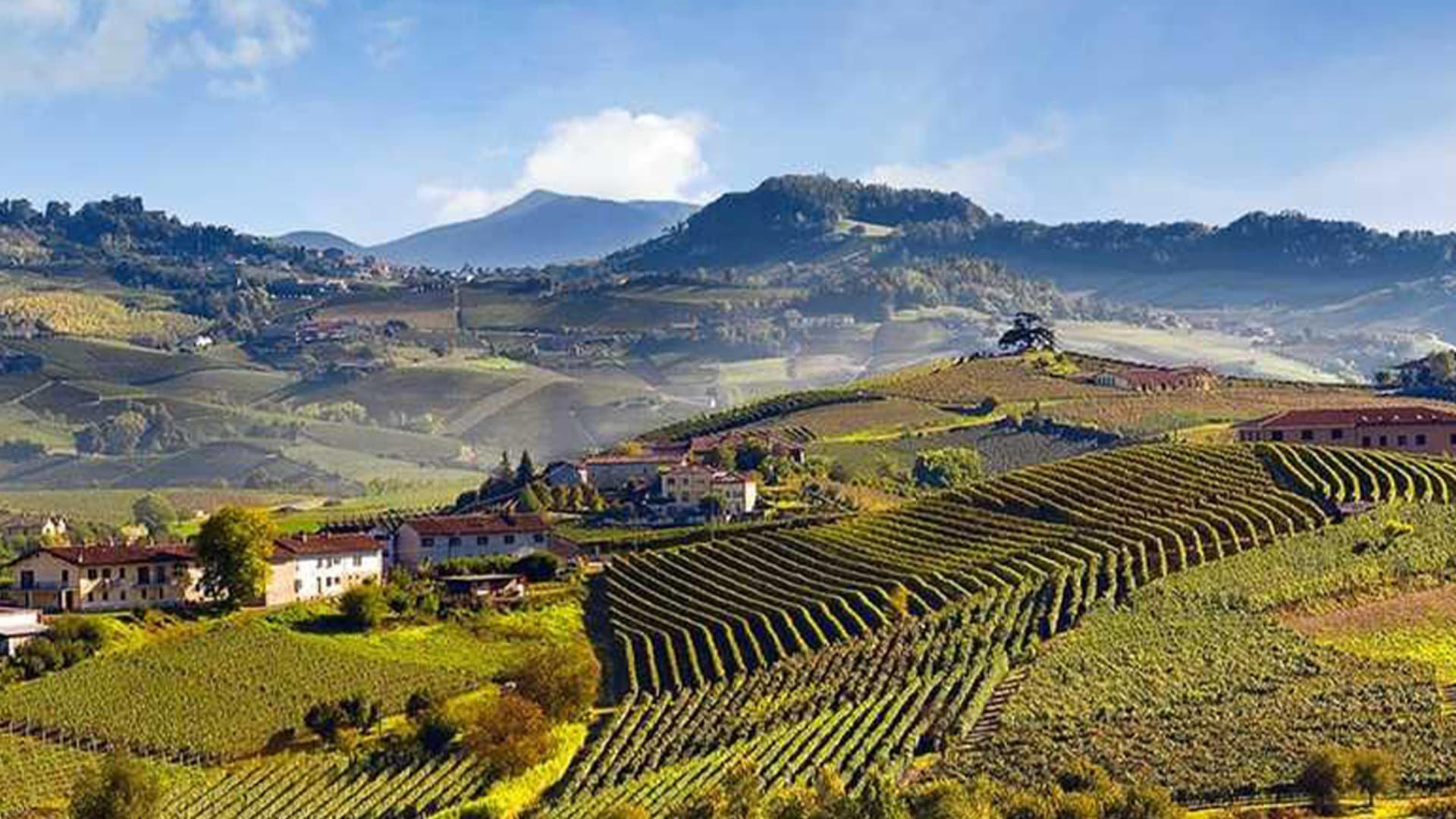
Approaching a working cantina in the Langhe is different from arriving at a designed wine resort. The rhythm is agricultural first: vineyard slopes, cellar pragmatism, family continuity, and the quiet authority of a region where Nebbiolo has dictated both patience and taste for generations. In Neive, that context matters more than gloss. Francone belongs to the type of Piedmont visit where the cellar, the vineyard, and the family archive are part of the same argument: Barbaresco is not just a label, it is a reading of exposure, altitude, grape variety, and time.
The family’s wine production dates to 1940, and the current cantina was built in 1964. That puts the experience in a useful middle category for the Langhe: old enough to carry postwar family-winery continuity, but visitor-facing enough to explain itself clearly to international drinkers. The cantina also functions as a museum of viticulture, with tools and objects that frame wine here as inherited work rather than lifestyle theatre. For readers mapping Neive beyond restaurants and hotels, the wider local circuit sits in Our full Neive wineries guide, alongside the town’s dining, stays, drinking, and cultural planning through Our full Neive restaurants guide, Our full Neive hotels guide, Our full Neive bars guide, and Our full Neive experiences guide.
Gallina fruit and the Barbaresco argument
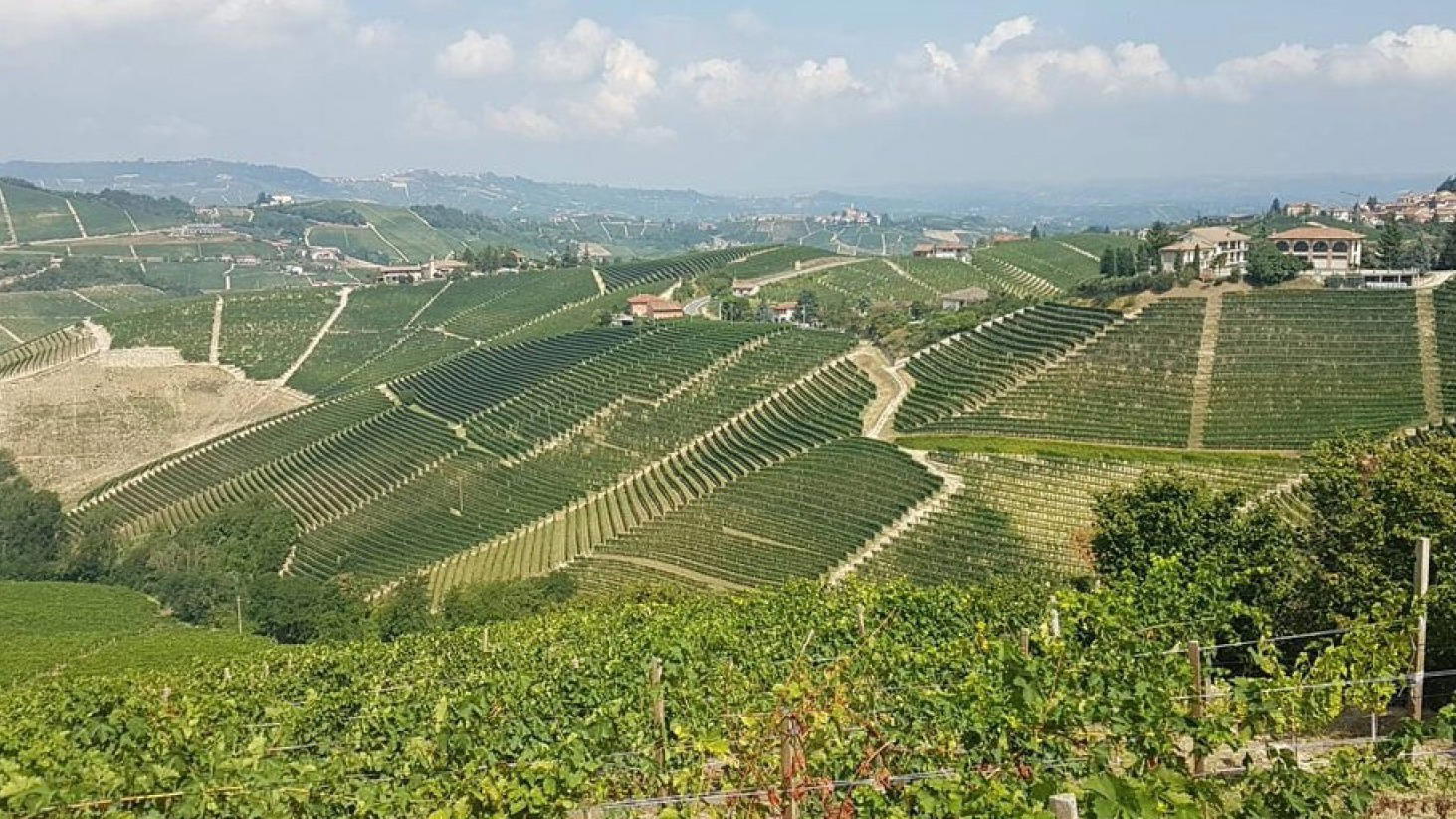
The strongest way to understand this address is through Gallina, the vineyard name that gives the wines a sharper sense of place. The estate works with Nebbiolo for Barbaresco, along with Dolcetto, Arneis, Moscato, and Chardonnay, and the broader portfolio includes Barbaresco DOCG and Barolo DOCG. In a region crowded with Nebbiolo credentials, the useful distinction is not simply grape variety but the way site enters the conversation. Gallina’s steep, south-facing slopes give the tasting a precise reference point: exposure and drainage are not abstract wine-school vocabulary here, they are the reason Nebbiolo can ripen with structure while retaining the tension that separates serious Barbaresco from heavy red wine.
Francone’s site-led bottlings under the Antichi Poderi dei Gallina name make that connection explicit, and readers following the vineyard thread can also open Antichi Poderi dei Gallina as a related Neive reference. The point is not breadth for its own sake. In Piedmont, a range that includes Arneis, Dolcetto, Moscato, Chardonnay, still Nebbiolo, and sparkling Nebbiolo rosé can either feel scattered or deeply regional. Here it reads as the latter because the grapes are tied back to Langhe habits: white wine with lees contact, Dolcetto for immediacy, Moscato as a local classic, and Nebbiolo as the long-form text.
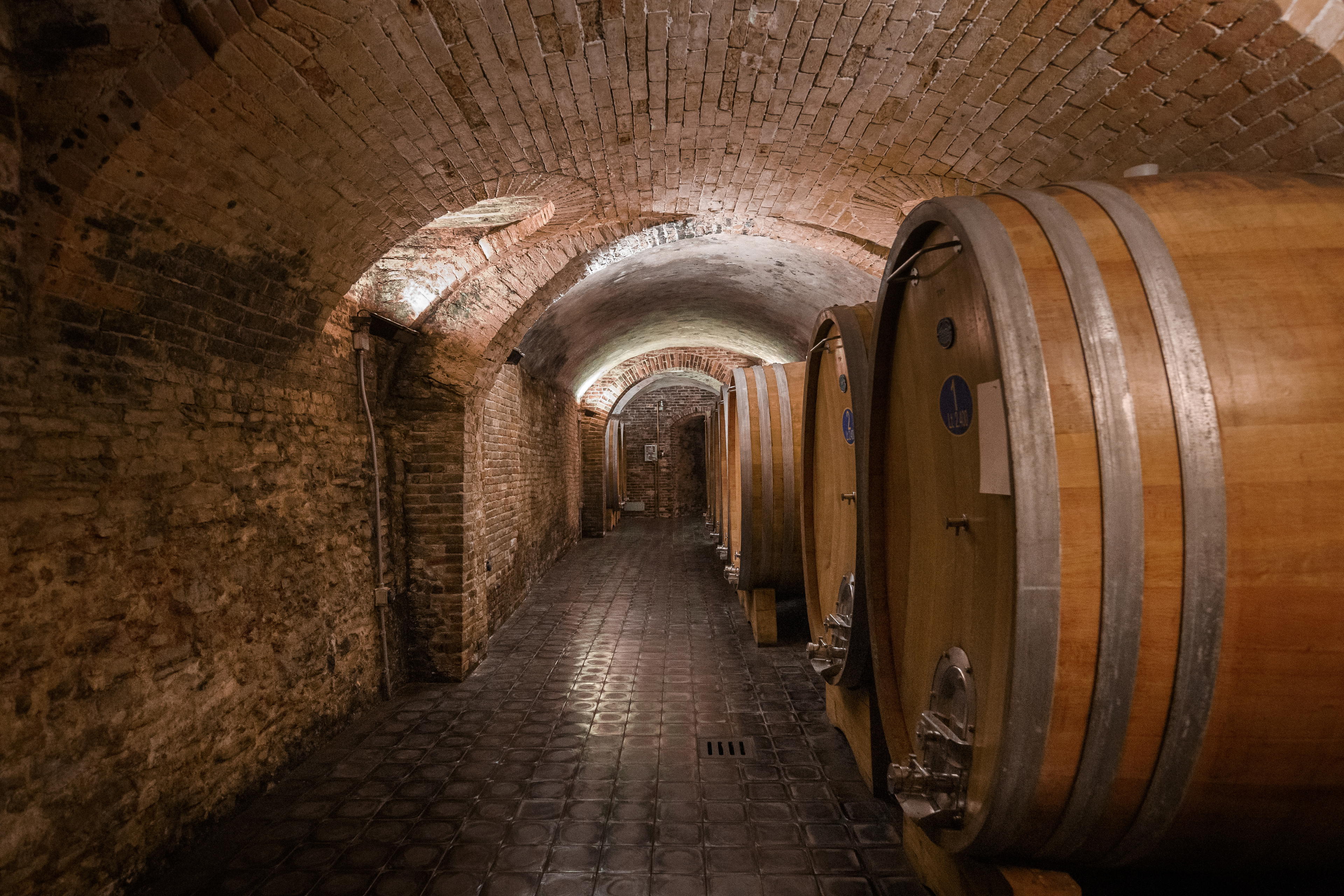
The cellar details support that interpretation. Stainless steel fermentation tanks are cooled with recycled and reclaimed water, a concrete production choice in a region where sustainability claims can otherwise remain vague. Arneis is aged on the lees for two months, giving the white wine more texture than a purely brisk aperitif style. Valsellera, a metodo classico sparkling rosé from Nebbiolo, spends about twenty-four months on the lees, a format that reframes the grape away from tannic still red without detaching it from Piedmont identity. Barbaresco Riserva receives a minimum of two years in cask, which places it in the slower, more traditional register of the cellar.
A museum-cantina tasting, not a luxury script
The hospitality format is educational rather than performative. Tastings can include a cellar tour, vineyard visit, private tasting, and guided tasting, with tours conducted in Italian, English, German, and French. That language range matters in Neive because the village sits inside a heavily visited wine landscape, but many worthwhile producers remain family-scaled rather than corporate. The experience is better read as a guided interpretation of Barbaresco culture than as a high-design tasting appointment.
Food appears in the classic Piedmont register: breadsticks, local salumi, and cheeses rather than a restaurant-style pairing menu. That is the right scale for this kind of visit. Barbaresco, Arneis, Dolcetto, Moscato, Chardonnay, and sparkling Nebbiolo rosé do not need culinary choreography to make sense; they need context, sequence, and someone willing to connect the cellar to the slopes outside. The tone is casual, conversational, and small-format, with a family-run atmosphere that suits wine education, group outings, solo exploration, and a quieter special-occasion stop.
For a broader Neive itinerary, Francone sits within a dense village and vineyard culture rather than as an isolated attraction. Other Neive winery pages useful for orientation include Azienda Agricola F.lli Cigliuti, Azienda Agricola Falletto di Bruno Giacosa, Azienda Agricola Prinsi, and Azienda Agricola Ressia. For readers comparing Italian winery travel beyond Piedmont, useful contrasts include 3GP SRL in Treviso, 47 Anno Domini in Trebaseleghe, and A Mano Wine in Noci; for a wider European frame, see »der Steiner« Hans Steiner in Podersdorf am See and & Handwein in Mannheim.
How to read the visit
The smart approach is to treat Francone as a terroir lesson with bottles attached. Start with the whites and lighter styles, then let the tasting move toward Nebbiolo and Barbaresco, where cask age, vine age, and vineyard exposure become easier to parse. The standout is not a single trophy claim or formal accolade list; it is the combination of Gallina fruit, family continuity, a 1964 cantina, multilingual guidance, and visible cellar choices such as reclaimed-water cooling. In a region where prestige can become opaque quickly, this is a useful counterpoint: serious enough for drinkers who care about DOCG structure, accessible enough for first-timers who want the Langhe explained without ceremony.
Recognition history
Dated appearances from independent guides and award organizations, with the underlying list record or original source where available.
Falstaff Winery - Listed
Falstaff
Continue exploring
More in Neive
Wineries in Neive
Browse all →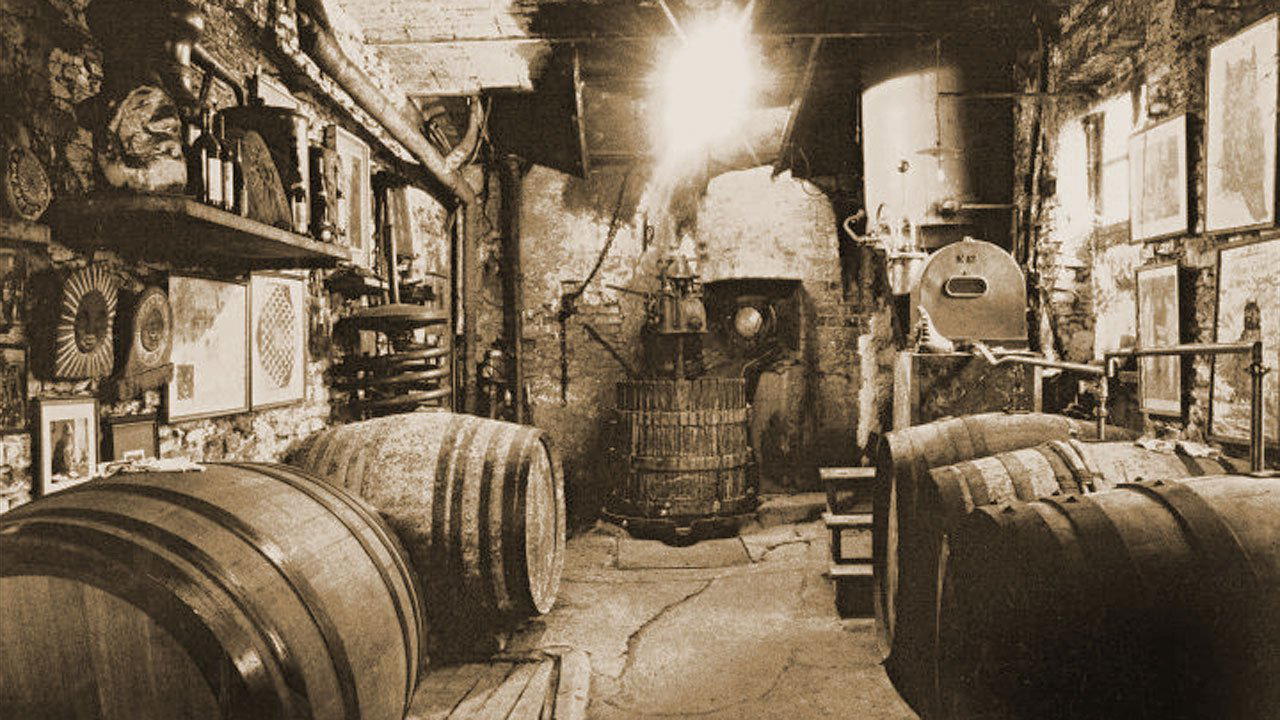
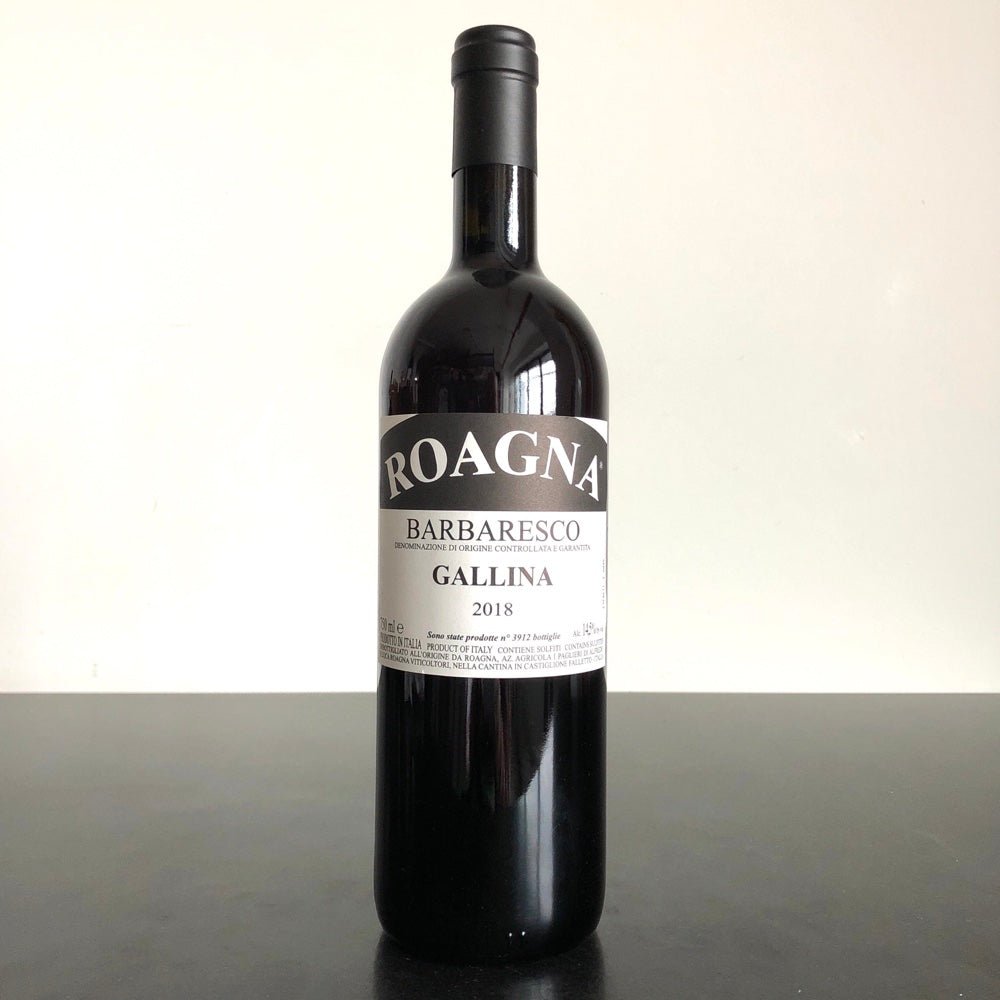
Bars in Neive
Browse all →
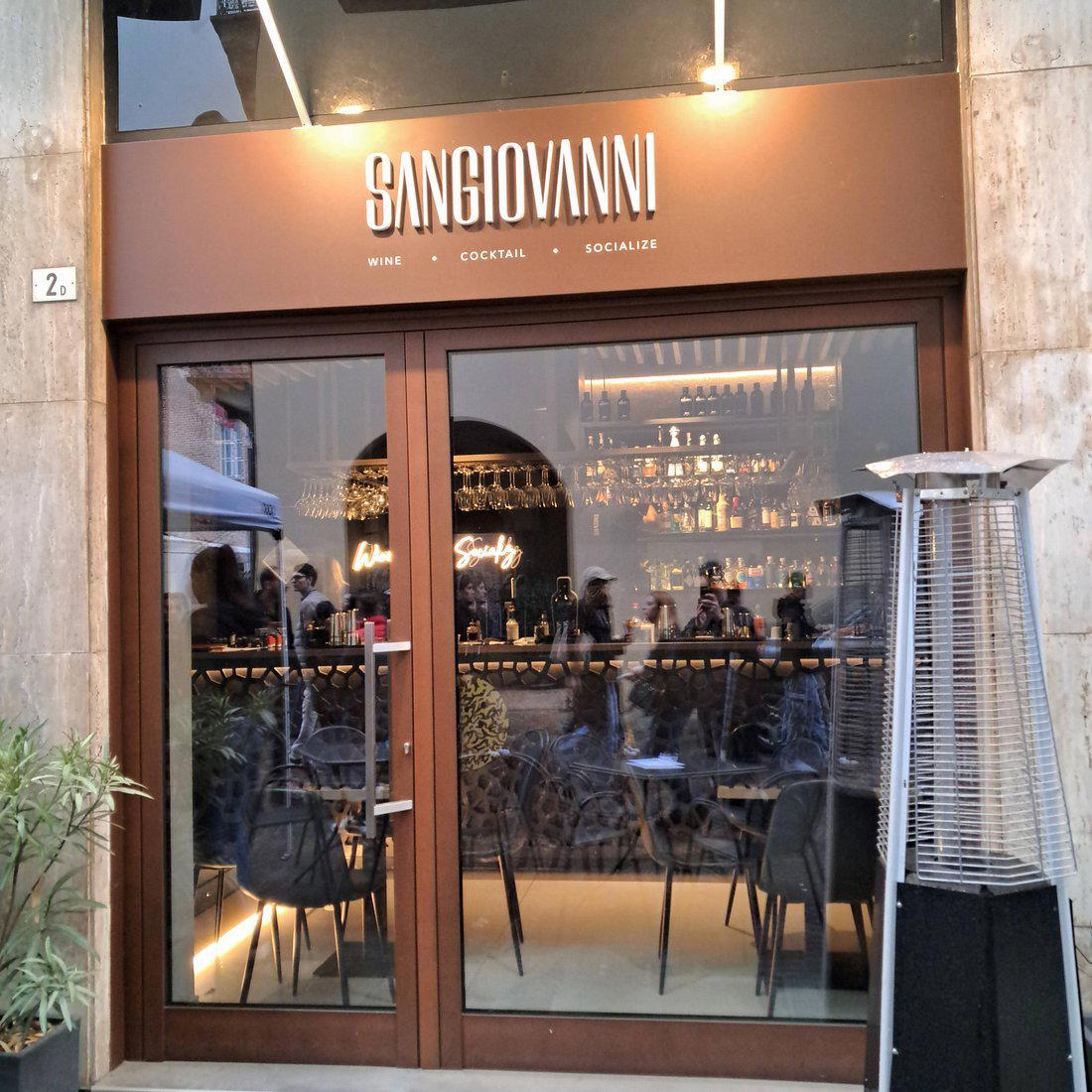
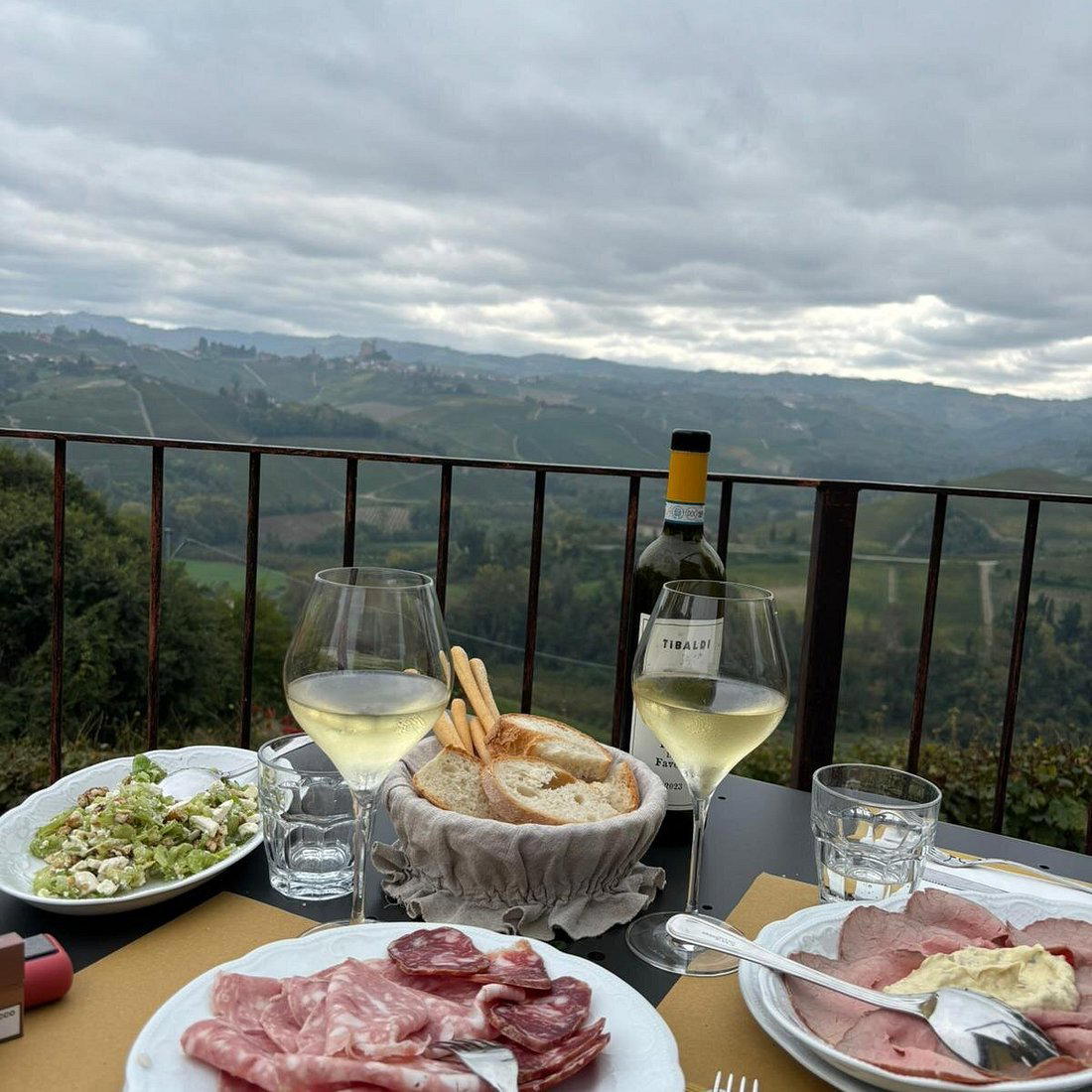
Restaurants in Neive
Browse all →
At a Glance
- Scenic
- Classic
- Rustic
- Cozy
- Intimate
- Romantic Getaway
- Group Outing
- Wine Education
- Special Occasion
- Solo Exploration
- Barrel Room
- Vineyard Tour
- Estate Grounds
- Historic Building
- Private Tasting
- Sustainable
- Vineyard
- Mountain
- Barbaresco DOCG
- Nebbiolo
- Dolcetto
- Arneis
- Moscato
- Chardonnay
- Still Red
- Still White
- Sparkling
- Dessert
- Guided Tasting
- Cellar Tour With Tasting
- Vineyard Visit
- Private Tasting
- Educational Tasting
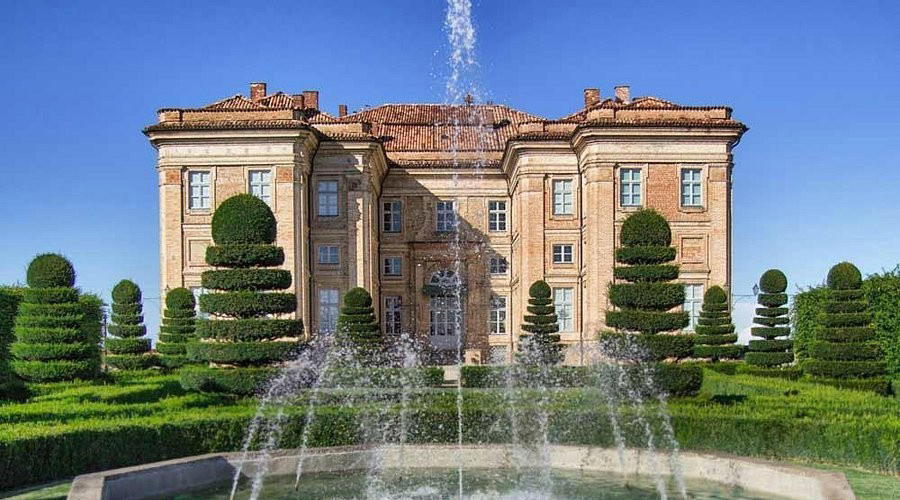
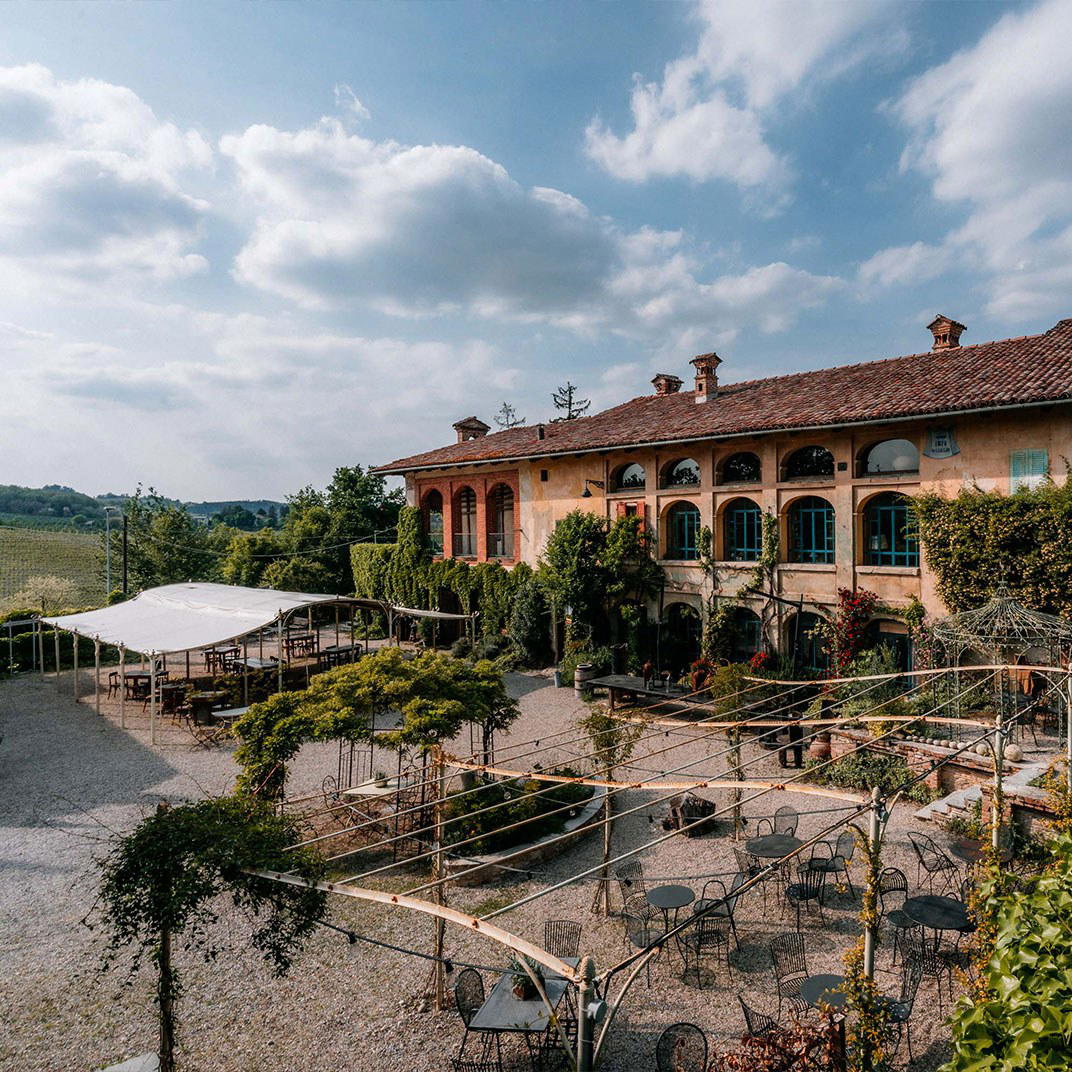
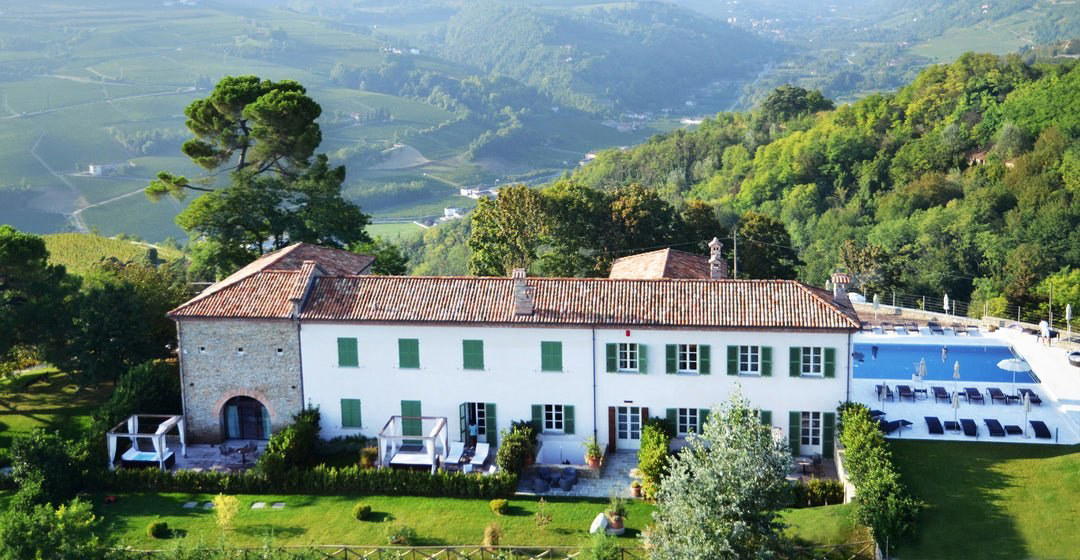
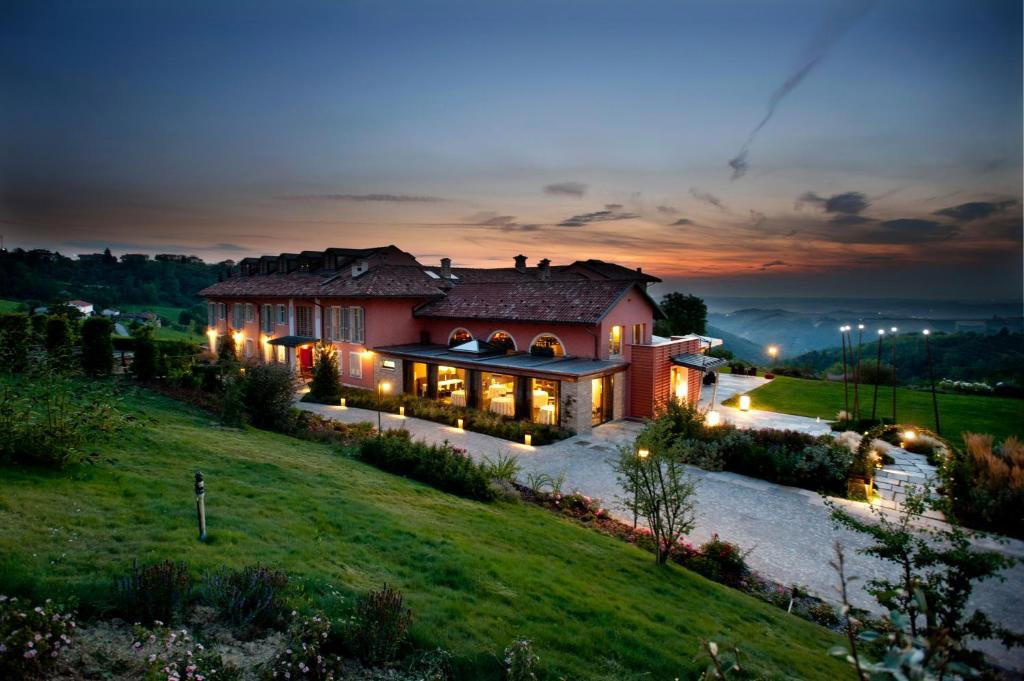
Family-run, welcoming and educational atmosphere in a historic cantina that doubles as a museum of five generations of winemaking, blending traditional cellar charm with forward-thinking, sustainable production in the rolling hills of the Langhe.