
Eastern Peake sits on Pickfords Road in Coghills Creek, deep in the cooler-climate country west of Ballarat, and carries a Pearl 2 Star Prestige rating for 2025. The address alone signals intent: this is a property that trades on land and distance from the main road, not on urban convenience. For visitors tracking Victoria's serious cool-climate wine producers, it belongs on the itinerary.
Pearl is the En Primeur Club membership app — saves, bookings, and concierge access live there. Same editors, same standards.
- Address
- 67 Pickfords Rd, Coghills Creek VIC 3364
- Phone
- +61 431 883 043
- Website
- easternpeake.com.au
 Saves & bookings on Pearl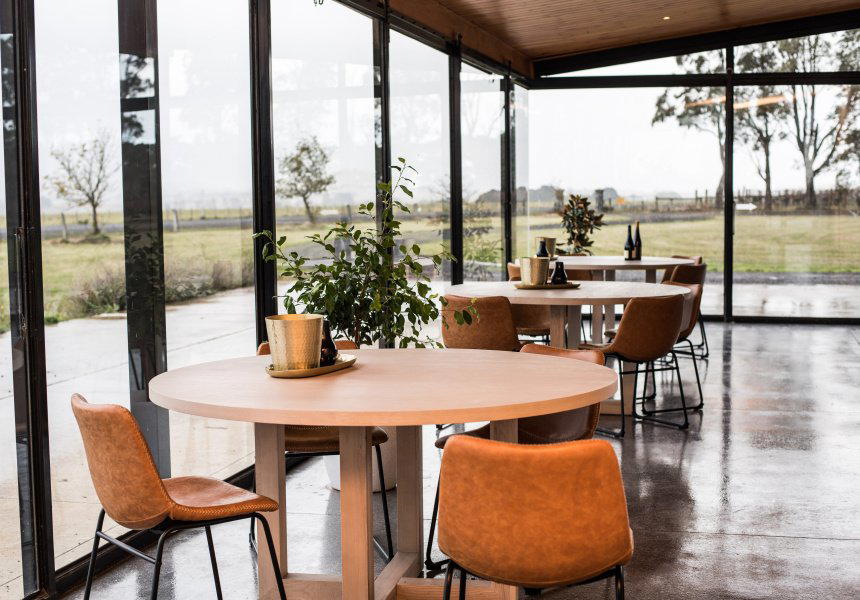
Cool-Climate Country West of Ballarat
The road from Ballarat to Coghills Creek runs through a landscape that turns convincingly cool by Victorian standards: elevation creeps up, the eucalypt canopy thickens, and the air holds a different quality than the flat inland plains. Eastern Peake sits at 67 Pickfords Road in this stretch of country, placing it well outside the orbit of the city's café strip and squarely in a zone where altitude and diurnal temperature variation do the real work of shaping a wine. That positioning is not incidental. The leading cool-climate producers in Victoria have long understood that the argument for their wines begins with geography, and the Coghills Creek location is a credible opening line.
Within the broader Victorian wine conversation, properties at this elevation and latitude occupy a specific niche. They are not chasing the ripeness benchmarks of warmer regions, and they tend to attract visitors with a different orientation than those touring the Barossa or the Hunter. The comparison set is closer to Bass Phillip in Gippsland or Leading's Wines in Great Western: smaller-scale, terroir-focused producers where the wine and the site are the primary subject.
What the Pearl 2 Star Prestige Recognition Signals
Eastern Peake holds a Pearl 2 Star Prestige rating for 2025, awarded through EP Club's assessment framework. In a state that includes properties like Blue Pyrenees Estate in Pyrenees and a long list of well-capitalised producers backed by national distribution, a 2 Star Prestige designation at a small rural address carries genuine weight. It places Eastern Peake in a peer group defined by quality signals rather than marketing volume, alongside producers such as Brown Brothers in King Valley and others who have built reputations incrementally through the wine itself.
Recognition at this level reflects consistent performance in the glass over time. The 2025 timing matters, too: cool-climate Victorian wine is drawing renewed critical attention nationally.
Terroir as the Central Argument
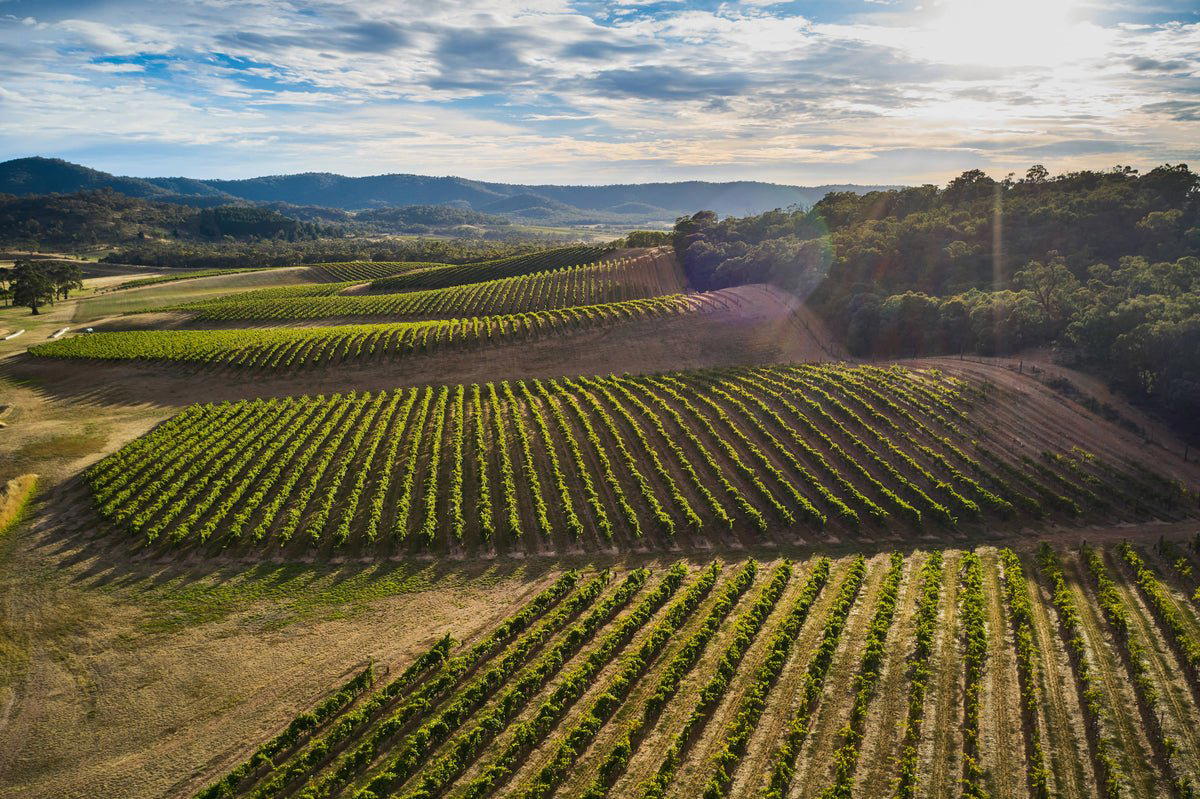
Cool-climate viticulture in the ranges west of Ballarat draws on a combination of factors that distinguish it from the better-publicised regions further south. Elevation modulates heat accumulation across the growing season; the diurnal swings that result tend to preserve natural acidity in white varieties and produce Pinot Noir with structure that does not depend on picking at low sugar levels simply to avoid overripeness. It is a different kind of discipline than warm-region winemaking, and it leaves a different signature in the wine.
This is the context in which Eastern Peake's location on Pickfords Road makes sense as a creative decision. The cooler pockets of Victoria's central highlands have historically produced wines with a distinct tension between fruit weight and acid line, a character that reads as European-inflected to palates accustomed to the broader, warmer-region Australian styles associated with names like Casella Family in Griffith or the large-volume producers that defined the export era. What the Coghills Creek terroir offers is not volume but precision, and that precision is visible in producers who have chosen to make the site the foundation of their wine program.
Across Victoria's cooler zones, the story of how soil type and aspect interact with elevation has become increasingly nuanced as producers have had time to observe single-vineyard variation. The parallel in other premium Australian regions is worth noting: the way Cape Mentelle in Margaret River built its reputation around the specific character of Wilyabrup, or the way Bird in Hand in Adelaide Hills emphasises altitude in its framing, reflects the same logic. Site specificity has become the credibility marker in Australian fine wine, and properties that have a clear site argument are better positioned in the current market than those relying on regional generalism.
Placing Eastern Peake in the Victorian Fine Wine Conversation
Victoria's fine wine geography has never been a single story. The state runs from the warm northeast, where All Saints Estate in Rutherglen has built its identity around fortified wine traditions, through the mid-tier regions, to the cooler southern and refined western zones where contemporary critical attention has concentrated. Eastern Peake fits the cooler end of this spectrum, in a subregion that lacks the name recognition of Yarra Valley or Mornington Peninsula but has produced wines that trade well with informed buyers.
The comparison with Angove Family Winemakers in Renmark or Brokenwood in Hunter Valley is instructive precisely because those properties occupy entirely different climate bands. The contrast makes the point: Eastern Peake is not trying to produce the same wines, and the terroir argument it makes is specific to elevation and cool-climate methodology rather than regional brand recognition. In a market where producers at Archie Rose Distilling Co in Sydney have built premium positioning through craft credentials and site-specificity, the template for how small-scale, quality-focused producers communicate value is well established. Eastern Peake operates inside that template.
Planning a Visit
The address at Coghills Creek puts Eastern Peake roughly in the territory north of Ballarat, accessible via the regional road network but not on any standard day-trip circuit. Visitors coming from Ballarat itself are better served by treating this as a destination stop rather than one point on a larger loop. For those building a wine itinerary around the region, our full Ballarat restaurants guide covers the broader dining and hospitality picture in the city, which works well as a base for exploring producers in the surrounding ranges. No booking details, current hours, or pricing are confirmed in our records, so direct contact with the property is the appropriate first step before planning travel.
2025 Pearl 2 Star Prestige rating provides the calibration point: this is a producer operating at a level that justifies a specific journey rather than a casual drive-by. Internationally, the closest reference points for this type of visit are properties like Aberlour in Aberlour or Accendo Cellars in St. Helena.
Comparable Venues
Comparable venues nearby, for context on price, style, and recognition.
| Venue | Cuisine | Price | Notes |
|---|---|---|---|
| Eastern PeakeThis venue — the venue you are viewing | Pinot Noir, Chardonnay | $$$ | |
| Thistledown Wines | Grenache, Shiraz | $$$ | McLaren Vale |
| Bindi Wines | Chardonnay, Pinot Noir | $$$ | Gisborne |
| Animus Distillery | Winery | , | Kyneton |
| TarraWarra Estate | Pinot Noir, Chardonnay | $$$ | Yarra Valley |
| Seppelt Great Western | Shiraz, Chardonnay | $$ | Great Western |
Continue exploring
More in Ballarat
Wineries in Ballarat
Browse all →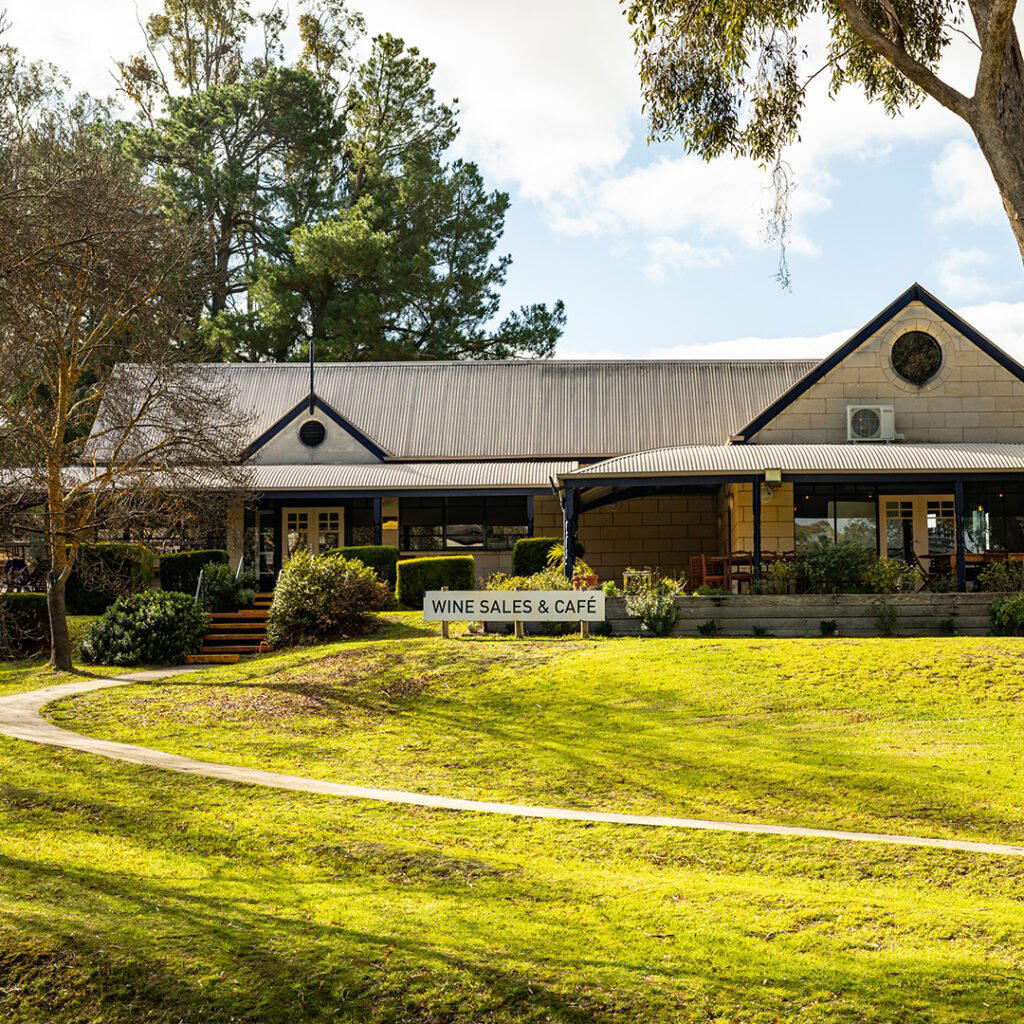
Bars in Ballarat
Browse all →
Restaurants in Ballarat
Browse all →
Hotels in Ballarat
Browse all →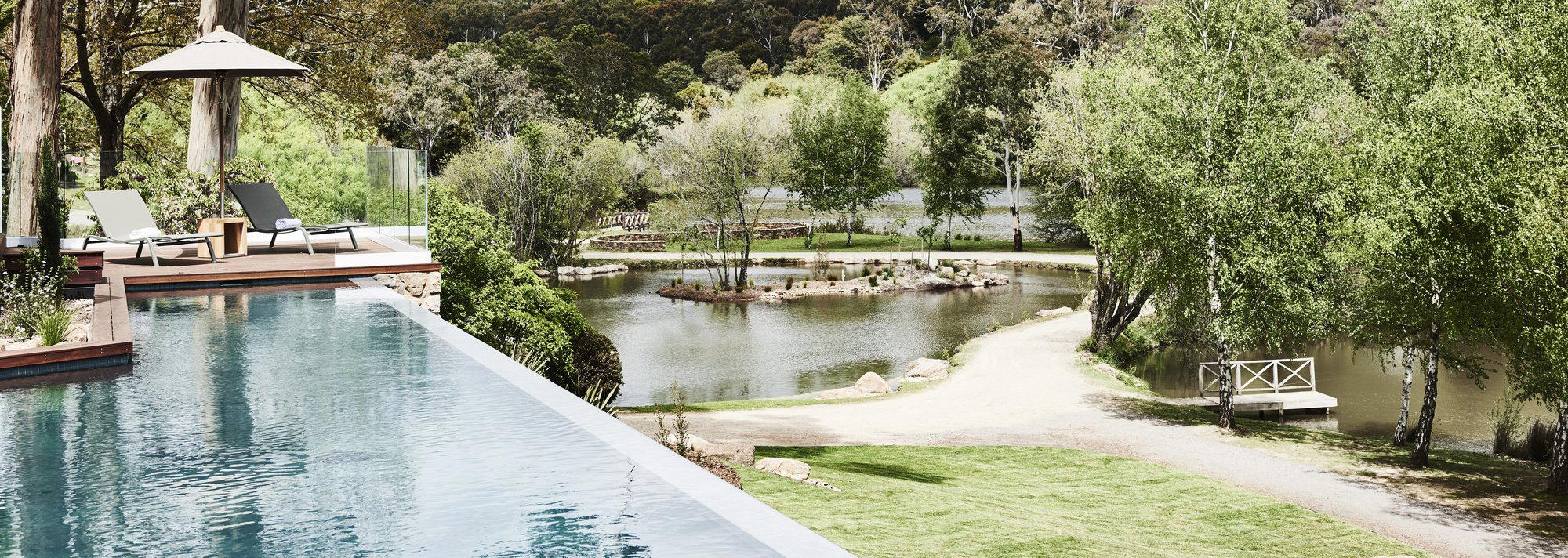
At a Glance
- Rustic
- Scenic
- Quiet
- Intimate
- Wine Education
- Solo Exploration
- Vineyard Tour
- Estate Grounds
- Panoramic View
- Biodynamic
- Organic
- Sustainable
- Vineyard
- Mountain
Relaxed glass-walled tasting room overlooking scenic Creswick Valley with valley views, quiet surroundings, and welcoming family atmosphere.