Bindi Wines
Bindi Wines sits on the volcanic soils of the Macedon Ranges, one of Australia's coolest and most demanding cool-climate regions.. For collectors tracking cool-climate Australian wine, Bindi is a property that warrants serious attention.
Pearl is the En Primeur Club membership app — saves, bookings, and concierge access live there. Same editors, same standards.
- Address
- Gisborne-Melton Rd, Gisborne VIC 3437
- Phone
- +61 412 324 302
- Website
- bindiwines.com.au
- Directions
- Get directions
 Saves & bookings on Pearl
Where the Climate Makes the Argument
The Macedon Ranges sit at elevations between 400 and 700 metres above sea level, and the growing season here is among the shortest in any Australian wine region. Frost is a recurring risk. Harvest often runs into late April or early May, weeks after most of Victoria has finished picking. These are not comfortable conditions for viticulture, and that tension between the vine and its environment is precisely what gives the region's wines their defining character: high natural acidity, restrained alcohol, and a structural tightness that requires patience from both winemaker and drinker.
Bindi Wines, located on Gisborne-Melton Rd in Gisborne, is a winery in the Macedon Ranges and is known for Pinot Noir and Chardonnay. That kind of recognition is earned through the vineyard as much as the cellar.
Macedon's Volcanic Influence
Soil type in the Macedon Ranges is not uniform, which partly explains why the region has never consolidated around a single, marketable identity the way Barossa has around Shiraz or Coonawarra around Cabernet. The area around Gisborne sits on decomposed granite and volcanic-derived soils, types that drain freely and force vine roots to search deep. That stress on the vine tends to produce smaller berries with higher skin-to-juice ratios, concentrating flavour compounds while preserving the nervous acidity the climate already encourages.
This geology distinguishes Macedon from other Victorian cool-climate regions. Compare it to Gippsland, where Bass Phillip in Gippsland works with different soil profiles to achieve a different expression of Pinot Noir: broader, sometimes earthier, and more Burgundian in texture. Macedon's volcanic and granitic base produces something tighter-boned, with tension as a signature rather than generosity. Neither is superior; they are different arguments made by different landscapes.
The Pinot Noir and Chardonnay Case
Across the Macedon Ranges, the varieties that perform with most consistency are Pinot Noir and Chardonnay, and this is not accidental. Both are Burgundian varieties selected historically for cool, marginal climates where ripening is gradual and aromatic complexity builds slowly. In Macedon, that ripening window stretches long enough to develop flavour without sacrificing freshness, producing wines that tend to age well and reward extended cellaring.
Bindi's reputation sits squarely within this Pinot and Chardonnay tradition. The estate is among a small group in Macedon, alongside Cobaw Ridge and Place of Changing Winds, that have built national profiles through sustained quality in these two varieties rather than broad portfolio diversification. In an Australian market that still skews toward warmer-climate reds and commercial-scale production, this is a deliberate positioning, and one that connects Macedon's leading producers to a collector audience that tracks allocation-level wines rather than retail shelf availability.
The comparison set outside Victoria is instructive. Bird in Hand in Adelaide Hills represents another cool-climate Australian region chasing the same Pinot and Chardonnay space, though Adelaide Hills' maritime influences and different elevation profiles produce a less austere style. At the other extreme, producers like Leading's Wines in Great Western or Brown Brothers in King Valley operate across wider portfolios and warmer site conditions, placing them in an entirely different competitive context.
The Estate Setting
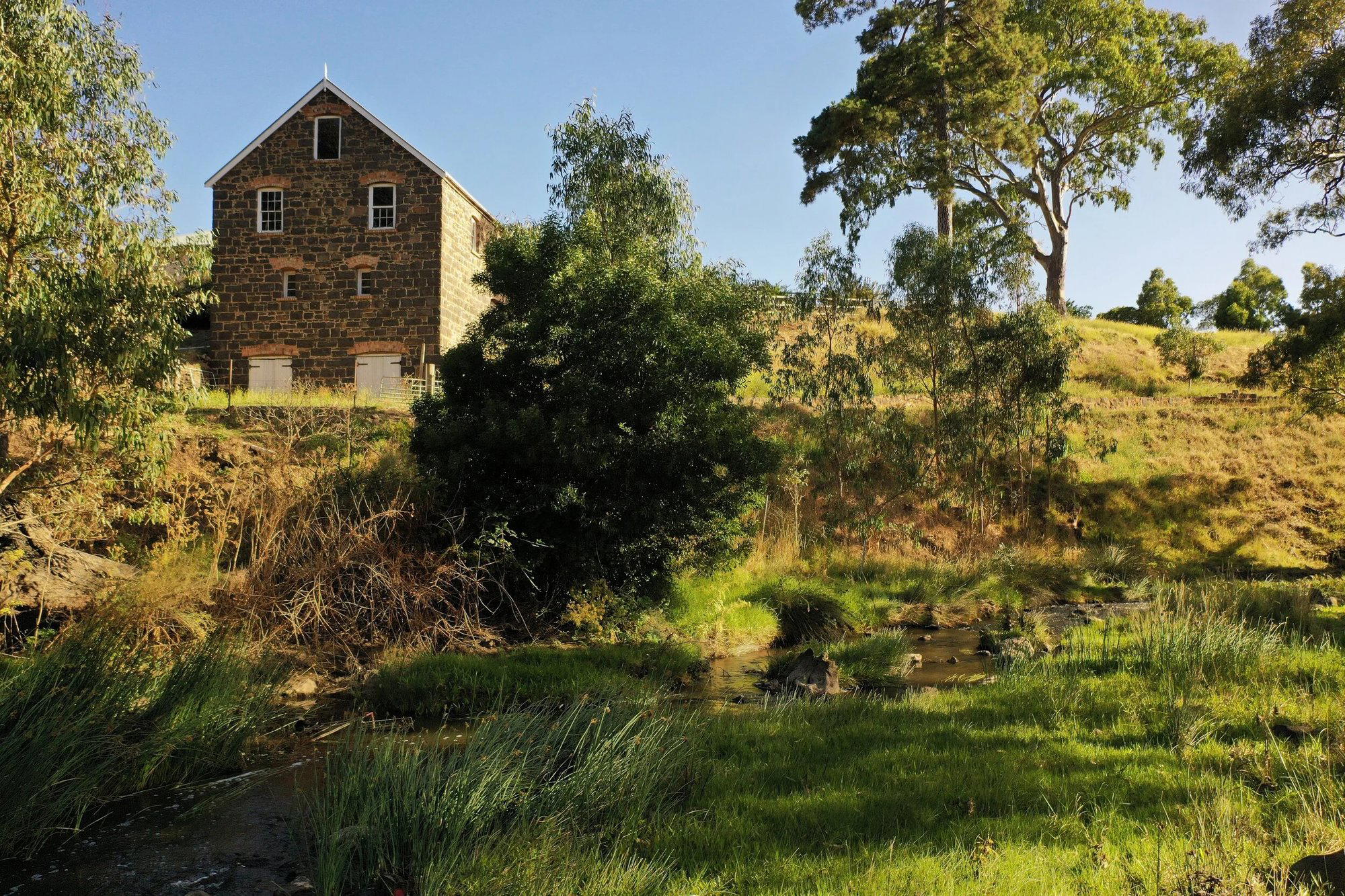
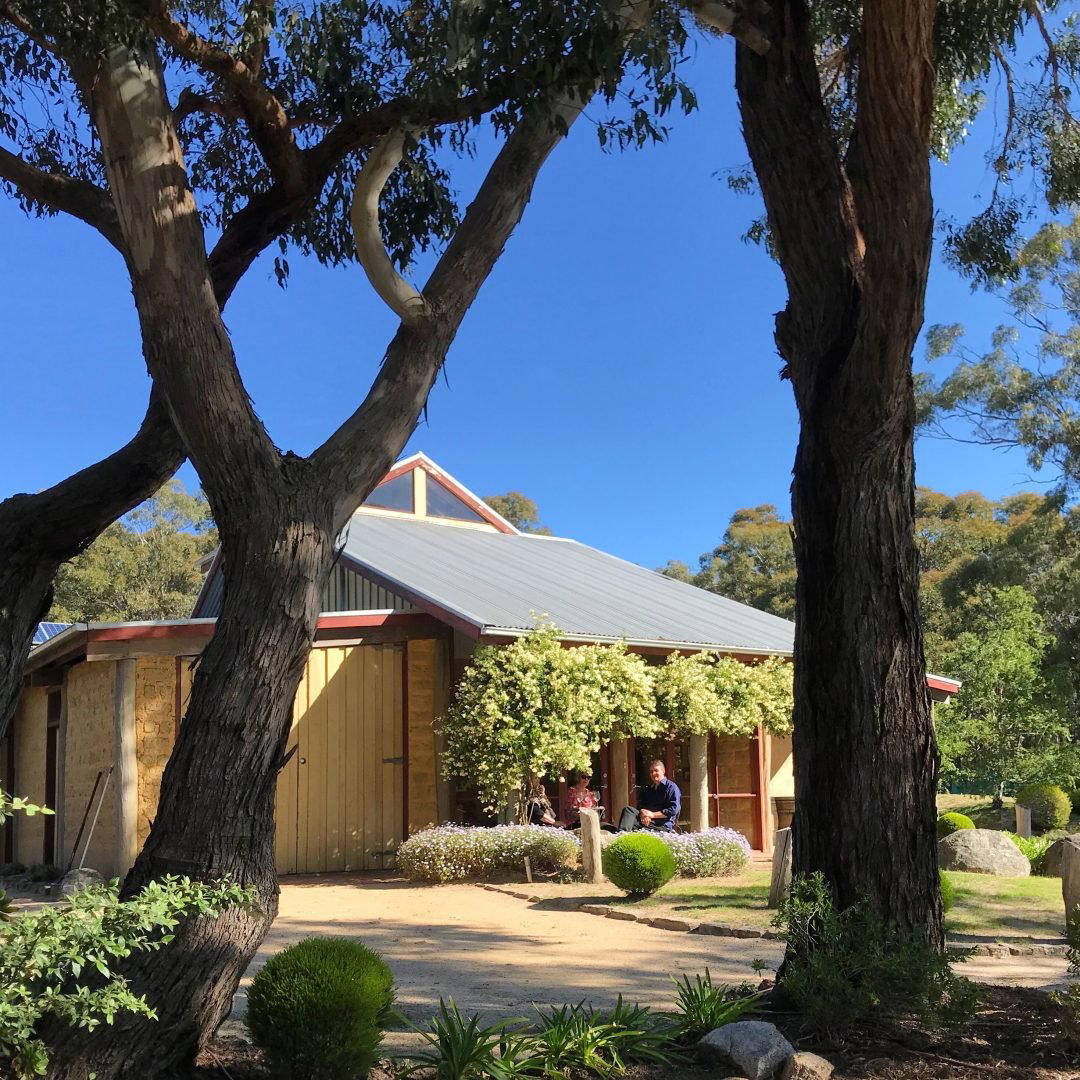
The physical approach to Bindi follows the pattern common to the better Macedon Ranges estates: rural roads cutting through open farmland and stands of eucalyptus, with vineyards appearing as a grid of low-trained vines against a backdrop of refined hills. The Macedon Ranges as a region resists the polished cellar-door aesthetic of Yarra Valley or McLaren Vale. There are fewer restaurants attached to tasting rooms, fewer concierge-level experiences on offer. What visitors find instead is a quieter, more agricultural character, one that reflects the practical demands of farming in a region where the priority has always been the vineyard rather than the visitor infrastructure.
This restraint in presentation is consistent with the wine style. Regions that make a strong case through terroir tend not to over-invest in hospitality theatre. The same pattern holds at reference producers in other marginal Australian regions, from the more austere end of the Hunter Valley, where Brokenwood in Hunter Valley operates, to the cooler corners of South Australia. Visitors to Bindi are advised to check directly for current opening hours and tasting arrangements, as small-production estates in this tier frequently operate on an appointment or limited-hours basis rather than open cellar-door trading.
Where Bindi Sits in the National Picture
Australia's fine wine conversation has broadened considerably over the past two decades. The dominance of Barossa Shiraz and Coonawarra Cabernet as the country's prestige calling cards has been complicated by a generation of cool-climate producers who have built international reputations on varieties and styles that sit closer to European benchmarks. Macedon is part of that story, and Bindi is one of its more frequently cited chapters.
For comparison, long-established South Australian houses like Angove Family Winemakers in Renmark or All Saints Estate in Rutherglen operate at significantly larger scale and with warmer-climate variety portfolios, making them a different kind of proposition for the collector. Bindi's scale and focus place it closer to small-production producers, where access depends on mailing list membership or specialist retailer relationships.
For those building a cellar with a cool-climate Australian focus, Macedon Ranges warrants a dedicated position. The region is not trying to replicate Burgundy, but it is producing Pinot Noir and Chardonnay at the kind of structural tension and natural acidity that makes direct regional comparison meaningful rather than aspirational. Bindi, with its volcanic soils and marginal growing conditions, is the estate that most consistently embodies that argument.
Planning a Visit
Gisborne sits roughly 50 kilometres northwest of central Melbourne, accessible by car via the Western Ring Road and the Calder Freeway. The drive takes under an hour in normal traffic conditions, making Macedon a manageable day trip from the city. Given the estate's appointment-only policy, contacting Bindi directly in advance is advisable to confirm tasting availability.
In Context: Similar Options
Comparable venues nearby, for context on price, style, and recognition.
| Venue | Cuisine | Price | Notes |
|---|---|---|---|
| Bindi WinesThis venue — the venue you are viewing | Chardonnay, Pinot Noir | $$$ | Not listed |
| Cobaw Ridge | Chardonnay, Pinot Noir | $$$ | Macedon Ranges |
| Place of Changing Winds | Pinot Noir, Chardonnay | $$$ | Macedon Ranges |
| Coldstream Hills | Pinot Noir, Chardonnay | $$$ | Gruyere |
| Montalto | Chardonnay, Pinot Noir | $$$ | Red Hill |
Continue exploring
More in Macedon Ranges
Wineries in Macedon Ranges
Browse all →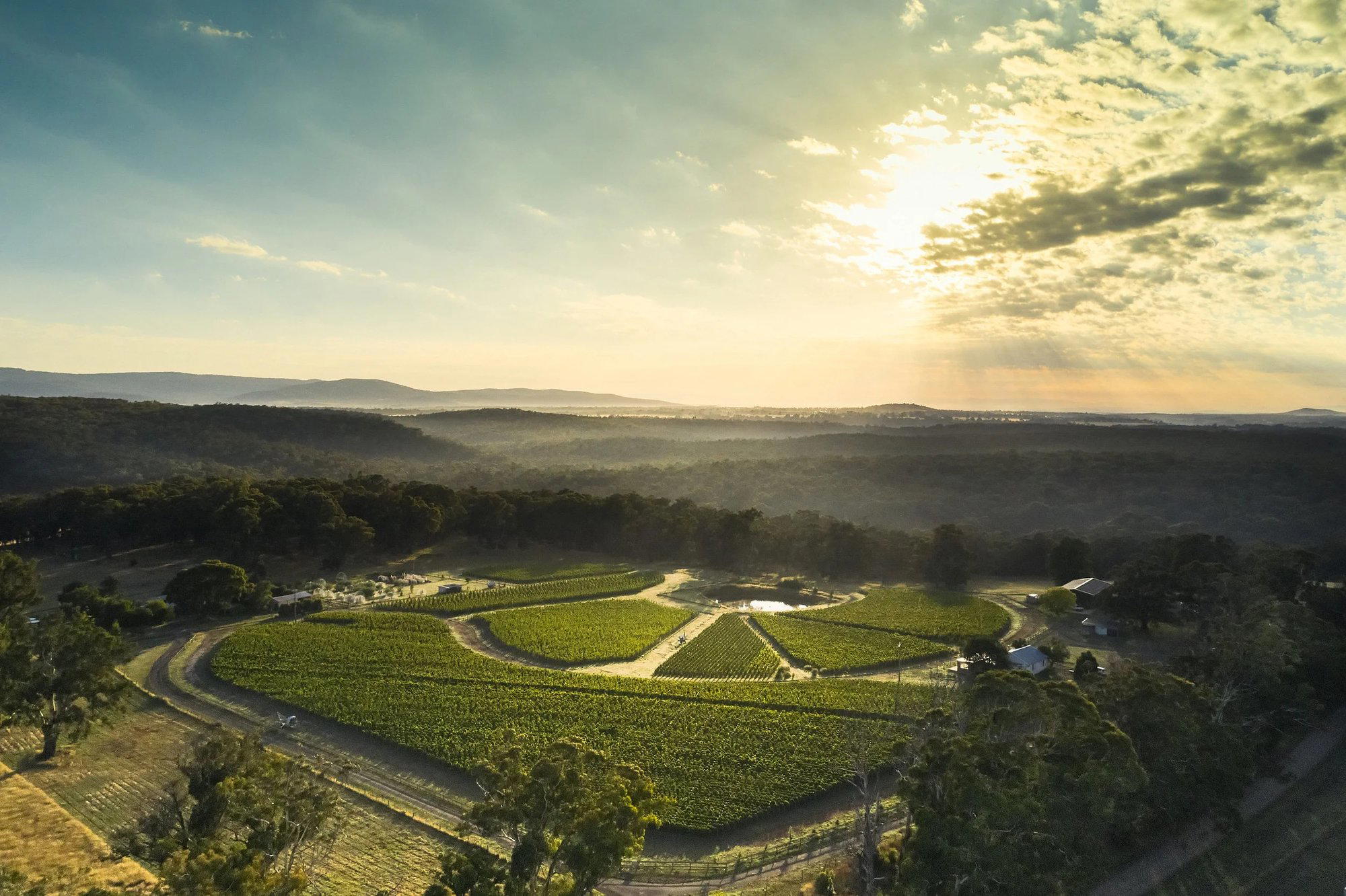

Bars in Macedon Ranges
Browse all →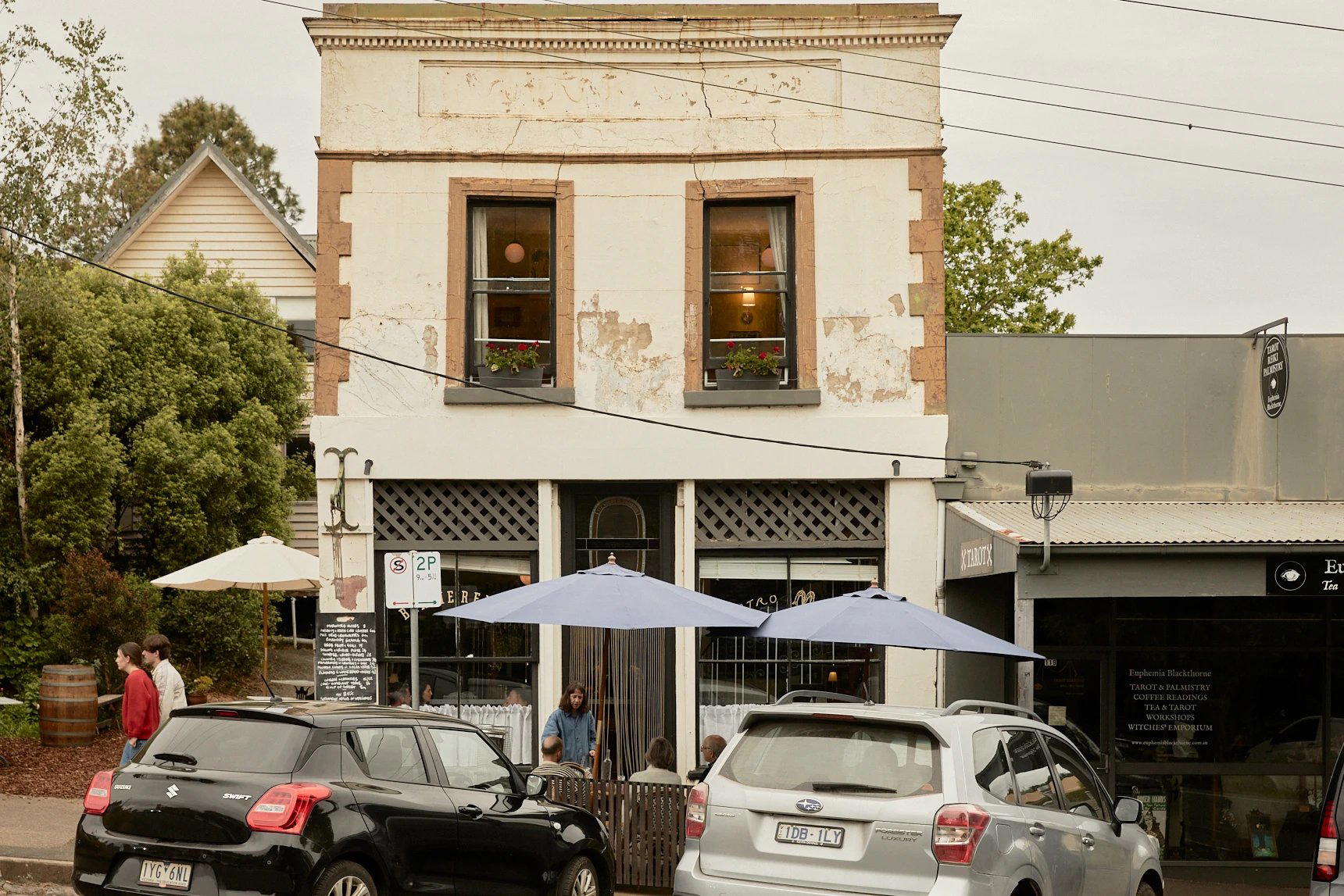

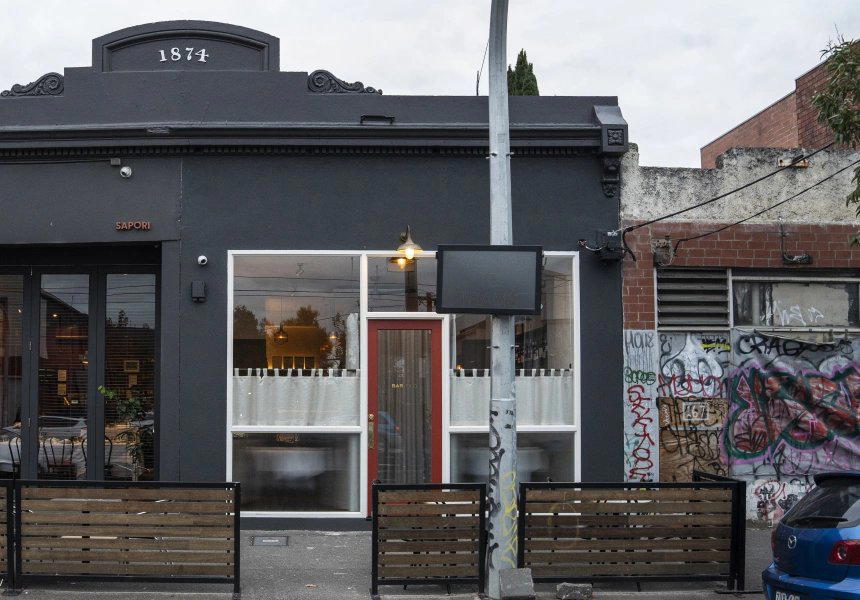
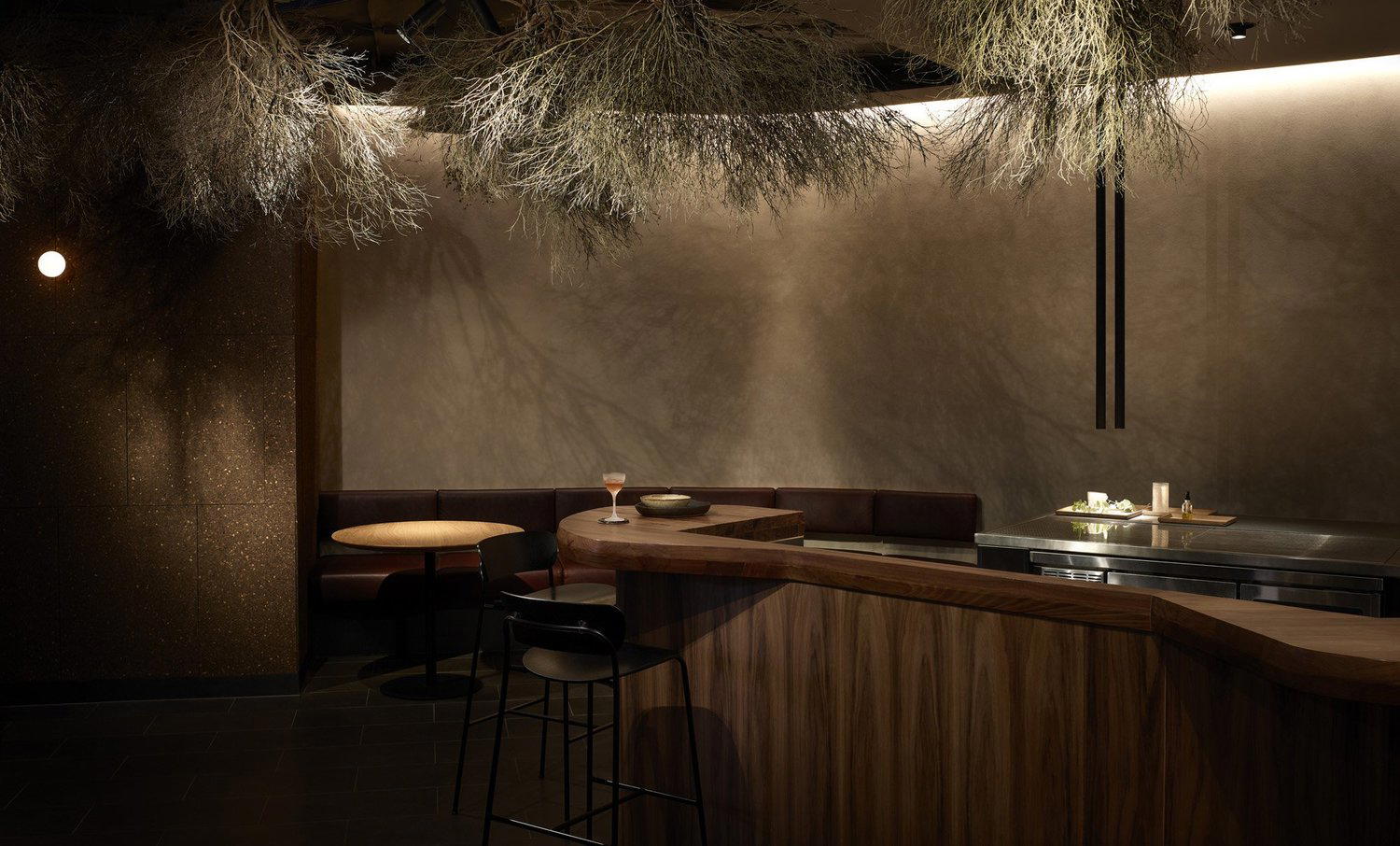

Restaurants in Macedon Ranges
Browse all →

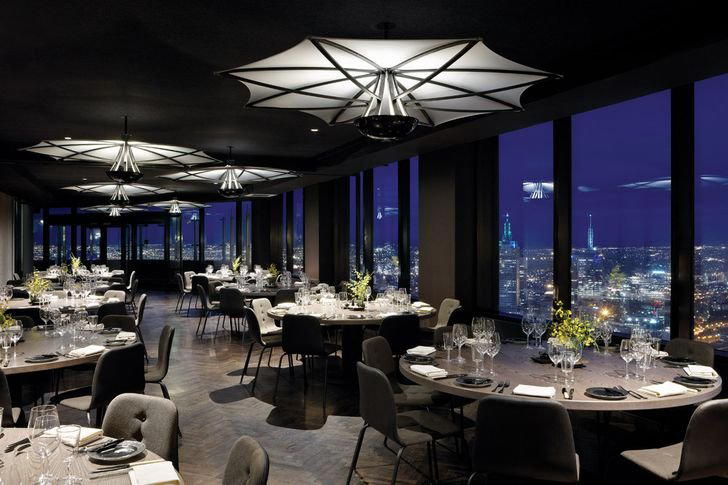



At a Glance
- Scenic
- Elegant
- Rustic
- Intimate
- Sophisticated
- Wine Education
- Solo Exploration
- Special Occasion
- Vineyard Tour
- Estate Grounds
- Sustainable
- Vineyard
- Mountain
- Macedon Ranges
- Chardonnay
- Pinot Noir
- Shiraz
- Still White
- Still Red
- Private Tasting
Refined and pure with mineral-driven elegance, reflecting the cool-climate Macedon Ranges terroir.