Cobaw Ridge
Cobaw Ridge is a small-production winery in Victoria's Macedon Ranges. Located at East Pastoria on Perc Boyers Lane, the property sits within one of Australia's cooler-climate wine regions, where elevation and diurnal temperature shifts define the house style. For those tracing the Macedon Ranges' most serious producers, Cobaw Ridge belongs in the conversation.
Pearl is the En Primeur Club membership app — saves, bookings, and concierge access live there. Same editors, same standards.
- Address
- 31 Perc Boyers Ln, East Pastoria VIC 3444
- Phone
- +61 3 5423 5227
- Website
- cobawridge.com.au
- Directions
- Get directions
 Saves & bookings on Pearl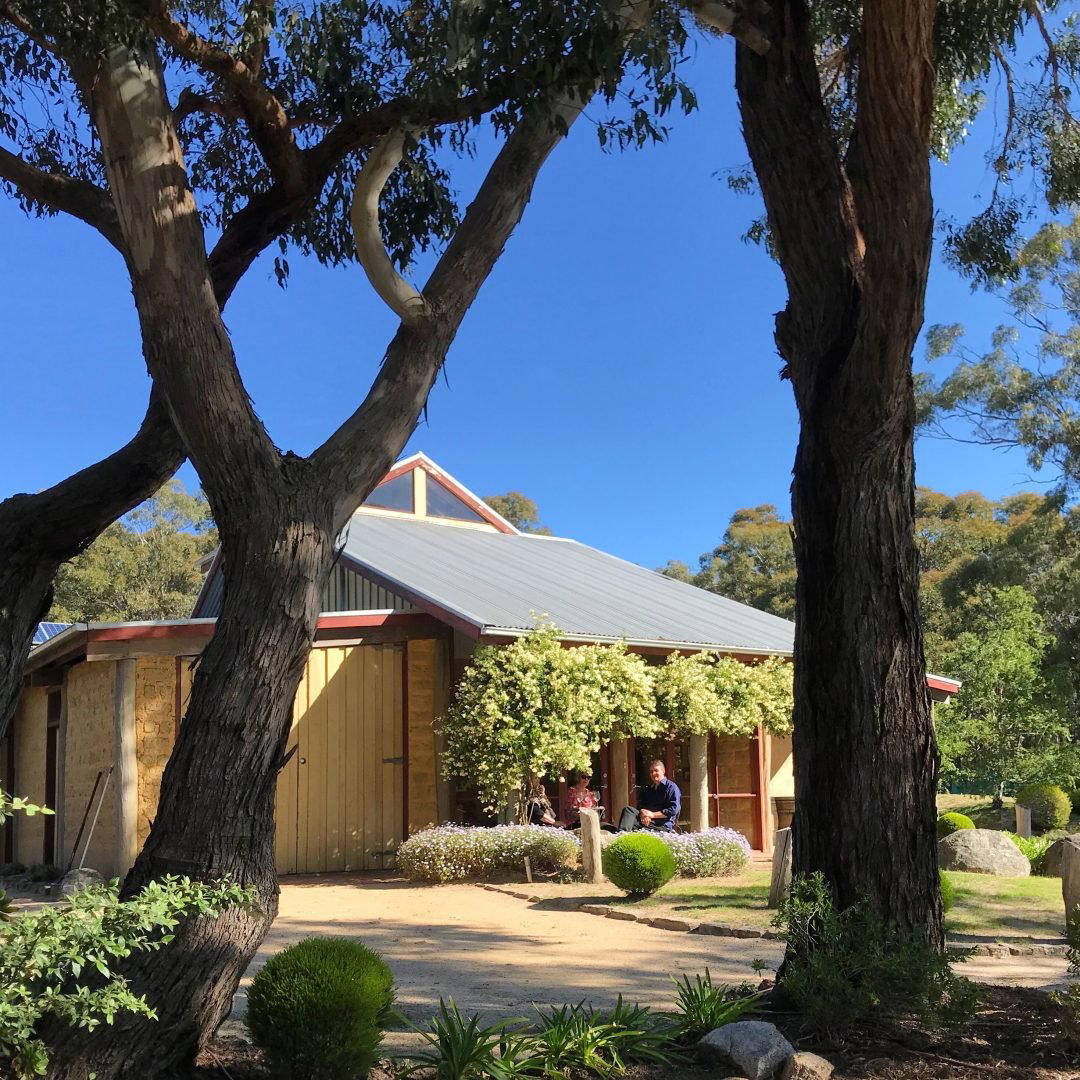
High Country Viticulture and the Macedon Ranges Benchmark
Victoria's Macedon Ranges operates differently from most of Australia's wine regions. At elevations approaching 700 metres in places, with a growing season that can extend well into autumn, the region forces patience from its producers. Fruit ripens slowly, acidity stays refined, and the wines that emerge tend to favour structure and restraint over the fruit-forward immediacy common at lower latitudes. It is a region that rewards producers willing to work within its constraints rather than against them.
Cobaw Ridge, situated at East Pastoria on Perc Boyers Lane in the Macedon Ranges, sits firmly within that discipline.
What the Elevation Asks of the Winemaker
Cool-climate viticulture at this elevation imposes decisions: when to pick, how much intervention to apply, whether to chase ripeness or let the vintage speak in a leaner register. The producers who have built reputations in this region consistently favour the latter approach, trusting the site over the cellar.
Cobaw Ridge reflects that orientation. The comparison is instructive: both estates operate with small production volumes and command allocation-style demand from serious collectors.
Across Australia's broader premium wine scene, the estates that sustain this kind of recognition tend to share a commitment to low yields, minimal additions in the winery, and a willingness to accept vintage-to-vintage variation rather than smooth it away. That philosophy distinguishes them from larger operations like Angove Family Winemakers in Renmark or Brown Brothers in King Valley, where production scale and multi-regional sourcing serve a different market. Both approaches are legitimate; they simply occupy different positions in the spectrum of Australian wine production.
The Macedon Ranges as a Region in Its Own Right
For visitors and collectors approaching Cobaw Ridge, understanding the regional context is as important as understanding the individual estate. The Macedon Ranges sits roughly 80 kilometres northwest of Melbourne, close enough for a day trip but sufficiently refined and cool to feel like a different climatic world. The region built its reputation primarily on sparkling wine and on still Pinot Noir and Chardonnay, varieties that thrive where growing seasons are long and cool.
That regional character places Macedon Ranges producers in a specific Australian peer group: cool-climate estates more likely to be compared to Tasmania or Mornington Peninsula than to Barossa or McLaren Vale. The stylistic distance from the warmer-climate prestige estates, such as Henschke or Penfolds, is considerable. Where those estates trade in concentrated Shiraz and Cabernet with deep oak integration, Macedon Ranges producers like Cobaw Ridge work in a register defined by finesse, mineral tension, and the particular quality of cool-grown fruit.
Where Cobaw Ridge Sits in the National Picture
Australia's fine wine scene has never been a single conversation. The country's geographic spread means that estates in regions as different as Leading's Wines in Great Western, Bird in Hand in Adelaide Hills, and Blue Pyrenees Estate in Pyrenees are producing quality wine, but doing so in conditions so different that direct comparisons tell you little. What matters is whether a producer has achieved recognition within their own regional context and style.
It does not signal that the winery competes with a century-old Hunter Valley institution like Brokenwood on the same stylistic terms. It signals that within the Macedon Ranges, a region with its own demanding criteria, the winery is producing wines at a level serious collectors should track.
The distinction matters because Macedon Ranges wines have historically been underrepresented in export markets and in the mainstream Australian wine conversation, which has tended to amplify warmer-climate producers. That underrepresentation makes the region's serious estates worth identifying early, particularly as collector interest in cool-climate Australian wine has grown over the past decade, following international enthusiasm for similar styles in Burgundy and New Zealand's Central Otago.
Planning a Visit
The winery is located at 31 Perc Boyers Lane, East Pastoria VIC 3444, within the Macedon Ranges wine country. Visitors making the drive from Melbourne should allow for the rural approach roads that characterise this part of the region. As with most small-production Macedon Ranges estates, visiting is most rewarding when arranged in advance rather than as an impromptu stop. Visits are by appointment only.
Those with an interest in comparing small-production, cool-climate Australian estates more broadly might also consider properties like All Saints Estate in Rutherglen, which works in a different stylistic register with fortified and varietal wines, or the craft distilling end of the Australian drinks scene at Archie Rose Distilling Co in Sydney and the heritage institution of Bundaberg Rum Distillery. For collectors drawn to international comparison points, Accendo Cellars in St. Helena and Aberlour in Aberlour represent the kind of small-volume, terroir-driven production that winery echoes in its own regional idiom.
Booking and Cost Snapshot
Comparable venues nearby, for context on price, style, and recognition.
| Venue | Cuisine | Price | Notes |
|---|---|---|---|
| Cobaw RidgeThis venue — the venue you are viewing | Macedon Ranges, Chardonnay, Pinot Noir | $$$ | Not listed |
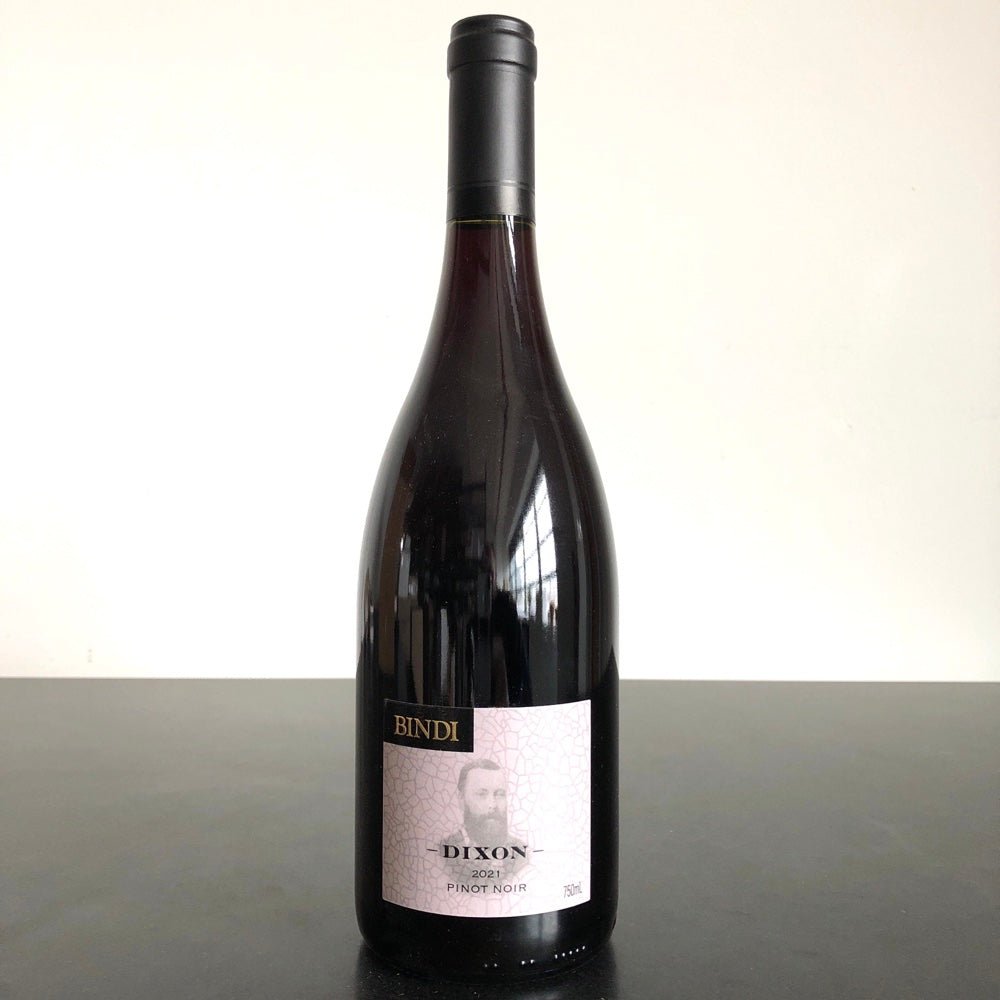
| Bindi Wines | Gisborne, Chardonnay, Pinot Noir | $$$ | Not listed |
| Place of Changing Winds | Macedon Ranges, Pinot Noir, Chardonnay | $$$ | Not listed |
| Garagiste | Not listed | $$$ | Mornington Peninsula, Chardonnay, Pinot Noir |
| Scotchmans Hill | Not listed | $$$ | Bellarine Peninsula, Pinot Noir, Chardonnay |
| Domaine Chandon - Australia | Coldstream, Chardonnay, Pinot Noir | $$$ | Not listed |
Continue exploring
More in Macedon Ranges
Wineries in Macedon Ranges
Browse all →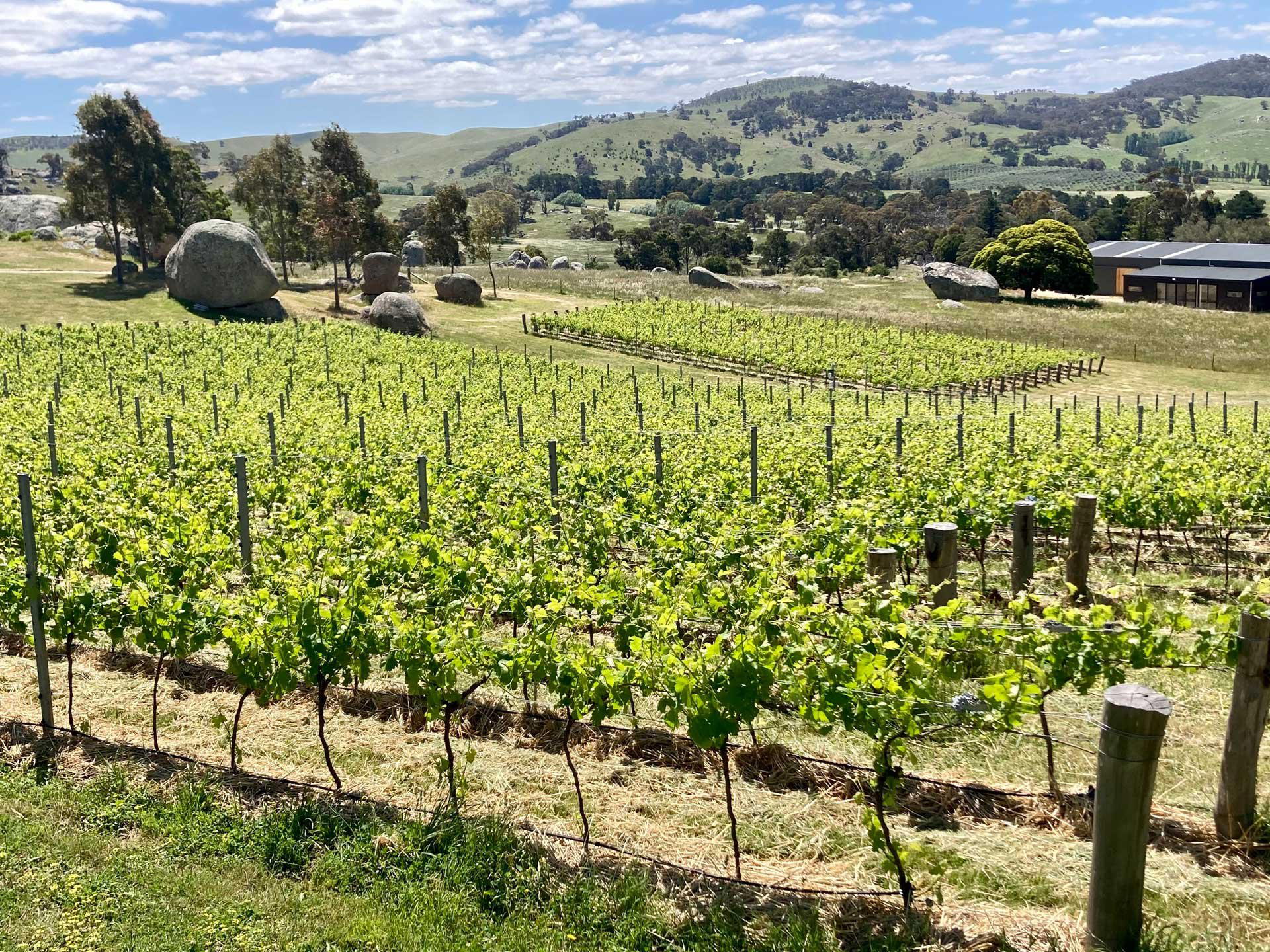
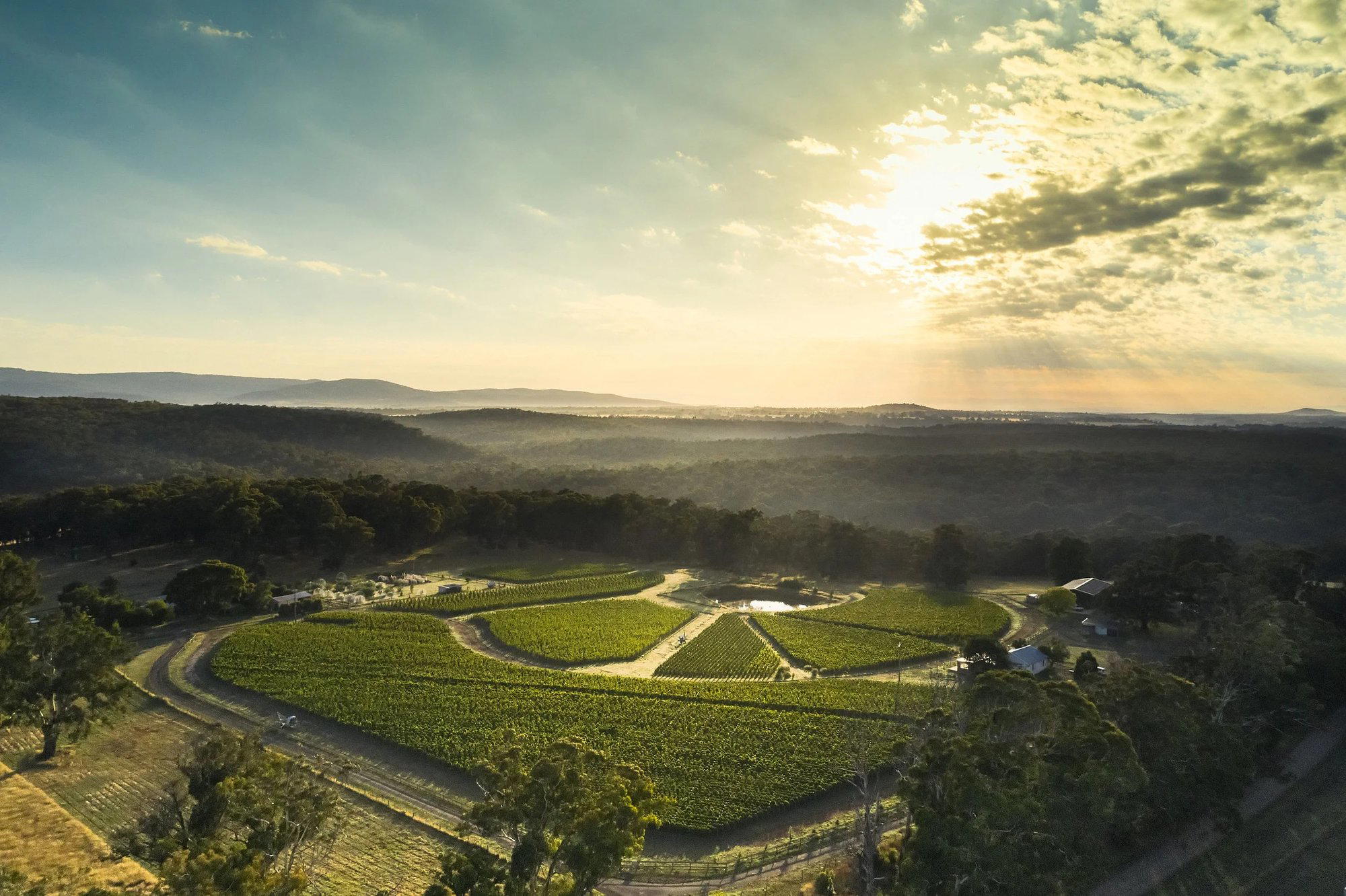
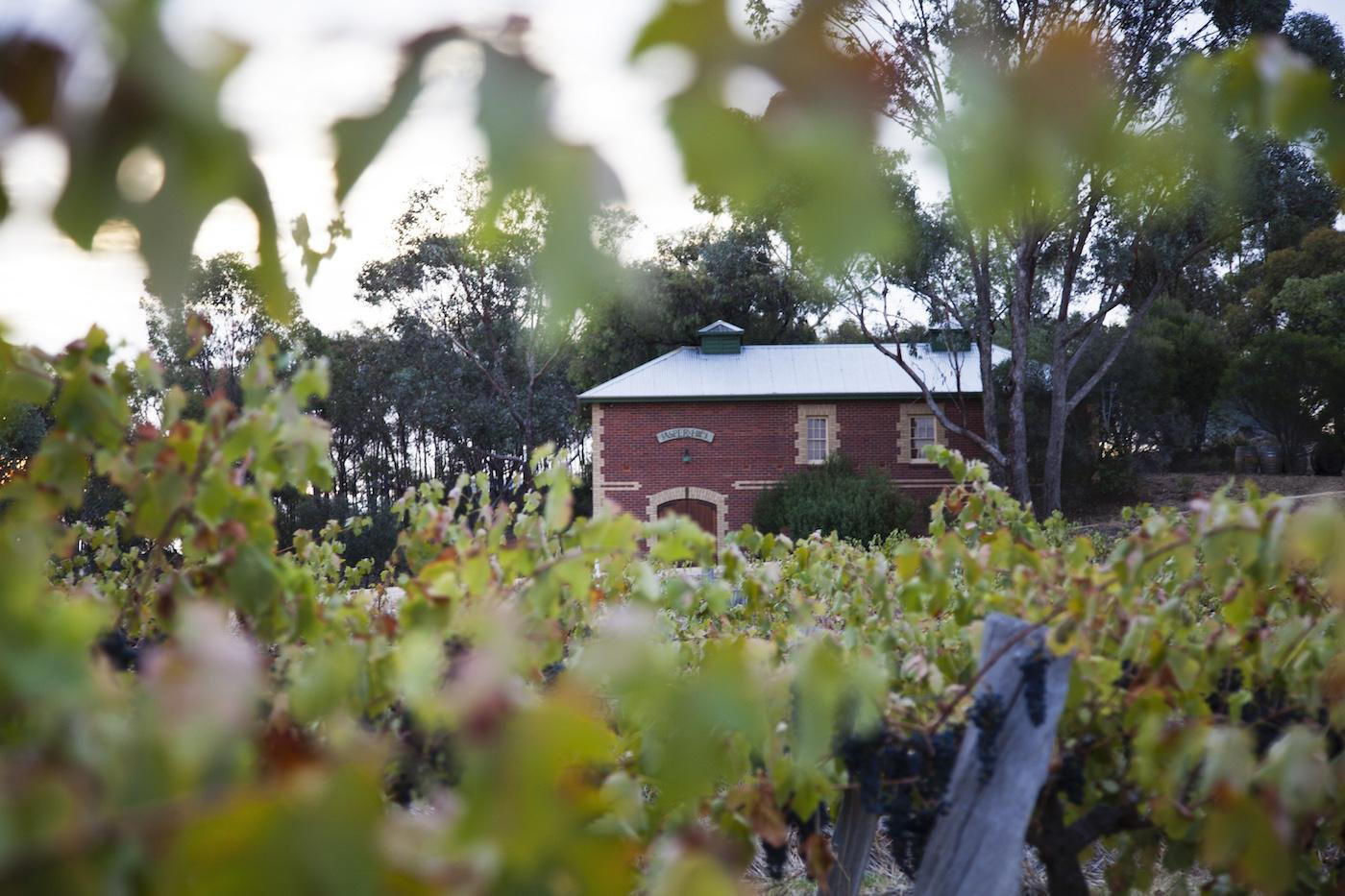
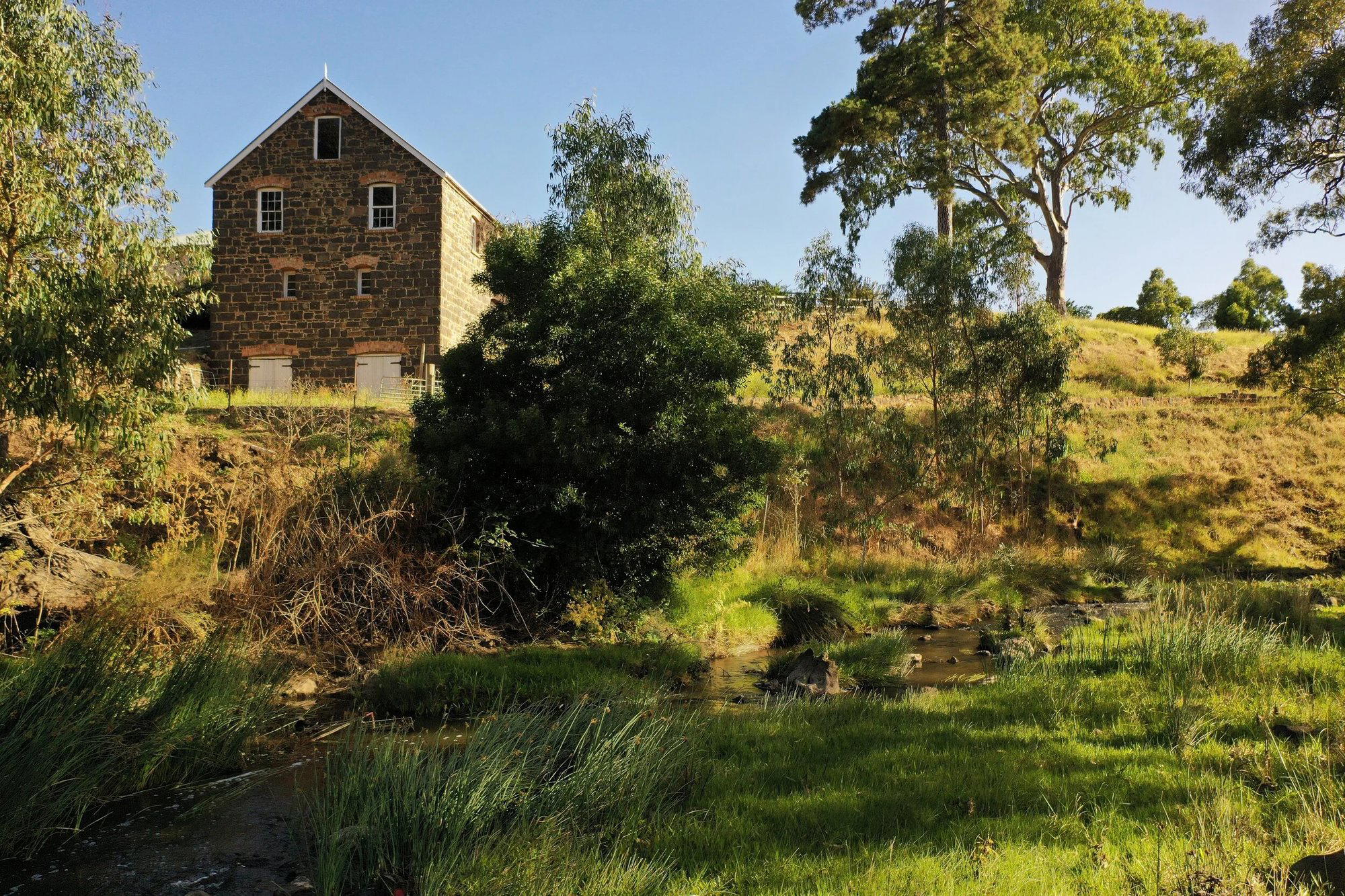
Bars in Macedon Ranges
Browse all →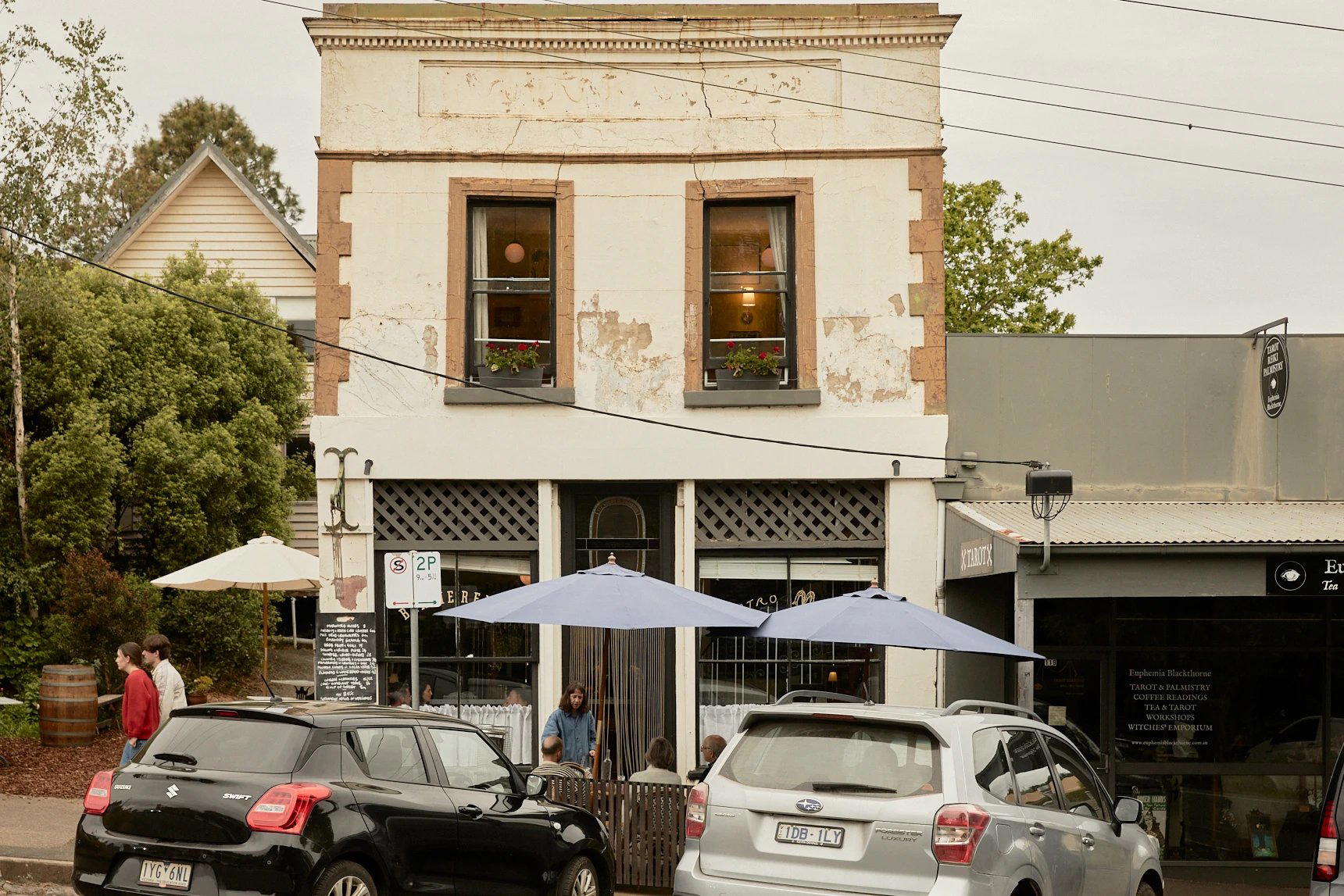
Restaurants in Macedon Ranges
Browse all →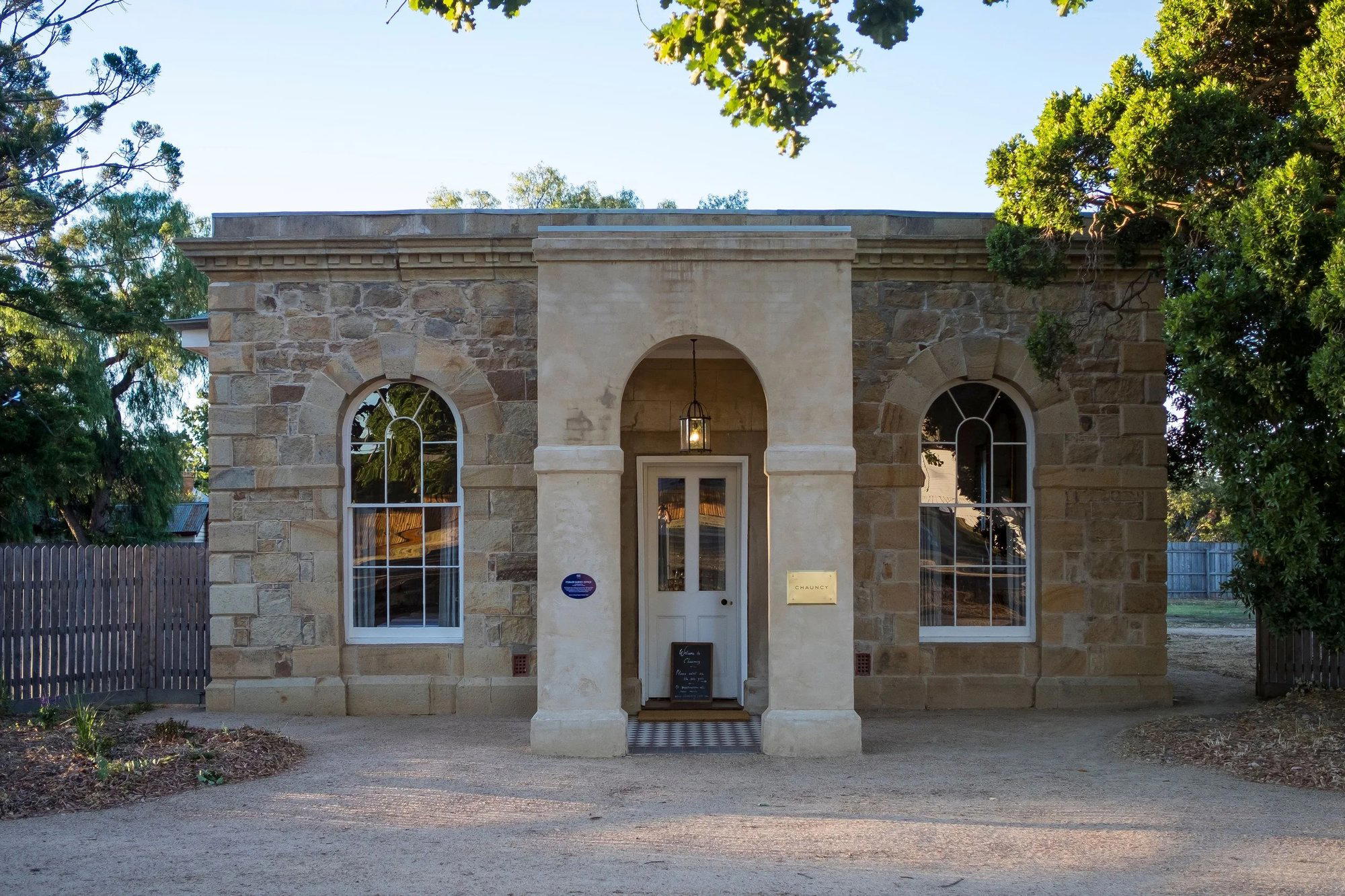
Hotels in Macedon Ranges
Browse all →
At a Glance
- Rustic
- Scenic
- Intimate
- Quiet
- Solo Exploration
- Wine Education
- Special Occasion
- Estate Grounds
- Terrace
- Panoramic View
- Organic
- Biodynamic
- Vineyard
- Mountain
- Macedon Ranges
- Chardonnay
- Pinot Noir
- Syrah
- Lagrein
- Pinot Gris
- Still Red
- Still White
- Still Rosé
- Cellar Door Tasting
- Barrel Tasting
Rustic, relaxed cellar door with personalized hospitality overlooking vineyard and bushland views.