Domaine Jean-Marc Millot
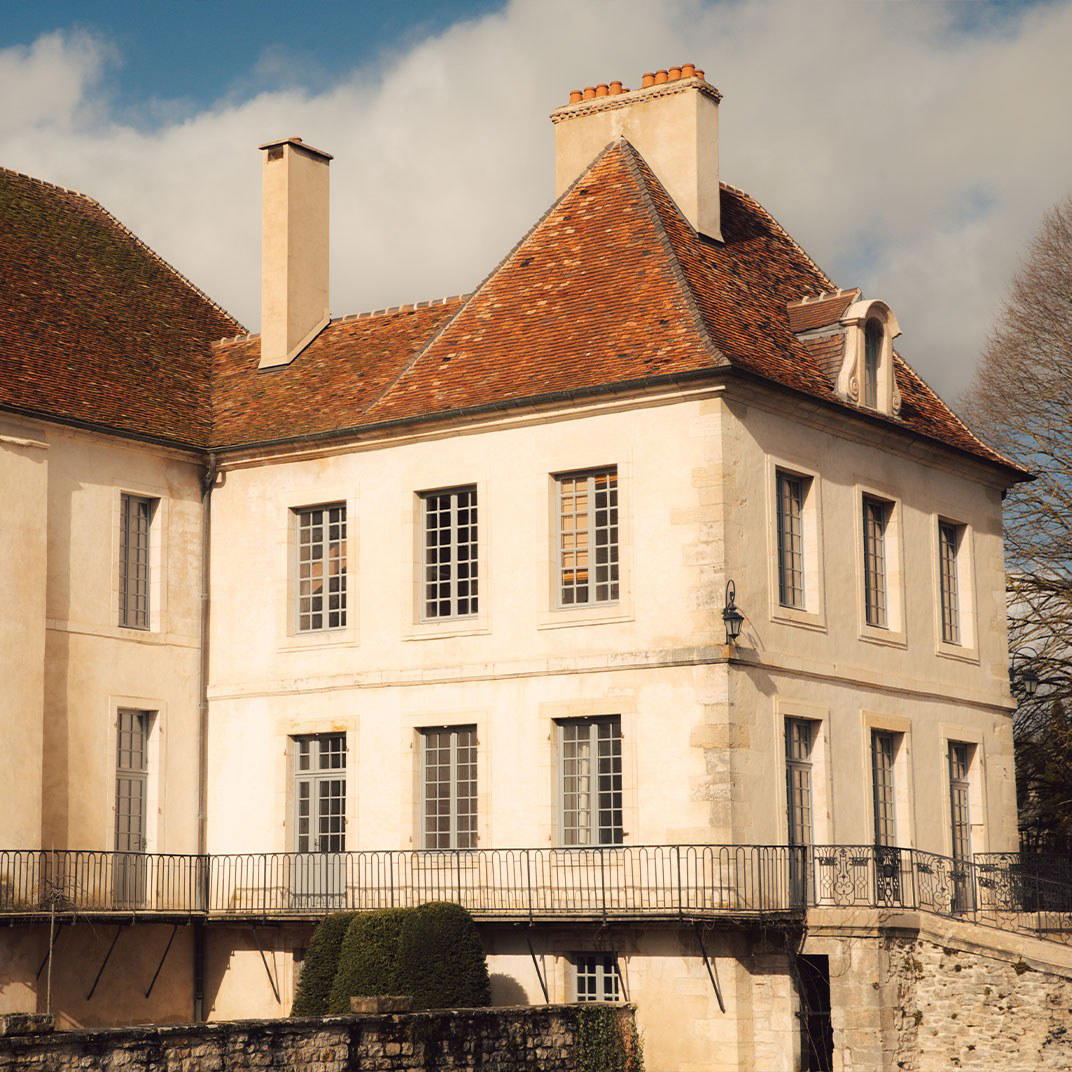
Domaine Jean-Marc Millot operates from the heart of Nuits-Saint-Georges, a town whose tightly packed appellations and iron-rich soils produce some of Burgundy's most structured Pinot Noir.

Pearl is the En Primeur Club membership app — saves, bookings, and concierge access live there. Same editors, same standards.
- Address
- 24 Rue des Seuillets, 21700 Nuits-Saint-Georges
- Phone
- +33 6 48 17 78 95
- Website
- jean-marc-millot.com
- Directions
- Get directions
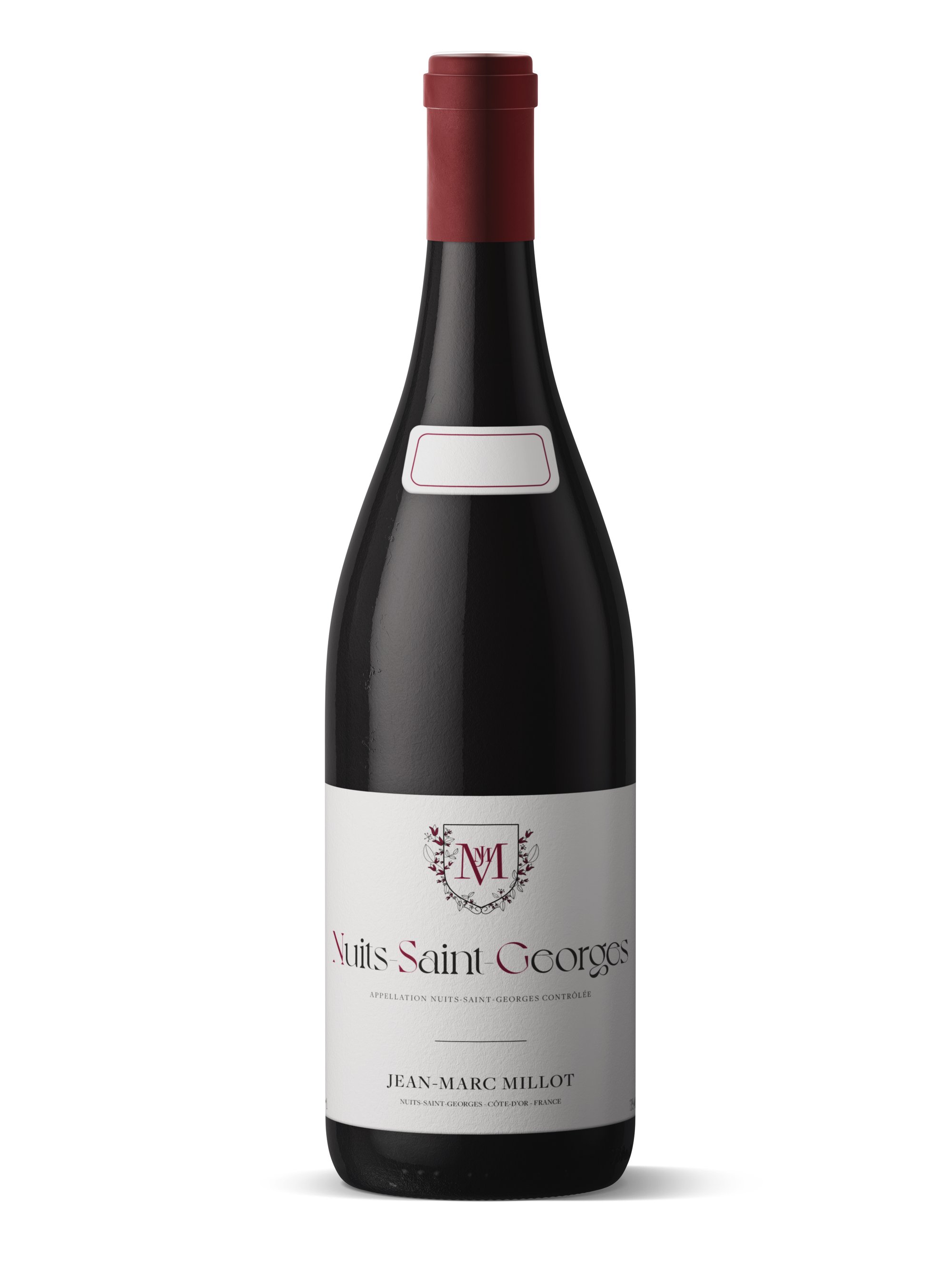
Stone, Soil, and the Côte de Nuits in Winter Light
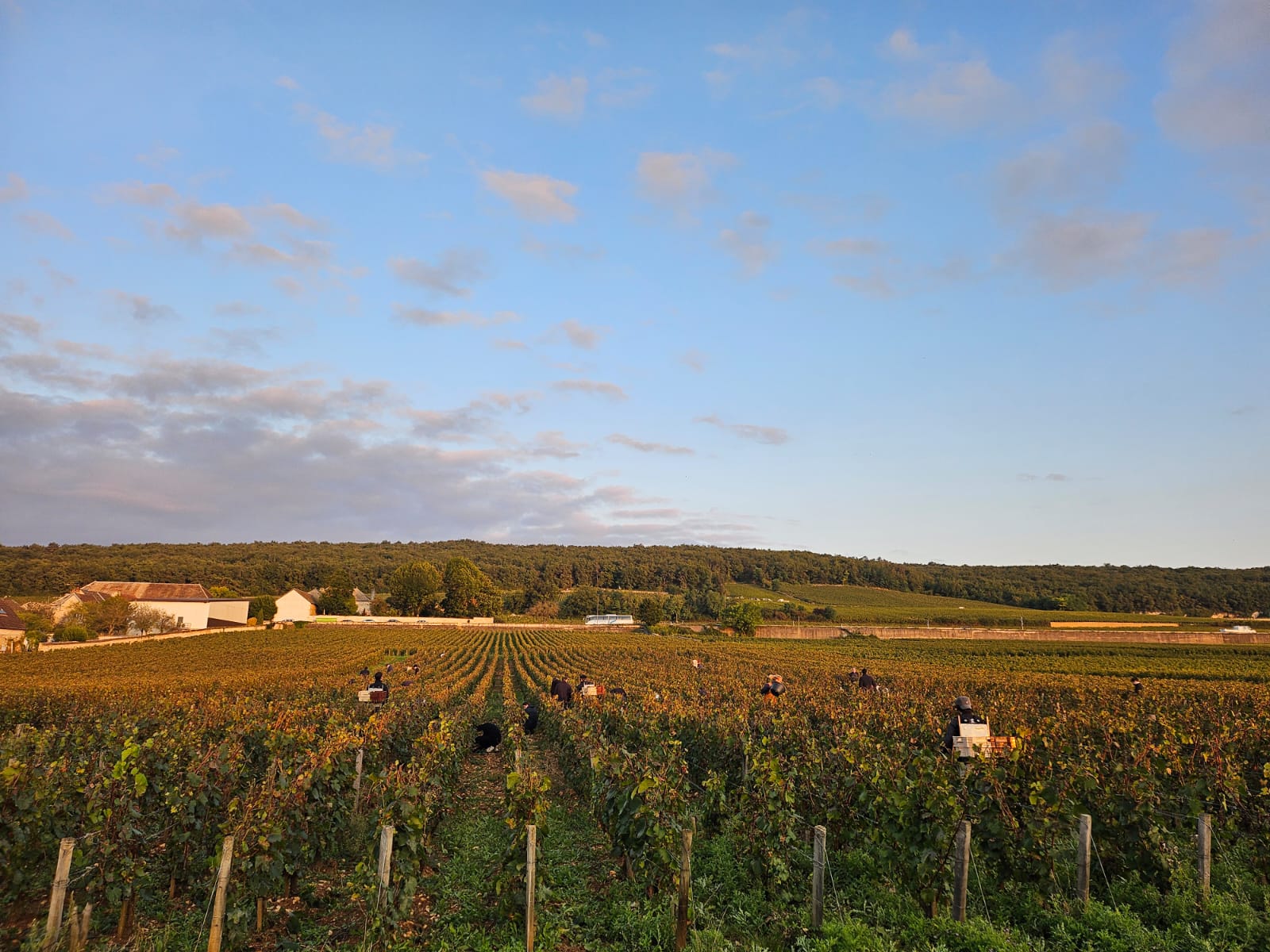
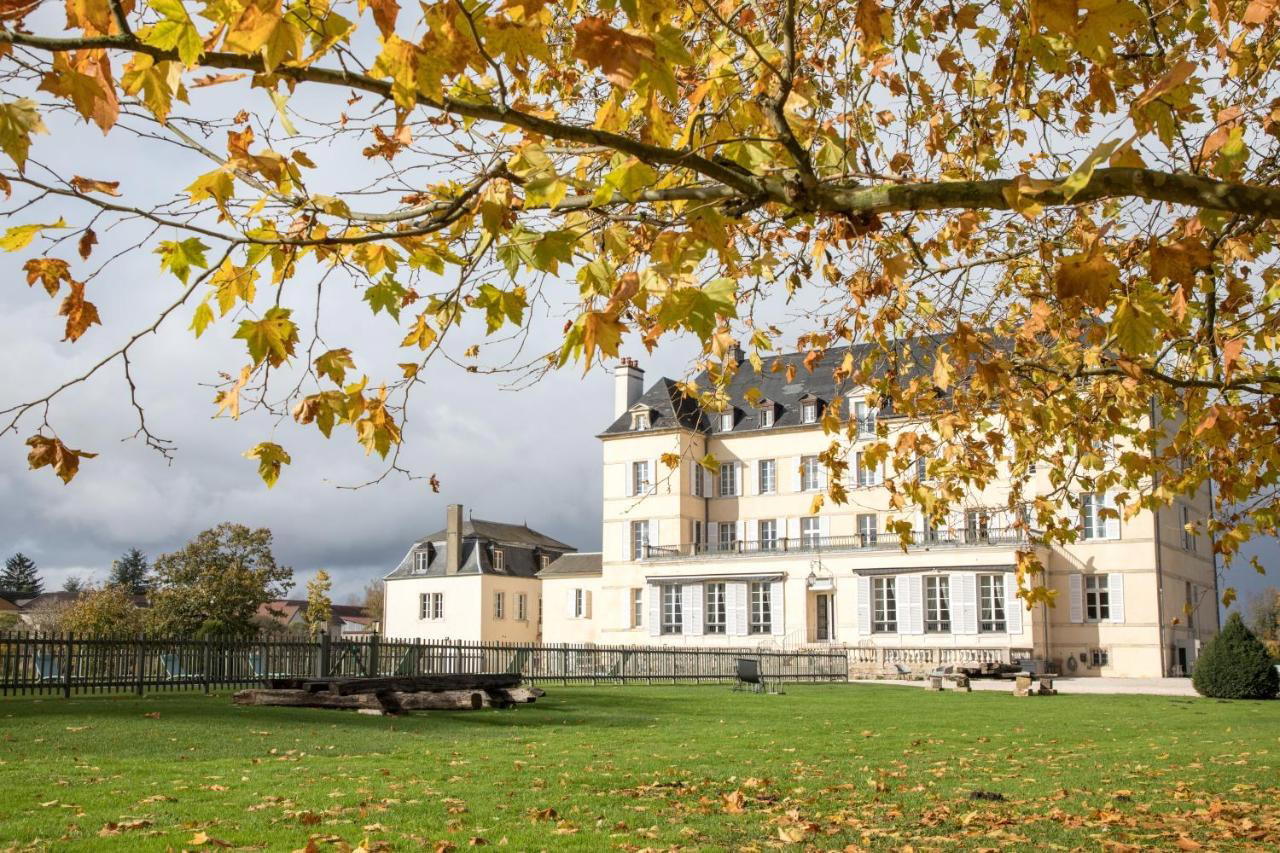
Approach Nuits-Saint-Georges from the north on the D974 and the pattern of the Côte becomes physical rather than abstract. The vineyards press against the road with a density that signals land value as much as agricultural habit. Each parcel has a name, a history, and an owner who treats it accordingly. By the time you reach the southern end of the appellation, near the Rue des Seuillets where Domaine Jean-Marc Millot is based, you are deep inside one of Burgundy's most argument-generating communes: a town with no Grand Cru to its name yet a Premier Cru roster that regularly outperforms expectations at the glass.
That absence of Grand Cru status has long shaped how Nuits-Saint-Georges is read by outsiders. The town lacks the single-appellation shorthand that Chambolle-Musigny or Gevrey-Chambertin carry. What it has instead is granularity: more than two dozen Premier Cru sites, each pulling iron and limestone from slightly different exposures, producing wines that reward specificity over headline recognition.
Where the Domaine Sits in the Nuits Producer Hierarchy
At that tier, a domaine is understood to be operating with a level of consistency and cellar discipline that goes beyond casual village-level production. Nuits-Saint-Georges has producers across several quality registers: large négociant houses with international distribution, family domaines working inherited parcels with varying ambition, and a smaller cohort of precision-focused producers whose allocations move quietly and whose wines age with the structure the appellation promises on paper.
Domaine Jean-Marc Millot belongs to the latter category. Domaine Henri Gouges has operated as a reference point for the appellation since the early twentieth century, particularly for its monopole Les Saint-Georges. Domaine Robert Chevillon covers a wide range of Premier Cru sites and has maintained consistent critical recognition across decades. Domaine de l'Arlot has operated with a biodynamic orientation and an emphasis on elegance that positions it against the town's historically tannic reputation.
Further afield in the commune, Domaine Prieuré Roch and Domaine Thibault Liger-Belair represent different approaches to the same terroir, the former with an extreme natural viticulture position and the latter with a more commercially visible presence across multiple appellations.
The Physical Logic of Nuits-Saint-Georges
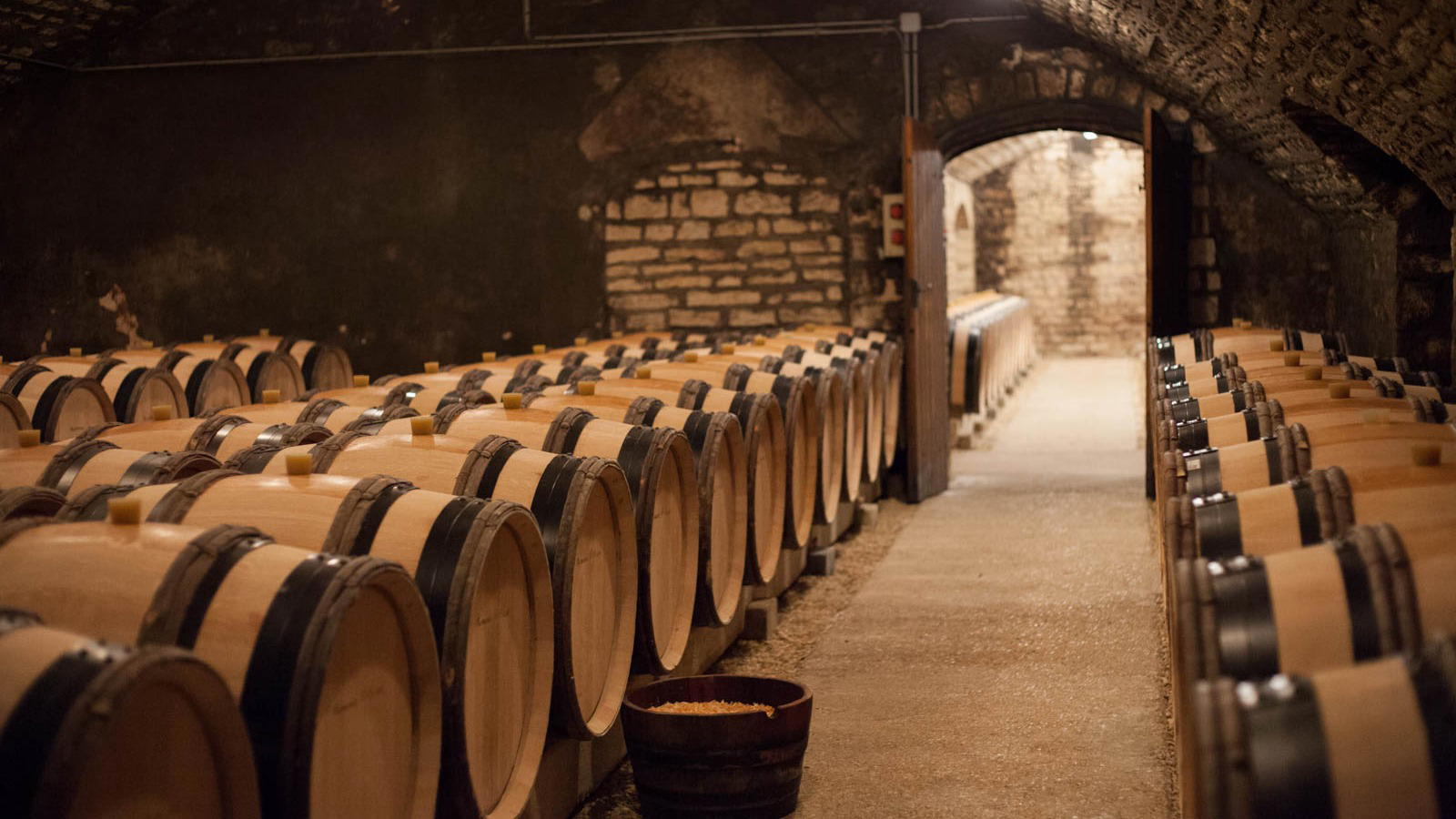
Understanding what Millot produces requires understanding what Nuits-Saint-Georges actually is as a place. The appellation covers both the commune of Nuits-Saint-Georges and the neighbouring Prémeaux-Prissey to the south, with the Premier Cru sites distributed across a long band of hillside. The soils shift from the more clay-heavy lower slopes, where Bourgogne-level fruit is produced, up through the limestone-rich mid-slopes where the Premier Cru parcels concentrate. The Rue des Seuillets address places the domaine within the town itself, which in Burgundy means close proximity to cellars that sit beneath the streets: the cold, quiet infrastructure that Burgundian viticulture has always relied on as much as the vineyard above ground.
The iron content in Nuits-Saint-Georges soils is not incidental flavour rhetoric. It correlates with structural weight, with the tannic architecture that makes younger vintages from this appellation less immediately accessible than their Chambolle counterparts but considerably more durable in a serious cellar. Producers working Premier Cru sites in this zone are making wines that require patience and reward it. That structural character defines the appellation's identity more than any single producer's choices.
Burgundy's Prestige Tier and What 2025 Recognition Means
The era when a single score from a high-profile critic defined a domaine's market position has given way to a more distributed system of recognition, where specialist platforms, négociant relationships, and allocation demand collectively construct a producer's standing.
That kind of recognition is not easily won in a region where the baseline of craft is high. Burgundy's prestige tier operates with relatively few shortcuts: the vineyard sites are fixed by law, the grape variety is overwhelmingly Pinot Noir for reds and Chardonnay for whites, and the interventions available to a winemaker are constrained by tradition and, increasingly, by certification requirements. What differentiates producers at the Prestige level is cellar precision: harvest timing decisions, whole-cluster proportion, oak treatment, élevage duration, and the discipline to bottle without over-extraction. These are the variables that translate terroir potential into bottle reality.
For comparison outside the immediate Côte de Nuits context, producers operating at similar recognition tiers in other French regions include Albert Boxler in Niedermorschwihr, a reference domaine for Alsatian Riesling and Gewurztraminer, and further afield in Bordeaux, Château Bélair-Monange in Saint-Emilion and Château Branaire Ducru in St-Julien, both of which operate in their respective appellations at a tier defined by consistent prestige-level recognition rather than headline auction performance. The pattern holds across regions: prestige-tier producers compete against their appellation peers on precision rather than volume, and their recognition reflects sustained discipline over time.
Planning a Visit to Nuits-Saint-Georges
Nuits-Saint-Georges sits on the southern stretch of the Côte de Nuits, approximately 20 kilometres south of Dijon, with direct road access via the D974, which runs the length of the Côte. The town itself is the most commercially active on the Côte de Nuits, with a range of domaines accepting visitors, a weekly market, and accommodation options that make it a practical base for exploring the wider appellation sequence from Marsannay in the north to Prémeaux-Prissey to the south.
Domaine Jean-Marc Millot is located at 24 Rue des Seuillets, within the town. For producers at this recognition tier in Burgundy, advance contact is standard practice rather than a formality: allocation volumes are typically modest, and cellar visits at serious domaines are not walk-in experiences. Direct outreach before arrival is the appropriate approach. The broader Nuits-Saint-Georges producer circuit offers enough depth to structure a multi-day itinerary, and the full Nuits-Saint-Georges guide covers the range of producers and dining options available across the town.
For those building a wider Côte de Nuits itinerary, producers at comparable recognition tiers across other French wine regions provide useful reference points for what the prestige tier delivers in different terroir contexts. Château Batailley in Pauillac, Château Bastor-Lamontagne in Preignac, and Château Boyd-Cantenac in Cantenac each represent appellation-specific takes on the same principle: consistent critical standing built on terroir fidelity rather than commercial positioning.
A Lean Comparison
Comparable venues nearby, for context on price, style, and recognition.
| Venue | Cuisine | Price | Awards | Notes |
|---|---|---|---|---|
| Domaine Jean-Marc MillotThis venue — the venue you are viewing | Côte de Nuits, Pinot Noir, Aligoté | Not listed | Not listed | Not listed |
| Domaine Robert Chevillon | Not listed | Not listed | Not listed | Nuits-Saint-Georges, Pinot Noir, Chardonnay |
| Domaine Thibault Liger-Belair | Not listed | $50–100 | Falstaff Winery - Listed | Nuits-Saint-Georges, Pinot Noir, Chardonnay |
| Domaine Bertrand Machard de Gramont | Nuits-Saint-Georges, Pinot Noir, Aligoté | Not listed | Not listed | Not listed |
| Domaine Prieuré Roch | Not listed | $150–200 | Not listed | Nuits-Saint-Georges, Pinot Noir, Chardonnay |
| Domaine de l'Arlot | Prémeaux-Prissey, Pinot Noir, Chardonnay | $50–100 | Falstaff Winery - Listed | Not listed |
Continue exploring
More in Nuits-Saint-Georges
Wineries in Nuits-Saint-Georges
Browse all →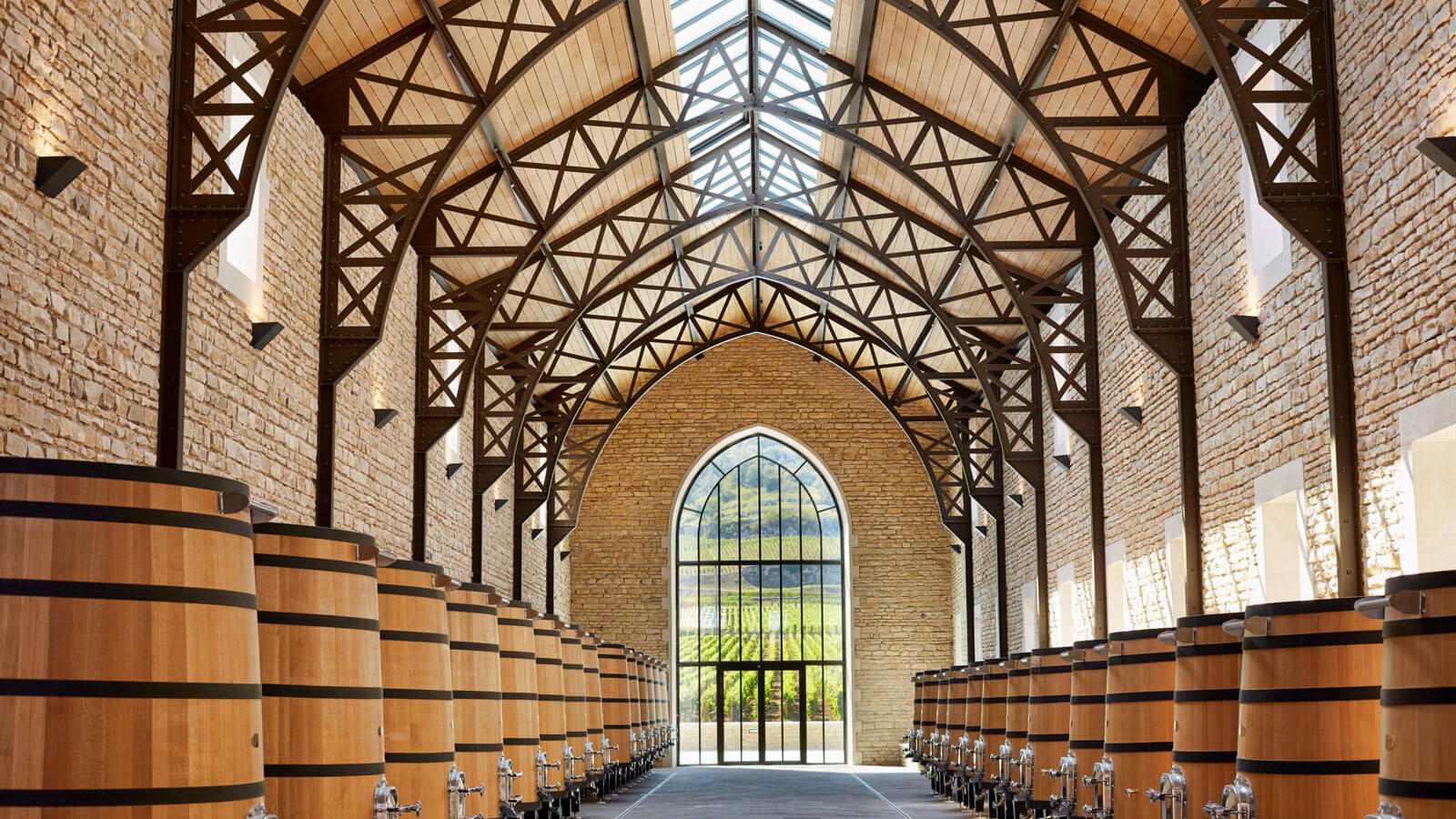
Bars in Nuits-Saint-Georges
Browse all →

Restaurants in Nuits-Saint-Georges
Browse all →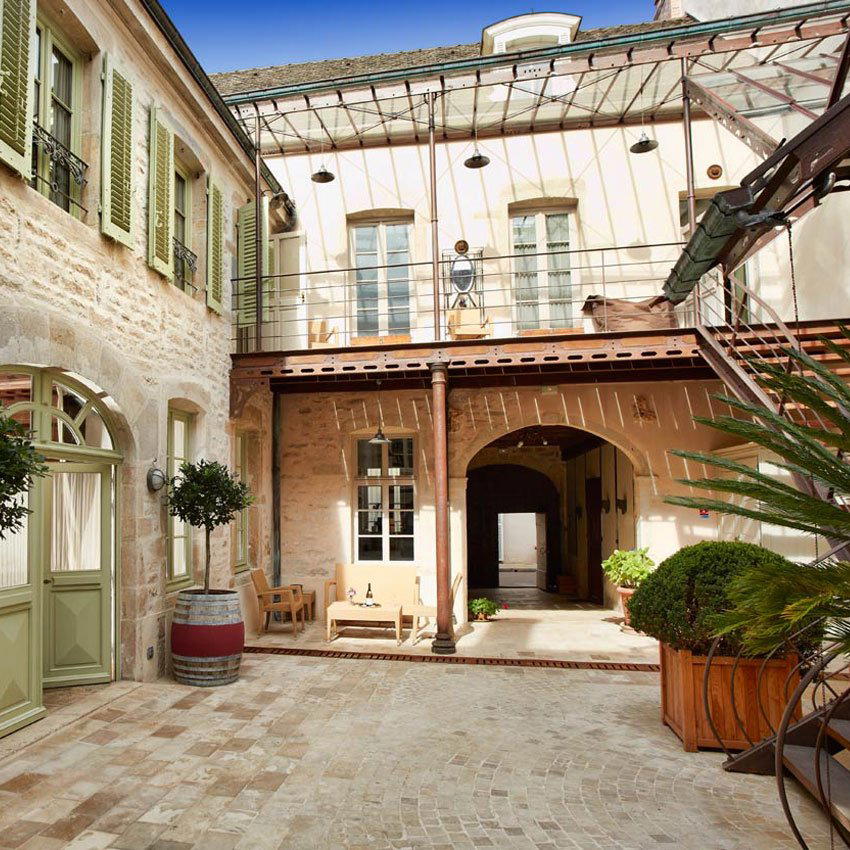
Details
- Rustic
- Elegant
- Intimate
- Classic
- Wine Education
- Solo Exploration
- Special Occasion
- Vineyard Tour
- Cave Tasting
- Organic
- Vineyard
- Pinot Noir
- Aligoté
- Gamay
- Still Red
- Still White
- Cave Tasting